
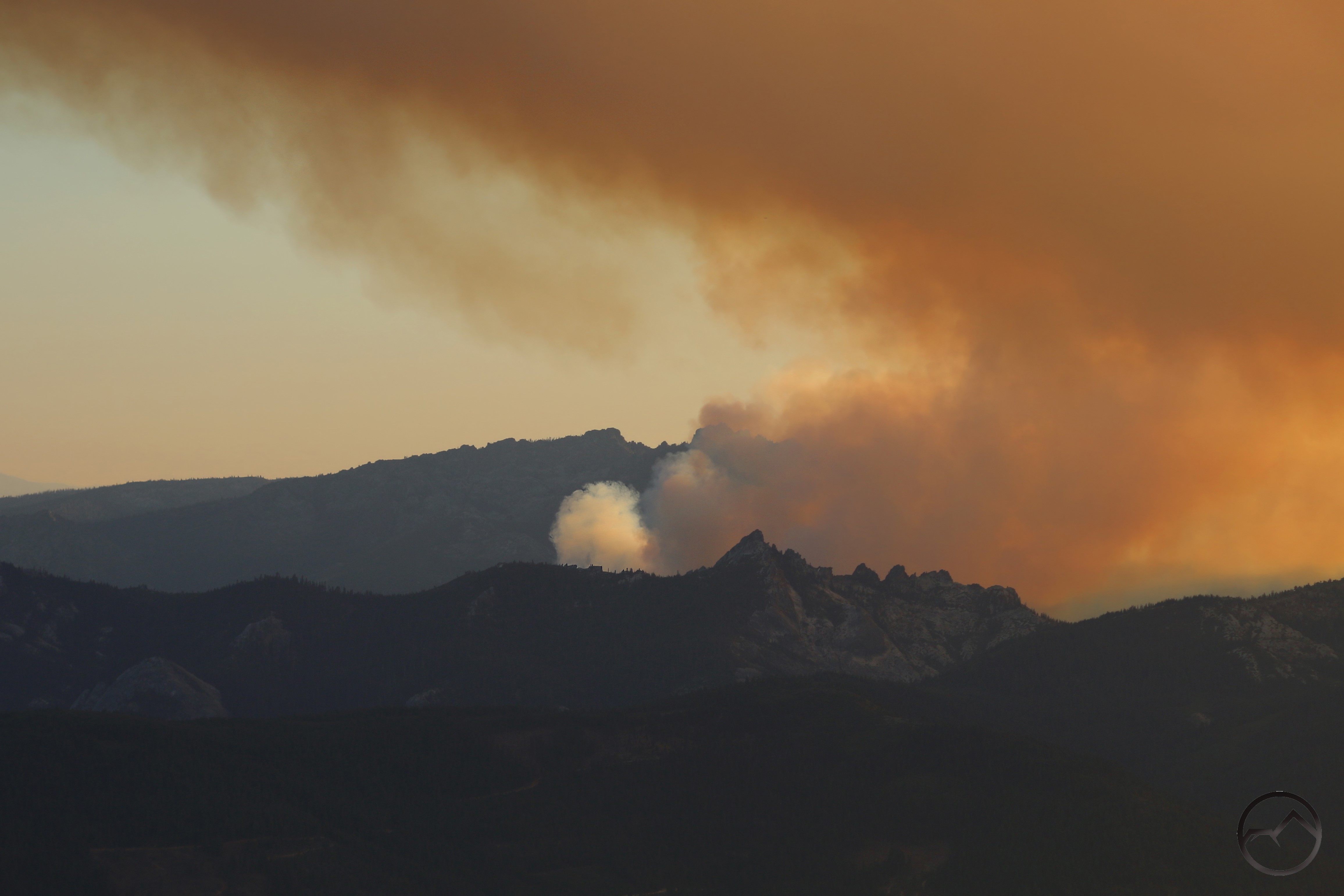
The Root Fire spews smoke between the Grey Rocks and the Castle Crags.
The summer of 2025 has been a pretty mellow one in terms of weather and fires. Cooler than many recent summers and with little fire activity in the North State. Though the Mount Shasta area had several significant lightning storms we had dodged the fire bullet. That all came to a screeching halt on September 1st. Located in the Castle Creek drainage on the south side of the Castle Crags, the Root Fire grew rapidly and sent a massive plume of smoke into the air, visible from all over the region around Mount Shasta. Named for a nearby creek (but not the more well-known one that is home to Root Creek Falls), the Root Fire broke the fireless streak in dramatic, but thankfully short-lived, fashion.
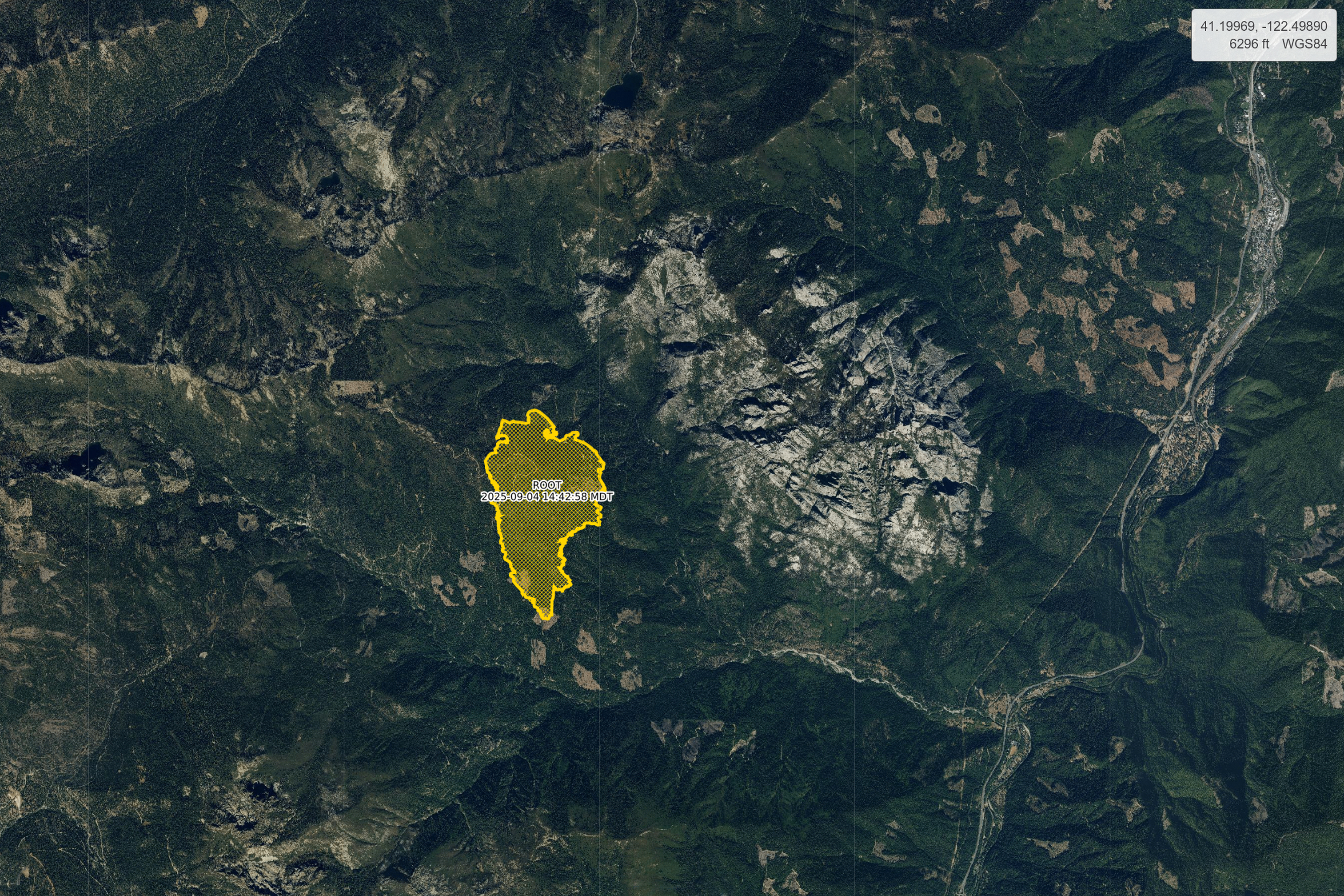
The Root Fire burned on the ridge that separates the North and main forks of Castle Creek.
The fire was most likely caused by yet another careless camper who left a fire unattended. Located right off of Castle Creek Road, the fire began at an illegal campsite. Due to the checkerboard nature of the land ownership in this area, it can be difficult to determine where dispersed camping may or may not be allowable. However, a knowledgeable camper will not that if there is a clear cut in the forest, the land is privately owned by a timber company. That is certainly the case here, since the campsite was located in a clear cut. The fact that the camper did not know this or care about it if they did does not speak highly of them and speaks to their inability to manage their fire responsibly.
The video below was taken from Girard Ridge, which is to the east, rising nearly 3,000 feet above the Sacramento River. I have no control over that the camera focuses on, so all cuts in the footage are the result of camera movements, not editing. The first two days are documented in the footage, covering the fire’s most active period.
The footage is nearly 5 minutes long and begins the morning of the first, the day the fire started. There is a long section at the beginning with no activity before the fire is noticed. Once the alert is given, the camera will zoom in on the fire, which provides the opportunity to watch it from its nascent stage. It’s a long but very interesting video.
I have also cut it into two smaller sections, by day:
Both days offer some interesting sights and observations about the fire. The weather adds some flare, as does watching the stars move through the night sky.
The first night of the fire a dramatic plume of smoke shot up into the sky, blanketing the area like a shroud. Ash rained down at my house. Some pieces were even identifiable as flakes of ponderosa bark. My family and I had already planned on heading up to the Old Ski Bowl that evening. When we saw that that part of Mount Shasta hadn’t been inundated by smoke, we decided to maintain plans.
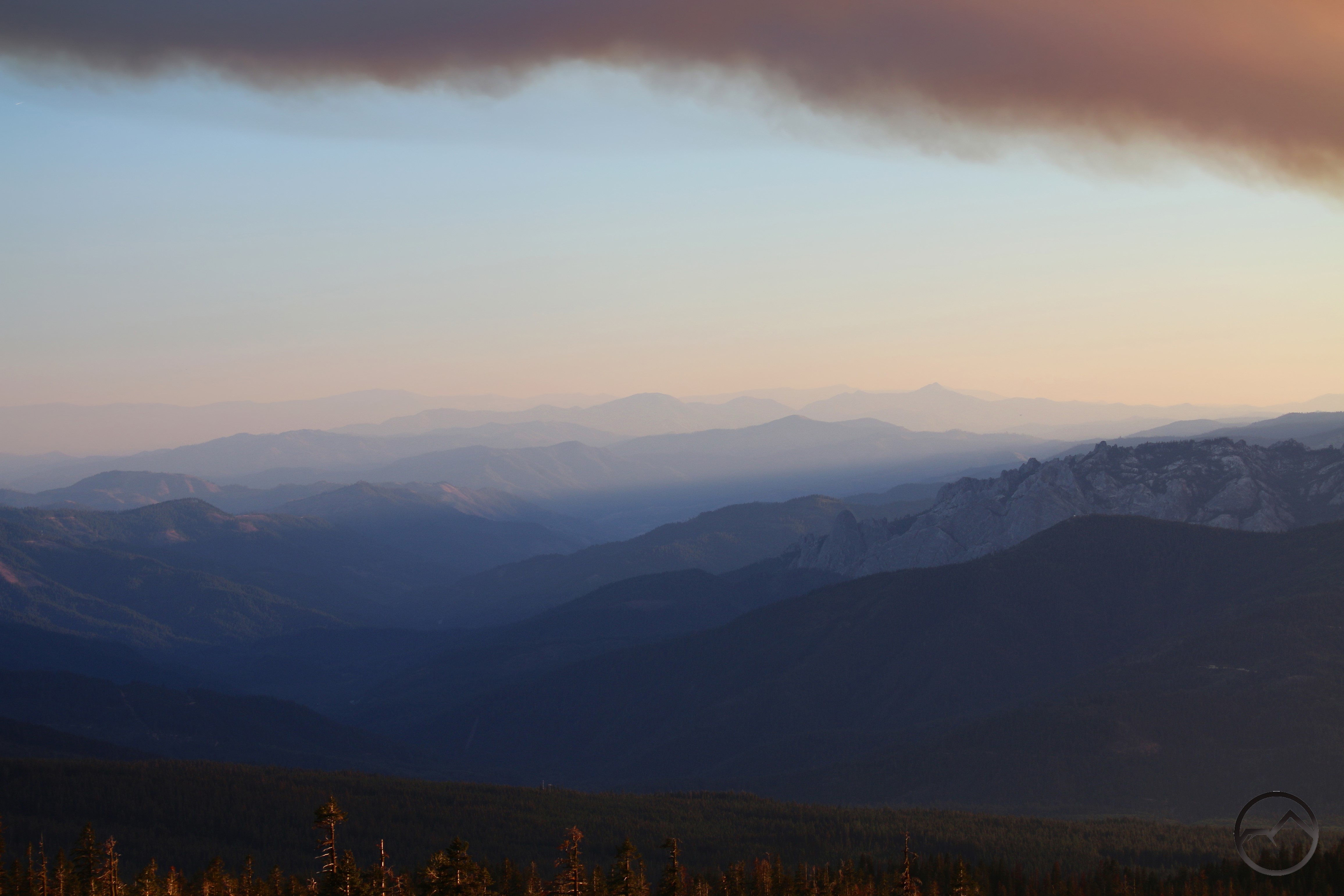
The view is always dramatic, but the added plume, the setting sun and the ominous feel of the fire made for a particularly memorable sunset. As the fire rages, we watched the sunlight trace its way up the Sacramento River canyon, particularly along Girard Ridge, where the webcams were currently recording the fire’s activity.
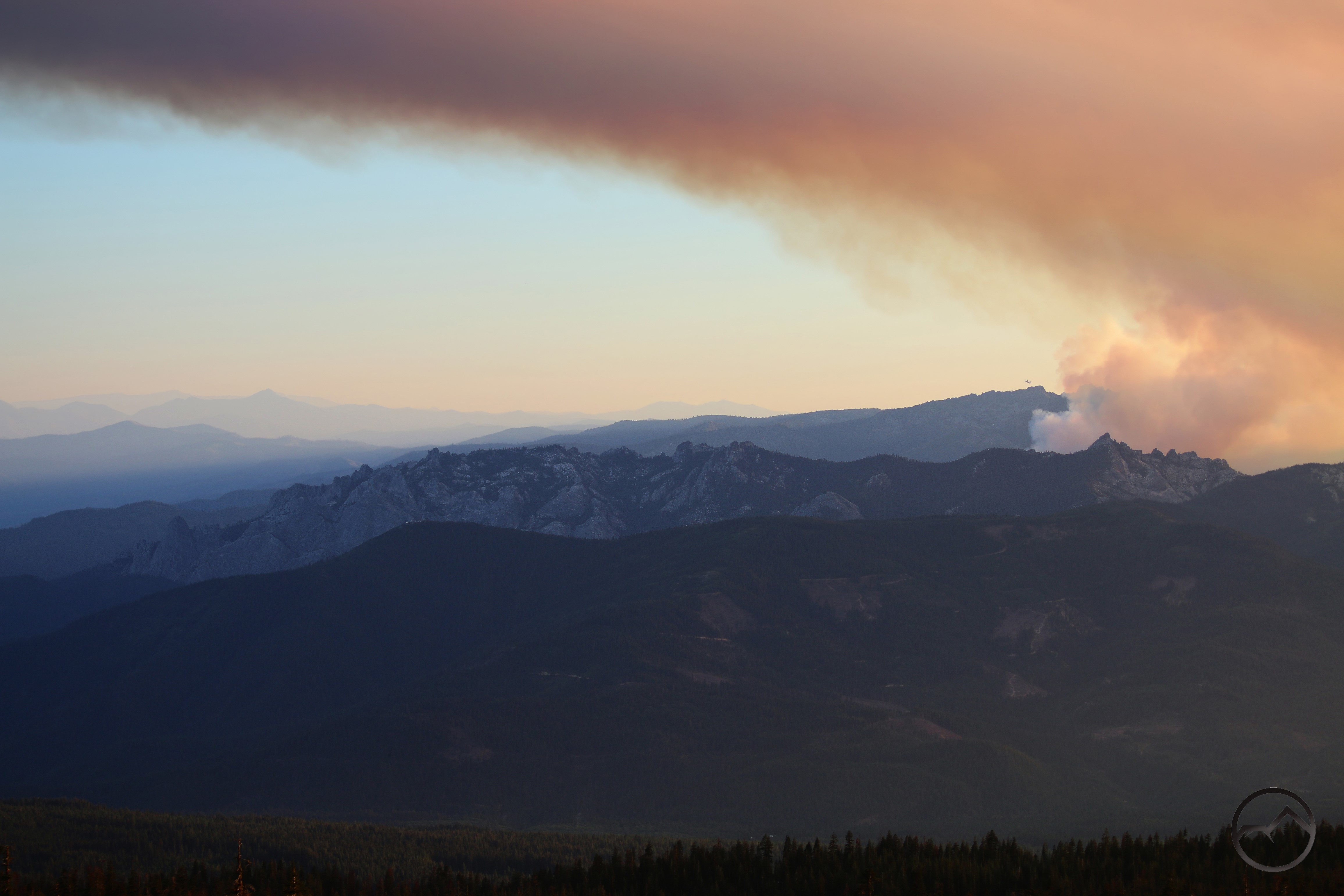
As we watched, the drama was increased by the arrival of a VLAT. It was late in the day and had been scheduled to arrive but now it was a race against time to make it useful, as the sun was setting and the aerial attack ceases with the end of daylight. The above image is of the smoke rising from the fire behind the Castle Crags. If you enlarge the image, you can see the VLAT just above the summit of Grey Rock South.
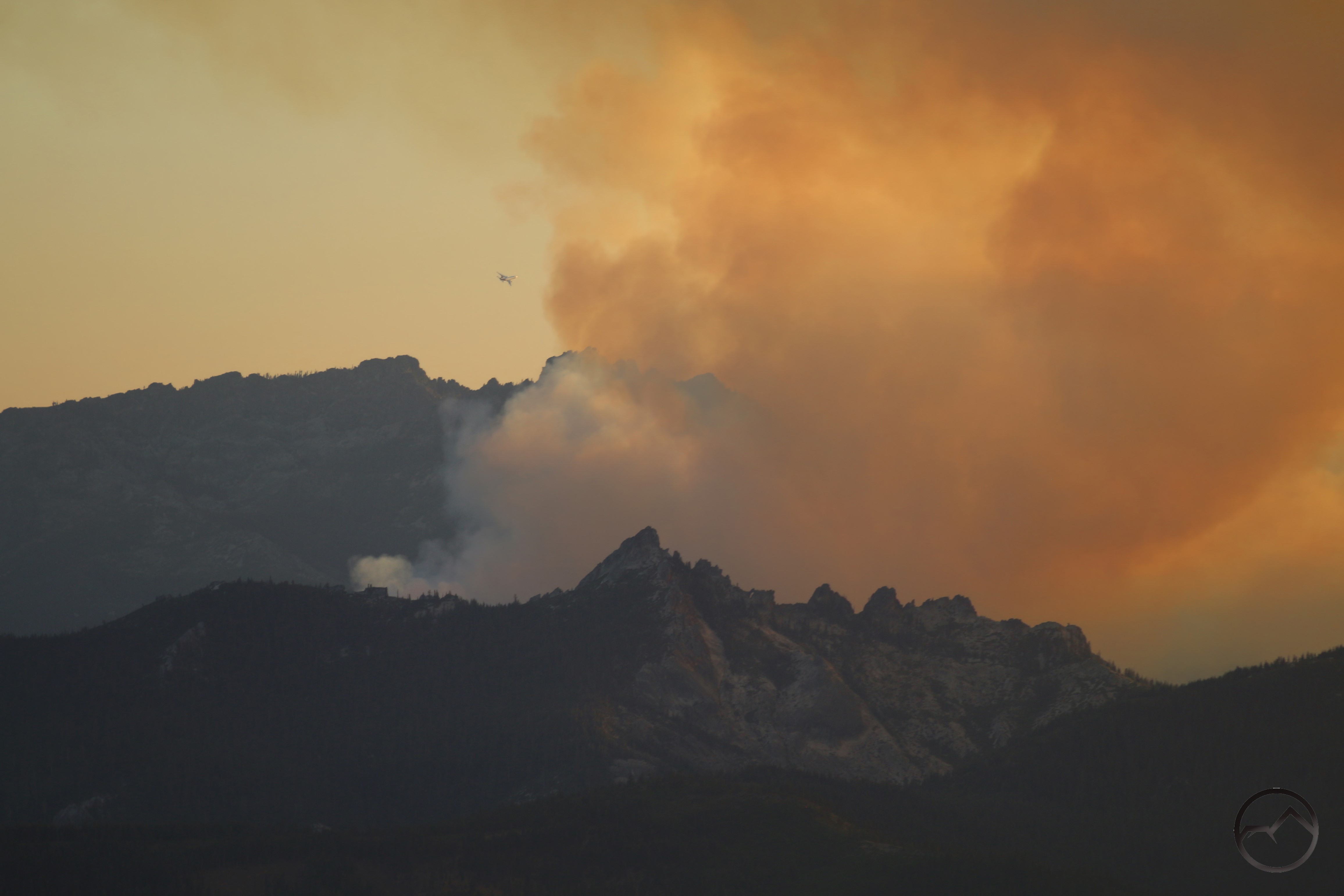
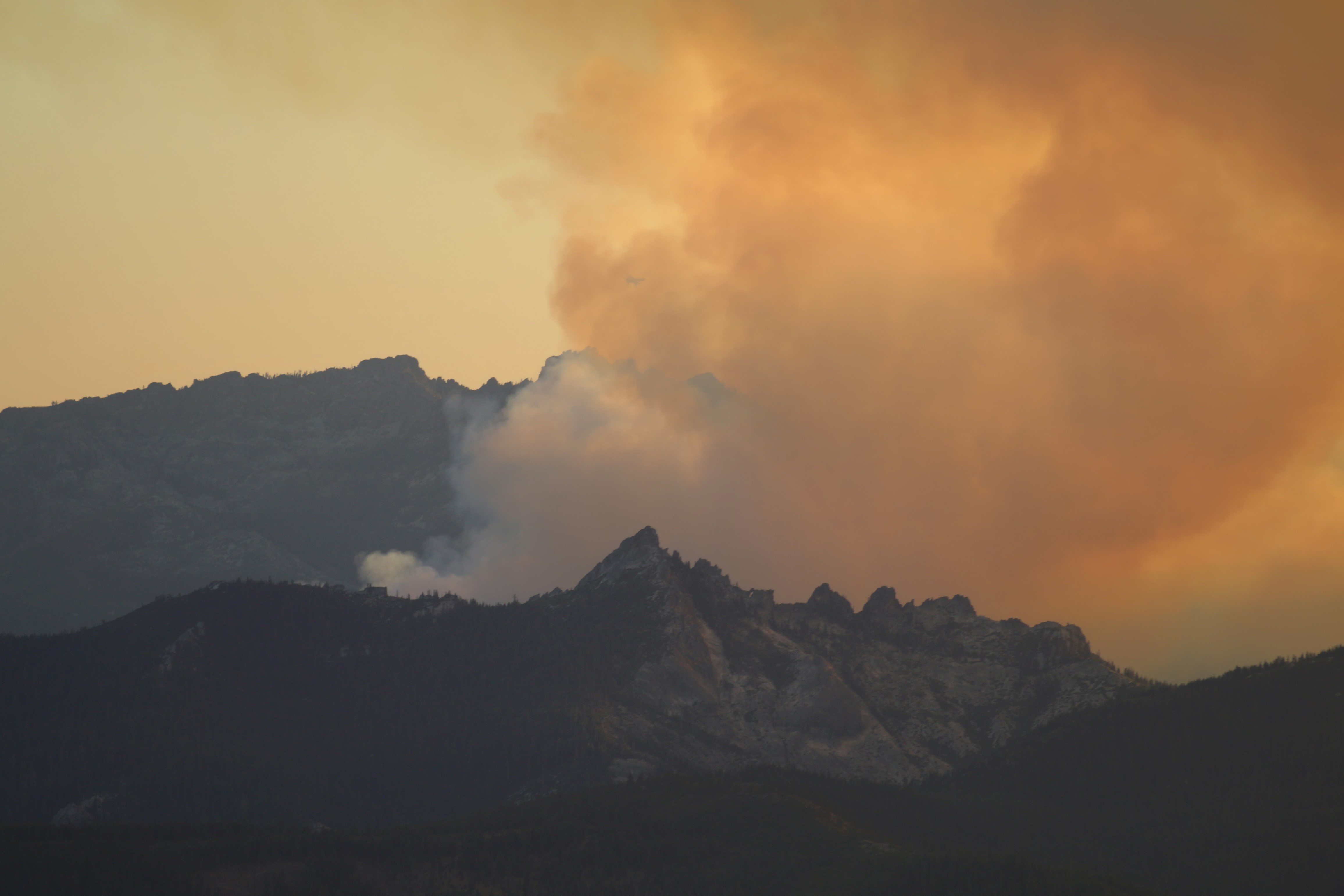
These are closer images of the VLAT making a pass above the fire. The first shows the plane clearly. The second shows the plane a few moments later, banking behind the plume of smoke. Strangely, the setting sun make the smoke almost appear as if it is made of retardant.
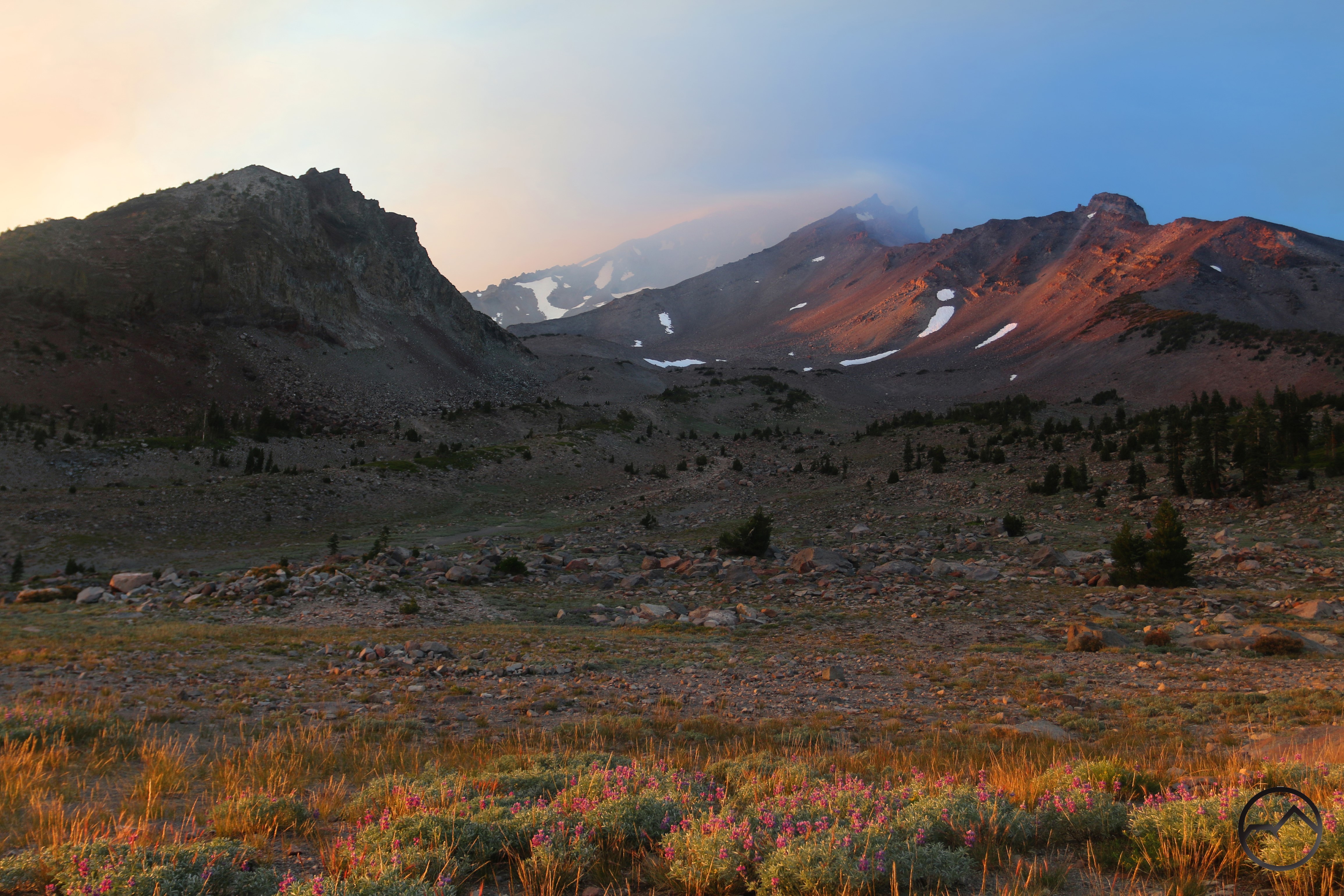
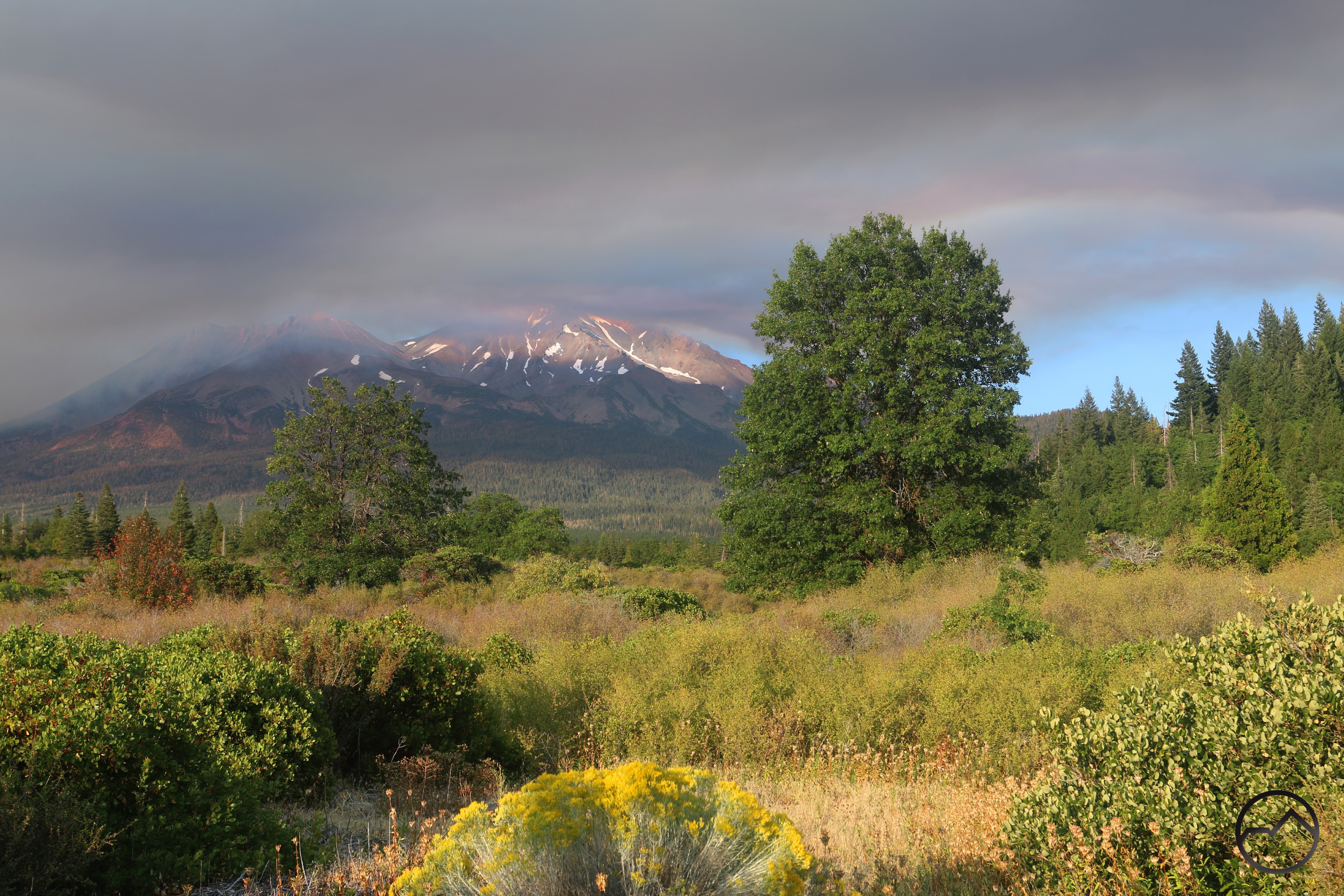
Looking away from the fire, the smoke was licking at the ridges of Mount Shasta, but the air currents seemed to be keeping it away from the mountain, except at the very summit, where a strange accumulation of smoke had settled. The setting sun, the smoky sky and the wildflowers of the Old Ski Bowl made for an eerie sight.
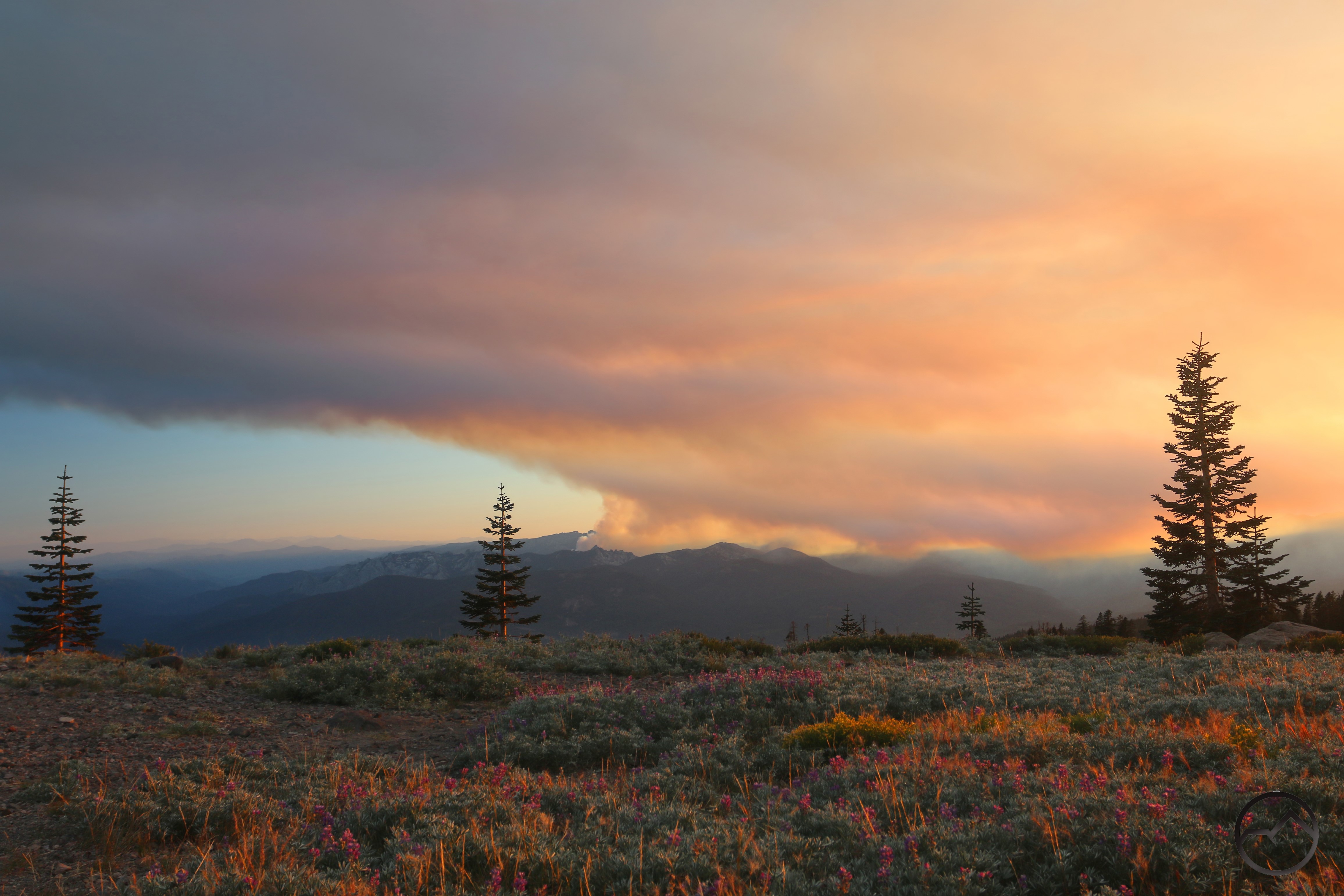
The same was true looking back at the fire. It was disheartening that there was a fire at all, let alone one so close to the Castle Crags. Yet, from up at the Old Ski Bowl, the beauty of the scene could not be denied. Such is the paradox of nature at times.
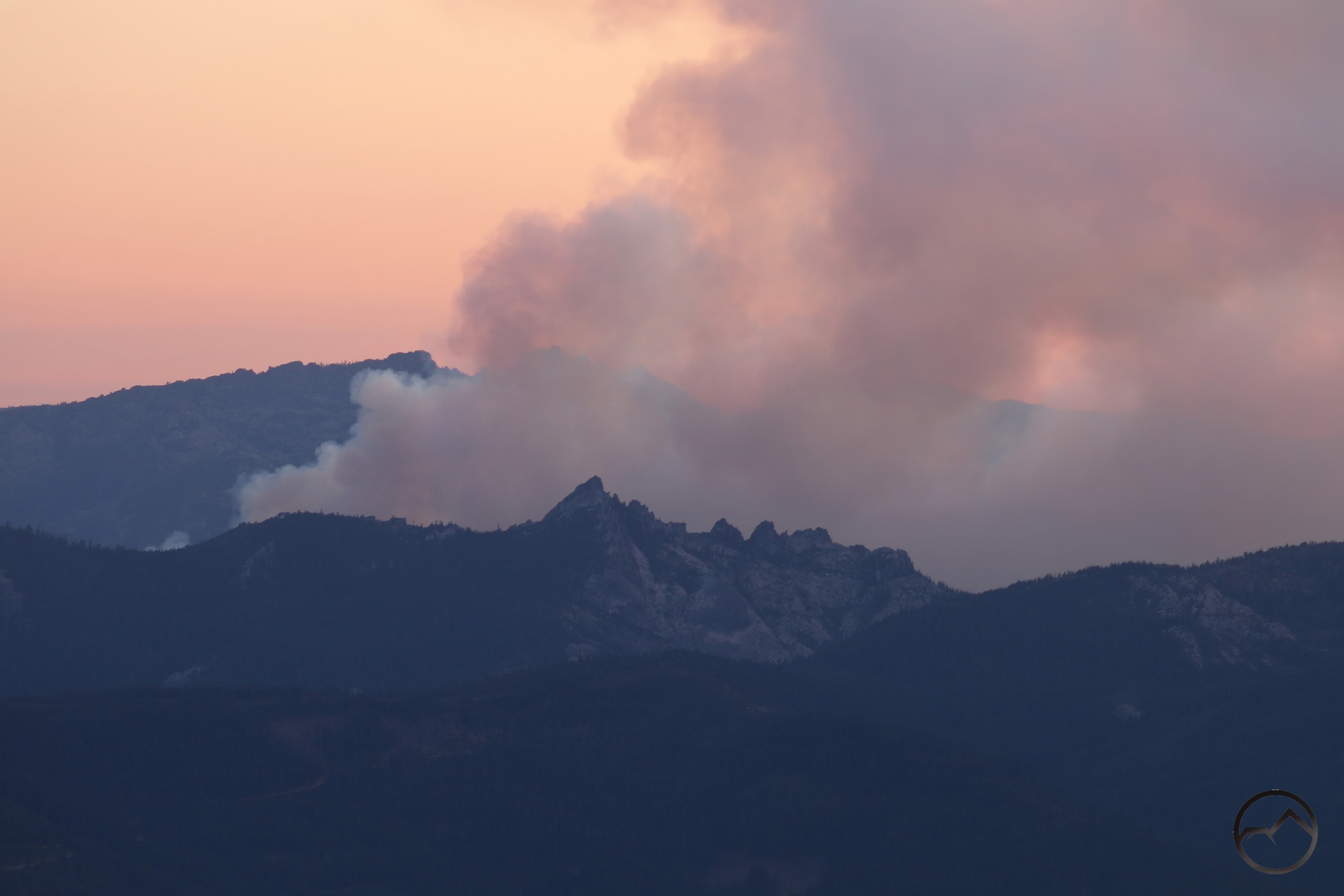
As the light began to fade completely, the fire began to settle down. Without the wind and higher temperatures the conditions became less favorable to the fire’s growth.
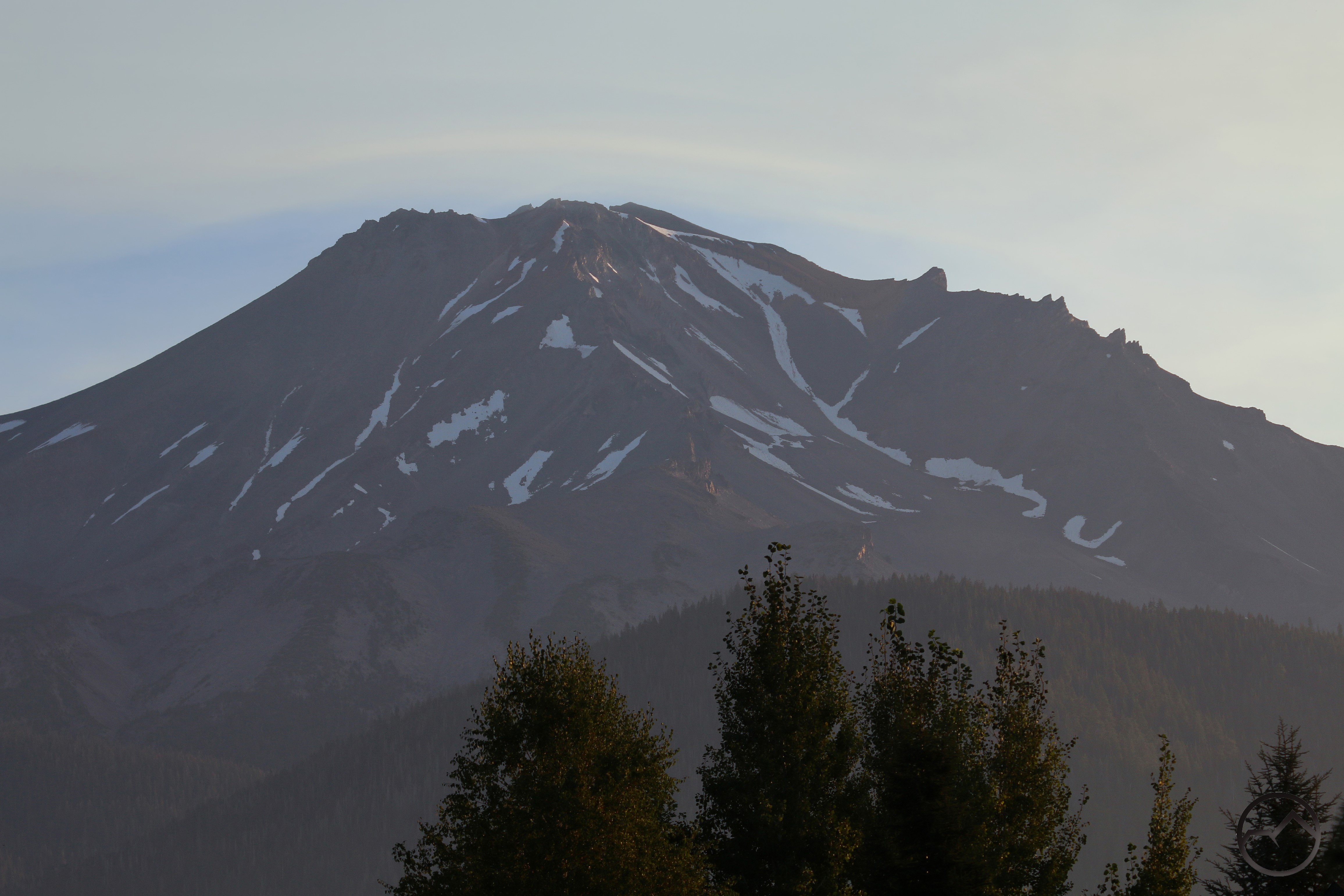
The next morning the fire had became more active but it’s sudden burst of activity had slowed considerably. It wasn’t to grow to much more, since the fight against it would prove very effective. After dropping my kids off at their first day of school, I stopped and captured a image of Mount Shasta with a faint “smoke lenticular” over it. The smoke faded after this and wasn’t much of a presence for the rest of the fire’s brief duration. Hopefully this marks the end of Mount Shasta’s 2025 brush with fire.
 Hike Mt. Shasta