Hike Mt. Shasta

Exploring the Mount Shasta Region

  • Home
  • Trails
    • Mount Shasta Trails
      • Brewer Creek Trail
      • Clear Creek Trail
      • Gray Butte Trail
      • Green Butte Ridge Trail
      • Horse Camp Trail
      • North Gate Trail
      • Old Ski Bowl Trail
      • Panther Meadow Trail
      • South Gate/Squaw Meadow Trail
      • Whitney Falls Trail
    • Trinity Divide Trails
      • Blue Divide Trail
      • Castle Lake Trail
      • Castle Lake Shore Trail
      • Cliff Lake Trail
      • Deadfall Lakes Trail
      • Gray Rock Lakes Trail
      • Gumboot Trail
      • Heart Lake Trail
      • Porcupine & Toad Lakes Via Pacific Crest Trail
      • Seven Lakes Basin Via Pacific Crest Trail
      • Sisson-Callahan Trail
      • Soapstone Trail
      • South Mumbo Scramble
      • Tamarack Lake Trail
      • Toad Lake Trail
    • Castle Crags Trails
      • Burstarse Falls Via Pacific Crest Trail
      • Castle Dome Trail
      • Flume Trail
      • Lower Castle Crags Via Pacific Crest Trail
      • Root Creek Trail
    • Scott Mountains Trails
      • Bluff Lake & Cement Bluff via Pacific Crest Trail
      • Caldwell Lakes Trail
      • China Mountain Scramble
      • Cory Peak and Bull Lake via Pacific Crest Trail
    • Cascade Crest
      • Ash Creek Butte Scramble
      • Goosenest Trail
      • Juanita Lake Trail
      • Orr Lake Trail
    • Mount Shasta City Area Trails
      • Black Butte Trail
      • Box Canyon Trail
      • Gateway Trail
      • Lake Siskiyou Trail
      • Mount Shasta City Short Trails
      • Ney Springs Canyon Trail
      • Spring Hill Trail
    • Shasta Valley Trails
      • Black Lava Trail
      • Haystack Trail
      • Lake Shastina Trail
      • Pluto Cave Trail
      • Trout Lake Trail
      • Yellow Butte Trail
    • Sacramento River Trails
      • Dunsmuir Trail
      • Hedge Creek Falls Trail
      • Sacramento River Trail
      • Sims History Trail
    • McCloud River Trails
      • Ash Camp To Ah-Di-Na Via Pacific Crest Trail
      • McCloud River Falls Trail
      • McCloud River Preserve Trail
      • Squaw Valley Creek Trail
      • McCloud River Trail: Algoma Camp to Nitwit Camp
      • McCloud River Trail: Nitwit Camp to Cattle Camp Swimming Hole
      • McCloud River Trail: Cattle Camp Swimming Hole to Camp 4
      • McCloud River Trail: Camp 4 to Upper McCloud Falls
      • McCloud River Trail: Pine Tree Hollow Loop
    • Trails Further Afield
      • Trinity Alps Trails
        • Bear Lakes Trail
        • Billys Peak Trail
        • Boulder Creek Lakes Trail
        • Boulder Lake Trail
        • Canyon Creek Trail
        • Caribou Lakes Trail
        • East Boulder Lake Loop
        • East Weaver Lake Trail
        • Four Lakes Loop
        • Granite Peak Trail
        • Grizzly Creek Trail
        • Gulch Lakes Loop
        • Hidden Lake Trail
        • South Fork Lakes Trail
        • Stoddard Lake Trail
        • Stoney Ridge Trail
        • Tangle Blue Lake Trail
      • Warner Mountains
        • Emerson Creek Trail
        • Highgrade Trail
        • Patterson Lake Via Warner Summit Trail
        • Pine Creek Trail
        • Squaw Peak Trail
  • Articles
    • Trails By Area
      • Mount Shasta
        • Vistas, Meadows And Waterfalls: Three Best Hikes On Mount Shasta
        • The End Of The Road: Three Hikes In The Old Ski Bowl Area
        • Two Trails From Bunny Flat
        • Three Trails On Mount Shasta’s East Side
        • Mount Shasta’s Hummingbirds
      • Trinity Divide
        • Great Lakes: Top Five Lake Basins In The Trinity Divide
        • The Headwaters Of The South Fork Of The Sacramento River
        • Neglected Headwaters: Two Lesser Lake Basins On The South Fork
        • Gumboot Saddle: Two Hikes On The PCT
        • Descent Into Mystery: The Sisson-Callahan Trail
        • Mumbo Basin – Overlooked On The West Side
        • The Headwaters Loop: A Proposed Backpacking Loop In The Trinity Divide
      • The McCloud River
        • The McCloud River Trail
      • Shasta Valley
        • Jewels In The Desert
      • Scott Mountains
        • Great Scott! Two Scott Mountains Hikes On The PCT
      • Trinity Alps
        • Carubou Lakes: Trinity Alps On A Grand Scale
        • Switchbacks To Heaven: The Trinity Alps’ Stoney Ridge Trail and Four Lakes Loop
        • Trinities In Proximity: Two Trinity Alps Trails With Easy Access From Mount Shasta
        • Trails in the Carter Meadows Area
        • Trinity Alps Views of Mount Shasta
        • The Psychological Value Of The Trinity Alps
    • Waterfalls
      • Three Waterfalls On Mount Shasta
      • McCloud River Waterfalls
      • Sacramento River Waterfalls
      • Trinity Divide Waterfalls
      • Trinity Alps Waterfalls
      • Avoiding A Dry Whitney Falls
    • Off Season Trails
      • Three Winter Hikes Near Mount Shasta City
      • Winter Hikes In Shasta Valley
      • Winter Hiking In The Shasta Valley Wildlife Refuge
      • Winter Hikes On The Sacramento River
      • Winter Hikes On The Lake Siskiyou Trail
      • Spring Hikes In The Castle Crags
      • Spring Hikes On the Upper McCloud
      • Spring Hikes On The Lower McCloud River
    • Points Of Interest
      • Mount Eddy: Overshadowed, Underrated
      • Black Butte: Hiding In Plain Sight
      • Castle Dome: Steadfast And Staggering
      • Mount Shasta Hoodoos
      • Sacramento Scrambling
      • The Shasta River
      • The Castle Creek Watershed
      • Mount Shasta East Side Glacier View
      • 5 Fantastic Mount Shasta Vistas
      • 5 Highest Peaks Around Mount Shasta
      • 5 Best Hikes On Creeks And Rivers
      • 5 Interesting Footbridges
      • Three Spectacular Drive-To Sunset Vistas
    • North State Geography
      • Introduction
      • Seven Major Regions
      • The California Cascades
      • Klamath Mountains Pt. I
      • Klamath Mountains Pt. II
      • The Great Canyons Of Mount Shasta
      • Mount Shasta, Timberline, And The Relative Size Of Cascade Volcanos
      • Four Eruption Cones Of Mount Shasta
      • Mount Shasta’s Medial Moraine
    • Northern California Review
      • North Table Mountain
      • Lakes Basin Recreation Area
      • Eastern Sierra Fall Color
      • Sonoma County
      • Central Sierra Nevada
      • Orland Buttes
    • Seldom Seen
      • Ash Creek Falls
      • Mud Creek Canyon
      • Lower Mud Creek Canyon
      • Diller Canyon
      • Lower Cascade Gulch
      • The Grey Rocks
      • Castle Creek
      • Upper Wagon Creek
      • Fawn Creek Canyon
      • Confluence of the Sacramento River and Castle Creek
      • Upper Klamath River Canyon
      • Hole In The Ground Geologic Area
      • Ash Creek Butte Fossil Rock Glacier
    • Mount Shasta History
      • Vantage Lost: The Everitt Memorial Vista
      • A Yosemite-Mount Shasta Connection
      • Whitney – What’s In A Name?
      • Mount Shasta Area and the 1838 Exploring Expedition
      • A 19th Century Engraving Of An Epic Mount Shasta Vista
      • Vintage 1907 Color Photos
      • A Misleading Painting
      • A Mysterious Painting
      • A Mysterious Painting Pt. II
      • Stereographic Mt. Shasta
      • Year One Of Hike Mt Shasta
      • Year Two Of Hike Mt Shasta
      • Year Three Of Hike Mt Shasta
      • Year Four Of Hike Mt Shasta
      • Year Five Of Hike Mt Shasta
      • Year Six Of Hike Mt Shasta
      • Year Seven Of Hike Mt Shasta
    • Image Galleries
      • Mount Shasta Trails Gallery
      • Mount Shasta Sunrise Gallery
      • Mount Shasta Sunset Gallery
      • Lenticular Cloud Gallery
      • Mount Shasta NON-Lenticular Clouds
      • Mount Shasta Reflection Gallery
      • Telephoto Gallery
      • Mount Shasta Area Fall Color
      • Castle Crags Gallery
      • Waterfalls Gallery
      • Trinity Divide Lakes Gallery
      • Mount Shasta Area Rivers Gallery
      • Shasta High Desert Gallery
      • Mount Shasta GIF Gallery
    • Random Notes
      • Revew: Three Mount Shasta Trail Maps
      • A Mount Eddy Wilderness?
      • New Land Additions For The Castle Crags
      • Book Plug: Mount Shasta Area Rock Climbing
      • Exile: How I Came To Love Wilderness
  • Mt. Shasta Trail Map
  • Blog
  • About/Contact
  • Links
  • Truchas Ridge

A Lament For The Gorge, But With Hope

Posted by bubbasuess on September 6, 2017
Posted in: Cascade Range, Mount Shasta. Tagged: Columbia River Gorge, wildfire, Yellowstone. 6 Comments

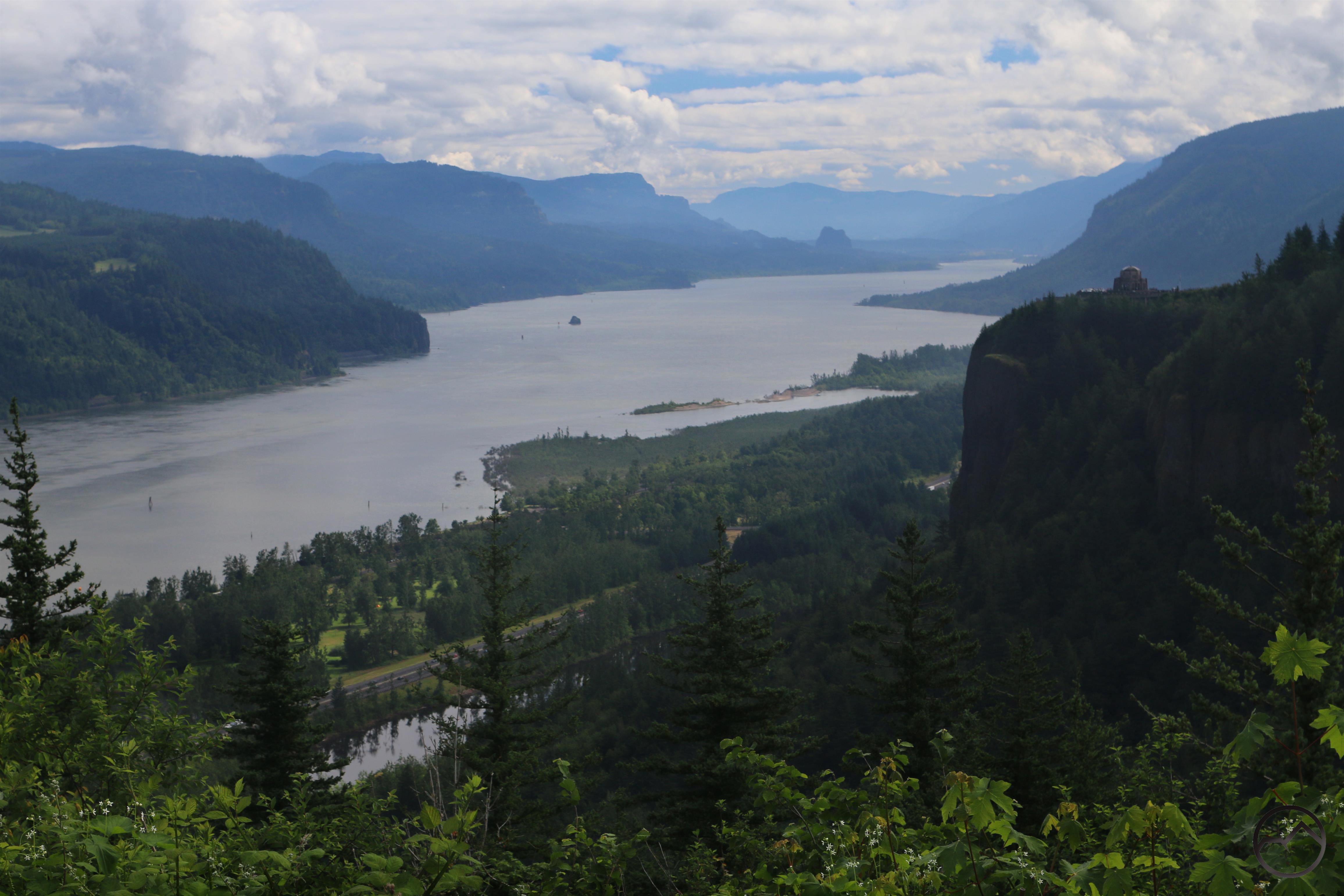
The Columbia River Gorge, a month and a half before disaster.

I have a heavy heart as I watch the fires burning the Columbia River Gorge. In this year of many fires, this one is the stake driven into my heart. Knowing that such a beautiful, singular place is being consumed as I write this has me in a very melancholy mood. I know that I will never see that incredible place restored in my lifetime and it hurts. I was somewhat cavalier about the fires even a few days ago, but now I have a deep foreboding about what lies ahead out here in the West.

The cause of the fire is particularly infuriating. It would seem the fire began when some teenagers were tossing firecrackers off a cliff. The profound recklessness and selfishness of this act is mind-boggling. Frankly, this kind of thoughtless act fills me with unease as I consider that the forests are increasingly filled with people like this and a fraying society is unable to impart reason and rational behavior on younger generations. As the proprietor of this website, it certainly gives me pause to consider what I am doing.

The beauty of the gorge:


And yet, there is cause for hope.

If I may take the liberty to digress into a personal experience, I look back 27 years to 1990. I had just finished the 6th grade and my parents and I made the journey out to Idaho Falls, where my brother was stationed during the early years of his naval career. As a family, we all then traveled over to the Grand Tetons and Yellowstone. This was only a year and a half or so after the cataclysmic fires that ripped through the world’s first national park. Just under 800,000 acres of the park burned. It was terrible. When we were there, even at that young age, I was aware of the fires and the destruction they wrought. Visiting places like Old Faithful, or just driving the park’s loops, the scars from the fire were unavoidable. Even with characteristic good humor, the mark of the fire was on the human geography as well.

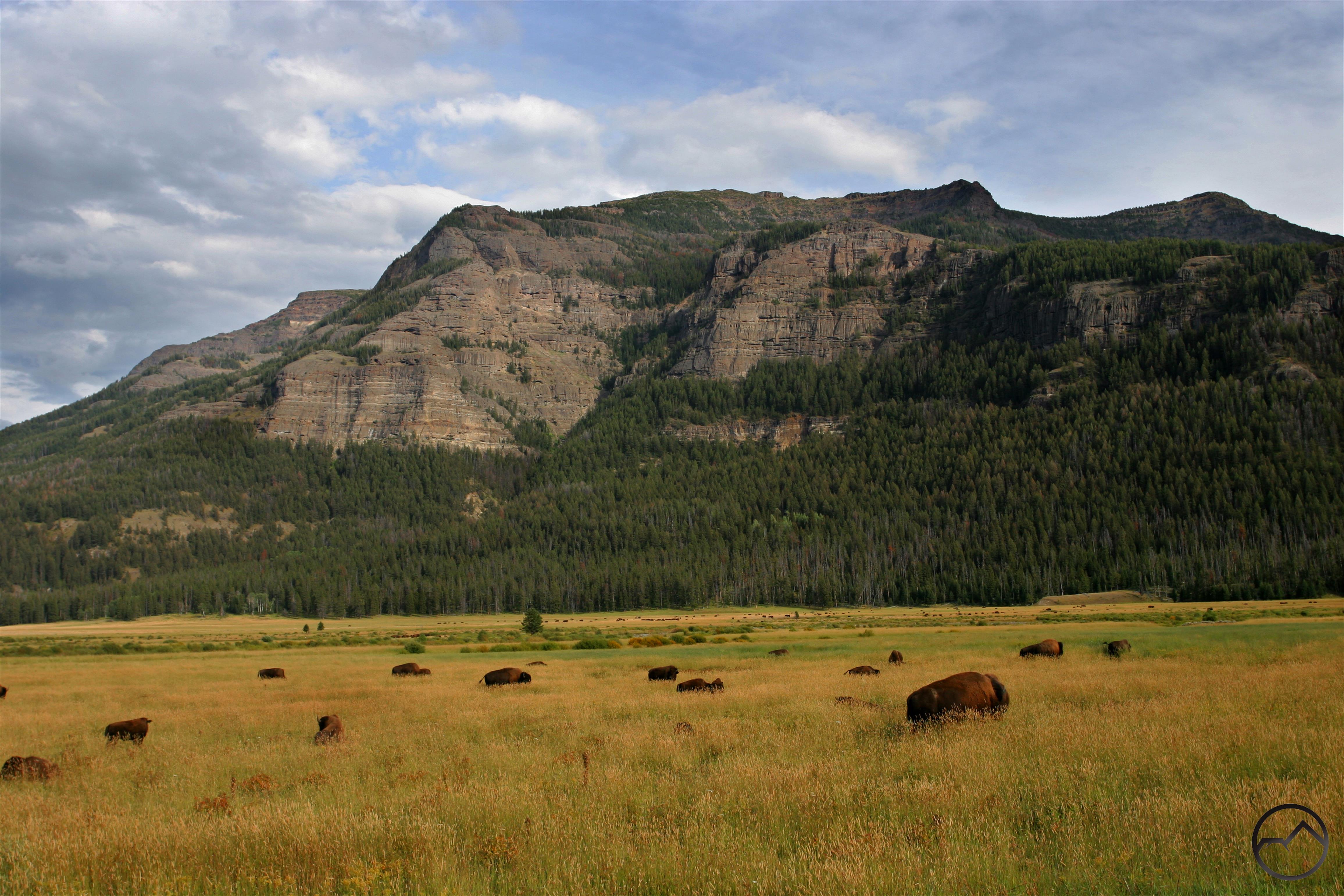
Life continues in Yellowstone.

Yet, the beauty had already returned to the land. The geysers still erupted, the waterfalls still fell and the canyon of the Yellowstone was still grand. Now, nearly 30 years beyond that most horrible of fires, the scars have faded significantly and life continues to thrive in Yellowstone National Park. The Columbia River Gorge, like Yellowstone, is a beloved national jewel, one held in great esteem by people across the country. Yet, like Yellowstone, it has now been hurt grievously by fire. It hurts, but like Yellowstone, it too will rise from the ashes. The river will still flow, the waterfalls will still fall and the Gorge will still be grand. Life will regenerate and 30 years from now the Columbia River Gorge will be different but it will still be beautiful.

This is true anytime fire mars a beloved place. Here in Siskiyou County, the last few years have not been kind to the Marble Mountains. Weed has been devastated and a close call was just had by Dunsmuir. Historically, there have been two large fires on the west side of Mount Shasta in the 20th century. Spring Hill itself was burned over by the later of the two fires. Some of the fires have been started by people, others by lightning. We must be vigilant in either case and steel ourselves to the fact that fire will come again.

Let us face that inevitability with courage, just as we must find the beauty in the Gorge once the fire has been extinguished. We can do this with surety, as it has been proven true time and again, nature will restore and heal that which has been hurt.

Whitney – What’s In A Name?

Posted by bubbasuess on September 4, 2017
Posted in: Glaciers, Hiking, Mount Shasta, Mount Shasta History, Sierra Nevada, Yosemite. Tagged: California Geologic Survey. 2 Comments

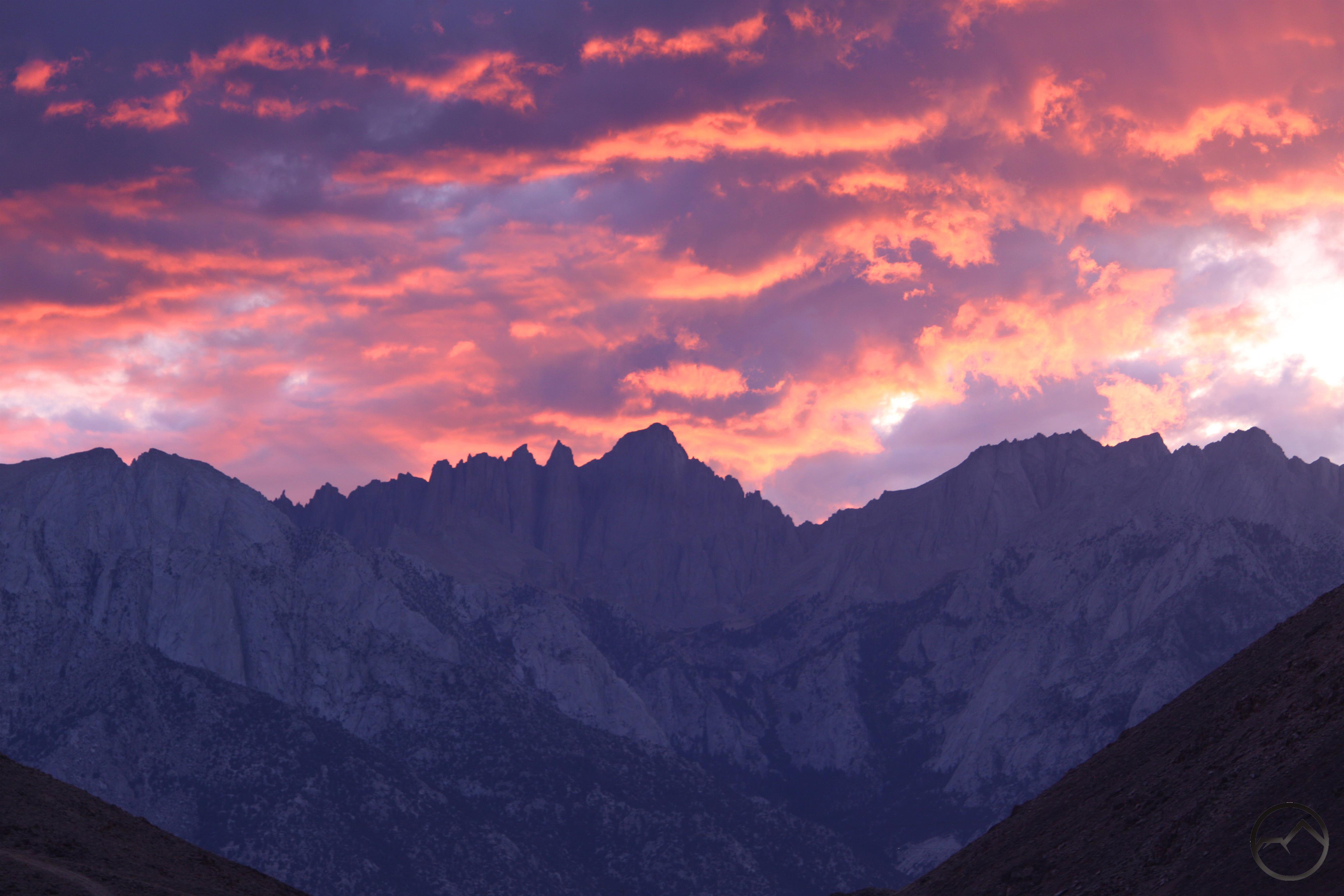
Sunset over Mount Whitney, highpoint of the coterminous United States.

One of the books I have really enjoyed reading this summer is Francis Farquhar’s “History of the Sierra Nevada“. In some ways it seems odd to write a history of a mountain range, given that the mountains are simply there and “do” nothing. What the book really focuses on is the history of the peoples that have interacted with these most-loved mountains. It begins with Native Americans, proceeds through the Spanish and eventually comes to Americans. This last is where the true history of the Sierra Nevada begins, since it was Americans that made the first forays into the high country of the Sierra, crossed them, explored them, harnessed them and then preserved them.

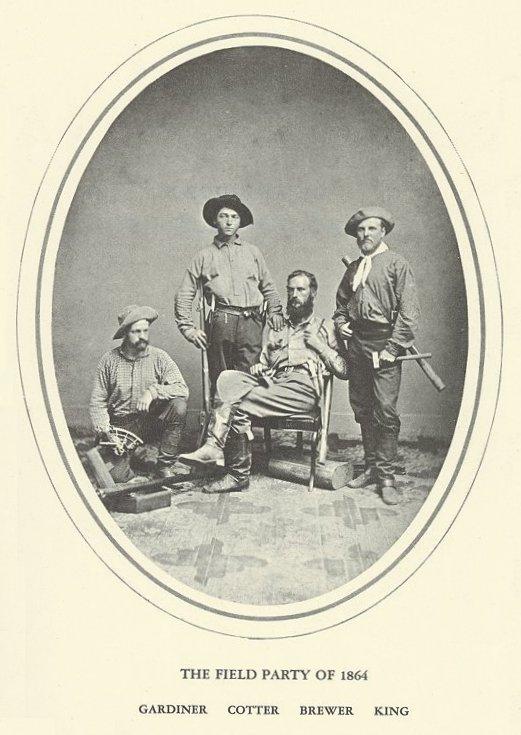
Whitney and Hoffman not pictured.

One of the many excellent chapters is on the California Geologic Survey, which thoroughly explored, mapped, named and documented a significant chunk of the Sierra Nevada. The Survey was created in 1860 and tasked with making an accurate scientific survey of the entire state of California. This they did, though the bulk of their time was spent in the Sierra Nevada, which was the largest unknown region in the state. The head of the survey was Josiah Whitney, who was a graduate of Yale and had participated in several surveys in the eastern U.S. before being named California’s first official state geologist. He assembled a team whose names are now familiar to Sierra Nevada aficionados. It included Richard Brewer, Charles Hoffman, Clarence King, James Gardiner and Richard Cotter. The team had many adventures as they explored and recorded vast swaths of the Golden State. Much of what they traveled was either unexplored or had only been barely visited and knowledge of these places was scant. For excellent reading, first-hand accounts of these adventures can be had in the fantastic books “Up and Down California In 1860-1864” by Brewer and “Mountaineering In The Sierra Nevada” by King.

This brings us to the relevance of Mount Shasta. The Survey visited Mount Shasta during the course of it’s work and an ascent was made. However, it was in 1870, when Clarence King returned to the mountain at the head of federal Fortieth Parallel Survey that he climbed Shasta as well as visited and identified the massive glacier that flows between Mount Shasta and Shastina. He named the glacier after his mentor Josiah Whitney. This was the first active glacier to be identified in the United States. Subsequent to this, other features on Mount Shasta, all related to the Whitney Glacier, came to bear the name of Josiah Whitney. This includes Whitney Creek and Whitney Falls.

Whitney Glacier

Of course, the features on Mount Shasta are not the only prominent California landmarks to bear the name of Josiah Whitney. Even more impressive is the grand tower of Mount Whitney, highest point in the Sierra Nevada, California and the entirety of the lower 48 states of the United States. Climbing to a towering 14,505 feet, it is just 326 feet taller than Mount Shasta. The apogee of the Sierra Nevada came to bear the name of Whitney again through the agency of Clarence King, this time during his stint with the California Geologic Survey. During the summer of 1864, he and Richard Cotter were making a spectacular crossing of the High Sierra in the area of the Kings River. They eventually made the first ascent of 14,025 foot Mount Tyndall (another hero of King’s). From the summit they espied a couple of peaks higher yet. Of the higher of the two peaks King states:

“That which looked highest of all was a cleanly cut helmet of granite, lying six miles south. Mount Whitney, as we afterwards called it in honor of our chief, is probably the highest land within the United States. The summit looks glorious but inaccessible“.

Thus was the discovery of what was, indeed the highest point in the United States at that time. Denali and several other Alaskan peaks far exceed Mount Whitney in height but at the time that King discovered Whitney, those peaks were still a part of the Russian Empire. It was a momentous discovery and one that would eventually lead to thousands of hikers defying King’s assessment of its accessibility and persevering through the hard climb up to the summit in order to stand atop California and the lower 48’s highest point.

Awesome Mount Whitney aglow at sunrise

As I continue to read, I am frequently and pleasantly surprised by the connections that exist between Mount Shasta and the Sierra Nevada. I have written about some of the links that bind Mount Shasta to Yosemite in the past but the more I read, the more I see how they are interconnected. It may not be through geology, for the Cascade Range and the Sierra Nevada are quite distinct. Yet, in the hearts of people, these two monumental landmarks are connected in the similar esteem with which they are beheld. Many other connections exist, some immortalized by names like that of Brewer and other linked by the experiences that were had in both regions, like those of Norman Clyde. In the end, like in Farquhar’s book, it is not the mountains themselves that are connected, but through the interactions and admiration of the people who look awestruck upward toward their mighty heights.

Smoke Everywhere!

Posted by bubbasuess on August 30, 2017
Posted in: Cascade Range, Marble Mountains, Mount Shasta. 1 Comment

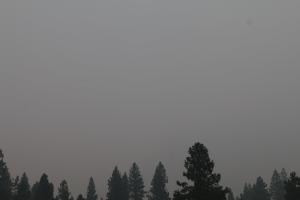
Ugly smoke conditions in Siskiyou County.

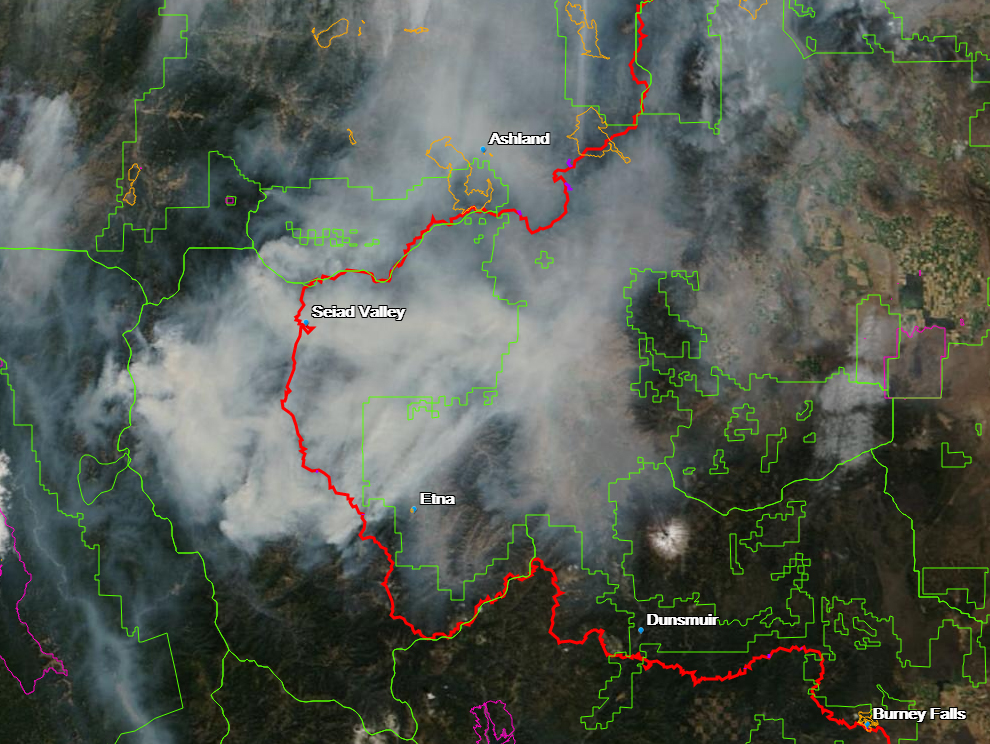
August has not been a pretty month as far as the smoke around Mount Shasta is concerned. Though there have been perfectly clear days, it seems that more have been smoky than not. Fires burning the forests are bad enough but the miserable air quality is oppressive and discouraging. Though Dunsmuir had a potentially dangerous fire, that seems well in hand at this point. The smoke we are dealing with is instead coming from the northwest, in the Marble Mountains area. The firefighters are working hard to get the fires contained but the smoke output is still high. I hope it rains very, very soon, though none looks to be on the horizon.


The view from the front of my house: today and in clearer conditions.

There are a few ways to track the smoke, for those who are interested in where it is coming from. Most of them are based on NASA’s Terra MODIS system. Personally, I like to check the map supplied by the Pacific Crest Trail Association. This map shows the smoke, snow and atmospheric conditions seen from the satellite but also adds a layer showing public land boundaries and the PCT itself. It’s a useful tool for keeping track of conditions.

For anyone who still wants to head outside despite the smoke, I would head high or low. I have posted an article describing some of the better trails to hike when there is smoke in the air. You can find it here. Of these, I would definitely head over to the McCloud area. The map shows far less smoke in that area. I would also consider heading up onto Mount Shasta. The Old Ski Bowl looks to be relatively clear as well, and the high trails on the mountain are often (though not always) above the smoke. Trails beginning there are found here.

We have guests coming up to stay at our cabin this weekend. I am sympathetic to folks in their shoes. You can’t always get up to Mount Shasta (or anywhere else in the mountains) and when it is possible, it is demoralizing when the smoke threatens to ruin the experience. I hope resources and articles like the ones I have posted here will help people maximize their time here in spite of the nasty air quality.

Now all we need is for some rain to show up for a couple of days! I am sure Texas would be happy to give us some of theirs!

Eclipse 2017 In Mount Shasta

Posted by bubbasuess on August 21, 2017
Posted in: Hiking, Mount Shasta. Tagged: Eclipse. 4 Comments

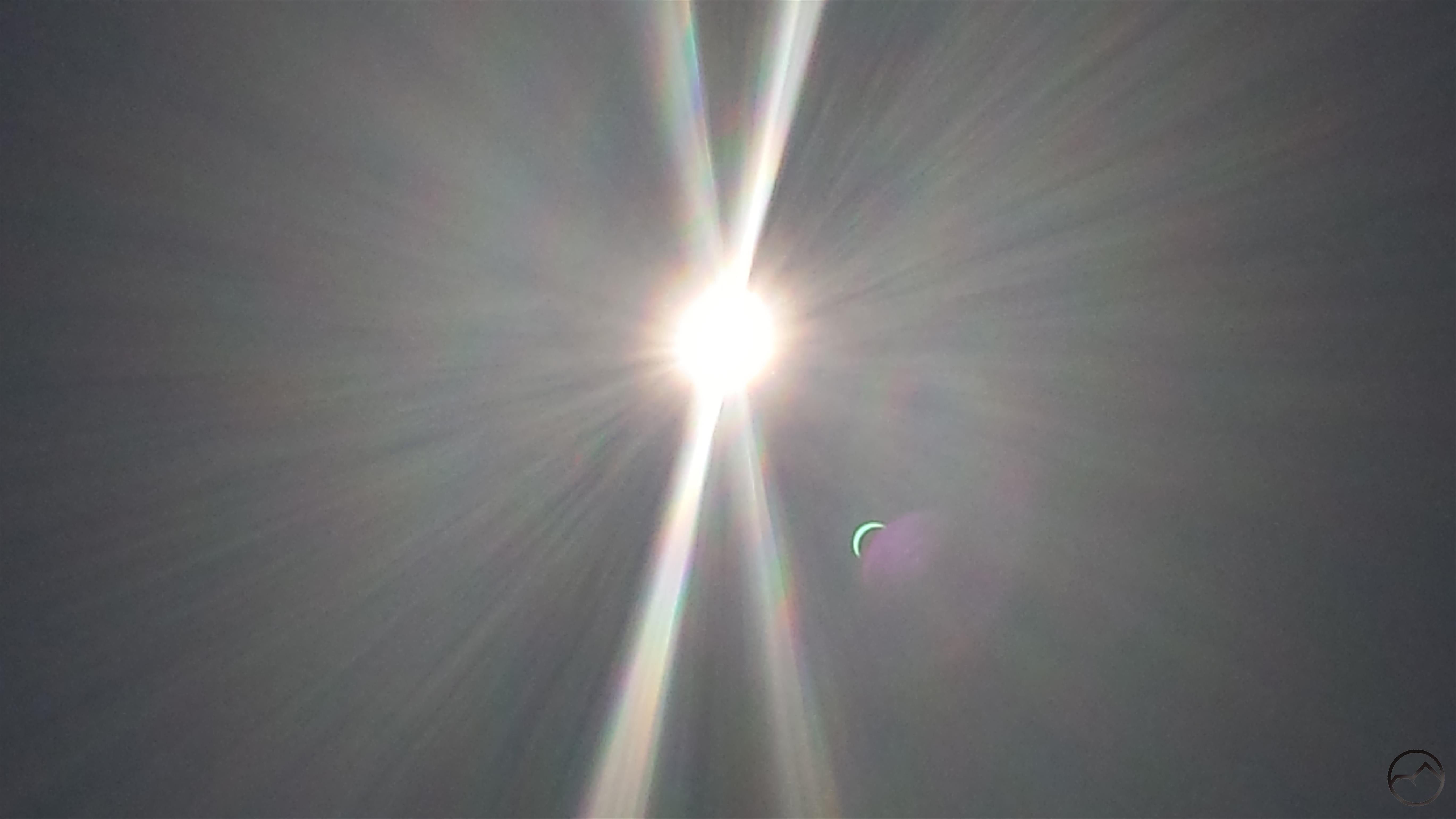
Eclipse 2017 at 89.3% totality in Mount Shasta.

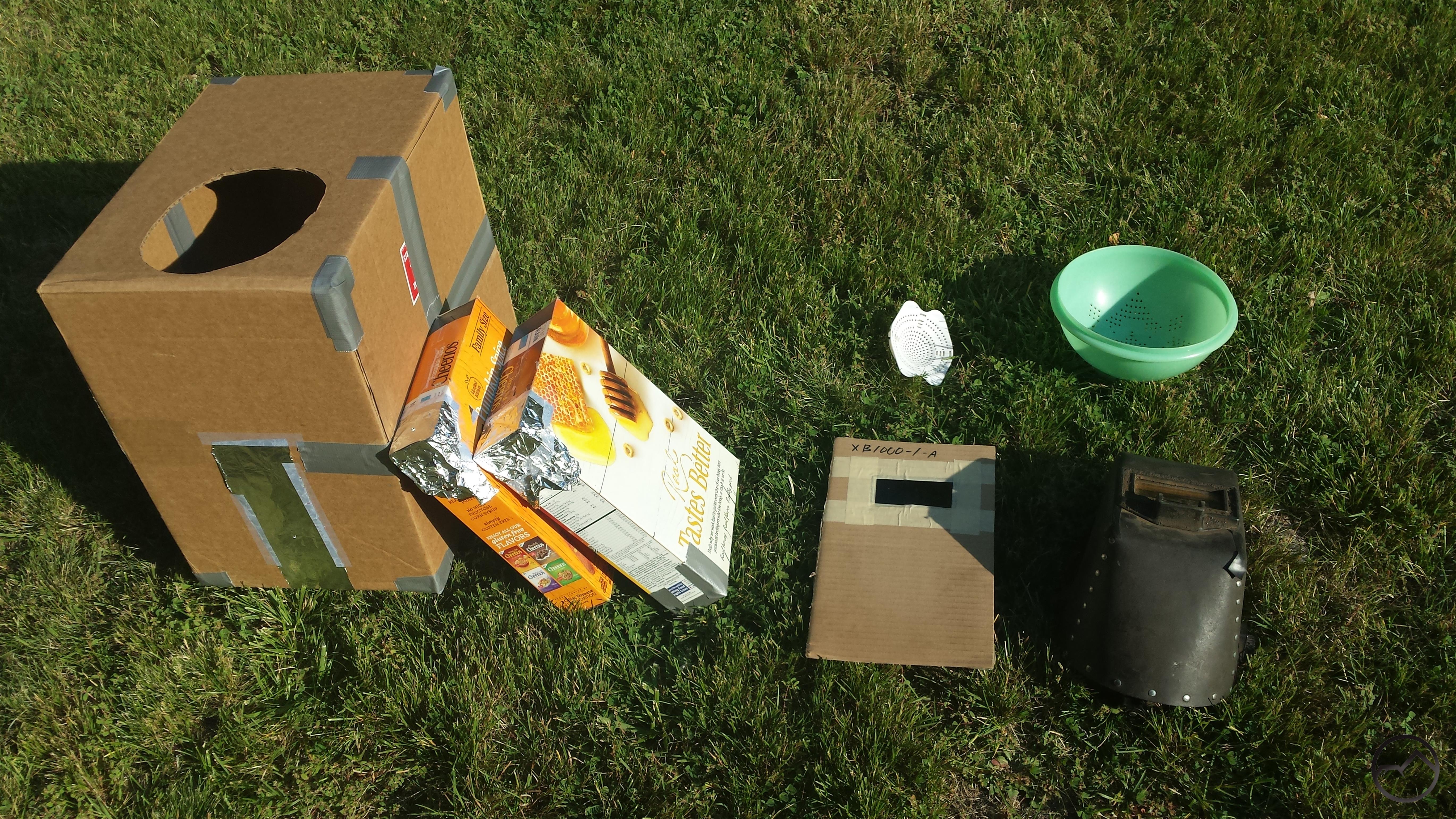
The eclipse event occurred today and it was a pretty fascinating. My family did not make the journey up to the path of totality but we did want to observe it nonetheless. Our kids were excited, though I don’t think they really knew quite what they were excited about. My awesome wife made several preparations, including the construction of three shadow casters. She also pulled out some colanders to use as well. I went to my neighbor, who is a blacksmith, and borrowed a welding helmet and we also used some lens from other helmets to construct a viewing device. It was quite the arsenal of eclipse-viewing equipment.

Ready for the eclipse!

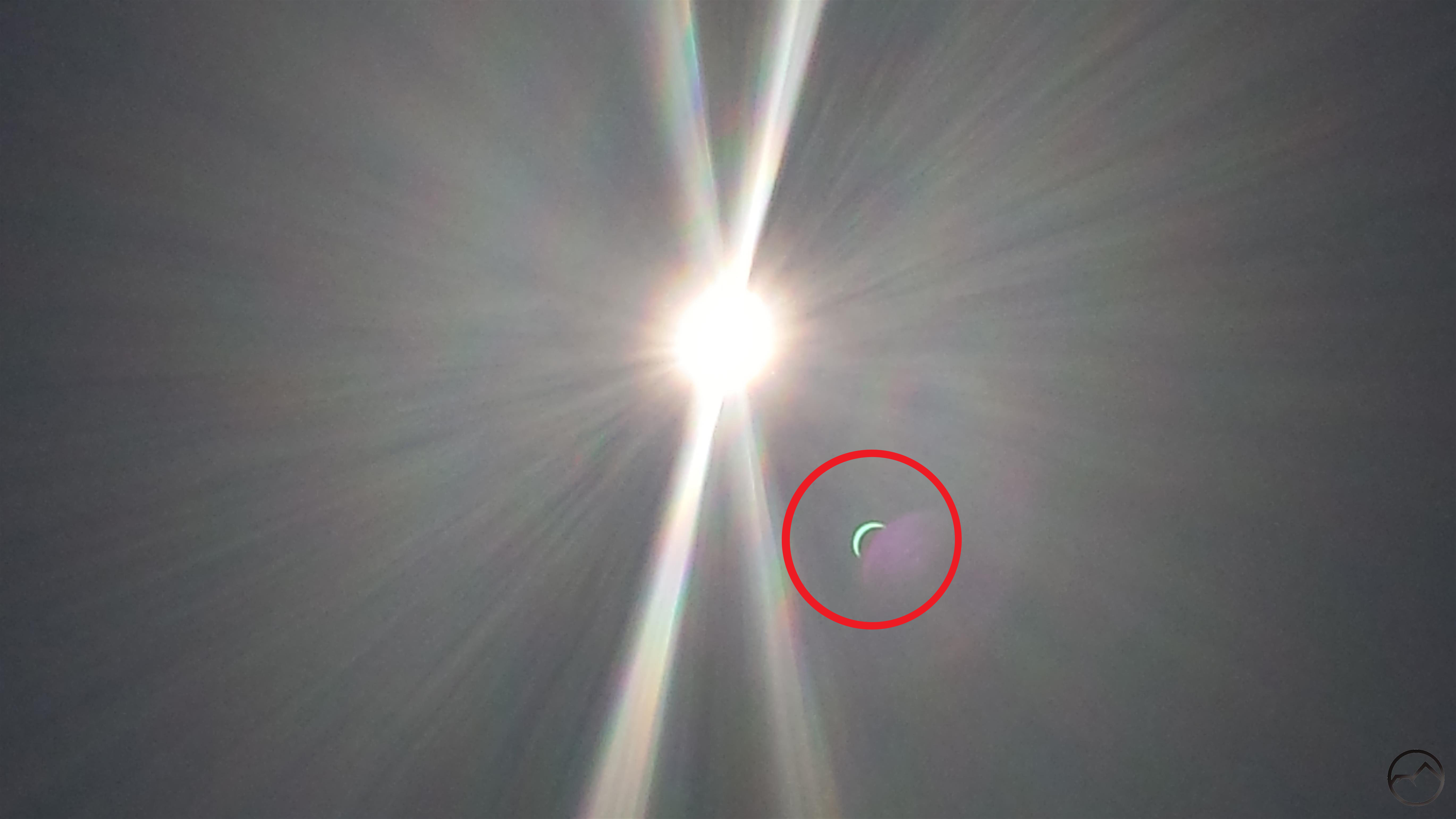
I had originally hoped to photograph Mount Shasta in the unusual light cast by the eclipse, but it was smoky and I ended up jettisoning that idea. However, it was not so smoky that we would not be able to see the event itself. I took the kids over to Mount Shasta Animal Hospital, where my wife is one of the veterinarians. We were joined by my parents and their four friends who just happened to be in Mount Shasta this weekend for a long-planned gathering. Along with the animal hospital staff, we had quite a viewing party. As the moon traveled between the earth and the sun, I tried taking some pictures of the eclipse through the viewing device. It didn’t work out really well, but I was able to capture the it in some fashion. The welding lens gave it a greenish appearance.

Viewing party
See the eclipse in the reflection?

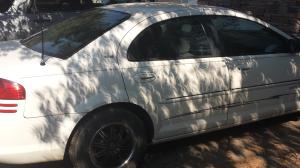
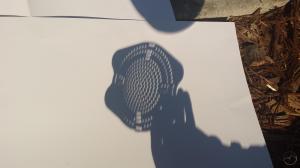
Mount Shasta was calculated to have 89.3% of the sun eclipsed. Though it never grew dark, the light dimmed considerably and the darkness-activated lights in the parking area even came on. The presence of the smoke added to the eerie feeling that was palpable to everyone. The welding mask, viewing device and shadow casters were all employed to happy effect. One unforeseen expression of the eclipse was the shadows cast on objects like cars. Dozens of small eclipse shadows added unexpected beauty. This prompted us to use the colanders to cast our own.


I made several attempts to capture the eclipse. Ultimately I discovered that, while I could not get the actual eclipse itself, I could capture the sun, which emitted an unusual corona but was also joined by a mirror image reflection of the sun and moon. It produced a rather striking image, one which I was not anticipating.

All-in-all, it was a really neat event, one that was interesting and edifying to everyone who experienced it with us! It would have been nice to see the totality or photograph Mount Shasta in the unusual light but under the circumstances, it was a memorable event just as it was! After all, there is always Eclipse 2045. Mount Shasta will be in the path of totality for that one. I bet it will be nuts here!


Mount Shasta Landmark Locator: East Side

Posted by bubbasuess on August 19, 2017
Posted in: Cascade Range, Hiking, Mount Shasta. 1 Comment

Of all the Cascade volcanoes, Mount Shasta is perhaps the most visually distinctive, due in large part to the presence of the massive secondary peak of Shastina. None of the other major Cascade peaks have such a monumental feature that fundamentally alters the entire appearance of the mountain. Those of us who look at Mount Shasta, whether in images or in reality on a regular basis have become accustomed to seeing the great bulk of Shastina augmenting the towering cone of Shasta. And yet, it is the absence of Shastina that makes the view of Mount Shasta from the east so striking. Only from the east does the mountain reveal itself as a giant, solitary cone unencumbered by the presence of a secondary summit. From the east it is just a single, lonely and icy spike thrust skyward. So used have we become to the presence of Shastina that it is easy to mistake the eastern perspective of Mount Shasta for another Cascade volcano.

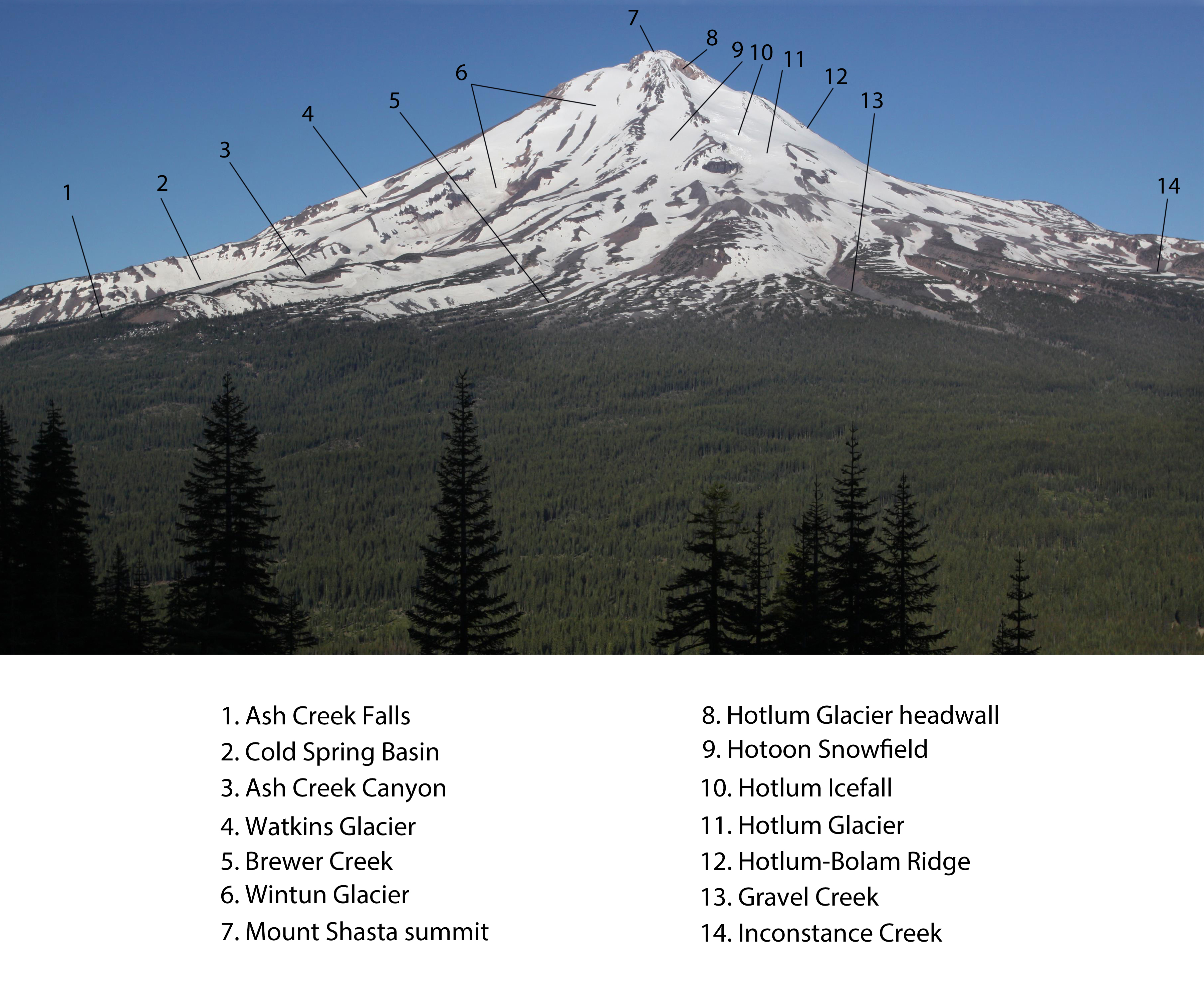
Interestingly, it is not just Shastina that is absent from Mount Shasta’s east side. This side also lacks other notably prominent points like Thumb Rock, Shastarama Point and Green Butte. It also lacks the broad flanks of the great ridges that flow from the summit on the south and west sides like Sargents and Casaval Ridges. What the east side does have is the massive and fascinating bulk of the Hotlum and Wintun Glaciers. These massive sheets of ice are the first and third largest glaciers in California. Many glacial features, including crevasses, the bergscherund and icefalls are visible to the naked eye even from great distances. The Hotlum in particular is a spectacular feature.

Views of the east side are fairly rare. There a couple of good vistas from the loop road as well as from the spectacular lookout on Little Mount Hoffman. However, it is Ash Creek Butte that likely yields the best perspective on the east side of Mount Shasta. The great pyramid of the mountain utterly dominates the view from here and leaves a very different impression on the few who venture into this remote and seldom enjoyed area.

View north side locator here.

View west side locator here.

View south side locator here.

Click to enlarge:

Mount Shasta, Timberline, And The Relative Size Of Cascade Volcanos

Posted by bubbasuess on August 17, 2017
Posted in: Cascade Range, Hiking, Mount Shasta. Tagged: Crater Lake, Mount Adams, Mount Hood, Mount McLoughlin, Mount Rainier, Mount St. Helens, South Sister. 13 Comments

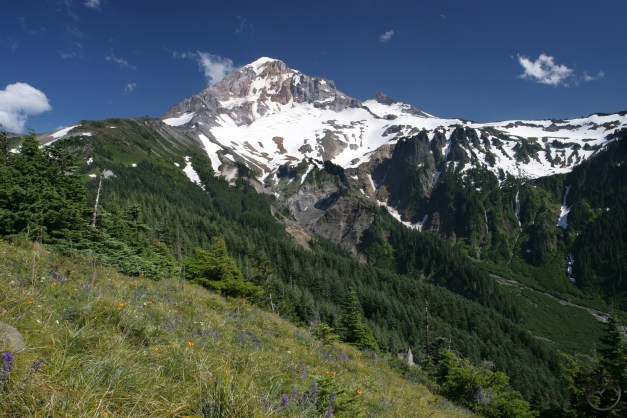
Though Mount Shasta is the largest and second highest of the great volcanoes of the Cascade Range, it’s appearance is remarkably different in some respects than many of its famous siblings to the north. To me, the most striking difference is the lack of glaciers on the west side and much of the south side of the mountain. When looking at comparable peaks like Mount Rainier and Mount Hood, there are no significant swaths of the mountain that are not encased in giant sheets of permanent ice. Related to this, it seems the majority of these mountains’ bulk lies well above the tree line, giving more of their flanks an alpine appearance that is not present on much of Mount Shasta. Why this difference exists is a function of numerous factors.

Above the tree line in the Sierra Nevada.

The tree line is that point where mountain forests gives way to the treeless alpine tundra that lies at the highest elevations of mountain ranges. Many factors contribute to the determination of what elevation the tree line can be found. The orientation of a slope, latitude, proximity to the Pacific Ocean and numerous other elements are part of the factorial kaleidescope. In the coterminous 48 States, the elevation of the tree line varies wildly. In the southern Rockies of Colorado and New Mexico, the tree line climbs up to about 11,500 feet or higher. In the High Sierra tree line lies about 9,500 to 10,000 feet.
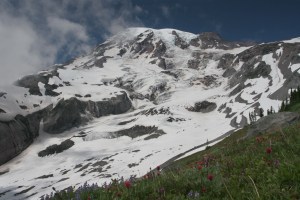
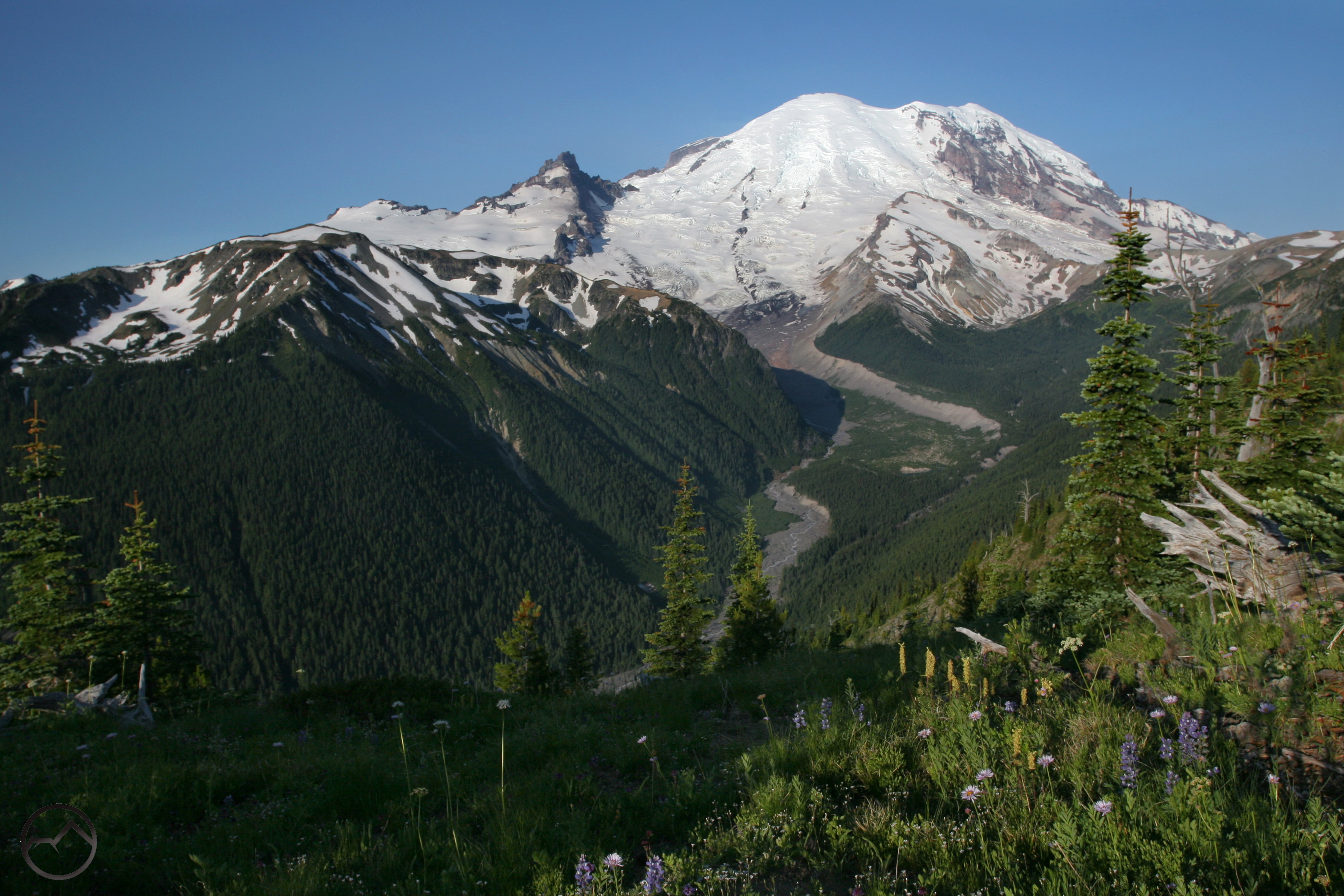
Near tree line on Mount Rainier.

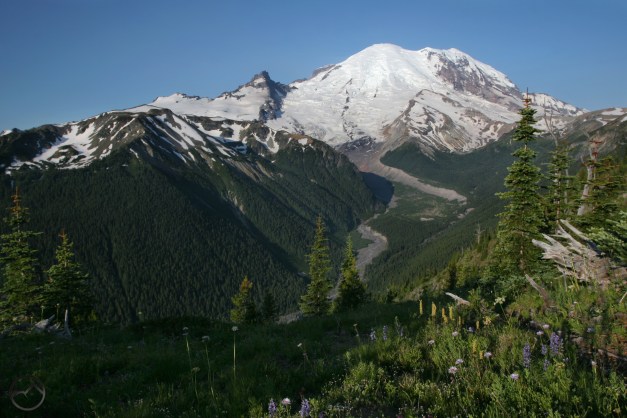
Going north from the Sierra along the Pacific Crest, the northern latitude drops the elevation of the tree line considerably. Here in Mount Shasta at the southern end of the Cascade Range, the tree line sits at around 8,000 to 8,500 feet. In the northern latitudes of the Cascade Range, tree line is found at about 6,000 feet. This means mountains with comparable size and elevation like Mount Shasta and Mount Rainier are going to have strikingly different appearances. The extra 2,000 feet of alpine terrain on Rainier contributes to glaciers being larger, more abundant and creeping far, far lower down the flanks of the mountain. Indeed, the Carbon Glacier on Mount Rainier flows all the way down to about 3,600 feet above sea level. On Mount Shasta the glaciers struggle to extend below 10,000 feet.

Dense forests at 6,000 feet on Mount Shasta.

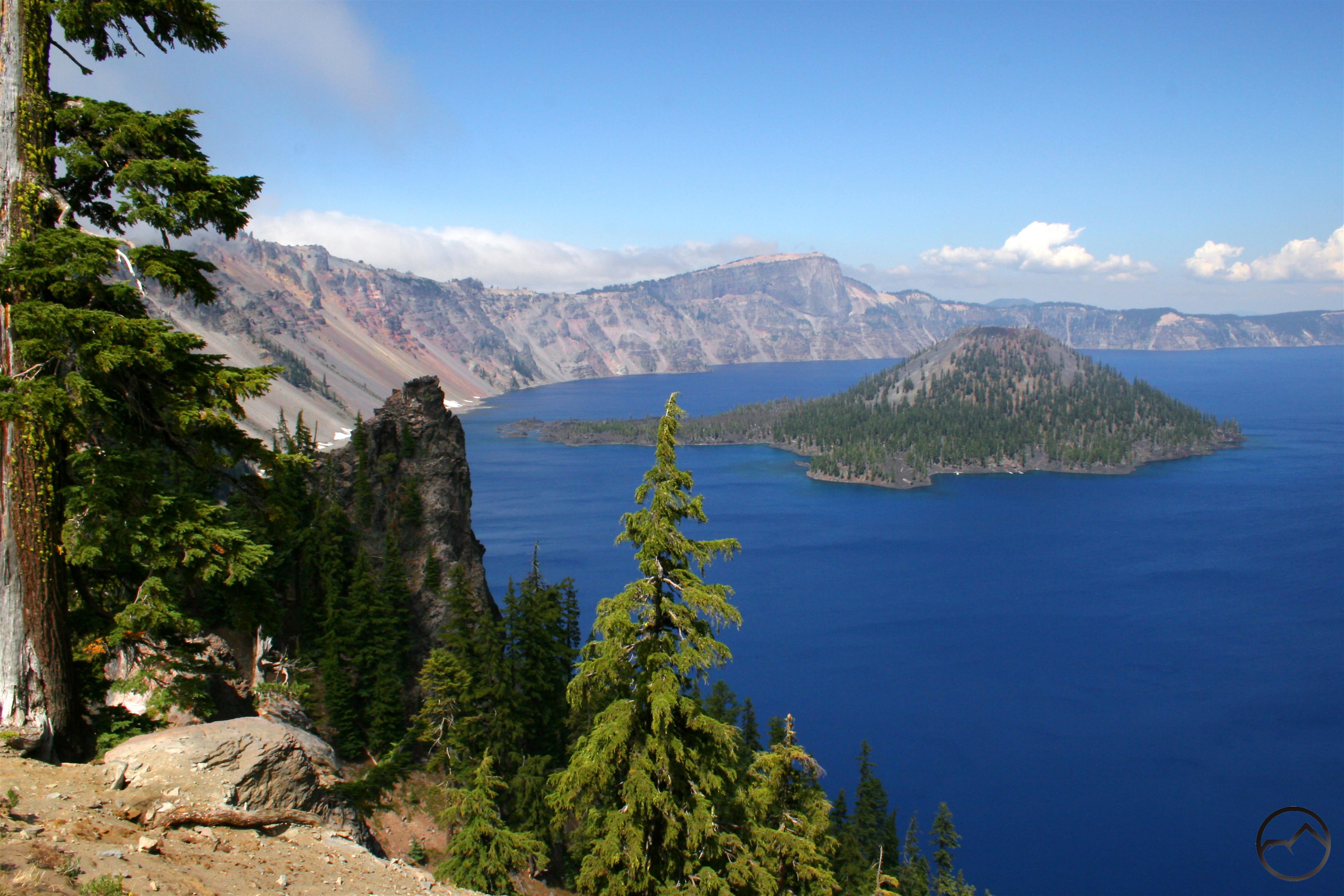
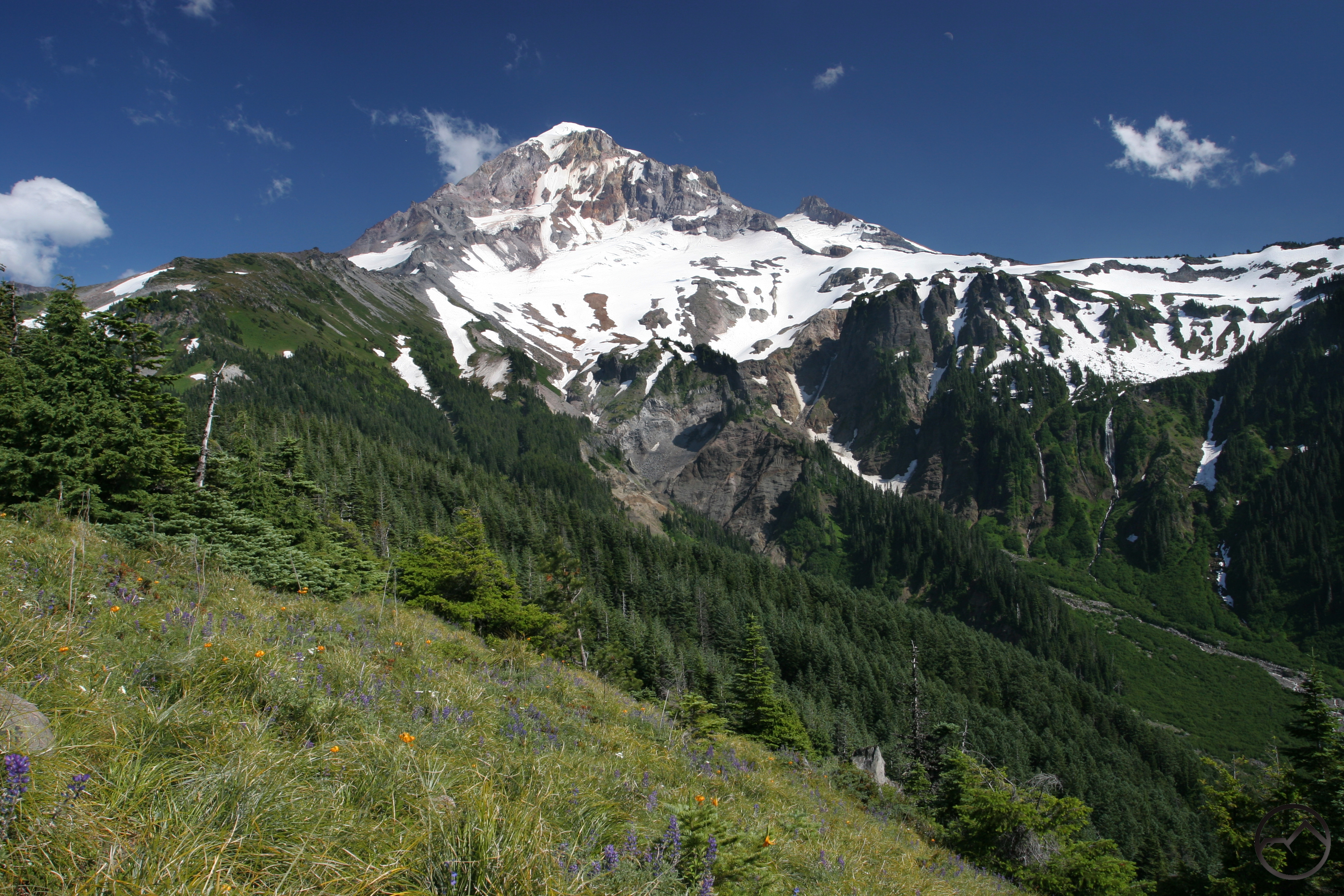
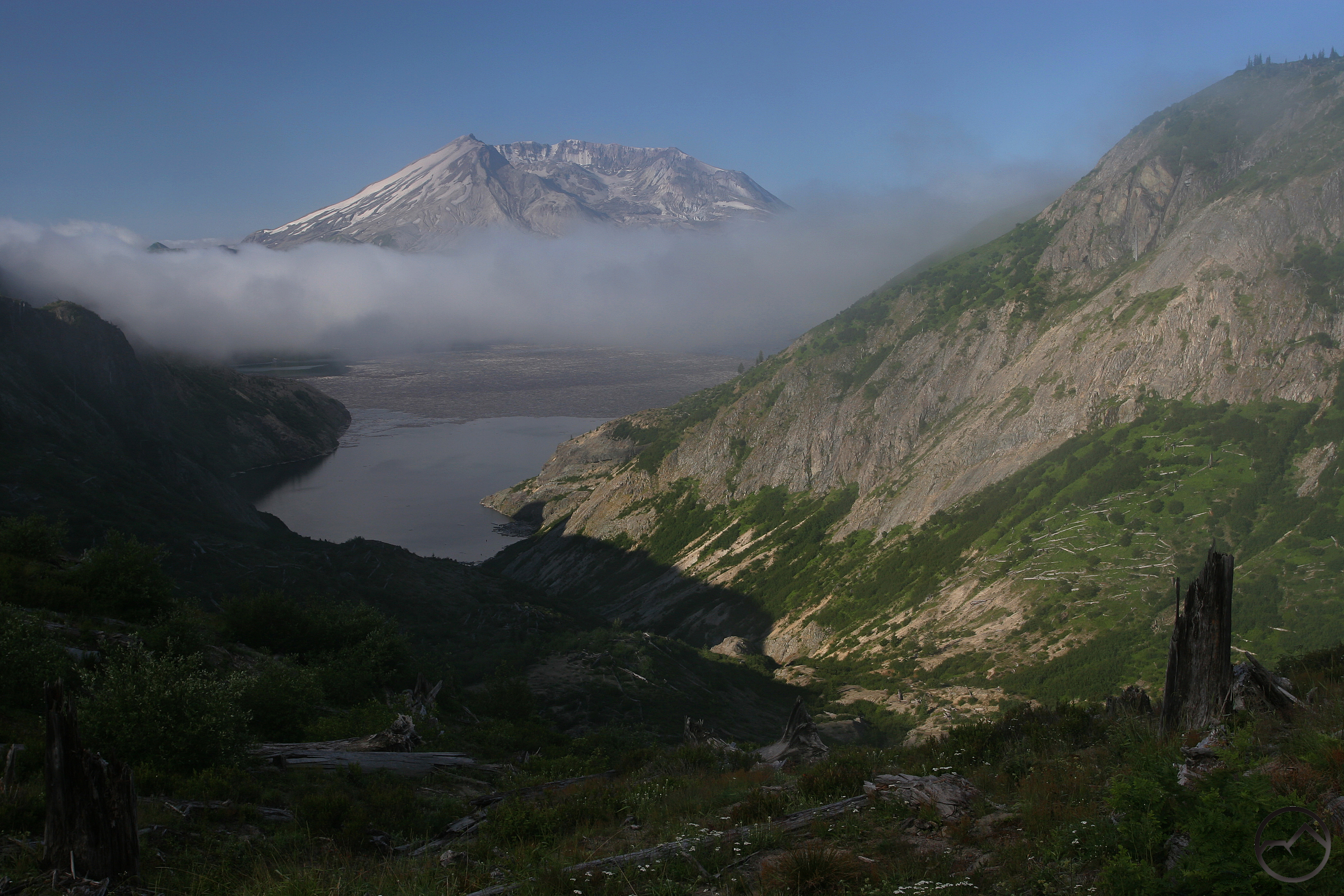
So how does all this pull together and affect our perceptions of Mount Shasta? The fact remains that it is the largest single mountain in the Lower 48. At nearly 120 cubic miles (this statistic comes from the latest findings by the US Forest Service and geographers at College of the Siskiyous) it is significantly more voluminous than any other volcano in the Cascades. Yet many give off an appearance of greater size due to their greater area above the tree line. This prompted me to pursue a little thought exercise. I considered what it would look like if the tree line on Mount Shasta was found at about 6,000 feet. The best place where I can find a frame of reference is the point where the Everitt Memorial Highway on Mount Shasta makes its second hairpin turn, which is just below the John Everitt Vista Point. If Mount Shasta were up in Washington or northern Oregon, this would be the point where the trees would cease growing and alpine tundra would begin. It is likely that the area would be near a glacier’s terminal moraine and small patches of meadow would be clinging to the slopes, fed by abundant glacial snowmelt. Yet this area is well beneath the tree line and Mount Shasta remains the largest of the Cascade volcanoes.

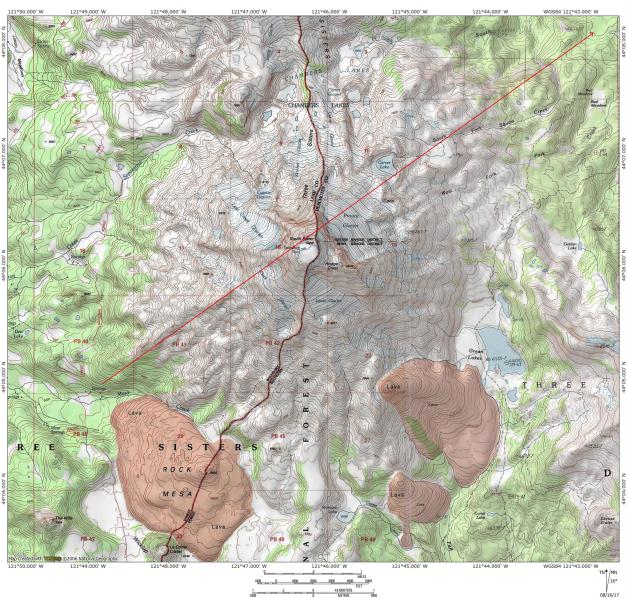
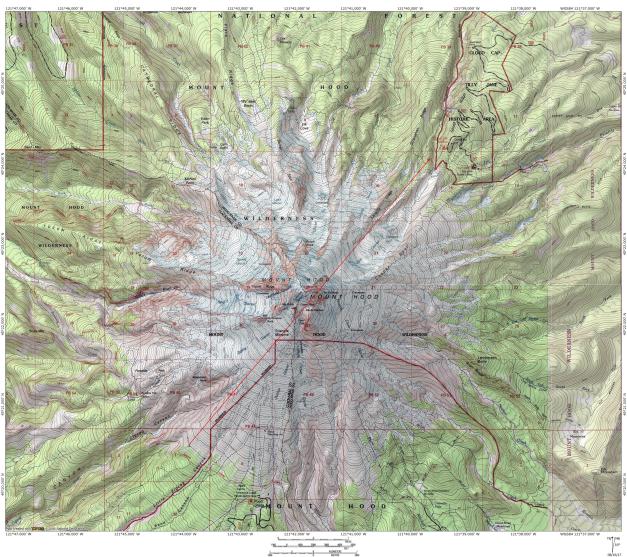
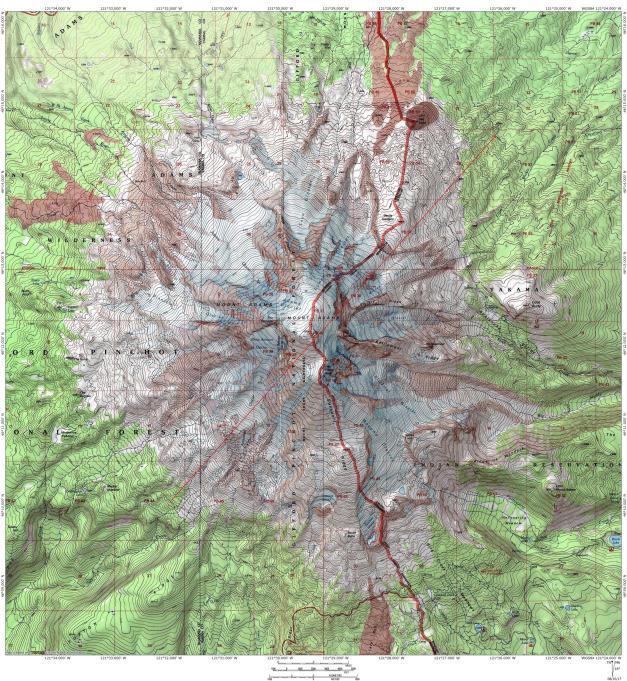
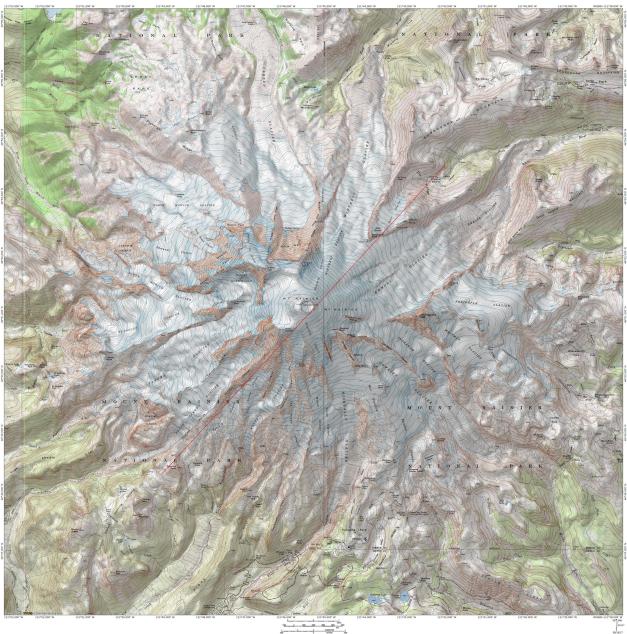
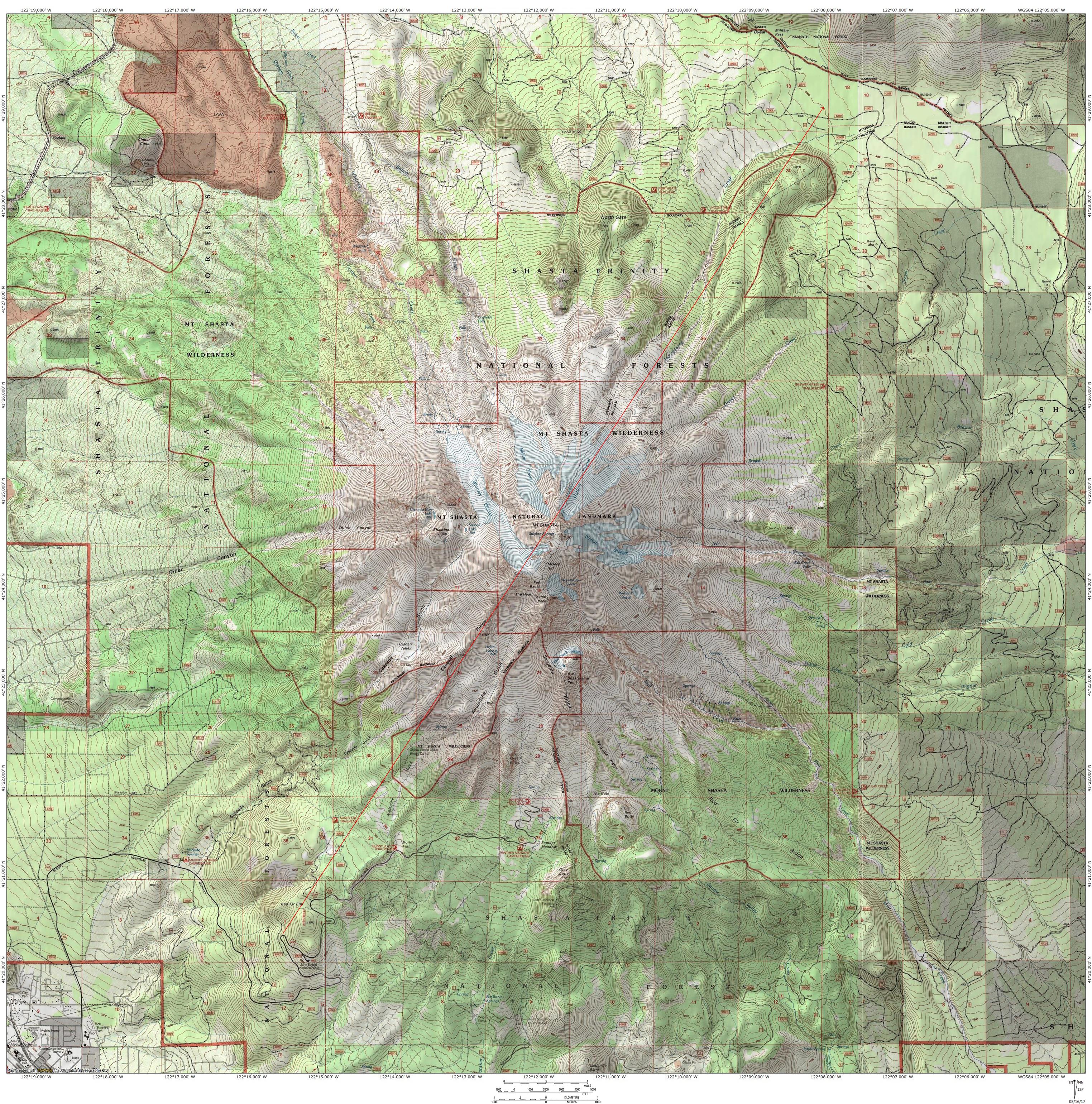
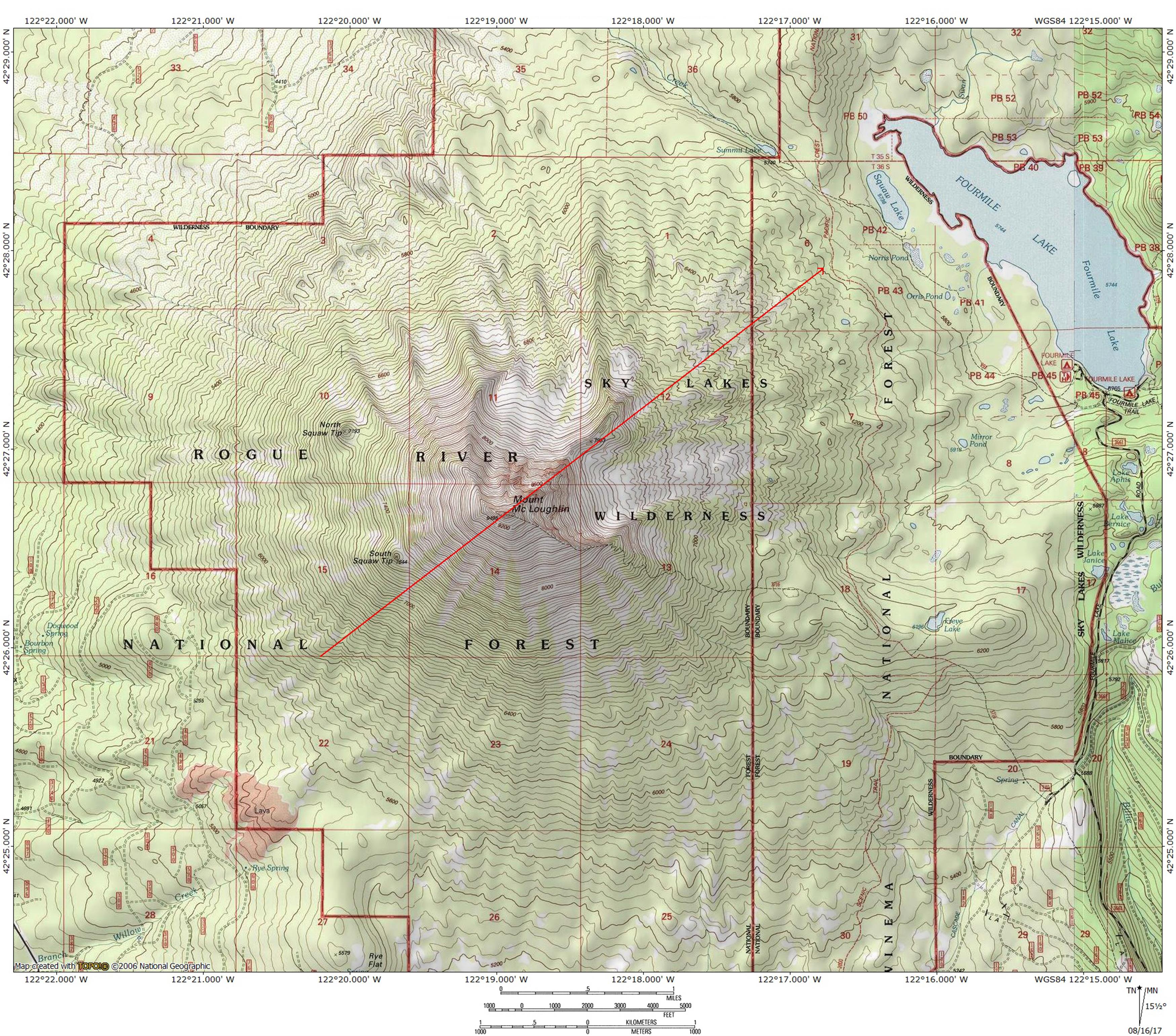
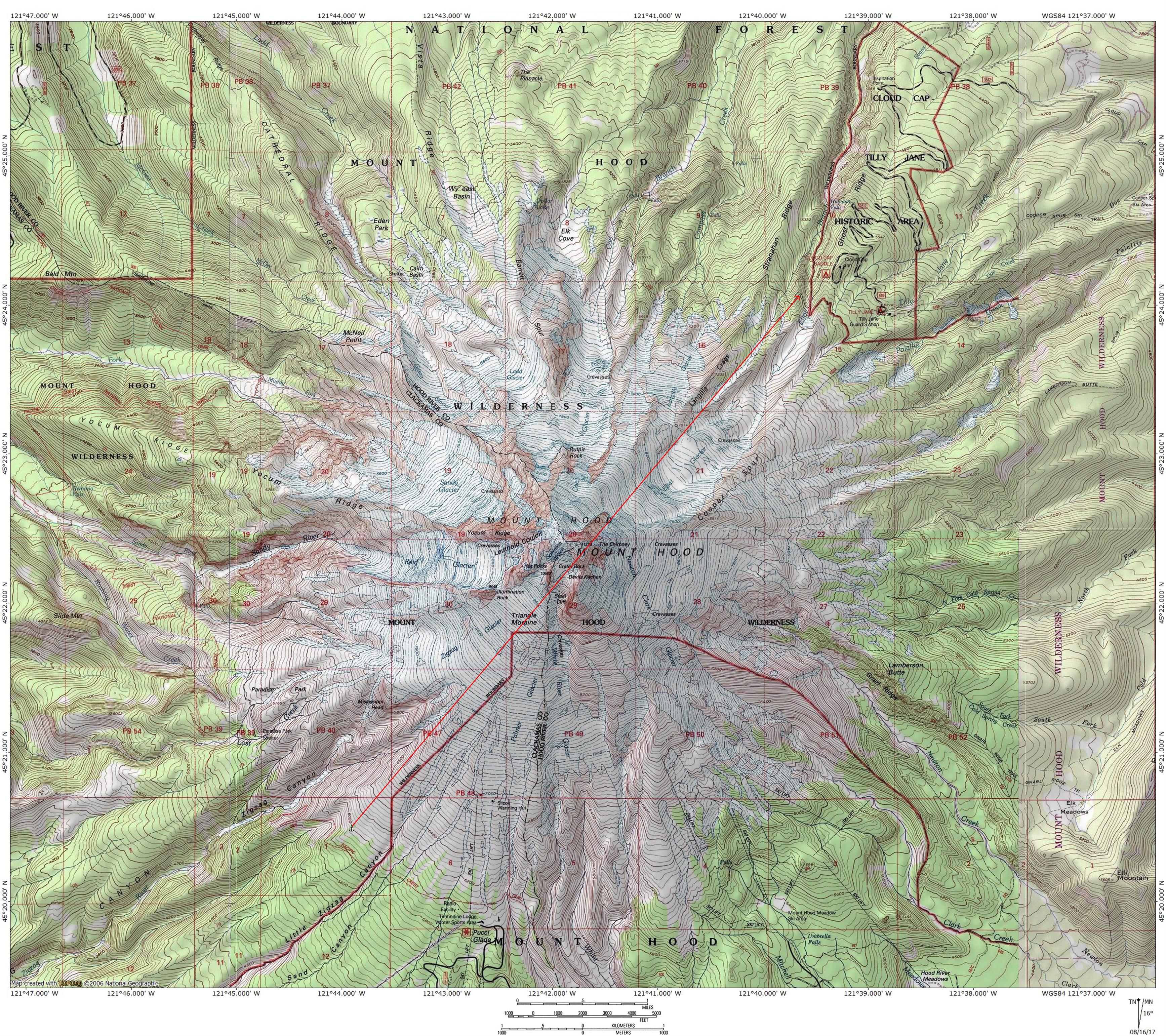
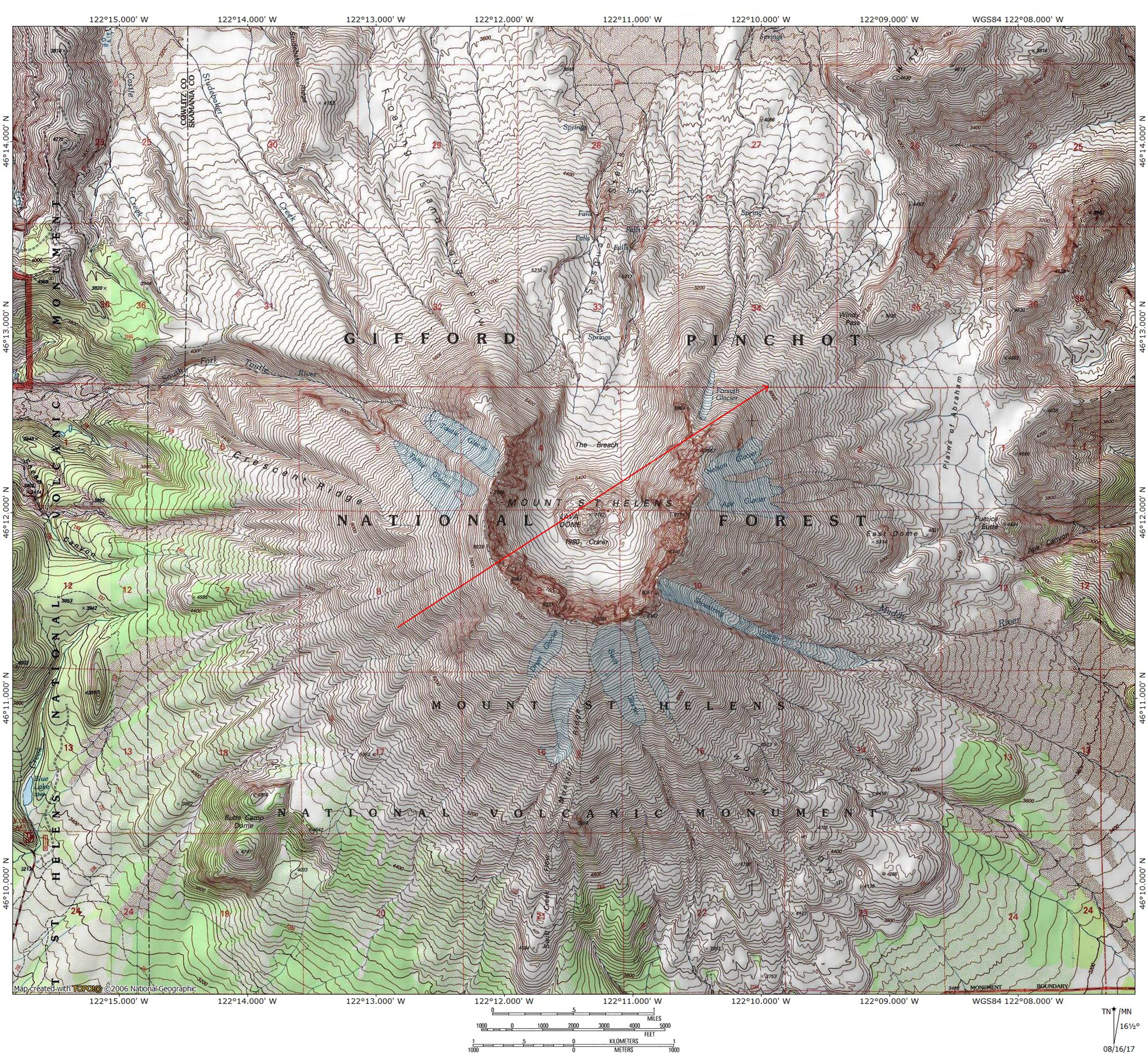
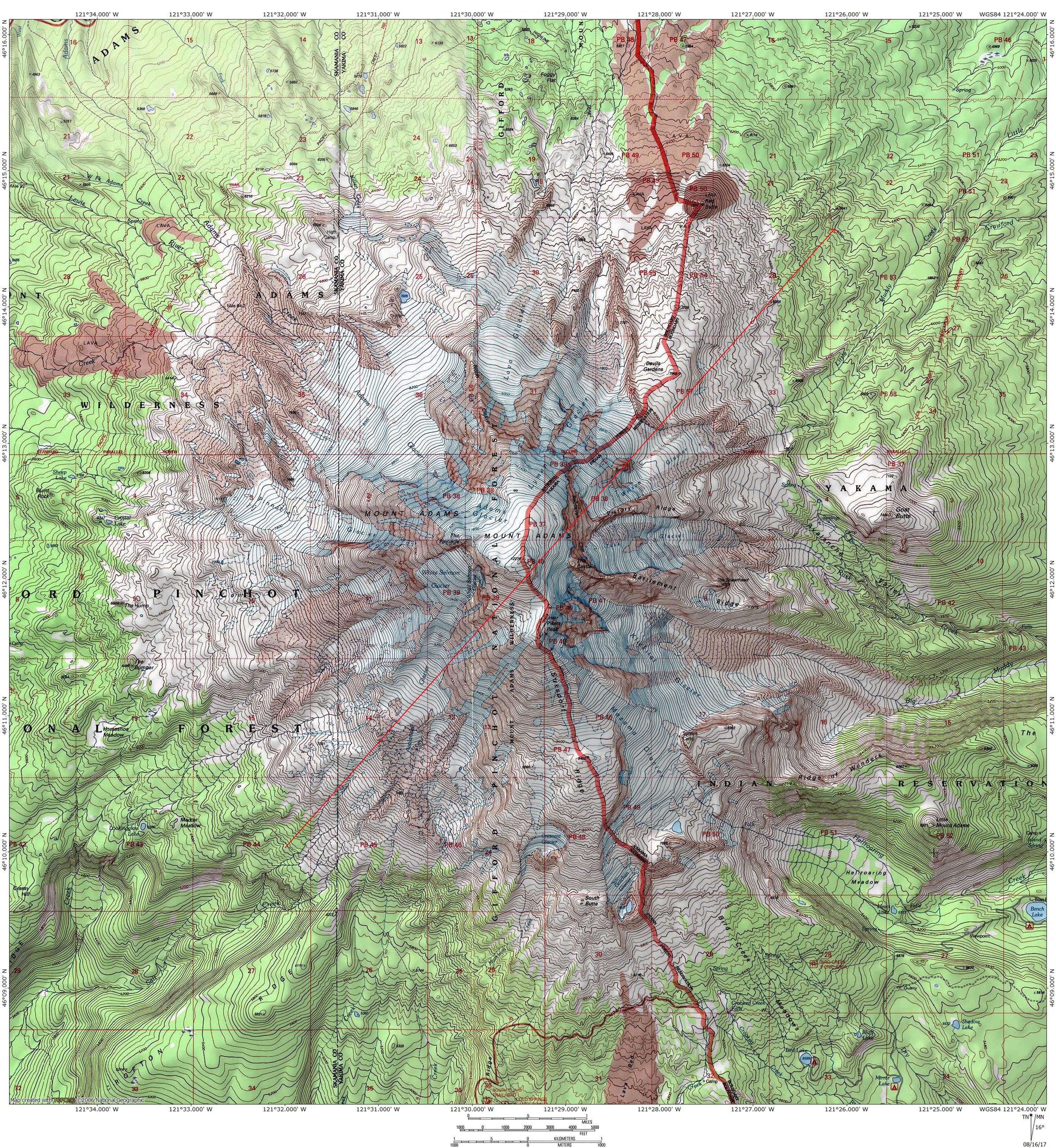
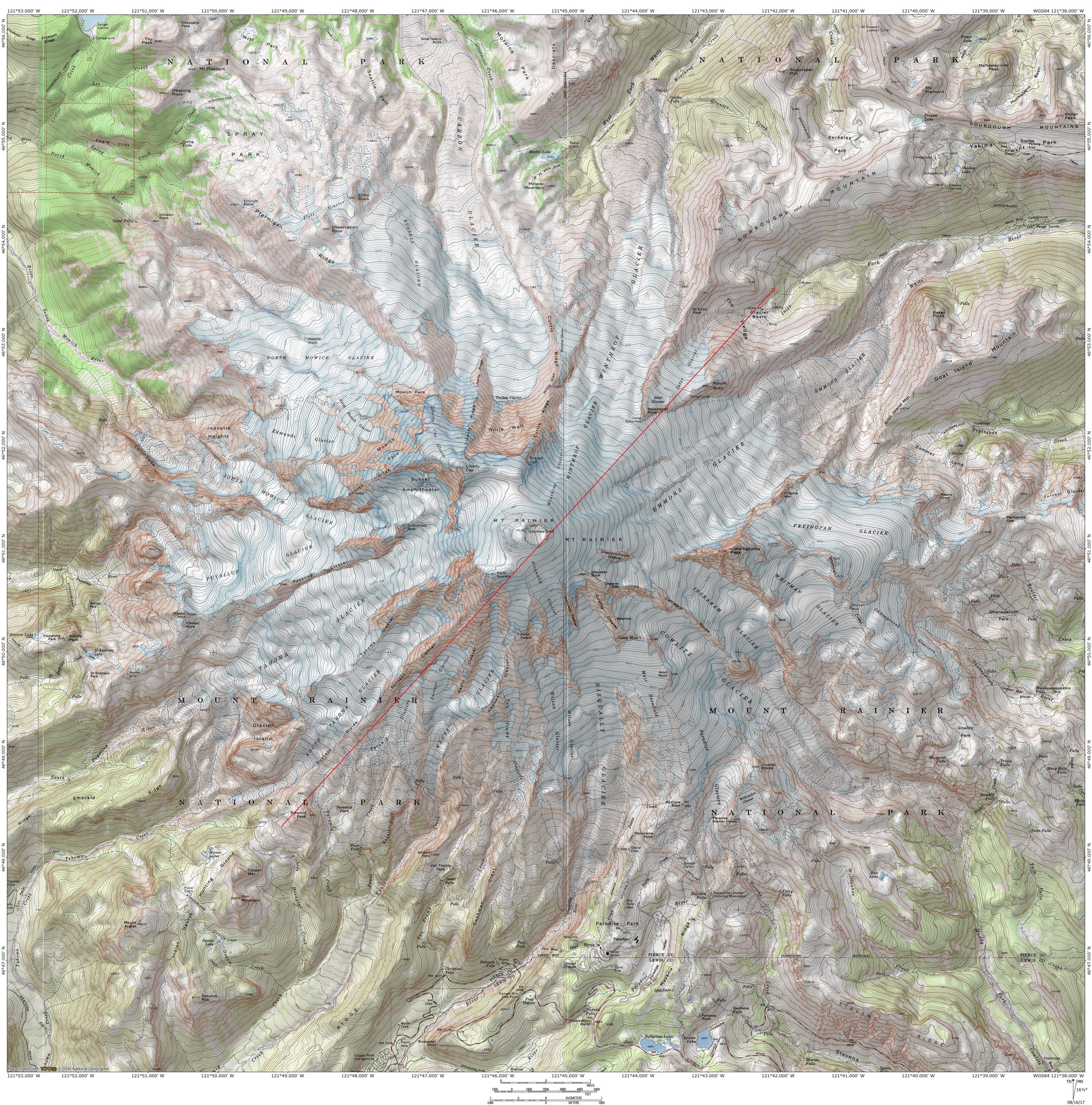
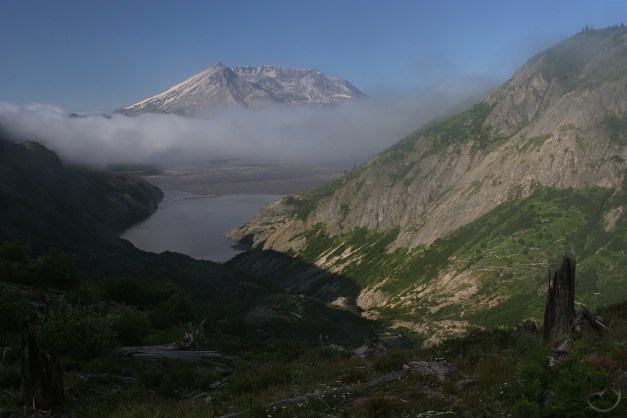
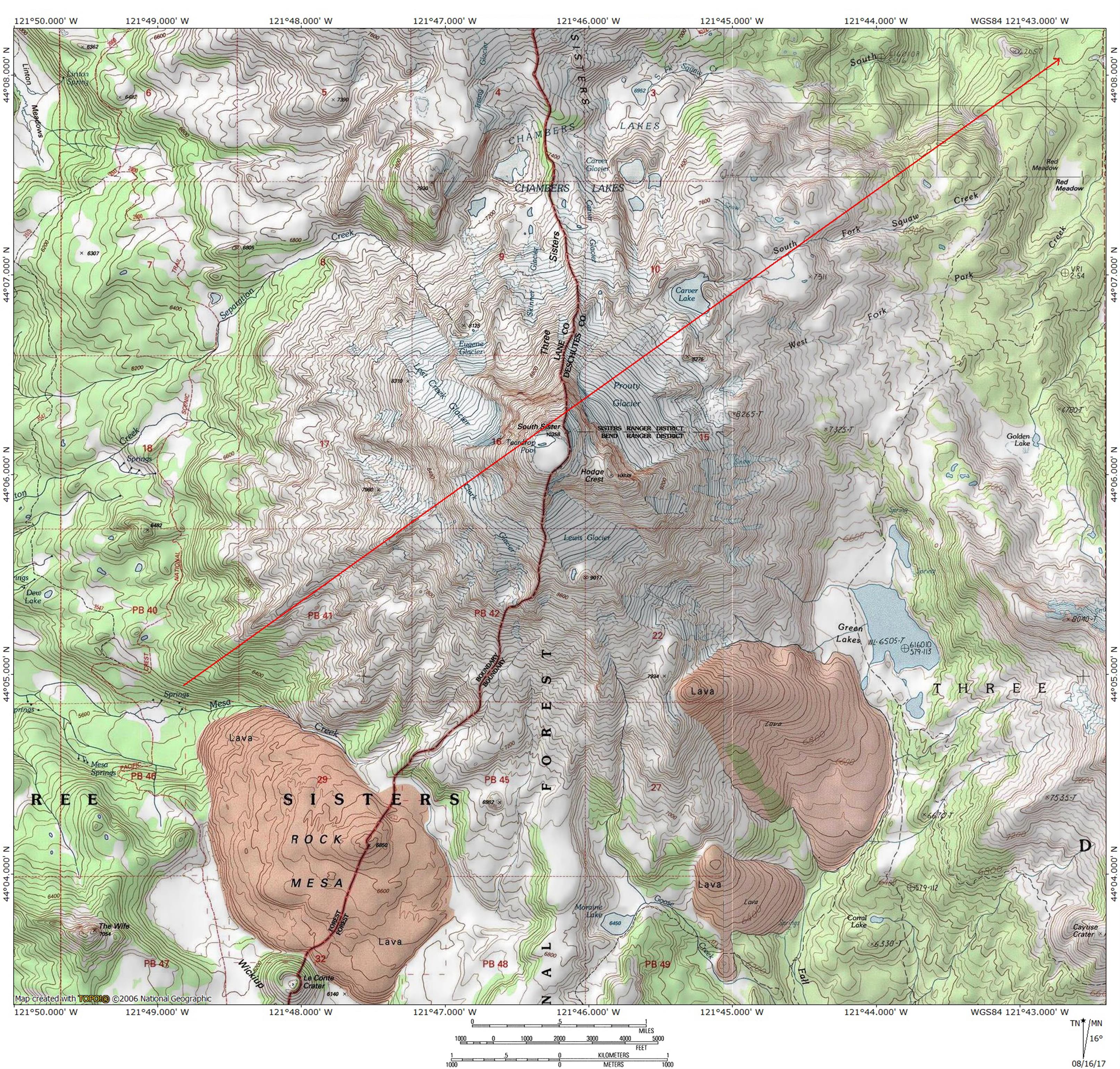
In light of this, I thought it would be interesting to compare the Cascade Volcanoes and how much area they have above the tree line. Since the tree line fluctuates, I picked 6,000 feet as a point of reference since it is at or near tree line at most of the big volcanoes in the range. I decided to begin at the southwest corner of each mountain since this is the position of the Everitt Vista, which is reference point on Mount Shasta. I measured each volcano from the 6,000 foot contour in the southwest to the 6,000 foot contour in the northeast. This way there is some degree in uniformity in what is being measured. The series of measurements begins with Mount Shasta, which is the baseline for comparison, and then travels north up to Mount Rainier, which is Shasta’s only real peer in the Cascades.

These findings are imprecise and purely my own, but I think they do manage to give some idea about the relative size of each volcano (and yes, I am a total geography geek!).

 A few things to note:

  • A red line runs from southwest to northeast on each map. This is the point of measurement on each volcano.
  • The topo maps used for this exercise contrast forested areas with areas that are not covered in forest. The wooded regions are marked green and the unwooded areas appear white. While this is not precisely aligned with the tree line, it is a useful aide for perceiving where the tree line is located and how much of each volcano lies above it.
  • In no way is this intended to indicate Mount Shasta is a superior mountain or diminish any other mountain’s special attributes. Size is important to our perceptions but I firmly believe that each volcano, and indeed each mountain range and even flatter areas have their particular distinctives that make them worthy of our admiration and appreciation.
  • I did not include measurements on other major peaks like Mount Baker, Glacier Peak, Mount Jefferson and Diamond Peak. This is primarily because I don’t have satisfactory images of them. Nonetheless, these magnificent mountains deserve to be in this conversation as well, though none are near the size or height of Mount Shasta.

Measurements:

Name: Mount Shasta
Elevation: 14,179
6,000ft Diameter: 11.9 miles
State: California
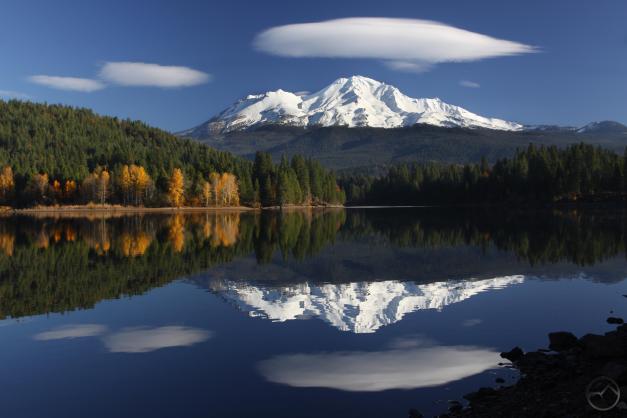
Name: Mount McLoughlin
Elevation: 9,495
6,000ft Diameter: 3.7 miles
State: Oregon
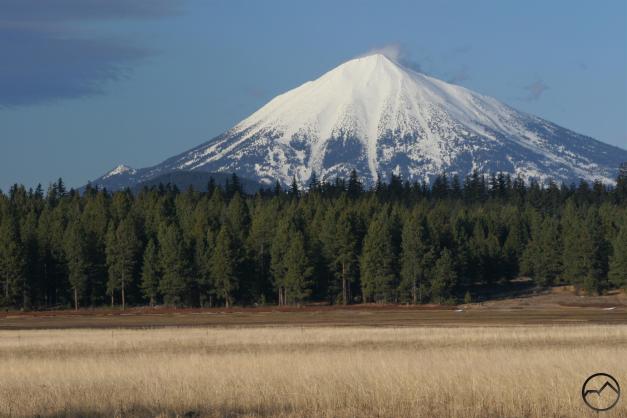
Name: Mount Mazama (Crater Lake)
Elevation: Unknown
6,000ft Diameter: 9.5 miles
State: Oregon
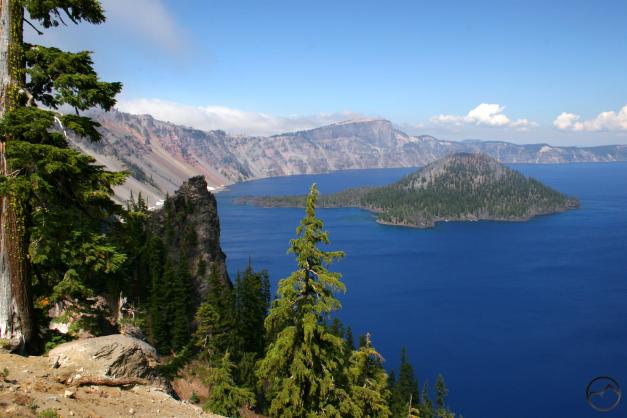
Name: South Sister
Elevation: 10,363
6,000ft Diameter: 6.3 miles
State: Oregon

Name: Mount Hood
Elevation: 11,250
6,000ft Diameter: 5.4 miles
State: Oregon
Name: Mount St. Helens
Elevation: 8,366 (former elevation: 9,677)
6,000ft Diameter: 2.75 miles
State: Washington
Name: Mount Adams
Elevation: 12,280
6,000ft Diameter: 7.0 miles
State: Washington

Name: Mount Rainier
Elevation: 14,410
6,000ft Diameter: 8.2 miles
State: Washington
Conclusion: 

It is obvious from the measurements that Mount Shasta is a massive mountain. The closest peers are the former Mount Mazama and Mounts Rainier and Adams and those are 2.4, 3.7 and 5 miles narrower at the 6,000 foot contour. It should also be noted that all three of those peaks are surrounded by mountains in 4,000 to 6,000 foot range. Mount Shasta, in contrast, continues to slope downward into the Shasta Valley, Strawberry Valley and the McCloud Flats, all of which are at the 3,500 foot level. The mountain has very, very broad shoulders.
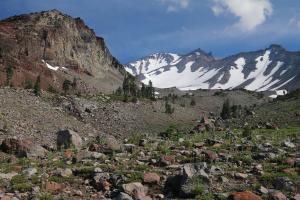
Near Mount Shasta’s tree line.

Interestingly, a measurement of Mount Shasta’s diameter at around the treeline, estimated at around 8,000 feet shows the diameter is about 6 miles. This puts the diameter of the mountain at tree line comparable to that of Mount Hood and just a little less than what is found on Mount Adams, the third tallest and third largest volcano in the Cascade Range. It worth noting that the measurements at the 8,000 foot contour, Mount Hood is 2.2 miles, Mount Adams is 3.4 miles and Mount Rainier is 5.5 miles. Though greater than Rainier, the two largest and tallest mountains in the Cascades are quite comparable.  Even though the alpine area does not appear as large from some perspectives, Mount Shasta’s timberline region is still substantial. Perhaps it is the lack of glaciers on some quarters of this area that tends to understate the immense size of the treeless parts of the mountain.

The next time you drive up onto Mount Shasta, as you approach the second hairpin turn on the Everitt Memorial Highway and as you pass the vista point, imagine if that area was at the treeline. The mountain would look radically different from how it appears now. Thankfully it is not different and we can love Mount Shasta for all of its great size and its densely forested flanks. More alpine area would be nice in some ways but there is already so much of that area that is seldom explored and the mountain would feel…less without its great groves of ancient Shasta red fir. Likewise, the other volcanoes of the Cascades offer up their unique combination of features and we are given great riches of so many diverse and beautiful peaks. Mount Shasta may be the biggest and among the tallest, but it is still one of many in a collection of exceptional volcanoes.

Mount Shasta Trails Gallery

Posted by bubbasuess on August 13, 2017
Posted in: Cascade Range, Hiking, Mount Shasta. 5 Comments

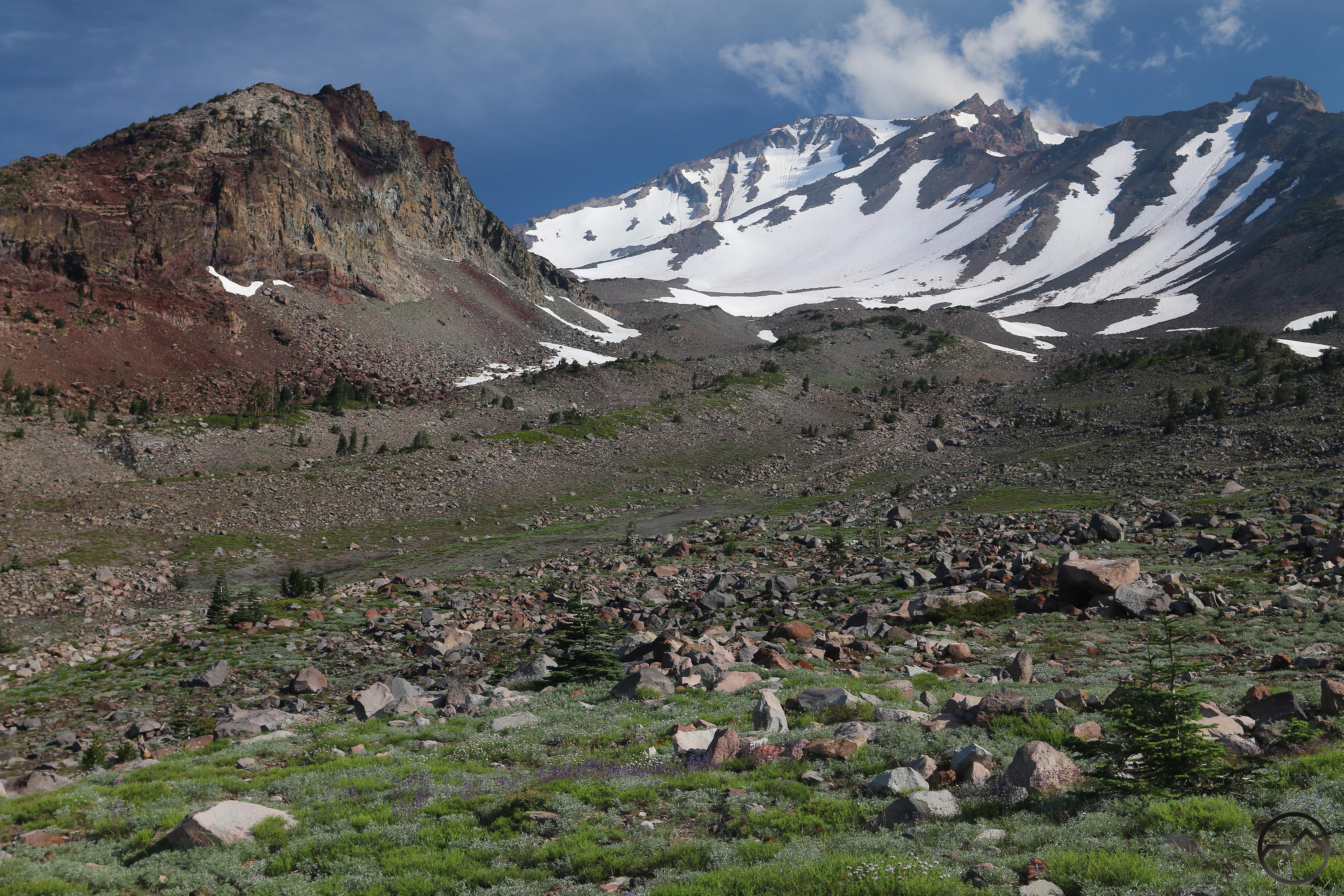
The Old Ski Bowl on Mount Shasta is an incredibly scenic trailhead and hike.

Mount Shasta really is one of the most remarkable hiking experiences in California, yet it generally remains under the radar as one of the state’s premier destinations. Not only is there the mountain itself, but the surrounding ranges and valleys all offer numerous excellent trails. However, if the only hiking in the area was on Mount Shasta, this would still be an exceptional place to explore. The great volcano boasts superlative views, deep canyons, glaciers, lush meadows, plunging waterfalls, ancient forests, rushing creeks and many other great features. It really does have everything you could want when hiking. There is even a great deal of fairly easy “off trail” trips hikers can take to amazing spots on the mountain that rarely see visitors.

This gallery is intended to highlight the sights hikers can enjoy when journeying on California’s greatest mountain.
Click to enlarge:


South Gate Meadow

South Gate Meadow


Thumb Rock at the head of Mud Creek Canyon.
Mud Creek Canyon

Mud Creek Canyon
Mud Creek Canyon
Looking downstream toward the lower canyon.


Old Ski Bowl

Old Ski Bowl

Bunny Flat
Bunny Flat
Bunny Flat
Bunny Flat

Horse Camp

Horse Camp
Green Butte Ridge

Lower Mud Creek Canyon

Lower Mud Creek Canyon
The lowest of the large waterfalls on Mud Creek Canyon.
Mount Shasta peeks out above the lowest section of Mud Creek Canyon.

Clear Creek
The view from the east side across the widest section of Mud Creek Canyon.
A look up above Mud Creek Falls into the middle portion of Mud Creek Canyon.

Mud Creek Falls
The confluence of Mud and Clear Creeks.
Clear Creek
Clear Creek

Clear Creek
Clear Creek
Clear Creek

Brewer Creek
Brewer Creek
Mount Shasta and Ash Creek Falls.

A view toward the summit of Mount Shasta, through the upper section of Ash Creek Canyon. Note the Wintun Glacier at the head of the canyon.
The classic V-shaped lower section of Ash Creek Canyon.
North Gate
North Gate

North Gate
North Gate
North Gate
North Gate

Whitney Falls
Whitney Falls
Whitney Falls
Whitney Creek flows through the isolated and difficult-to-reach depths of Whitney Creek Canyon.

The Shasta Valley spreads out to the north of Whitney Creek Canyon.
A closer view of Shastina and Whitney Falls
The summit of Mount Shasta and the broad north face of Shastina are seen above Whitney Falls and the head of Whitney Creek Canyon.

Black Butte and Mount Eddy seen from Diller Canyon
The view north, across the canyon from the south rim.
Looking downcanyon, toward China Mountain, highpoint of the Scott Mountains.
A classic view up Diller Canyon

Diller Canyon

More On The Old Ski Bowl

Posted by bubbasuess on August 9, 2017
Posted in: Cascade Range, Hiking, Mount Shasta, Water, Waterfalls. Tagged: Old Ski Bowl. 3 Comments

Lush conditions in the Old Ski Bowl.

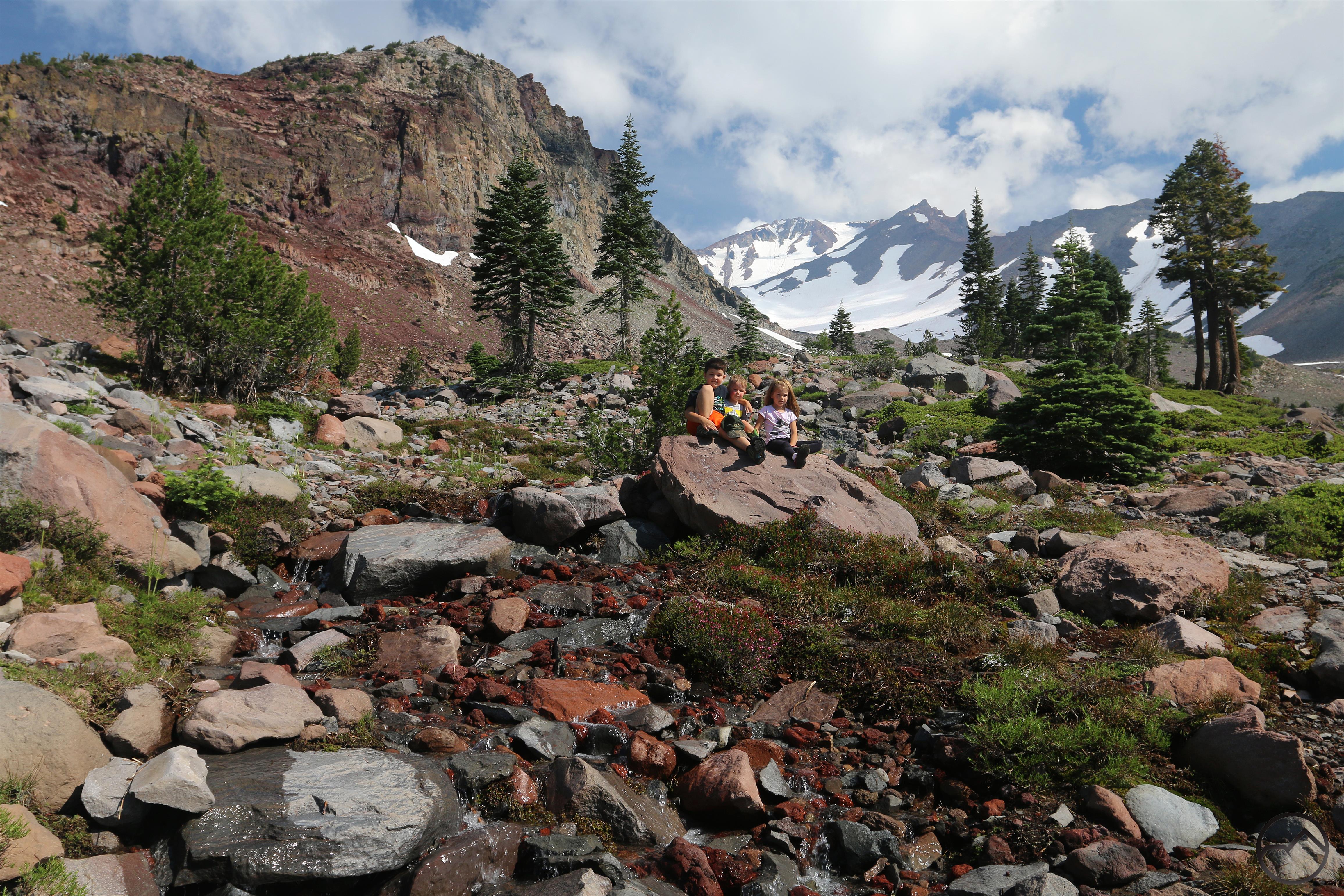
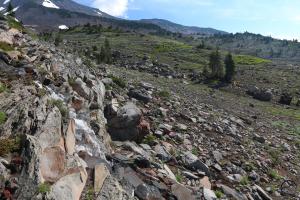
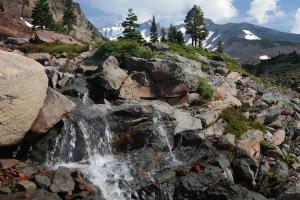
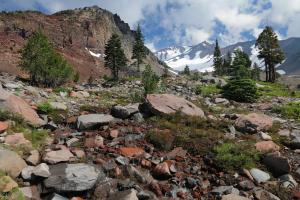
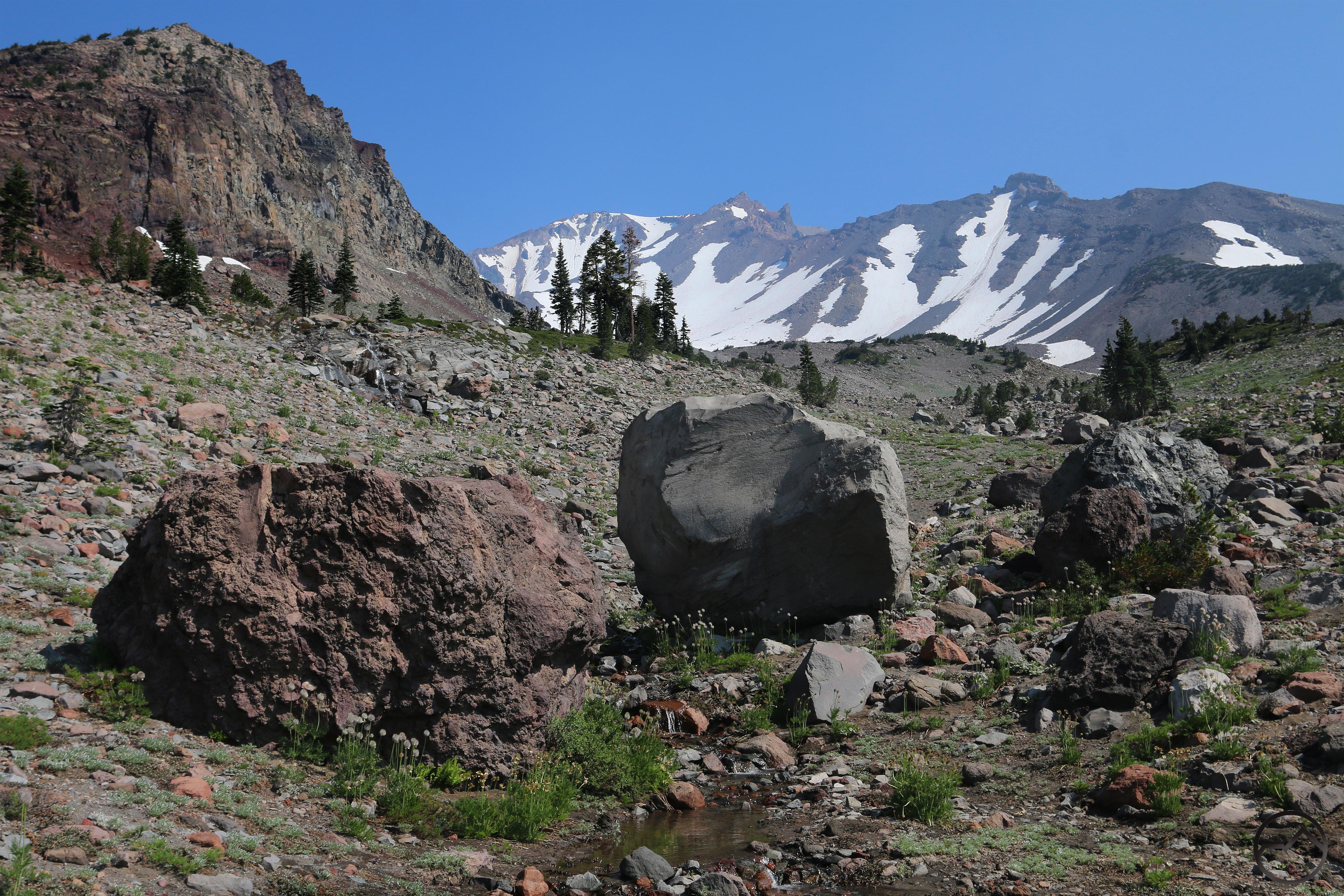
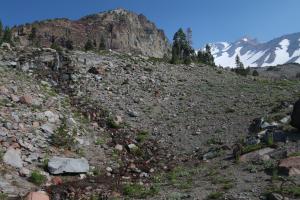
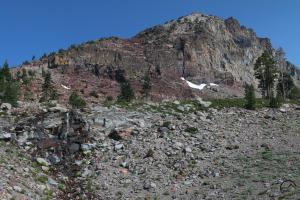
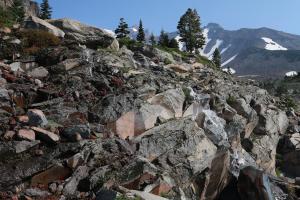
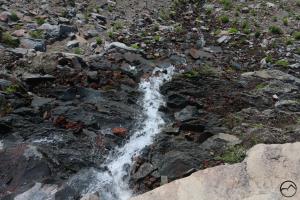
I was unhappy with the air quality and and some camera issues when I went to Old Ski Bowl yesterday. Heading back up there today, I was pleased to see that the smoke was gone for the most part at higher elevations and I took some test shots to try to figure out some of the problems plaguing my camera yesterday. Things seemed to be working better so I took my three kids up to the small waterfall that cascaded down the west side of the basin. I had dubbed the little cataract “Painted Falls” and returning to the area I thought it was quite appropriate. Aside from the presence of Green Butte, which father-of-the-mountain Ed Stuhl had christened “Painted Butte”, the rocks around the waterfall were countless hues of red and purple as well as grays. Augmented by green trees, pine-mat manzanita and pink heather, it really is a colorful area.

My kids played in the water as I crawled around the waterfall testing out different settings on my camera. It really does seem like things are working better, so hopefully I am getting close to solving the camera issues. This is a great area for kids to play, especially while the small creek is flowing. There are boulders both large and small for them to climb on and the water is always a kid-magnet. They love playing like this and it is nice to be able to turn them loose while I play with my camera and keep an eye on them.
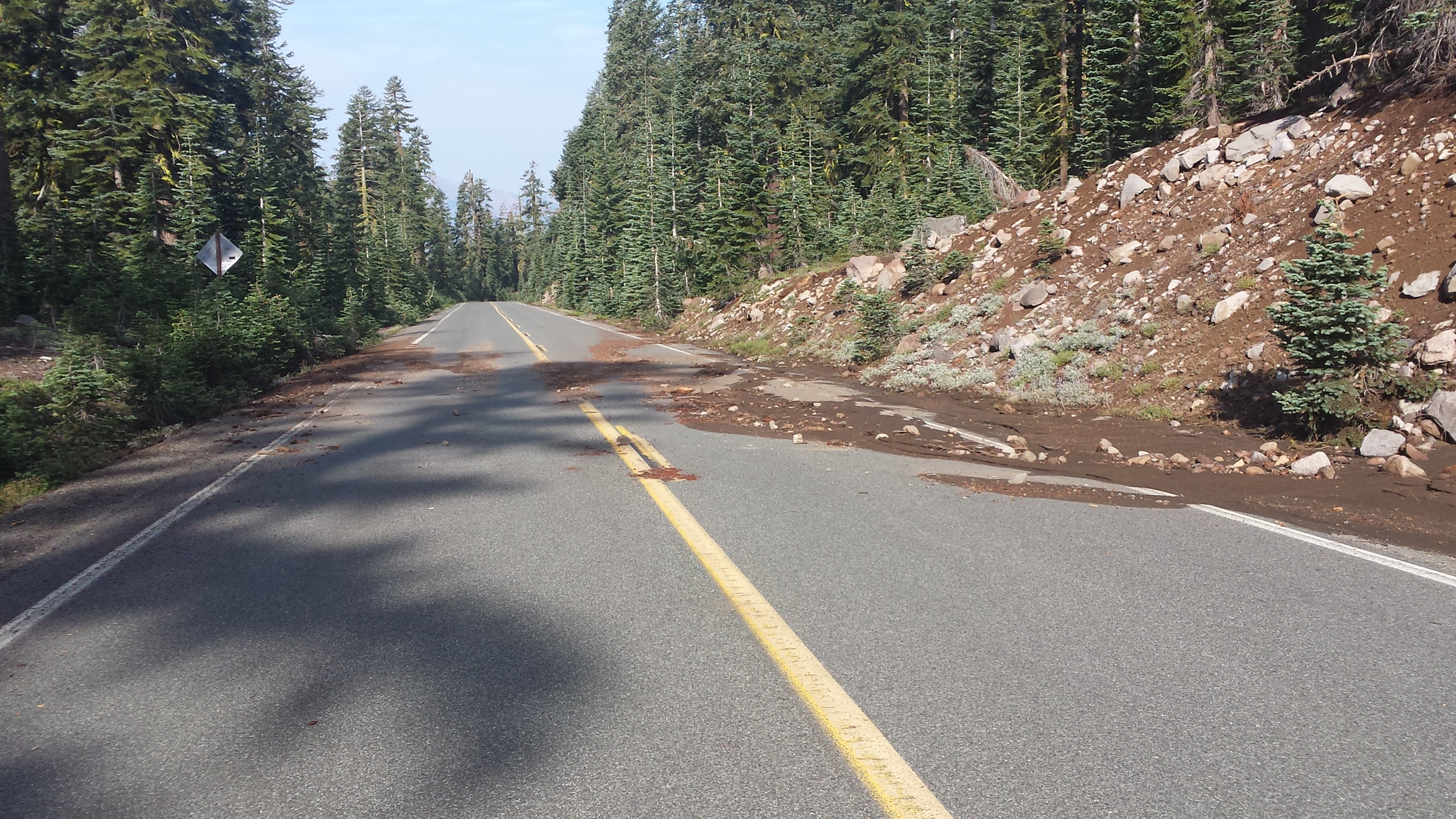
One interesting thing I noted was the aftermath of the thunderstorms that rolled through yesterday afternoon. Driving up to the Old Ski Bowl, there was a lot of mud and debris on the road. This is unfortunate, since the road had just been cleaned off prior to the gate at Bunny Flat being opened. Everywhere I went the ground was wet too. It was obvious that all the normally dry gullies had been suddenly filled with water and fresh logs and such choked some of the gulches. It was also notable how the rain had virtually erased footprints in the sandy areas of the Old Ski Bowl. This is heartening, since it means that tracks that people wear into the mountain are erased fairly swiftly.
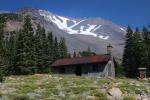
Now is definitely the time to head up to treeline at the Old Ski Bowl. Great views, spectacular terrain, abundant wildflowers (especially western pasque flowers) and even the treat of running water make this an idyllic spot right now. I was even surprised at how few people (relatively) there were compared to yesterday. The trails are primed and ready to be enjoyed!


Old Ski Bowl Open!

Posted by bubbasuess on August 8, 2017
Posted in: Cascade Range, Hiking, Mount Shasta, Water, Waterfalls. Tagged: Old Ski Bowl. 1 Comment

Water flows down through the now-open Old Ski Bowl. 

The Old Ski Bowl is now open! Five weeks after the normal opening date, the gate at Bunny Flat has been opened and there is now driving access to Panther Meadow and the Old Ski Bowl. Four of the best trails on Mount Shasta, Panther Meadow, Gray Butte, South Gate Meadow and the Old Ski Bowl Trail are now available for hikers. The timing could not be better, as wildflowers and flowing water are abundant! The only drawback is the persistent smoke that continues to waft in from fires in other parts of Northern California and Oregon. However, in spite of the fires, the Old Ski Bowl is often high enough to avoid the the preponderance of the smoke.

A rare opportunity exists right now to see running water in the Old Ski Bowl. The small spring that flows near the base of Green Butte is flush with water from the still melting snowfield at the head of the bowl. The increased volume means the water is flowing further down the Old Ski Bowl, even forming a small waterfall at one point. The falls are both visible and audible from the picnic area. It is a wonderful sight. Though the falls are often fleeting, I dubbed them Painted Falls, in honor of Ed Stuhl, who referred to Green Butte as Painted Butte (a much more appropriate name, if you ask me). The tall butte forms a dramatic backdrop to the little waterfall.

Now is the time! Get up there and hit the trail!

Click to enlarge:


The Latest On The Road To The Old Ski Bowl

Posted by bubbasuess on August 7, 2017
Posted in: Cascade Range, Hiking, Meadows, Mount Shasta, Water. Tagged: Everitt Memorial Highway, Old Ski Bowl, Panther Meadow. Leave a comment

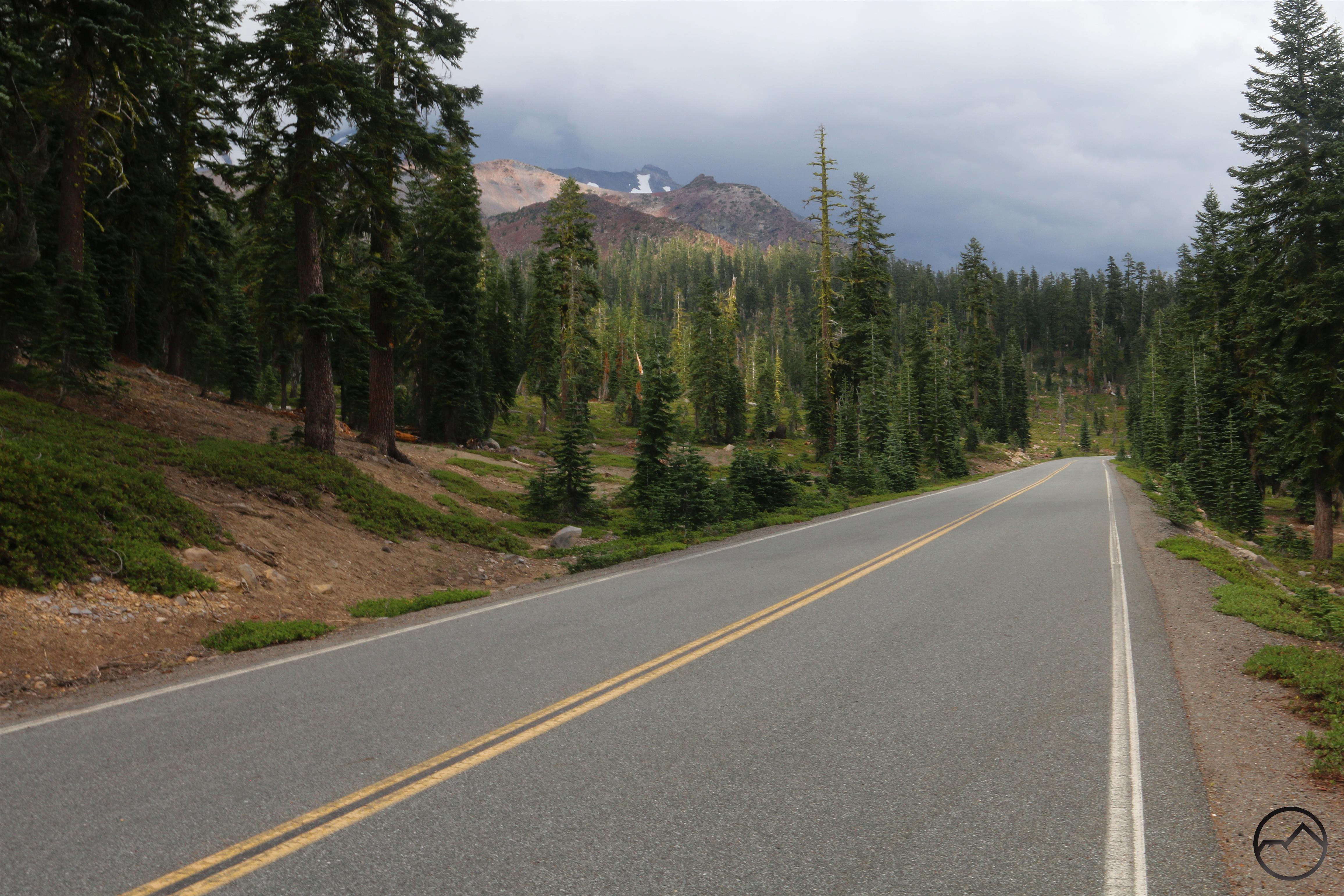
The Everitt Memorial Highway climbs towards the Old Ski Bowl and stormy weather.

I’ll keep this short, but I just wanted to put out the latest on the road to the Old Ski Bowl. I am sure everyone has been chomping at the bit to get up to the end of the road and the trails beyond. Normally the road to the Old Ski Bowl opens on July 1st, but here it is a week into August and the road is still gated. While snow was the initial impediment to opening the road, more recently it has become a matter of manpower. Siskiyou County is responsible for the road and the chipsealing project that has been ongoing on Old Stage Road has sucked all the available manpower away from Everitt Memorial once the snow actually did melt out. Boulders and trees needed to be removed and the small debris needed to be swept off. As frustrating as it may be, all these ducks needed to get put in a row before cars were allowed up there.

So, what is the latest on the road opening? The word is tomorrow the 8th or possibly on Wednesday. Things will finally be accessible by car. So get ready to head up there and hike some of the excellent trails!

Of course, for motivated hikers, the gate has been no impediment and access by foot has been ongoing. I’ve headed up twice but was skunked by smoke and stormy weather, so I have no good pictures to report conditions. I can say that there is still a lot of water so tread carefully, especially at Lower Panther Meadow. The trail there is slated to be improved in the relatively near future but in the mean time, the meadow suffers so please watch your step. Also, for those heading up there, enjoy the rare spectacle of a little waterfall at the Old Ski Bowl!

Click to enlarge:

Clouds on the mountain.
Heading up to the Old Ski Bowl.

Smoke obscures the mountain.
Lush Panther Meadow.

Posts navigation

← Older Entries
Newer Entries →
    • Recent Posts

      • Winter Shows Up When It Will
      • January Rolled By With Mud, Then Very Dry
      • Mount Shasta 2025 – A Year In Images
      • Mount Shasta On Either Side Of Christmas
      • Adrift In An Ocean Of Fog
      • December Has Been Spectacular Thus Far Pt. II (A Magnificent Lenticular)
      • December Has Been Spectacular Thus Far Pt. I
      • Lenticular Interrupted
      • A Stormy Wave And A Truchas Sunset
      • Aurora Lenticularis
    • Enter your email address to follow Hike Mt Shasta and receive notifications of new posts by email.

    • Archives

      • February 2026
      • January 2026
      • December 2025
      • November 2025
      • October 2025
      • September 2025
      • August 2025
      • July 2025
      • June 2025
      • May 2025
      • April 2025
      • March 2025
      • February 2025
      • January 2025
      • December 2024
      • November 2024
      • October 2024
      • September 2024
      • August 2024
      • July 2024
      • June 2024
      • May 2024
      • April 2024
      • March 2024
      • February 2024
      • January 2024
      • December 2023
      • November 2023
      • October 2023
      • September 2023
      • August 2023
      • July 2023
      • June 2023
      • May 2023
      • April 2023
      • March 2023
      • February 2023
      • January 2023
      • December 2022
      • November 2022
      • October 2022
      • September 2022
      • August 2022
      • July 2022
      • June 2022
      • May 2022
      • April 2022
      • March 2022
      • February 2022
      • January 2022
      • December 2021
      • November 2021
      • October 2021
      • September 2021
      • August 2021
      • June 2021
      • May 2021
      • April 2021
      • March 2021
      • February 2021
      • January 2021
      • December 2020
      • November 2020
      • October 2020
      • September 2020
      • August 2020
      • July 2020
      • June 2020
      • May 2020
      • April 2020
      • March 2020
      • February 2020
      • January 2020
      • December 2019
      • November 2019
      • October 2019
      • September 2019
      • August 2019
      • July 2019
      • June 2019
      • May 2019
      • April 2019
      • March 2019
      • February 2019
      • January 2019
      • December 2018
      • November 2018
      • October 2018
      • September 2018
      • August 2018
      • July 2018
      • June 2018
      • May 2018
      • April 2018
      • March 2018
      • February 2018
      • January 2018
      • December 2017
      • November 2017
      • October 2017
      • September 2017
      • August 2017
      • July 2017
      • June 2017
      • May 2017
      • April 2017
      • March 2017
      • February 2017
      • January 2017
      • December 2016
      • November 2016
      • September 2016
      • August 2016
      • July 2016
      • June 2016
      • May 2016
      • April 2016
      • March 2016
      • February 2016
      • January 2016
      • December 2015
      • November 2015
      • September 2015
      • August 2015
      • July 2015
      • June 2015
      • May 2015
      • April 2015
      • March 2015
      • February 2015
      • January 2015
      • December 2014
      • November 2014
      • July 2014
      • June 2014
      • May 2014
      • April 2014
      • March 2014
      • February 2014
      • January 2014
      • December 2013
      • November 2013
      • October 2013
      • September 2013
      • August 2013
      • July 2013
      • June 2013
      • May 2013
      • April 2013
      • March 2013
      • February 2013
      • January 2013
    • Categories

      • Boy Scouts
      • Cascade Range
      • Castle Crags
      • Desert
      • Echo Point
      • Glaciers
      • Hiking
      • How things came to be…
      • Klamath Mountains
      • Konwakiton Outdoor Designs
      • Lakes
      • Lenticular Clouds
      • Maps
      • Marble Mountains
      • Meadows
      • Mount Eddy
      • Mount Shasta
      • Mount Shasta History
      • Napa County
      • Off Season Trails
      • Pacific Crest Trail
      • Peaks
      • Rivers
      • Rock Climbing
      • Scott Mountains
      • Seldom Seen
      • Shasta Valley
      • Sierra Nevada
      • Siskiyou Mountains
      • Sonoma County
      • Spring Trails
      • sunrise
      • sunset
      • Trinity Alps
      • Trinity Divide
      • Truchas Ridge
      • Uncategorized
      • Water
      • Waterfalls
      • Wilderness
      • Wildflowers
      • Wine Country
      • Winter Trails
      • Yosemite
    • Meta

      • Create account
      • Log in
      • Entries feed
      • Comments feed
      • WordPress.com
    • Copyright © 2013-2024 by Bubba Suess

      DISCLAIMER: Any use of the information contained in this site by any and all persons is done at their own risk. The operator of this site shall be held harmless from any and all alleged claims, demands, causes of action, liability, loss, damage and/or injury to property or persons whether brought by an individual or other entity. This indemnification applies, without limitation, to all actions by an individual or other entity as a result of their use of information contained in this site.

    Blog at WordPress.com.
    Hike Mt. Shasta
    Blog at WordPress.com.
    • Subscribe Subscribed
      • Hike Mt. Shasta
      • Join 983 other subscribers
      • Already have a WordPress.com account? Log in now.
      • Hike Mt. Shasta
      • Subscribe Subscribed
      • Sign up
      • Log in
      • Report this content
      • View site in Reader
      • Manage subscriptions
      • Collapse this bar
     

    Loading Comments...