Hike Mt. Shasta

Exploring the Mount Shasta Region

  • Home
  • Trails
    • Mount Shasta Trails
      • Brewer Creek Trail
      • Clear Creek Trail
      • Gray Butte Trail
      • Green Butte Ridge Trail
      • Horse Camp Trail
      • North Gate Trail
      • Old Ski Bowl Trail
      • Panther Meadow Trail
      • South Gate/Squaw Meadow Trail
      • Whitney Falls Trail
    • Trinity Divide Trails
      • Blue Divide Trail
      • Castle Lake Trail
      • Castle Lake Shore Trail
      • Cliff Lake Trail
      • Deadfall Lakes Trail
      • Gray Rock Lakes Trail
      • Gumboot Trail
      • Heart Lake Trail
      • Porcupine & Toad Lakes Via Pacific Crest Trail
      • Seven Lakes Basin Via Pacific Crest Trail
      • Sisson-Callahan Trail
      • Soapstone Trail
      • South Mumbo Scramble
      • Tamarack Lake Trail
      • Toad Lake Trail
    • Castle Crags Trails
      • Burstarse Falls Via Pacific Crest Trail
      • Castle Dome Trail
      • Flume Trail
      • Lower Castle Crags Via Pacific Crest Trail
      • Root Creek Trail
    • Scott Mountains Trails
      • Bluff Lake & Cement Bluff via Pacific Crest Trail
      • Caldwell Lakes Trail
      • China Mountain Scramble
      • Cory Peak and Bull Lake via Pacific Crest Trail
    • Cascade Crest
      • Ash Creek Butte Scramble
      • Goosenest Trail
      • Juanita Lake Trail
      • Orr Lake Trail
    • Mount Shasta City Area Trails
      • Black Butte Trail
      • Box Canyon Trail
      • Gateway Trail
      • Lake Siskiyou Trail
      • Mount Shasta City Short Trails
      • Ney Springs Canyon Trail
      • Spring Hill Trail
    • Shasta Valley Trails
      • Black Lava Trail
      • Haystack Trail
      • Lake Shastina Trail
      • Pluto Cave Trail
      • Trout Lake Trail
      • Yellow Butte Trail
    • Sacramento River Trails
      • Dunsmuir Trail
      • Hedge Creek Falls Trail
      • Sacramento River Trail
      • Sims History Trail
    • McCloud River Trails
      • Ash Camp To Ah-Di-Na Via Pacific Crest Trail
      • McCloud River Falls Trail
      • McCloud River Preserve Trail
      • Squaw Valley Creek Trail
      • McCloud River Trail: Algoma Camp to Nitwit Camp
      • McCloud River Trail: Nitwit Camp to Cattle Camp Swimming Hole
      • McCloud River Trail: Cattle Camp Swimming Hole to Camp 4
      • McCloud River Trail: Camp 4 to Upper McCloud Falls
      • McCloud River Trail: Pine Tree Hollow Loop
    • Trails Further Afield
      • Trinity Alps Trails
        • Bear Lakes Trail
        • Billys Peak Trail
        • Boulder Creek Lakes Trail
        • Boulder Lake Trail
        • Canyon Creek Trail
        • Caribou Lakes Trail
        • East Boulder Lake Loop
        • East Weaver Lake Trail
        • Four Lakes Loop
        • Granite Peak Trail
        • Grizzly Creek Trail
        • Gulch Lakes Loop
        • Hidden Lake Trail
        • South Fork Lakes Trail
        • Stoddard Lake Trail
        • Stoney Ridge Trail
        • Tangle Blue Lake Trail
      • Warner Mountains
        • Emerson Creek Trail
        • Highgrade Trail
        • Patterson Lake Via Warner Summit Trail
        • Pine Creek Trail
        • Squaw Peak Trail
  • Articles
    • Trails By Area
      • Mount Shasta
        • Vistas, Meadows And Waterfalls: Three Best Hikes On Mount Shasta
        • The End Of The Road: Three Hikes In The Old Ski Bowl Area
        • Two Trails From Bunny Flat
        • Three Trails On Mount Shasta’s East Side
        • Mount Shasta’s Hummingbirds
      • Trinity Divide
        • Great Lakes: Top Five Lake Basins In The Trinity Divide
        • The Headwaters Of The South Fork Of The Sacramento River
        • Neglected Headwaters: Two Lesser Lake Basins On The South Fork
        • Gumboot Saddle: Two Hikes On The PCT
        • Descent Into Mystery: The Sisson-Callahan Trail
        • Mumbo Basin – Overlooked On The West Side
        • The Headwaters Loop: A Proposed Backpacking Loop In The Trinity Divide
      • The McCloud River
        • The McCloud River Trail
      • Shasta Valley
        • Jewels In The Desert
      • Scott Mountains
        • Great Scott! Two Scott Mountains Hikes On The PCT
      • Trinity Alps
        • Carubou Lakes: Trinity Alps On A Grand Scale
        • Switchbacks To Heaven: The Trinity Alps’ Stoney Ridge Trail and Four Lakes Loop
        • Trinities In Proximity: Two Trinity Alps Trails With Easy Access From Mount Shasta
        • Trails in the Carter Meadows Area
        • Trinity Alps Views of Mount Shasta
        • The Psychological Value Of The Trinity Alps
    • Waterfalls
      • Three Waterfalls On Mount Shasta
      • McCloud River Waterfalls
      • Sacramento River Waterfalls
      • Trinity Divide Waterfalls
      • Trinity Alps Waterfalls
      • Avoiding A Dry Whitney Falls
    • Off Season Trails
      • Three Winter Hikes Near Mount Shasta City
      • Winter Hikes In Shasta Valley
      • Winter Hiking In The Shasta Valley Wildlife Refuge
      • Winter Hikes On The Sacramento River
      • Winter Hikes On The Lake Siskiyou Trail
      • Spring Hikes In The Castle Crags
      • Spring Hikes On the Upper McCloud
      • Spring Hikes On The Lower McCloud River
    • Points Of Interest
      • Mount Eddy: Overshadowed, Underrated
      • Black Butte: Hiding In Plain Sight
      • Castle Dome: Steadfast And Staggering
      • Mount Shasta Hoodoos
      • Sacramento Scrambling
      • The Shasta River
      • The Castle Creek Watershed
      • Mount Shasta East Side Glacier View
      • 5 Fantastic Mount Shasta Vistas
      • 5 Highest Peaks Around Mount Shasta
      • 5 Best Hikes On Creeks And Rivers
      • 5 Interesting Footbridges
      • Three Spectacular Drive-To Sunset Vistas
    • North State Geography
      • Introduction
      • Seven Major Regions
      • The California Cascades
      • Klamath Mountains Pt. I
      • Klamath Mountains Pt. II
      • The Great Canyons Of Mount Shasta
      • Mount Shasta, Timberline, And The Relative Size Of Cascade Volcanos
      • Four Eruption Cones Of Mount Shasta
      • Mount Shasta’s Medial Moraine
    • Northern California Review
      • North Table Mountain
      • Lakes Basin Recreation Area
      • Eastern Sierra Fall Color
      • Sonoma County
      • Central Sierra Nevada
      • Orland Buttes
    • Seldom Seen
      • Ash Creek Falls
      • Mud Creek Canyon
      • Lower Mud Creek Canyon
      • Diller Canyon
      • Lower Cascade Gulch
      • The Grey Rocks
      • Castle Creek
      • Upper Wagon Creek
      • Fawn Creek Canyon
      • Confluence of the Sacramento River and Castle Creek
      • Upper Klamath River Canyon
      • Hole In The Ground Geologic Area
      • Ash Creek Butte Fossil Rock Glacier
    • Mount Shasta History
      • Vantage Lost: The Everitt Memorial Vista
      • A Yosemite-Mount Shasta Connection
      • Whitney – What’s In A Name?
      • Mount Shasta Area and the 1838 Exploring Expedition
      • A 19th Century Engraving Of An Epic Mount Shasta Vista
      • Vintage 1907 Color Photos
      • A Misleading Painting
      • A Mysterious Painting
      • A Mysterious Painting Pt. II
      • Stereographic Mt. Shasta
      • Year One Of Hike Mt Shasta
      • Year Two Of Hike Mt Shasta
      • Year Three Of Hike Mt Shasta
      • Year Four Of Hike Mt Shasta
      • Year Five Of Hike Mt Shasta
      • Year Six Of Hike Mt Shasta
      • Year Seven Of Hike Mt Shasta
    • Image Galleries
      • Mount Shasta Trails Gallery
      • Mount Shasta Sunrise Gallery
      • Mount Shasta Sunset Gallery
      • Lenticular Cloud Gallery
      • Mount Shasta NON-Lenticular Clouds
      • Mount Shasta Reflection Gallery
      • Telephoto Gallery
      • Mount Shasta Area Fall Color
      • Castle Crags Gallery
      • Waterfalls Gallery
      • Trinity Divide Lakes Gallery
      • Mount Shasta Area Rivers Gallery
      • Shasta High Desert Gallery
      • Mount Shasta GIF Gallery
    • Random Notes
      • Revew: Three Mount Shasta Trail Maps
      • A Mount Eddy Wilderness?
      • New Land Additions For The Castle Crags
      • Book Plug: Mount Shasta Area Rock Climbing
      • Exile: How I Came To Love Wilderness
  • Mt. Shasta Trail Map
  • Blog
  • About/Contact
  • Links
  • Truchas Ridge

Mount Shasta Area Rivers Gallery

Posted by bubbasuess on February 20, 2016
Posted in: Hiking, Mount Shasta, Rivers, Uncategorized. Tagged: Klamath River, McCloud River, Sacramento River, Shasta River, Trinity River. 9 Comments

Cascades, Mt. Shasta - March2014 016 (Custom)

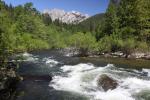
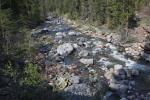
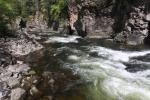
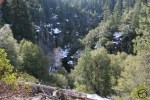
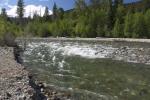
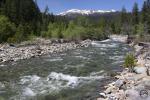
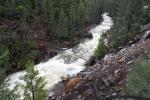
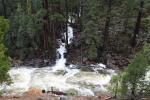
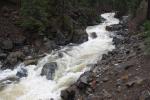
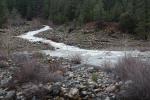
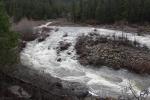
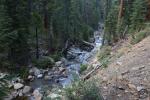
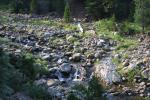
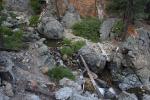
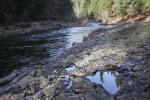
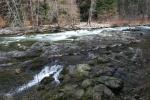
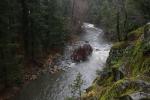
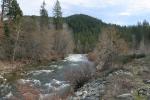
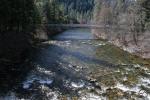
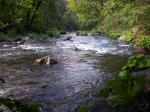
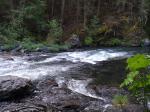
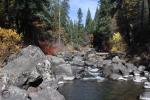
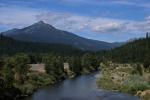
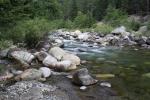
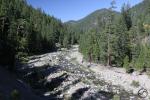
The Mount Shasta region is justly famous for its grand mountains. Though somewhat overshadowed by the rugged nature of the terrain, the area is also known for its excellent rivers. Wild and beautiful, these rivers flow through deep canyons and wide valleys, complementing the deep power of the mountains with beauty, grace, energy and a power all their own. The Sacramento, California’s largest and longest river begins in the mountains just west of Mount Shasta and makes the first steps of its long journey within sight of the great volcano. The McCloud River begins its journey east of Mount Shasta but flows near the foot of the mountain, its beautiful waterfalls complementing the mountain perfectly. The Shasta River flows north through the Shasta Valley. Almost its entire journey is within sight of the mountain. The Trinity and Klamath Rivers are a little further away and neither flow right around Mount Shasta but both fall within the peak’s orbit and add a great deal of beauty and recreation to the region. Click to enlarge the galleries.

Sacramento River

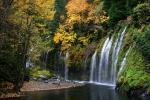
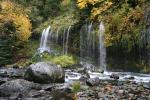
Mossbrae Falls


The confluence of the Sacramento and Castle Creek. Castle Dome on the far right.
Castle Dome and the Castle Crags from the Sacramento River

Inside the Box Canyon of the Sacramento
Box Canyon of the Sacramento River

Mount Eddy at the Sacramento River inlet.
2016

Where the seasonal bridge once stood there is now a nice cataract.

Cascade on the South Fork of the Sacramento

Mount Eddy from the headwaters of the North Fork of the Sacramento River.

North Fork of the Sacramento River

Along the Sacramento River Trail.
The Sacramento River
Rapids Along the River Trail.

Vista point view of the Sacramento River.
The Sacramento River


The McCloud River

Upper McCloud Falls
Upper McCloud Falls
McCloud River from the top of Middle Falls

Middle McCloud Falls
Lower McCloud Falls

Basalt chute above Upper Falls.
Basalt gorge on the McCloud River

Between Middle and Lower Falls
Bigelow Bridge area.

The McCloud River from the PCT crossing.
Large cataract on the McCloud River

In the McCloud River Canyon

Between Algoma and Skunk Hollow.

The Shasta River

Shasta River


The Trinity River


Billys Peak Trail

Klamath River


Sacramento River Still Altering Landscape: A Different Perspective

Posted by bubbasuess on February 14, 2016
Posted in: Hiking, Mount Shasta, Rivers. Tagged: Lake Siskiyou, Sacramento River. 6 Comments

Trinity Divide, Lake Siskiyou - Feb2016 052 (Custom)I had not planned to follow up my last post with yet another perspective on the changing landscape at the Sacramento River’s inlet into Lake Siskiyou.  However, the other day I was fixing something on the Lake Siskiyou Trail page and noticed that one of the images was of the inlet area from the north shore side of the trail. It depicted the inlet almost exactly three years ago. Not only had the south channel not been blocked up at that time, but the grabions, the large rock-filled cages that formed the foundations for the bridges across the river, were still intact and visible in the image (thanks to John Schyuler of the Mount Shasta Trails Association for cluing me in to the proper name for these structures!). Knowing how dramatic the changes have been, I was compelled to return to the same spot I had taken the earlier image and document what the area looks like now. I was glad I did. Even though I was fully aware of how much had changed, it was still shocking to see it from the perspective of the previous image.

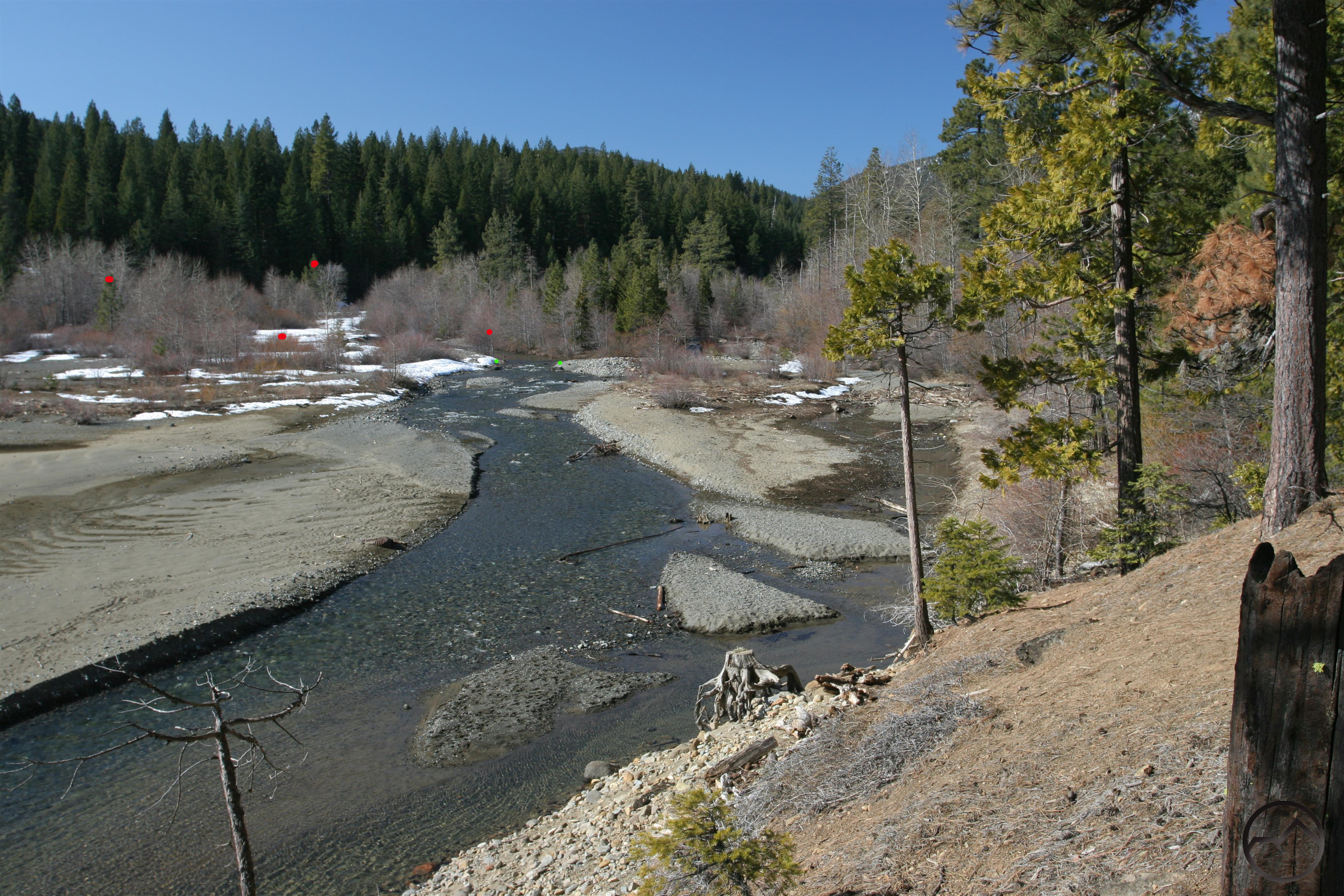
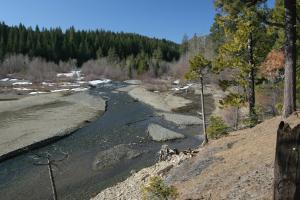
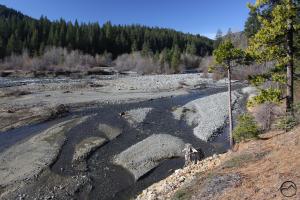
trinity-divide-sacramento-river-feb2013-004-copy-customMarked2Having some context for what things used to look like, it is evident that the river has not changed its course so much as it has actually washed out nearly have of the entire inlet flood plain. To gain some perspective on the image, I added red dots that are useful markers to identify position in both pictures. There are also bright green dots just above the grabions (see the gabions with the old bridge placement here).  Here are the images unmarked. Click on them, then you can scroll back and forth to compare them:

2013
2016

The amount of material that has been moved is incredible. Large amounts of river rock has been deposited from upstream while smaller, loose aggregate has been cleared out and is presumably settled on the bottom of the lake. Where the Lake Siskiyou Trail once traveled the along the lake’s high water mark between the river’s old south channel and the north channel, the river now flows past a continually eroding 8 foot high embankment. A couple hundred yards of the trail are simply gone. Last year’s floods wiped out the old bridge location but left most of the trail intact. This year is quite different. With the water level still so high, it remains to be seen what the actual, final (at least for this year) path of the river will be and what areas will need to be bridged in order to complete the loop around the lake.

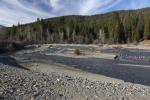
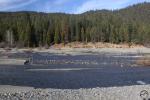
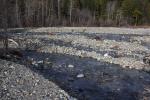
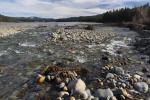
The annual placement of the temporary bridges is still a few months away so the loop around the lake is incomplete. However, for those looking for a long hike and an adventure, it is possible to ford the Sacramento River and do the entire loop. The water level is high and close to the main stem crossing would be quite dangerous. Closer to the lake the river now fans out over the eroded flood plain so much that most of the multiple channels are only ankle or calf deep. The wide dispersal area makes it a fairly easy matter to cross as long as you are willing to get your feet wet. Interestingly, two channels are developing on the new flood plain. There have always been two channels here but the smaller of the two was little more than overflow most of the year. Now it has become a bona-fide path for the river in its own right. Still, 90% of the river’s volume remains in the main channel.

Click to enlarge:

The main channel finally begins to fan out.

Close to the lake, the water disperses over a wide area.
Even the small secondary channel has a heavy flow.

Sacramento River Still Altering Landscape

Posted by bubbasuess on February 7, 2016
Posted in: Hiking, Mount Shasta, Rivers. Tagged: Lake Siskiyou, Lake Siskiyou Trail, Sacramento River. 11 Comments

Trinity Divide, Lake Siskiyou - Feb2016 032 (Custom)

The Sacramento River is one of the great features of the Mount Shasta region. It is a scenic mountain river that races through deep canyons and rocky channels. The uppermost section of the river is often overshadowed by the lower section that is recognized as a great fishing stream and kayaking run, as well as for its waterfalls. I contend that the uppermost section offers fantastic recreational opportunities as well and is the most scenic (save for the Box Canyon, of course). In addition to the fun that can be had and the beauty that can be enjoyed, this part of the river presents an unusual opportunity to witness nature’s power to change the landscape.

Ten months ago I reported on the Sacramento River’s efforts to change its course upstream from Lake Siskiyou (read the reports here and here). The changes were dramatic. Prior to the winter of 2015, the river had divided into two channels about 0.25 miles upstream from the inlet to the lake. Consequently, the Lake Siskiyou Trail was required to bridge to small rivers rather than a single flow. Despite the drought, the river managed to gather enough fury during one of the seasons few hard rains to close off access to the southern channel and forcing all of the water into the northern channel. The trail engineers who designed the Lake Siskiyou Trail had anticipated this eventuality to some degree and had installed removable bridges on permanent foundations. This would allow the bridges to be pulled during the winter and spring so that no damage would be done. However, this year, since the river was so low, the bridges were left in place so hikers, runners and bikers could enjoy the trail during the unusually light winter. What they had not anticipated was the bottling up of one of the river’s channels and the concomitant increase of water in the other. Yet this is what happened and the northern bridge, as well as its foundations were lost as the river completely altered the landscape. Interestingly, the bridge on the now dry southern channel was left untouched and intact. Thankfully another bridge was acquired and when the water level dropped, the single flow of water was bridged and the Lake Siskiyou Trail was uninterrupted again.

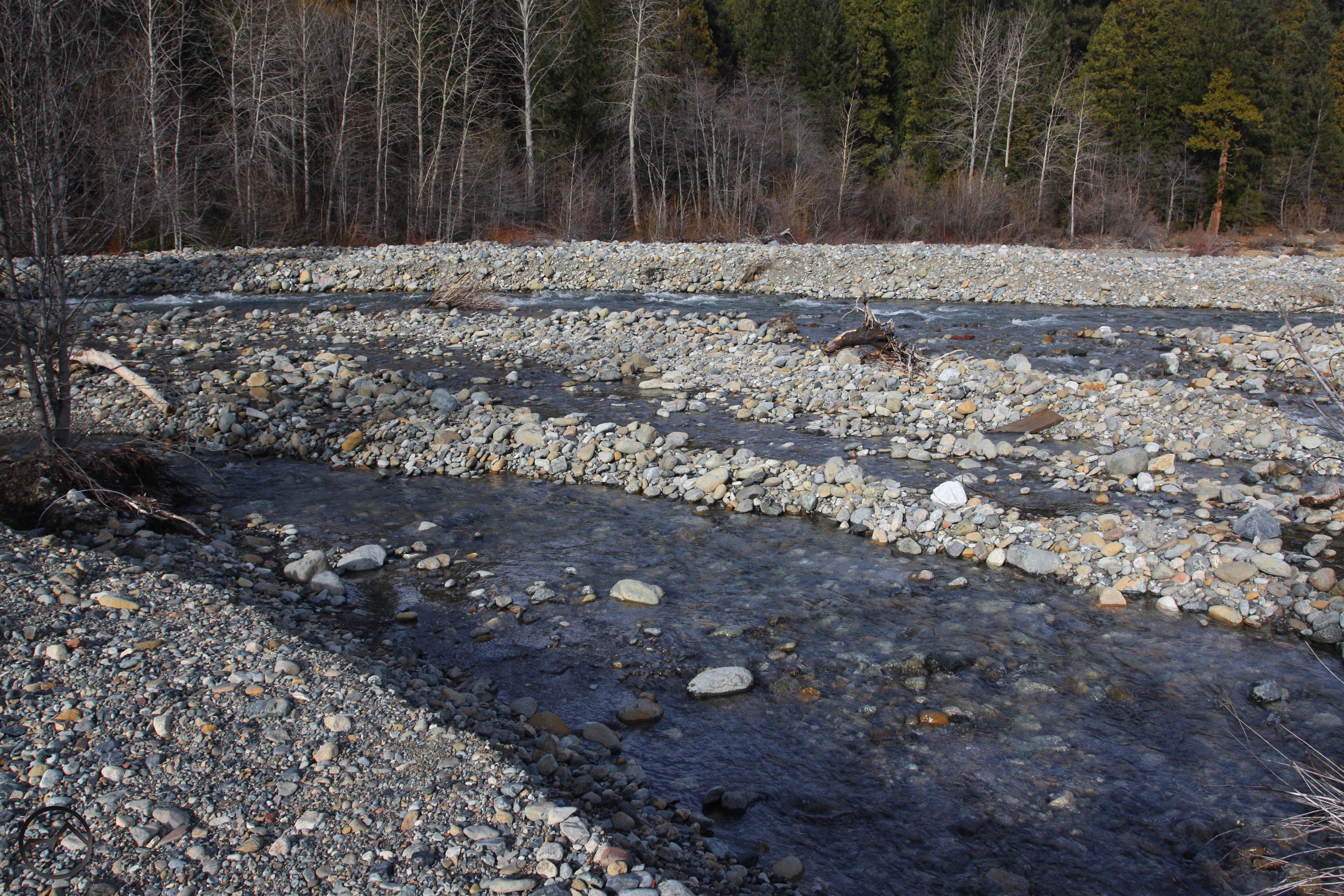
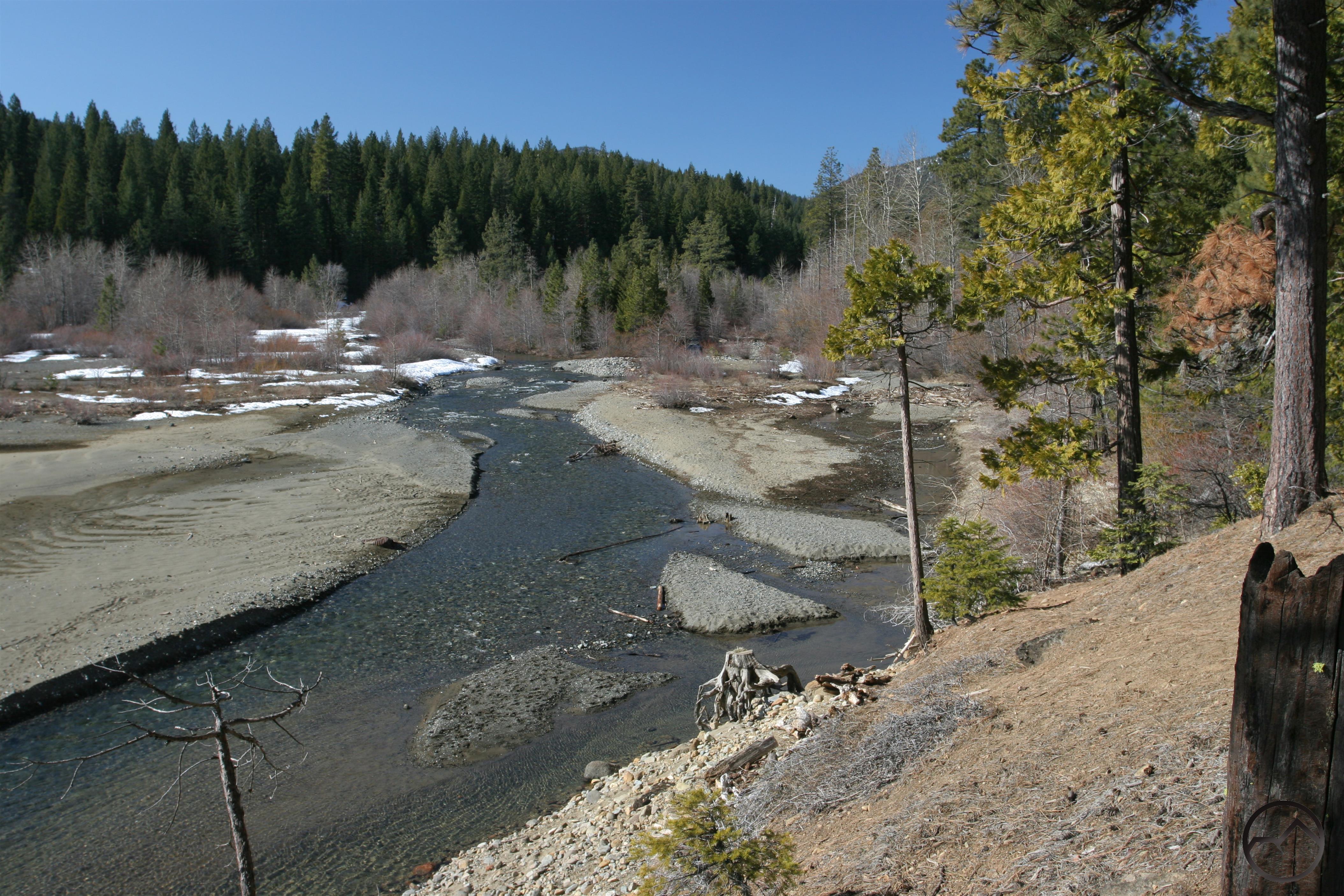
The river divides into many streams.

The river divides into many streams.

This winter has yielded a lot of precipitation and it should come as no surprise that the river has continued its work to modify the land around it. Like last year, the southern channel remains dry, closed off by rocks and debris 0.25 miles from the lake. Once again the river enters the lake only on the north side of its small flood plain. However, everything along that channel has changed along its final 150 yards to Lake Siskiyou’s high water mark. Where the river maintained a single, primary flow through this final short section last year, it no longer maintains that single course now. Once it passes a knot of large trees, it immediately fans out into four or five divisions that split apart and intermingle with each other. Despite the dispersal of water over a large area, some of these flows remain deep and are dangerous to cross. Others are easily jumped over or skipped across via large rocks. It seems that large quantities of river rocks have been deposited in some areas, especially along the northern fringe of the channel. Other areas have been scoured clean.

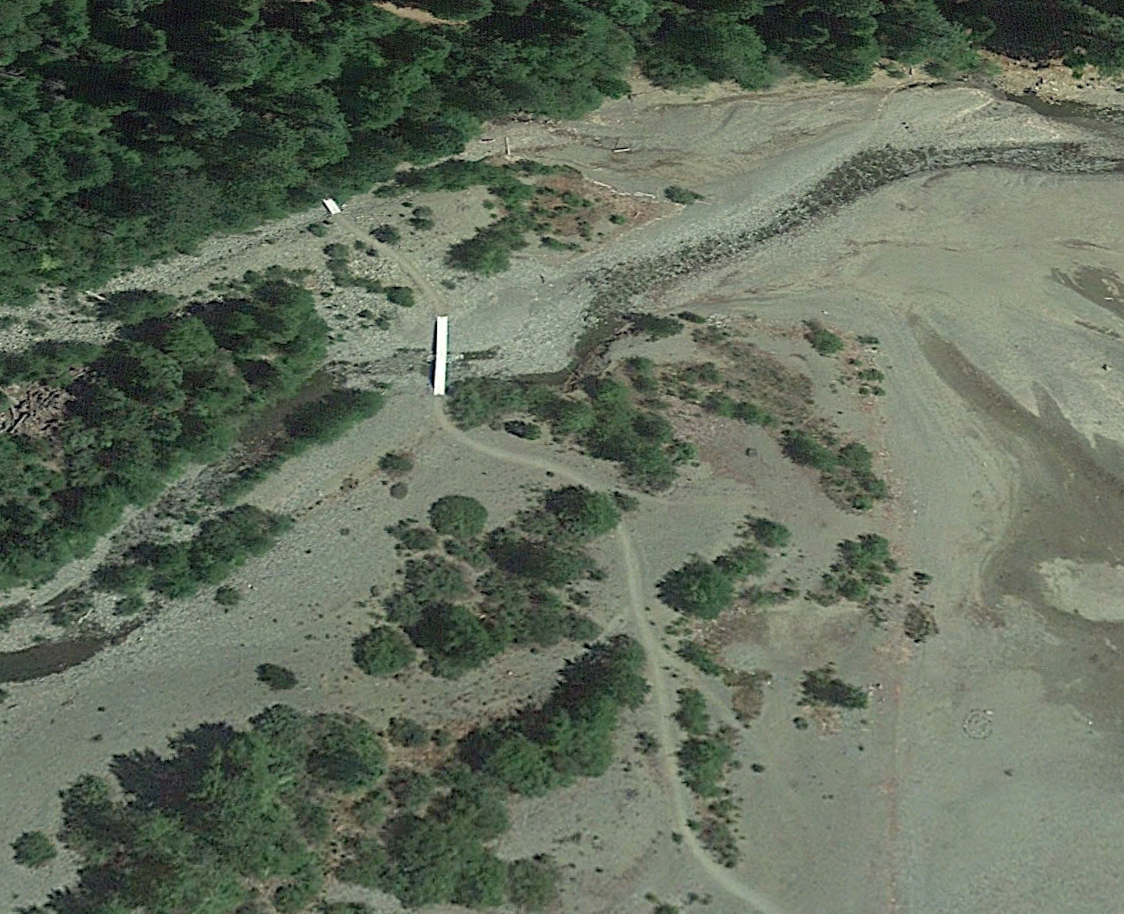
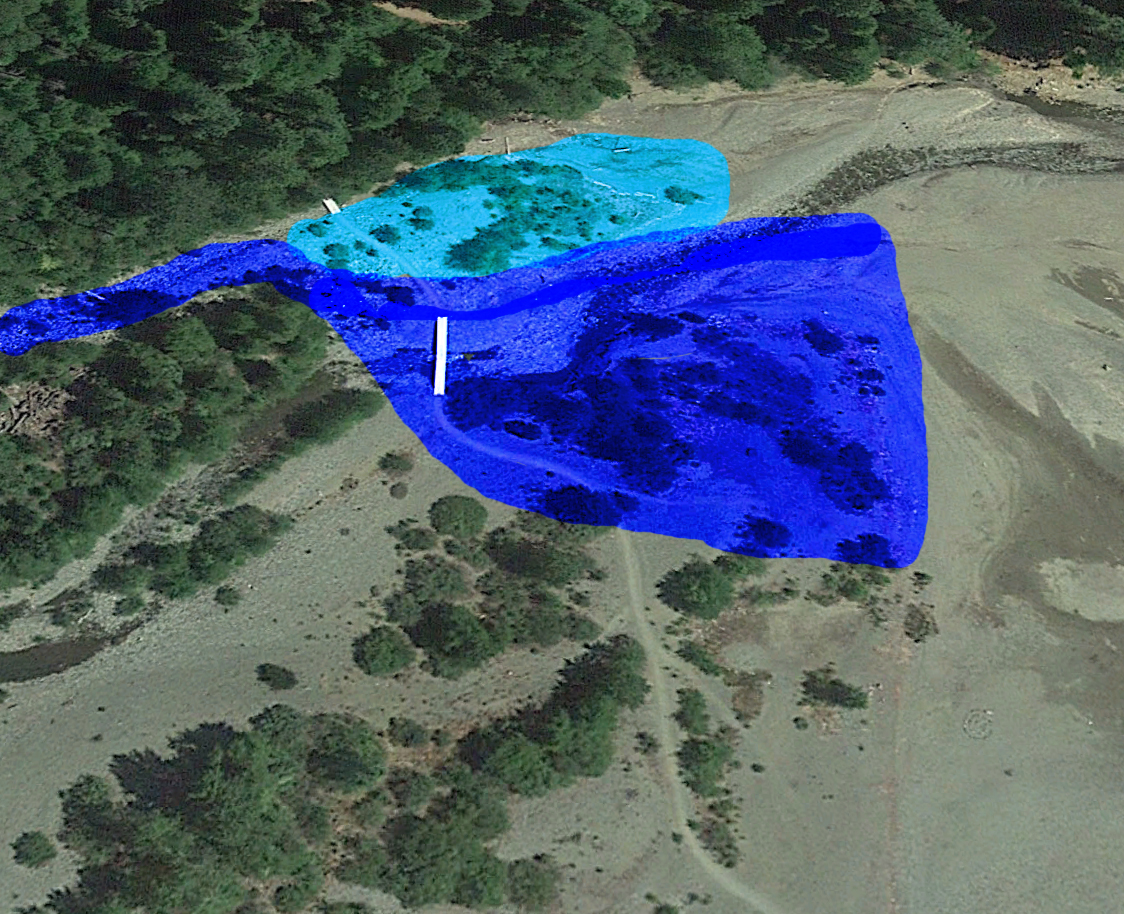
In some ways, this change is to be expected, given the increase in the water. However, the surprise is that it has come at the expense of the Lake Siskiyou Trail. A large section of the trail has been washed away as the river eroded the bank away. Where the trail once mad a 50 yard jog to the west, moving away from the lake and toward the bridge that crossed the north channel, now a 10 foot embankment drops down to rushing water. To reach the spot where the bridge was once located, it is now necessary to push through brush and then follow some rocky clearings. Observe the approximate changes on the maps below:

The Sacramento River's north channel in October 2014.

The Sacramento River’s north channel in October 2014.

The light blue is areas washed out in 2015. The dark blue are the areas washed out this winter.

The light blue is areas washed out in 2015. The dark blue are the areas washed out this winter.

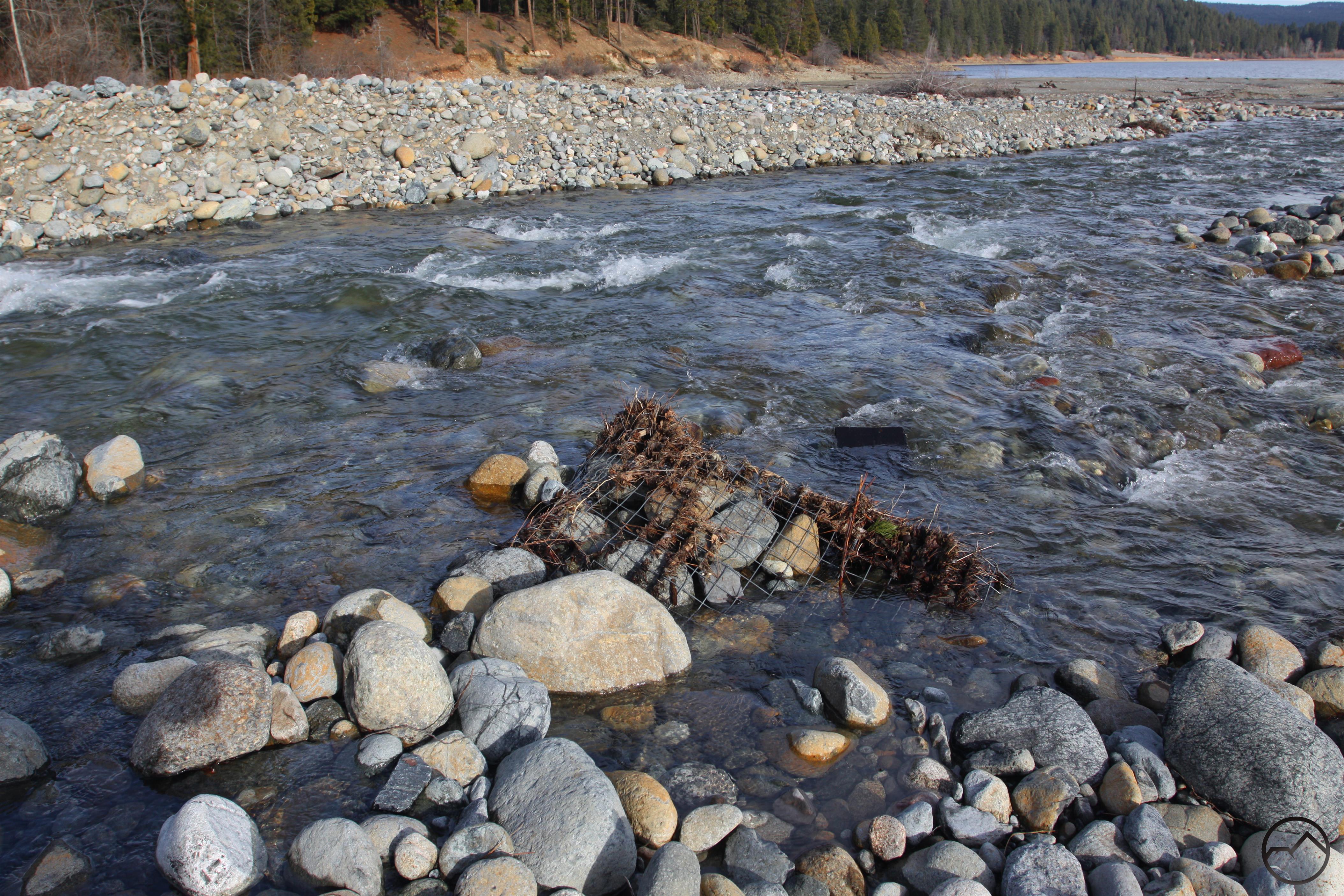
Old bridge foundation.

Old bridge foundation.

One interesting feature is the revealing of one of the old foundation pier of the temporary bridges across the Sacramento. The piers were constructed of thick metal cages filled with river rock. The cages gave them shape while the rock gave them support. This remains a great design and both blends into the surrounding landscape while doing the job of supporting the bridge. Last year, it seemed that these were wiped out along with the rest of the bridge. However, it now appears that they remained in place but were buried in large quantities of river rock. This year, as the torrent cleared the area of any loose material, the rocks on top of the piers were washed away and one of the old cages was made visible once again. While this is an excellent design, it seems unlikely that new ones will be built in the near future since the landscape continues to change on an annual basis. I would speculate that now that the river’s entire flow is being funneled through one channel that this process will continue for some time to come. Only when the malleable earth is scoured away will that area achieve some sort of equilibrium. Perhaps then new foundations can be installed. Until then, the Lake Siskiyou Trail will have a little different look each year.

Images of the washout (click to enlarge):

Mount Eddy at the Sacramento River inlet.
The river splits into many channels.
The river divides into many streams.

Lake Siskiyou and the old foundation.
Another piece of old foundation.
Old bridge foundation.
The foundations on the dry south channel.

A Strong Winter In Mount Shasta So Far

Posted by bubbasuess on January 27, 2016
Posted in: Hiking, Mount Shasta. 5 Comments
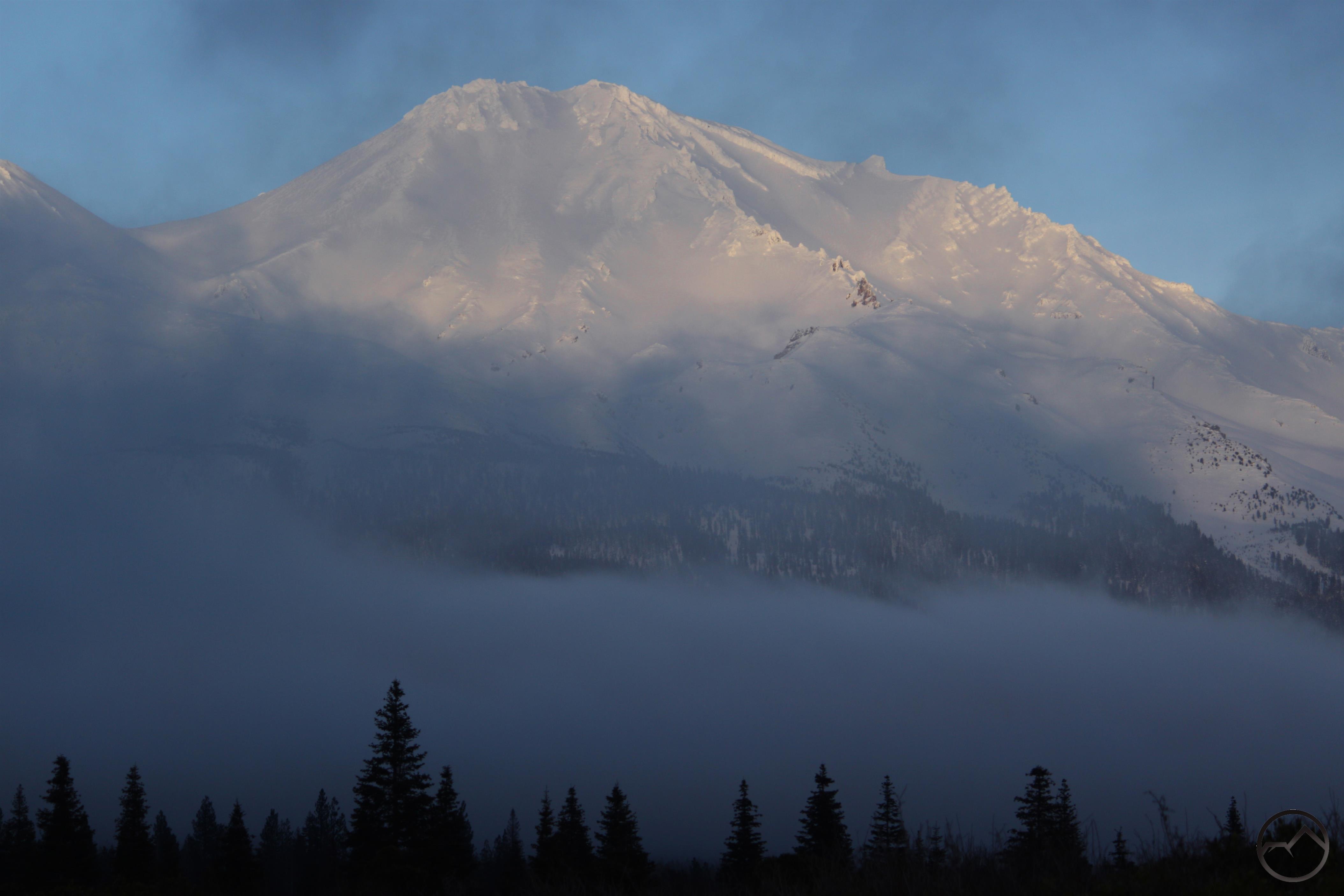
Cascades, Mt. Shasta - Jan2016 329 (Custom)

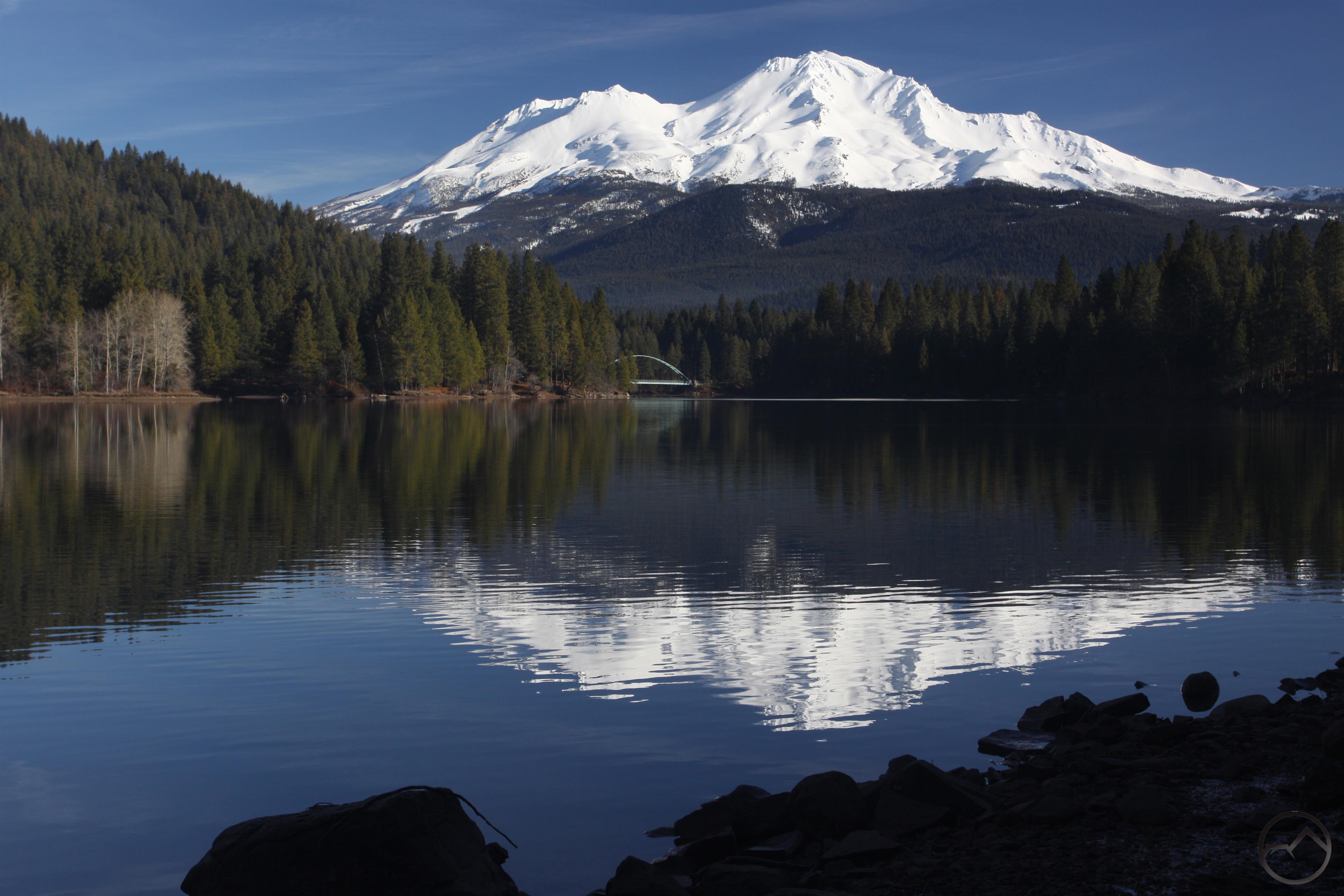
Mount Shasta reflects in Lake Siskiyou on January 26, 2016. Note the lake is nearly full.

This winter has been a good one so far, which is quite a relief after the disastrous winters of the two previous years. December brought a steady succession of storms and January has been good too, with both snow and rain maintaining a strong presence throughout the month. As noted here and here, the deep snow that fell at lower elevations was quickly melted by warmer temperatures and a strong rain. The creeks and rivers were engorged and all the water eventually found its way into our needy reservoirs. As of the time of this writing, Lake Siskiyou is just a few feet short of its capacity. Even more important, Shasta Lake has risen 50 feet since the beginning of January alone and will continue to rise as precipitation returns to the North State. In addition, the snow pack is already much, much healthier than it has been the last couple of years, which will sustain the state’s water supply when we enter the drier months.

Since today was a clear day, it presented the opportunity to take a good look at how the snow appears on the mountain. In years past, I have employed the zeitcam to provide some recent historical context to the condition on the mountain. I have not done this in quite a while but today seemed like a good time to do so once again. The last few years were pretty bleak and it is exciting to have a real winter once again.

Click on the links to view the conditions on Mount Shasta on January 26 over the last three four years.

2016

2015 – Though deceptively snowy, this was nearly as bad as the previous year.

2014 – dramatic evidence of the drought’s impact on the mountain.

2013 – the most recent decent year, but it was still below average.

May the snow continue to fall…

Cascades, Mt. Shasta - Jan2016 240 (Custom)

Winter storm clouds swirl around the base of Mount Shasta.


Water Levels High Around Mount Shasta Pt. II

Posted by bubbasuess on January 23, 2016
Posted in: Desert, Hiking, Mount Shasta, Rivers. Tagged: Klamath River, Parks Creek, Shasta River. 2 Comments
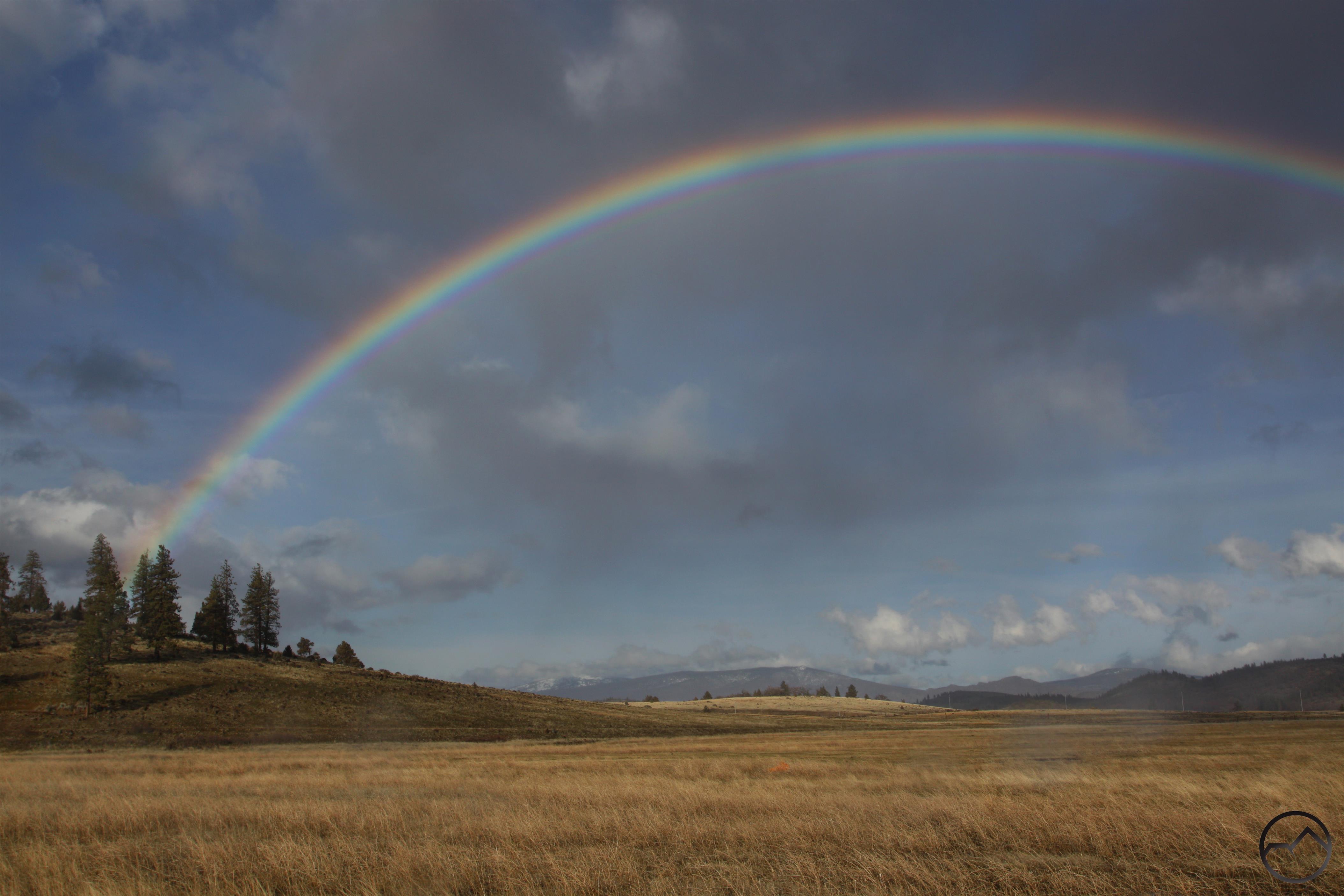
A rainbow arcs high above the Cascade Crest and the Shasta Valley.

A rainbow arcs high above the Cascade Crest and the Shasta Valley.

After observing the effects of the storm on the Sacramento River and its tributaries, a break in the weather presented the opportunity for a quick investigatory trip north to see how the snow and rain was impacting the Shasta River. The Sacramento River begins on the south flank of Mount Eddy, the highest point in the Trinity Divide, a subrange of the vast Klamath Mountains. The river continues south and is joined by many rivers of flowing out of the Cascades, Sierra Nevada and Coast Ranges before discharging into San Francisco Bay. The Shasta River begins on the northern slopes of Mount Eddy and flows through the Shasta Valley before contributing its waters to the mighty Klamath River. This river in turn continues west and gathers other large rivers to it before reaching the sea in a somewhat unheralded fashion south of Crescent City. Though the watersheds of these river systems begin just a few miles apart, their appearance is strikingly different. The Sacramento River flows south through dense forest and deep canyon. The Shasta River flows north, through semi-arid high desert and the wide open terrain of the Shasta Valley before plunging into the Shasta River Canyon and joining the Klamath River (read more about the Shasta River here).

The reason for arid landscape is Mount Shasta’s large rainshadow. The mountain tends to attract storms and then wring the moisture out of them. Consequently, as storm systems move north they have much less water in them and precipitation is dramatically less. It was for this reason that while a storm raged around Mount Shasta, it was possible to head north and investigate the waterways of the Shasta Valley with blue skies. The winds were powerful and were whipping lots of water into the air, despite no rain actually falling. This made for some excellent rainbows. The two largest bodies of water to observe at the south end of the Shasta Valley are the Shasta River itself and Parks Creek. The latter forms on China Mountain, the fourth highest point in the Mount Shasta area. As I had anticipated, the water was high in both river and creek. However, they were not the raging torrents that the Sacramento River and tributaries had been. This was to be expected considering their headwaters were along the periphery of the rainshadow.

Parks Creek
Shasta River
Shasta River

It was heartening to see the water level high. Thirsty Lake Shastina is getting a good infusion of much needed water. Hopefully, with the strong snow pack and even more precipitation through the coming months, the lake may even refill. Shasta Lake certainly had some relief as well. The lake has come up 35 feet since the beginning of January and will continue to do so for several months to come. It has a long way to go yet, but this coming summer want be as dire as the last couple have been.

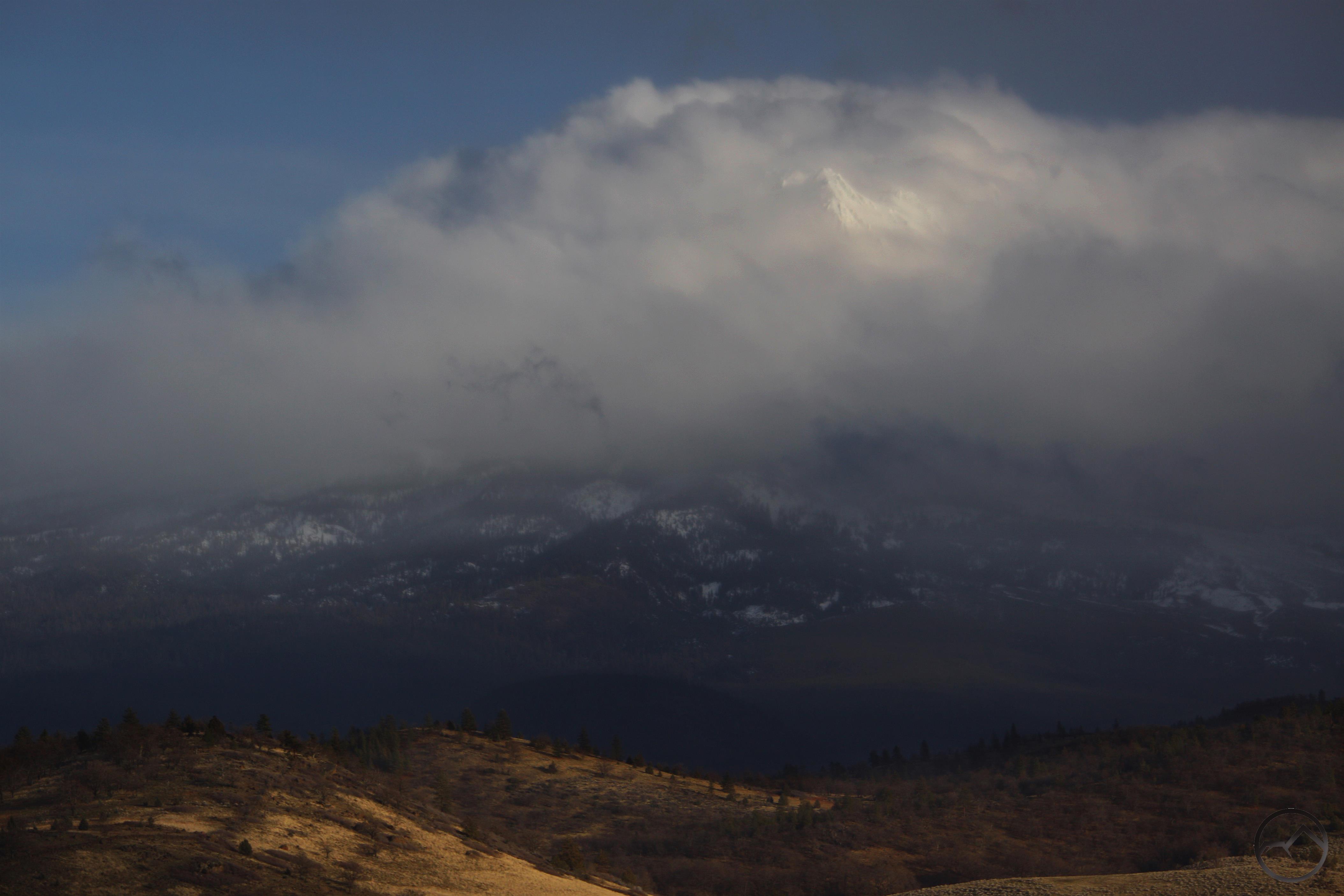
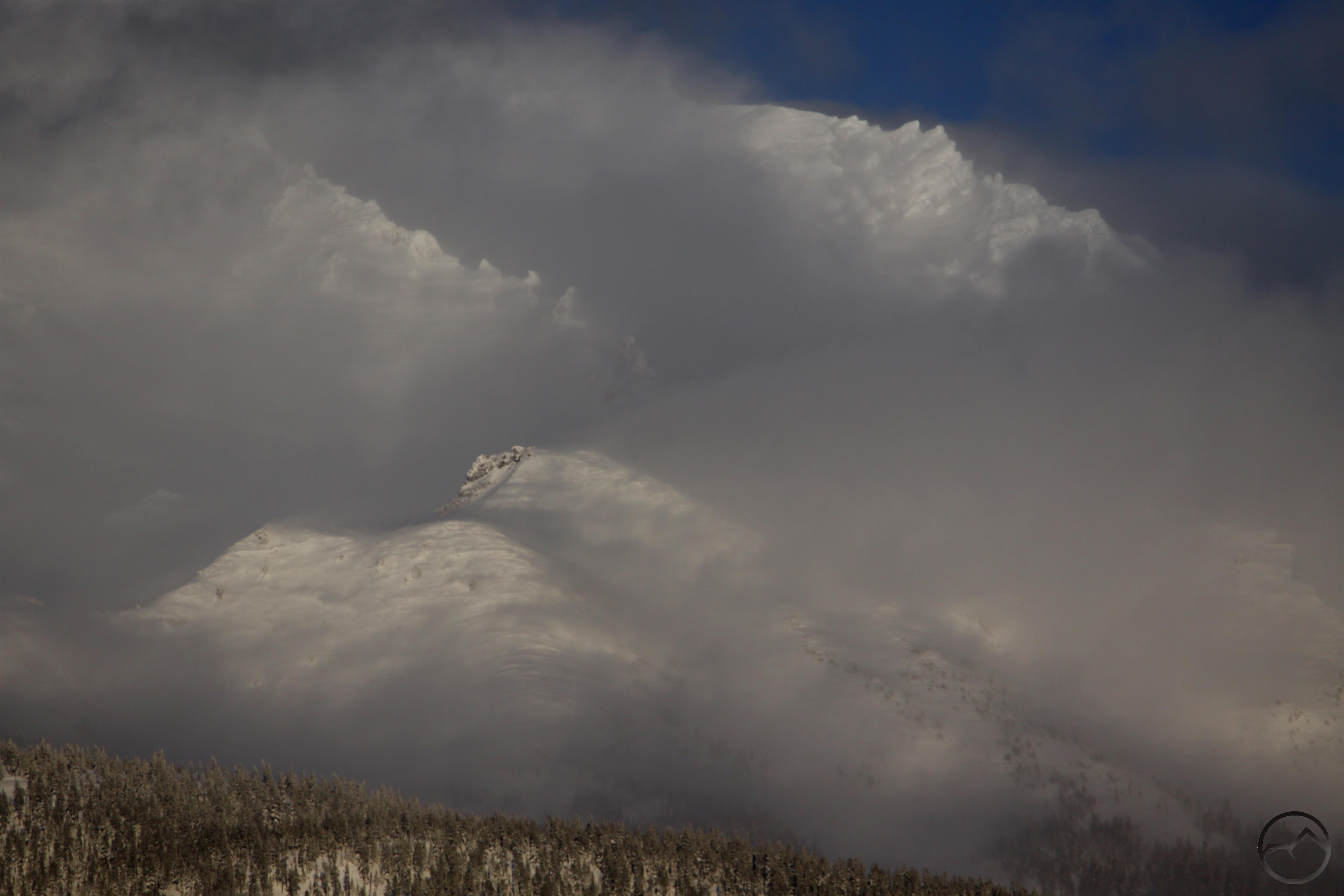
While observing the rivers, to the south a great wall of dark cloud roiled along the southern perimeter of the Shasta Valley. Black Butte was partially veiled behind a wall of rain but could still be discerned. Mount Shasta was obscured by the swirling storm clouds. At times an opening in the clouds would emerge and some point of the mountain would peek through, reassuring me that it was still there and would weather this storm, just as it had many others. I felt thankful that it would, but also thankful that the storms have come.

There is a mountain in there somewhere.

There is a mountain in there somewhere.

Water Levels High Around Mount Shasta

Posted by bubbasuess on January 20, 2016
Posted in: Hiking, Mount Shasta, Rivers, Waterfalls. Tagged: Hedge Creek Falls, Sacramento River. 9 Comments

Trinity Divide, Sacramento River - Jan2016 023 (Custom)

Ridges on Mount Shasta peek out of storm clouds.

Ridges on Mount Shasta peek out of storm clouds.

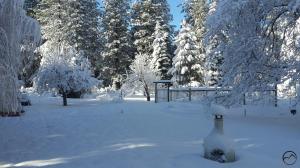
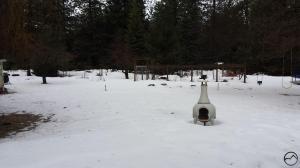
The North State has seen a strong series of storms pass through the region, dropping lots of snow and rain along the way. Not only has snow fallen on the higher elevations but it has come in abundance at the lower elevations as well. This is an enormous blessing for the entire state since the water that falls up here is, through the agency of federal Central Valley Project, distributed throughout the rest of California. Up until the last few days, most of the precipitation has fallen as snow. Then, on Sunday, the temperature rose and a hard, sustained rain began to fall. Though there were breaks in the storm, this continued for three days. Other than a hot day, nothing melts snow like a warm rain and melt the snow has. While the high elevation areas still have plenty of snow, the lower areas have seen a significant decrease in the amount of accumulated snow. Here are two images of my backyard as an example. The first is from last Friday, the 15th. The second is from this morning, the 20th.


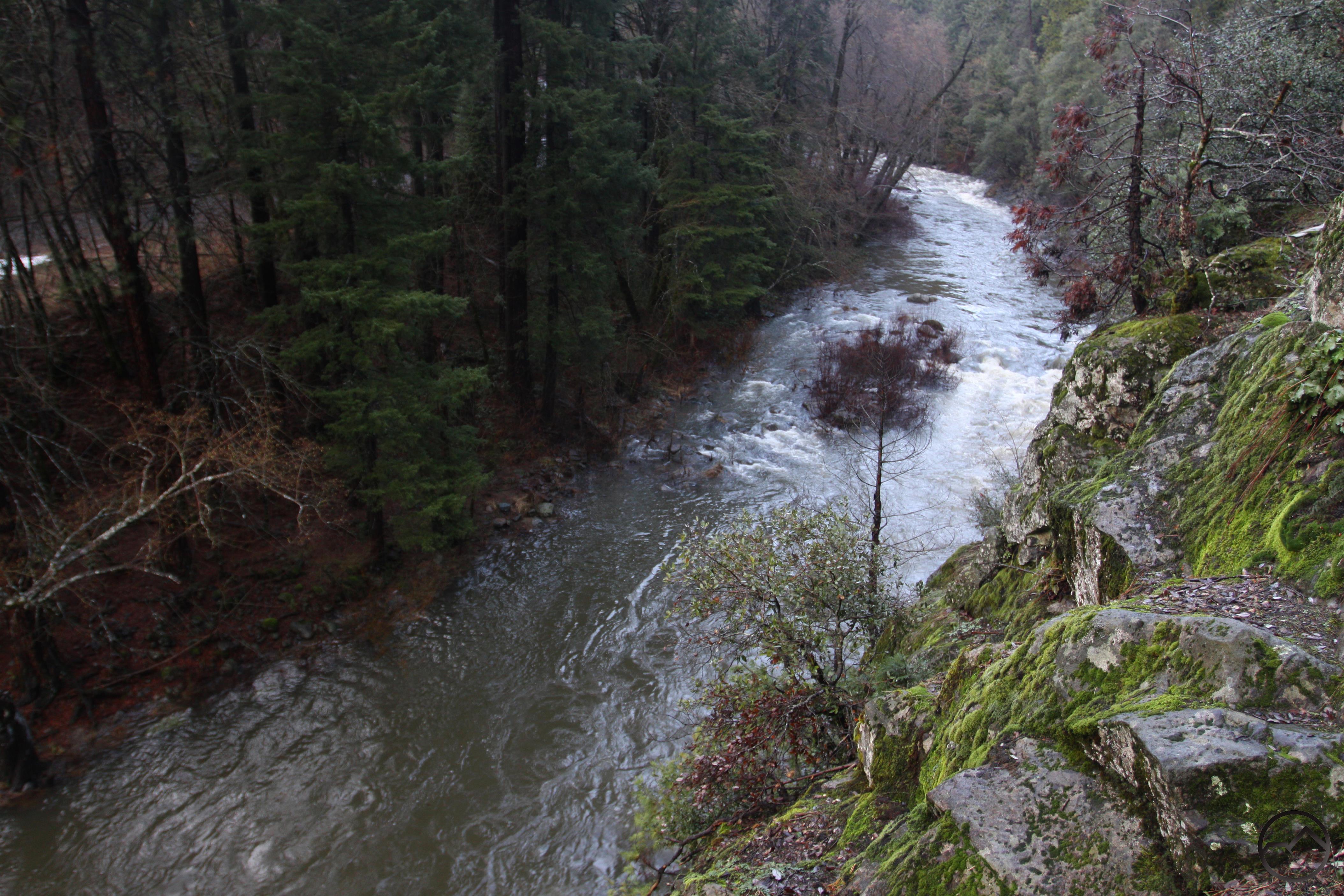
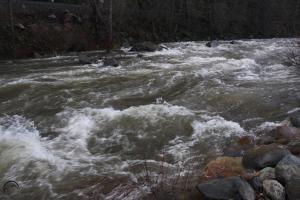
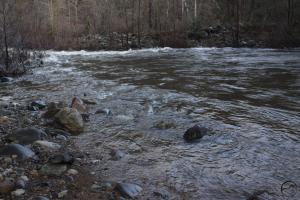
The gullies, streams, creeks and rivers are all swollen with run off at this time. Whether or not it is still raining, now is a great time to get out and hike along one of the trails that flank a creek or river. The allure of raging water is difficult to deny. Those along the Sacramento River are particularly dramatic and none may be more so than the short trail along Hedge Creek. The falls are engorged, with numerous secondary cataracts cascading over the columnar basalt. The trail behind the falls is still passable and the creek below the falls is a swirling monster of fast moving water. The overlook above the river gives an excellent perspective on the Sacramento River.


The fury of the water is humbling. The pounding as it hits the rocks, the thunder of the impact and the spray thrown from the falls is quite impressive. Getting closer to the Sacramento River is also a worthy experience. Where the falls are kinetic and loud, the river is surging and almost quiet in its enormous power. It is almost understated, but standing next to it, feeling the pulsing drive of the water is exhilarating.


Despite the hard rain, there have been times over the last couple days when the clouds cleared and Mount Shasta was visible again. That was the time to get out, carry on, and enjoy the white mountain once again.

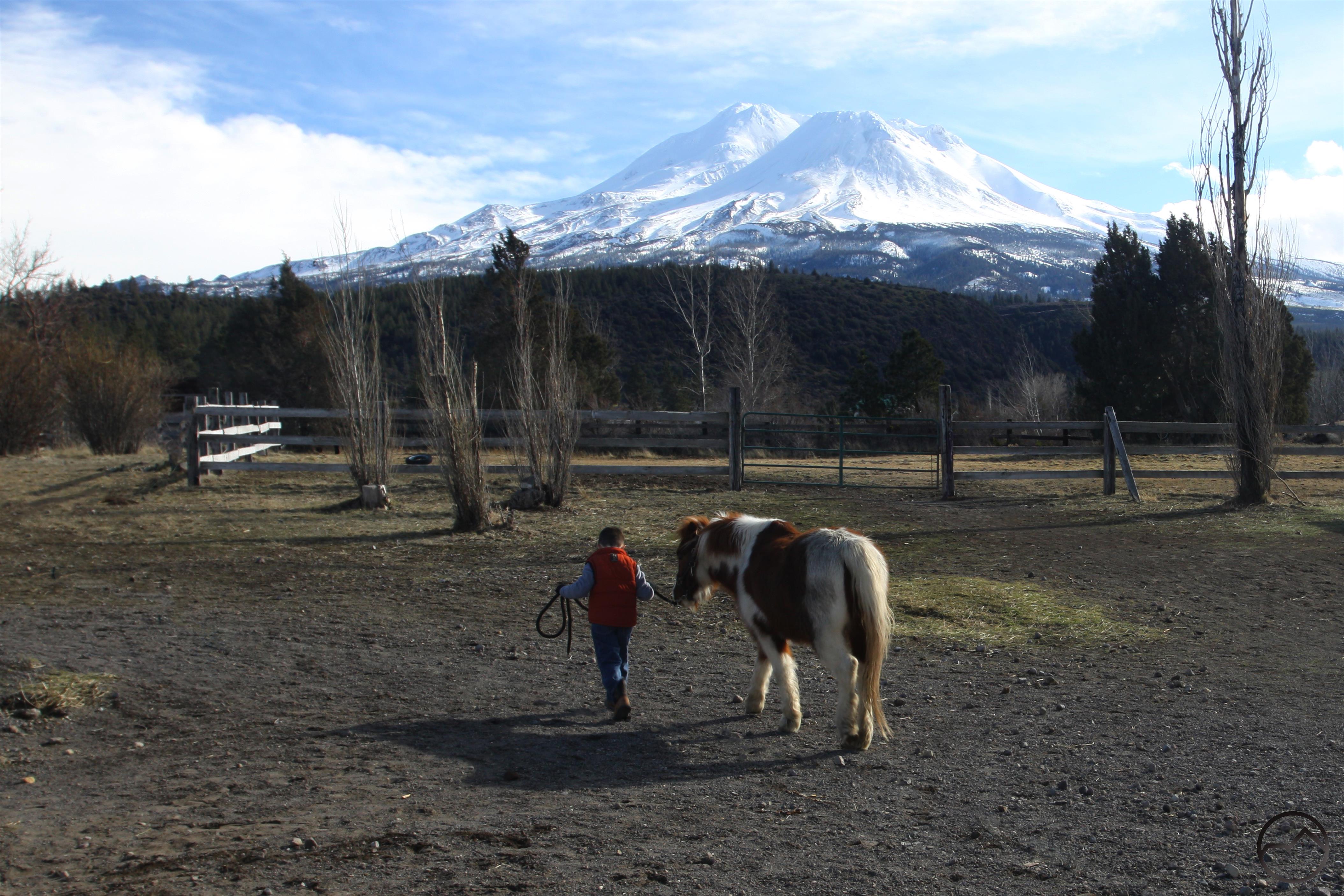
My son walks his pony after his riding lesson during a break in the storms.

My son walks his pony after his riding lesson during a break in the storms.

Two Excellent California Maps Are Great Resources For Hikers (And Everyone Else too)

Posted by bubbasuess on January 9, 2016
Posted in: Cascade Range, Hiking, Klamath Mountains, Maps, Mount Shasta, Sierra Nevada. 5 Comments

CAgeologicmapSegmentI have mentioned a few times over the course of this blog that I am a bit of a map junkie. As far as I can tell, this goes all the way back to my 6th grade year back in Sonoma County when my teacher, for some reason unbeknownst to me, assigned me the task of “overseeing” the production of a large, wall-sized map of the world. The project definitely had an impact on me, and the love of maps and geography has been a constant ever since. Those who have been in the study in my house can attest to the fact that I am a bit obsessed. However, between my passion for the outdoors and my writing endeavors, I have found a legitimate outlet for my cartographic interests.

It may not be obvious to everyone, but this website is largely map-driven. The locator map on the front page has been a fixture on the site since the very first day. All of the trails I have posted on here obviously include topo maps to illustrate the route and identify landmarks. Behind the scenes, many of the more obscure trails and a number of the Seldom Seen articles began life after I had pored over maps, looking for places to explore. Maps have also played a prominent role in my slow-developing geography series “Breaking Down The North State”.

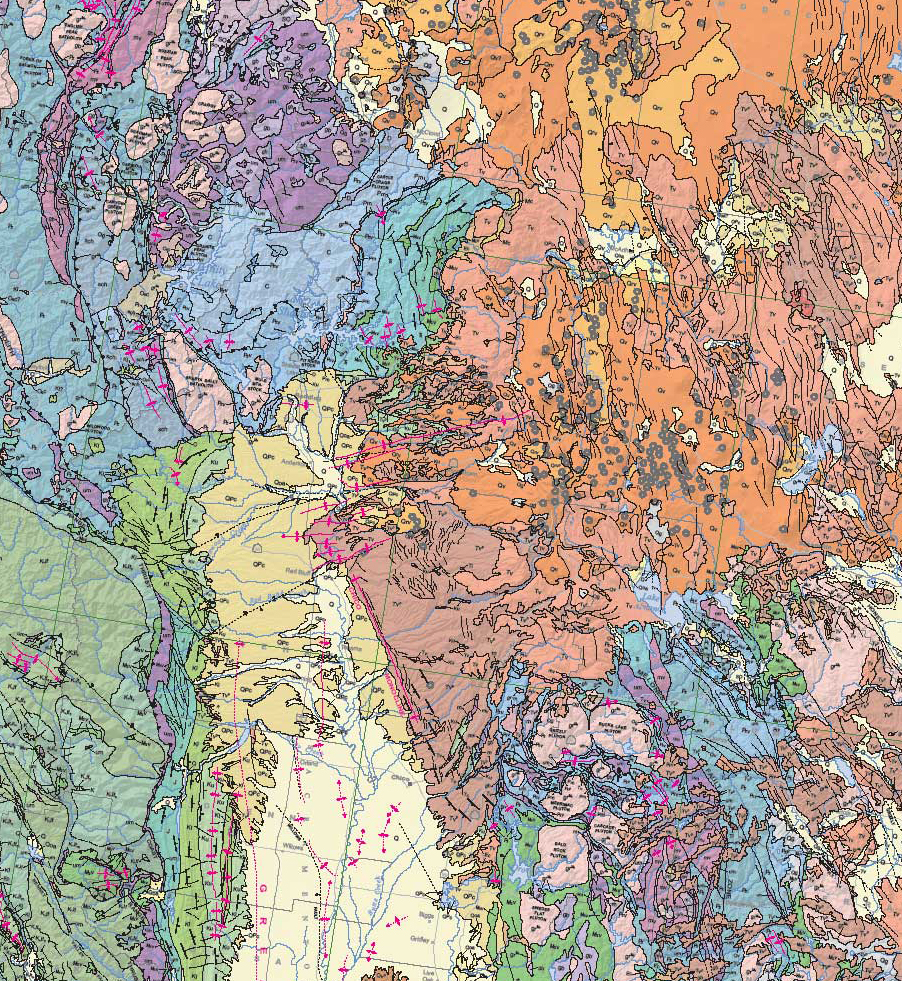
Aside from the US Geological Survey (USGS) topographic maps, the maps that I continually refer back to are the geologic map of California and, to a lesser degree, the ecoregional map of California. These are exceptional resources to anyone interested in the outdoors, whether for scientific pursuits or recreation. Throughout the development of this site, these have been invaluable tools that I have referred back to repeatedly. They proved even more important when I began writing my books. There are not too many good books that decipher the complex geology of California and even fewer are really accessible. Fortunately, observation of the natural world coupled with these maps made understanding the geology and geomorphology of both the Mount Shasta region and the North Bay much, much easier. After having employed these tools for a few years now, I figured it was high time to share them with others.
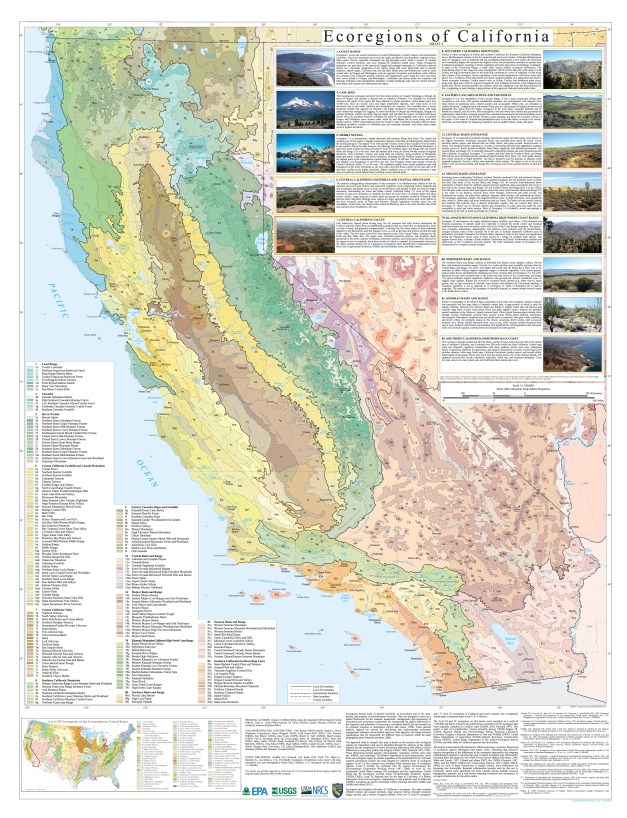
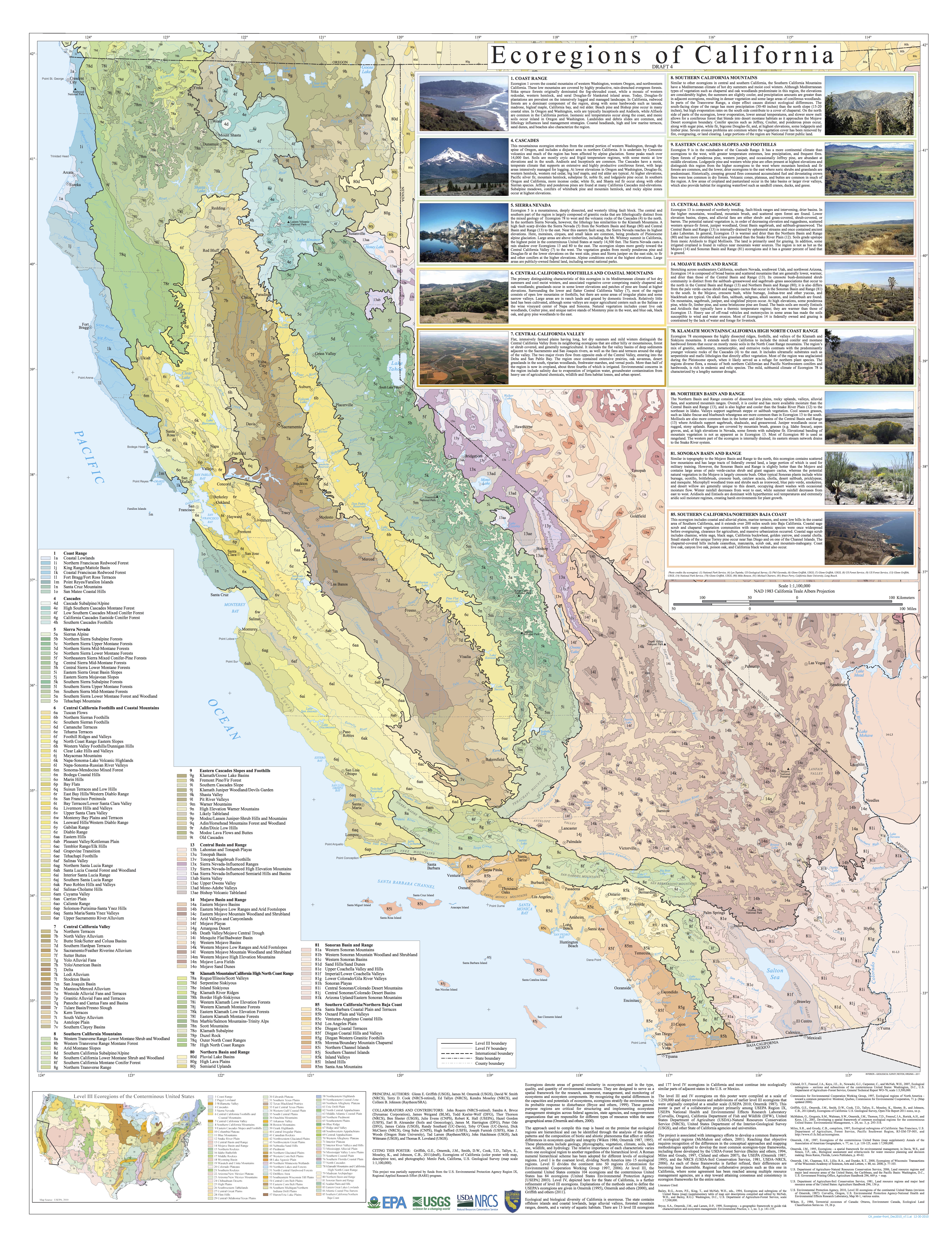
ca_poster-front_dec2010_draft_v7-2Ecoregional Map of California

This map is the product of a joint effort of state and federal agencies that include the USGS, the US Department of Agriculture (departmental home of the US Forest Service) and the California Department of Fish and Game. The map covers the entire state and uses colors and shades to distinguish different regions. While geography plays an important role in differentiating these regions, environmental factors such as weather, biodiversity and geology are also major influences. The end result is a map that illustrates the major physical regions and features in California. The Coast Ranges, Central Valley, Cascades, foothills, Sierra Nevada, Transverse ranges and deserts are all included here. Further differences in the map’s color shading break down subregions within the larger regional category. This helps isolate particular areas and identify what the dominant ecosystem is.
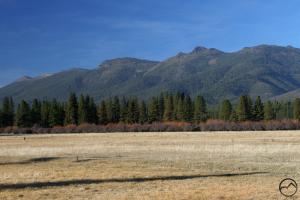
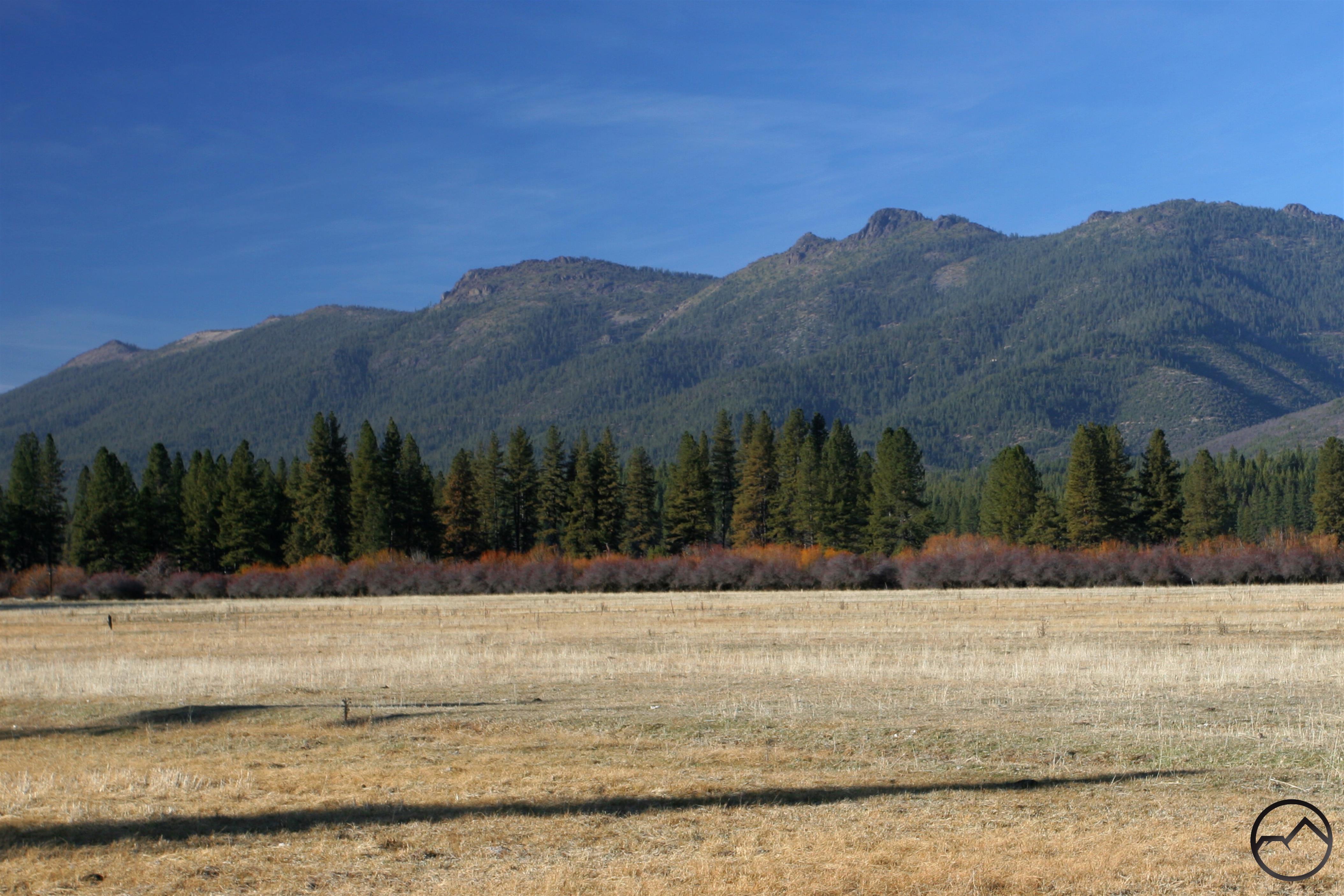
Keddie Ridge is the northernmost point in the Sierra Nevada.

Keddie Ridge is the northernmost point in the Sierra Nevada.

Indeed, the real beauty of the map is how easily it distinguishes between these different areas. Many of the geographic divisions in California may seem arbitrary or are, at best, indistinct. Perhaps the most infamous is the line that divides the northern end of the Sierra Nevada with the southern end of the Cascades. Others, such as the scope of the Klamath Mountains and the boundary between the Sierra Nevada and the Transverse Range are also readily identifiable. This map has good detail and has a lot of information on it, but it makes a great quick reference for figuring out what is where in California.
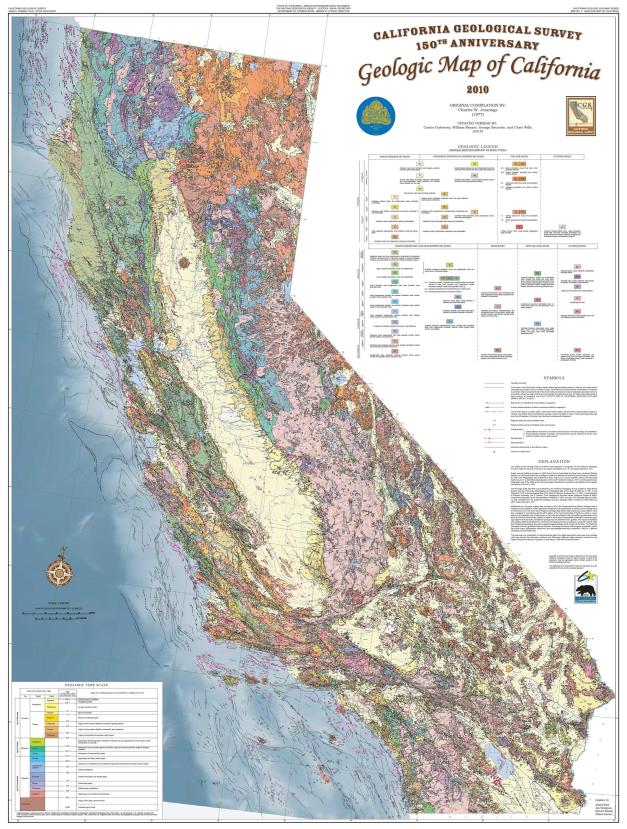
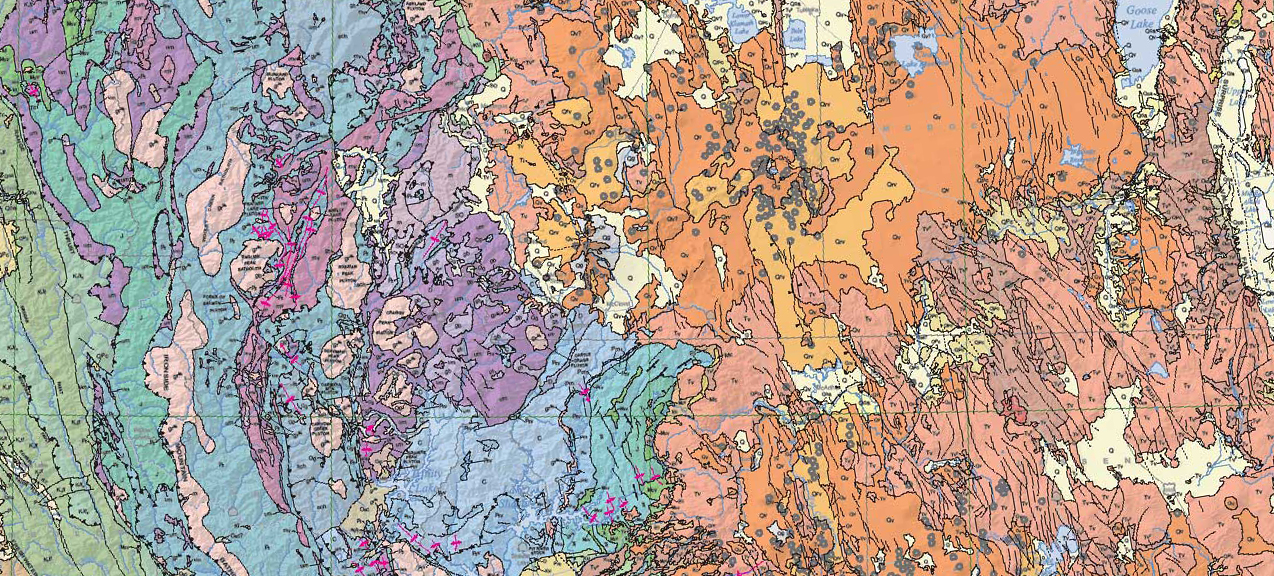
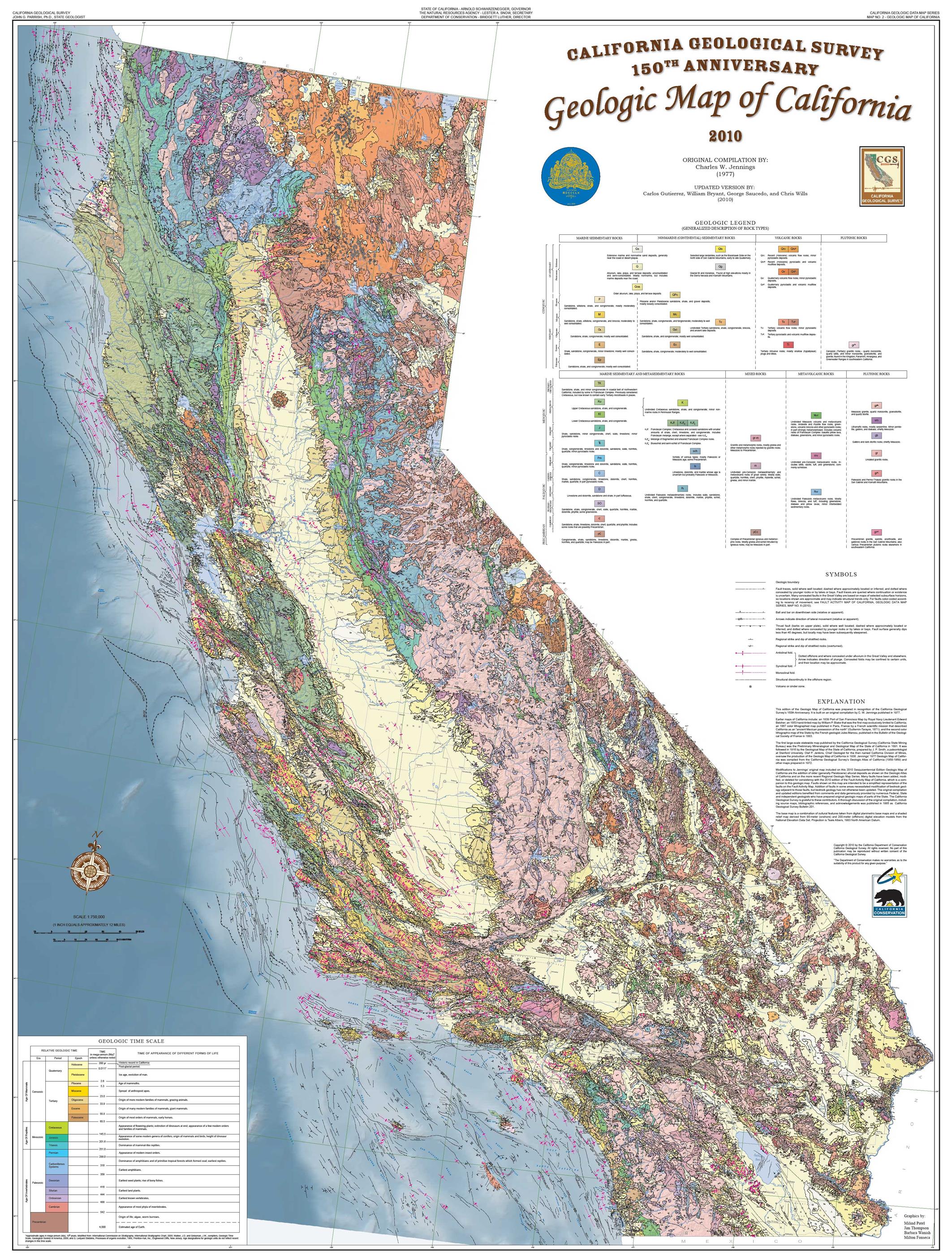
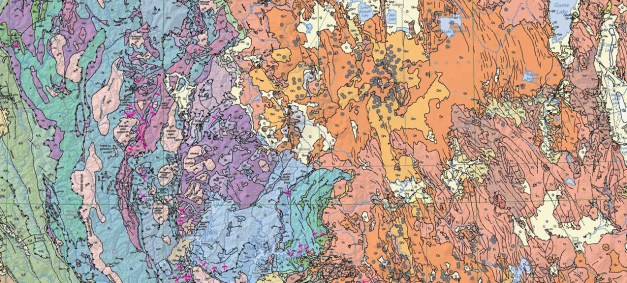
CAgeologicmap (Custom)Geologic Map of California

A panoply of color, the geologic map of California is as much a work of art as it is a resource. This visually stunning map displays the rock composition of the entire state. It was produced by the California Geologic Survey, an organization which has its illustrious roots in the 19th century survey of California. This initial group included exploration luminaries William Brewer, Clarence King and Charles Hoffmann. The exploration of Mount Shasta was part of their task and many landmarks in this area are named after them (including Brewer Creek on Mount Shasta and a pair of Mount Hoffmanns, one above Medicine Lake, the other near Lassen Peak). The current edition of the map was produced on the 150th anniversary of the completion of the first map of California.

The amount of information on this map is simply staggering. Every rock type throughout California is represented here. Even isolated protrusions and batholiths appear in the proper place. This brings incredible clarity to why particular mountain regions or other types of areas are considered distinct from adjacent territories. While it may not explain the process that brought about bizarre shifts in rock type, it does succeed in placing them in a larger context and helps outdoor enthusiasts with even a rudimentary understanding of geology appreciate the sights they are enjoying.

I think evaluating a few examples might be helpful in illustrating this point.
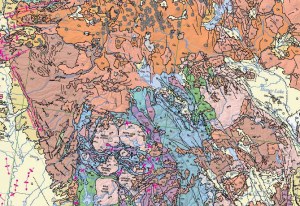
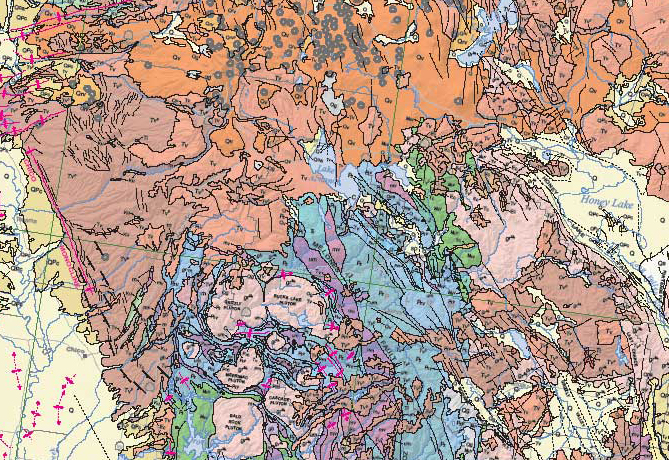
The Lake Almanor area.

The Lake Almanor area.

As mentioned previously, one of the classic questions is the boundary between the Sierra Nevada and the Cascades. When driving along Interstate 5 and looking to the east, there does not seem to be a clear divide in the highlands that line the Central Valley. It all seems like a single cohesive uplift. Furthermore, while traveling through the mountains, there does not seem like a clear break between the mountains. Some accounts include Lassen in the Sierra Nevada, or claim that Lassen is its own entity, separate from both the Sierra Nevada and the Cascades. However, looking at the geologic map, it is clear that the rock types that compose the Sierra Nevada come to an end at the depression that contains Lake Almanor and that the volcanic rocks that compose the Cascades begin on the north side of the lake.
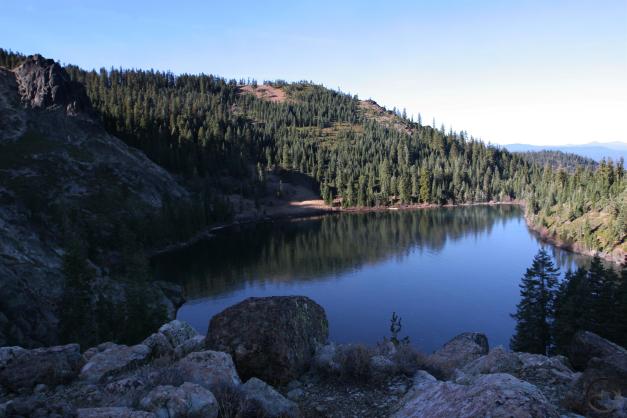
Looking north toward Prospect Peak and Mount Harkness in the Lassen area from Homer Lake, the last outpost of the Sierra Nevada

Looking north toward Prospect Peak and Mount Harkness in the Lassen area from Homer Lake and Keddie Ridge, the last outpost of the Sierra Nevada
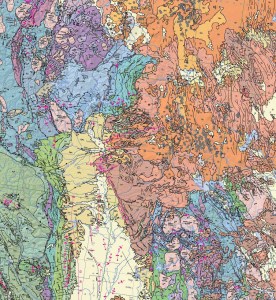
Klamath-Sierra

Volcanics intrude on the Sierra Nevada and Klamaths.

Another fascinating case is the similarities between the Sierra Nevada and the Klamath Mountains. It is often repeated that the Trinity Alps “look just like the Sierra”. Some books, such as the Roadside Guide To California Geology, contend that the Klamath Mountains are in fact a piece of the Sierra Nevada that broke away from the main core of the range due to tectonic shifting. It certainly is the case that the heart of the Trinity Alps, or even other nearby mountains like the Castle Crags do seem like twins to the classic granite environments of the Sierra Nevada. Looking at the geologic map, it demonstrates the reason for these claims. The Klamath Mountains do indeed match the rock composition of the northern Sierra Nevada. Both are composed of marine sediments interspersed with ultramafic rocks that are highlighted by large granite plutons. Looking at the map, it does seem like a large series of volcanic eruptions invaded the area and cut the Klamaths off from the rest of the Sierra Nevada.

Panorama Point seems to be an often-overlooked perspective on Yosemite Valley. Beyond Glacier Point, Yosemite Falls thunders down to the valley floor. The unique perspective on the Royal Arches and Washington Column, as well as North Dome, give the valley a strikingly different appearance.

Yosemite and the Trinity Alps are geologic cousins
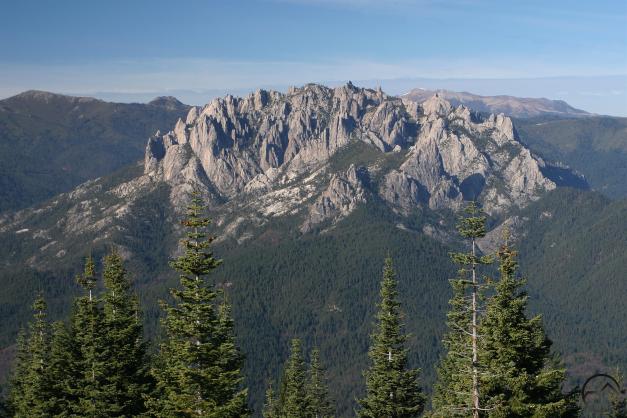
Castle Crags

The Castle Crags area.

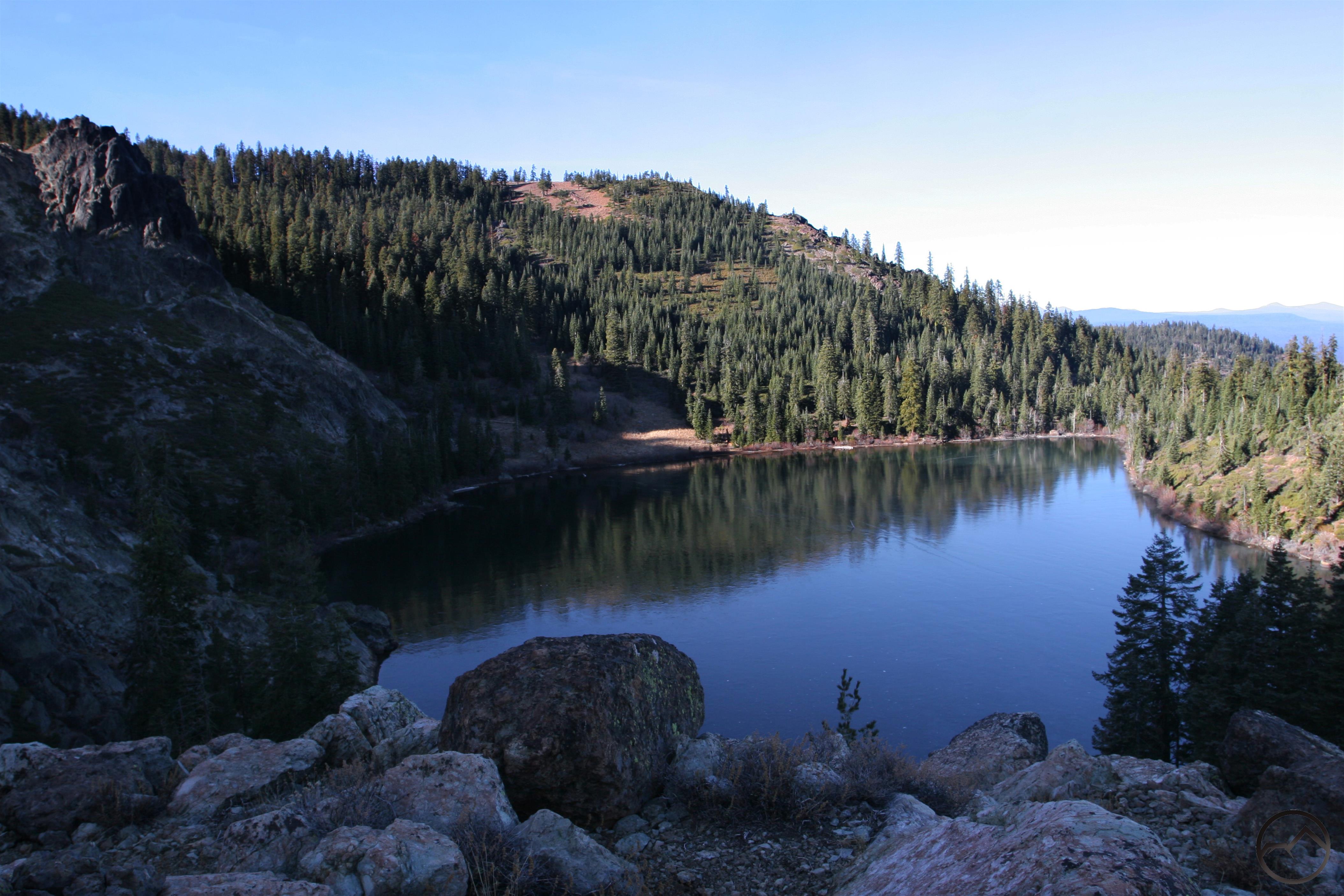
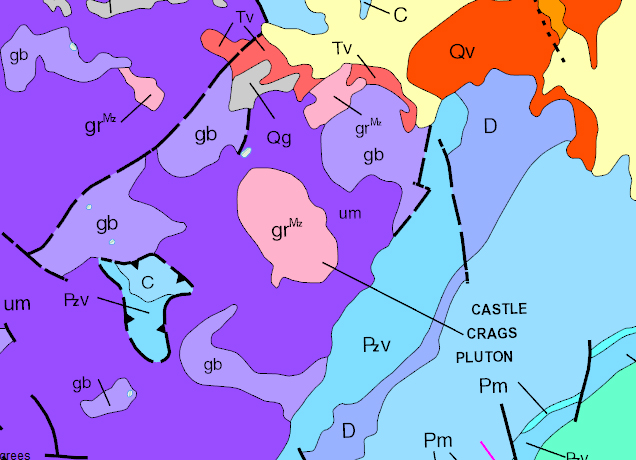
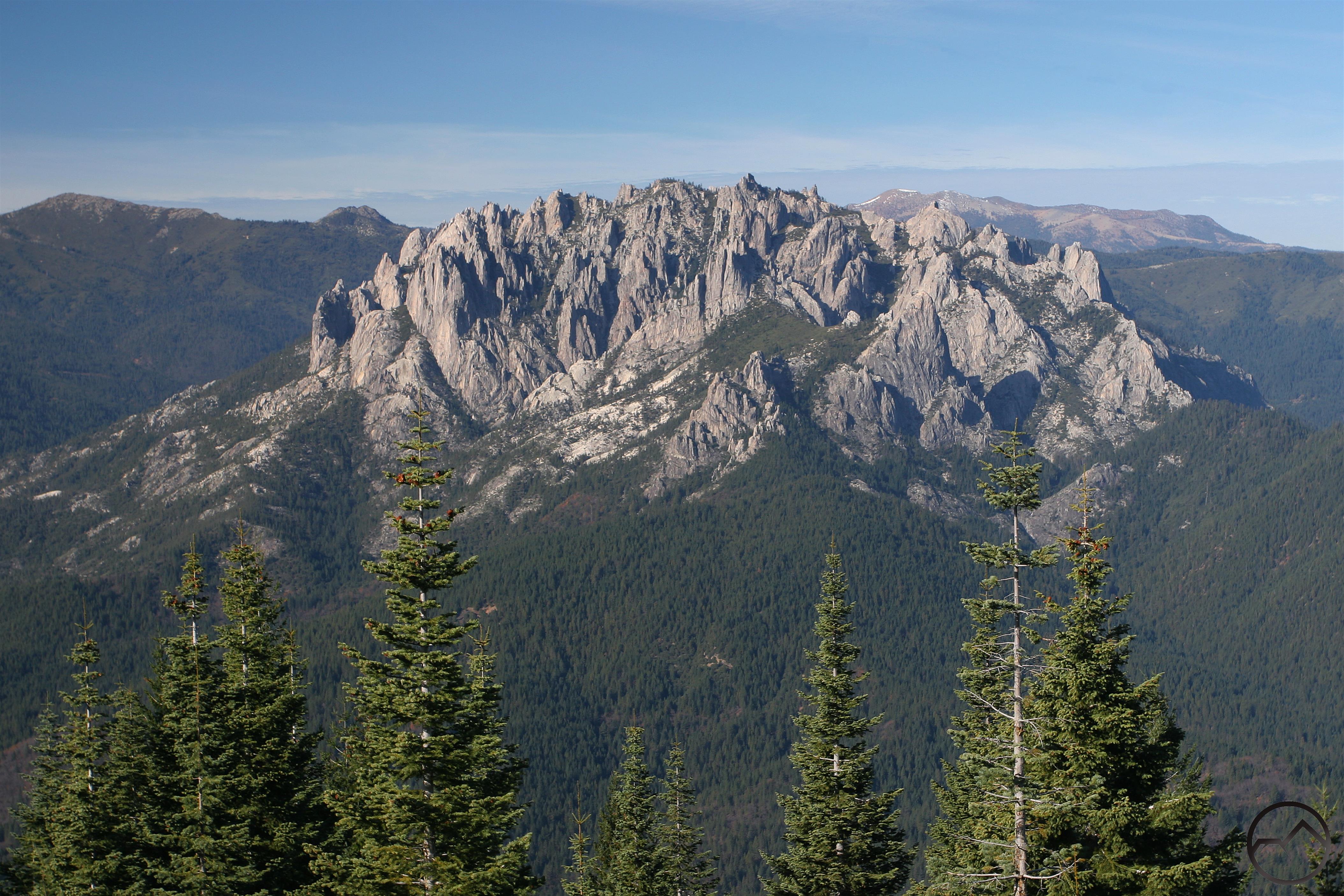
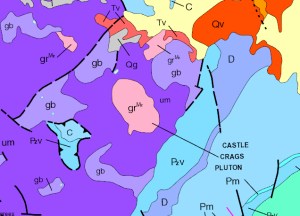
Perhaps a couple more specific local examples might be helpful to further illustrate these points. The Castle Crags have already been mentioned but deserve a second look. These towering granite spires burst from the dark forests in dramatic fashion, dominating the landscape south of Mount Shasta. However, they are the only occurrence of this “Sierra-type” granite in the area. The surrounding mountains are composed of different rocks. Some of the rocks resemble granite but have an obviously different chemical composition. The cliffs above Castle Lake are one example of this. Composed of gabbro, it appears granitic, but its grain and feel are somewhat different. Even more distinct are the rocks just to the north, which, while still part of the same mountain range, are very different. The red rocks of the Mount Eddy are ultramafic, which are marine in nature and not created by the volcanic processes that produce granite and gabbro. The map indicates this distinction and reveals that the Castle Crags are indeed an intrusion of granite distinct from the surrounding rock types. This is similar to the massive granite bulge that formed the lofty heart of the Trinity Alps, as well as other granite areas in the region such as the Russian Wilderness.
The Castle Crags are an isolated granite pluton.
The Castle Crags are an isolated granite pluton.

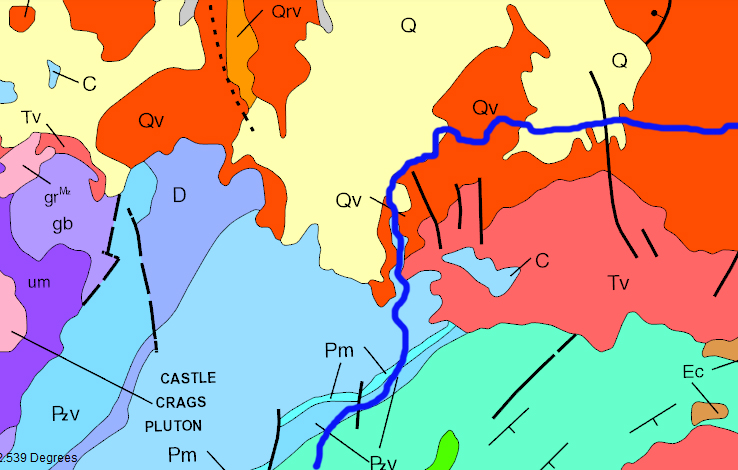
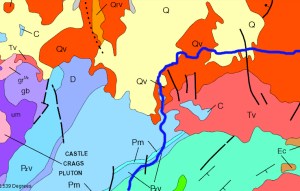
McCloud River highlighted in dark blue.

McCloud River highlighted in dark blue.

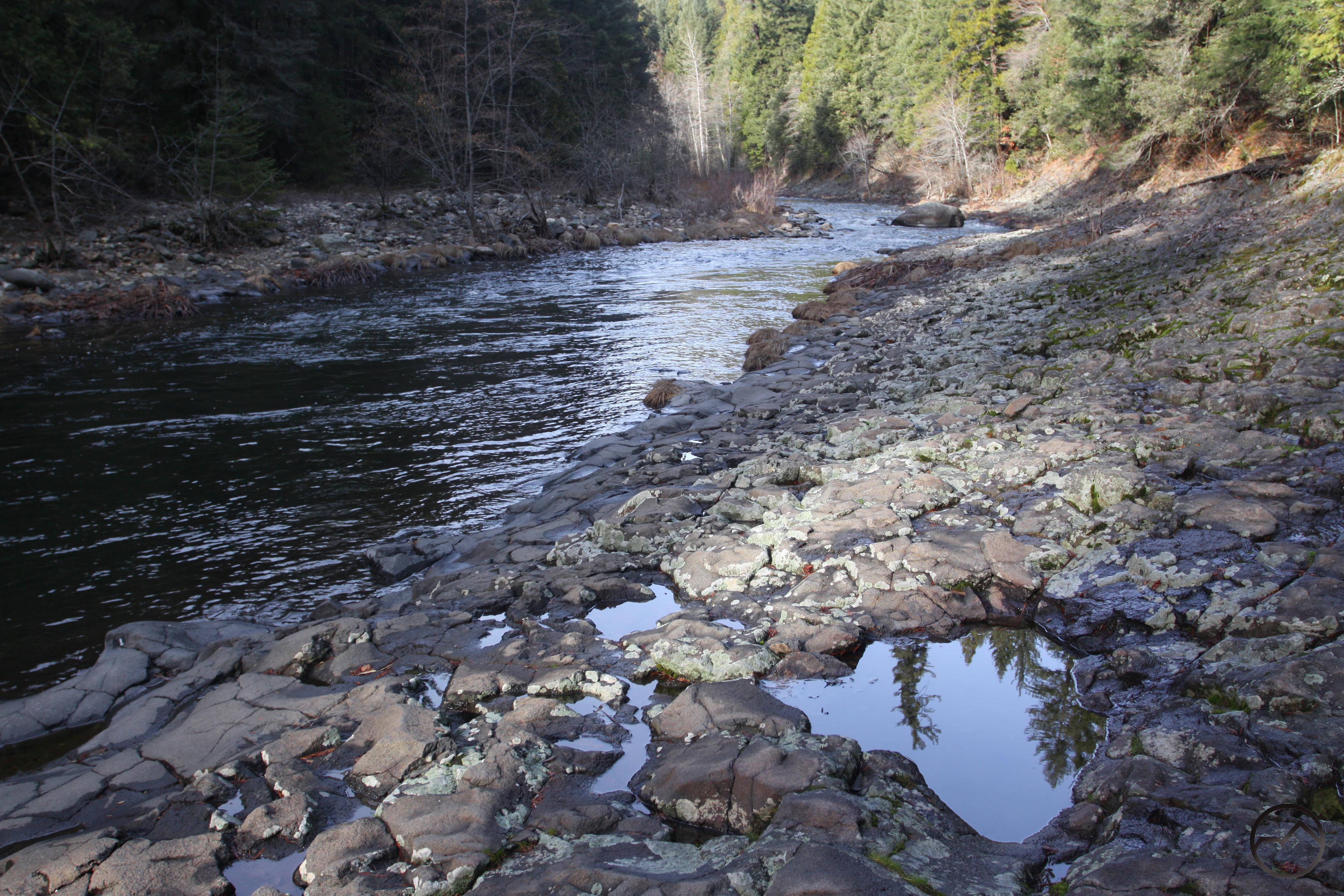
Another interesting, if more subtle, geologic feature that pertains to the McCloud River is explained by the map. The McCloud is one of the primary waterways in the Mount Shasta area, famed for its fantastic fishing and excellent waterfalls. The latter in particular draw attention from hikers. The volcanic nature of this area is readily evident. Lava flows, columnar basalt and other evidence of its eruptive history are obvious. However, below the famed falls, the river enters private land and then is impounded by a reservoir. Downstream from the lake, the river is dramatically different. It races through a steep, deep canyon, pouring over large boulders but lacking the notable waterfalls. The difference comes from the fact that the Upper McCloud passes through volcanic areas, but around the area of the lake, the river passes into a region where the rocks are composed of marine sediments. While this change is not dramatic like the soaring Castle Crags, it nonetheless changes the demeanor and appearance of the McCloud River.

Basalt gorge on the McCloud River

The volcanic Upper McCloud River is very different from the marine sediment canyon of the lower river.

Not only is the geologic map of California available as a great jpeg file, it is also online. This map is also interactive and will identify the rock types when clicked upon. This makes looking at the key unnecessary. As if this was not enough, the USGS has its own version of the geologic map, but it is for the entire continental United States! Welcome to the time sink! I hope these resources help everyone appreciate and understand the things they observe while hiking.

Mount Shasta Winter Hiking Round Up

Posted by bubbasuess on January 2, 2016
Posted in: Desert, Hiking, Mount Shasta, Off Season Trails, Winter Trails. 3 Comments

Cascades, Mt. Shasta - Feb2014 047 copy (Custom)After a couple of winters with unusually good access to the high country on and around Mount Shasta, winter has finally come back and, while it is a great blessing that there is so much snow, it does mean there are fewer options for hitting the trail. While snowshoeing is a great option, especially around Castle Lake and Bunny Flat, many times we just want to hike a trail without dealing with snow. Fortunately, the Mount Shasta region has several options to accommodate hikers. Even better, these trails are invariably scenic and many of them have excellent  views of the mountain.

The reason Mount Shasta has so many options for winter hiking is twofold. First, the lowlands around the mountain are quite low. The elevation is generally below 3,500 feet. Not only does this accentuate the incredible relief of Mount Shasta but it also means that less snow generally falls in this area. This leaves the trails generally snow free. They may be blanketed at times, especially after a storm, but it usually melts off, opening the trails up quickly. The other reason there are great winter trails in the area is the presence of a large rainshadow to the north of Mount Shasta. The Shasta Valley is arid high desert terrain. It snows occasionally but this is uncommon and disappears quickly. The hikes in this area have particularly awesome views of the looming volcano.

This collection will begin with the trails around Mount Shasta and then cover the hikes in the Shasta Valley.

Hikes Around Mount Shasta City

Trinity Divide, Box Canyon - Feb2013 025 copy

View of the Box Canyon of the Sacramento River.

There are a few shorter trails around Mount Shasta City that offer fascinating terrain and interesting history. By Lake Siskiyou, the Box Canyon Trail and Ney Springs has beautiful canyon scenery, fascinating old ruins and awesome geology. The Box Canyon itself is an awesome but often overlooked feature while Ney Springs boasts beautiful Faery Falls. These contrast sharply with the trail up Spring Hill, which has great views of the surrounding region, especially of Mount Shasta from Rocky Point. None of these trails are particularly long, but they are great options for a chance to explore the mountains in winter.

Hikes At Lake Siskiyou

Winter view of the Sacramento River inlet.

Winter view of the Sacramento River inlet.

While the loop around Lake Siskiyou is a popular trip in the summer, the use is much lighter in the winter. Unfortunately, the circuit around the lake is often not possible during the winter because the bridges over the Sacramento River at the lake’s inlet are removed. Nonetheless, the Lake Siskiyou Trail remains a great winter hiking resource. Rather than trying to do a loop, hikers can do out-and-back trips along the lake’s north and south shores. The north shore hike highlights include the Wagon Creek Bridge, some meadows and the Sacramento River inlet. This latter area is one of the pretties spots on the entire trail and has the potential for lots of exploring. The south shore has an alternate section that is one of the prettier sections of the entire loop with one of the best views of Mount Shasta found anywhere. It also crosses over Castle Lake Creek and Scott Camp Creek, both of which are very attractive.

Hikes On The Sacramento River

The beautiful Sacramento River flows strong in winter.

The beautiful Sacramento River flows strong in winter.

The Sacramento is California’s greatest river and its headwaters are one of the awesome features of the Mount Shasta area. Surprisingly there are not too many trails along this wonderful mountain river. Thankfully, “not many” does not mean “none”. The obvious highlight Castle Crags State Park’s River Trail. This scenic path crosses the river via a swinging foot bridge before paralleling the river for a mile. Along the way there are beautiful forest that include Pacific Yew, numerous creek crossings and a surprising amount of very interesting geology. Hedge Creek Falls is also great hike, though the entire trip is under a mile. It packs a lot of scenery into a short journey! The Sims History Trail is another overlooked gem with lots of room for exploring along the river.

 Hikes in the Shasta Valley

Mount Shasta and Pluto's Cave.

Mount Shasta and Pluto’s Cave.

The high desert of the Shasta Valley is a special feature of the Mount Shasta region. Just a few miles from the alpine forests that cloak the lower flanks of the mountain lies an arid land dominated by sage and juniper. Mountains ring the valley, forming a dramatic skyline and in the winter, these peaks are white and dramatic. The views of Mount Shasta are uniformly tremendous, making this area a joy to explore. The southeast corner of the valley boasts a trio of great hikes. The highlight is the Pluto’s Cave Trail, which explores high desert lava flows and the mysterious, eponymously named lave tube cave. Though the trail on the surface is only a mile loop, the cave offers another mile of subterranean hiking. Nearby are Yellow Butte and the Haystack, which are great desert peaks and offer awesome 360 degree vistas. A day spent hiking this area is a day well spent.
Hikes In the Shasta Valley Wildlife Refuge

The Goosenest and Willow Creek Mountain from Trout Lake.

The Cascade Crest from Trout Lake.

Little known and grossly under-appreciated, the wildlife refuge near Montague is mostly frequented by anglers and birders. However, there is great hiking to be had here. The main attraction is the path along the shore of Trout Lake. It is hard to understate just how wonderful the views and scenery is here. The rest of the refuge is explored via old ranch roads. Bass Lake and Steamboat Mountain are the most interesting destinations, as well as the Little Shasta River. The potential for a well developed network of foot trails is great but for now, the refuge experience remains ranch road bound, for the most part. Still, this area is a paradise in winter and fall.


Additional Winter Options

A few other winter options are worth noting. The Castle Crags can offer some spectacular winter experiences. Their prime season is in the spring but winter can still be an excellent time to hike these awesome trails. Snow does fall on many of these, so there is a good chance that some trails are inaccessible. This is also true of paths on the McCloud River. At times during winter they may easily accessible. At others the trailheads are cuttoff. Spring is also the prime season for these trails too.
Mount Shasta 2015: A Year In Images

Posted by bubbasuess on December 31, 2015
Posted in: Hiking, Mount Shasta. 6 Comments

Cascades, Mt. Shasta - June2015 041 (Custom)The year of our Lord 2015 was a very busy year on Hike Mt Shasta. A lot of momentum was built in 2014 and this was carried over and amplified in 2015. Traffic was high and there has been a constant stream of queries and requests from interested visitors. While I try to field every question it did get a bit overwhelming at times and I missed some. My apologies whose emails were left with no response! This also marked the release of my first two books. Both have been very  well received and I appreciate the support that was given! The drought certainly had its impact on the region this past year, with Mount Shasta nearly completely bare of snow (except the glaciers of course) and the creeks and river very, very low. Still, even with little water, it was a great time to be up here in the North State.

The following is the annual recap in pictures of a year around Mount Shasta.

Cascades, Mt. Shasta - Jan2015 001 (Custom)January: We may not have gotten much snow in the winter of 2015 but we did get a fair amount of rain. This yielded snow about 7,000 feet or so but it did not leave much for the coming summer. Still, the creeks and rivers were swollen with runoff and many of vernal pools in the Shasta Valley were refilled. They made for great viewing of Mount Shasta!

Cascades, Mt. Shasta - Feb2015 069 (Custom)February: The sparse winter continued through the second month of the year. Heavy rains punctuated the long and futile wait for snow. Nonetheless, nature persisted and it was always spectacular, especially around sunrise and sunset.

Lake Shastina (4)March: The light winter meant spring came early to the Mount Shasta area. The days were warm and the grass, especially in the Shasta Valley, started to turn green. It was beautiful as always, even if it was a little early. Still, one needed only to look up at the mountains and note with foreboding that there was very little snow to last the state through what portended to be a very long summer.

Mount Shasta, blanketed in fresh snow, rises above Bunny FlatApril: Winter finally arrived in Mount Shasta, bringing the one and only snow storm to leave any of the white stuff at the lower elevations. Winter was wonderful, even if it lasted only a few days…

Cascades, Mt Shasta - May2015 047 (Custom)May: The transition to summer began in earnest, bringing some spectacular lenticular clouds. These often mark the changing of seasons, especially at the end of spring and fall. This was no different in Mount Shasta this past year and it produced some memorable specimens. The early shift to summer meant some fantastic gardens this year!

Ash Creek Butte (4) (Custom)June: By the sixth month, the high country was completely accessible and it was time to get out and explore the mountains again. There are many, many places around Mount Shasta that are off the beaten path and beckoning to be explored. Ash Creek Butte, on the east side of the mountain is one of these. It is an amazing area with unique geology and incredible views of Mount Shasta.

South Gate3 (Custom)July: Summer was in full swing on Mount Shasta. The meadows were green and lush and the wildflowers were in bloom. It was a capitol time to be on the mountain!

Cascades, Mt. Shasta - Aug2015 257 (Custom)August: The mountain may have been bare but this was one of the most spectacular lenticular displays I have ever seen. I think it looks like Mount Shasta has a halo and angel’s wings.

Cascades, Mt. Shasta - Sept2015 058 (Custom)September: Late summer brought spectacular sunsets. While not as dramatic as Mount Shasta, Mount Eddy still makes a great silhouette for the setting sun.

Cascades, Mt. Shasta - Oct2015 031 (Custom)October: The colder weather meant a return of the white mountain. After many months of Mount Shasta missing its snow cover, it was great to see the mountain with its white mantle again.

Cascades, Mt. Shasta - Nov2015 208 (Custom)November: The changing seasons once again produced more amazing cloud formations. These lenticulars were only a small part of a truly epic display.

Trinity Divide, Castle Crags - Dec2015 103 (Custom)

Cascades, Mt. Shasta - Dec2015 063 copy (Custom)December: The last month of the year gets two images in celebration of winter returning to the land. There has been more days with snow than not, and it has piled high. The ski park is open, families are out sledding and snowshoeing is a thing again! Thank the Lord and may it continue through the rest of the winter.


Once again, I appreciate the support I have received this past year, both for the website and the books. I do try to stay away from plugging them relentlessly, but I will give myself the liberty to do so here. If you have not bought them already, please do so! You can find the Mount Shasta book here and the Wine Country edition here. Please leave reviews too! Thanks again and I hope everyone has a blessed 2016!


A Historic Mount Shasta Sketch

Posted by bubbasuess on December 5, 2015
Posted in: Hiking, Maps, Mount Shasta, Uncategorized. 2 Comments

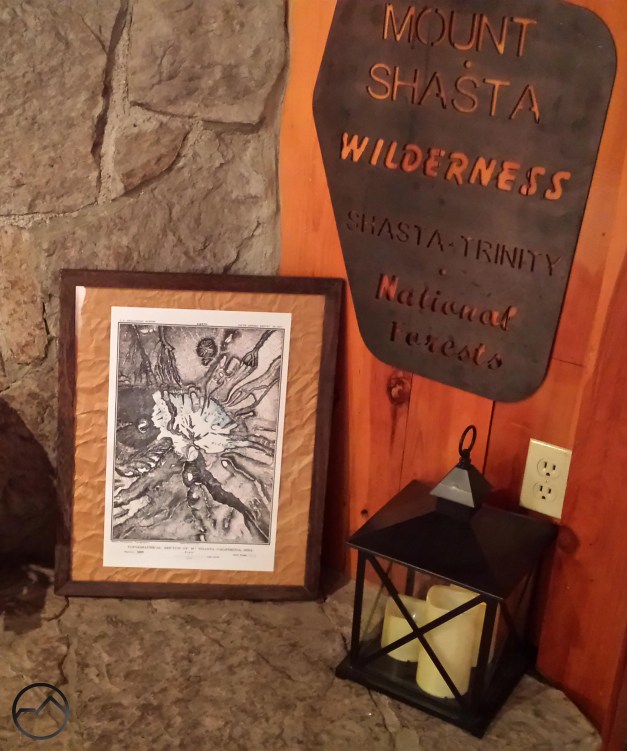
Those who know me know that I am a serious map junkie. I have numerous maps hanging on my walls and I can study atlases and maps ad infinitum (some would say ad nauseum) just for the sheer pleasure of knowing where things are. This being understood, it was with great delight that I received an unexpected gift a few days ago. My family has a large cabin across the street from my house that we use as a guest house, making it available anyone who wants to vacation in the Mount Shasta area. During the summer the family of some of our friends stayed there for a week or so and a really neat map was a gift of thanks for the use of the house. While this gift was unnecessary, it was greatly appreciated.

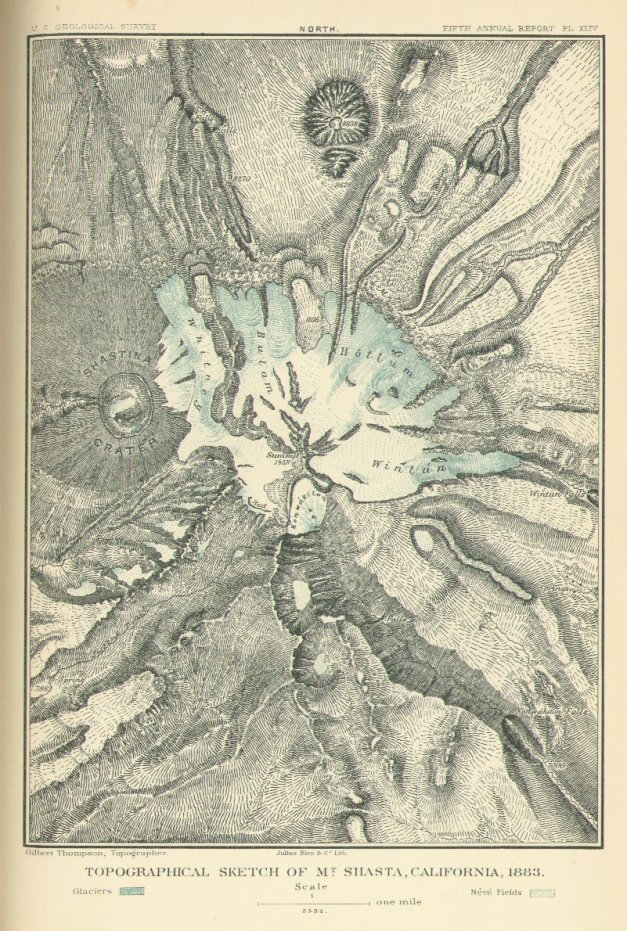
Map (Custom)

Some of the maps characteristics are noteworthy. First is the aesthetics of its presentation. The map was reproduced, framed and matted to look rustic, which is fitting considering the map was originally drawn in 1883. This was put together by Mount Shasta Wild Crafts, a local business here in Mount Shasta (full disclosure: I have no knowledge of who is involved with this business and no connection to it). While their website is not fully up and running, I was able discern that they produce items that are locally themed and highlight the outdoors. If the map given to me is indicative of their style, I hope they produce a broader line of Mount Shasta related stuff.

The great presentation only serves to highlight the map itself. As noted, the map was produced in 1883 by cartographer Gilbert Thompson. Though he is often rembered as one of the founders of the National Geographic Society, he was also a member of the famed Wheeler Survey, which travelled much of the Southwest. The Wheeler Survey was one of three great survey expeditions of the west that were conducted after the Civil War. The other two surveys, conducted by Clarence King and John Wesley Powell were joined with the Wheeler Survey in 1879 to form the United States Geologic Survey. Interestingly, these there surveys all have diverse connections to Mount Shasta, but this will have to be the subject of a later blog post. The salient fact is that Gilbert Thompson drew the map after having visited Mount Shasta. His visit was under the auspices of the USGS, not the Wheeler Survey, though he did come to the mountain in the company of Powell.

usgs83

Though the map is technically a sketch rather than a topographic map, it was one of the first accurate representations of the mountain produced. Though not exactly to scale and not totally accurate in its overall representation, most of the mountain’s major features are all present. The major canyons and ridges are obvious, including Sargents Ridge, Casaval Ridge, Avalanche Gulch, Diller Canyon and Mud Creek Canyon. Of course, most of these names had not been adopted yet, so they are untitled on the map. Shastina also features very prominently on the map. It is given a somewhat more rounded appearance than it ought, but the overall likeness is good. It is notably dubbed Shastina Crater and the crater figures prominently on the sketch. This is one of many features on the mountain that are not obvious from the foot of the mountain. Perhaps the most striking feature of the sketch is the glaciers. Only five the seven Mount Shasta glaciers are named, the final two not being named until the 1930’s and 1970’s. The Bolam, Hotlum, Wintun and Konwakiton Glaciers were all named by Powell at the same time that Thompson drew the sketch.

A few minor historical details are worth noting. First, the two most impressive waterfalls on Mount Shasta bear names other than those currently used. Ash Creek Falls is identified as Wintun Falls. Likewise, Mud Creek Falls is marked as Konwakiton Falls. In both cases the cataracts bear the names of the glaciers that are the source of their waters. Now both waterfalls are named for the creeks that form them. There is a second waterfall many thousand feet above Mud Creek Falls that is now unofficially referred to as Konwakiton Falls. It visible a below the eponymously named glacier. Another interesting detail is the recognition of the climbing route through Avalanche Gulch. On the sketch, the route is named the “Sissons Trail”. Even in 1883 this was a well-established way to climb Mount Shasta.
I will be very glad to add this map to my growing collection of vintage Mount Shasta stuff that I have in the cabin. Among other things, the collection includes a few other old maps and sketches, and a very unusual old painting of Mount Shasta. I hope others find these artifacts as interesting as I do…

Posts navigation

← Older Entries
Newer Entries →
    • Recent Posts

      • Winter Shows Up When It Will
      • January Rolled By With Mud, Then Very Dry
      • Mount Shasta 2025 – A Year In Images
      • Mount Shasta On Either Side Of Christmas
      • Adrift In An Ocean Of Fog
      • December Has Been Spectacular Thus Far Pt. II (A Magnificent Lenticular)
      • December Has Been Spectacular Thus Far Pt. I
      • Lenticular Interrupted
      • A Stormy Wave And A Truchas Sunset
      • Aurora Lenticularis
    • Enter your email address to follow Hike Mt Shasta and receive notifications of new posts by email.

    • Archives

      • February 2026
      • January 2026
      • December 2025
      • November 2025
      • October 2025
      • September 2025
      • August 2025
      • July 2025
      • June 2025
      • May 2025
      • April 2025
      • March 2025
      • February 2025
      • January 2025
      • December 2024
      • November 2024
      • October 2024
      • September 2024
      • August 2024
      • July 2024
      • June 2024
      • May 2024
      • April 2024
      • March 2024
      • February 2024
      • January 2024
      • December 2023
      • November 2023
      • October 2023
      • September 2023
      • August 2023
      • July 2023
      • June 2023
      • May 2023
      • April 2023
      • March 2023
      • February 2023
      • January 2023
      • December 2022
      • November 2022
      • October 2022
      • September 2022
      • August 2022
      • July 2022
      • June 2022
      • May 2022
      • April 2022
      • March 2022
      • February 2022
      • January 2022
      • December 2021
      • November 2021
      • October 2021
      • September 2021
      • August 2021
      • June 2021
      • May 2021
      • April 2021
      • March 2021
      • February 2021
      • January 2021
      • December 2020
      • November 2020
      • October 2020
      • September 2020
      • August 2020
      • July 2020
      • June 2020
      • May 2020
      • April 2020
      • March 2020
      • February 2020
      • January 2020
      • December 2019
      • November 2019
      • October 2019
      • September 2019
      • August 2019
      • July 2019
      • June 2019
      • May 2019
      • April 2019
      • March 2019
      • February 2019
      • January 2019
      • December 2018
      • November 2018
      • October 2018
      • September 2018
      • August 2018
      • July 2018
      • June 2018
      • May 2018
      • April 2018
      • March 2018
      • February 2018
      • January 2018
      • December 2017
      • November 2017
      • October 2017
      • September 2017
      • August 2017
      • July 2017
      • June 2017
      • May 2017
      • April 2017
      • March 2017
      • February 2017
      • January 2017
      • December 2016
      • November 2016
      • September 2016
      • August 2016
      • July 2016
      • June 2016
      • May 2016
      • April 2016
      • March 2016
      • February 2016
      • January 2016
      • December 2015
      • November 2015
      • September 2015
      • August 2015
      • July 2015
      • June 2015
      • May 2015
      • April 2015
      • March 2015
      • February 2015
      • January 2015
      • December 2014
      • November 2014
      • July 2014
      • June 2014
      • May 2014
      • April 2014
      • March 2014
      • February 2014
      • January 2014
      • December 2013
      • November 2013
      • October 2013
      • September 2013
      • August 2013
      • July 2013
      • June 2013
      • May 2013
      • April 2013
      • March 2013
      • February 2013
      • January 2013
    • Categories

      • Boy Scouts
      • Cascade Range
      • Castle Crags
      • Desert
      • Echo Point
      • Glaciers
      • Hiking
      • How things came to be…
      • Klamath Mountains
      • Konwakiton Outdoor Designs
      • Lakes
      • Lenticular Clouds
      • Maps
      • Marble Mountains
      • Meadows
      • Mount Eddy
      • Mount Shasta
      • Mount Shasta History
      • Napa County
      • Off Season Trails
      • Pacific Crest Trail
      • Peaks
      • Rivers
      • Rock Climbing
      • Scott Mountains
      • Seldom Seen
      • Shasta Valley
      • Sierra Nevada
      • Siskiyou Mountains
      • Sonoma County
      • Spring Trails
      • sunrise
      • sunset
      • Trinity Alps
      • Trinity Divide
      • Truchas Ridge
      • Uncategorized
      • Water
      • Waterfalls
      • Wilderness
      • Wildflowers
      • Wine Country
      • Winter Trails
      • Yosemite
    • Meta

      • Create account
      • Log in
      • Entries feed
      • Comments feed
      • WordPress.com
    • Copyright © 2013-2024 by Bubba Suess

      DISCLAIMER: Any use of the information contained in this site by any and all persons is done at their own risk. The operator of this site shall be held harmless from any and all alleged claims, demands, causes of action, liability, loss, damage and/or injury to property or persons whether brought by an individual or other entity. This indemnification applies, without limitation, to all actions by an individual or other entity as a result of their use of information contained in this site.

    Blog at WordPress.com.
    Hike Mt. Shasta
    Blog at WordPress.com.
    • Subscribe Subscribed
      • Hike Mt. Shasta
      • Join 985 other subscribers
      • Already have a WordPress.com account? Log in now.
      • Hike Mt. Shasta
      • Subscribe Subscribed
      • Sign up
      • Log in
      • Report this content
      • View site in Reader
      • Manage subscriptions
      • Collapse this bar
     

    Loading Comments...