
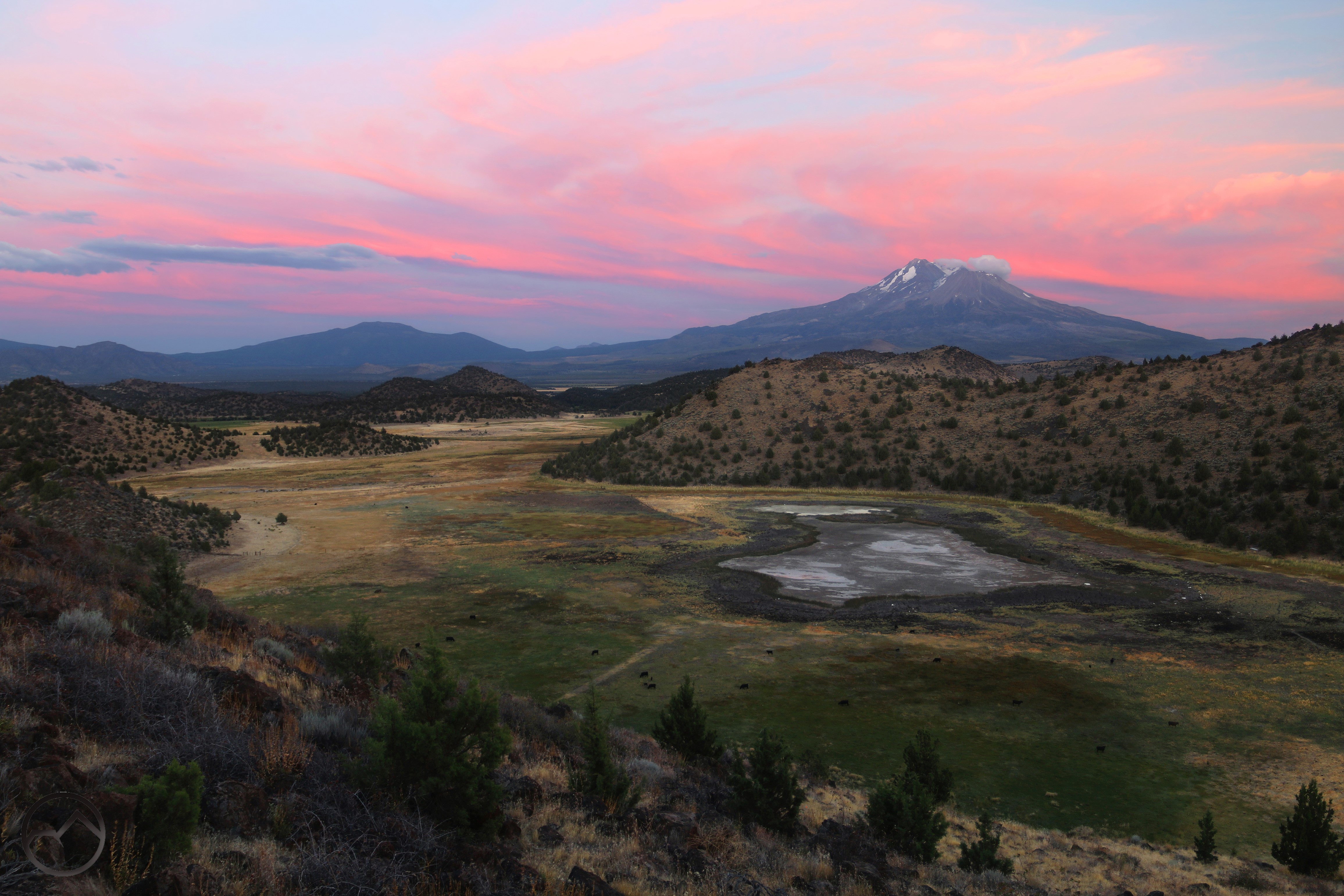
A beautiful but dry summer sunset at Echo Point.
The summer of 2026 was one of the driest I can remember. Typically, we get a few thunderstorms sprinkled around the summer, breaking the high pressure system and bringing welcome relief as it cools the high pressure’s hot temperatures. This year we only had one thunderstorm of note and while it brought some fantastic images of Mount Shasta, it was short, its relief appreciated but scant and it was followed by nothing but high temperatures for almost two months.
That pattern finally came to an end at the beginning of September. There was not thunder and lightning but there was sustained rain for a couple of days. The storm also brought snow at the higher elevations on Mount Shasta. It certainly won’t last with the pleasant temperatures forecasted for the next week or so, but it has been nice seeing the mountain white once again. It is a helpful reminder that autumn is just around the corner.
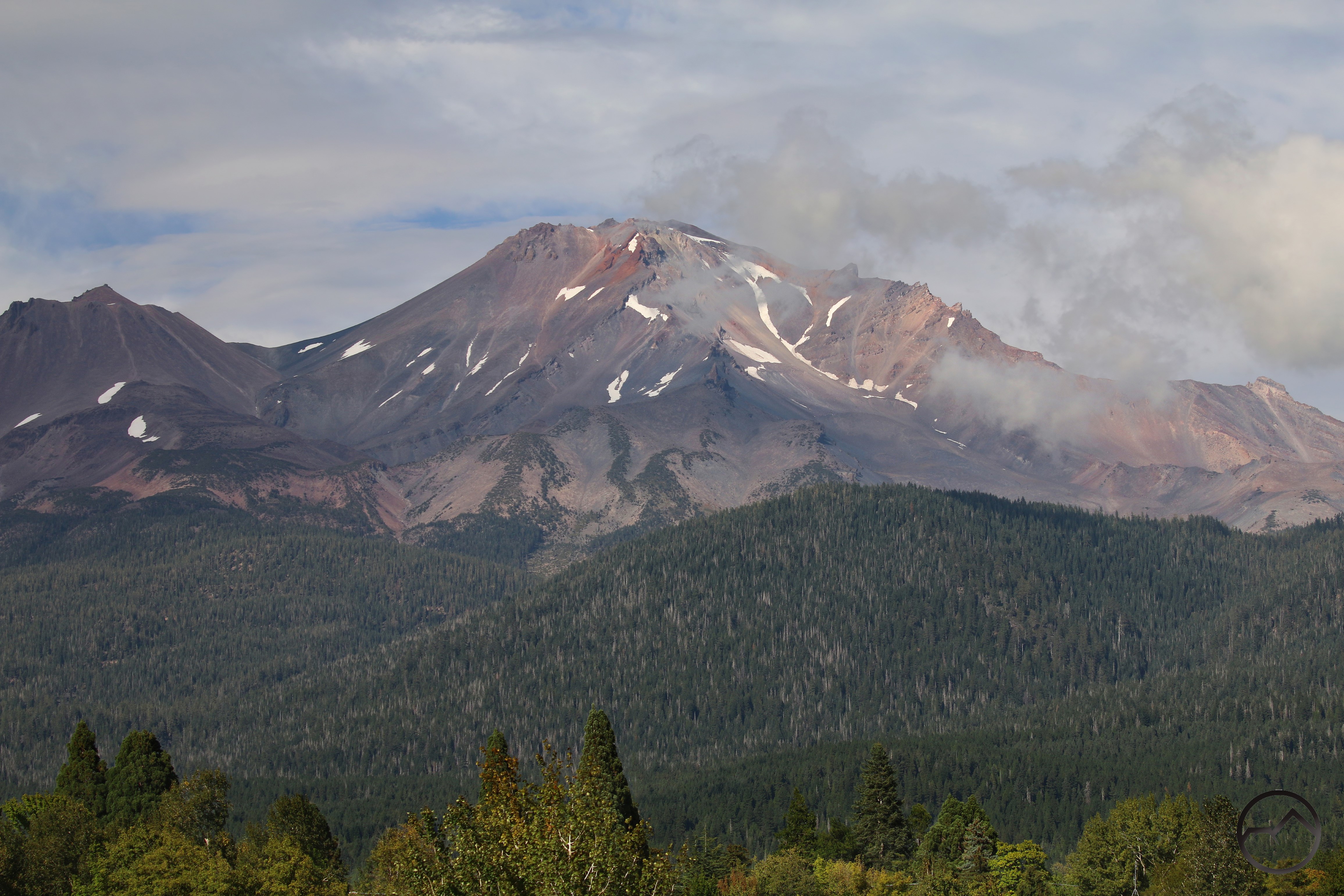
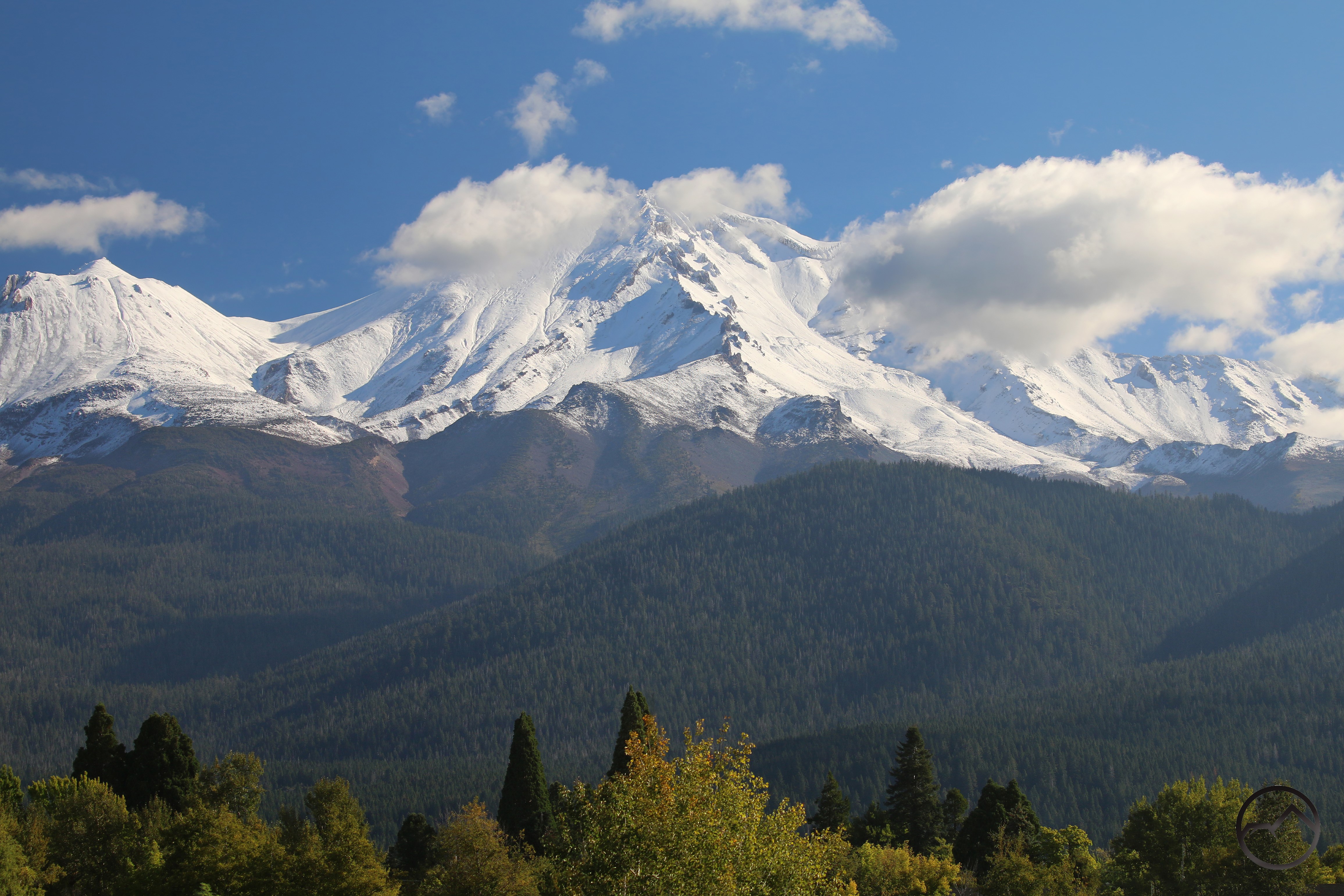
Before the storm, there was very little snow left on Mount Shasta. I had certainly seen it boasting less (none, even!) snow but at this point in the summer, there were just vestiges of snow left on the west side of the mountain. Oddly enough, I would say there was more snow still on the east side, in addition to the presence of the glaciers. Of course, after the storm the mountain was glazed in a beautiful white layer of sugary snow. Unlikely to last long, it is still a welcome and beautiful presence and always a visual treat after the hot, dry months of summer. It will be interesting to see how long it lasts and if more will come before all traces of this storm have melted away.
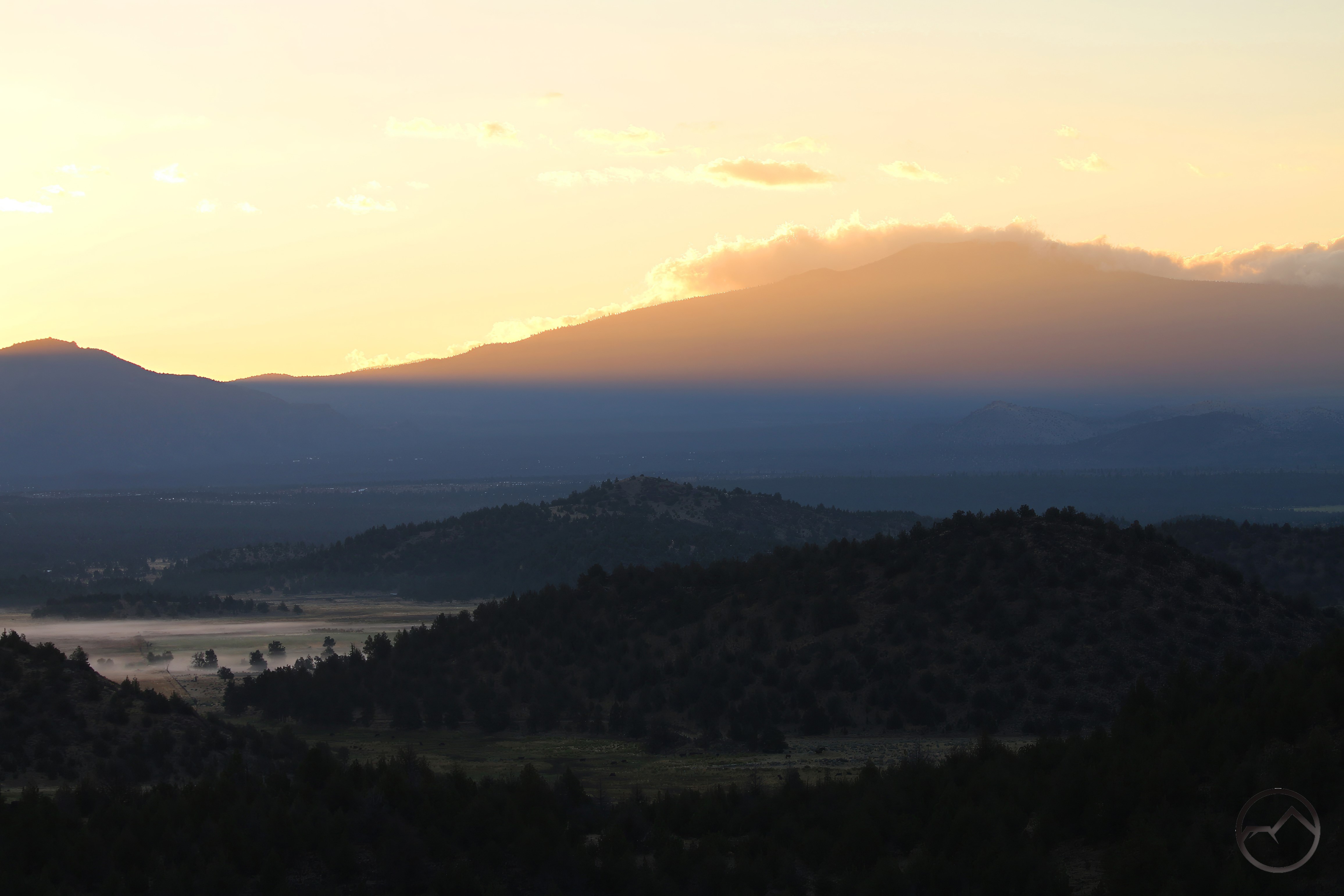
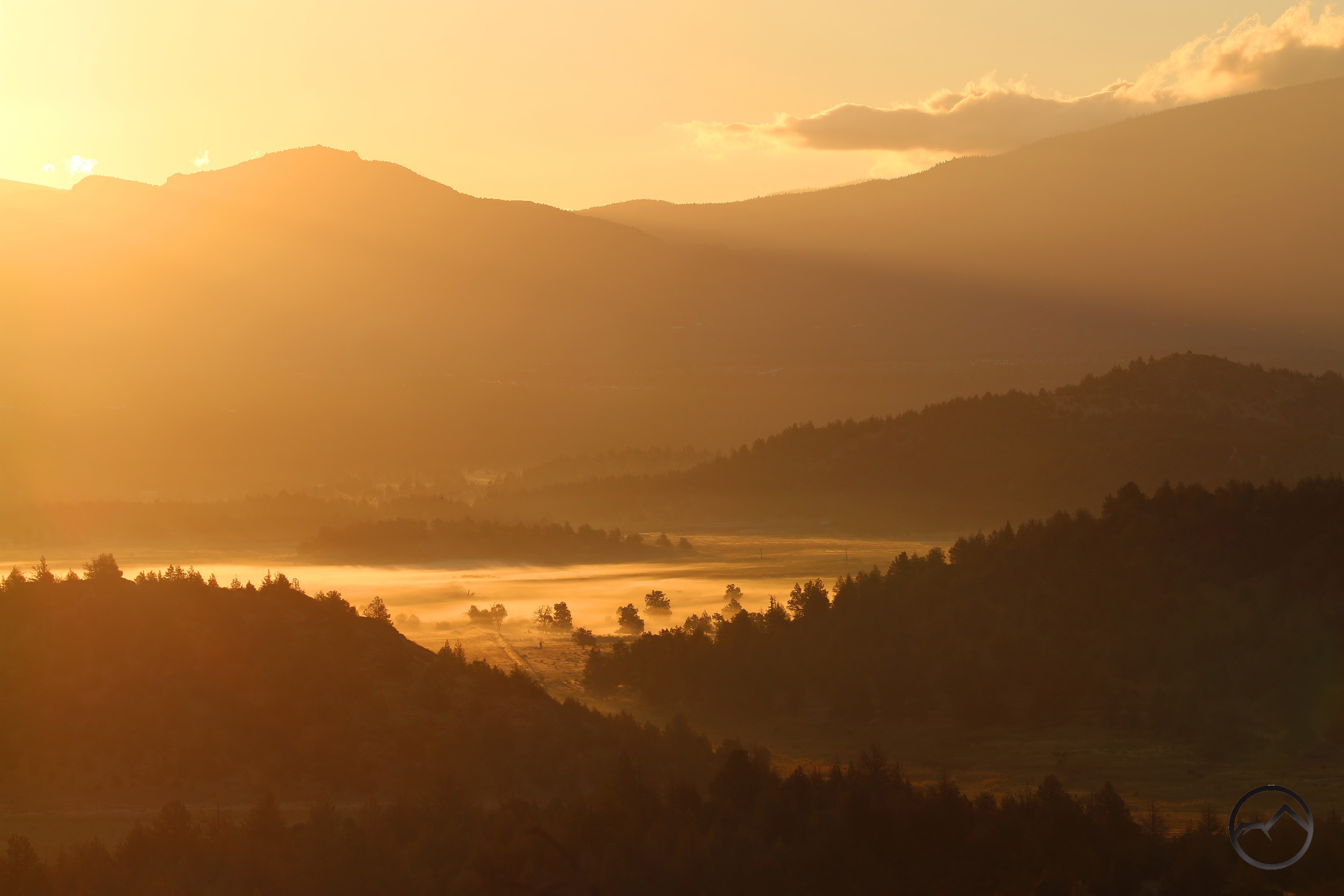
The day after the storm, the weather was still overcast and Mount Shasta was ensconced in clouds. The next day it was to clear so I headed out to Truchas Ridge to capture some sunrise shots of the freshly white mountain. As the sun rose, it blasted through the Cascade crest and a bathed mountains like the Whaleback, as well as the vales of the Shasta Valley in luscious, gold light.
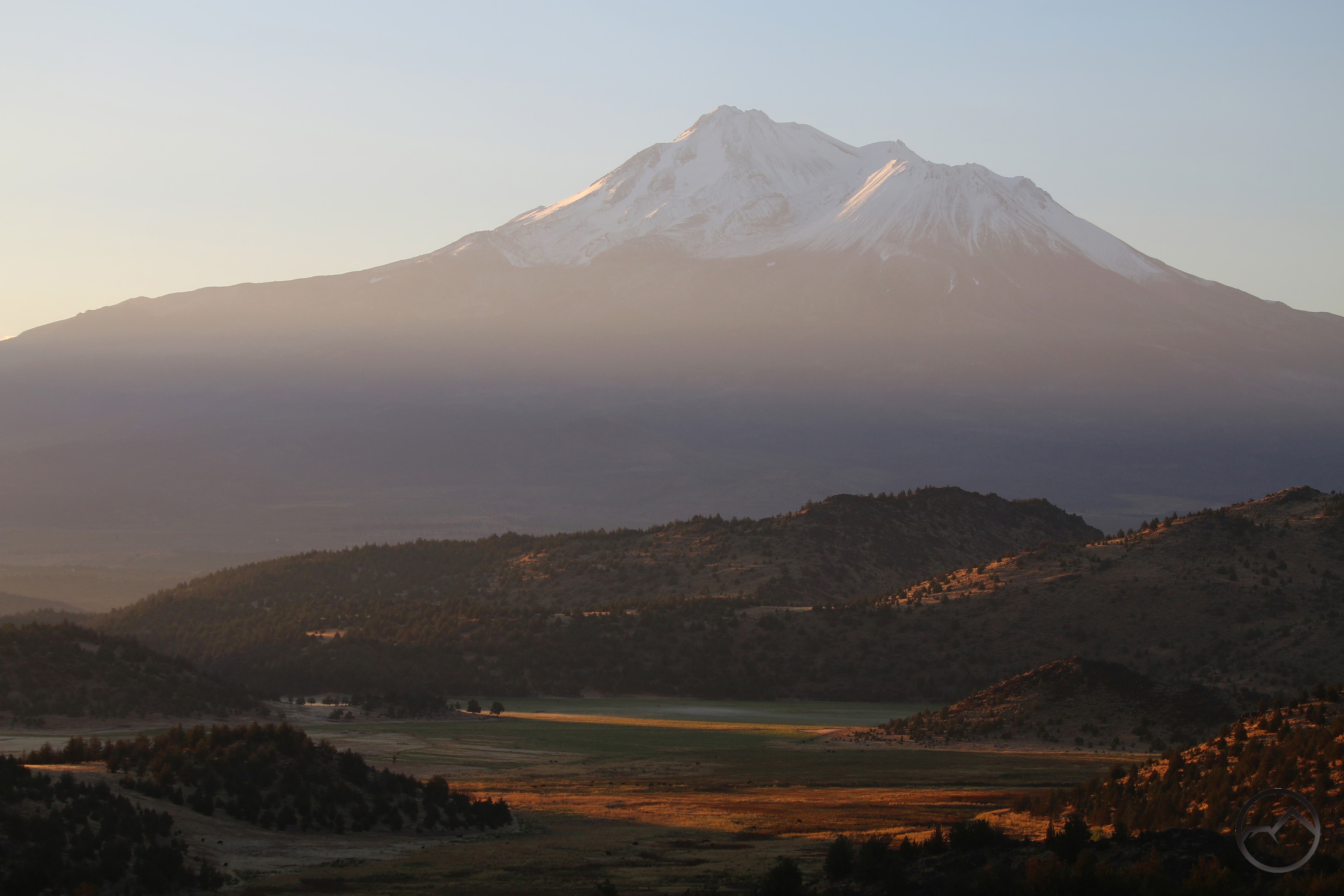
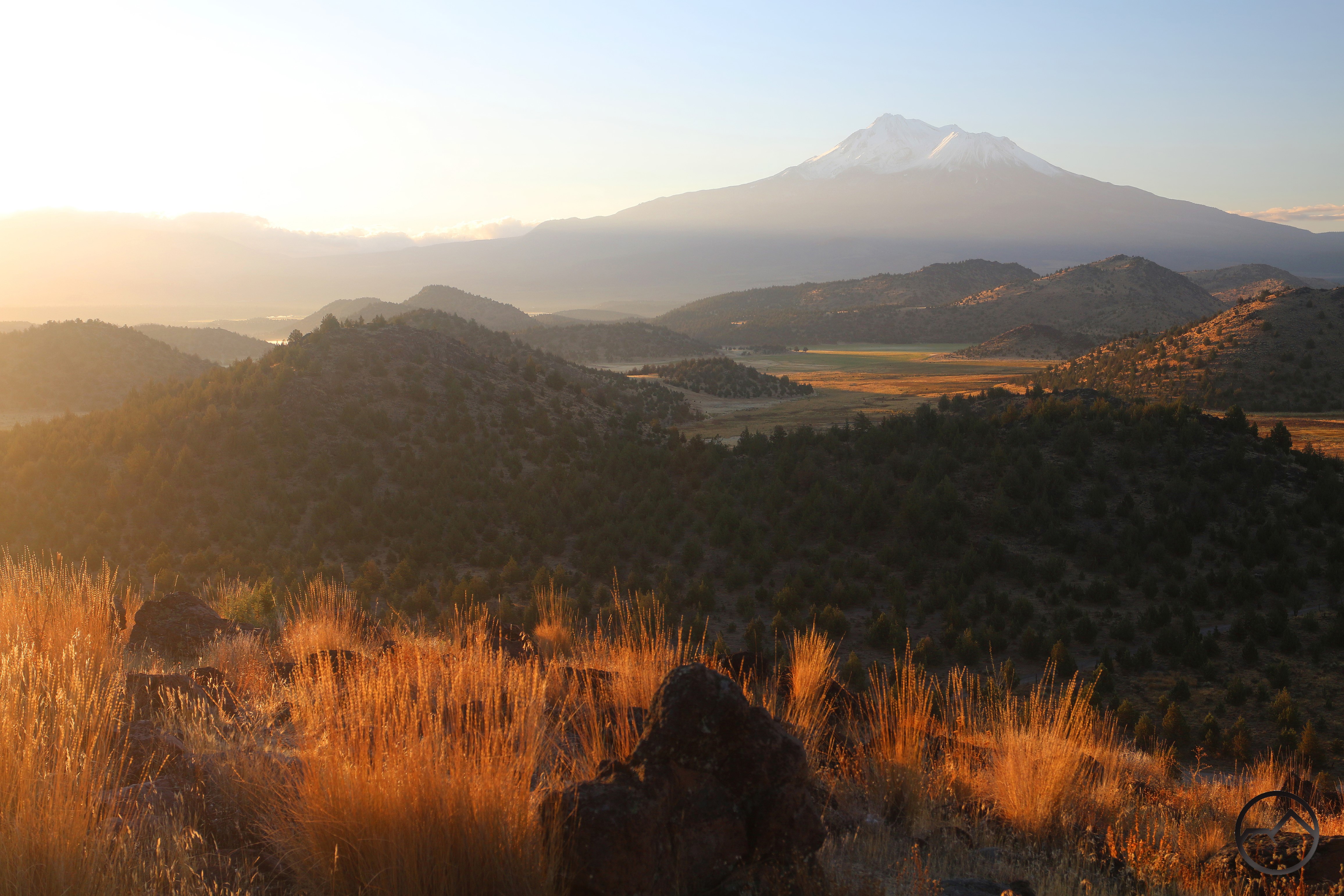
Mount Shasta itself was also ablaze with the same tawny light. The fresh snow was a glowing palette for the rising light. While the snow was the reason I was there, I could not help but marvel at the light seemingly setting fire to the grass at my feet. It seemed to be radiating an illumination of its own and elevated a beautiful sunrise to a stupendous scene.
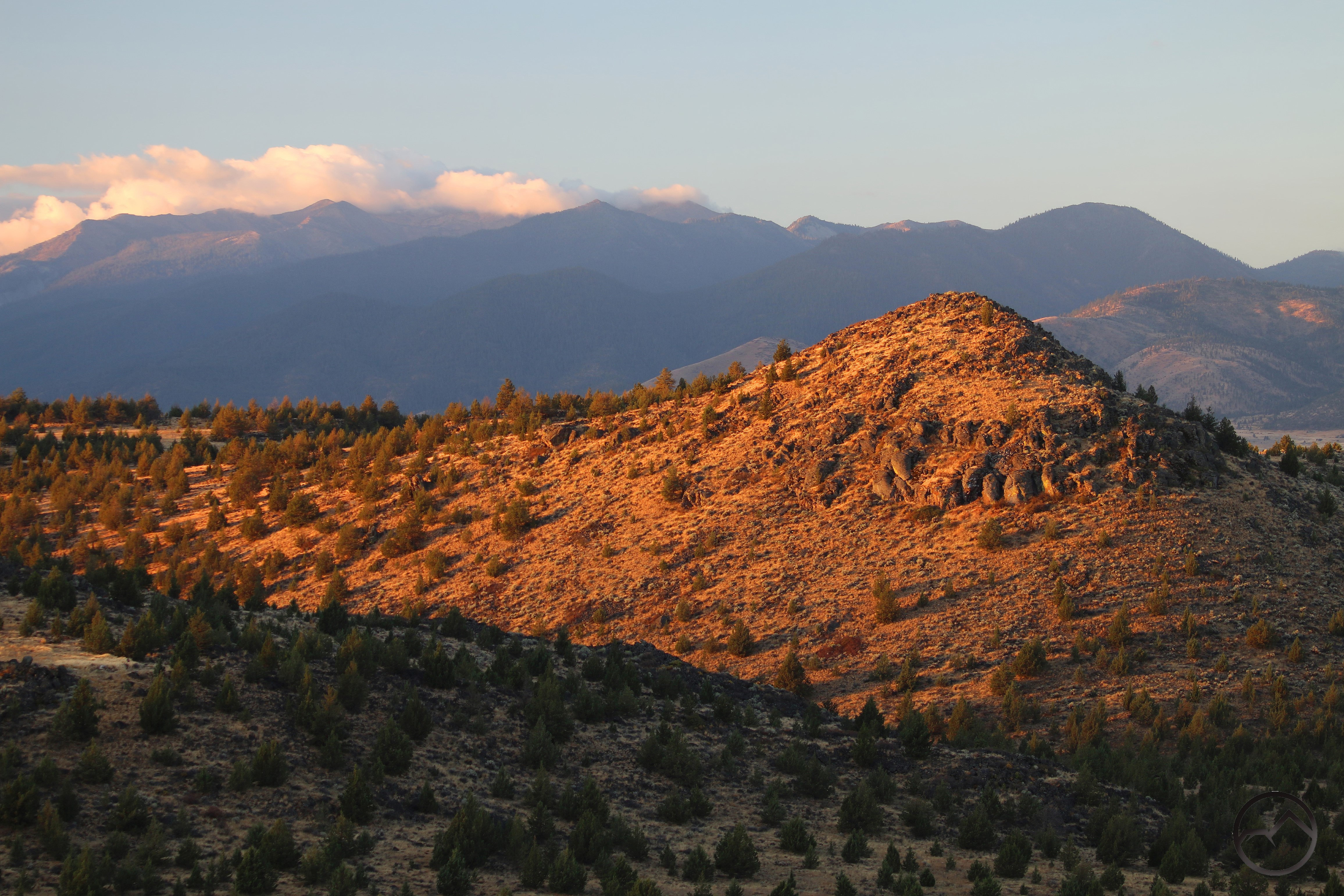
Not surprisingly, Mount Eddy did not have any snow on it. It seemed Mount Shasta’s snow line was just below 10,000 feet, which would mean that the summit of Eddy was 1,000 feet under the freeze. In spite of this, its rocky summit massif made a beautiful horizon beyond the craggy face of Cabezon Peak.
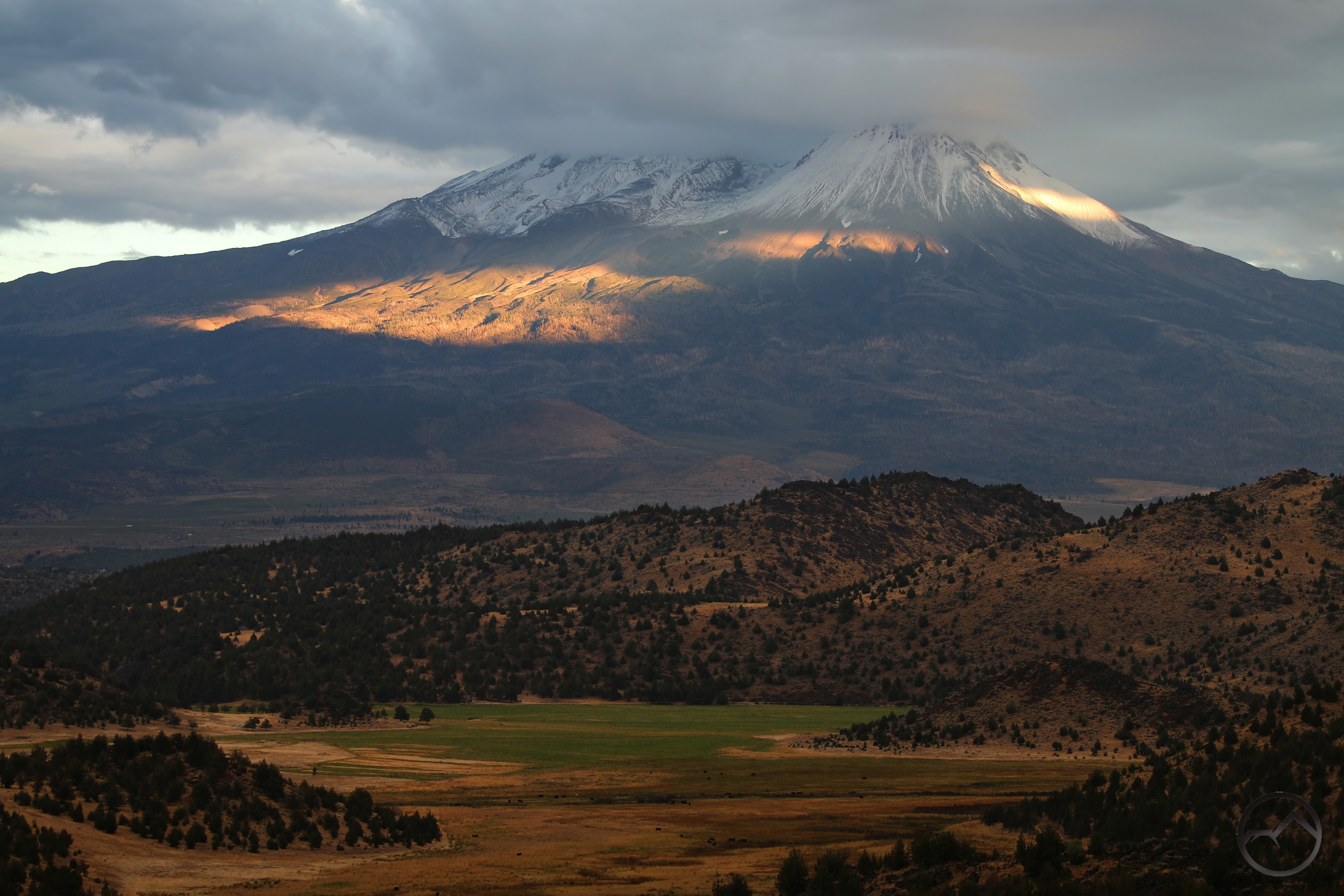
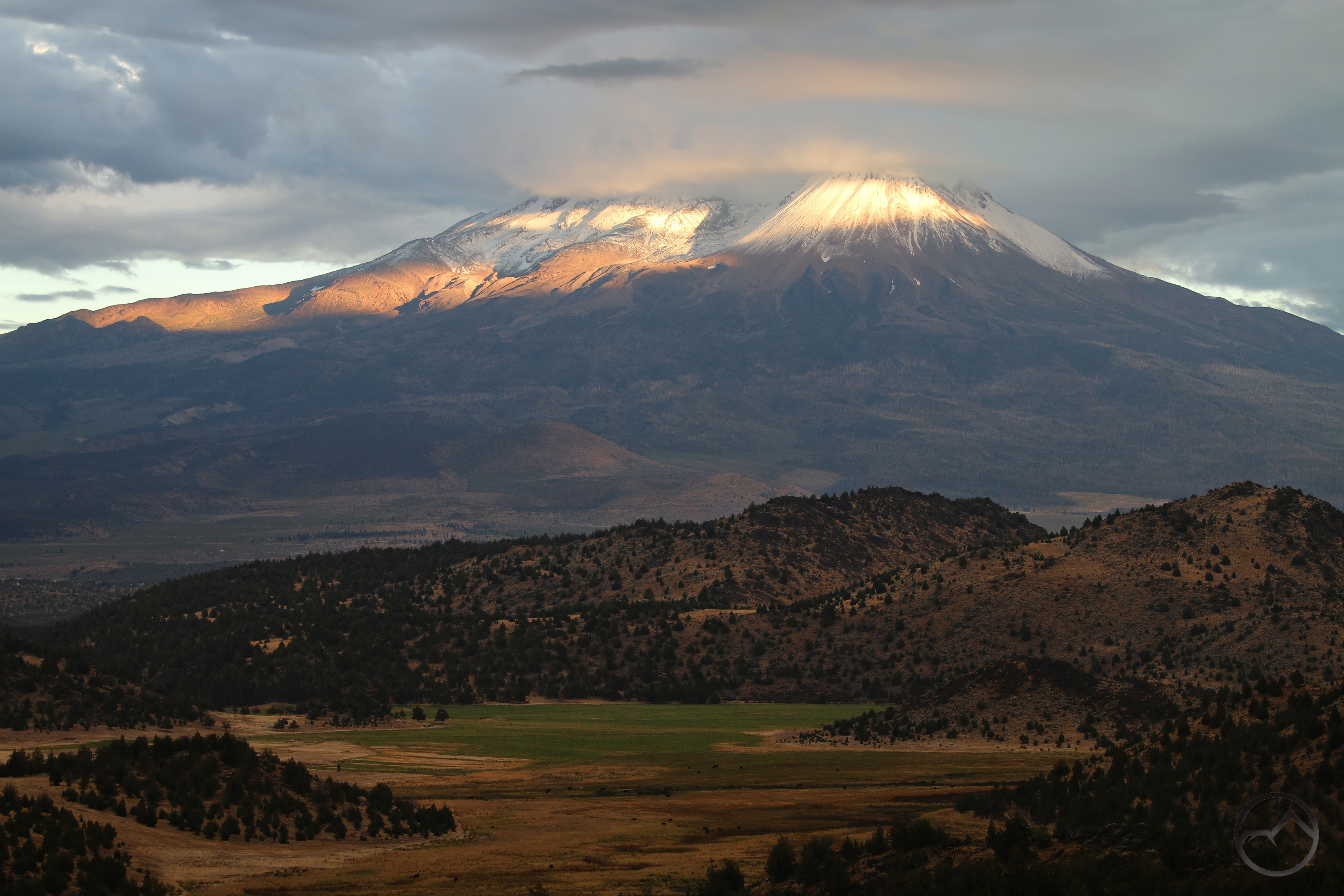
While I had gone to Truchas Ridge alone at sunrise, I returned for sunset with my wife and younger son. The intervening hours had witnessed the sky fill with clouds and partially obscure Mount Shasta. A colorful sunrise was out of the question. However, through the clouds, a large ray of light broke through and cast a giant spot of sunlight on the side of Mount Shasta. As the sun sank, the spot traveled east and upward along the flanks of Mount Shasta. It eventually cut a sunny stripe across the flank of the mountain, from Diller Canyon on Shastina all the way to the North Gate Plugs. Not quite what I had hoped for but joyous beauty all its own.
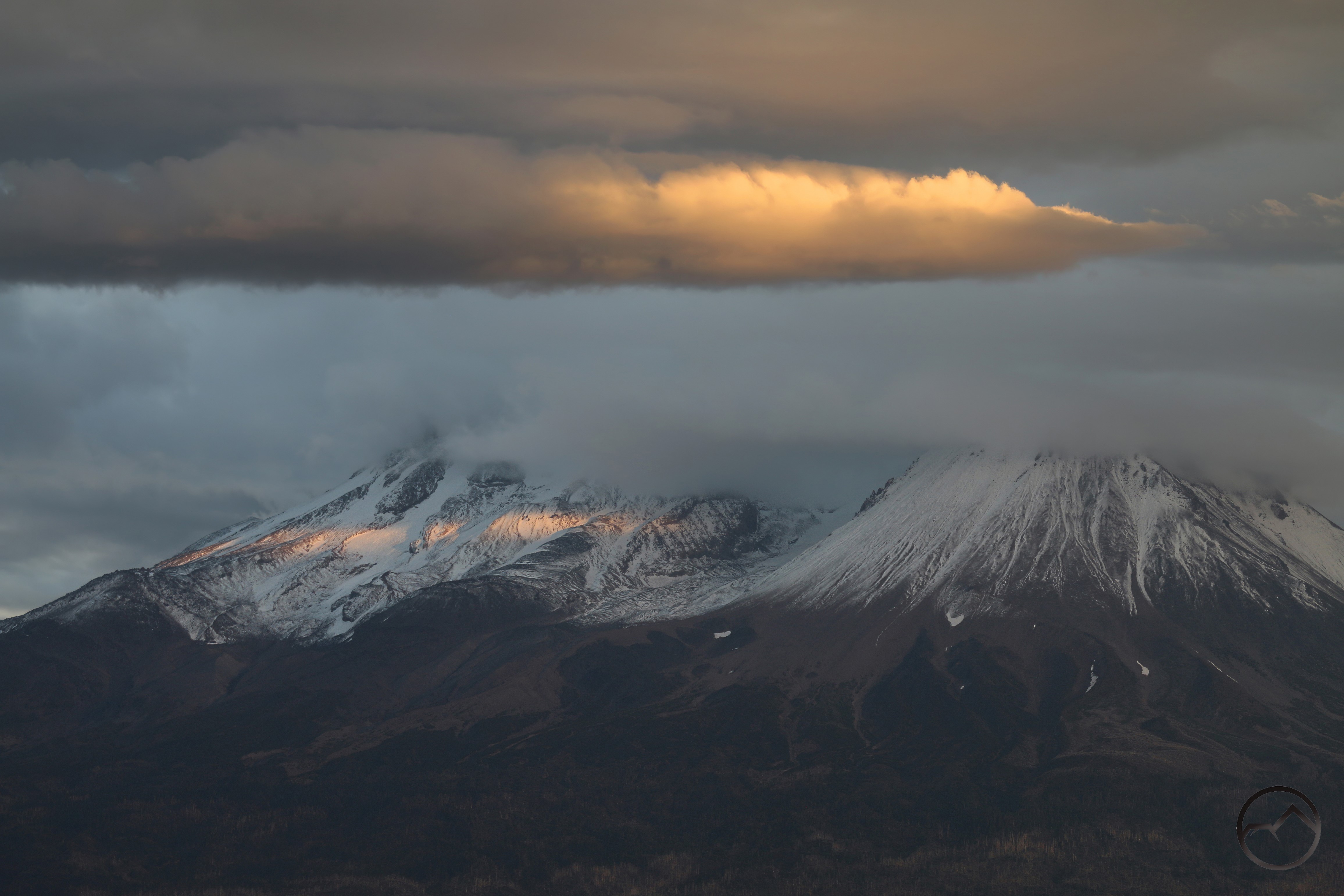
The sun eventually faded and the band of snow visible beneath the clouds was lit by a single sliver of light. A single cloud above the mountain caught the light as it escaped its circuitous route through the cloud cover.
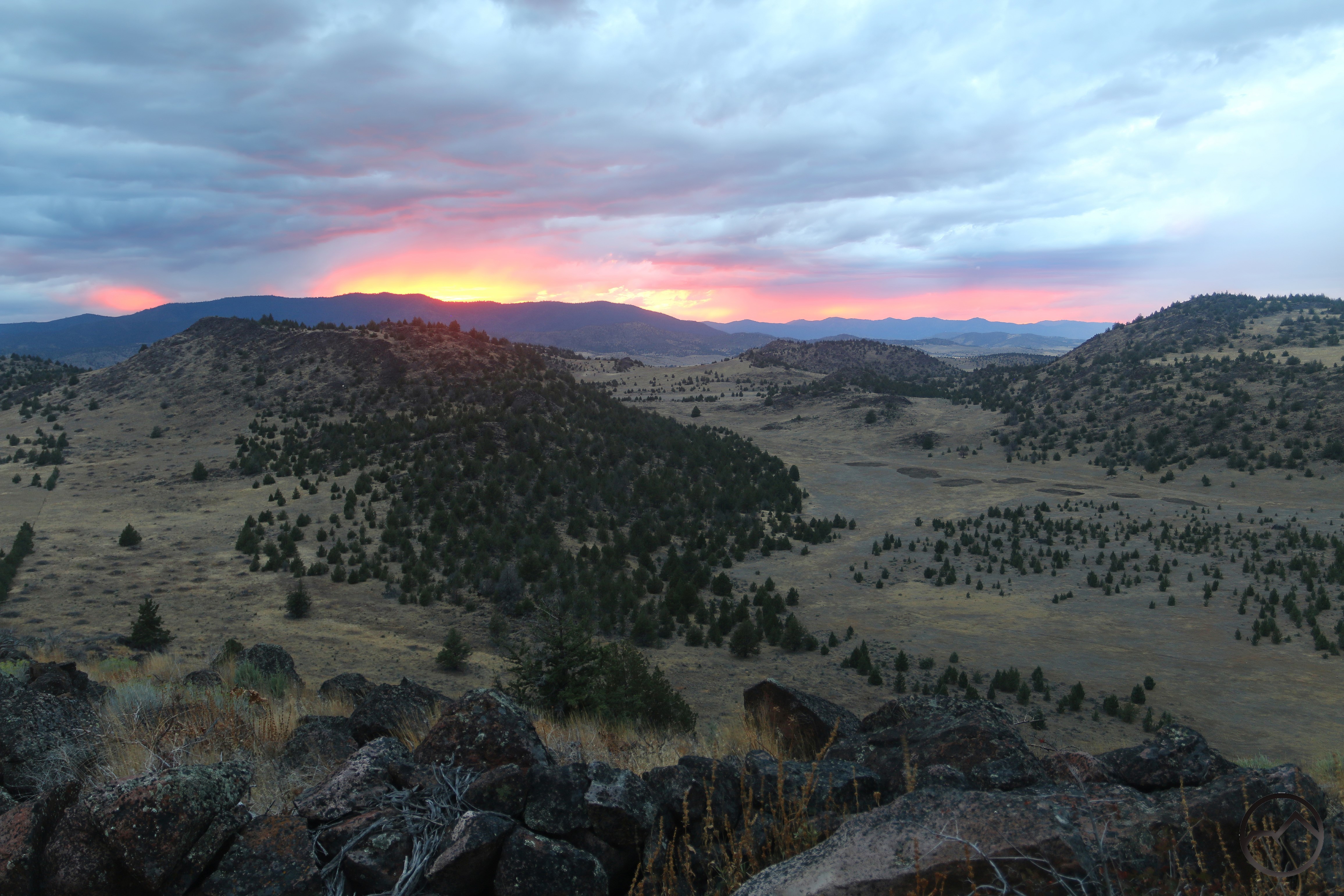
To the west, the sun was will below the Little Scott Mountains but it still managed to light the clouds that kissed the horizon. The vivid light was a gorgeous contrast to the now darkened hills of the Shasta Valley. There is so many cool corners of that area to explore…
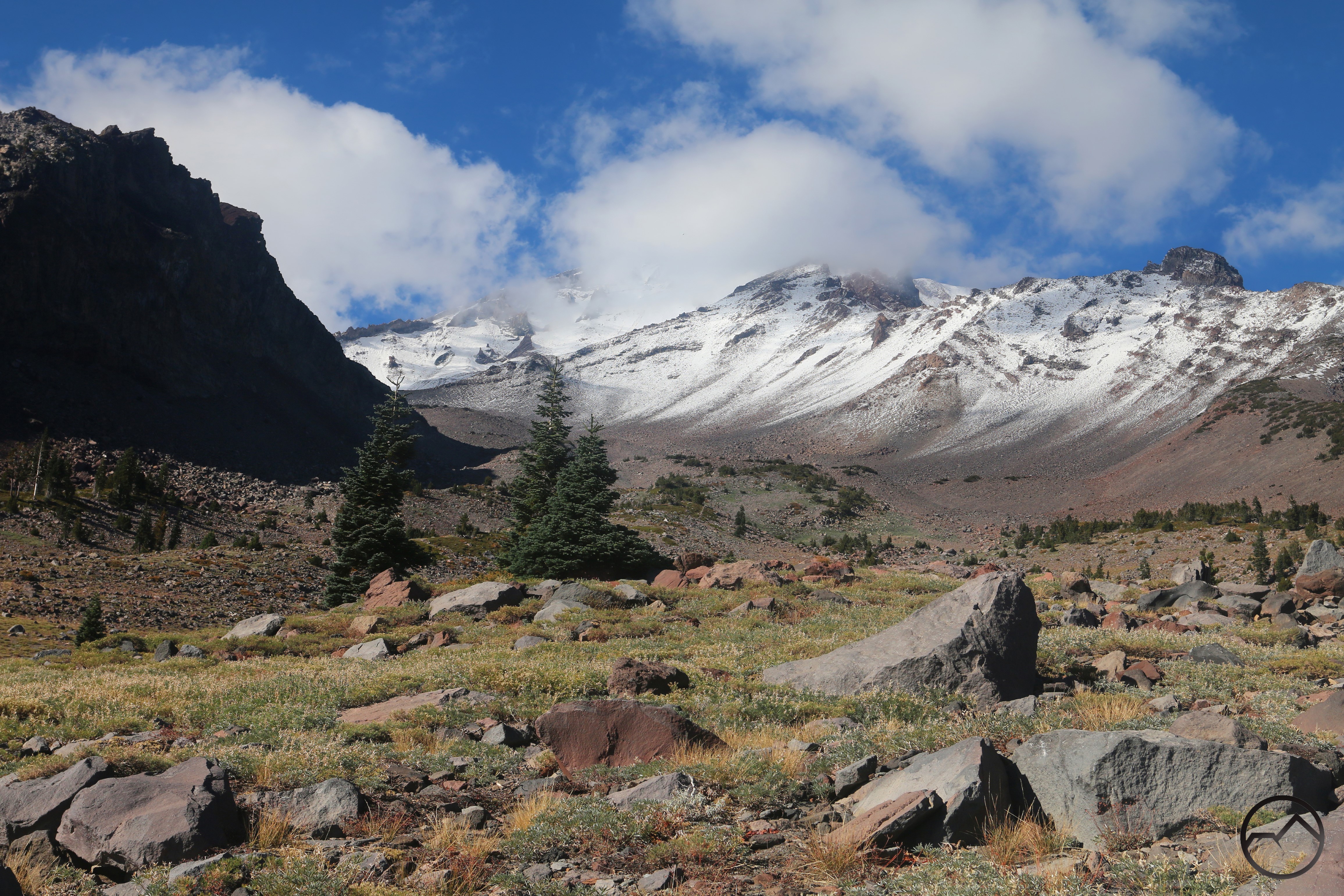
Now, nearly a week after the storm, snow is clinging to the upper flanks of Mount Shasta. It is always a sweet sight to see the white layers coating the rocks and crags of the summer mountain. I hope it lingers long enough for more snow to embellish what there is…


Yay for snow! Hopefully this is the beginning of a winter with some much-needed snowpack for the west.