Hike Mt. Shasta

Exploring the Mount Shasta Region

  • Home
  • Trails
    • Mount Shasta Trails
      • Brewer Creek Trail
      • Clear Creek Trail
      • Gray Butte Trail
      • Green Butte Ridge Trail
      • Horse Camp Trail
      • North Gate Trail
      • Old Ski Bowl Trail
      • Panther Meadow Trail
      • South Gate/Squaw Meadow Trail
      • Whitney Falls Trail
    • Trinity Divide Trails
      • Blue Divide Trail
      • Castle Lake Trail
      • Castle Lake Shore Trail
      • Cliff Lake Trail
      • Deadfall Lakes Trail
      • Gray Rock Lakes Trail
      • Gumboot Trail
      • Heart Lake Trail
      • Porcupine & Toad Lakes Via Pacific Crest Trail
      • Seven Lakes Basin Via Pacific Crest Trail
      • Sisson-Callahan Trail
      • Soapstone Trail
      • South Mumbo Scramble
      • Tamarack Lake Trail
      • Toad Lake Trail
    • Castle Crags Trails
      • Burstarse Falls Via Pacific Crest Trail
      • Castle Dome Trail
      • Flume Trail
      • Lower Castle Crags Via Pacific Crest Trail
      • Root Creek Trail
    • Scott Mountains Trails
      • Bluff Lake & Cement Bluff via Pacific Crest Trail
      • Caldwell Lakes Trail
      • China Mountain Scramble
      • Cory Peak and Bull Lake via Pacific Crest Trail
    • Cascade Crest
      • Ash Creek Butte Scramble
      • Goosenest Trail
      • Juanita Lake Trail
      • Orr Lake Trail
    • Mount Shasta City Area Trails
      • Black Butte Trail
      • Box Canyon Trail
      • Gateway Trail
      • Lake Siskiyou Trail
      • Mount Shasta City Short Trails
      • Ney Springs Canyon Trail
      • Spring Hill Trail
    • Shasta Valley Trails
      • Black Lava Trail
      • Haystack Trail
      • Lake Shastina Trail
      • Pluto Cave Trail
      • Trout Lake Trail
      • Yellow Butte Trail
    • Sacramento River Trails
      • Dunsmuir Trail
      • Hedge Creek Falls Trail
      • Sacramento River Trail
      • Sims History Trail
    • McCloud River Trails
      • Ash Camp To Ah-Di-Na Via Pacific Crest Trail
      • McCloud River Falls Trail
      • McCloud River Preserve Trail
      • Squaw Valley Creek Trail
      • McCloud River Trail: Algoma Camp to Nitwit Camp
      • McCloud River Trail: Nitwit Camp to Cattle Camp Swimming Hole
      • McCloud River Trail: Cattle Camp Swimming Hole to Camp 4
      • McCloud River Trail: Camp 4 to Upper McCloud Falls
      • McCloud River Trail: Pine Tree Hollow Loop
    • Trails Further Afield
      • Trinity Alps Trails
        • Bear Lakes Trail
        • Billys Peak Trail
        • Boulder Creek Lakes Trail
        • Boulder Lake Trail
        • Canyon Creek Trail
        • Caribou Lakes Trail
        • East Boulder Lake Loop
        • East Weaver Lake Trail
        • Four Lakes Loop
        • Granite Peak Trail
        • Grizzly Creek Trail
        • Gulch Lakes Loop
        • Hidden Lake Trail
        • South Fork Lakes Trail
        • Stoddard Lake Trail
        • Stoney Ridge Trail
        • Tangle Blue Lake Trail
      • Warner Mountains
        • Emerson Creek Trail
        • Highgrade Trail
        • Patterson Lake Via Warner Summit Trail
        • Pine Creek Trail
        • Squaw Peak Trail
  • Articles
    • Trails By Area
      • Mount Shasta
        • Vistas, Meadows And Waterfalls: Three Best Hikes On Mount Shasta
        • The End Of The Road: Three Hikes In The Old Ski Bowl Area
        • Two Trails From Bunny Flat
        • Three Trails On Mount Shasta’s East Side
        • Mount Shasta’s Hummingbirds
      • Trinity Divide
        • Great Lakes: Top Five Lake Basins In The Trinity Divide
        • The Headwaters Of The South Fork Of The Sacramento River
        • Neglected Headwaters: Two Lesser Lake Basins On The South Fork
        • Gumboot Saddle: Two Hikes On The PCT
        • Descent Into Mystery: The Sisson-Callahan Trail
        • Mumbo Basin – Overlooked On The West Side
        • The Headwaters Loop: A Proposed Backpacking Loop In The Trinity Divide
      • The McCloud River
        • The McCloud River Trail
      • Shasta Valley
        • Jewels In The Desert
      • Scott Mountains
        • Great Scott! Two Scott Mountains Hikes On The PCT
      • Trinity Alps
        • Carubou Lakes: Trinity Alps On A Grand Scale
        • Switchbacks To Heaven: The Trinity Alps’ Stoney Ridge Trail and Four Lakes Loop
        • Trinities In Proximity: Two Trinity Alps Trails With Easy Access From Mount Shasta
        • Trails in the Carter Meadows Area
        • Trinity Alps Views of Mount Shasta
        • The Psychological Value Of The Trinity Alps
    • Waterfalls
      • Three Waterfalls On Mount Shasta
      • McCloud River Waterfalls
      • Sacramento River Waterfalls
      • Trinity Divide Waterfalls
      • Trinity Alps Waterfalls
      • Avoiding A Dry Whitney Falls
    • Off Season Trails
      • Three Winter Hikes Near Mount Shasta City
      • Winter Hikes In Shasta Valley
      • Winter Hiking In The Shasta Valley Wildlife Refuge
      • Winter Hikes On The Sacramento River
      • Winter Hikes On The Lake Siskiyou Trail
      • Spring Hikes In The Castle Crags
      • Spring Hikes On the Upper McCloud
      • Spring Hikes On The Lower McCloud River
    • Points Of Interest
      • Mount Eddy: Overshadowed, Underrated
      • Black Butte: Hiding In Plain Sight
      • Castle Dome: Steadfast And Staggering
      • Mount Shasta Hoodoos
      • Sacramento Scrambling
      • The Shasta River
      • The Castle Creek Watershed
      • Mount Shasta East Side Glacier View
      • 5 Fantastic Mount Shasta Vistas
      • 5 Highest Peaks Around Mount Shasta
      • 5 Best Hikes On Creeks And Rivers
      • 5 Interesting Footbridges
      • Three Spectacular Drive-To Sunset Vistas
    • North State Geography
      • Introduction
      • Seven Major Regions
      • The California Cascades
      • Klamath Mountains Pt. I
      • Klamath Mountains Pt. II
      • The Great Canyons Of Mount Shasta
      • Mount Shasta, Timberline, And The Relative Size Of Cascade Volcanos
      • Four Eruption Cones Of Mount Shasta
      • Mount Shasta’s Medial Moraine
    • Northern California Review
      • North Table Mountain
      • Lakes Basin Recreation Area
      • Eastern Sierra Fall Color
      • Sonoma County
      • Central Sierra Nevada
      • Orland Buttes
    • Seldom Seen
      • Ash Creek Falls
      • Mud Creek Canyon
      • Lower Mud Creek Canyon
      • Diller Canyon
      • Lower Cascade Gulch
      • The Grey Rocks
      • Castle Creek
      • Upper Wagon Creek
      • Fawn Creek Canyon
      • Confluence of the Sacramento River and Castle Creek
      • Upper Klamath River Canyon
      • Hole In The Ground Geologic Area
      • Ash Creek Butte Fossil Rock Glacier
    • Mount Shasta History
      • Vantage Lost: The Everitt Memorial Vista
      • A Yosemite-Mount Shasta Connection
      • Whitney – What’s In A Name?
      • Mount Shasta Area and the 1838 Exploring Expedition
      • A 19th Century Engraving Of An Epic Mount Shasta Vista
      • Vintage 1907 Color Photos
      • A Misleading Painting
      • A Mysterious Painting
      • A Mysterious Painting Pt. II
      • Stereographic Mt. Shasta
      • Year One Of Hike Mt Shasta
      • Year Two Of Hike Mt Shasta
      • Year Three Of Hike Mt Shasta
      • Year Four Of Hike Mt Shasta
      • Year Five Of Hike Mt Shasta
      • Year Six Of Hike Mt Shasta
      • Year Seven Of Hike Mt Shasta
    • Image Galleries
      • Mount Shasta Trails Gallery
      • Mount Shasta Sunrise Gallery
      • Mount Shasta Sunset Gallery
      • Lenticular Cloud Gallery
      • Mount Shasta NON-Lenticular Clouds
      • Mount Shasta Reflection Gallery
      • Telephoto Gallery
      • Mount Shasta Area Fall Color
      • Castle Crags Gallery
      • Waterfalls Gallery
      • Trinity Divide Lakes Gallery
      • Mount Shasta Area Rivers Gallery
      • Shasta High Desert Gallery
      • Mount Shasta GIF Gallery
    • Random Notes
      • Revew: Three Mount Shasta Trail Maps
      • A Mount Eddy Wilderness?
      • New Land Additions For The Castle Crags
      • Book Plug: Mount Shasta Area Rock Climbing
      • Exile: How I Came To Love Wilderness
  • Mt. Shasta Trail Map
  • Blog
  • About/Contact
  • Links
  • Truchas Ridge

Yosemite Week: The Waterfalls Of Hetch Hetchy (And The Curious Case Of Rancheria Falls)

Posted by bubbasuess on July 29, 2020
Posted in: Hiking, Mount Shasta, Sierra Nevada, Yosemite. Tagged: Hetch Hetchy. 6 Comments

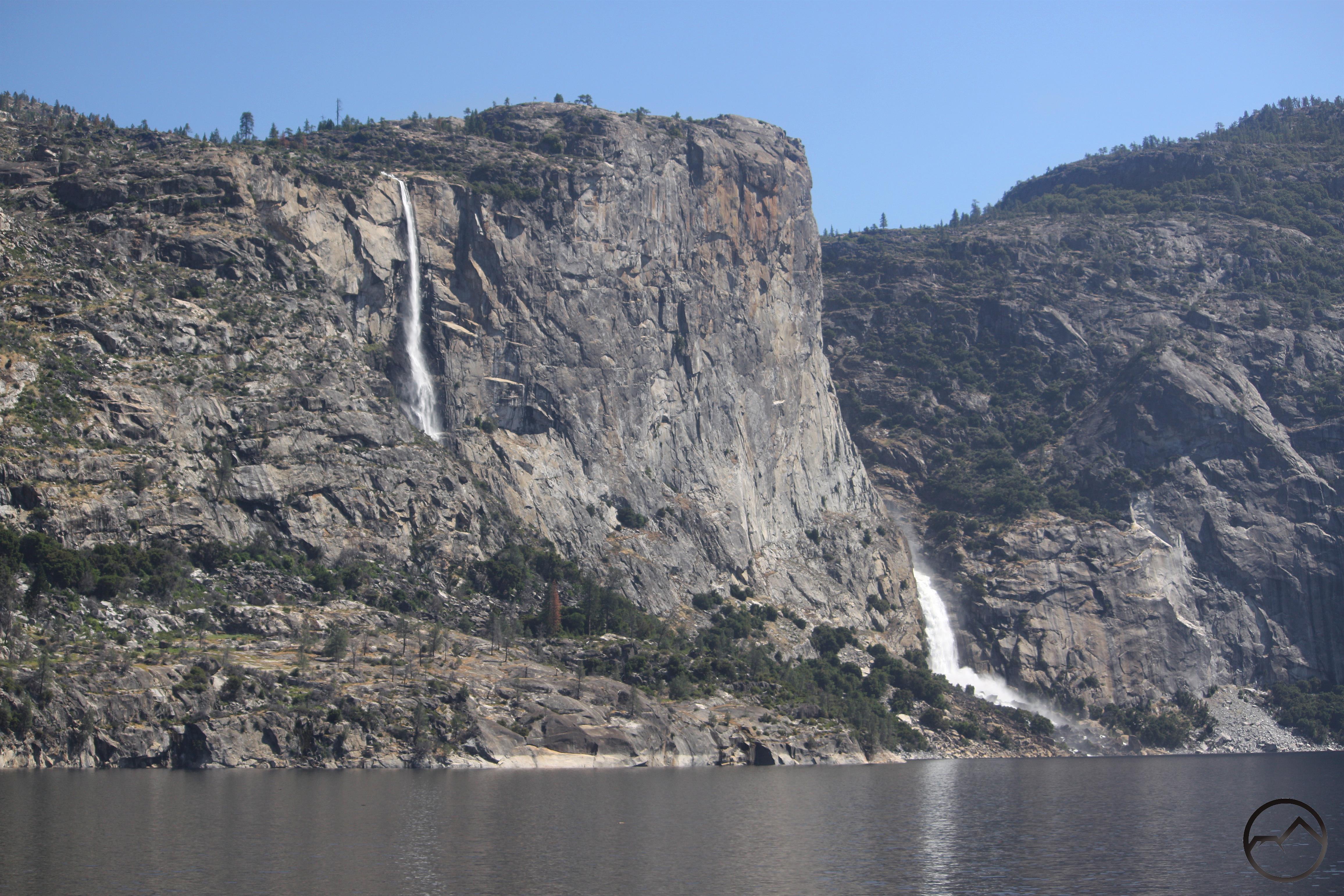
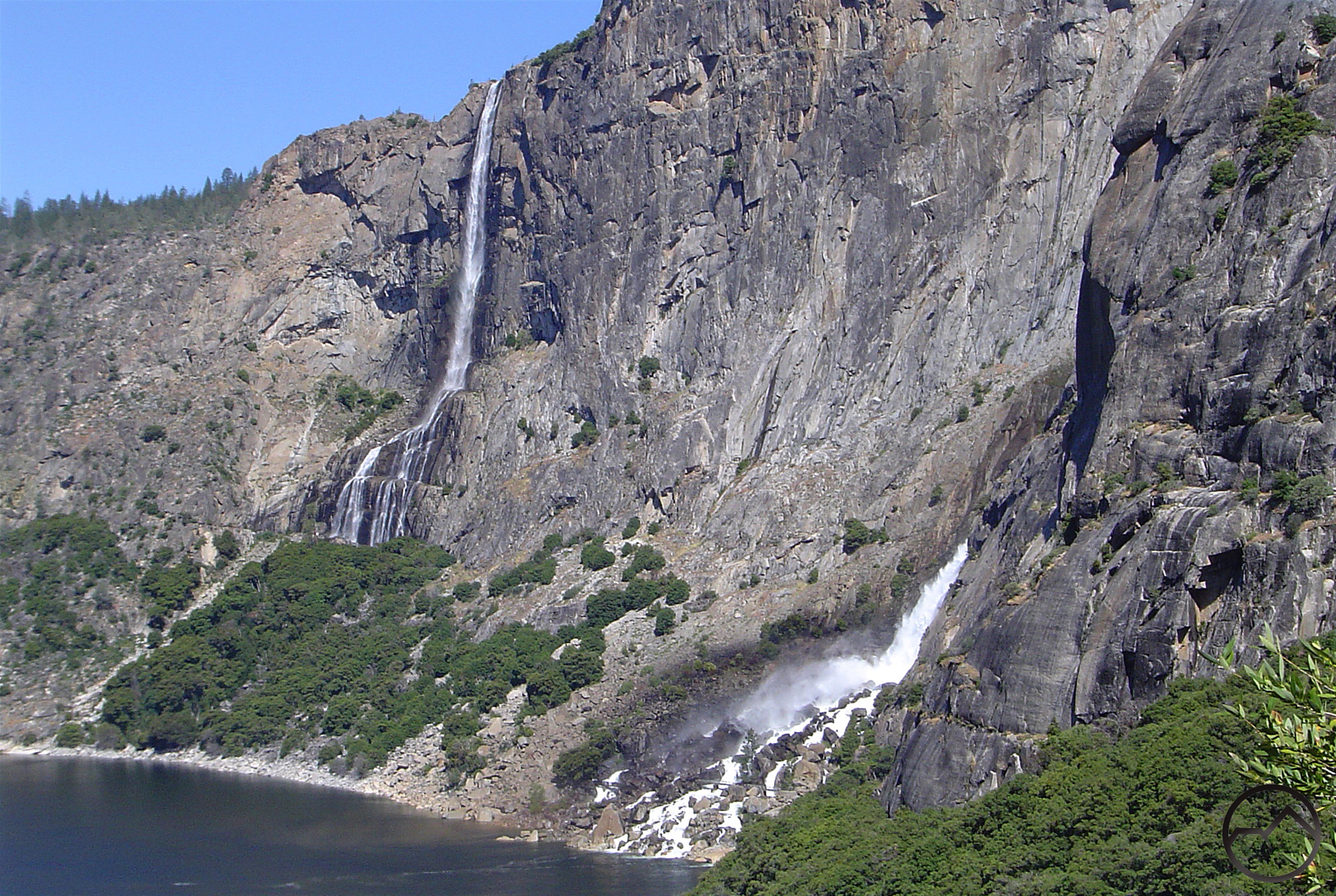
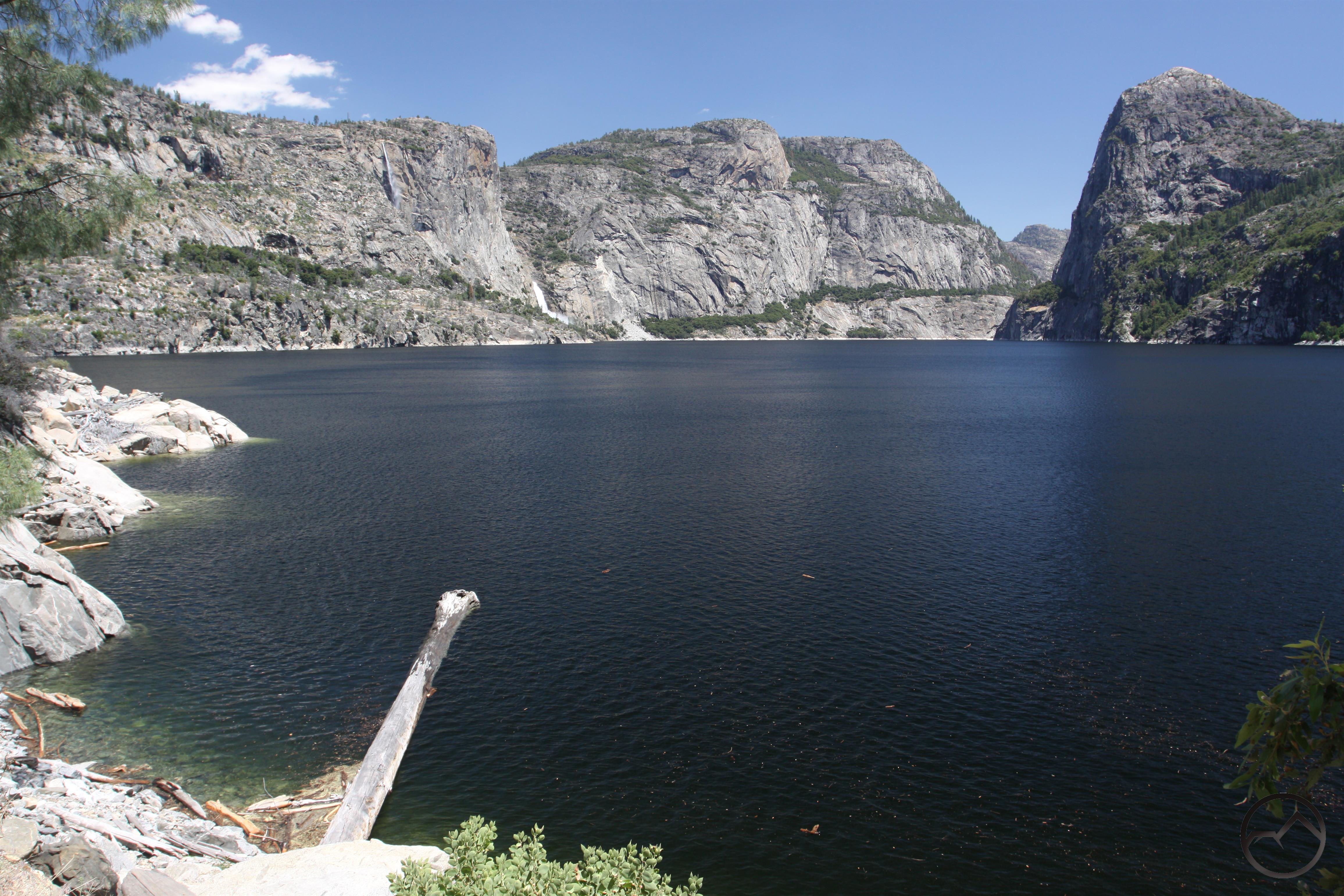
Tueeulala and Wapama Falls grace the northern walls of Hetch Hetchy. 

I first became aware of Hetch Hetchy in 1990. It is the only year I haven’t camped in Yosemite Valley. We were kept out because the A Rock Fire and other conflagrations were burning along all three of the roads that accessed the that part of the park. The year happened to be the centennial of the establishment of Yosemite National Park and festivities were either cancelled or moved due to the fires. The Valley was completely closed off, a rare circumstance in its modern history. Not about to be aced out of time in Yosemite, even if not in the Valley, my mom pulled her usual strings and got my family cabins at White Wolf. This was a part of Yosemite I had not spent time in and the whole week was filled with excellent and new adventures.

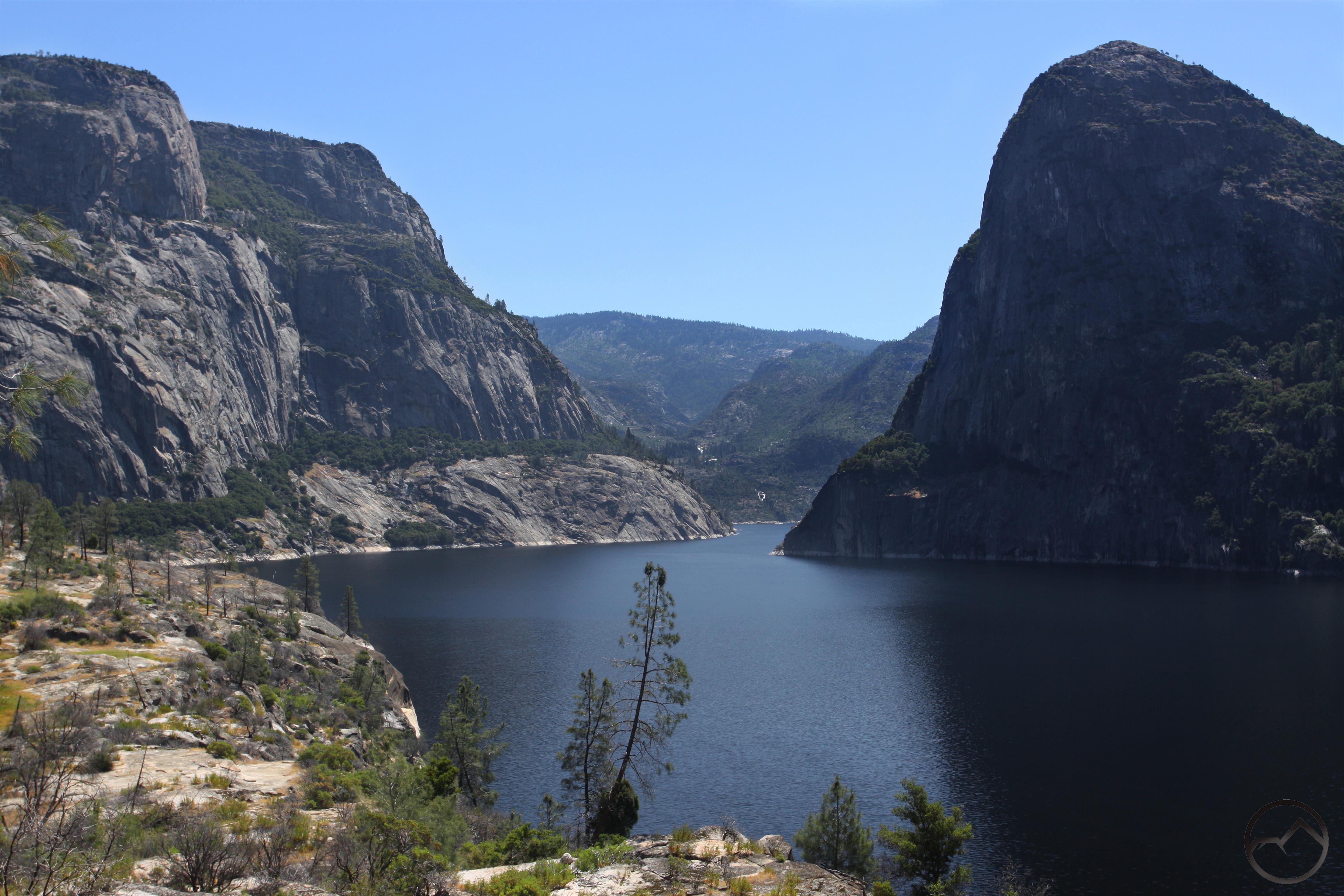
Hetch Hetchy Dome and angular Kolana Rock loom above the flooded valley.

It was during this unusual week that we went to Hetch Hetchy for a day. California was four years deep into a bad drought and the reservoir was extremely low. I remember my dad telling me to really impress the view from the dam on me, as it may be the closest I ever got to seeing the valley drained and “restored” to what it had been. What it had been was a spectacular twin to Yosemite Valley, through which flowed Yosemite’s other glorious river, the Tuolumne. I had a hard time understanding how something so close to the place I thought was heaven itself could be dammed up and destroyed. I had not yet read John Muir’s eloquent description and defense of Hetch Hetchy but 12 year old thoughts along the same lines were already forming in my mind. It was obvious in the granite cliffs before me: the El Capitan-like wall between the waterfalls, Hetch Hetchy Dome and Kolana Rock.

At the time of my first visit, the waterfalls were drought stricken and hardly noticed. It was later that I returned, the state flush with a deep snowpack and the falls were booming. It was shocking to see the pair of white streaks of water dropping down the cliffs. From the normal view on O’Shaughnessy Dam, they appear strikingly different, Tueeulala Falls being tall and slender while Wapama Falls is seemingly shorter and stubby. On the contrary, the true nature of each waterfall is somewhat hidden from the normal perspective and closer investigation is needed to appreciate their fullness.

Eventually, I overcame my disdain for the abominable lake that fills Hetch Hetchy and came to love the place for what it retains rather than avoid it for what it has lost. The hike to the two waterfalls (and beyond to Rancheria Falls, more on that in a bit) is among my personal favorites and I included it in my guidebook covering Northern California. I strongly encourage hikers who have not experienced this forgotten corner of Yosemite to visit it and allow yourself to love it in spite of the injustice that has been wrought. Perhaps one day it can be undone but until that day, let us still appreciate the beauty that remains in Hetch Hetchy. Chief among these attributes are its fantastic waterfalls.

Tueeulala Falls

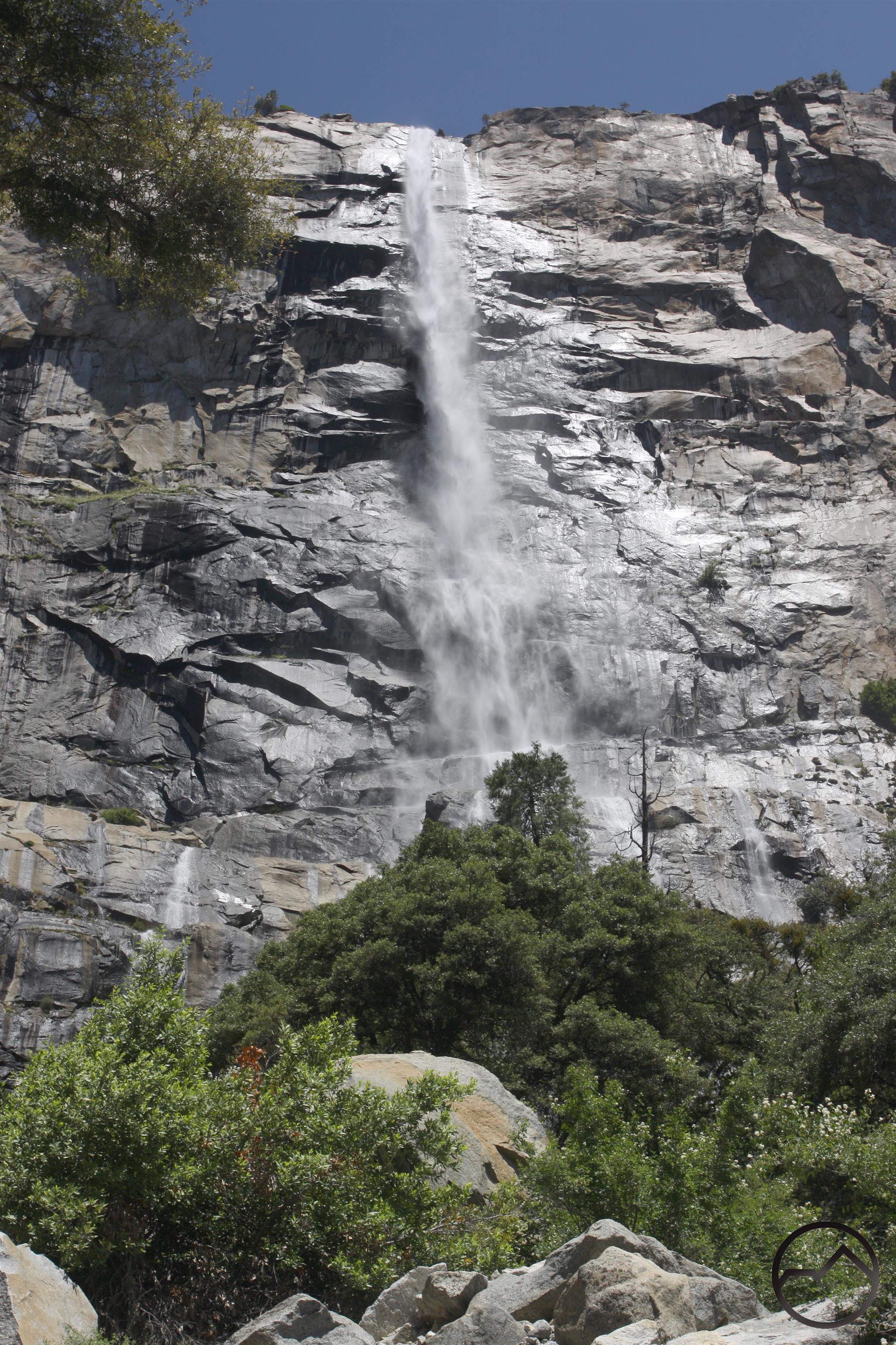
John Muir likens this oddly named waterfall to the infinitely more famous Bridalveil Falls of Yosemite Valley. While this may seem an unexpected comparison at first, what struck him as alike between the two falls was the linear nature of their plunge. Both waterfalls leap off of the cliff and maintain a straight, vertical appearance as they drop hundreds of feet down the granite cliffs. Also like Bridalveil, Tueeulala Falls has a tendency to dance in the wind. However, the Hetch Hetchy iteration, at 840 feet high, is over 200 feet taller than the famous fall of Yosemite Valley. The final two hundred feet of Tueeulala Falls sees the water hit protrusion in the cliff and explode into several smaller cascades, still maintaining a vertical trajectory to the cliff’s base.

The trail offers many good views of the falls, both from the west, immediately below the falls and also from further east up the trail along Hetch Hetchy. However, the crossing of the fall’s creek below its base can be a little uninspiring, as the water simply races across spillways in the trail and on down the granite talus into the reservoir below. Regardless of the lower area’s lack of interest, the falls themselves are excellent are certainly deserve to be regarded among the classic Yosemite cataracts.

Wapama Falls

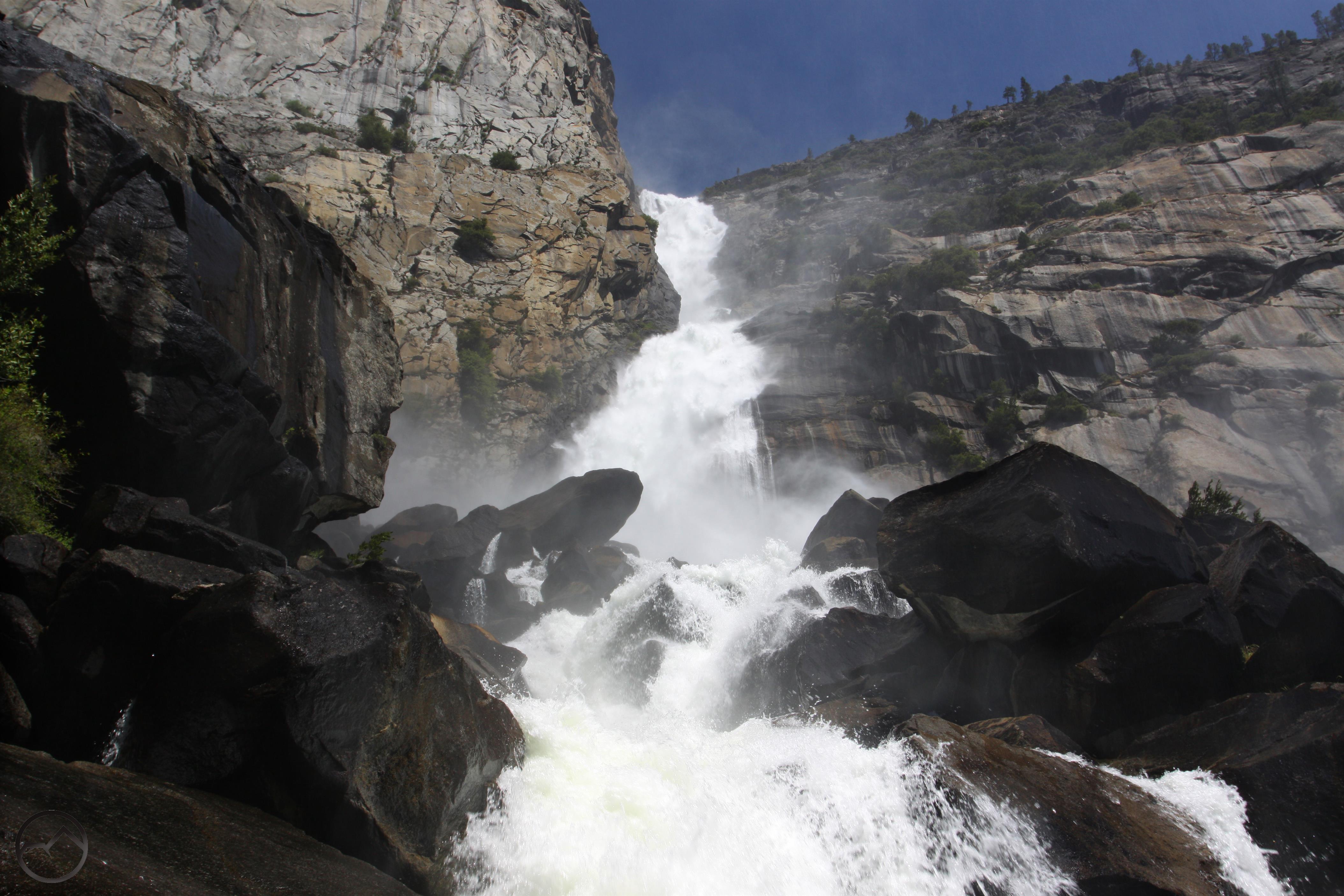
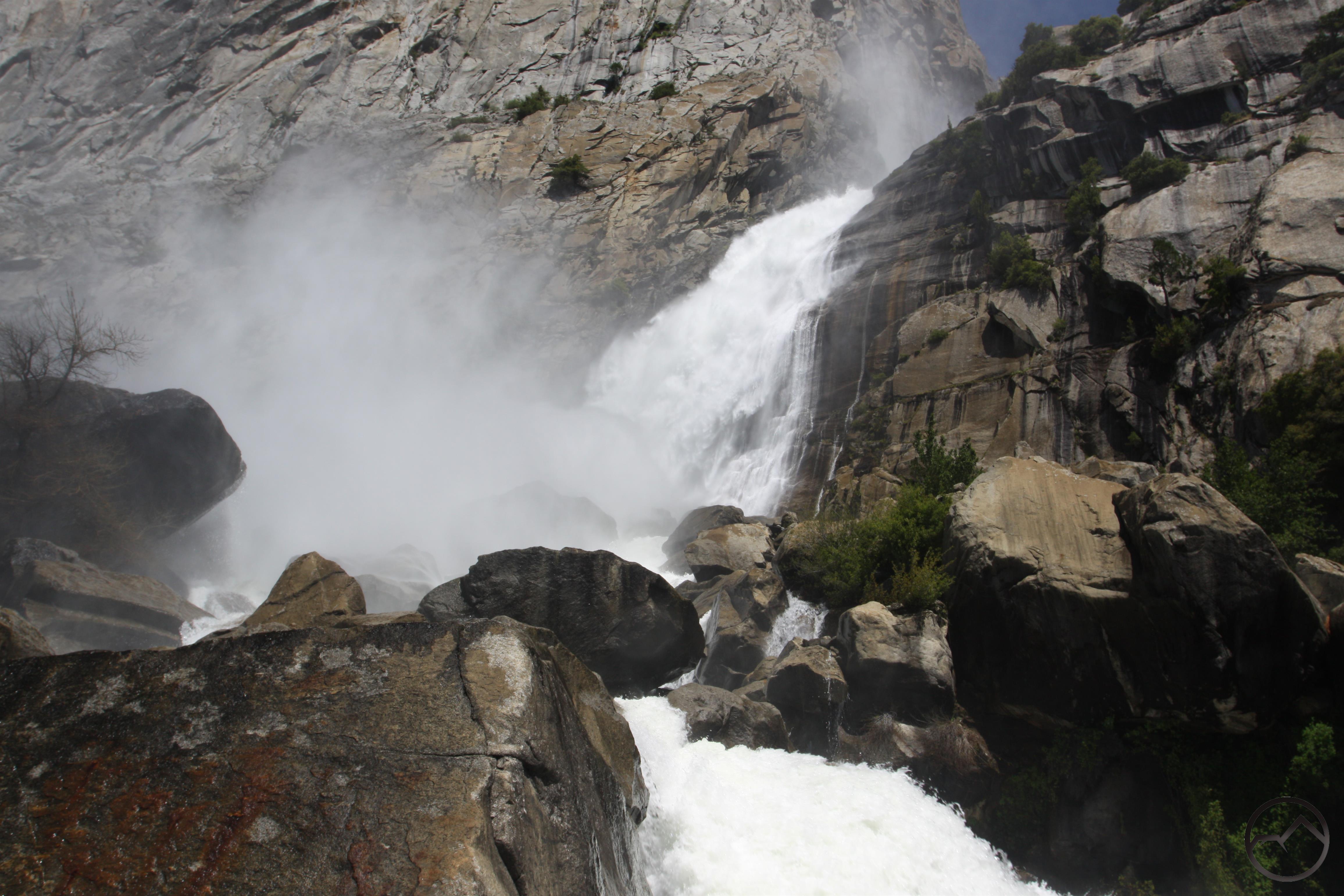
In my opinion, the true star of Hetch Hetchy is not the granite cliffs and rocks (though they are awesome) nor Tueeulala Falls but it is the thunderer, massive Wapama Falls. Although it looks the shorter of the two from the normal view at the trailhead, it is immediately evident that the volume of water in this waterfall is significant. John Muir describes it as something of a combination of Yosemite and Vernal Falls. It is tall, though not as tall as the former but with greater volume while it is taller than the latter but not as much volume. It is the happiest – and mightiest – of mediums between the two. In truth, I believe Wapama Falls to be the single most unappreciated waterfall in California.

The total height of Wapama Falls is about 1,100 feet but, like Yosemite Falls, it descends in three sections. The top part is nearly 700 feet of foaming torrent descending into a narrow chasm. It hits a rocky ledge then careens into the second section, a short series of cascades dropping roughly 100 feet. The third stage is a final 300 foot plunge to the base of the cliff. Though not counted as part of the falls proper, the water of Falls Creek then pours through a massive talus pile before finally being stilled by the stilled waters of the reservoir.

Though a portion of the upper section of Wapama Falls is briefly visible from the trail, the full stature of the falls is, for the most part, now lost. The best place to view the falls was down in the now inundated valley. In those days one could sit in lush meadows and gaze up at the raging deluge pouring down the cliff. No longer and, other than that briefest of glimpses of the upper section, we much content ourselves with the final drop of Wapama Falls. Thankfully, it is a beautiful beast, untamed and powerful.

The Other Mist Trail

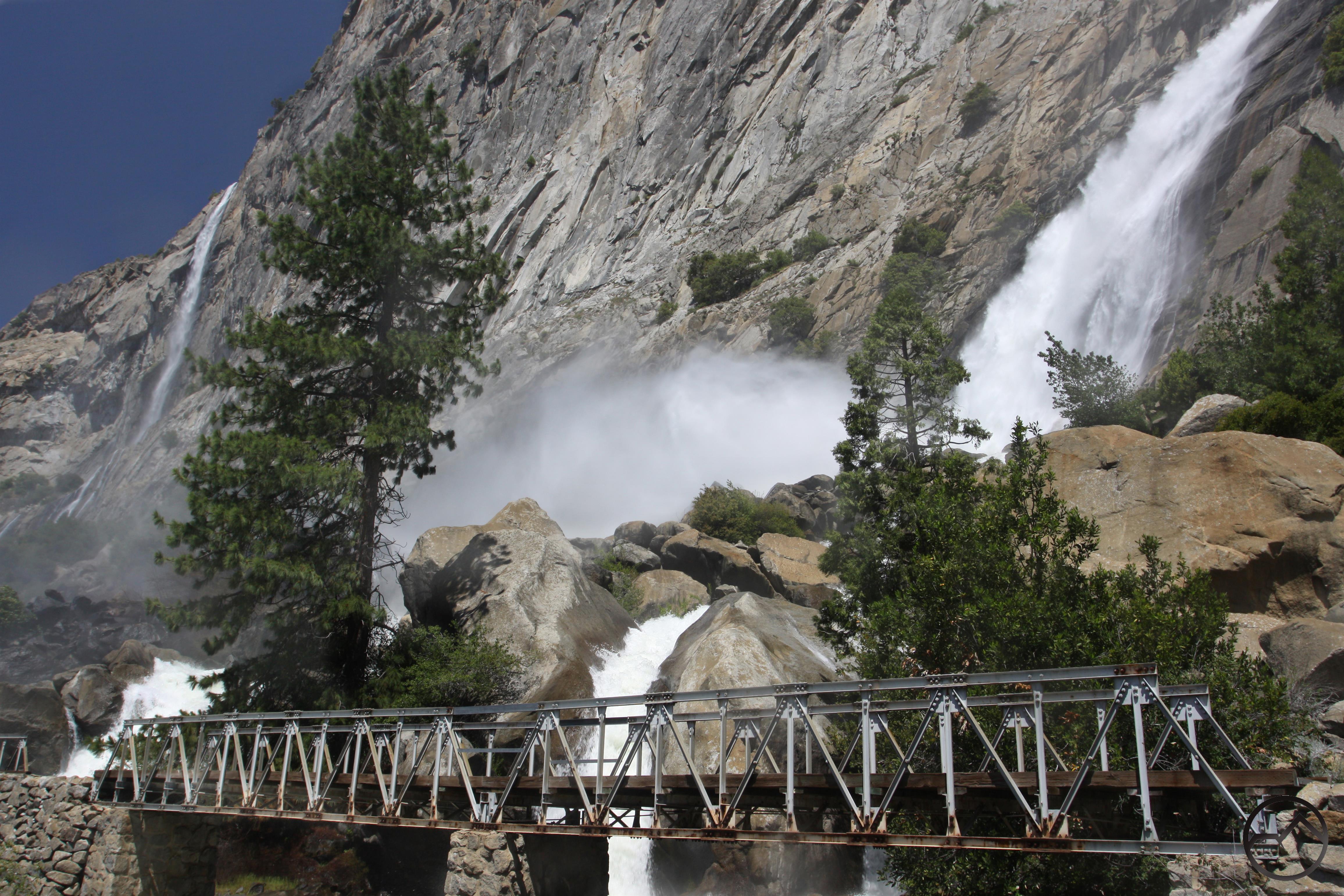
Since there are so many analogs between Yosemite Valley and Hetch Hetchy, it seems fitting that there is a counterpart of Yosemite’s iconic Mist Trail. Rather than ascending alongside the river to the base of the falls and then higher, up steps and through cracks, to the top of the Vernal Falls, in Hetch Hetchy the trail simply makes a linear traverse across the talus slope that lies at the base of Wapama Falls. Bridges provide quick passage across the massive rock pile and over the churning water tumbling down the rocks. The volume of Wapama Falls is so great that the bridges are constantly blasted by powerful mists. When the falls hit the rocks at its base, it detonates into massive plumes of mist that is then blown by powerful winds down on the bridges below. The creek is shattered by this impact and fractured into several channels that descend through the talus. Each of the separate channels are large and powerful as well and pour down the rocks strikingly close to the bridges. Hikers must prepare to get soaked!

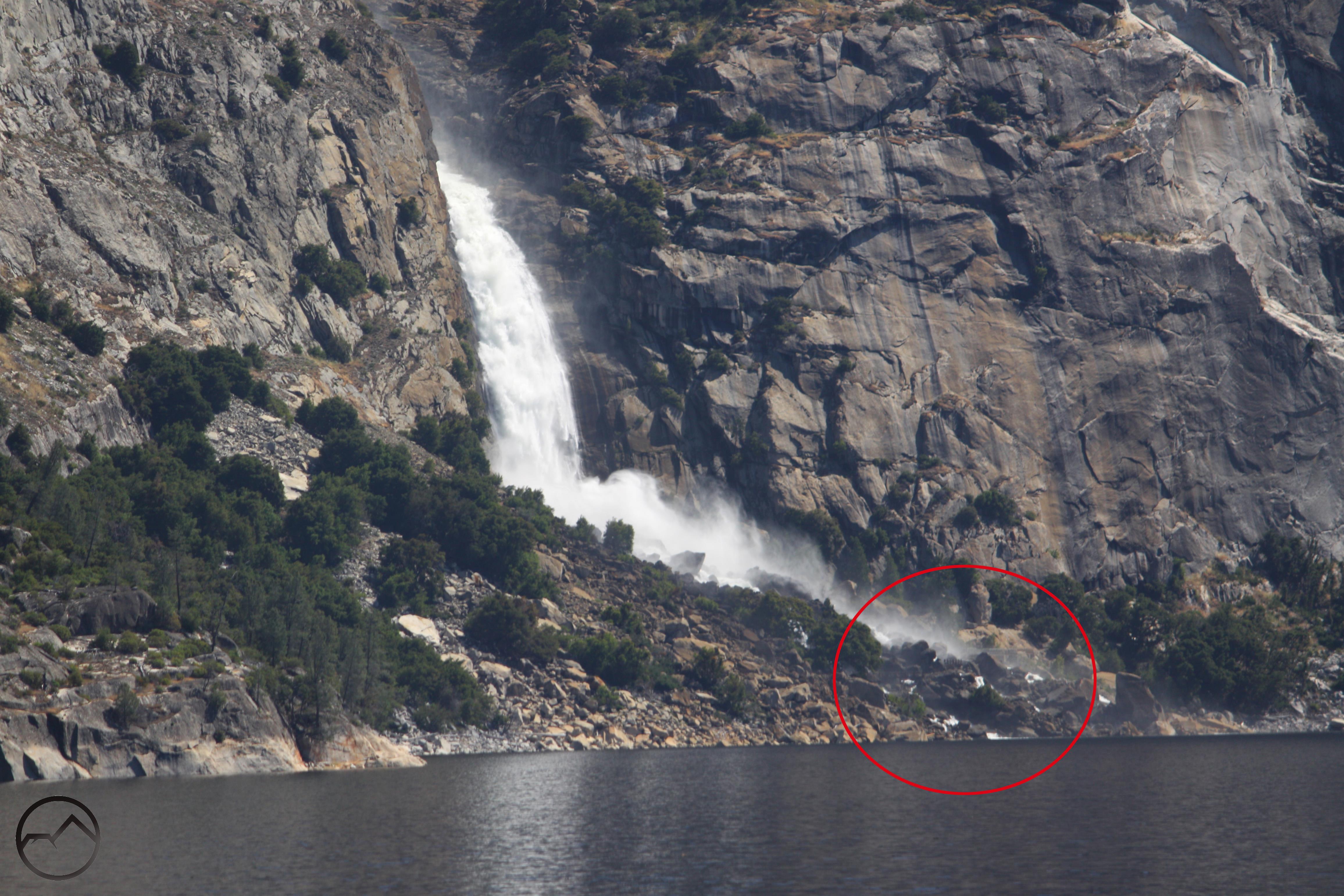
The bridges of Wapama Falls, circled in red.

When crossing the bridges, it is difficult to get a sense of the scale, both of the passage (how small we are) and the falls itself (how big Wapama Falls is). This is better appreciated from the dam, or from a vantage point further up the trail to the east. Indeed, from this spot Wapama Falls, its bridges and Tueeulala Falls are arranged in incredibly dramatic fashion, highlighting just how spectacular the entire area is. Now, it that dern lake would drain and make the area perfect!

Enlarge the image to spot the bridges and appreciate the area’s scale.

I can imagine a scene where hikers crossing the bridges below Wapama Falls can pause and catch their breath in the mist and gaze south. Two hundred of feet below, the Tuolumne River meanders through the lush meadows of Hetch Hetchy. The splendid tower of Kolana Rock overshadows all and the roar of the falls drowns out everything but what the eyes can feast on. If this were so, the Other Mist Trail would take its rightful places among the most spectacular, not just in Yosemite or the Sierra Nevada, but in all of America.

Rancheria Falls

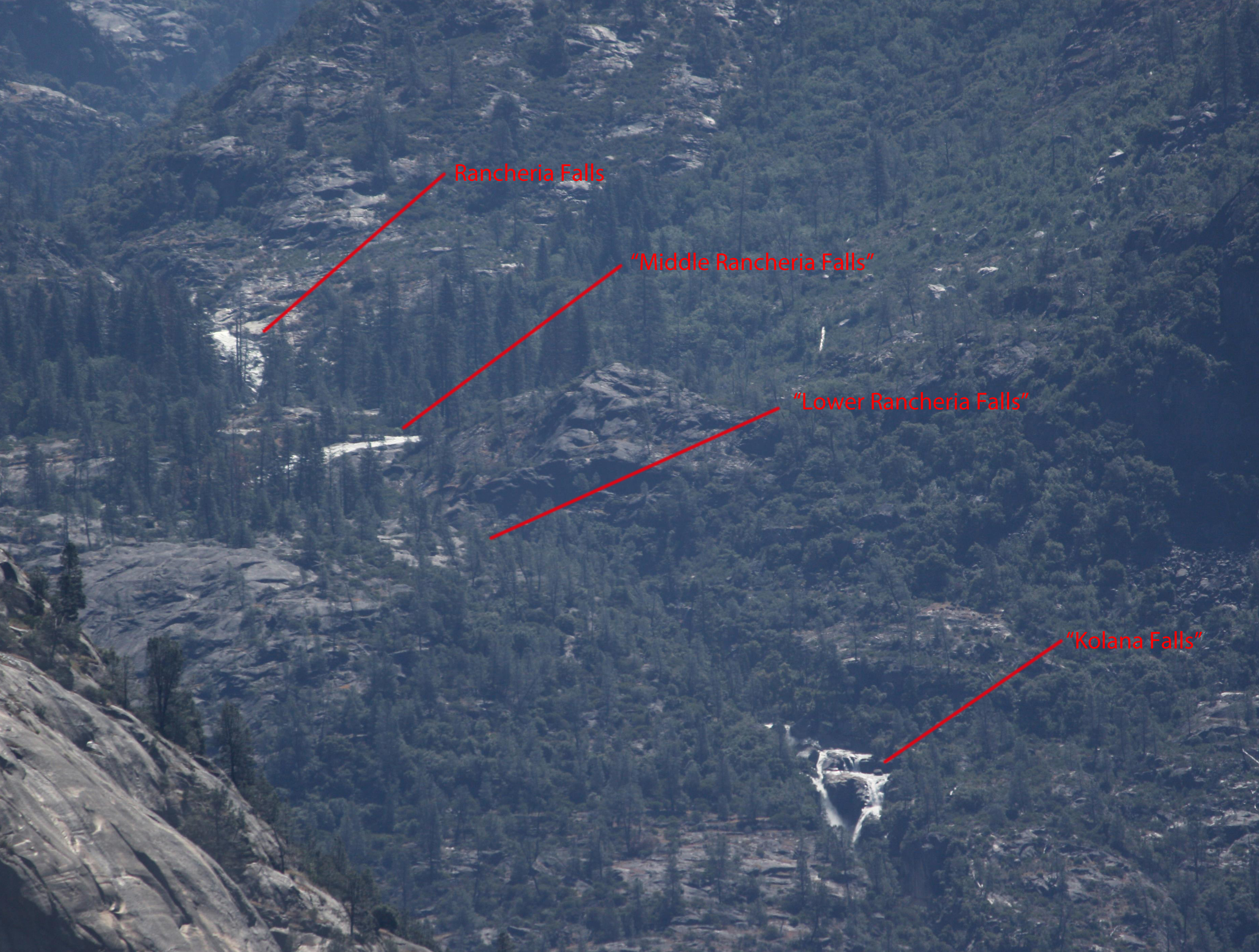
There are several impressive waterfalls at the end of Rancheria Creek.

Hetch Hetchy does have a third waterfall, though it is quite different to the valley’s primary pair. Rancheria Creek stretches 22 miles to the north and is the largest tributary of the Tuolumne River withing Yosemite National Park. Its headwaters are just across a low divide from Peeler Lake, a spectacular hiking destination approached from the Twin Lakes/Mono Village area. Much of the creek’s passage is through classic High Sierra terrain. These conditions have changed dramatically by the time the creek arrives at Hetch Hetchy. The area is lower in elevation and somewhat drier, with more brush and even some scattered Gray Pines. However, Rancheria Creek finishes its journey in dramatic fashion, pouring over a series of unusual waterfalls.

When I was younger, I enjoyed studying maps of Yosemite and the identification of Rancheria Falls always intrigued me. It just seemed off on its own, further in the backcountry than the other two falls in Hetch Hetchy. When I finally hiked out there, I found the area a little confusing. The map marked the falls in one spot, and sure enough, there was a cataract there. However, this was joined by an extremely impressive cascade immediately downstream. Even further downstream, a pair of waterfalls dropped down into a extremely linear and vertically walled granite gorge. It seemed as though any of these was unique enough, large enough and beautiful enough that they could be identified as Rancheria Falls. After some study and exploration, I concluded that the upper cataract was, in fact, Rancheria Falls but that the other falls needed names too. In the end I settled on Rancheria Falls, “Middle Rancheria Falls” and “Lower Rancheria Falls”. The final drop, however, I dubbed “Kolana Falls”, after the towering rock that loomed over the spot and was located just across the lake from where Rancheria Creek would have joined the Tuolumne.

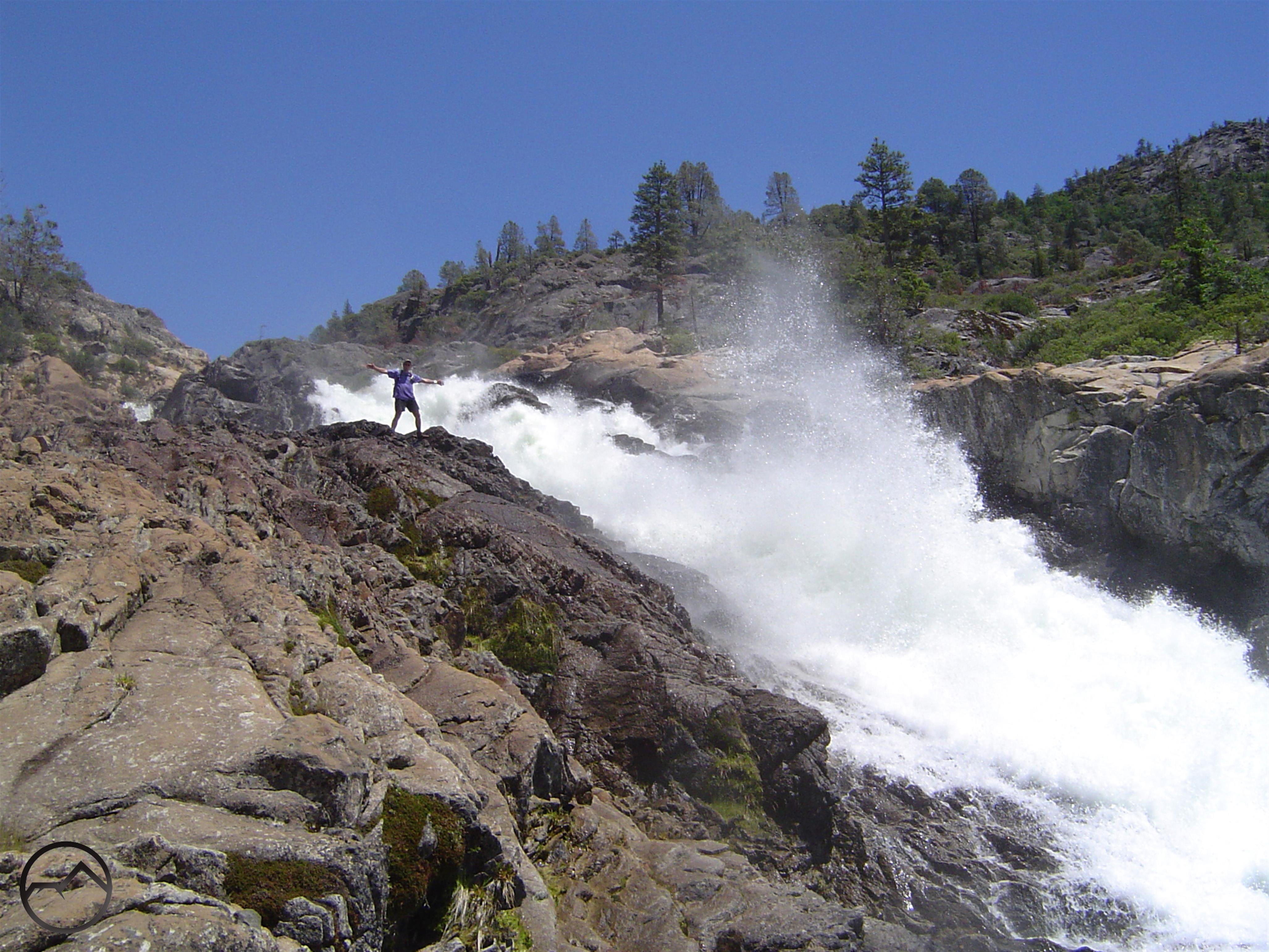
My brother provides scale for the steep race through the rocky chute.

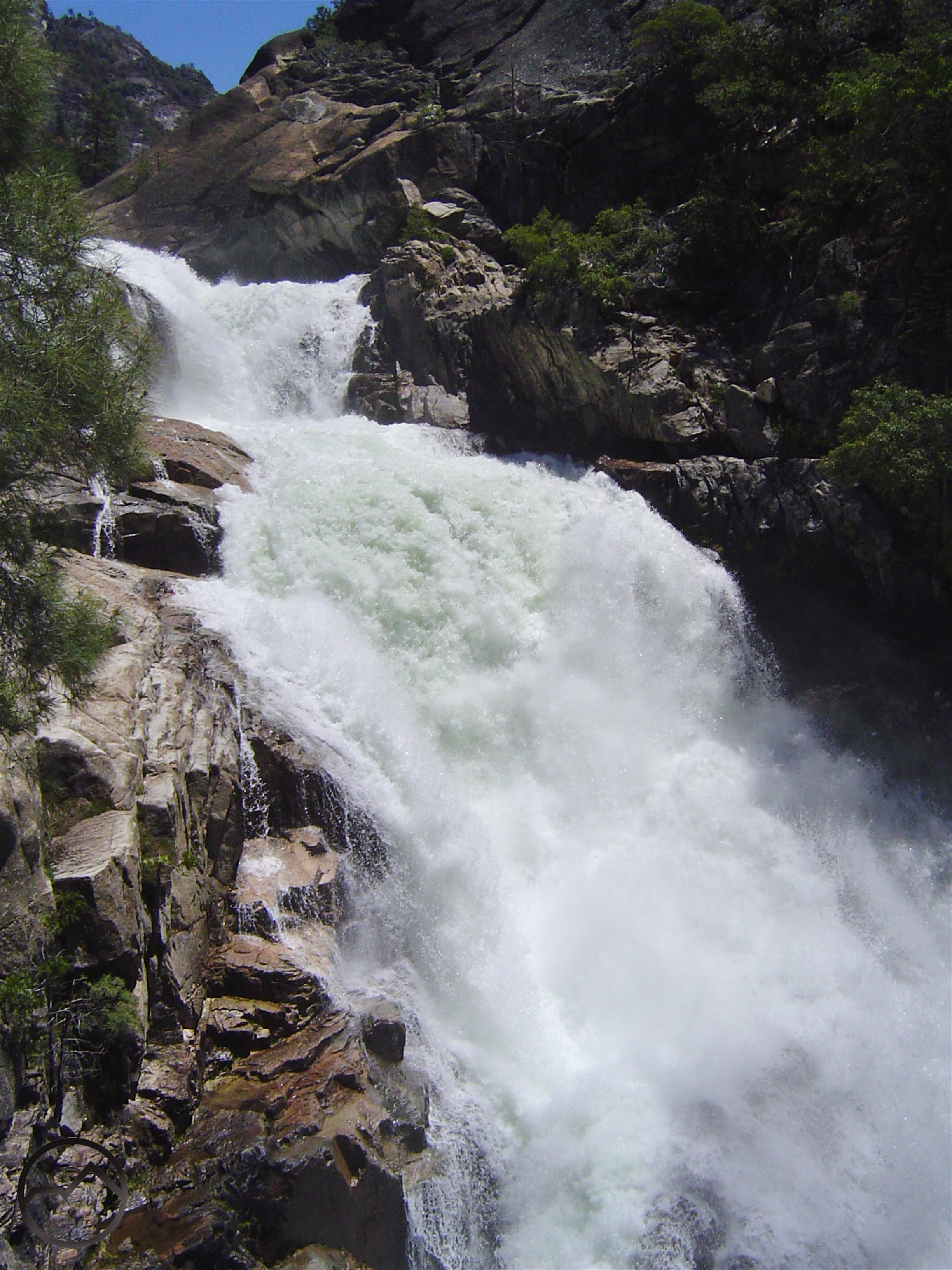
The main falls consists of two parts. There is a steep decent down a granite chute before a freefall of about 10-15 feet. Put together, I think the entire formation is Rancheria Falls. What really sets the falls apart, however, is the volume of water flowing over them, especially in spring and early summer. Rancheria Falls really is an impressive storm of foam and spray, especially when you consider the chute section and the final drop as one single unit. It is an intimidating stretch of torrential whitewater that ends with a short, but tremendously strong drop.


My brother again provides scale for the final drop of Rancheria Falls.

Unfortunately, the trail does not travel near the falls until it crosses over Rancheria Creek at the very top of the cataract. To truly appreciate the falls, one must scramble off trail. The trail does, however, pass alongside the creek just below the falls, where it pours over another impressive cascade.

This section is often misidentified as Rancheria Falls and I have dubbed it “Middle Rancheria Falls”. Here the water is compressed through a narrow gap in the rocks before fanning out into an exceptionally wide waterslide across a granite slab. Waves surge and subside as the water slides over the increasingly wide rock. Since the trail passes right alongside this formation, it is often regarded as Rancheria Falls. While the cascade is certainly impressive it is not the falls. Nonetheless, I think it is deserving of the moniker recognizing it as a middle waterfall.

The upper half of “Lower Rancheria Falls”

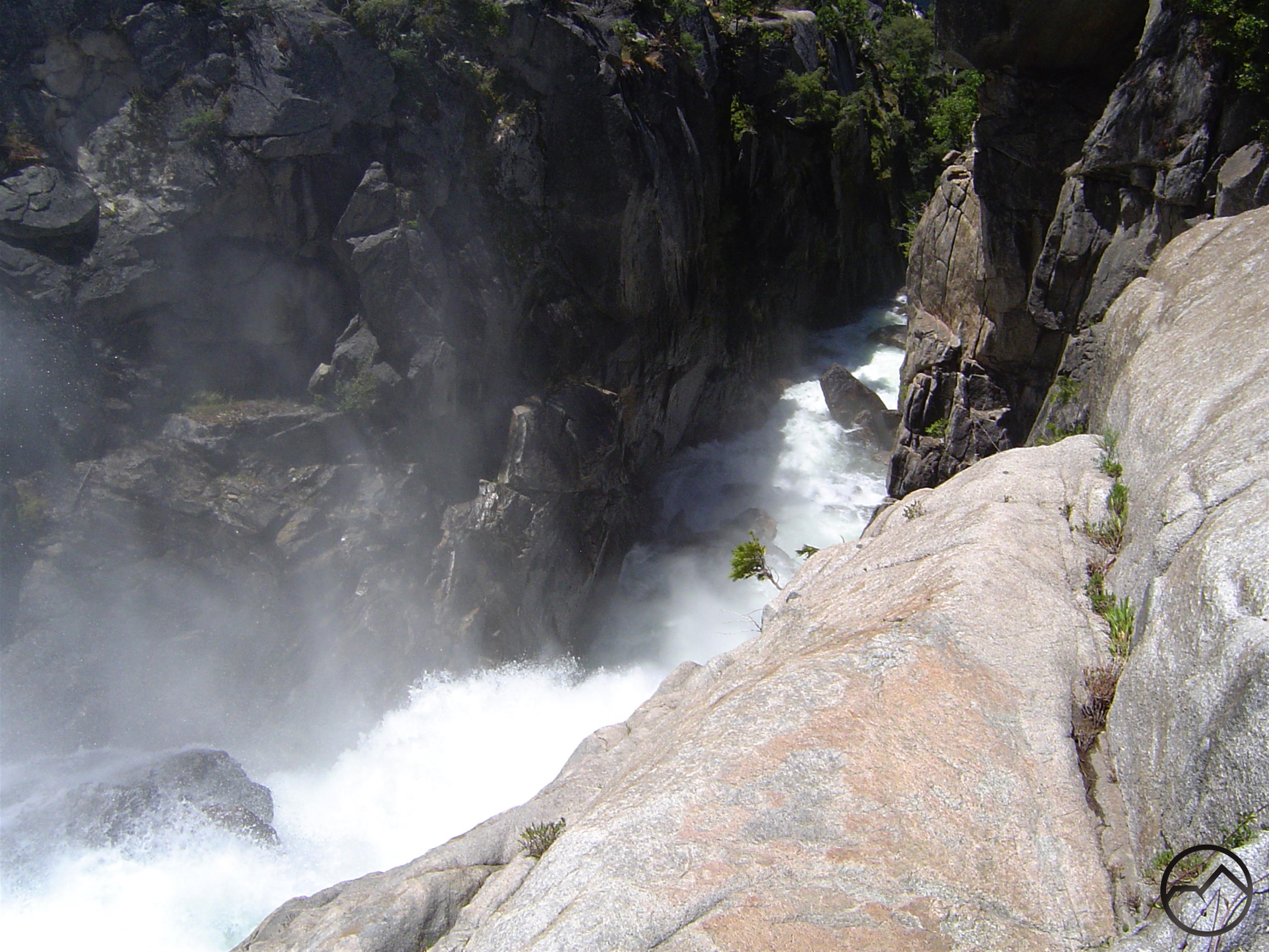
Just downstream from the cascade that is “Middle Rancheria Falls” the creek plunges over another waterfall, this one more vertical than the other two. Due to its proximity to the other falls, I christened this one “Lower Rancheria Falls”. Unfortunately it is difficult to appreciate it, since leaps into an impressively narrow granite slot. The water fills the entire canyon and the cliffs hem in the water very tightly.

Looking down the narrow slot of Rancheria Creek.

The slot is impressively straight and descends steeply as it heads to the stilled waters of the Hetch Hetchy. However, one final waterfall exists along the creek before Rancheria Creek has spent all its strength.

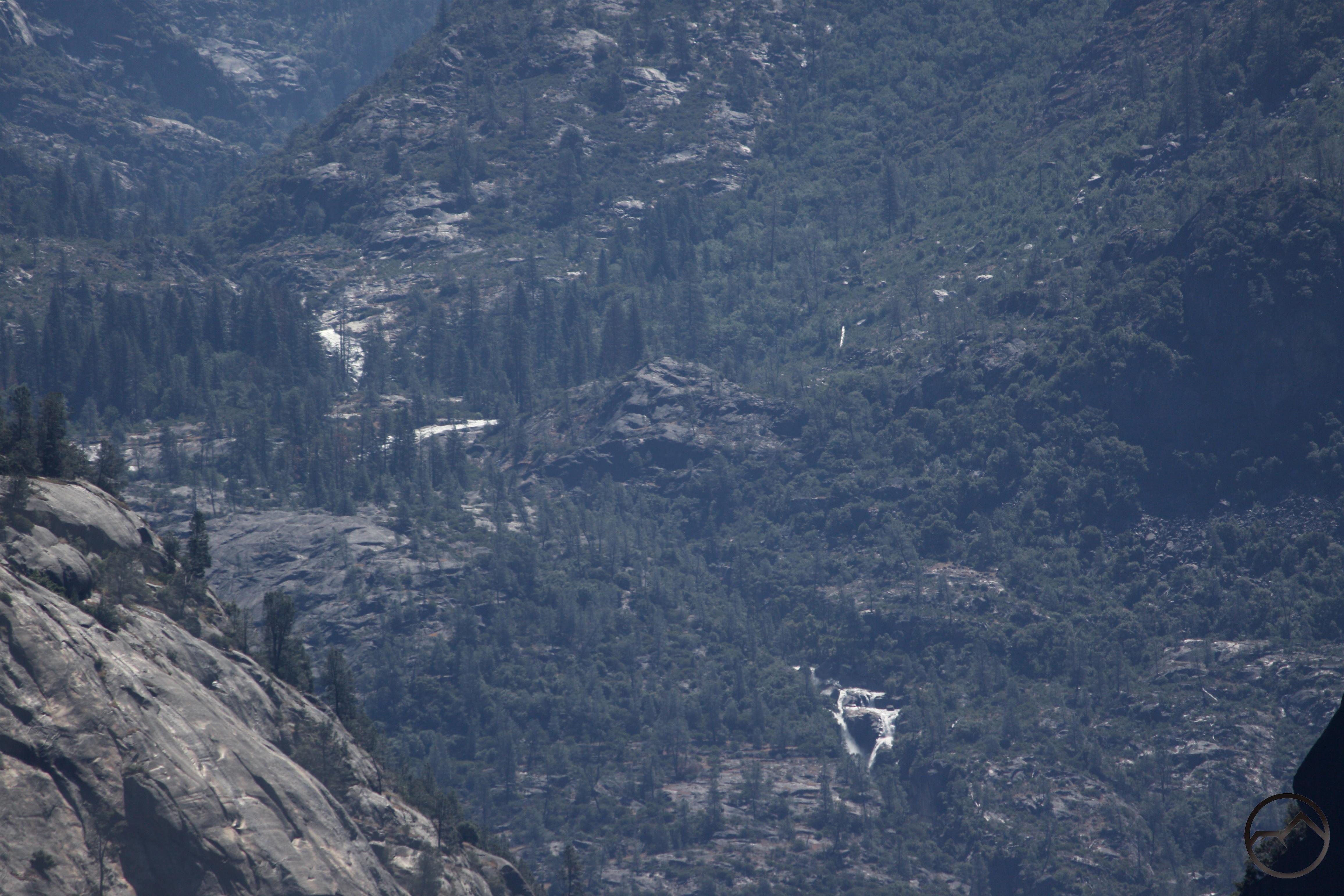
I confess to only having seen the final waterfall from afar and not having visited it myself. Despite this, when viewed through a telephoto lens, the waterfall does indeed appear to be quite impressive. It seems the equal in height and volume to Rancheria Falls but even more vertical. Nameless as far as I know, I decided to name this final waterfall on Rancheria Creek. Given the creek’s view of, and position opposite to, Kolana Rock, I decided that calling “Kolana Falls” is acceptable.

In the end, one ought to come to terms with Hetch Hetchy’s condition and enjoy its beauty. The granite walls are awesome and the waterfalls are tremendous. Perhaps one day we will be able to enjoy lush meadows along a meandering river and gaze up at the tower cliffs and the massive waterfalls thundering down them.

Yosemite Week: My Two Favorite Places In Yosemite

Posted by bubbasuess on July 28, 2020
Posted in: Hiking, Mount Shasta, Sierra Nevada, Yosemite. 5 Comments

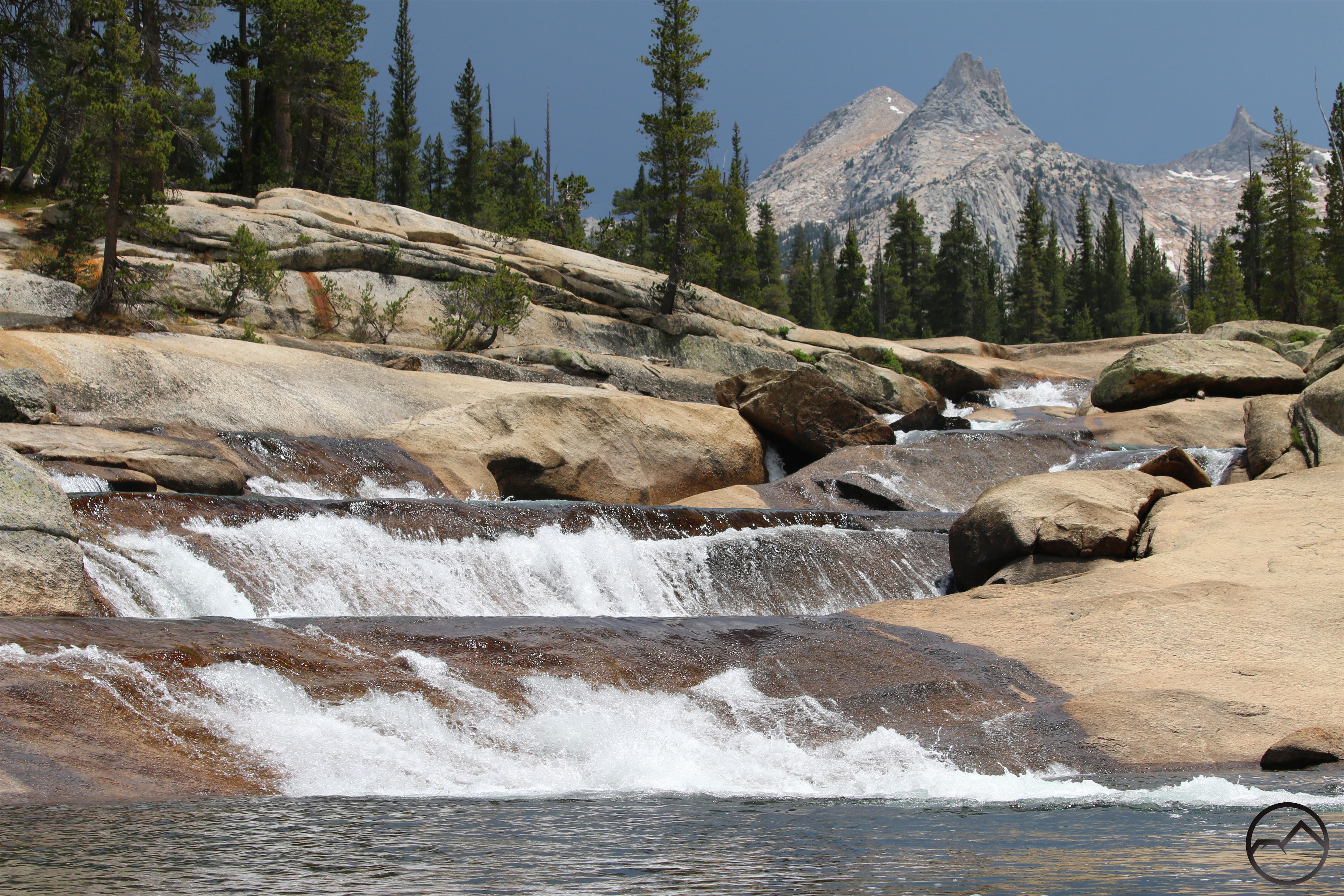
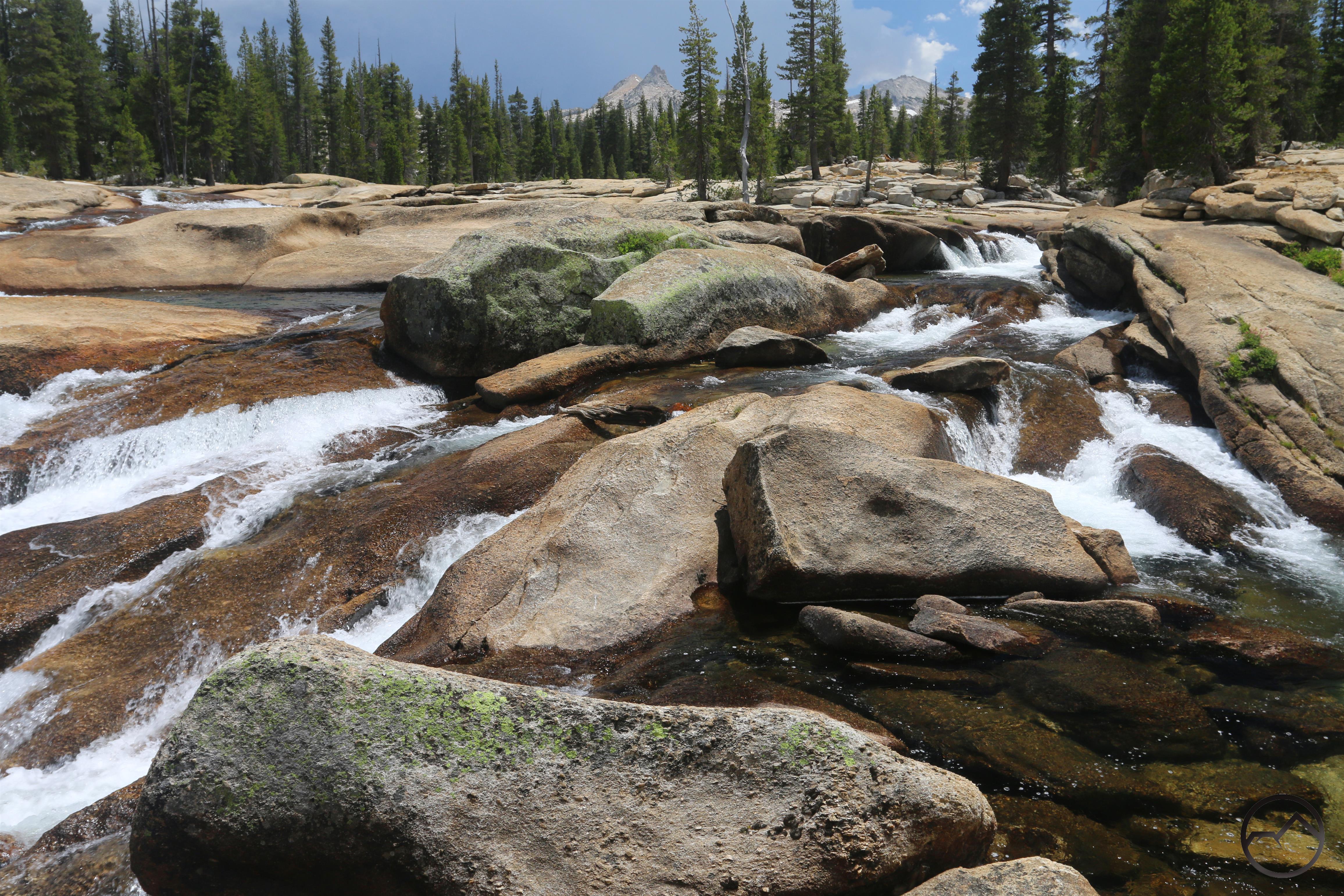
Granite spires of the Cathedral Range tower of the Tuolumne River.

I love all the trails in Yosemite (except the climb out of Pate Valley. I do not like that trail.) but it turns out that my two favorite spots in the park are not located on official trails. There are some use trails and unofficial paths but both spots are off the main flow of hikers in Yosemite. While that is certainly a positive feature, that is not the main reason I cherish these two places. It is because they capture the essence and best qualities of the two best parts of Yosemite. One is a staggering view of Yosemite Valley while the other is along a less traveled part of the Tuolumne River, where the water flows over granite slabs and troughs. These two spots are probably my most favorite places on earth.

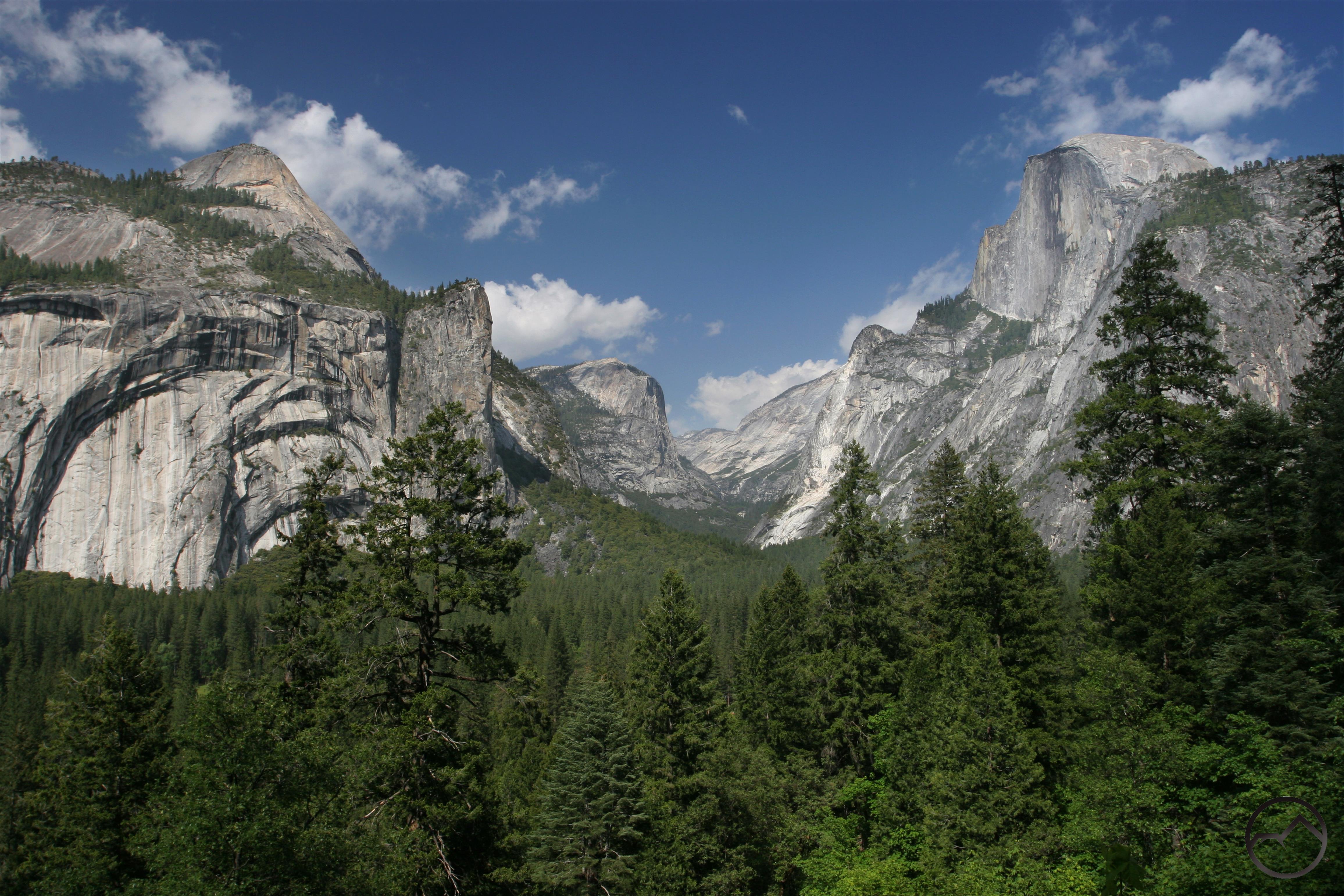
If I had to pick one of the two, my favorite would be a special vantage point of Yosemite Valley. Accessed from the valley floor and located at the base of a beautiful waterfall, there are no trails to this area but it is easy to access nonetheless. The view, however, is immense, taking in all the northern cliffs from Eagle Peak to Washington Column. Yosemite Falls (my personal favorite) is prominently visible from here. Beyond Washington Column the view continues, penetrating deep into Tenaya Canyon, past Mount Watkins and all the way to Clouds Rest. Above this scene presides Half Dome, the monarch of the Valley. This can all be enjoyed while listening to the crash of the waterfall and enjoying the mist as the water hits the rocks. From here, all the roads and buildings of the valley disappear in the trees and it is like being transported back in time, seeing the valley as it might have appeared to John Muir.

My other favorite spot is in the Yosemite high country, near Tuolumne Meadows. This area is not accessed by any official trails but a pleasant use trail leads easily to it. This area is a like a delightful fountain (I know this is a ludicrous comparison, but it sometimes reminds me of the Forth Worth Water Gardens!) where the water flows this way and that, from one channel to another, falling over beautiful cataracts along the way. Some of the water cascades, some free falls, on other areas it spreads out like a then veneer over a granite slab. It is a distilled version of all the best parts of the Tuolumne, especially the river’s spectacular passage into the Grand Canyon of the Tuolumne, from above Glen Aulin down to Waterwheel Falls. Over all of this, towers of the Cathedral Range, including Johnson Peak, Unicorn Peak, the Cockscomb and Cathedral Peak are all prominently visible. It is a glorious slice of Tuolumne High Sierra.

Yosemite Week: Yosemite Lost? Areas Lost To Yosemite By The 1906 Realignment

Posted by bubbasuess on July 28, 2020
Posted in: Hiking, Mount Shasta, Sierra Nevada, Yosemite. 3 Comments

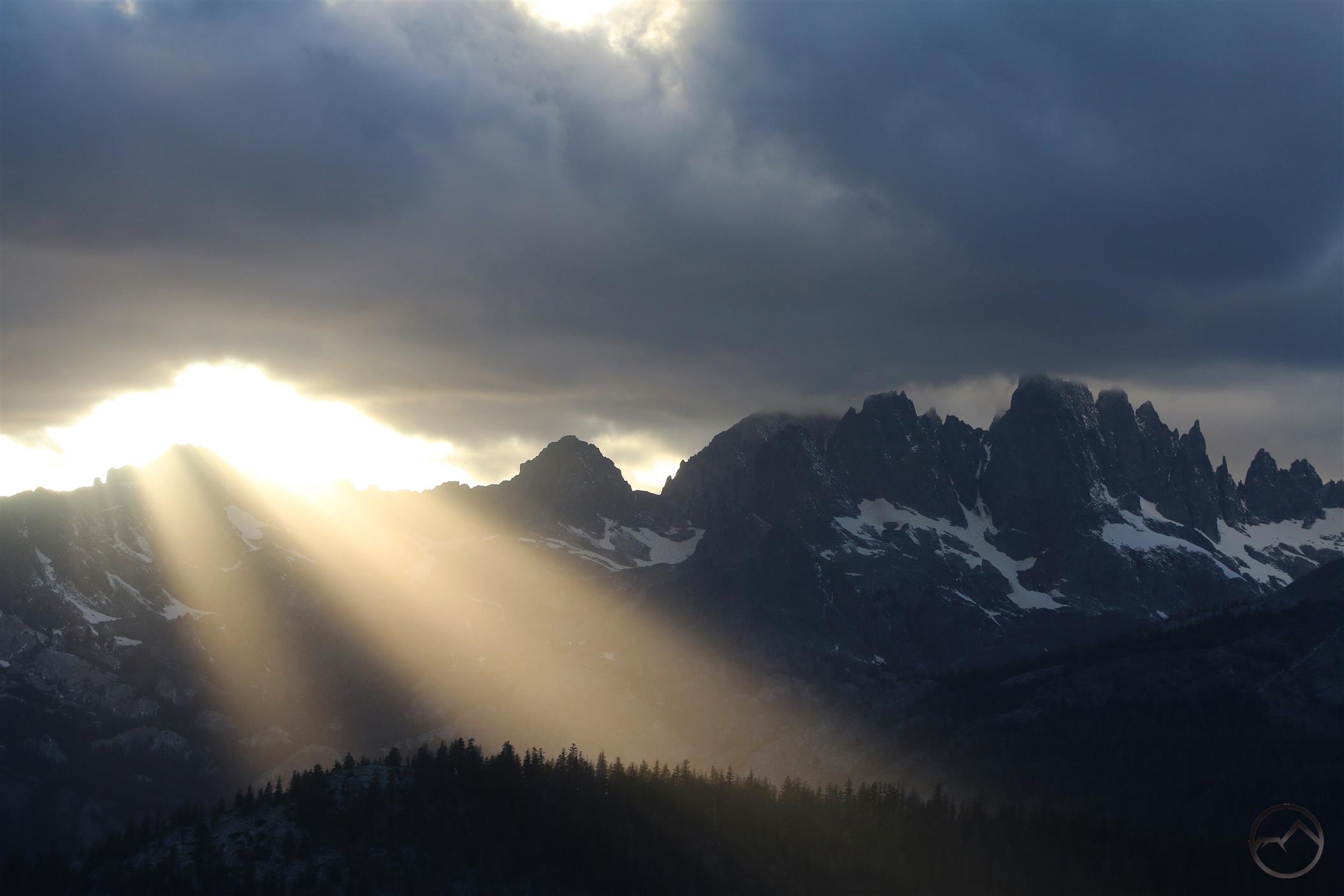
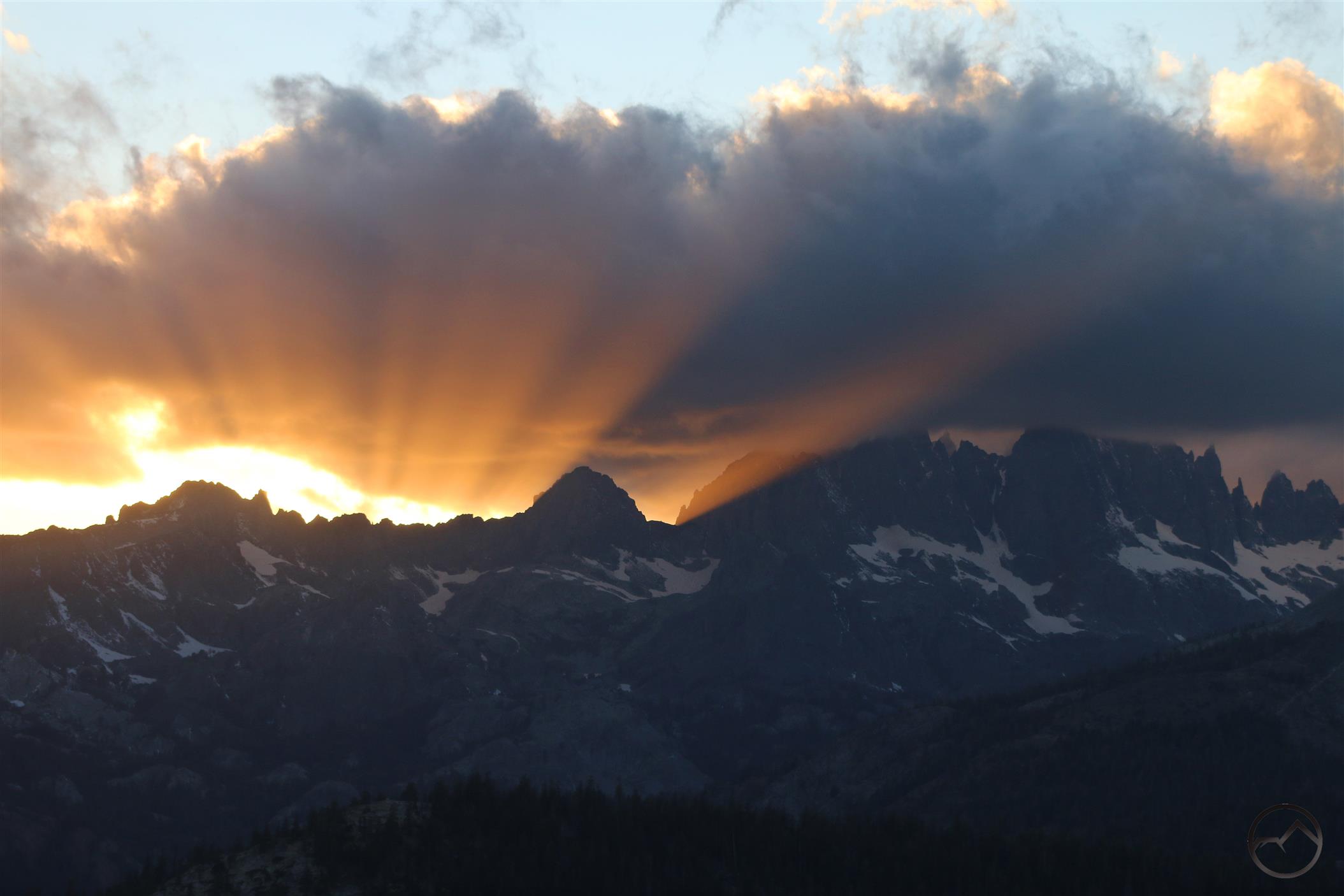
Sunset over the Minarets, once a part of Yosemite.

It seems likely that whenever Yosemite is thought of today, we assume that it exists now as if it were established that way. The boundaries are what they always have been and the park encompasses all the landmarks that we associate with the park. However, that is most definitely not the case. The park has actually changed its shape considerably since it was founded and significant tracts of land were both added and subtracted to the park’s area. Many of the areas that were once a part of Yosemite, yet are no longer, would likely be iconic landmarks of the national park today. They are every bit as beautiful as the rest of the park but are no longer of it. They could be considered Yosemite lost.

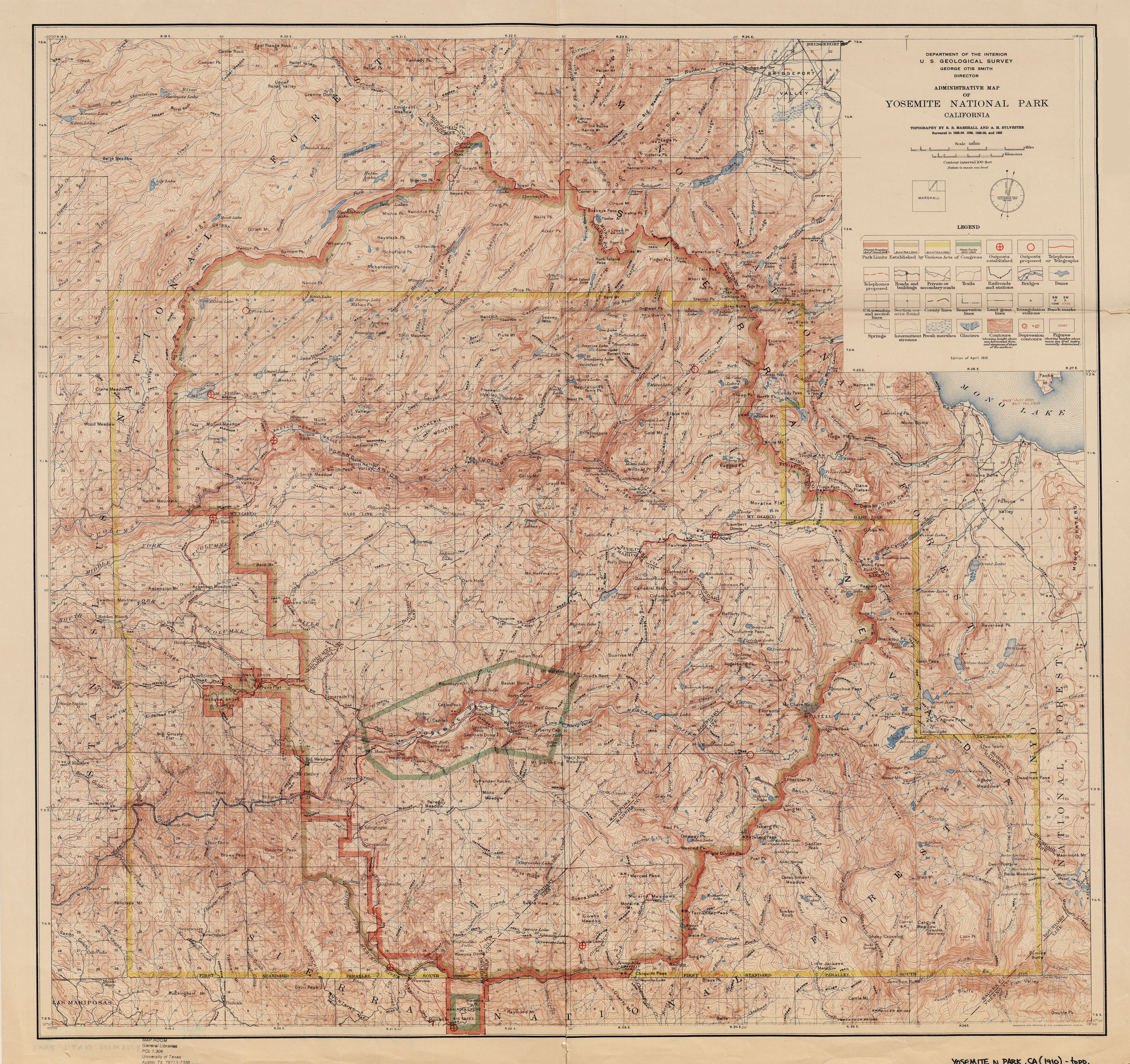
Yosemite National Park was established by congress in 1890. At the time of the historic event, Yosemite Valley and the more southerly Mariposa Grove of giant sequoias had already been deeded over to the state of California for protection by President Abraham Lincoln in 1864. The land of these grants was somewhat arbitrarily established, especially the area containing Yosemite Valley. To determine the boundary of what was deeded to the state, the federal government simply established lines between peaks and other prominent points like the Merced River. At the time, with little survey work and lacking accurate maps, this was the easiest way to establish borders.

When the national park was created in 1890, times had changed and most of the land west of the crest of the Sierra Nevada had been surveyed. Consequently the boundaries were once again established arbitrarily but on the basis of survey lines. When surveying takes place, land is divided up into sections, which consist of 1 square mile of land. These are then grouped into townships, which are 36 sections grouped in squares, that have 6 miles on each side. When the park boundaries were laid out during the legislative process, it consisted of 30 townships surrounding the stated controlled land of Yosemite Valley and the Mariposa Grove. However, much of the land on the east side of the Sierra Nevada crest had not been surveyed. Lower down, closer to settlements on the east side of the range, the land had been surveyed. Thus, for good measure, all the unsurveyed land between the crest and the mapped areas lower down were included in Yosemite National Park.

Historic map of Yosemite’s early boundaries. The 1864 grants are in green. The original park boundaries are marked by the faint yellow line. The new boundaries after the 1906 realignment are in brown. Zoom in on this map. There is a lot of great detail.

After the park was established, federal land administration continued to evolve. It soon became doctrine that administrative divisions were best created along river watershed lines. In many areas with larger mountain regions, this allowed lands to be accessed by ranger more feasibly and it unified management programs for entire watersheds, rather than having one part of a river managed one way while downstream there may be a different agenda. This posed problems for Yosemite. Although the entire headwaters of the Merced were in the park, the northern portions of the Tuolumne River watershed were haphazardly left out. Even more complicated, the North and Middle Forks of the San Joaquin River were included in Yosemite. Much of this land, especially the region of the Middle Fork was only realistically accessed from the Mammoth area on the east side.

It was decided that that park’s boundaries needed to be realigned to fit into the new doctrine of watershed management. Thus, in 1906 the park boundaries were altered, the new limits were being reckoned along the crest of the Sierra Nevada in the east and the the divides between the Tuolumne and Stanislaus Rivers in the north and the Merced and San Joaquin Rivers in the south. This gives Yosemite a much more organic appearance when looking on the map. Equally important, Yosemite Valley and the Mariposa Grove were repossessed by the federal government and added to the national park. Further adjustments were later made on the western edges of the park but this significant action permanently reset Yosemite.

Since most the land added to the park is remote wilderness in the north, it did little to alter the experience of most visitors to Yosemite. The valley remained the epicenter of the Yosemite experience and it was now firmly ensconced with the park, both geographically and administratively. However, substantial tracts of land east of the Sierra crest were now lost to Yosemite. All of this land is rugged, mountain wilderness but some of it is among the most spectacular alpine country in America and has gone on to achieve iconic status on its own terms. It is fascinating to think what the public conception of Yosemite would be today if this land had remained within the park. Images that could come to mind when the fabled name of Yosemite is uttered could include Half Dome, Yosemite Falls and Thousand Island Lake or Mount Ritter. Rainbow Falls would take its rightful place within the pantheon of great Yosemite Cataracts. Parker Lake would be a popular hike much like the hike to Cathedral Lakes. The human geography of the eastern side of the Sierra Nevada would look much, much different than it now does.

So what does this lost Yosemite look like? What could have been a part of the famed park? They are still explored, enjoyed and admired, but likely much of it is far less known than if it were part of the park. Thankfully, it is now all preserved in the Hoover and Ansel Adams Wilderness Areas. The following are some examples of the lost Yosemite.

Green Lakes Basin, Hoover Wilderness

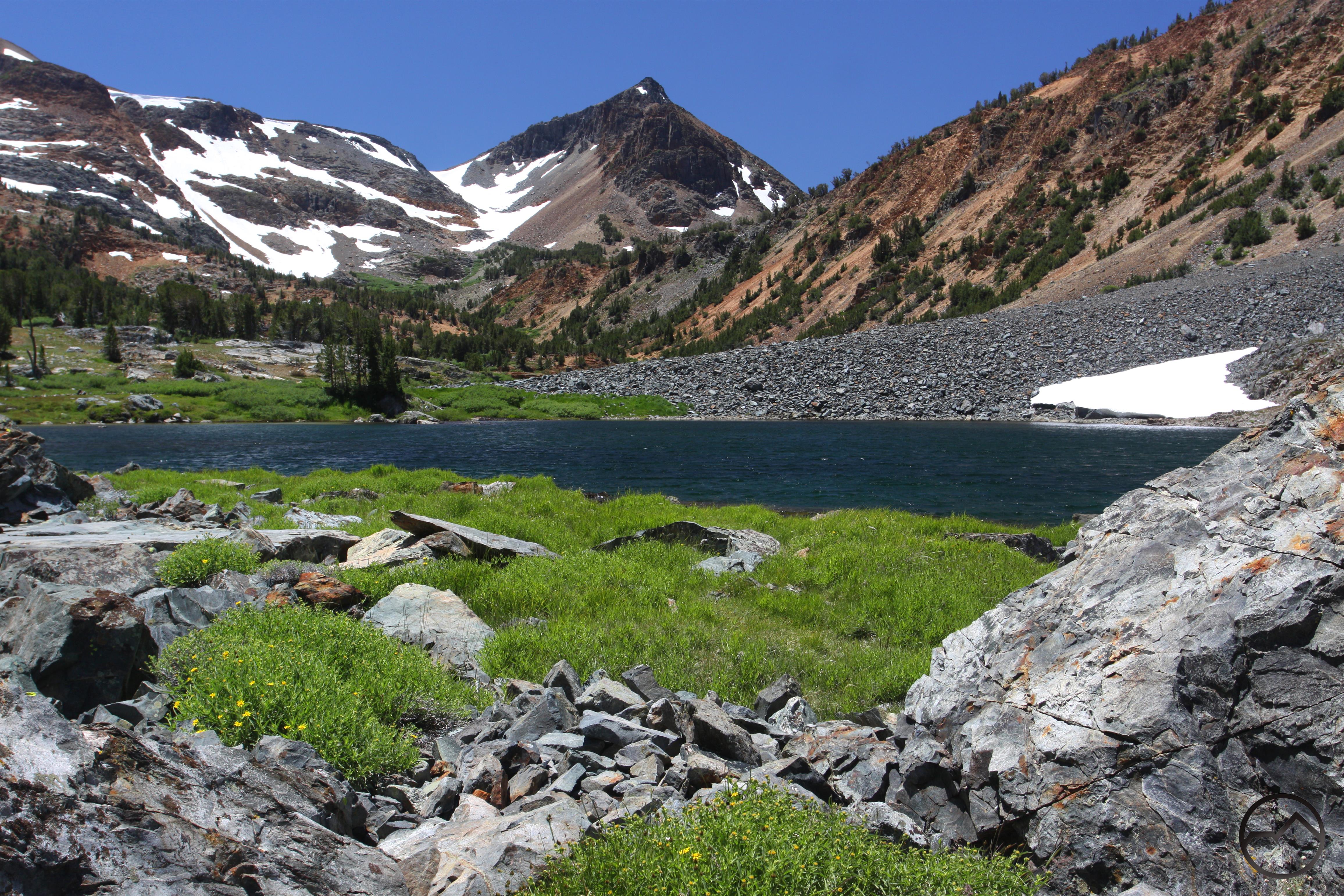
While the largest lakes of the Green Lakes Basin, including Green and East Lakes are outside the arbitrary 1890 park boundaries, the Hoover Lakes are in the park. The lakes are not large but the basin, located between Dunderberg and Epidote Peaks, is spectacular.

Virginia Lakes Basin, Hoover Wilderness

Once again, the random lines of the 1890 park left cut a lake basin in half. Virginia Lake itself is left out but Blue Lake and some of the smaller lakes higher up in the basin are included. This area has beautiful aspen stands and rugged peaks. An good trail network exists here and connects to the Hoover Lakes in the adjoining lake basin. With good road access, it would be easy to see this area well developed by the national park, drawing far more attention than it currently gets.

Lundy Canyon, Hoover Wilderness

Lundy Canyon is one of the most spectacular chasms in the Eastern Sierra. Loaded with waterfalls, soaring cliffs and spectacular fall color, it would be an iconic destination within Yosemite. Instead, while increasingly popular, its name is not well known outside of fans of hiking and aspens in the autumn. The adjacent 20 Lakes Basin was also included in the 1890 park. The hike from Lundy Canyon to the lake basin, once the one of the most spectacular trails in the Sierra (a rockslide in 2006 wiped out a critical section of trail) would no doubt be a Yosemite classic.

Sardine Lakes, Ansel Adams Wilderness

With incredible views down to Mono Lake, the Sardine Lakes are practically already a part of Yosemite. They lie just feet outside the current park boundary, just below Mono Pass. The best way to hike to them is from Tioga Road and make a lollipop that includes pastoral Spillway Lake.

Parker Lake, Ansel Adams Wilderness

One of the most distinctive and spectacular lakes in the Sierra Nevada, Parker Lake would no doubt be a favorite destination in Yosemite. Parker Lake is unusual because it is a large lake that sits at the foot of the eastern Sierra escarpment, rather than higher up in the range, similar to famed Convict Lake. This beautiful spot was not spared the random boundary lines. The easternmost tip of the lake was left out of the park.

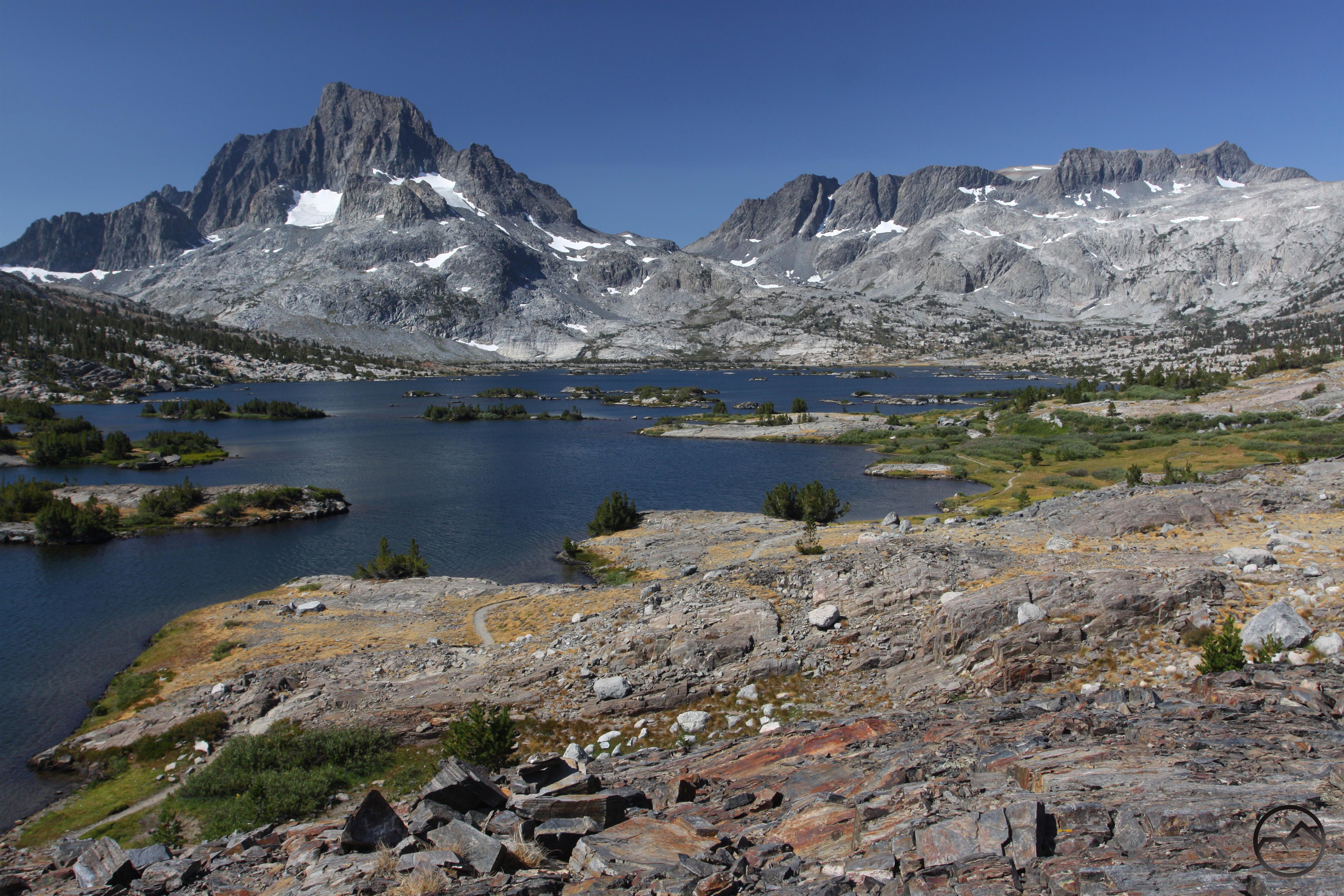
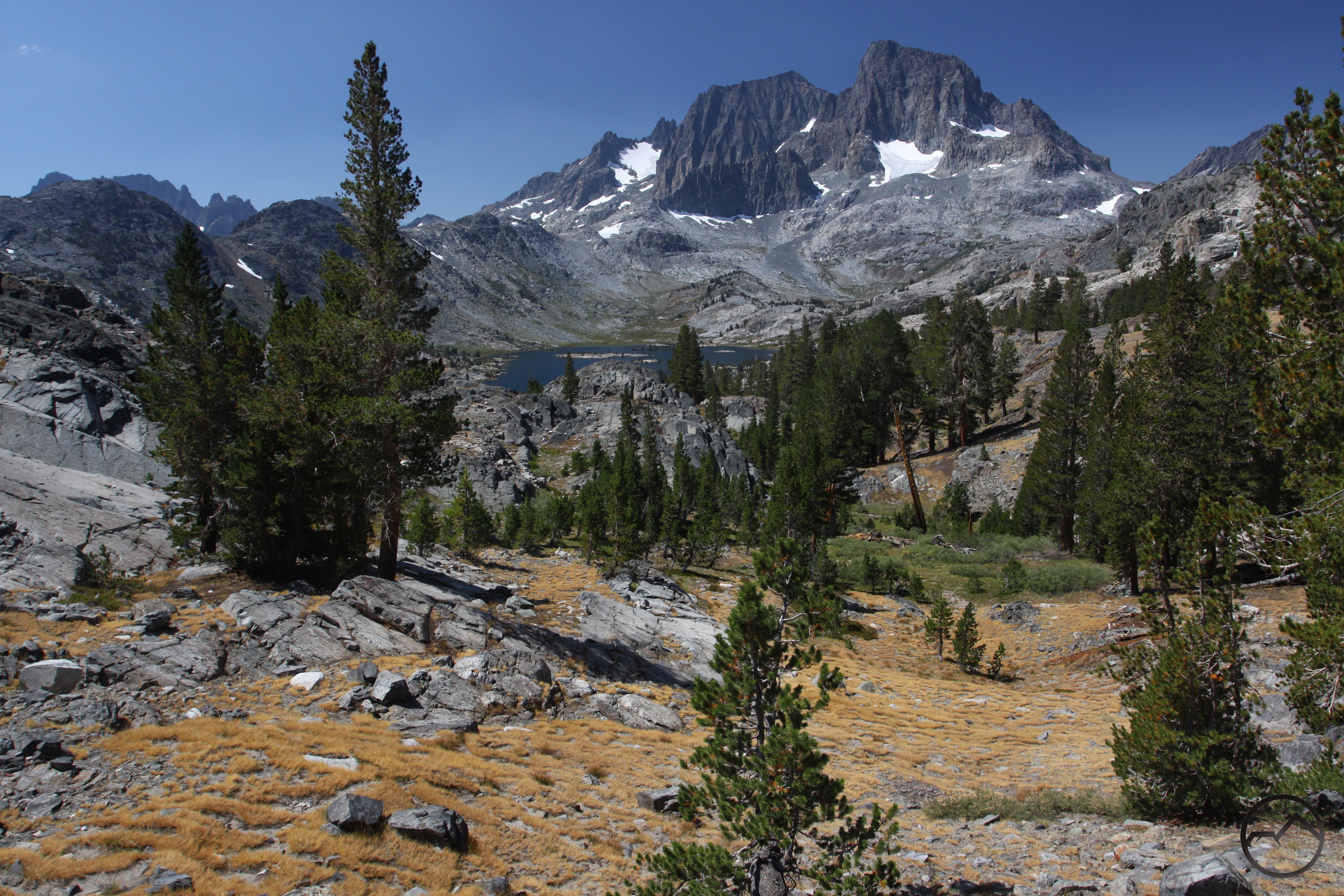
Thousand Island Lake and the Ritter Range, Ansel Adams Wildereness

The Ritter Range is one of the most spectacular slices of mountain scenery you will find. It is simply sublime. If it had been left in the park, it would be the third hub of a Yosemite Triad: the Valley, Tuolumne Meadows and the Ritter Range. While the grand towers of Ritter and Banner are the obvious epicenters, Thousand Island Lake would no doubt be a prime draw. It is simply one of the most beautiful places on earth.

The Ritter Range (in general), Ansel Adams Wilderness

The Ritter Range is a huge area and most of it falls within the 1890 Yosemite boundaries. Surrounding Ritter and Banner are plenty of other alpine lakes (including massive Garnet Lake, nearly the equal of Thousand Island Lake) and other alpine delights. Meadows, waterfalls, rocky expanses and all the best features of the wild mountains define this area.

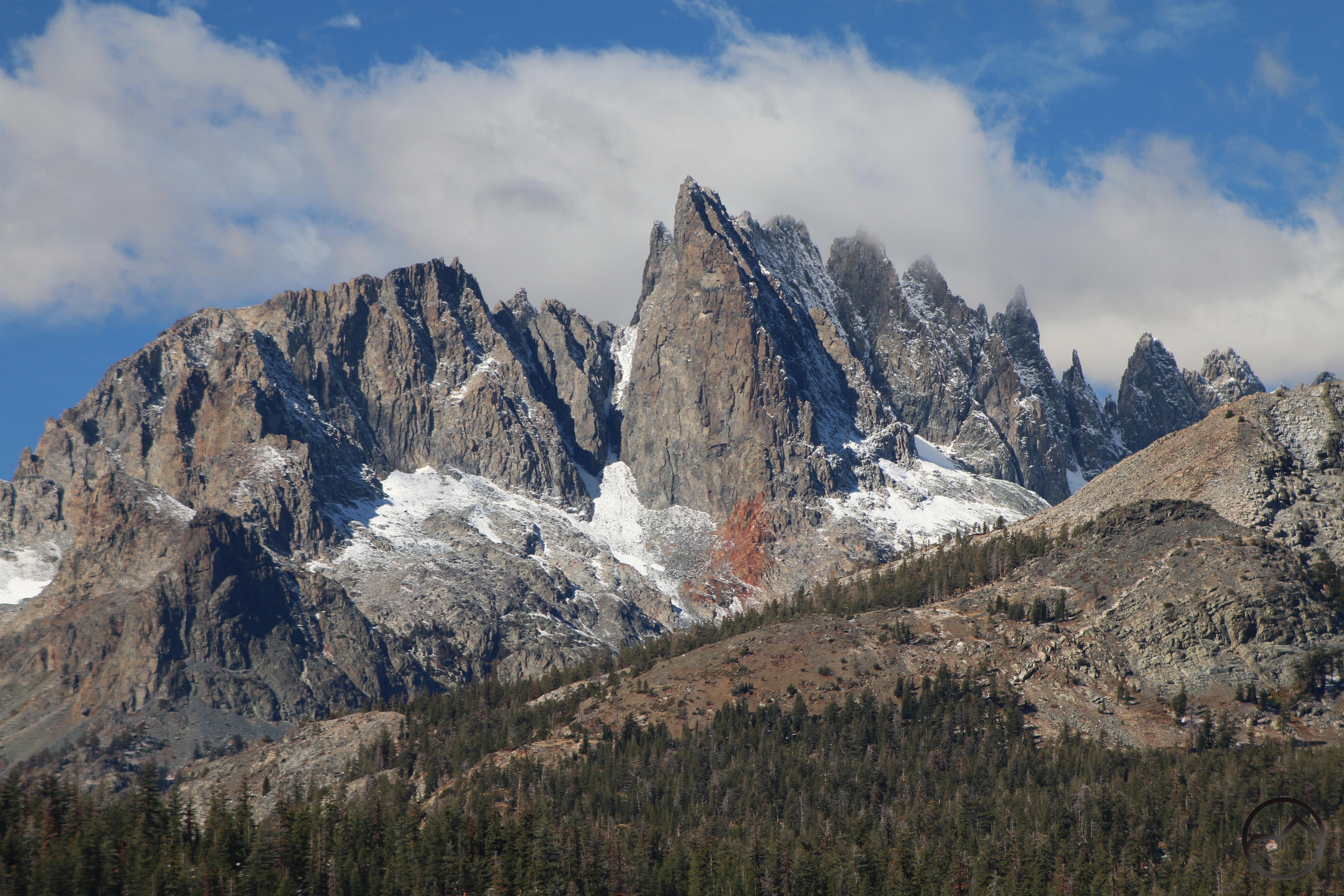
The Minarets, Ansel Adams Wilderness

Nearly as high as Ritter and Banner and immediately south of the two peaks, the Minarets are a collection rugged spires thrusting skyward along a long divide between the North and Middle Forks of the San Joaquin. They are among the grandest mountain towers in the Sierra Nevada. It is hard to think of them not being more famous than they already are if they were the Yosemite Minarets!

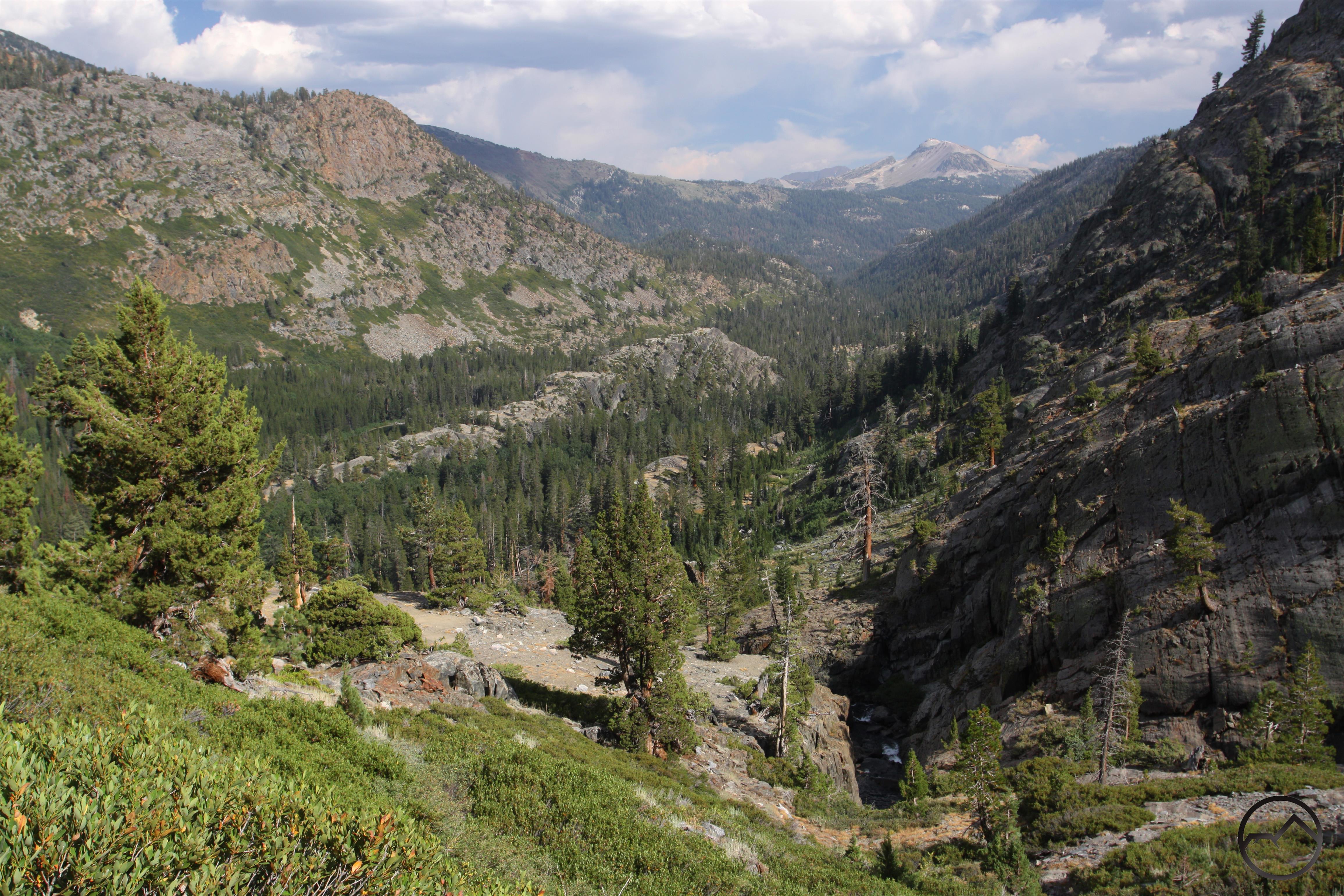
Middle Fork of the San Joaquin, Ansel Adams Wilderness

Running through a long, deep canyon, the Middle Fork of the San Joaquin River flows out of Thousand Island Lake and collects all the waters from the east side of the Ritter Range. The is the main headwaters fork of the second largest and longest river in California. The river is one of the Sierra Nevada’s greats and would add a third major waterway to Yosemite.

Devils Postpile, Devils Postpile National Monument

When Yosemite was realigned, and Devils Postpile was stricken from the park, it was clear to the federal government that this special feature needed further protection. Within five years the national monument was established and the National Park Service took control following its creation in 1916. Consequently, this area has had a national park “vibe” all along and it is easy to imagine it as part of Yosemite.

Rainbow Falls, Devils Postpile National Monument

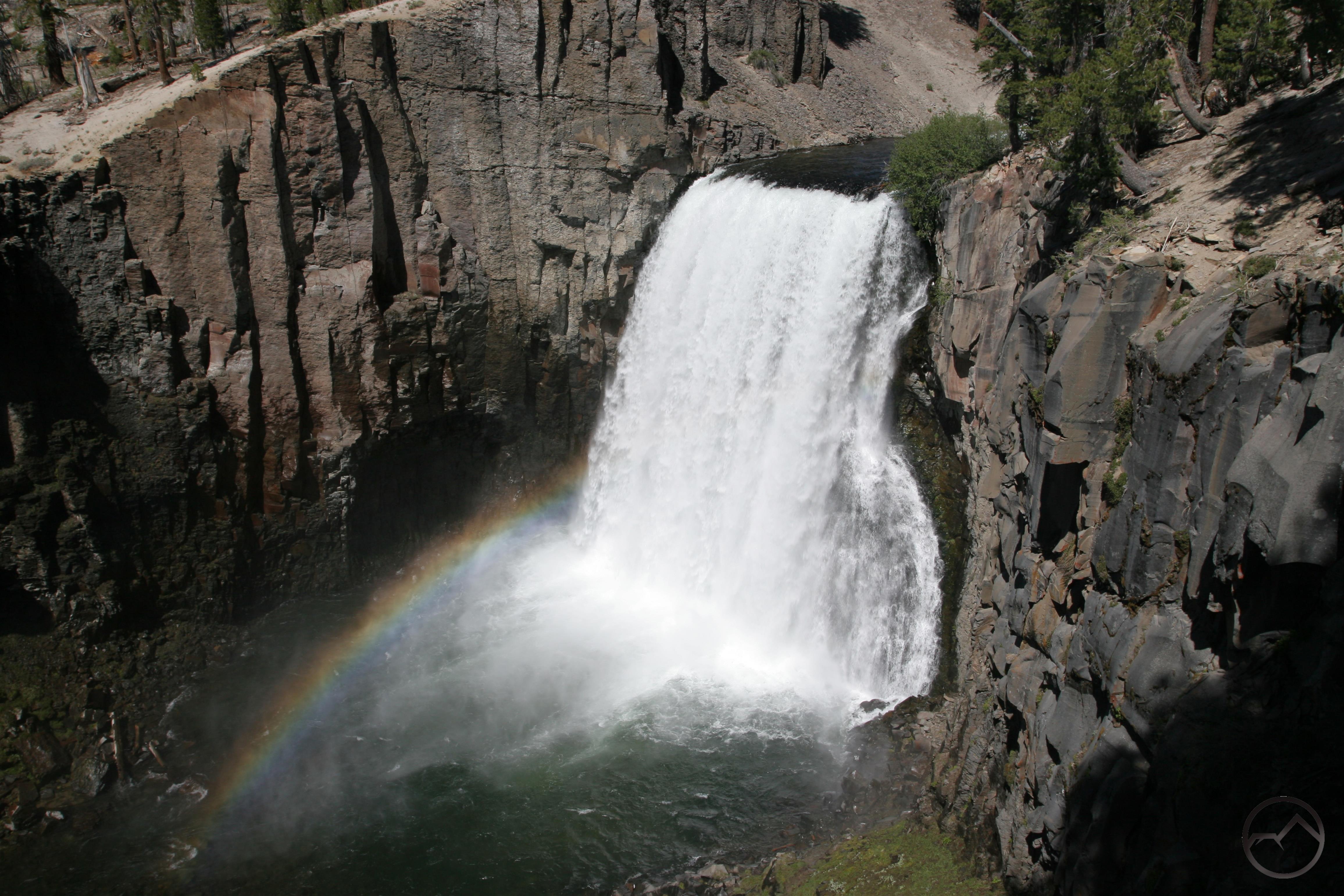
Not as tall as the giant waterfalls of Yosemite Valley but lacking nothing in terms of beauty, Rainbow Falls is a jewel along the Middle Fork of the San Joaquin. It, along with nearby Lower Falls are already popular hikes but would no doubt be even more so if they were part of Yosemite.

The Ritter Range does not need to be Yosemite to be appreciated!

In the end, I am certainly not advocating that Yosemite kept its original boundaries. On the contrary, I think the park’s current boundaries are sound and fit with modern administrative decisions that define the divisions of federal land. Still, it is fascinating to think how being in a national park might change the areas that were stricken from the park. They would all likely receive far more traffic than they do. Even though the Ritter Range is already a popular destination, if the Yosemite name were attached to it, it would be far busier. I am glad that these areas are left to their own devices, to be appreciated on their own terms and to be enjoyed by the hikers who explore them.

Yosemite Week: Yosemite Valley Waterfall Catalog

Posted by bubbasuess on July 27, 2020
Posted in: Hiking, Mount Shasta, Sierra Nevada, Waterfalls, Yosemite. Leave a comment

Upper and Lower Yosemite Falls.

While I did not grow up literally in Yosemite, it was an integral part of my childhood and my family history. We were there frequently and over the years, I got to know the rocks and rivers of the Valley and Tuolumne Meadows well and explored significant tracts of the backcountry. The beauty and wildness of the mountains was irresistible. Yet, ever since I was a child, it was the waterfalls that always had my heart. The sound and motion drew me to them and their power and grace captivated me. The best hikes were always the ones the led to waterfalls, either up close or with great views. I have said many times that my most favorite thing in the world is running water over granite. This is true but falling water is better yet!

When it comes to waterfalls, there is no place in the world better than Yosemite. There may be larger or taller waterfalls elsewhere in the world but when it comes to the shear number and variety, as well as size and height, Yosemite is simply the greatest collection of waterfalls in the world. It speaks to the unbelievable grandeur of the place when one considers that waterfalls are only one of many aspects that combine to make this blessed spot what it is. Granite cliffs and domes, spectacular forests and meadows and beautiful rivers and lakes are all part of what makes Yosemite what it is.

Of all the places in Yosemite, Yosemite Valley is obviously the highlight of the park’s waterfalls. There are 15 named waterfalls in the valley and a few others that ought to have names and be recognized. It should be noted that the entirety of Yosemite National Park is well above average when it comes to waterfalls, especially those on and along the Tuolumne River. Giants like Waterwheel and Wapama are among the grandest in America yet receive little due. Nonetheless, the following catalog will focus on the waterfalls of Yosemite Valley, the finest collection of cataracts in the world!

The waterfalls of Yosemite Valley are addressed in my own personal order: first the “big 5” and then the lesser known falls, from east to west.

Yosemite Falls (2,425 feet)

A spring pool reflects Yosemite Falls.

My brother and I have had a running debate over the last few decades about which waterfall in Yosemite is the “best”. It is my contention that this would have to be Yosemite Falls. The combination of its incredible height, its spring fury and its delicate swaying in the wind, as well as its myriad intricate cascades that form on the cliffs as the Upper Falls tumbles down its long drop all give it a unique and inspiring bearing. It is also ubiquitous. Whether one is driving around the valley, sitting at the “Queen’s Table” in the Ahwahnee or hiking difficult trails on the cliffs and peaks around the Valley, it is visible. Indeed, my earliest memories of Yosemite feature Yosemite Falls, especially the view from the footbridge at Housekeeping and the booming of the falls heard at night. It is fitting that Yosemite Falls bears the park’s name, for it truly is the falls of the Yosemite.

Panorama Point view of Upper Yosemite Falls in the wind.

It is hard to treat the falls as one and leave it at that. The two main parts of Yosemite Falls deserve a closer look. When I generally think of the falls, it is of the upper, taller section. At 1,430 feet, it is actually the second highest single drop in the park, but the volume is significantly greater. Even when it is in its full might, the wind can blow the falls around and the spray billows across the cliffs. When it does, huge sheets of water are still seen flowing down the cliffs. Despite how seemingly ever-present the upper falls are, they are isolated. The lip of the falls is reached by one of the park’s classic trails but the base of the falls is a little tougher to get to and has always been a place of distant magic to me.

A dizzying view of Lower Yosemite Falls and some of the middle cascades.

While Upper Yosemite Falls may be grander and more remote, Lower Yosemite Falls is the heart of the great cataract. It is the portion with which one can interact intimately. At 320 feet, it is much shorter than the upper falls but the urgency with which it hurtles itself off the cliff and the arrangement of its grotto home make it a nearly perfect waterfall. Scrambling on the rocks up to the base of the falls was one of my favorite past times on my early trips to Yosemite.

Bridalveil Falls (620 feet)

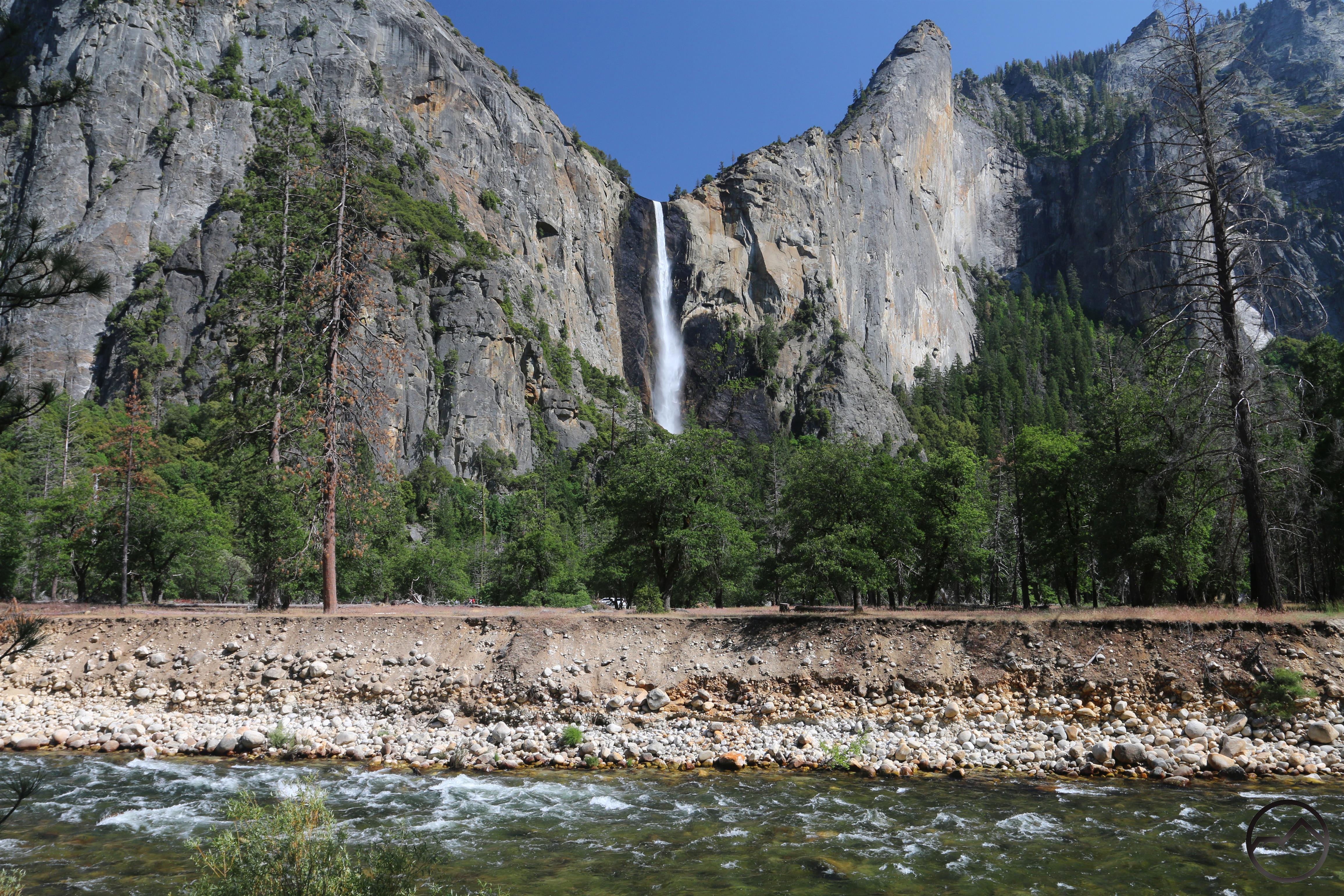
Bridalveil Falls plunges into Yosemite Valley.

It is strange to think that a waterfall as high and large as Bridalveil Falls might be underappreciated but in many ways I think it is. Prominently visible from the park’s roads, from Tunnel View and from the vista point at the base, it is still something of an outlier from the rest of the park. I think this is because it is not really visible from the valley’s trails and is best appreciated from those few vantage points. The only good trail from which to get different views of it is the Pohono Trail, which, though spectacular, is one of the valley’s less frequented paths. Nonetheless, it is an incredible waterfall and is among the finest in the world. It has a large watershed filled with meadows so it flows even into the autumn. The hanging valley from which it leaps is a classic of its kind. Despite the lack of trails, the arrangement of the falls opposite El Capitan is iconic.

Vernal Falls (318 feet)

A classic view of Vernal Falls and the torrential Merced River.

Vernal Falls is my brother’s choice for the “best” waterfall in Yosemite. With its terrific plunge and rectangular shape, it is hard to fault him for the choice. In some ways, this may be the most iconic of all Yosemite’s waterfalls. Simply put, Vernal Falls is raw power. Unlike all but one other of  waterfalls in the Valley, Vernal is on the Merced River, which means its volume is considerably greater than anything else. The entire river simply runs to the edge of the cliff and jumps off. Add to the power and beauty the experience of hiking up it on the Mist Trail and you have the quintessential Yosemite experience.

Nevada Falls (594 feet)

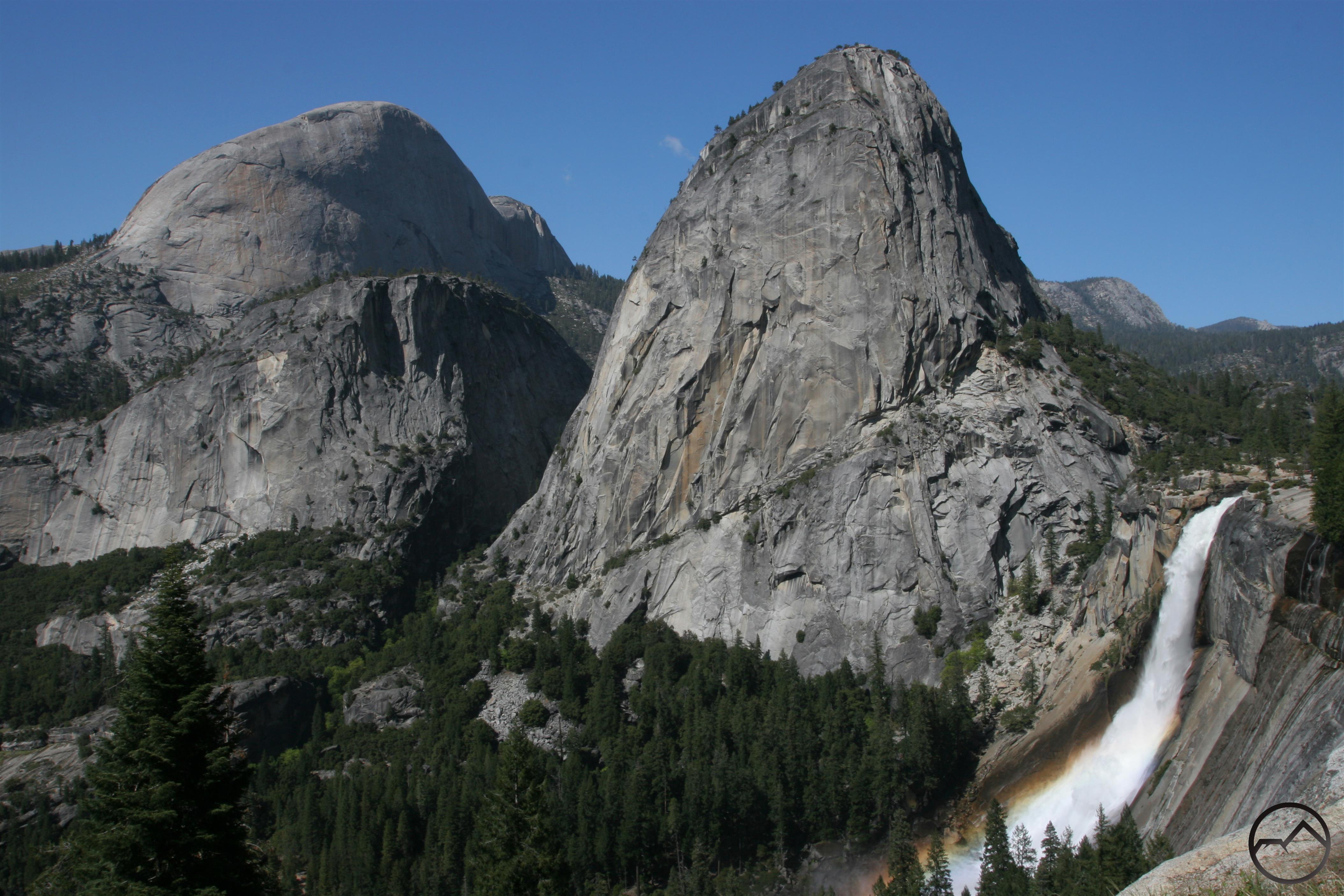
Half Dome, Mount Broderick, Liberty Cap and Nevada Falls.

It is amazing to think that Vernal Falls is only one of half of the Giant Staircase. Just upstream is Nevada Falls. Equally massive in volume but twice the height, it is my second favorite of Yosemite’s waterfalls. Though it is all one single drop, the Nevada has two distinct parts. First is a free fall for about 250 feet. It then hits the granite slope and explodes into massive slide for the rest of the distance. It is a plume of white water the entire way. Nevada is Spanish of “snowy” and that is truly an appropriate name for this grand waterfall.

Illilouette Falls (370 feet)

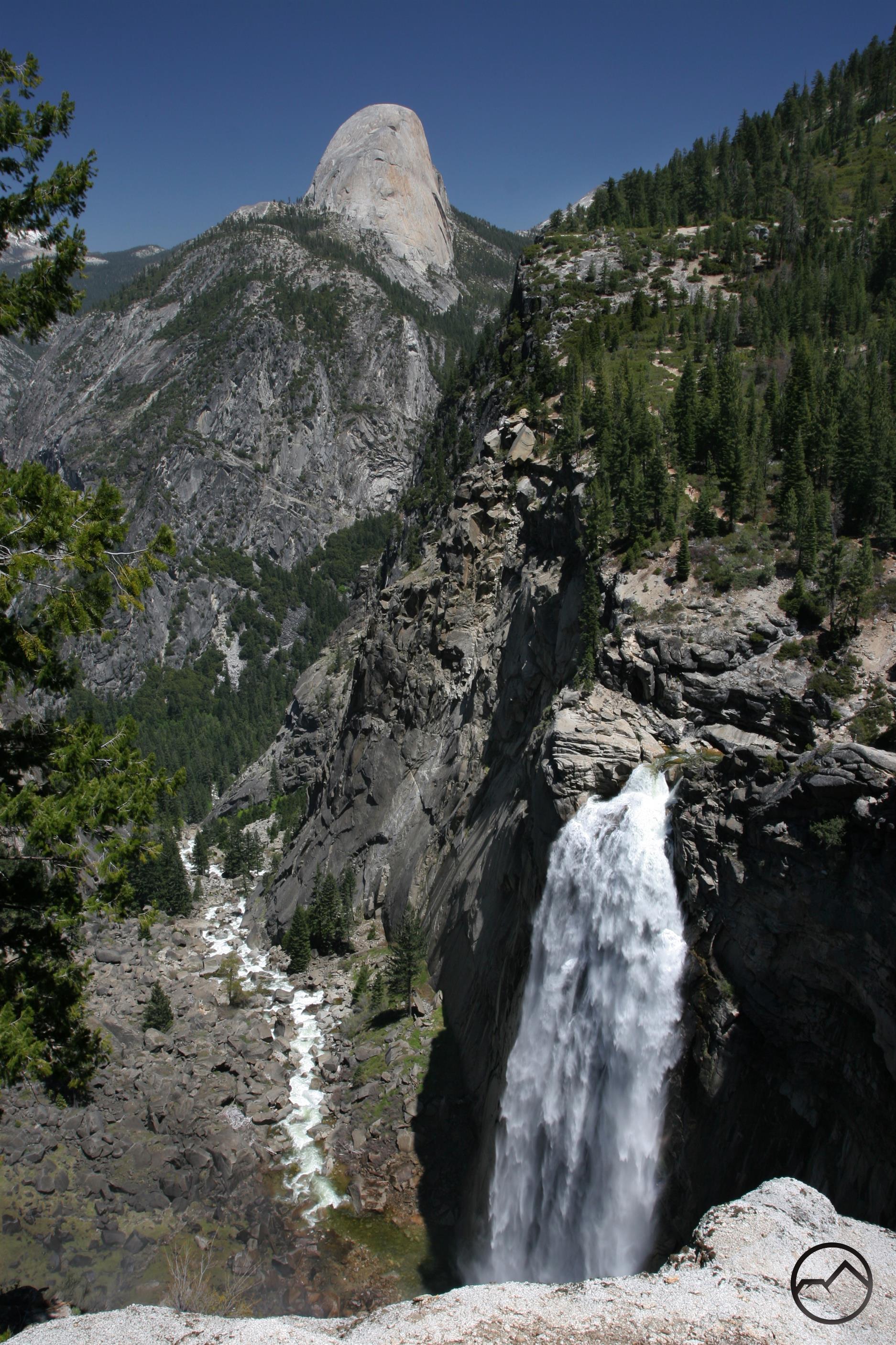
Ilillouette Falls and Half Dome.

Only in Yosemite can a waterfall of this magnitude be hidden away in a remote gorge and left to the few eyes that hike the spectacular Panorama Trail or know to look up from a few points along the John Muir Trail to catch a glimpse of this thundering giant. Illilouette Creek is one of the larger tributaries of the Merced River before entering Yosemite Valley. This means it has high volume and is one of the park’s most impressive waterfalls. It certainly makes a grand entrance to the Valley. After crashing down the main falls (nearly 400 feet) it then races down an precipitously steep and rocky gorge before joining the Merced just above Happy Isles.

This concludes the catalog of Yosemite Valley’s “Big 5” waterfalls. The following are all significantly smaller or have shorter running seasons. However, anywhere other than Yosemite, they would all be major attractions. Yet in the venerable park, they are mostly overlooked, forgotten, unappreciated or generally unknown.

“Hidden Falls” (80 feet)

Hidden Falls pours through notches in the smooth granite.

“Hidden Falls” is the only unnamed waterfall I am including on this list. While I am focusing on the named falls of Yosemite Valley, I feel this one must be included because of its unusual nature, ease of access and incredible beauty. Of course, it is only in Yosemite that a waterfall like this does not even get a name. Nonetheless, it has long been one of my favorite spots in Yosemite and is without doubt one of the Valley’s best hikes.

Snow Creek Falls (2,140 feet)

The final cascade of Snow Creek Falls.

Tucked away between Basket Dome and Mount Watkins is the awesome series of cascades that is Snow Creek Falls. In truth, these are located in Tenaya Canyon (as is Hidden Falls) but they are so close to Mirror Lake they are part of the Valleys waterfall “ecosystem”. They are hard to see but the best places to appreciate them are from the top of Hidden Falls or at the base of the final cascade. Long ago a maintained trail led to the fall’s base and it is still possible to follow the trail. Not many do.

Staircase Falls (1,020 feet)

Staircase Falls seen from Stoneman Meadow.

Pouring down the south side of Yosemite Valley between Glacier and Moran Points, Staircase Falls is a personal favorite. Indeed, a spot near the base is my favorite place on earth. Though the falls actually run most of the year, they are best seen in spring when they get surprisingly large. Below the falls the water runs through Camp Curry.

Royal Arches Cascade (1,250 feet)

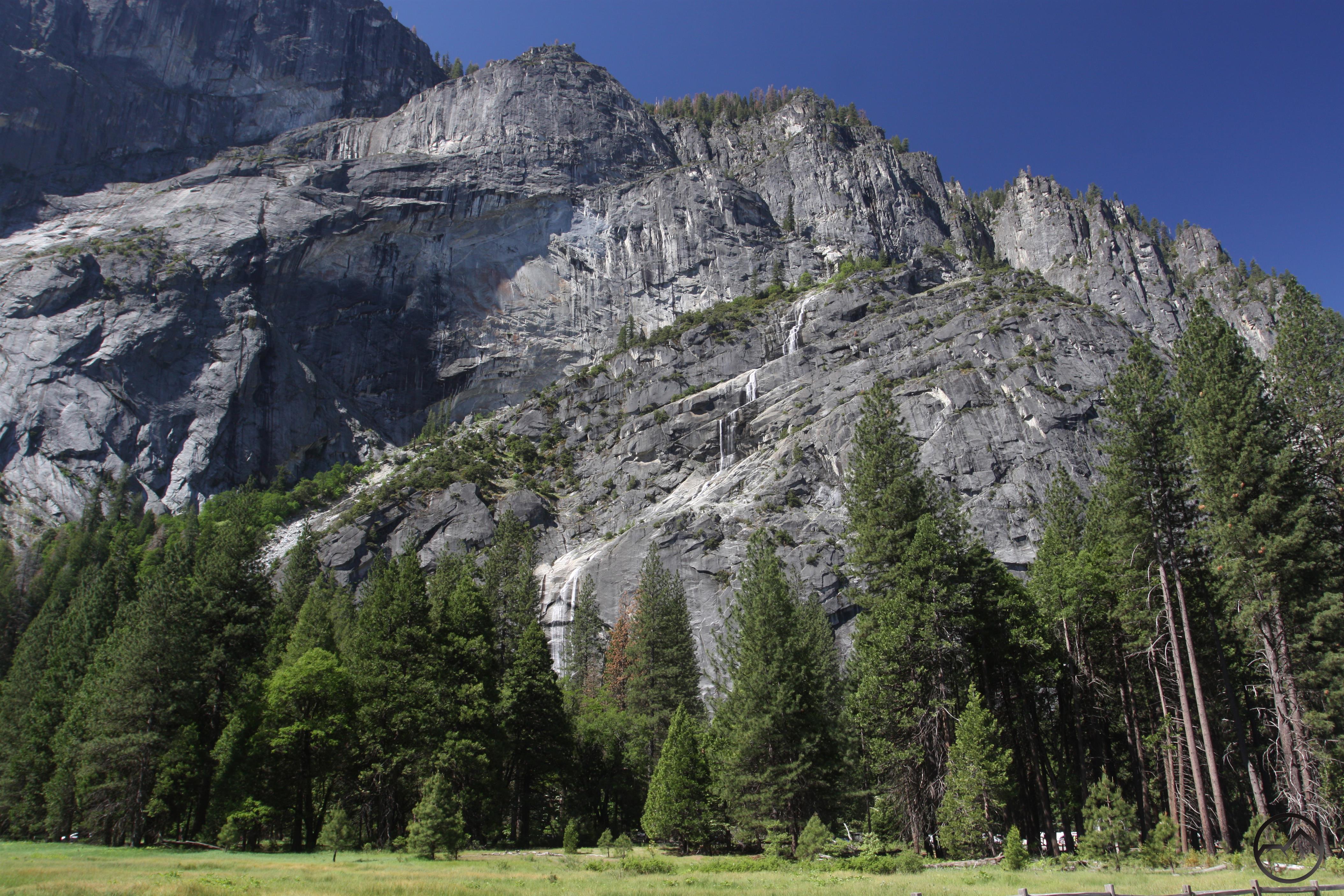
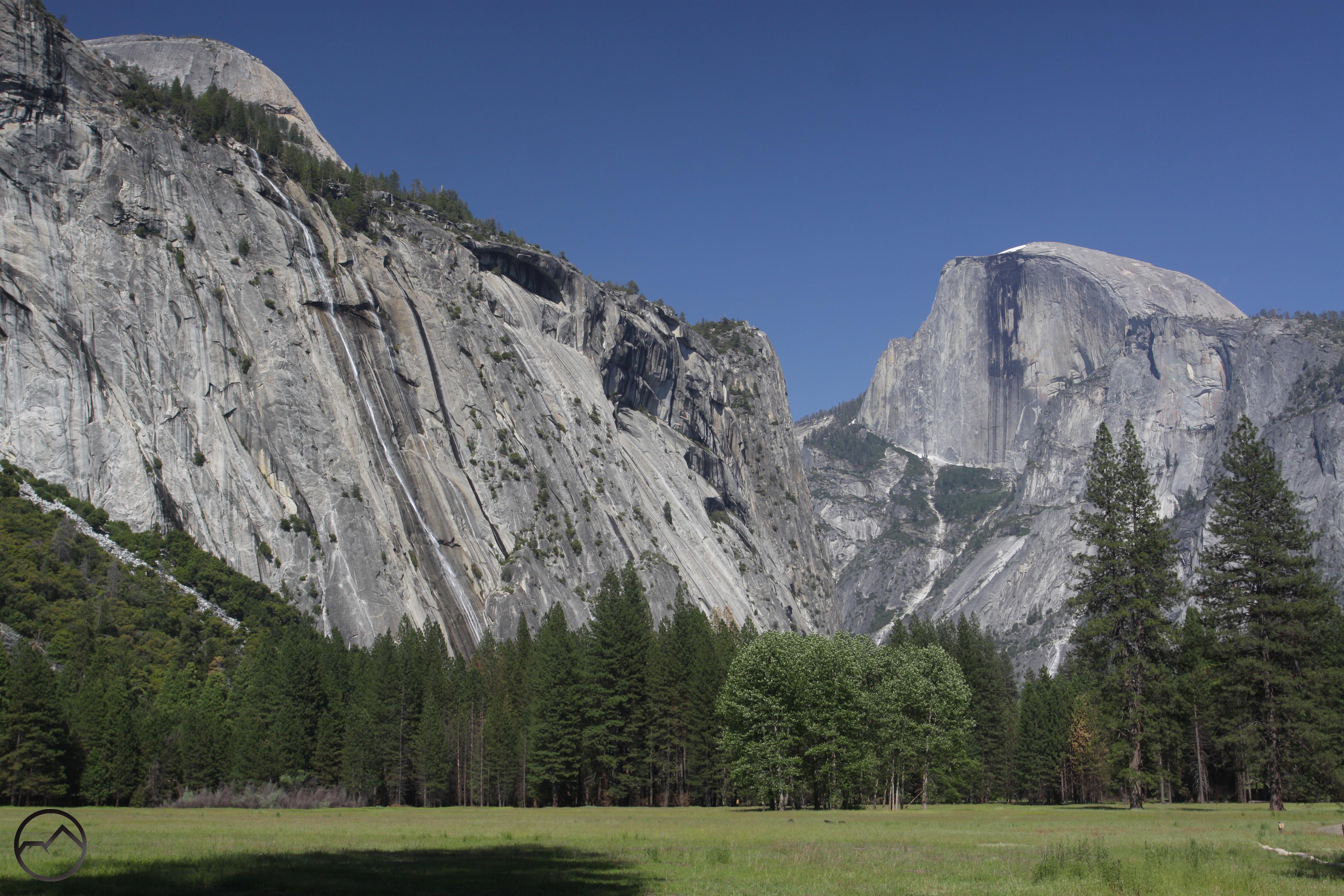
Royal Arches Cascade slides down the north side of Yosemite Valley.

On the north side of Yosemite Valley, Royal Arches Cascade is the counterpart to Staircase Falls but they could not be more different. Rather than a series of steps, Royal Arches Cascade is a long, slender stream down a shear granite cliff. Located near the Ahwahnee, it also flows well into summer, though its volume can be left as a mere trickle. There is a fantastic ledge a hundred feet or so above its base that offers cool “bathtubs” and fantastic views of the valley.

Lehamite Falls (1,180 feet)

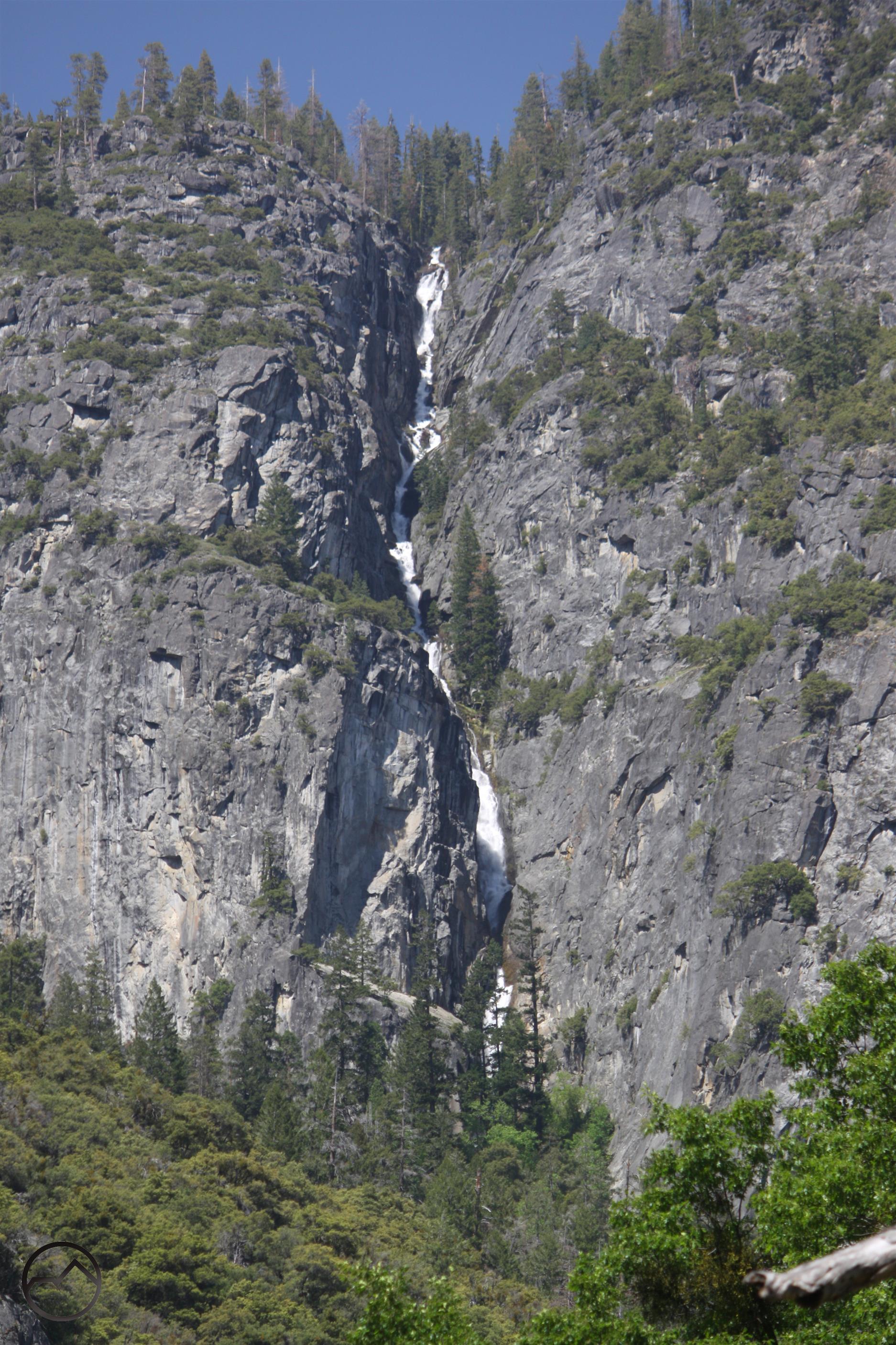
Rarely appreciated Lehamite Falls cascades down a narrow chasm above Indian Canyon.

Another of Yosemite Valley’s waterfalls that hides in plain sight, Lehamite Falls is a series of very vertical cascades pouring through a narrow slot. Located along Indian Canyon, just east of Yosemite Falls, it is rarely appreciated for a variety of reasons. The iconic falls nearby naturally draws attention while the slot it falls through tends to cast shadows on it as well. The flow lessens significantly in summer, which also hides its presence. For the few who scramble to its base, it is a fun adventure.
Sentinel Falls (2,000 feet)

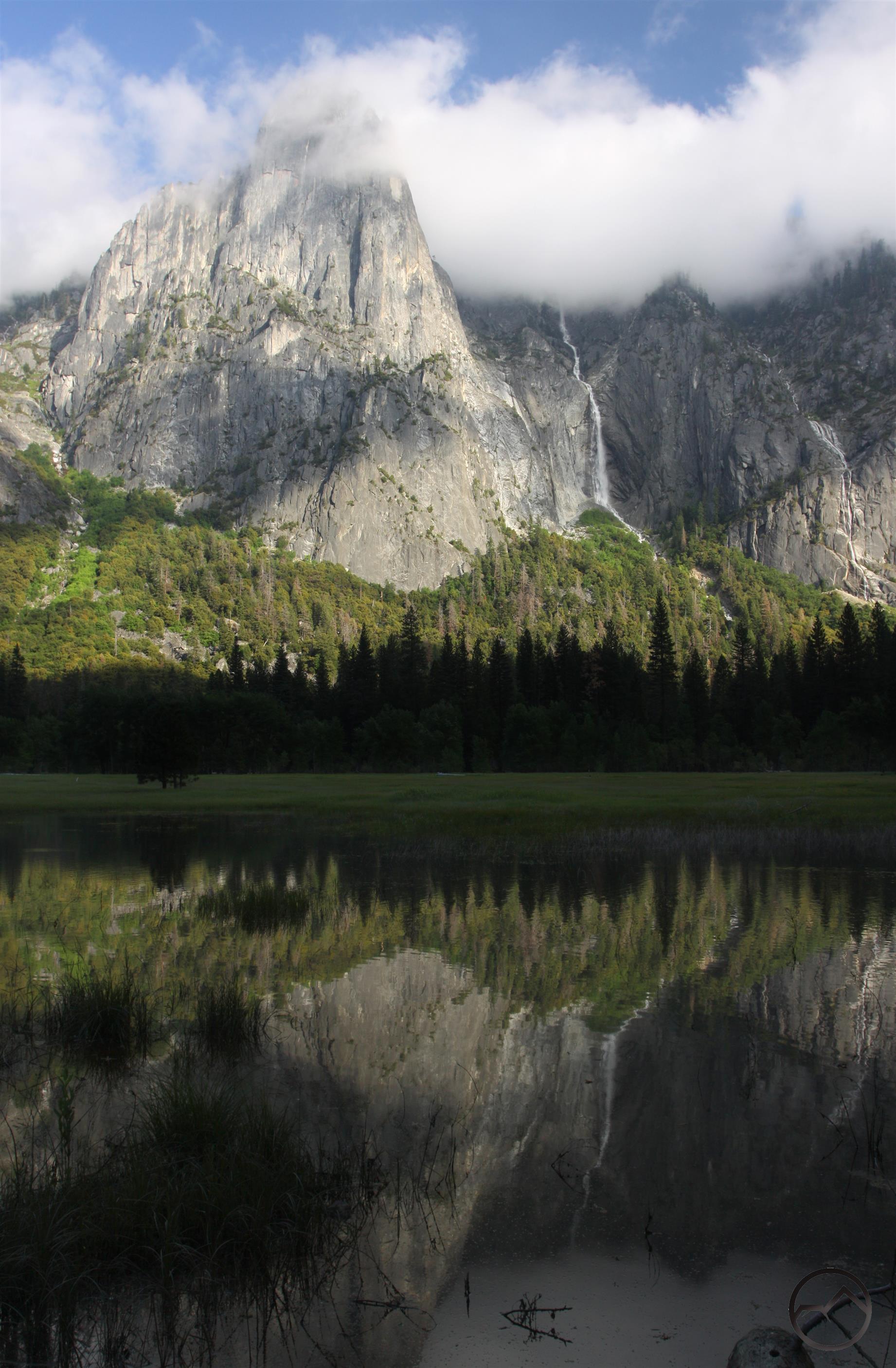
Sentinel Rock stands vanguard as Sentinel Falls pours out of the clouds into Yosemite Valley. 

One of the highest waterfalls in Yosemite, Sentinel Falls is a spectacular series of drops just west of Sentinel Rock. While the top of the falls is crossed by the Pohono Trail, the base of the falls is an off trail scramble but well worth the effort. It is best viewed near Camp 4, where it can actually be heard in the spring.

Ribbon Falls (1,612 feet)

Ribbon Falls has the longest single drop in Yosemite.

Boasting the tallest single drop in Yosemite Valley, Ribbon Falls is a spectacular springtime companion to mighty El Capitan. Located in a massive amphitheater, it is an incredible waterfall. However, appreciating it in its full might requires a spring trip, though it trickles through the summer. The base is another off trail adventure but is an incredible experience.

Silver Strand Falls (574 feet)

Silver Strand Falls is tall but seldom noticed.

Silver Strand Falls is almost totally unknown, but is another “if it were anywhere but Yosemite it would be famous” waterfall. Best seen from Tunnel View, the vast majority of visitors to this famous vista rarely take note of the large waterfall overhead. Who can blame them with such a great view? Another falls whose precipice is passed by the excellent Pohono Trail, it lessens considerably during the summer. In the early 20th century it was known as the Widow’s Tears.

Cascade Falls (800 feet)

Tamarack Creek joins Cascades Creek at the bottom segment of Staircase Falls.

The westernmost of the Valley’s big waterfalls, Cascade Falls is the herald of the coming grandeur while driving in on Highway 140. As a kid, I knew we were finally there when we passed Cascade Falls. Part of a larger complex of cataracts on Cascade Creek known as The Cascades, the falls proper is the final 800 or so feet. The lip is immediately below Big Oak Flat Road. From there Cascade Creek and Tamarack Creek combine and drop the rest of the way to the valley floor. It is a massive waterfall and the scramble to the best is a great beginner’s adventure.

Wildcat Falls (640 feet)

Wildcat Falls cascades down the north side of Yosemite Valley.

The westernmost of Yosemite Valley’s named waterfalls, Wildcat Falls is located just west of Cascade Falls. It is a slender series of drops much like Staircase Falls. The base is a fine cataract itself and there is a use trail that accesses it.

This is a fairly complete list of Yosemite Valleys waterfalls. Left off the list are Horsetail Falls (I have never gotten a decent picture of it is so ephemeral) and Pywiack Cascade. The latter is a giant of a waterfall but its remoteness at the head of Tenaya Canyon rightly puts it outside of the Valley’s demesnes. There are plenty of other smaller or more seasonal waterfalls to explore, some of which only develop after thunderstorms. All are worth exploring if the opportunity presents. However, the named waterfalls themselves is probably the finest collection of waterfalls in the world!


Mount Shasta Fades Into Stars

Posted by bubbasuess on July 26, 2020
Posted in: Cascade Range, Hiking, Mount Shasta. Tagged: NEOWISE. Leave a comment

Summer sunset at Mount Shasta.

A lot of focus has been on the stars lately, much of it due to the comet NEOWISE passing near earth. It has been a few years since a comet like that has been visible to the naked eye. I first saw the comet while we were in Yosemite. After we witnessed the spectacular sunset over Half Dome, we stuck around on Glacier Point to enjoy the nighttime view of Yosemite Valley. We then saw the comet above Yosemite Falls and the Three Brothers. Needless to say, it was quite spectacular.

When we returned to Mount Shasta, my wife and I took the kids out for some stargazing and to make an attempt at photographing NEOWISE. Although night photography is something with which I have had no experience, some gracious and fortuitous guidance led to some simple images of the comet.


It’s not bright but its in there!

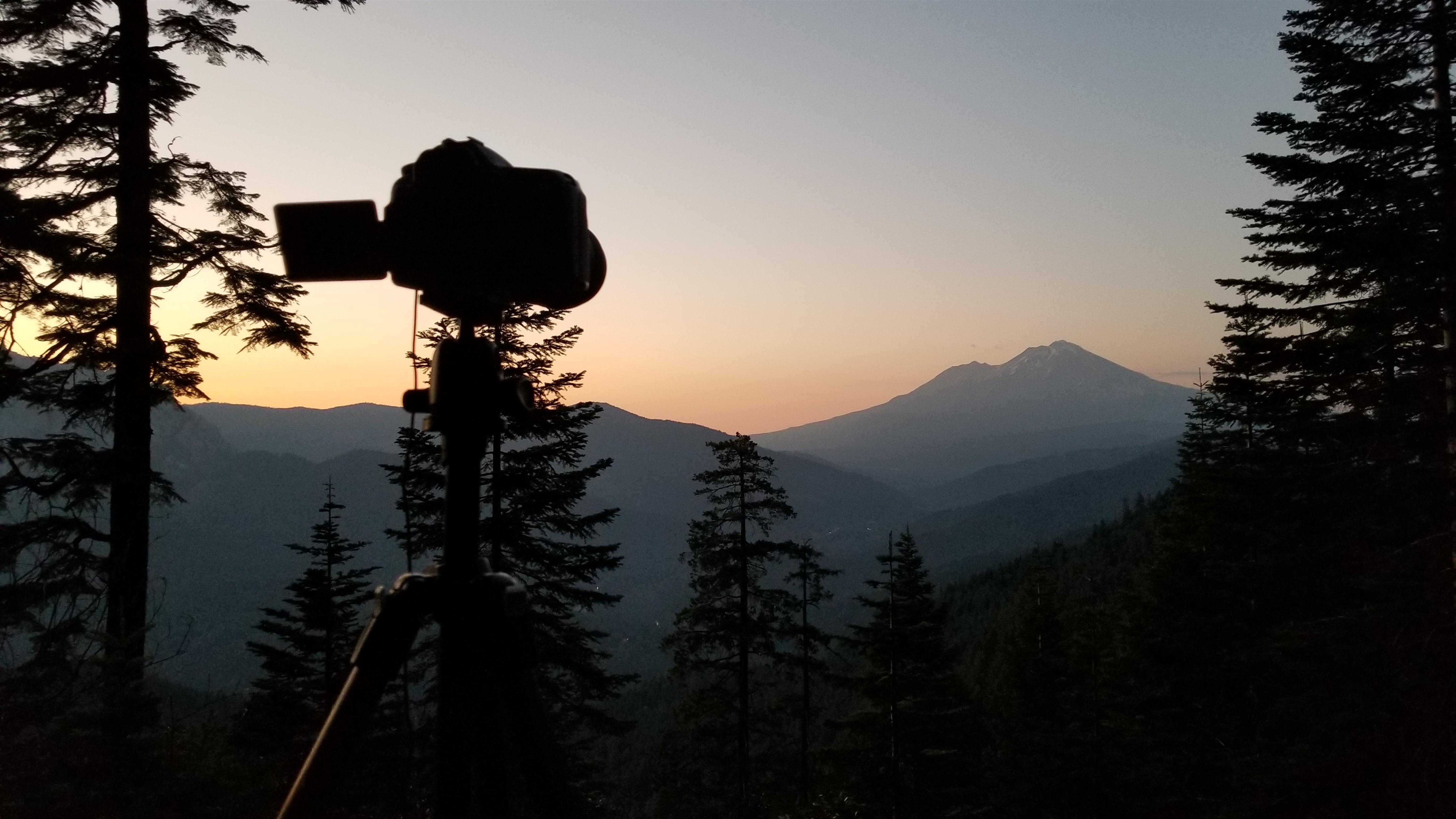
This prompted me to try to take one more stab at NEOWISE. I headed south to one of my favorite southern vistas of Mount Shasta and set up shop. I parked my jeep, set up my camera and got out a folding chair and took in the sunset as I read my book, occasionally snapping images from the comfort of my chair.

Life is hard!

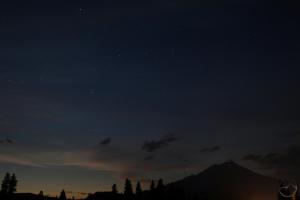
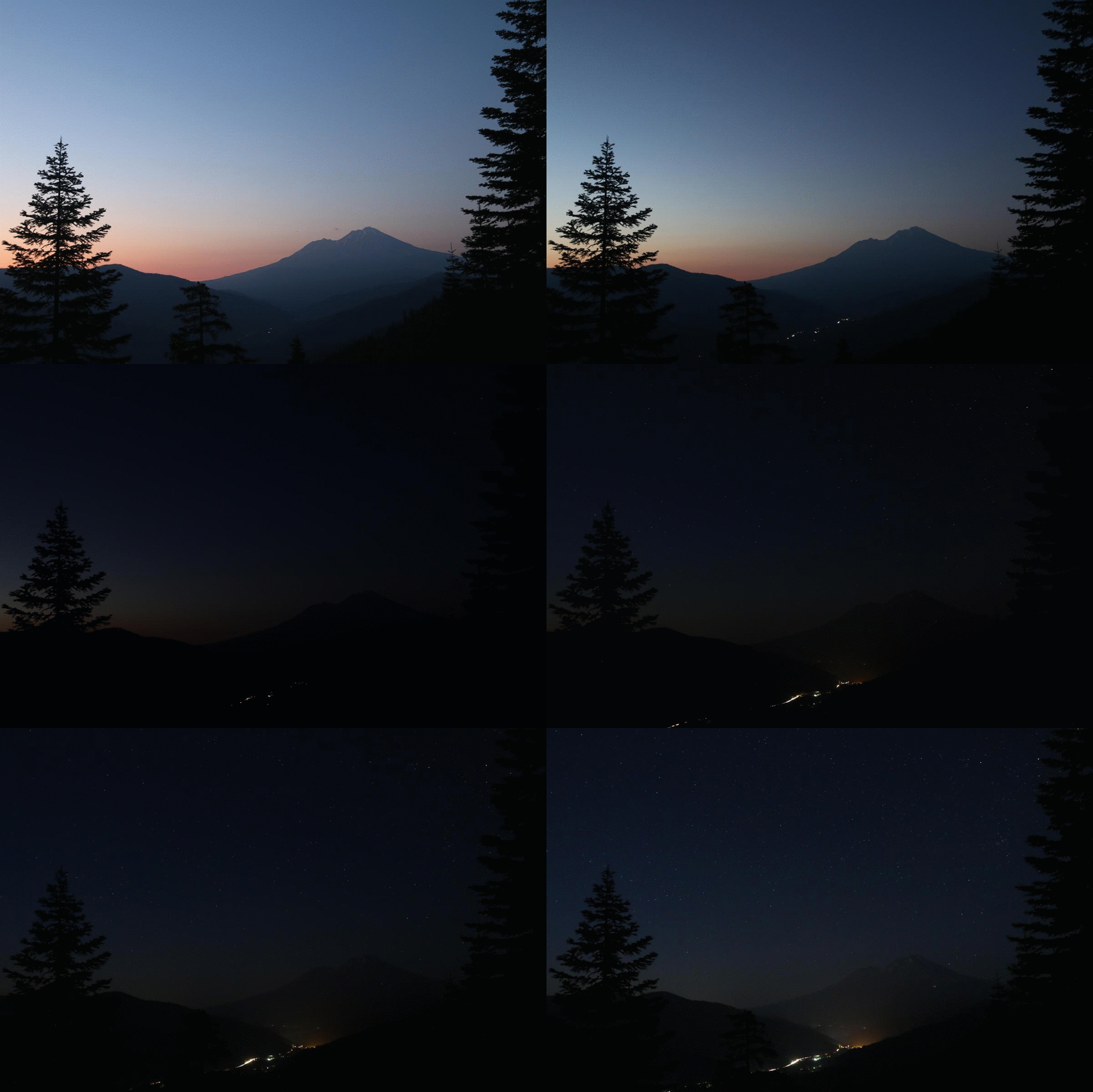
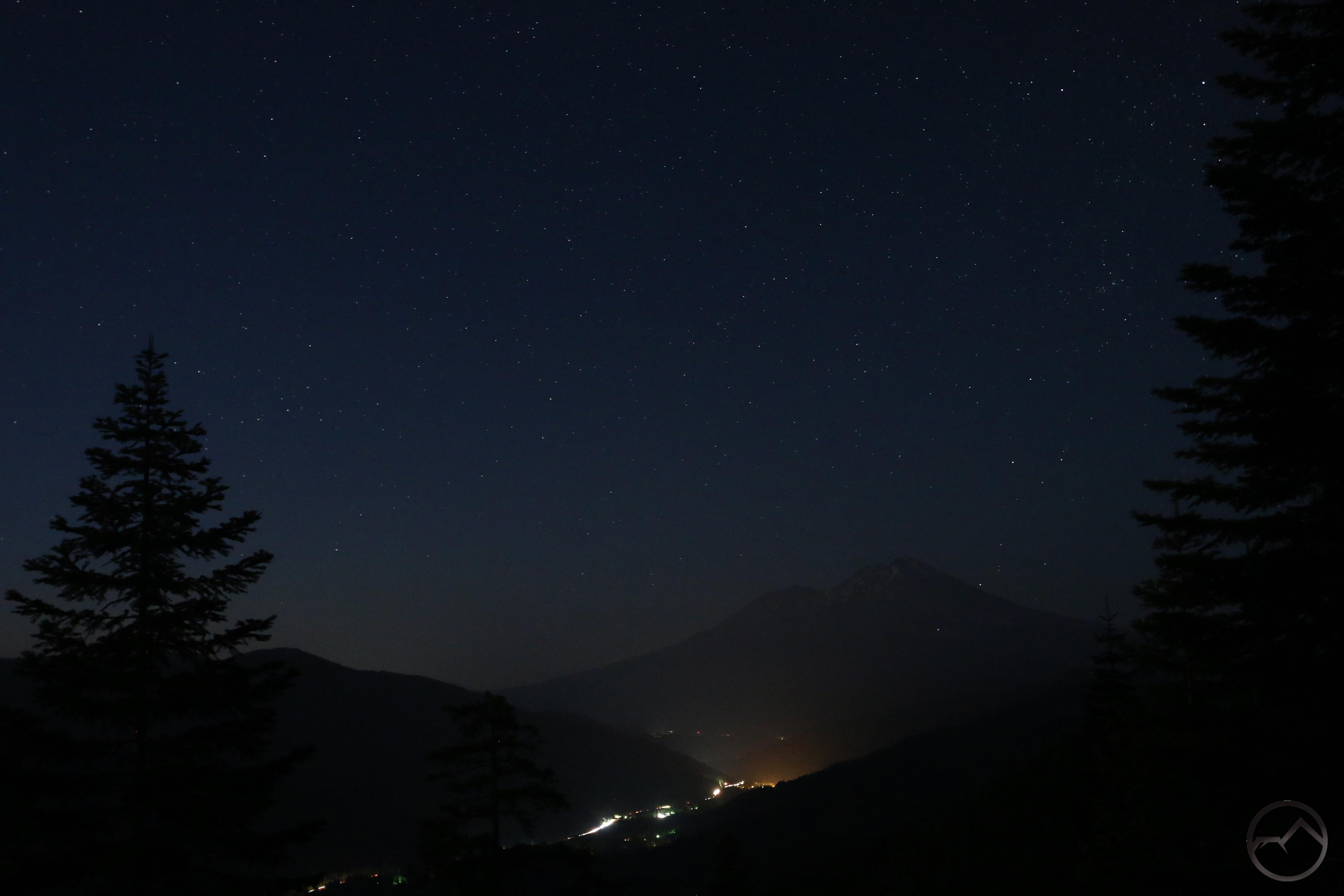
Ultimately, I got skunked and never spotted the comet. Between its increasing faintness and the moon’s increasing size, it is getting difficult to see. It may have also been behind a tree. However, the sunset was still quite spectacular. As the light faded, the mountain seemed to melt into the stars. The lights of travelers on I-5 kept the darkness from being overwhelming. I could also make out the lights of climbers on Mount Shasta as well as those of cars descending from the Old Ski Bowl down Everitt Memorial Highway. It was a marvelous spectacle to behold.

The GIF does not do the stars justice.

The time lapse really does not convey the awesomeness of the scene. Mount Shasta really seemed to dissolve into the starry night and the points of lights in the heavens slowly slide across the night’s dome. NEOWISE may not be visible for much longer but Mount Shasta sunsets will remain and I am grateful to be able to continue to witness the majesty and uniqueness that each one presents.

Stars glow as the light fades above Mount Shasta.

Yosemite Week: Glacier Point Sunset And An Eerily Empty Park

Posted by bubbasuess on July 26, 2020
Posted in: Hiking, Mount Shasta, Sierra Nevada, Yosemite. 11 Comments

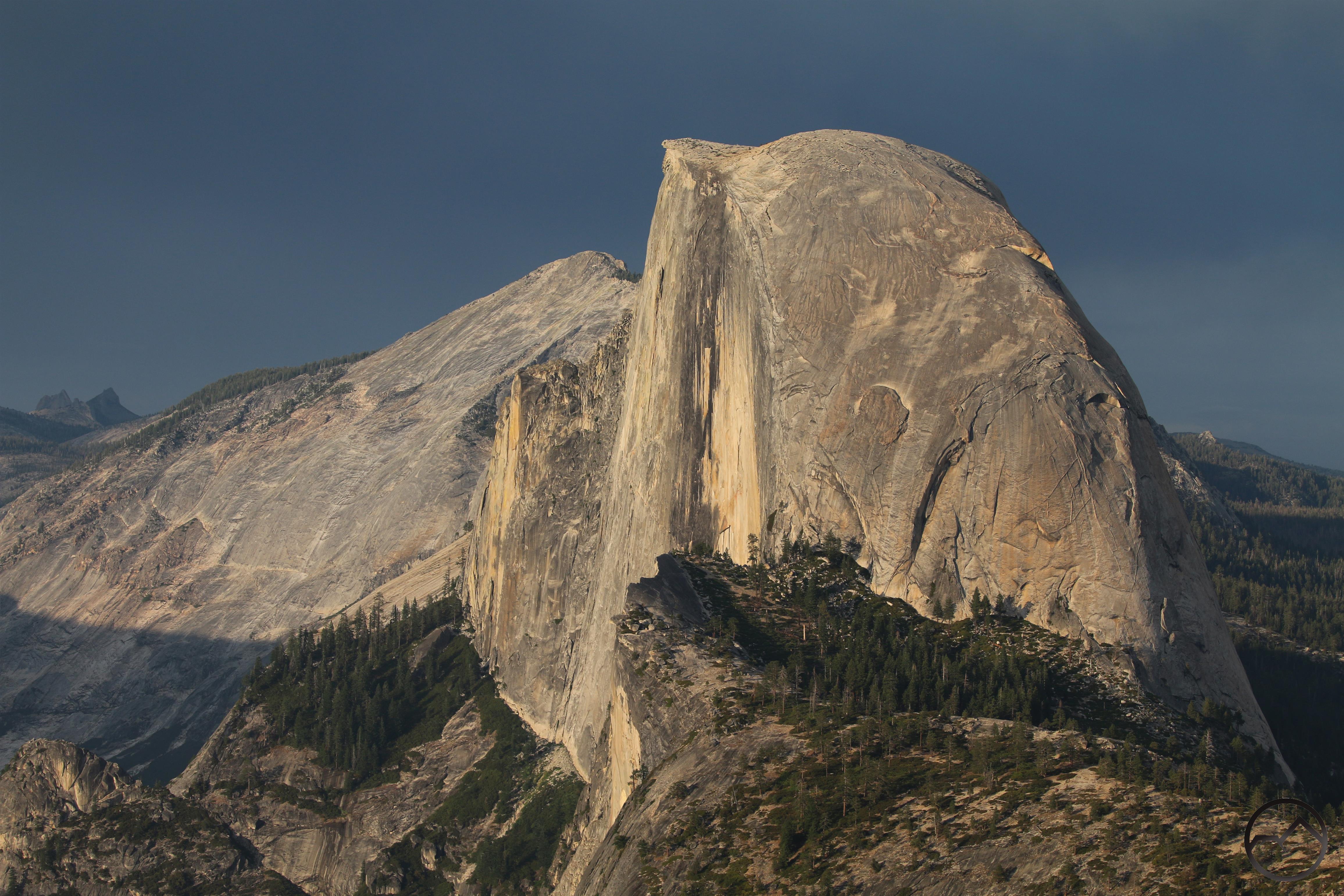
The Echo Peaks and Clouds Rest compliment the incomparable Half Dome.

I got back from Yosemite a week ago and, as usual, I have yet to shake that incredible place from my mind. Consequently, I have decided to hold Yosemite Week on Hike Mt Shasta. What do the two have to do with each other? They may be in the same state but they are in separate mountain ranges and the attention they draw varies significantly. Nonetheless, there are some subtle connections between the two. Not least of these was the love shared for them by John Muir. He may have lived and written most prodigiously about the Sierra Nevada but he was outspoken of his love for Mount Shasta as well and spent a significant amount of time around and had many adventures on the great mountain. I wrote about some of this in one of the first posts on this site. The park has also played a significant role in the life of my family for generations.

For the duration of Yosemite Week, I plan on posting one article a day on some aspect of the park. Some of it will be personal, others will be a visual catalog of the Valley’s waterfalls. There will be a review of historical research I have been doing on some obscure aspects of the Valley’s history as well. All told, it will be fun, for me as a writer and fan, to try to produce a week’s worth of interesting posts on one of the most magnificent spots in all creation.
For the first post, I am going to keep it simple and include some images from the week and discuss the state of the park during the unusual virus conditions.

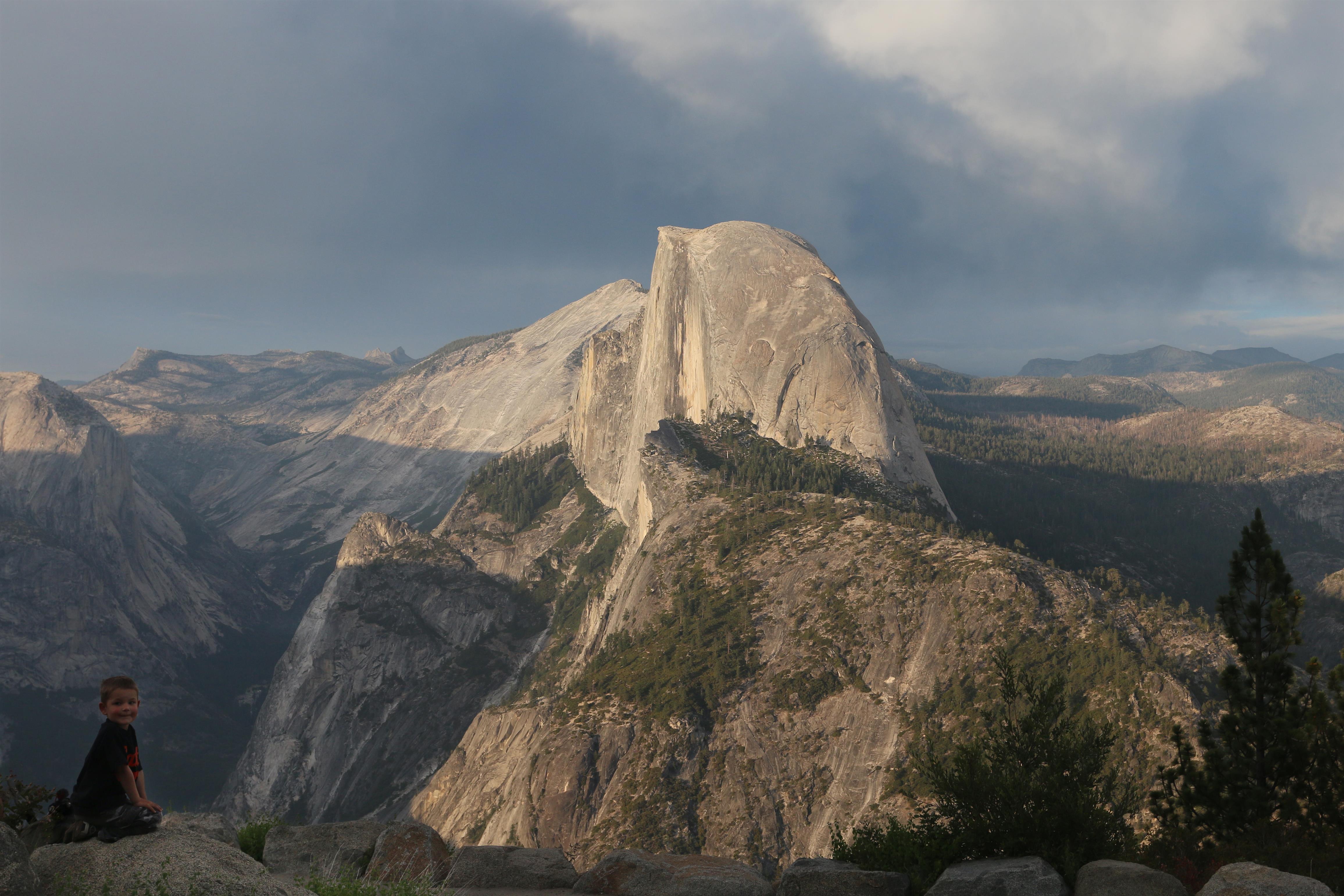
The highlight of the trip, for me was our sunset meal at Glacier Point. It is a Suess family tradition going back to the 1940’s to take dinner up to Glacier or Washburn Points and enjoy the meal while watching the sunset. With the closure of Glacier Point Road imminent in 2021, we thought it would be a good idea to continue the tradition before it would have to go on hiatus. Furthermore, my brother and his family were backpacking a loop over the Clark Range and down the Merced River. It would be great fun, to enjoy the glorious view (which takes in almost their entire route) while being out in the wilderness with him in spirit. It turned out there was an evening thunderstorm over the high country which yielded beautiful conditions. It proved to be a magnificent sunset and we left feeling blessed beyond words.


The week was one geared primarily to my kids, who, being younger aren’t quite ready for some of the bigger adventures Yosemite offers. The Panorama Trail is about ambitious as we have gotten when they are this age. This was the same struggle my parents had when I was young and I recognize I am just paying my dues. Nonetheless, what better place to have smaller adventures than Yosemite?!

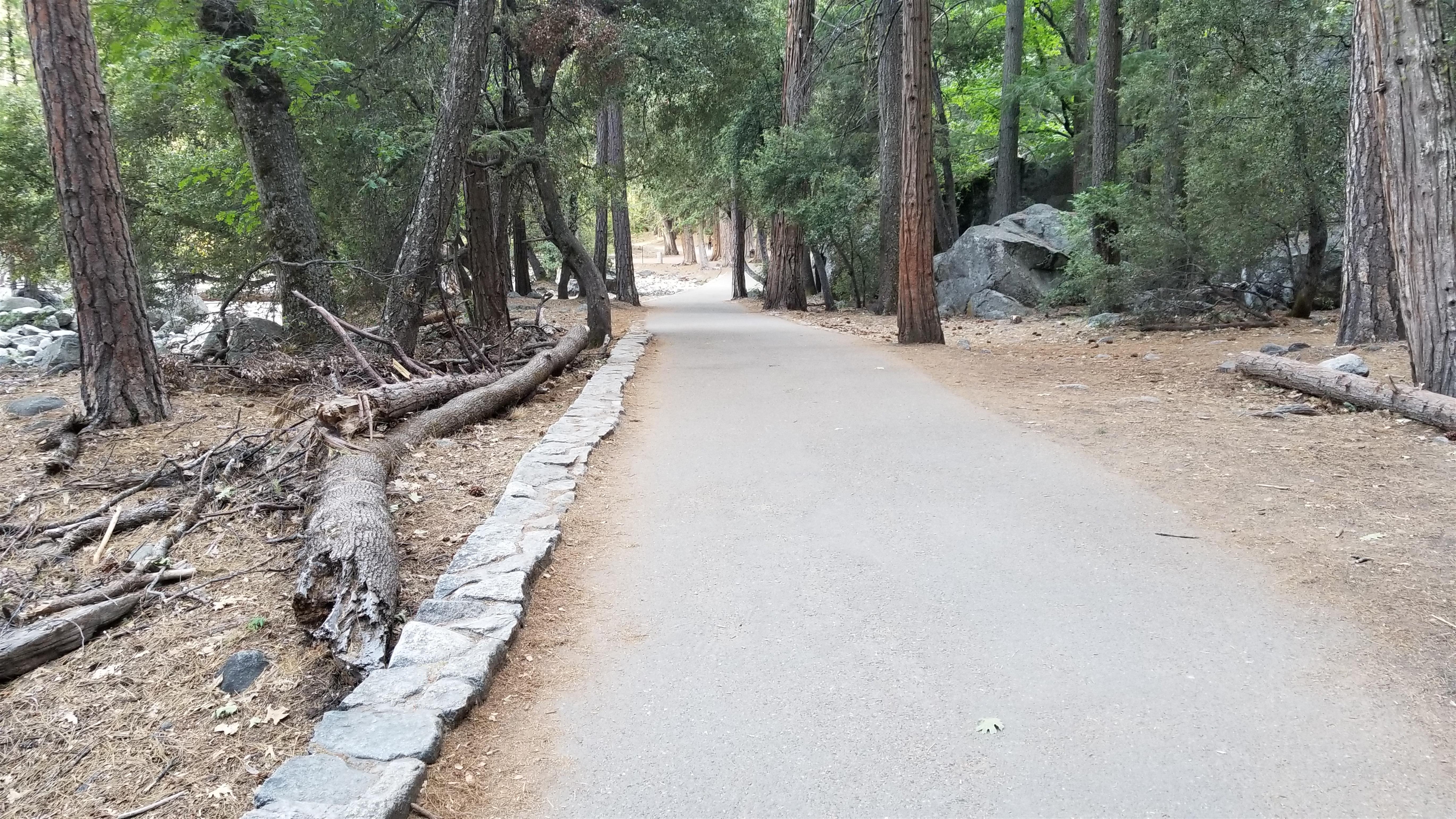
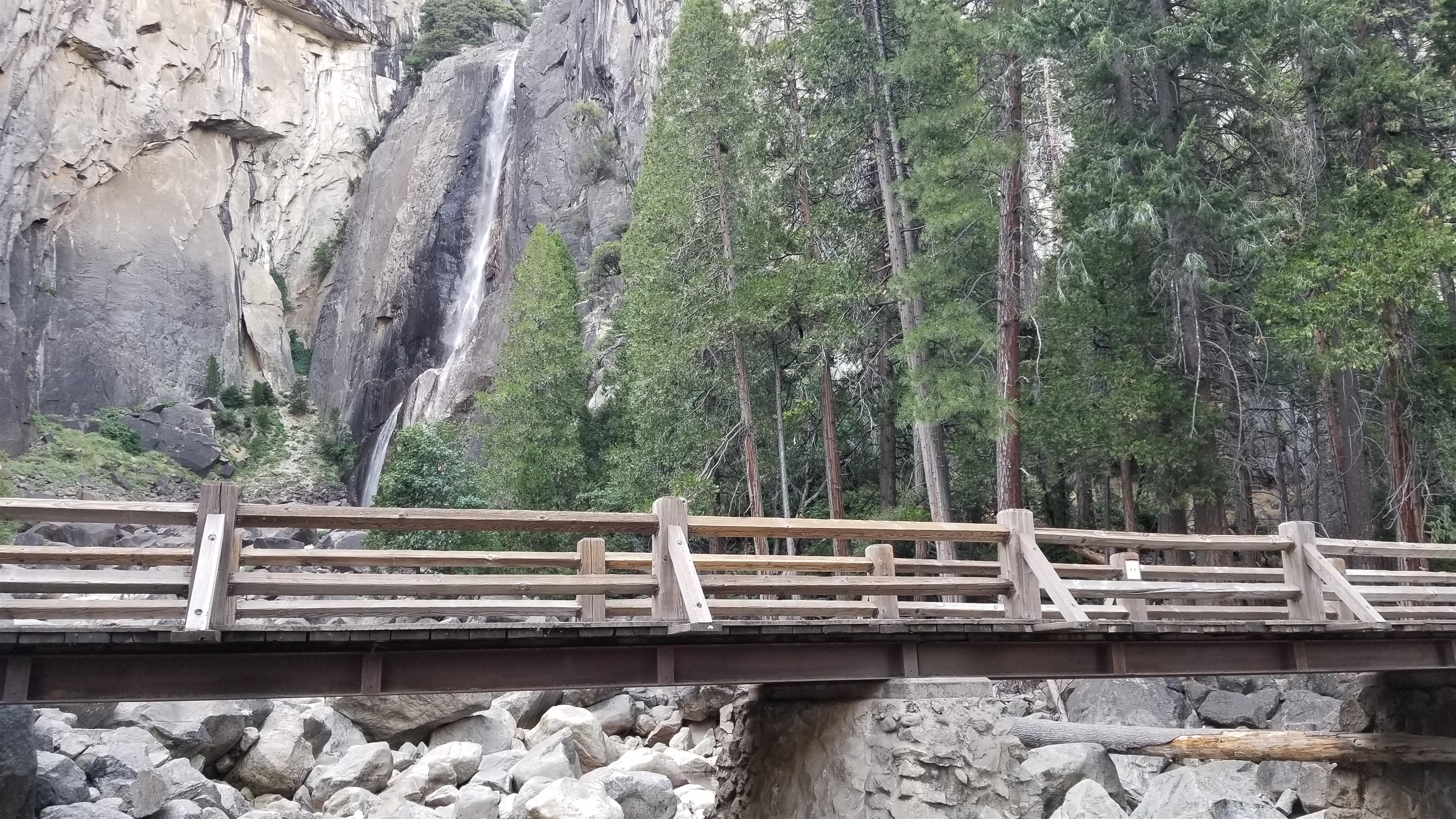
The park itself was strangely empty. The virus has placed limitations on how one can gain entry into the park. It is necessary to have a reservation at a campground or lodging (all of which are capped at 50% capacity) or get a day use pass 48 hours in advance. This has put serious restrictions on the amount of people able to enter Yosemite and left it with an unusual feeling of quietness. It is not that there were no other visitors, there were, but the flow of human traffic around the park was so different as to leave many areas usually crowded often a place of solitude. One such spot was Lower Yosemite Falls. There were a few other people there, but for significant stretches of time, it was empty. In July.

The Lower Falls trail, devoid of tourists.

No one on the bridge…a strange circumstance.

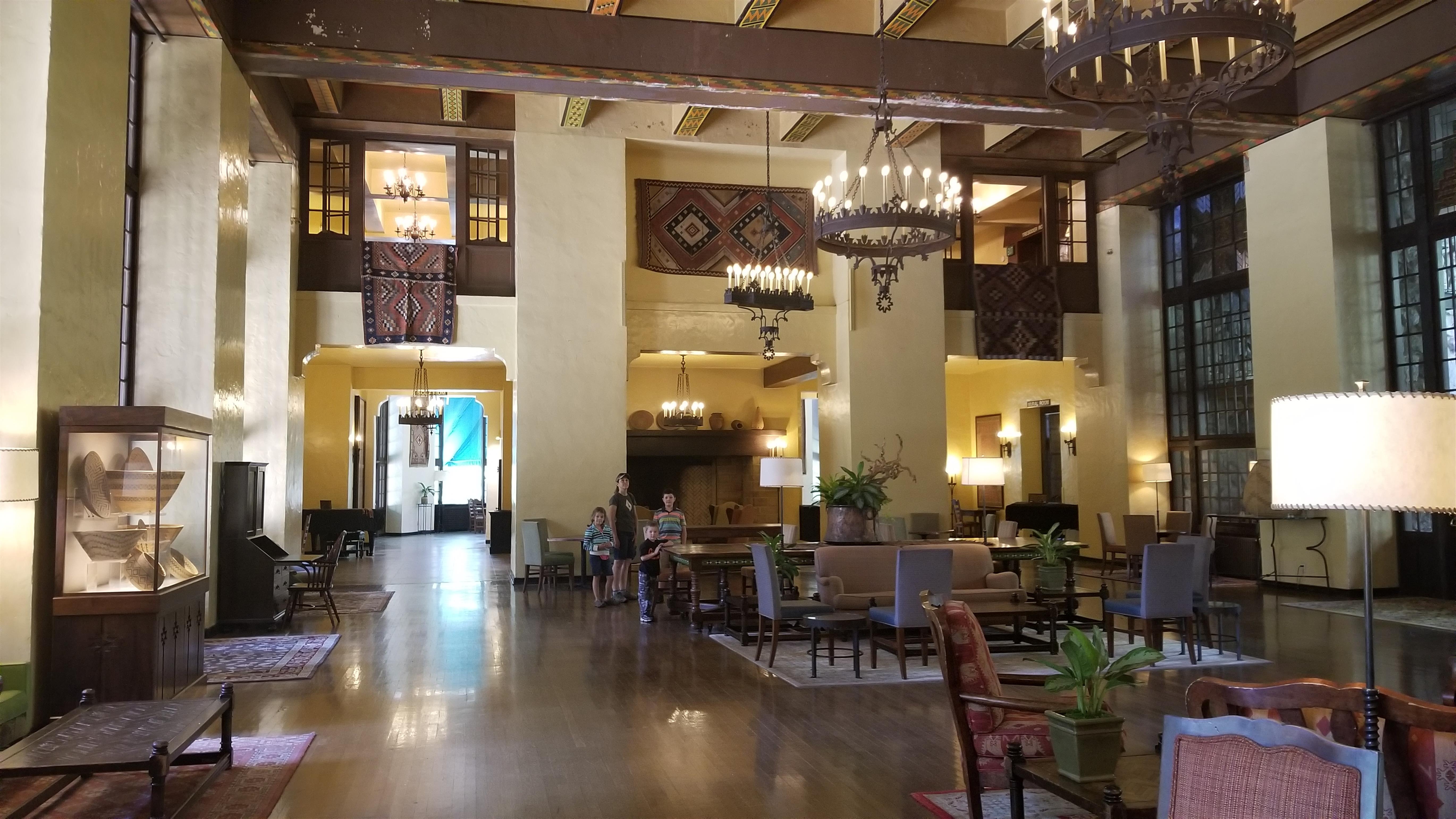
More human oriented spaces in the park were also unusually quiet. Housekeeping was shutdown, North Pines Campground was closed and Upper and Lower Pines were at only 50% of capacity. Camp Curry, like the lodge and Ahwahnee were also only at 50% but construction there on the dining pavilion limited food options to the small grill and some food trucks. This meant the usual raucousness of the camp was significantly reduced and a quiet hush permeated the camp.

The empty reading lounge of the Ahwahnee (except for my family).

All in all, the week was great and memorable if only for the unusual conditions of the park. However, for my family, it was another week of great memories in Yosemite, with hiking, rock scrambling, swimming and the like. We even made it up to the “Unicorn Cascades” near Tuolumne Meadows, one of my two favorite places in Yosemite. It’s tough to beat!


Wild Concrete: Exploring The Scott Mountains And Trinity Divide’s Cement Formations

Posted by bubbasuess on June 24, 2020
Posted in: Klamath Mountains, Mount Shasta, Scott Mountains, Trinity Divide. 5 Comments

“Beargrass Falls” pours over a cement bank.

Over the last several months, I have been exploring a lot of Mount Shasta area’s canyons, most of which tend to get overlooked by hikers. These canyons are found on Mount Shasta, in the Trinity Divide, and in the criminally ignored Scott Mountains. The latter two has offered a glimpse into the Klamath Mountain’s odd geologic past and been a highlight of many scrambles through some rugged and beautiful areas. The exploration of these wild areas is enhanced by the mysterious anonymity of the land but also by some unusual geologic features.

In particular, the Trinity Divide and Scott Mountains have a tendency to exhibit “cement”, which are large collections of loose rock that have been packed together like aggregate in a natural concrete. From the reading I have done, at least one formation I have seen is attributed to glacial activity. However, this formation, and all the others I have observed, seem to be filled with river rock, which may or may not fit the glacial theory. Furthermore, all the other examples I have seen are located along water ways, which seems to indicate the possibility of a flood having been involved in the formation of these unusual features.

So what is “cement”? I have no concrete idea (pun intended) but it does make for interesting hiking and I thought it worthwhile to note the existence of this unusual feature. Here are some examples of the strange phenomenon:

Cement Bluff and Bluff Lake

Perhaps the most interesting and well known is the Cement Bluff, which rises in distinctive fashion above Bluff Lake. It, along with the Cement Banks in the Trinity Alps Wilderness, are the only examples I know of that have formed along a ridge rather than along a creek or river. The glacial explanation I have seen was given specifically for these formations and may not even apply to the riparian variety. They do seem linked, however. Regardless of the connection, it is a remarkable formation and intriguing in the mysterious nature of its creation. Bluff Lake is also a charming lake, fringed with meadow at the north end and boasting blocks of cement on its south and west shores. It is certainly worth the effort to visit.


20200604_170454

20200604_170454

High Camp Creek surges over a series of small cascades.

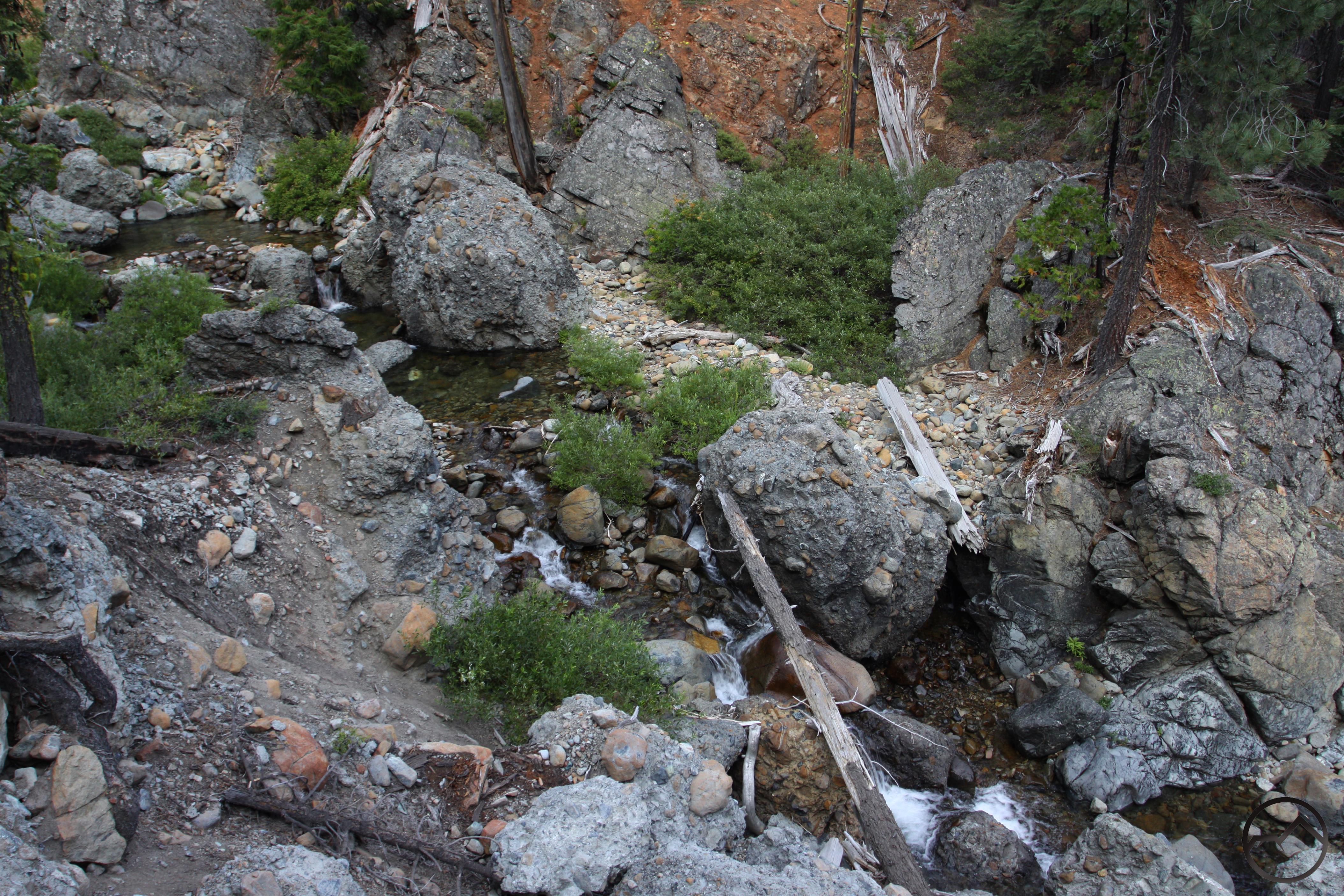
Just a short distance from the Cement Bluff, High Camp Creek passes through a block of hard, seemingly erosion-resistant cement. This is the easiest of the riparian formations to access, since it is located right on Parks Creek Road just west of Deadfall Meadow. Here the creek pours over a trio of small cataracts formed by low ledges of cement. Potholes, likely formed by rocks being dislodged by the water are found in the cement.

20200608_134040

20200608_134040

The middle cascade on High Camp Creek is the tallest of the three.

Of the three, the middle cataract is the largest and most interesting in terms of the water feature itself. It has a nice drop of 5 feet or so. The rocky aggregate is evident between the channels of water.

Cement and potholes are evident around the upper cataract.

However, the upper cataract has the easiest display of the cement formation. This creek is a great opportunity to hop down to the water and examine the cement formations that have created the small cataracts. The rocks really do appear to be locked in concrete but the provenance of the formation is natural and not the work of construction crews.


The Little Trinity River’s cement formation. 

Further west, the Little Trinity River also flows over a cement formation. Here the rocks are again locked in a natural cement bed, like aggregate encased in concrete. Like High Camp Creek, a nice set of cataracts is formed by the edge of the cement area but these are not as high, amounting to only a couple of feet. The Little Trinity is a very pretty stream. It is a shame there are no trails exploring it.


20200612_151507

20200612_151507

“Beargrass Falls” on Parks Creek.

Perhaps the most scenic example of the cement formations is found along a remote section of Parks Creek, deep in its all-but-forgotten canyon. Here the creek slids over about 40 yards of sloping cement formations before tumbling over a nice 10 waterfall. Rocks are ensconced in the natural concrete along the entire slide. The waterfall is particularly interesting, splitting into two channels that demonstrate very different erosion patterns. The channel on the south side of the creek has retained its integrity and the water cascades over a series of embedded boulders. On the north side the cement has given eroded more swiftly and the water plunges into a narrow slot. In the little slot, the harder concrete layer is visible resting atop a softer, reddish layer. I dubbed the waterfall “Beargrass Falls” because of the profusion of nice beargrass blooms located nearby.

While the Scott Mountains may have the most interesting formations, there are a few good ones in the Trinity Divide as well. Needless to say, I have not thoroughly examined every inch of the canyons that permeate this range, and it is likely that I have missed several examples of this formation.
 

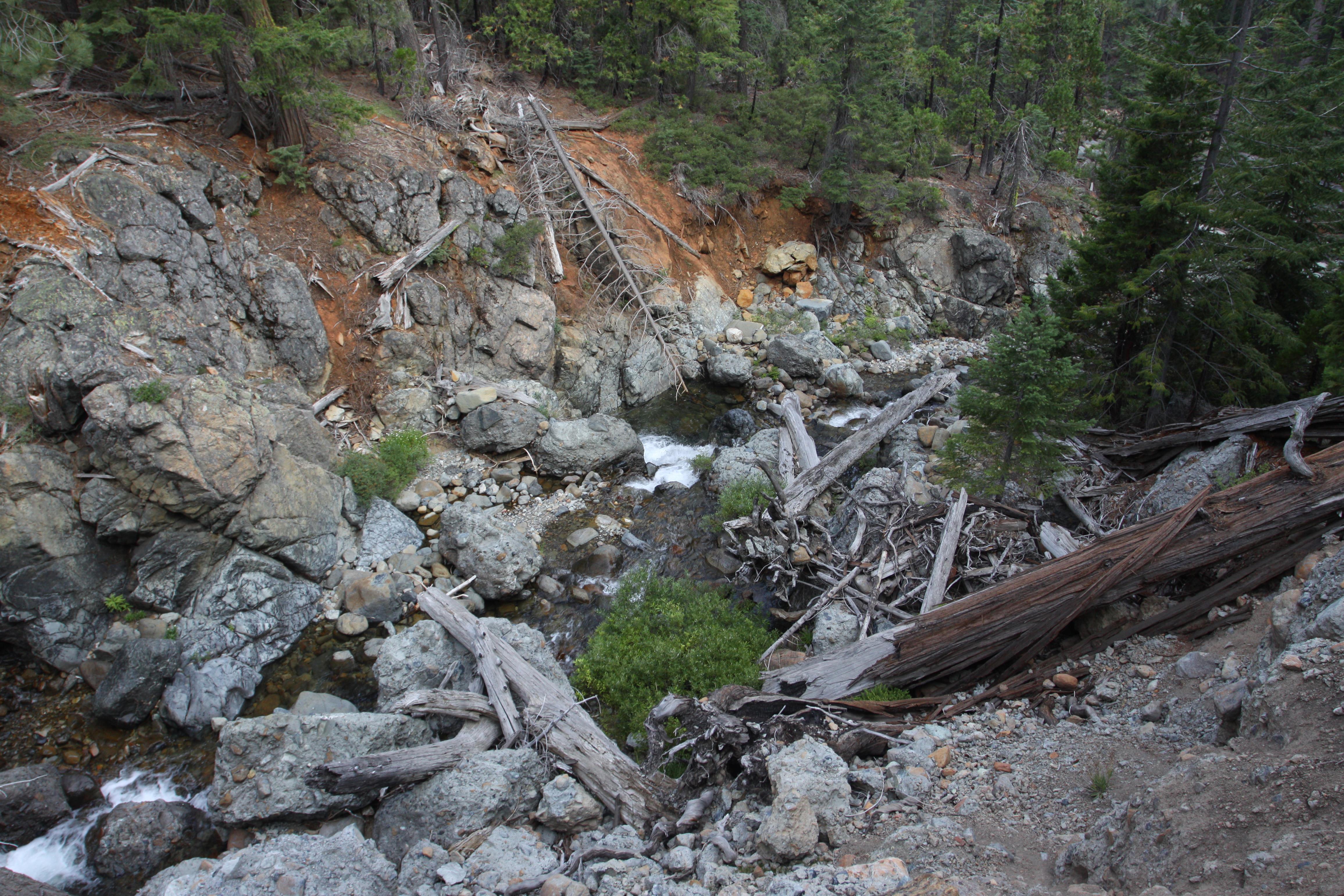
One of the more notable occurrences found in the Trinity Divide is along the North Fork of the Sacramento River. Accessed via the Sisson-Callahan Trail, the river flows through a scenic canyon full of large boulders composed of natural cement. Looking at the surrounding terrain, this band of cement seems isolated from like formations.

The North Fork formation is also noteworthy because it occurs alongside large slabs of bedrock. I am not sure how these different geologic strata fit together but the presence of both solid rock and the band of natural cement hint at some interesting events in the distant past.


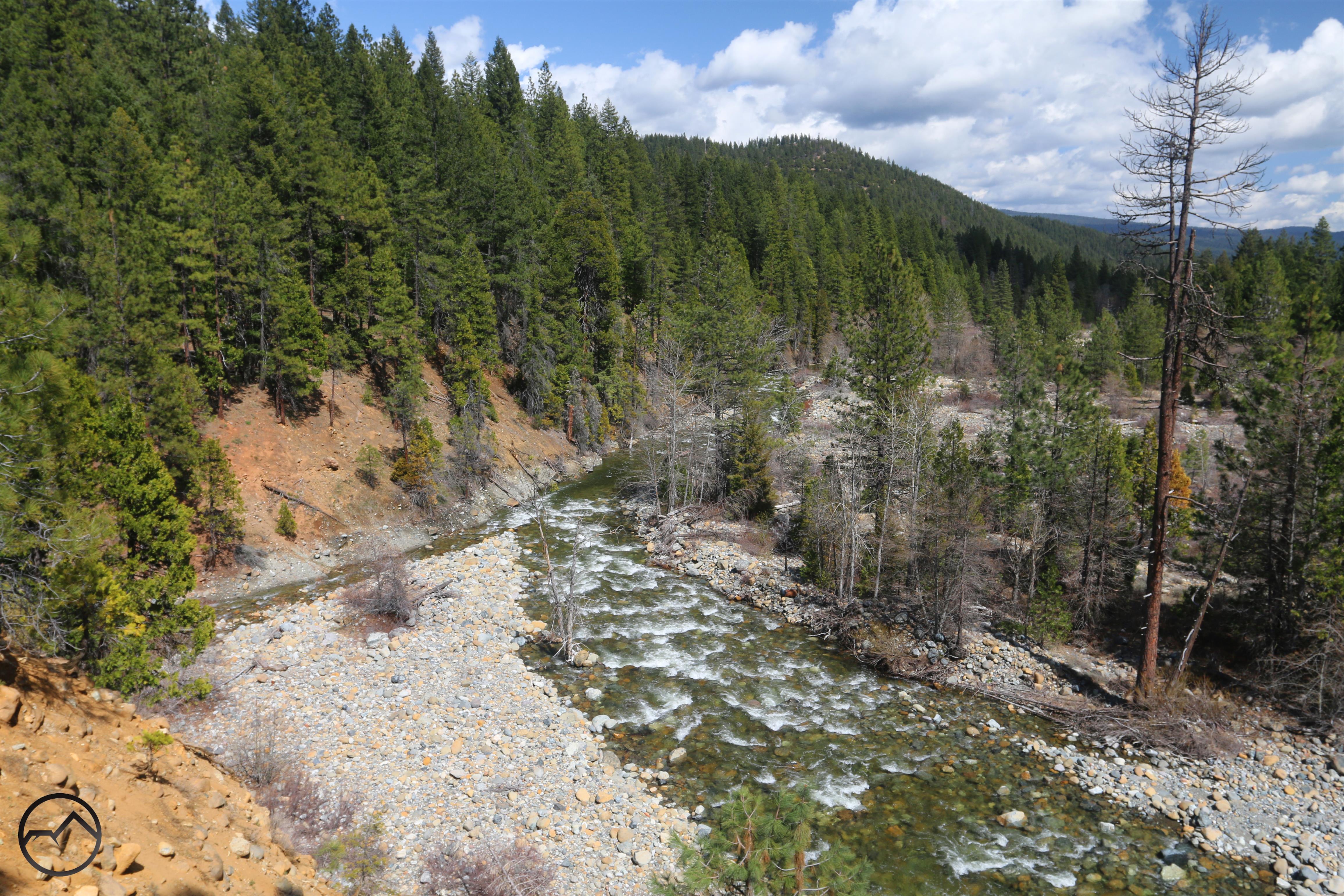
Another scenic example is found on the main stem of the Sacramento River at the confluence with Deer Creek. Here a high bluff is formed of loose rock pressed together inside a sandy mixture. While this does exhibit similarities to the other formations, it is more akin to the Cement Bluff, where the rocks are fixed in the sand but are looser than those found along the creeks. It is possible these formations are unrelated but that does seem unlikely to me. Read more about this area here.


Deer Creek flows through a small cement gorge. Note the creek bank on the right.

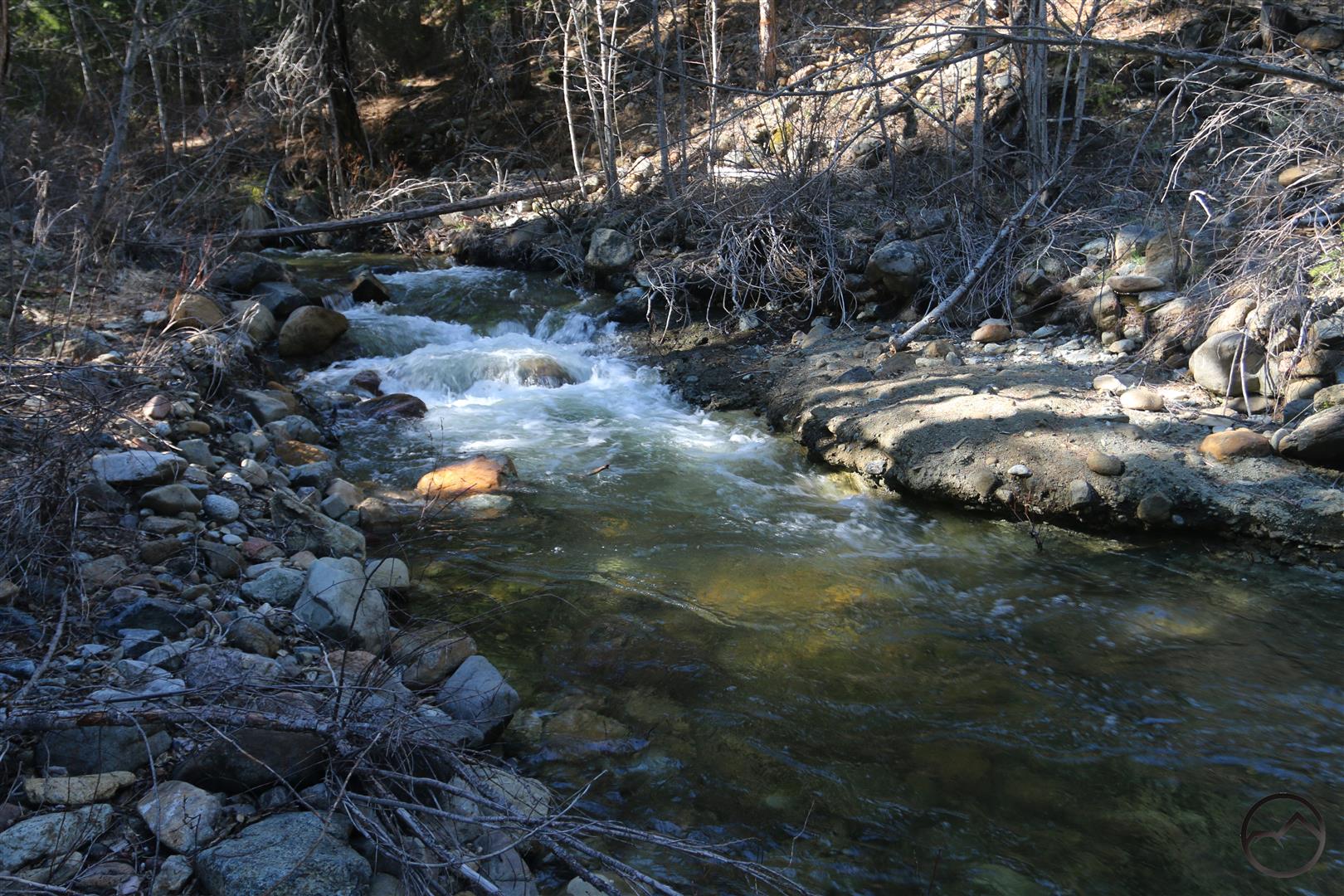
Not too far up Deer Creek from the confluence with the Sacramento, Deer Creek passes through another cement formation, this time in the form of a small gorge. As the creek cascades down some short rapids, it enters a surprisingly deep gorge composed of more natural cement. There is not much exposed but the formation is evident if you work down to the water’s edge. Though it lacks the drama of some of the other examples, it is still a site worth mentioning when tabulating all the occurrences of the this type of formation.

I should note that the Scott Mountains continue west of Highway 3 into the Trinity Alps Wilderness. There, near beautiful East Boulder Lake, is the massive Cement Bank formation, which is similar to the Cement Bluff, but on an even larger scale. It is one more example of the unusual cement formations that are found in the Trinity Divide and Scott Mountains.

While none of these cement formations are very well known, they are nonetheless quite fascinating and, in many cases, very scenic. The Cement Bluff and “Beargrass Falls” in particular are exemplary specimens of their kind. Access to these varies from roadside to remote but all make great outings for exploration and adventure and are one more, unsung, feature that makes exploring the Mount Shasta area so rewarding!


Looking Back On The Last Lenticular Cloud Season

Posted by bubbasuess on June 7, 2020
Posted in: Cascade Range, Hiking, Lenticular Clouds, Mount Shasta. 2 Comments

Now that we are in June, the typical season for lenticular clouds has come to an end. From October through May (and May, just barely in most years) Mount Shasta has a tendency to create spectacular cloud formations in its vicinity. These clouds, created by a combination of flutuating air currents and temperatures, typically manifest when weather patterns are shifting. The onset of the shoulder seasons and the turbulence of winter bring the necessary conditions for the creation of the clouds. Late spring, summer and early fall all have warmer temperatures and more stable weather and, consequently, have far fewer lenticular manifestations (though they can always appear unexpectedly!)

The lenticular season of 2019/2020 was a good one. As always, there were a few really spectacular events. Although my personal favorite occurred in October (see the lead image) one lenticular event that took place in February drew national attention. Oddly enough, there were times this past season when I felt like there had not been many notable cloud formations but, looking back at the gallery, it is obvious that this was indeed an epic lenticular season! May the next one be so as well!

Click to enlarge:

October
October
October

October
October
October

November
November
December

Diller Canyon at sunset.
December
December

December
December
December

January
January

January
January
February

February
February
February

February
February

March
March

April
April
April

April
April
April

May
May

Parks Creek Sunset

Posted by bubbasuess on June 2, 2020
Posted in: Hiking, Mount Shasta, Trinity Divide. Leave a comment

Last night I took my family up to Tamarack Creek for a picnic dinner. We set up camp in a beautiful meadow, right near the creek and made Frito Pie, a classic southwestern treat that is popular with my kids. After we ate, we all explored the meadow, enjoying the beautiful views of the verdant expanse and the red and gray cliffs of China Mountain rising 2,000 feet above us. It was all quite wonderful except the sky was overcast and the temperature had just a touch of chill on it. In spite of this, we all had a great time.

The creek in particular is quite nice, alternating between swift flowing sections and mirror-like placid parts. While my wife and oldest son crept along the ground, identifying all the plants, the other two kids and I played on the logs. I am so grateful that summer is finally here!

After leaving the meadow, we decided to drive up to Parks Creek Pass and see if it had finally opened up. To our delight, it had, within the last couple of days! We drove up to the pass and parked. While the kids played in the quarry, my wife and I marveled at the spectacular view to both east and west.

To the east, the Shasta Valley was lit up by the setting sun. Numerous landmarks were visible, including the Whaleback, Deer Mountain, Goosenest, the Haystack and Herd Peak. Most prominent, however, was awesome Sheep Rock. This low, but intricate and mysterious mountain has been the subject of a lot of my attention lately.

The view to the west was even more memorable. The Scott Mountains were all left in shadow by the setting sun but the Trinity Alps were still catching some of the alpenglow. However, a thunderstorm was pouring copious amounts of rain in the Trinity River canyon. The rain was lit up by the low light of the sun as it was slipping further beyond the horizon. The clouds were dark and ominous but beautiful all at once. Behind the rain, the Bear Lakes Basin was visible. This is the closest point of the Trinity Alps to the Mount Shasta area and one of the most spectacular of this spectacular mountain range.

All in all, not a bad evening and with the added benefit of a Parks Creek sunset, a pretty spectacular one too!

Distancing Pt. VI: May In Mount Shasta / The End

Posted by bubbasuess on May 28, 2020
Posted in: Boy Scouts, Cascade Range, Desert, Hiking, Lakes, Mount Shasta, Trinity Divide, Waterfalls. 3 Comments

A spectacular May morning on Mount Shasta.

It’s hard to believe I haven’t posted anything in May. The month has been incredibly busy, both with work and play. With one blip of rainy/snowy weather, the weather was idyllic most of the month. Naturally the virus has been an influencing factor in some regard but for the most part it has been life as normal up here in Mount Shasta. It is on that note I just want to state that this will be my final post on my and my family’s distancing activities. As Siskiyou County has entered into advanced phases of reopening, it seems that life is returning to the ordinary and I no longer feel the need to commemorate what we have been up to during the “Great Hunkering”. From here on out, it will be a return to the usual Mount Shasta-centric posting. Thanks to everyone who has journeyed along with my family in this strange time!

First the kids (click to enlarge):

Exploring mountain meadows, having fun the old fashioned way.
The flanks of China Mountain cut a nice line on the horizon.
My youngest takes in some impressive cloud iridescence.

Gray Rock Dome is an impressive sight on the way into the lakes.
Crossing the Gray Rock Lake outlet.

Scrambling at 8 Mile.
She’ll be climbing it soon!
Exploring Made In The Shade.

Awesome granite along Burstarse Creek.
Burstarse Falls
Hiking paradise in the Castle Crags.

Does it get better than this?
High desert meadows are a great place to run free.
My family enjoys “the bench” at Cliff Lake.

Jack Flat “canyon”.
Great views west.
Sand Flat spectacular!

They obviously haven’t been up to very much. Life is very hard!

Of course, it wasn’t play an no work. My kids have done considerable work limbing, lopping, loading and other tasks necessary to maintain the land. They are good workers…most of the time.

As stated, about 2/3’s of the way through May, we got some rainy weather that left some fresh snow slightly higher up than the elevation my house is at. Although we were nearly in full summer mode, the wet weather was a bit of a hiccup and, against my will, I was forced to build a fire once again.

During this time, a small possum showed up at the door of our house. My wife, who is adept at handling animals, has taken “Pokey” in as a foster until it is old enough to handle itself in the wild.

With proper rules in place, the Boy Scouts and Cub Scouts continued the tradition of planting flags at the graves of veterans buried at Mount Shasta’s cemetery. There was appropriate distancing and masks etc and, fortunately, the event continued once again.

As far as mountains go, my attention has been focused on finding a variety of off-the-beaten-path destinations. Some have been in the high desert while others have been at the bottom of remote, seldom traveled canyons. These latter have been particularly fun with some great discoveries.

Rugged Sheep Rock.
Another view of Sheep Rock.

A view across the Shasta Valley to Duzel Rock.
A distant view west from Sheep Rock.

A seldom visited historical marker.
Mount Shasta from the high desert.

Sheep Rock is one of my favorite destinations on the north side of Mount Shasta. Loaded with history and mystery, it is at its best in spring. Access can be tricky at points but for those who venture into its demesnes, the rewards are ample.

Parks Creek flows through a rocky gorge.
Dark rock lines white water on Parks Creek.

The creek descends precipitously.
A view of Parks Creek from the hike down into the canyon.

Parks Creek has been a fascination of mine for quite a while and hiking through its deep, rugged and remote canyon is pure joy. More on this awesome waterway in the nearish future, but for now, one video will suffice…

20200504_151809

20200504_151809

Though there are some nice cataracts along Parks Creek, this passage through a rocky gorge really caught my interest. The way the water has sculpted the rock strata is fascinating.

20200524_143102

20200524_143102

Naturally, waterfalls are always at the top of my list and the discovery of this fine cataract was a complete serendipity. Found in the course of trying to reach the falls in the video below, this one was earned the hard way.

20200524_151800

20200524_151800

This waterfall is completely off the radar in the Mount Shasta area but not far from other, popular destinations. About 30 feet high, its power is tremendous. Reaching this waterfall was the result of a lot of trial and error and “manzaneering”. It sure was worth it!

20200525_161953

20200525_161953

Though easy to reach at a popular lake, this terraced waterfall (unofficially dubbed Terrace Falls) is generally overlooked. The highest tier is the largest but is overexposed in the video. Surrounded by large Port Orford Cedars, it is an impressive sight.

20200525_152526

20200525_152526

Just above Terrace Falls is another nice little cataract. Not as impressive, but is there such a things as too much video of falling water?

Lastly, it would not be proper to leave out Mount Shasta itself. The mountain has put forward some fine spectacles over the past month. Sadly, there were a few lenticulars that I missed, especially on one frustrating occasion when it manifested while I was in the depths of a deep canyon. We can’t win them all I guess, but it always feels like winning around Mount Shasta!


May

May


Posts navigation

← Older Entries
Newer Entries →
    • Recent Posts

      • Winter Shows Up When It Will
      • January Rolled By With Mud, Then Very Dry
      • Mount Shasta 2025 – A Year In Images
      • Mount Shasta On Either Side Of Christmas
      • Adrift In An Ocean Of Fog
      • December Has Been Spectacular Thus Far Pt. II (A Magnificent Lenticular)
      • December Has Been Spectacular Thus Far Pt. I
      • Lenticular Interrupted
      • A Stormy Wave And A Truchas Sunset
      • Aurora Lenticularis
    • Enter your email address to follow Hike Mt Shasta and receive notifications of new posts by email.
    • Archives

      • February 2026
      • January 2026
      • December 2025
      • November 2025
      • October 2025
      • September 2025
      • August 2025
      • July 2025
      • June 2025
      • May 2025
      • April 2025
      • March 2025
      • February 2025
      • January 2025
      • December 2024
      • November 2024
      • October 2024
      • September 2024
      • August 2024
      • July 2024
      • June 2024
      • May 2024
      • April 2024
      • March 2024
      • February 2024
      • January 2024
      • December 2023
      • November 2023
      • October 2023
      • September 2023
      • August 2023
      • July 2023
      • June 2023
      • May 2023
      • April 2023
      • March 2023
      • February 2023
      • January 2023
      • December 2022
      • November 2022
      • October 2022
      • September 2022
      • August 2022
      • July 2022
      • June 2022
      • May 2022
      • April 2022
      • March 2022
      • February 2022
      • January 2022
      • December 2021
      • November 2021
      • October 2021
      • September 2021
      • August 2021
      • June 2021
      • May 2021
      • April 2021
      • March 2021
      • February 2021
      • January 2021
      • December 2020
      • November 2020
      • October 2020
      • September 2020
      • August 2020
      • July 2020
      • June 2020
      • May 2020
      • April 2020
      • March 2020
      • February 2020
      • January 2020
      • December 2019
      • November 2019
      • October 2019
      • September 2019
      • August 2019
      • July 2019
      • June 2019
      • May 2019
      • April 2019
      • March 2019
      • February 2019
      • January 2019
      • December 2018
      • November 2018
      • October 2018
      • September 2018
      • August 2018
      • July 2018
      • June 2018
      • May 2018
      • April 2018
      • March 2018
      • February 2018
      • January 2018
      • December 2017
      • November 2017
      • October 2017
      • September 2017
      • August 2017
      • July 2017
      • June 2017
      • May 2017
      • April 2017
      • March 2017
      • February 2017
      • January 2017
      • December 2016
      • November 2016
      • September 2016
      • August 2016
      • July 2016
      • June 2016
      • May 2016
      • April 2016
      • March 2016
      • February 2016
      • January 2016
      • December 2015
      • November 2015
      • September 2015
      • August 2015
      • July 2015
      • June 2015
      • May 2015
      • April 2015
      • March 2015
      • February 2015
      • January 2015
      • December 2014
      • November 2014
      • July 2014
      • June 2014
      • May 2014
      • April 2014
      • March 2014
      • February 2014
      • January 2014
      • December 2013
      • November 2013
      • October 2013
      • September 2013
      • August 2013
      • July 2013
      • June 2013
      • May 2013
      • April 2013
      • March 2013
      • February 2013
      • January 2013
    • Categories

      • Boy Scouts
      • Cascade Range
      • Castle Crags
      • Desert
      • Echo Point
      • Glaciers
      • Hiking
      • How things came to be…
      • Klamath Mountains
      • Konwakiton Outdoor Designs
      • Lakes
      • Lenticular Clouds
      • Maps
      • Marble Mountains
      • Meadows
      • Mount Eddy
      • Mount Shasta
      • Mount Shasta History
      • Napa County
      • Off Season Trails
      • Pacific Crest Trail
      • Peaks
      • Rivers
      • Rock Climbing
      • Scott Mountains
      • Seldom Seen
      • Shasta Valley
      • Sierra Nevada
      • Siskiyou Mountains
      • Sonoma County
      • Spring Trails
      • sunrise
      • sunset
      • Trinity Alps
      • Trinity Divide
      • Truchas Ridge
      • Uncategorized
      • Water
      • Waterfalls
      • Wilderness
      • Wildflowers
      • Wine Country
      • Winter Trails
      • Yosemite
    • Meta

      • Create account
      • Log in
      • Entries feed
      • Comments feed
      • WordPress.com
    • Copyright © 2013-2024 by Bubba Suess

      DISCLAIMER: Any use of the information contained in this site by any and all persons is done at their own risk. The operator of this site shall be held harmless from any and all alleged claims, demands, causes of action, liability, loss, damage and/or injury to property or persons whether brought by an individual or other entity. This indemnification applies, without limitation, to all actions by an individual or other entity as a result of their use of information contained in this site.
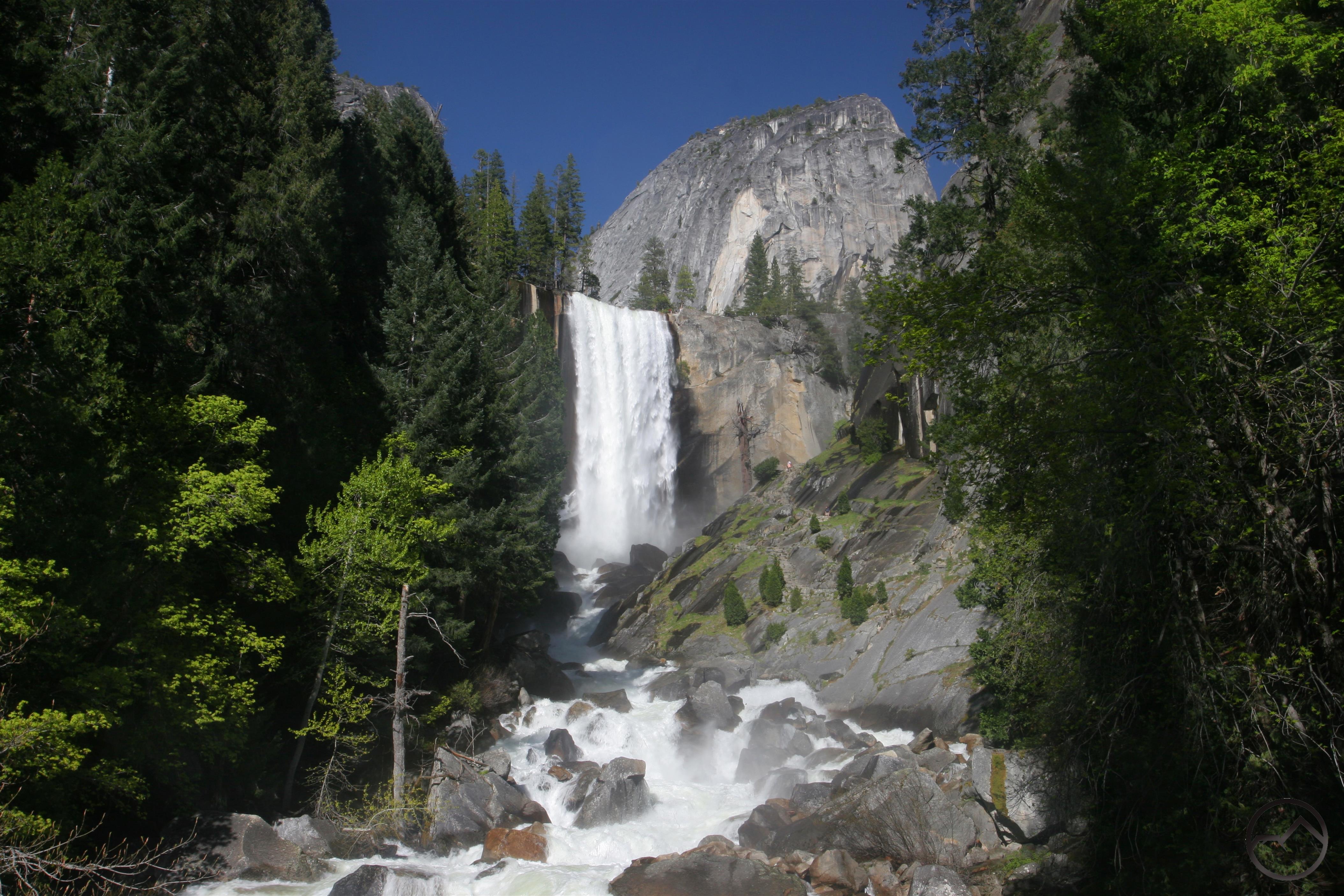
    Blog at WordPress.com.
    Hike Mt. Shasta
    Blog at WordPress.com.
    • Subscribe Subscribed
      • Hike Mt. Shasta
      • Join 983 other subscribers
      • Already have a WordPress.com account? Log in now.
      • Hike Mt. Shasta
      • Subscribe Subscribed
      • Sign up
      • Log in
      • Report this content
      • View site in Reader
      • Manage subscriptions
      • Collapse this bar
     

    Loading Comments...