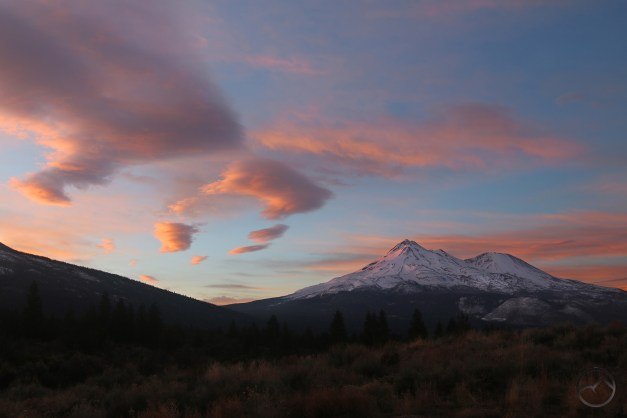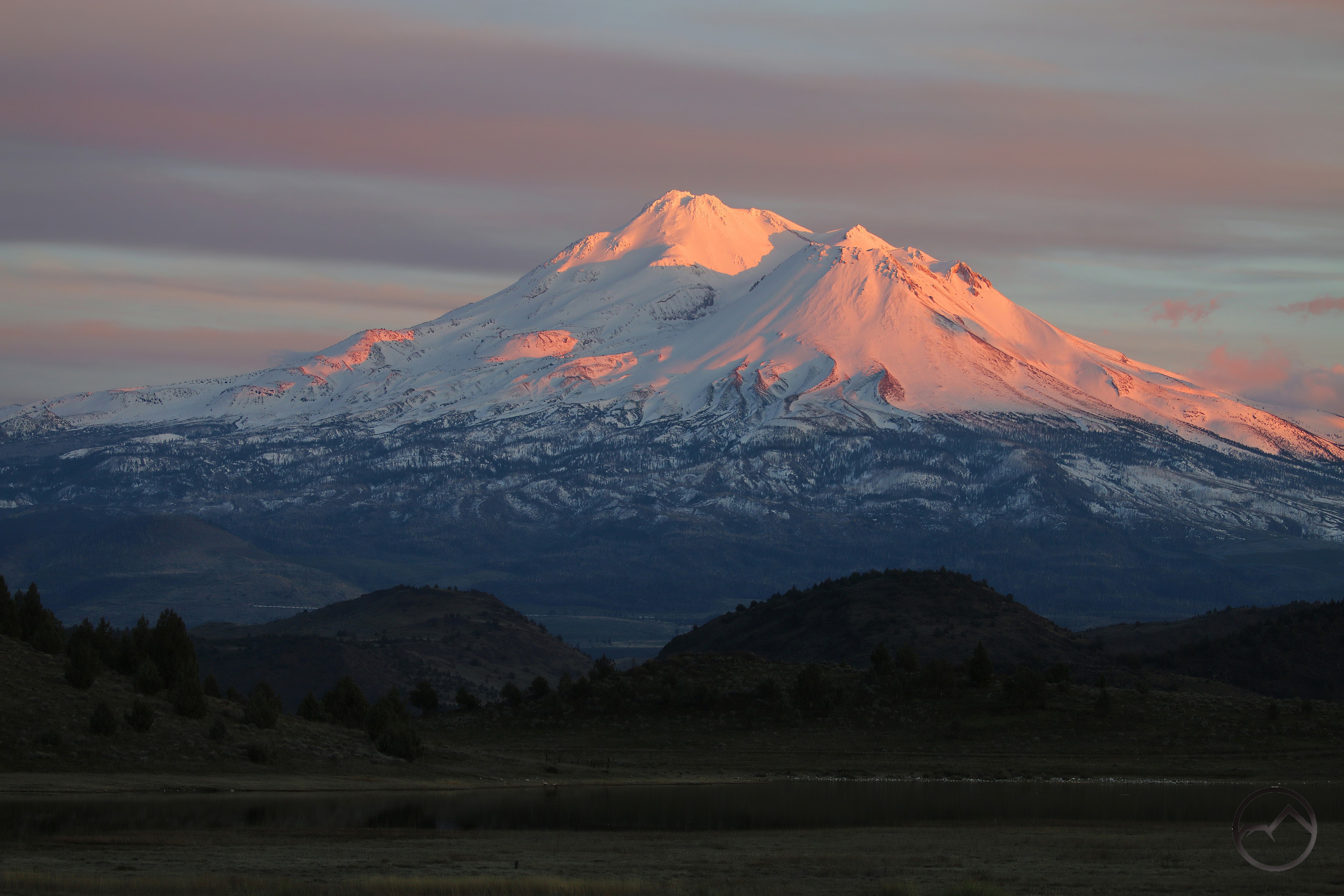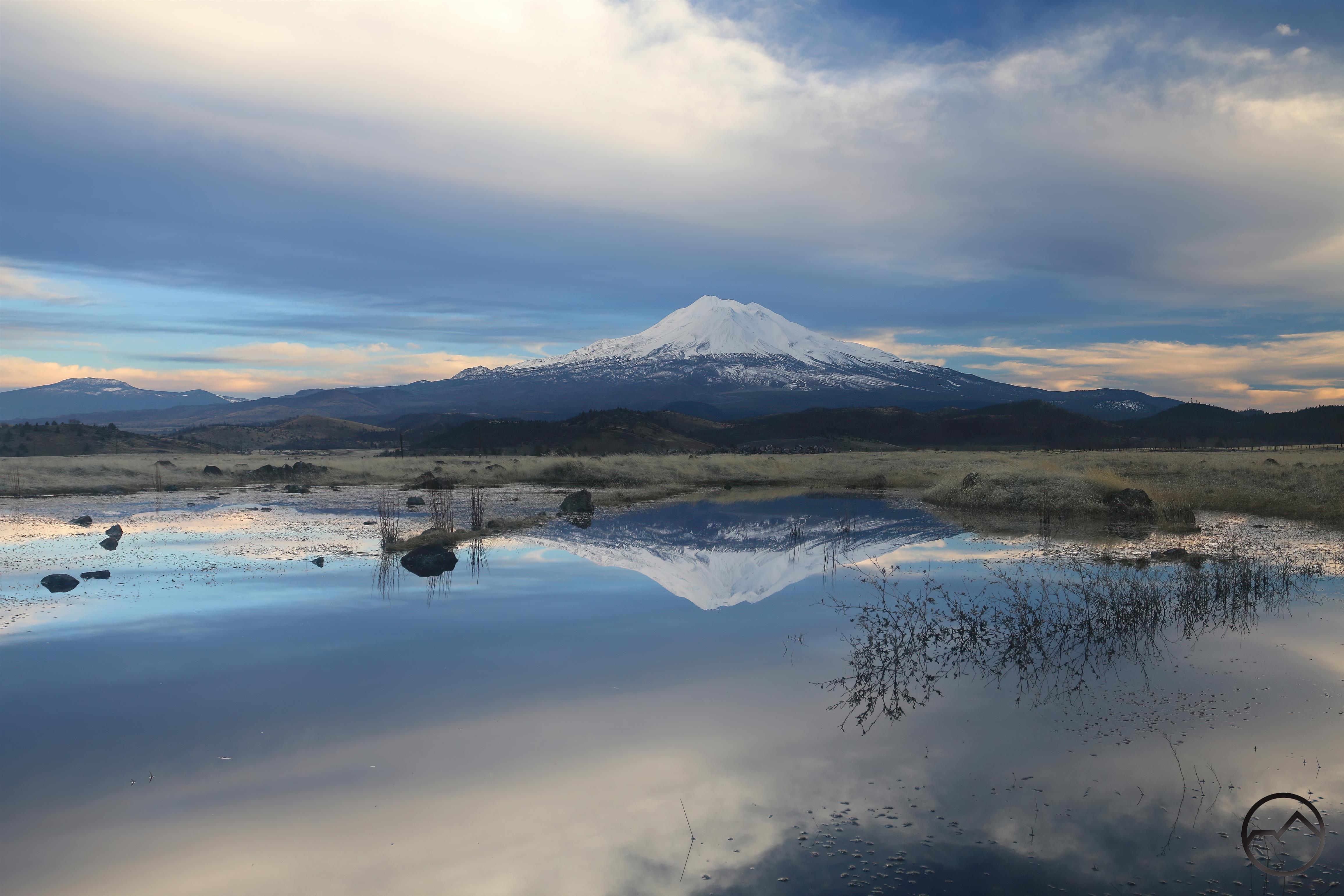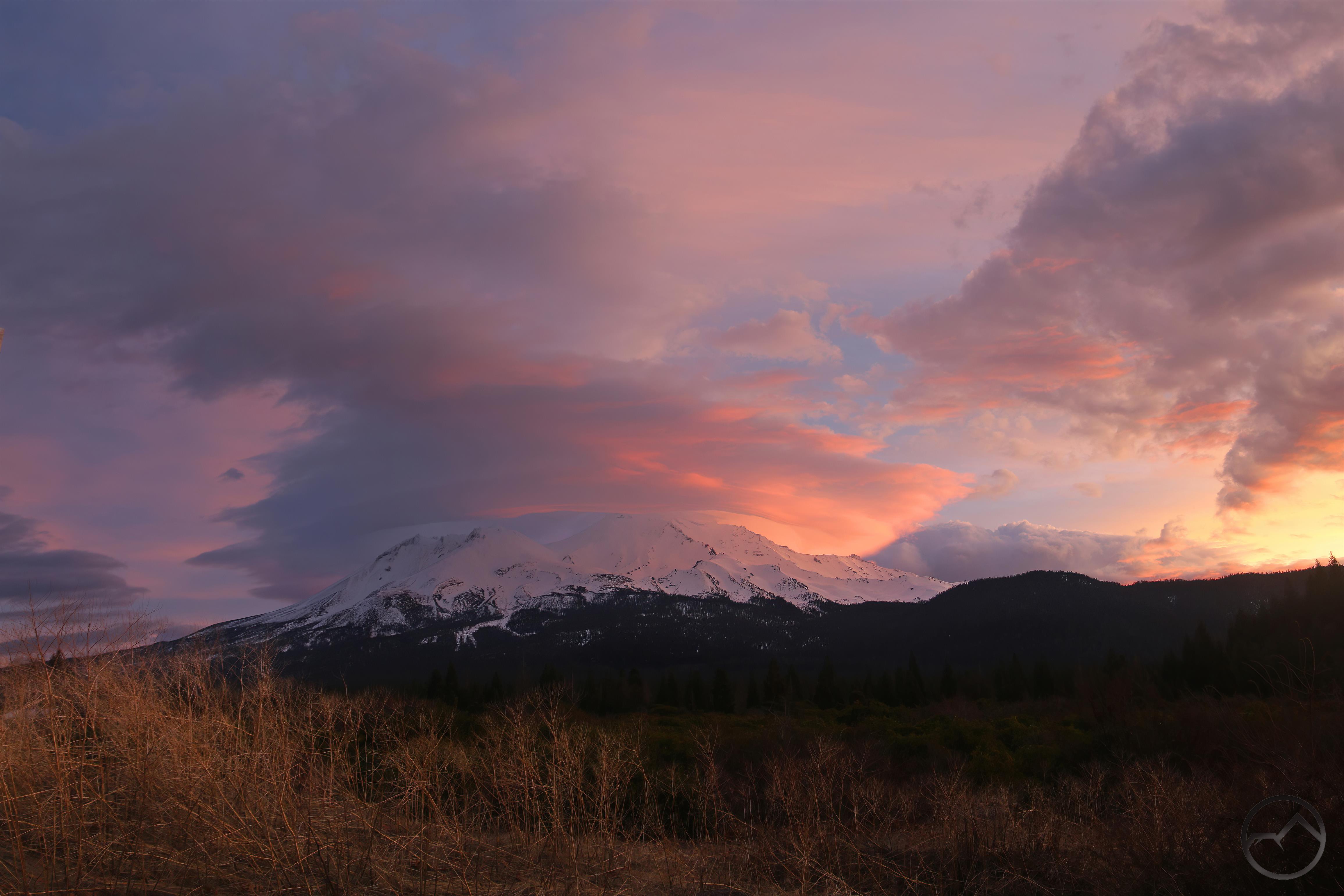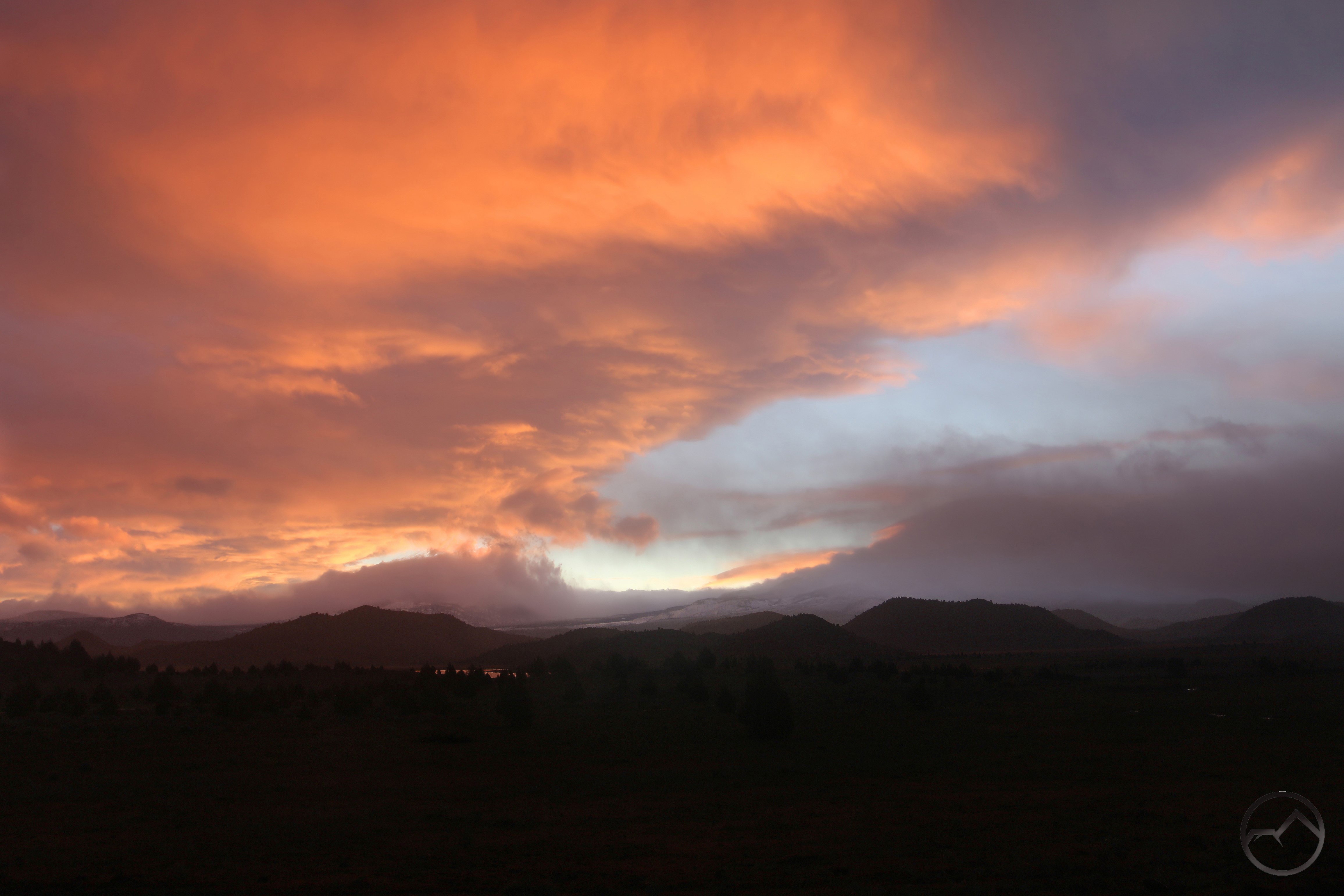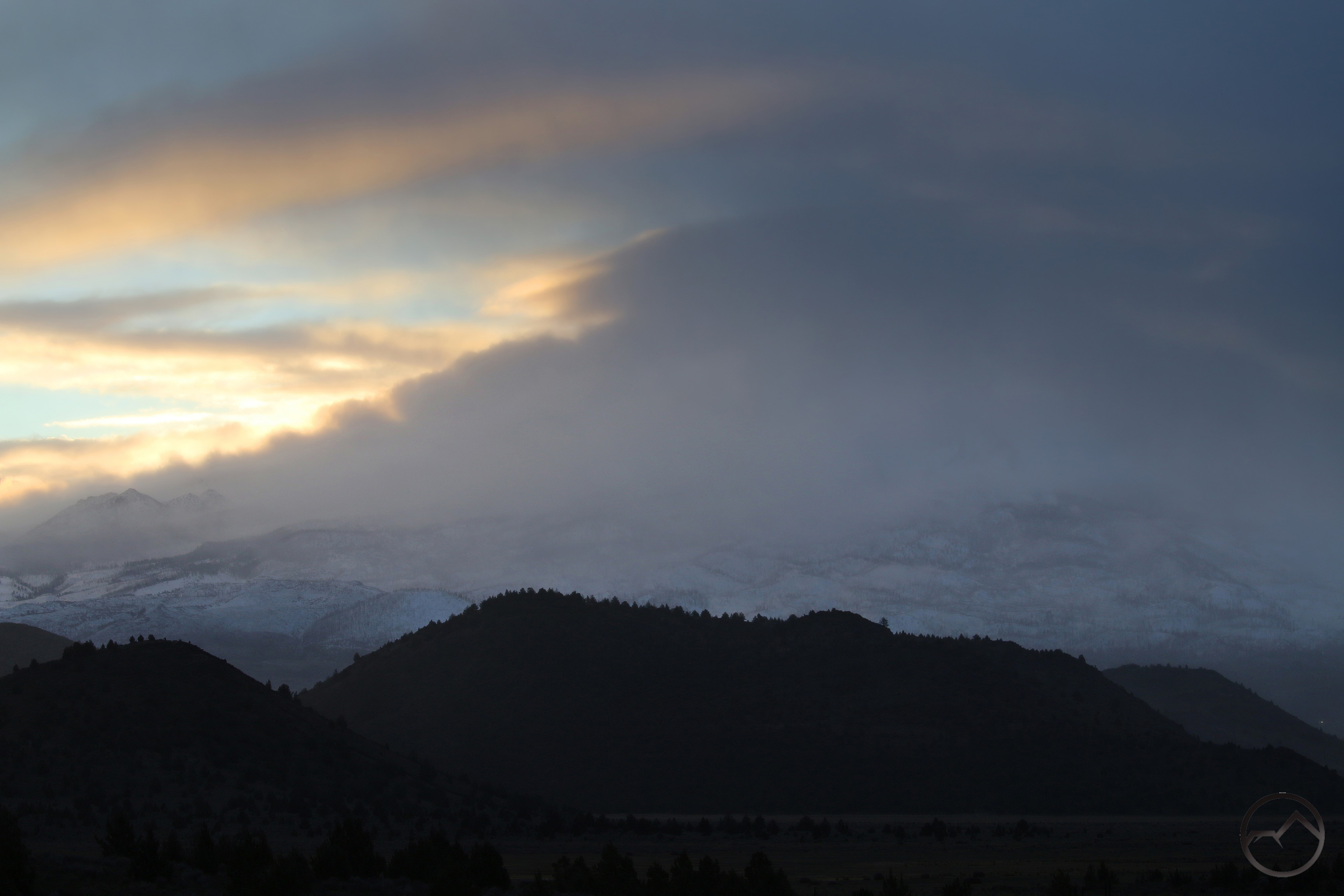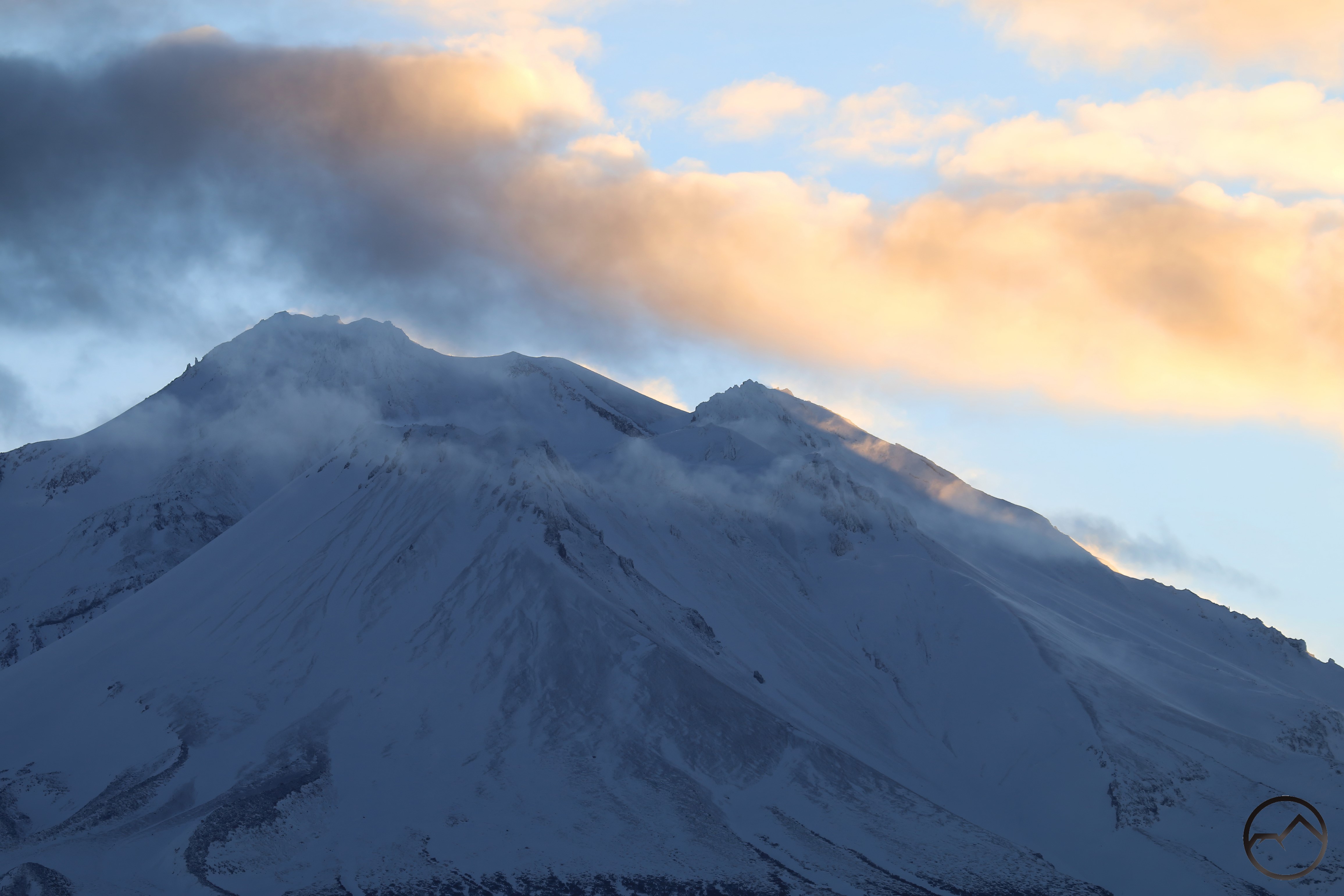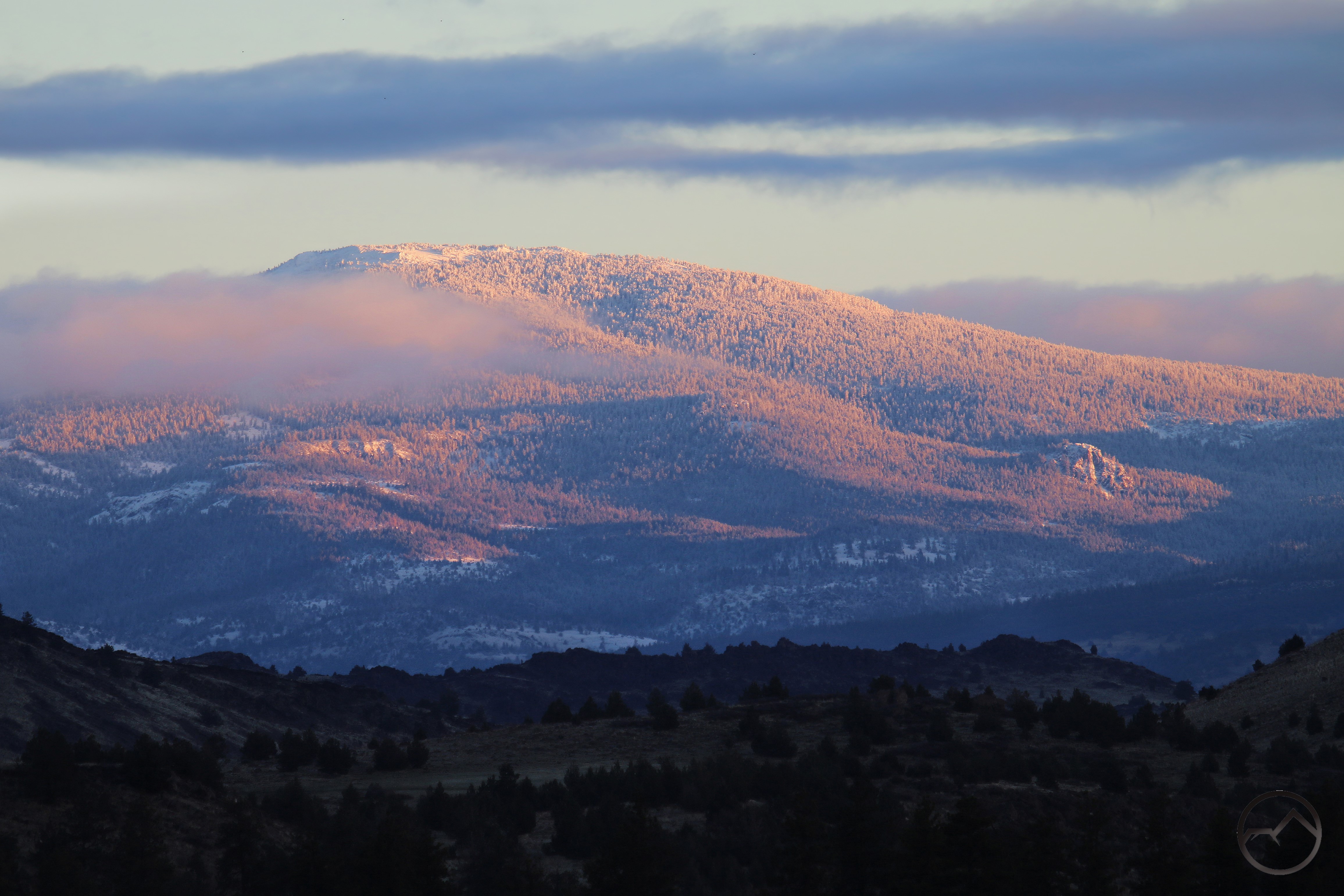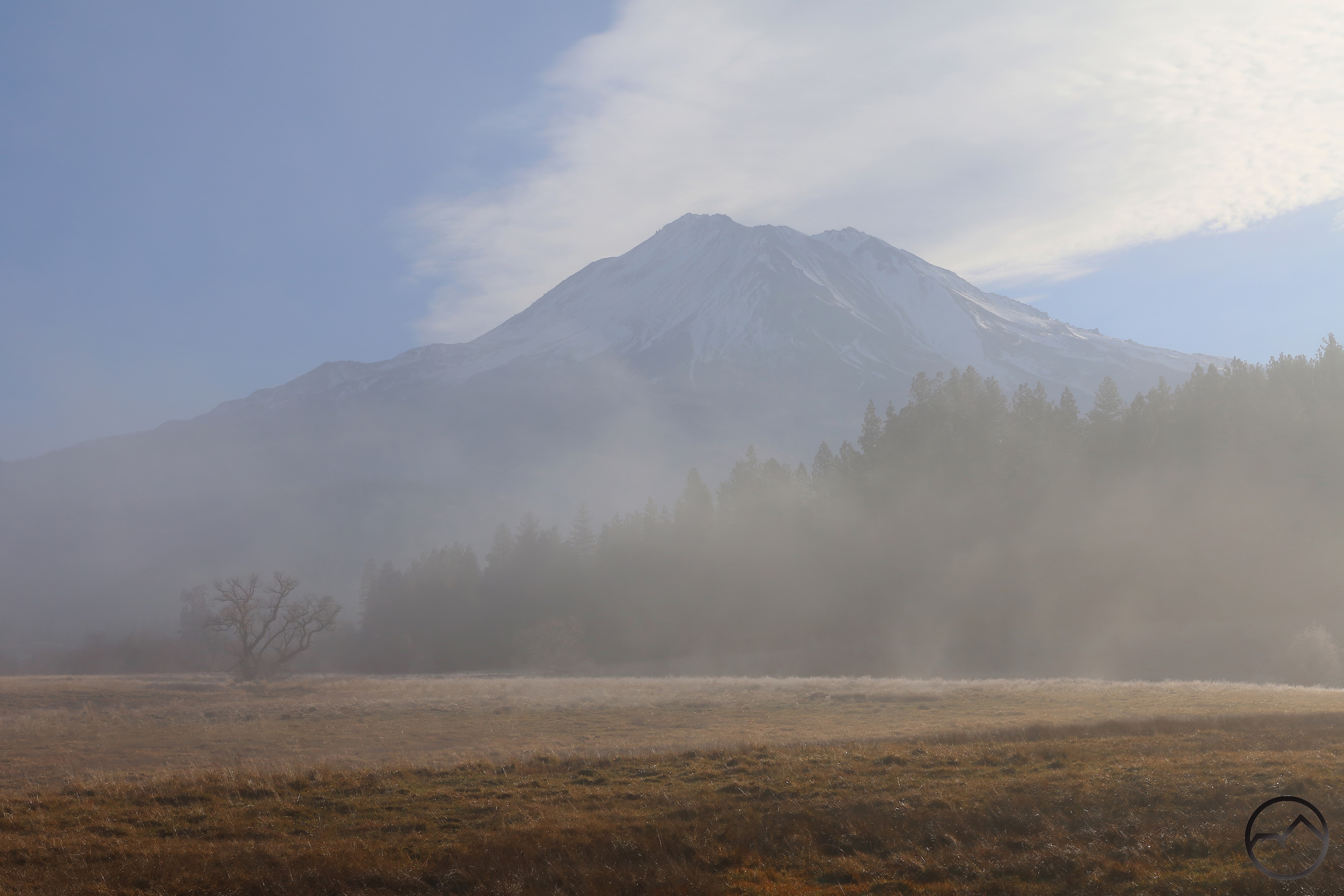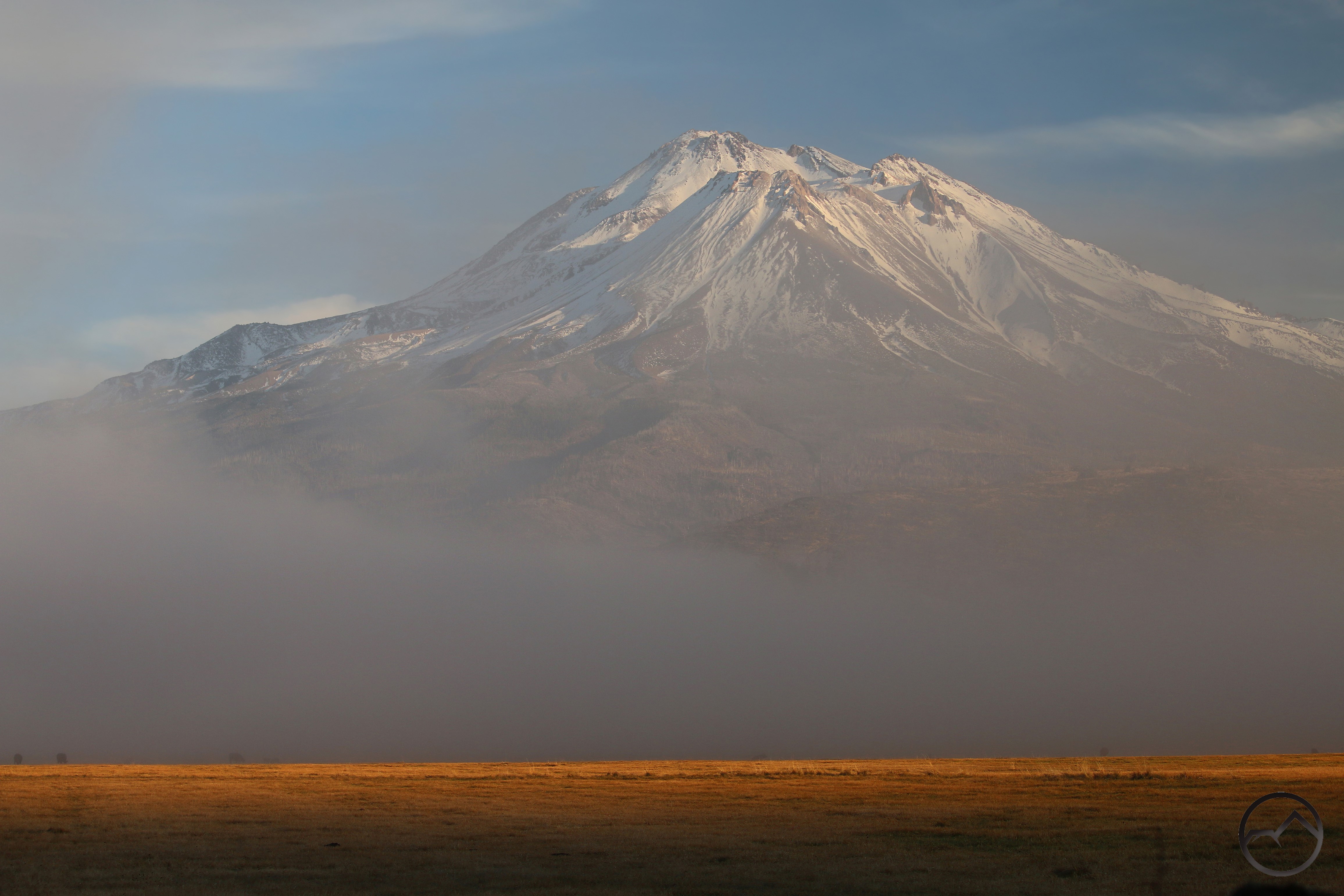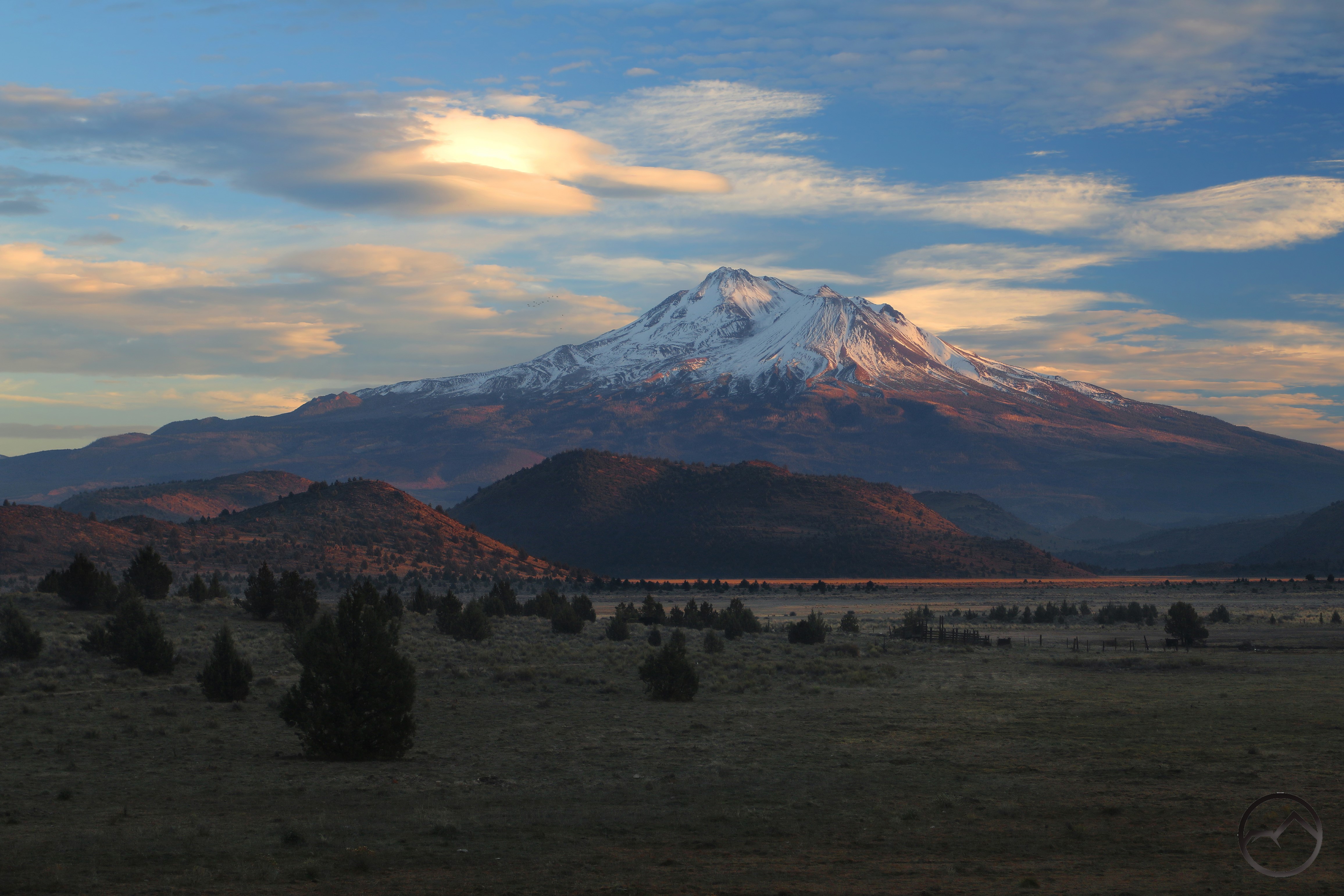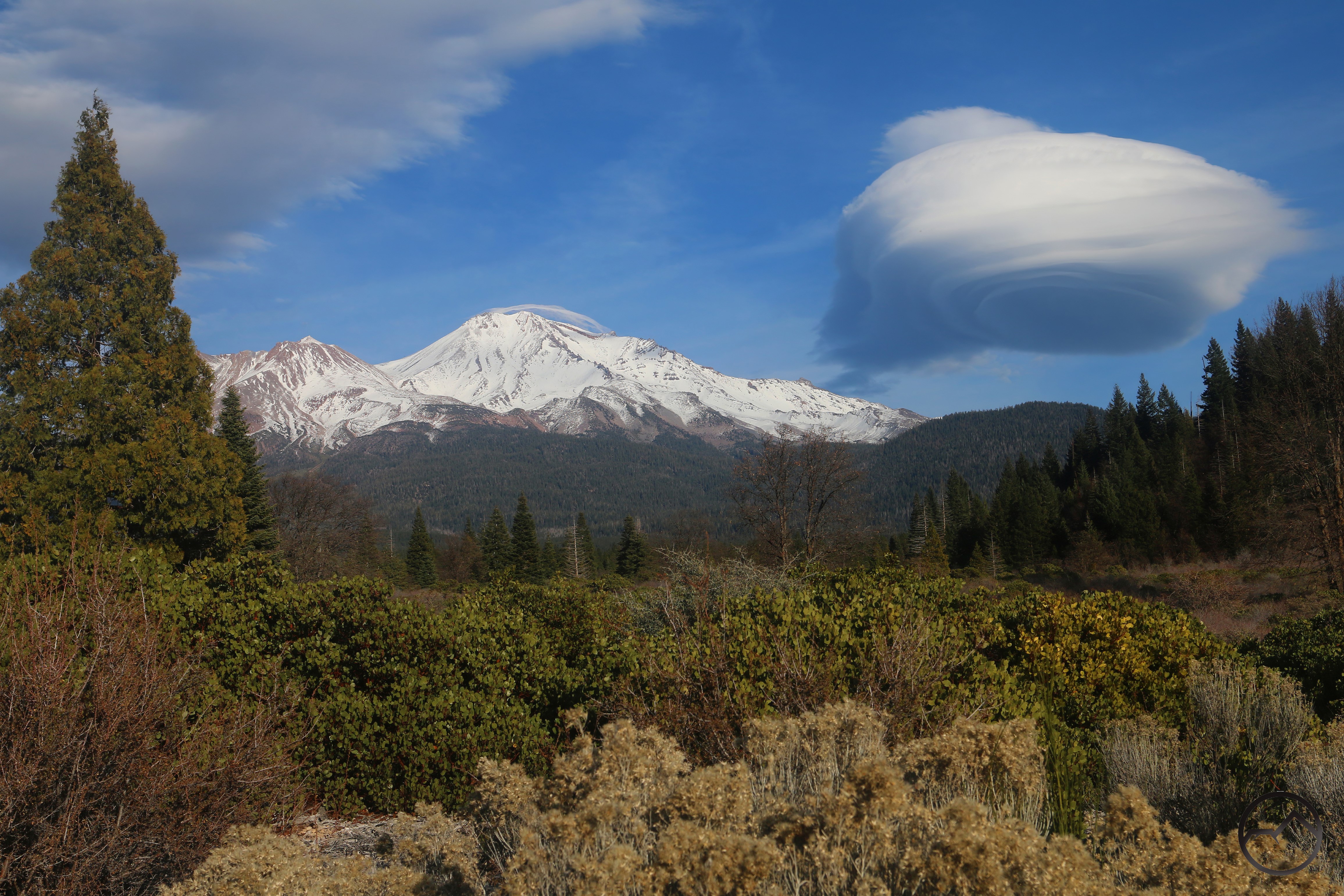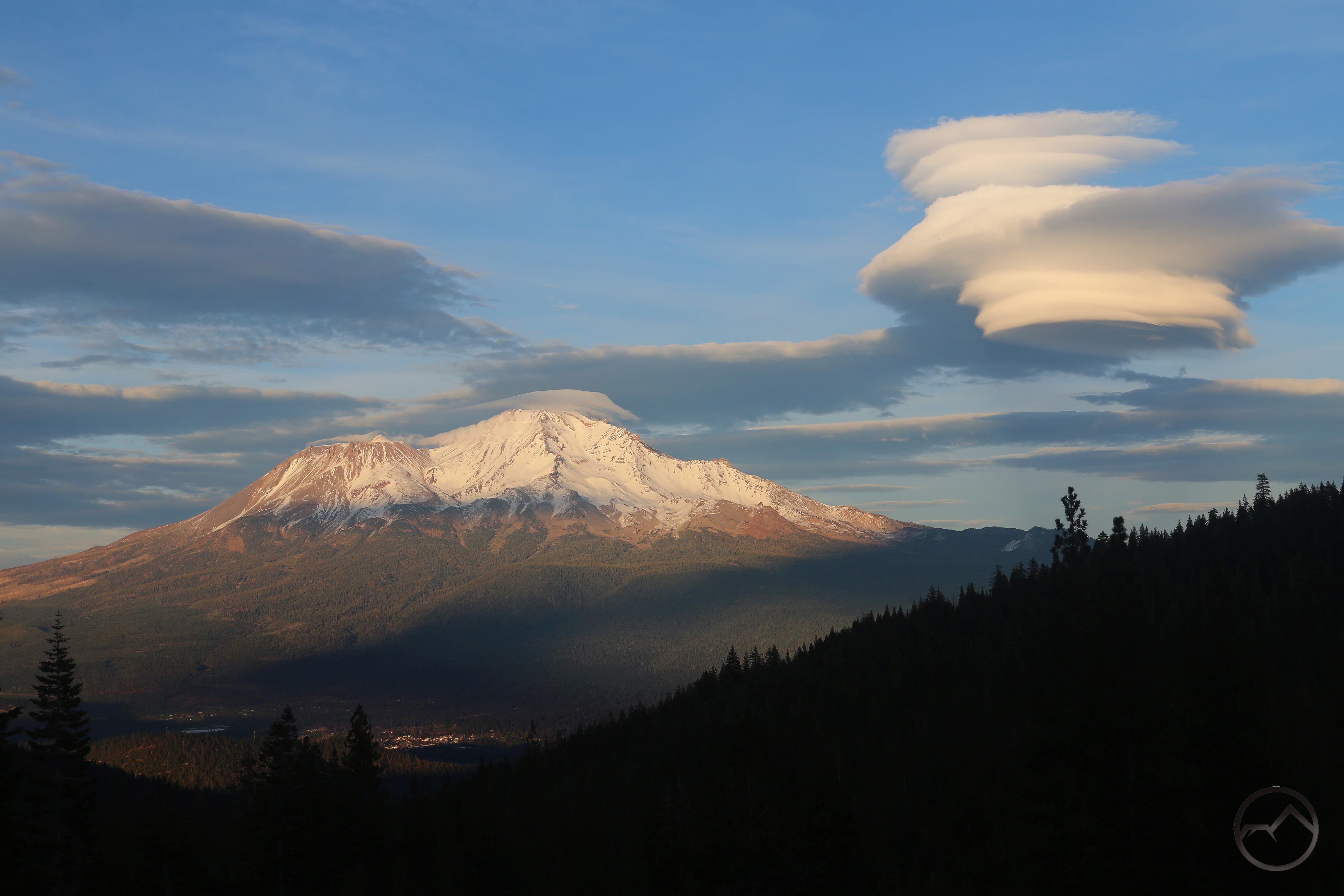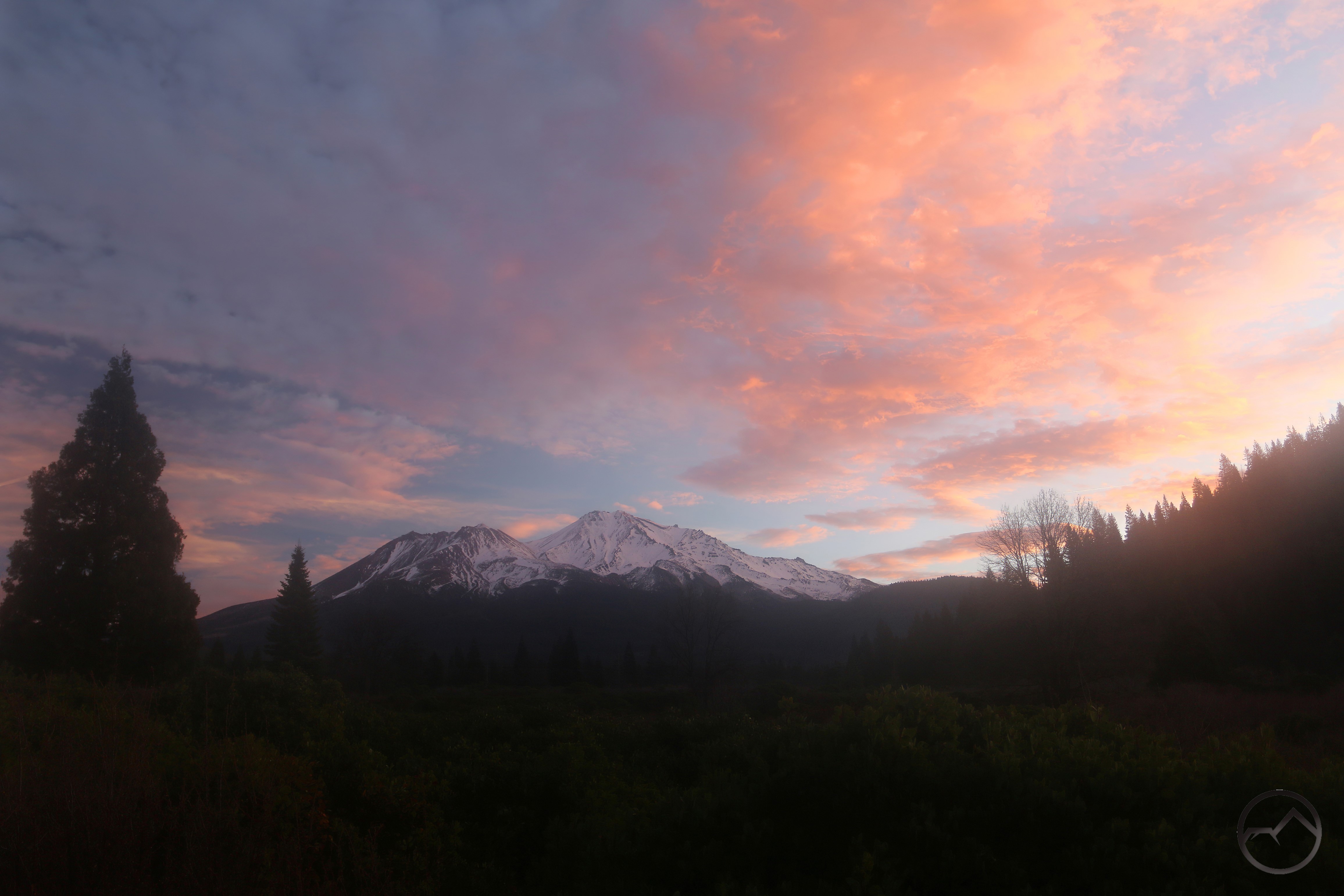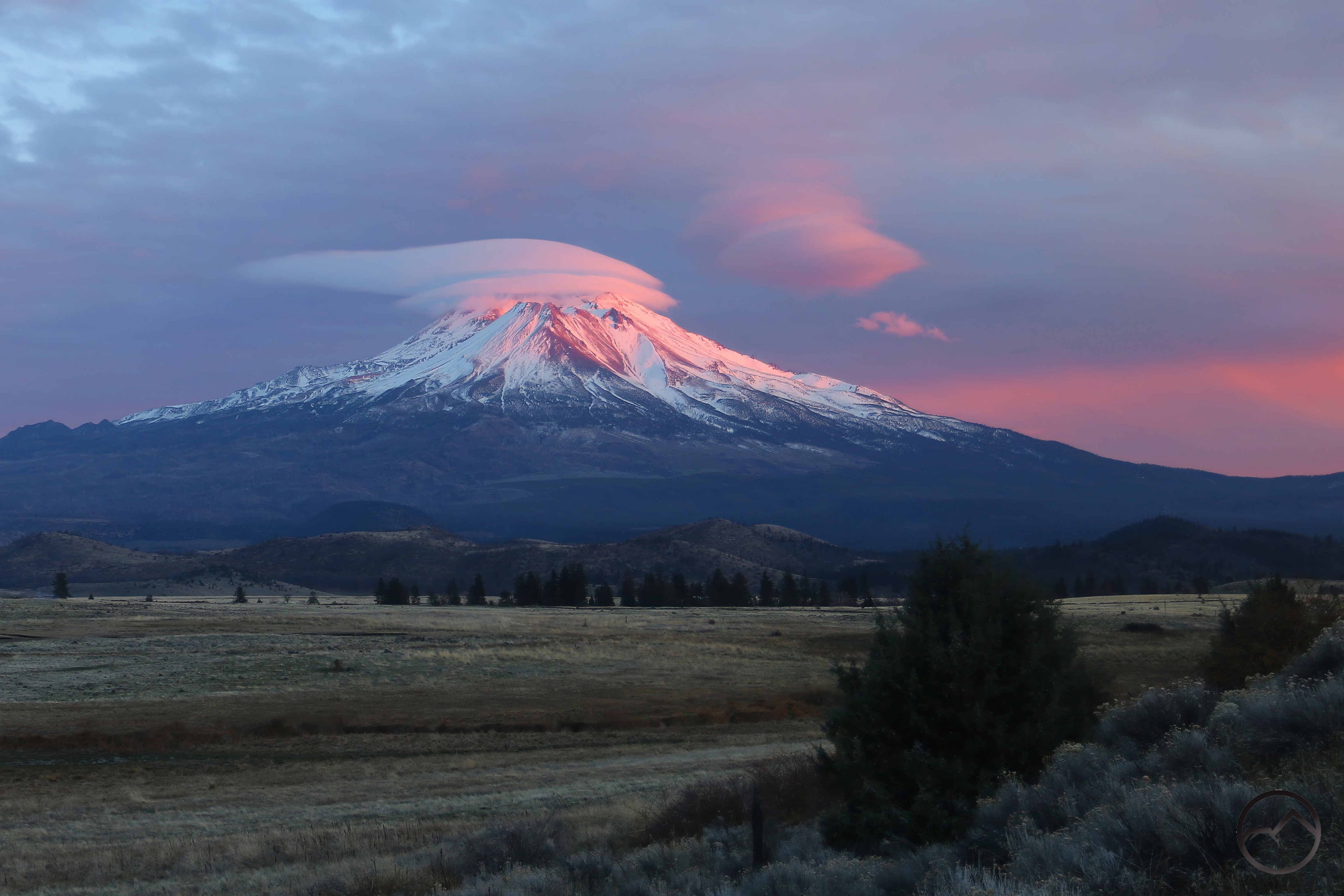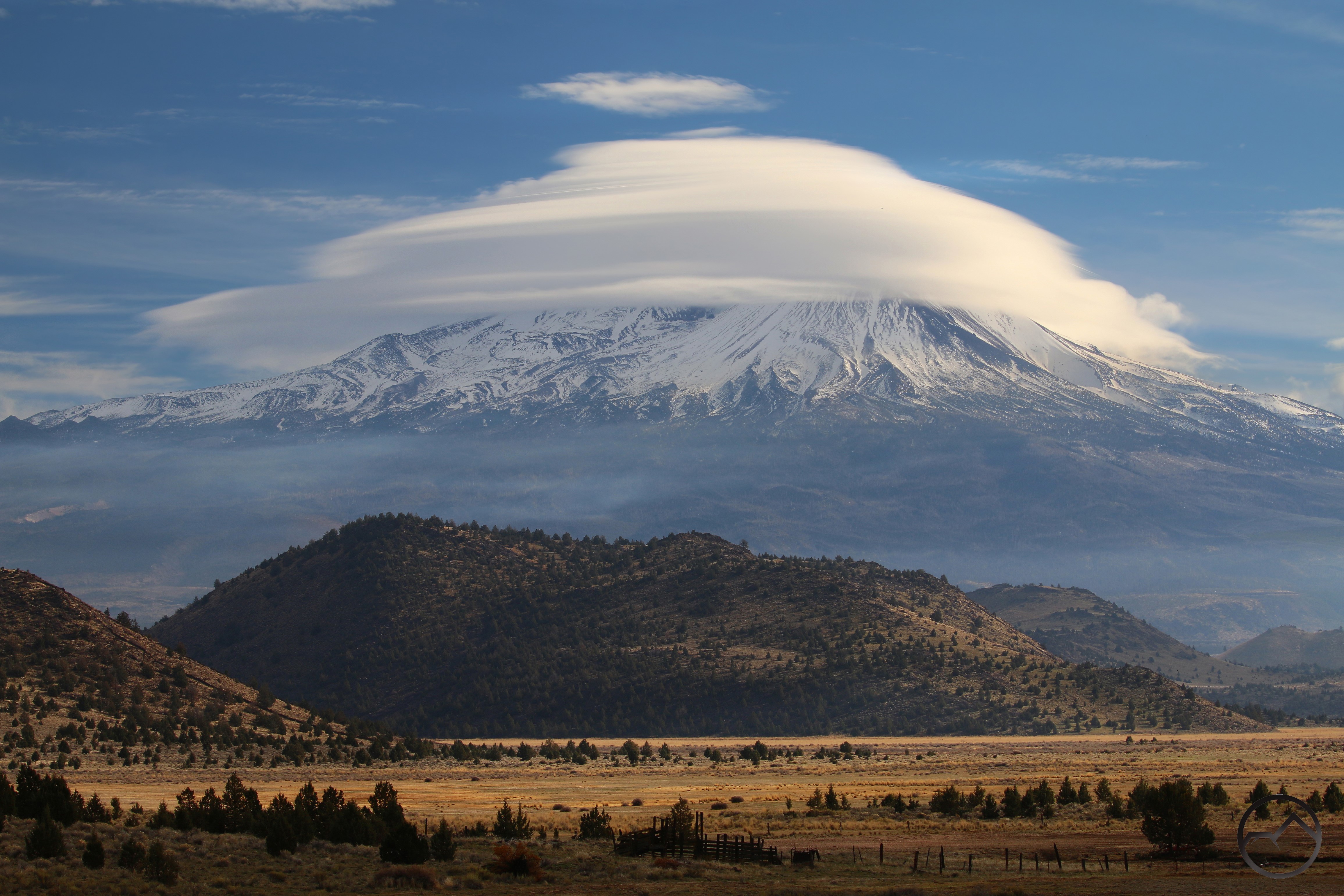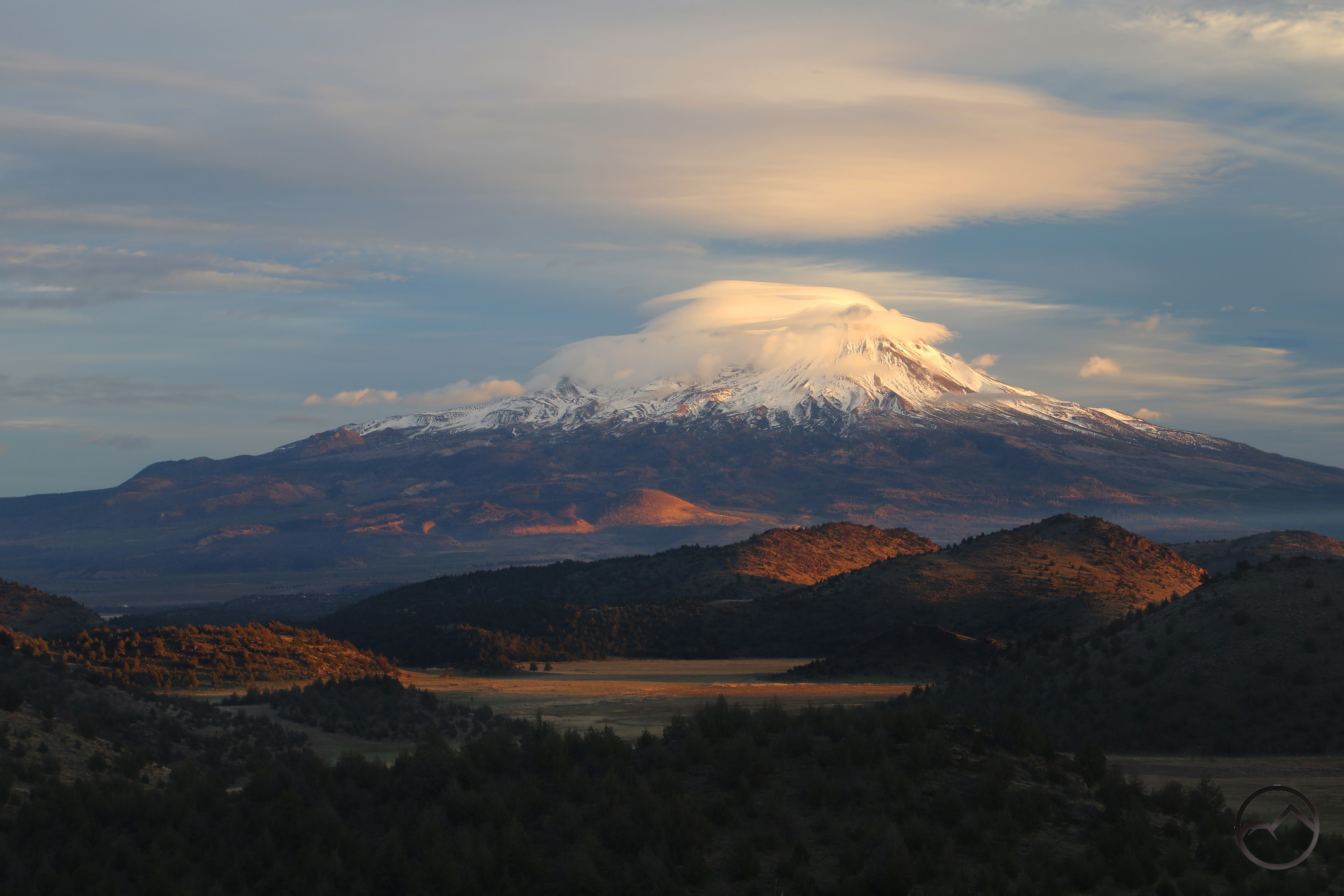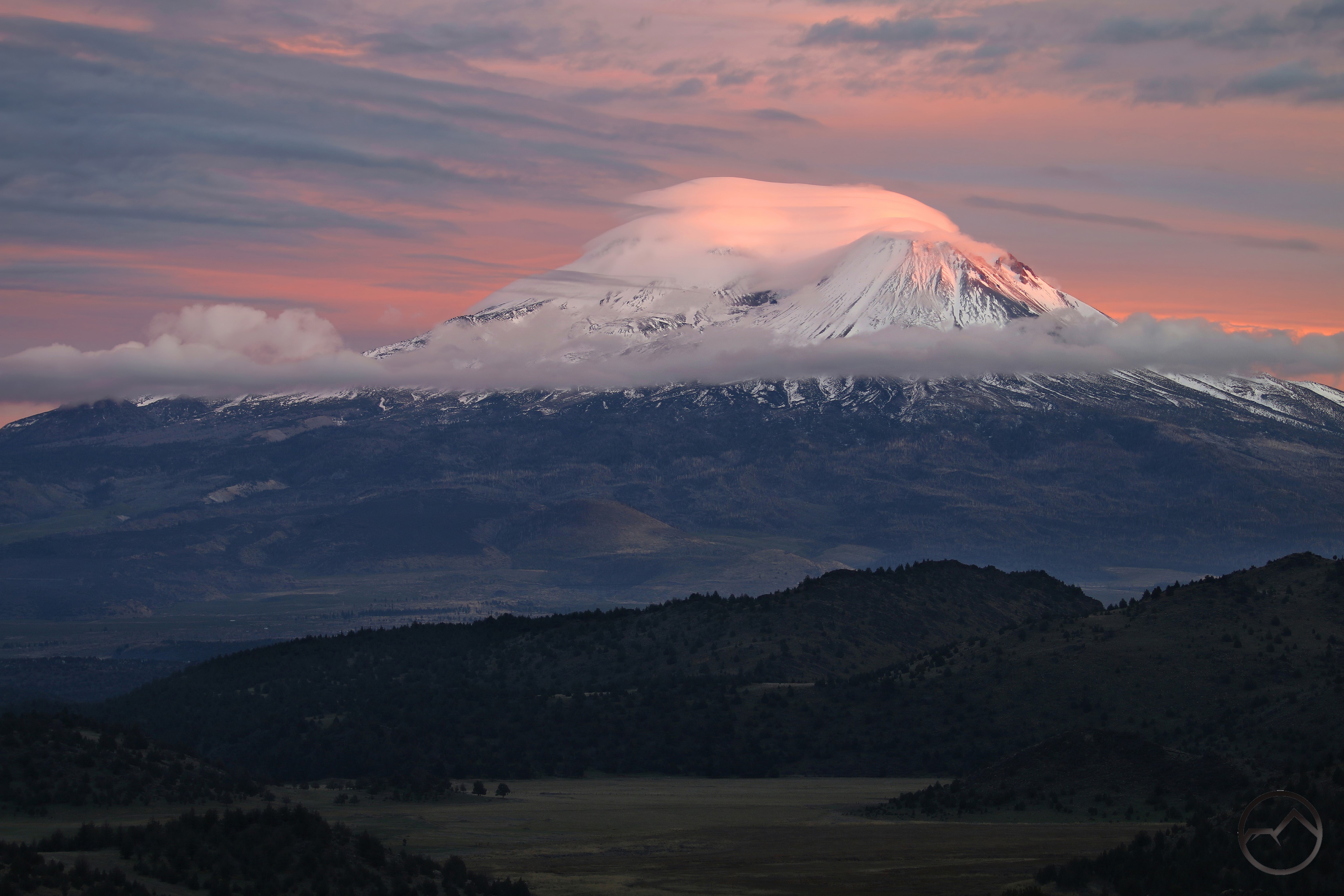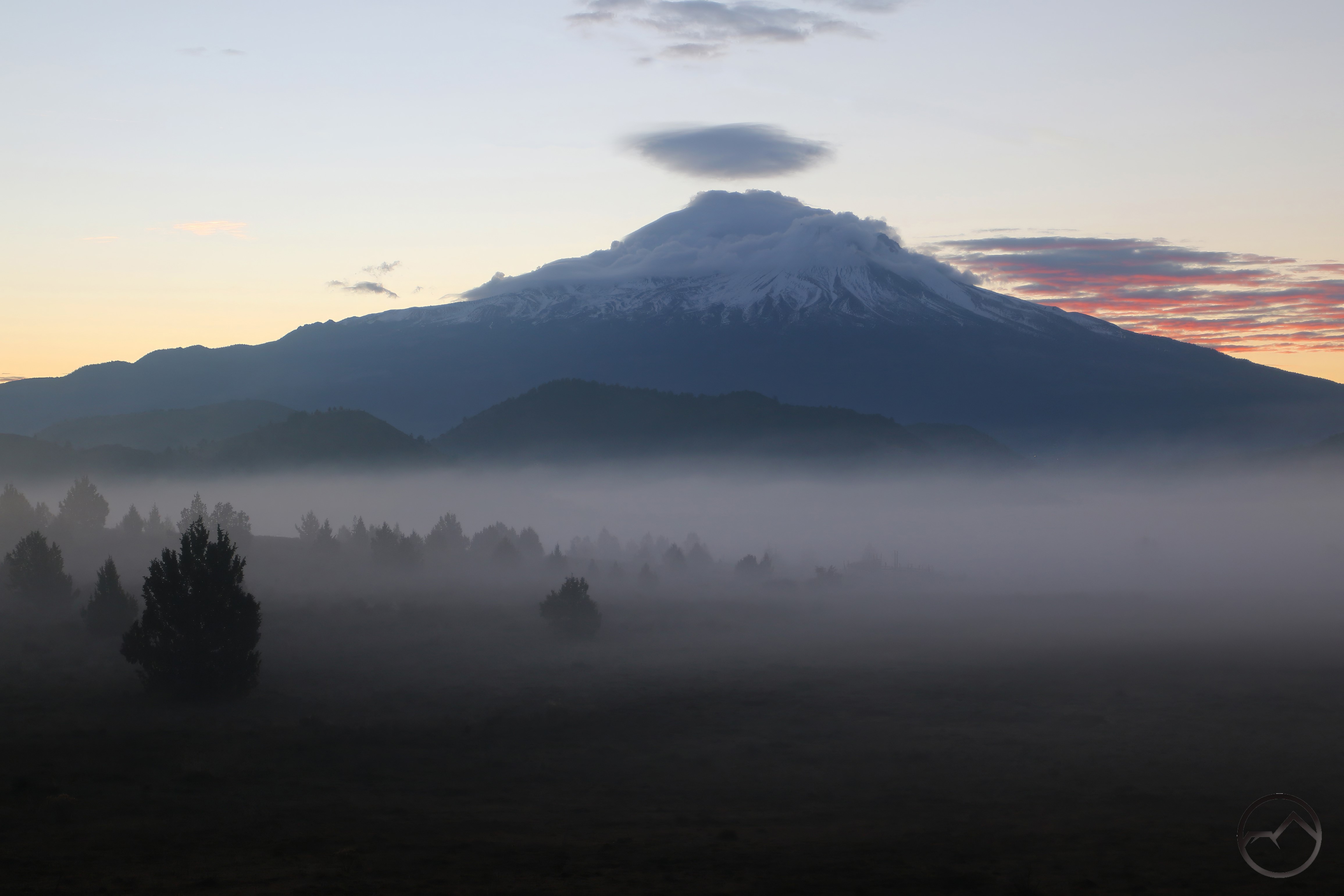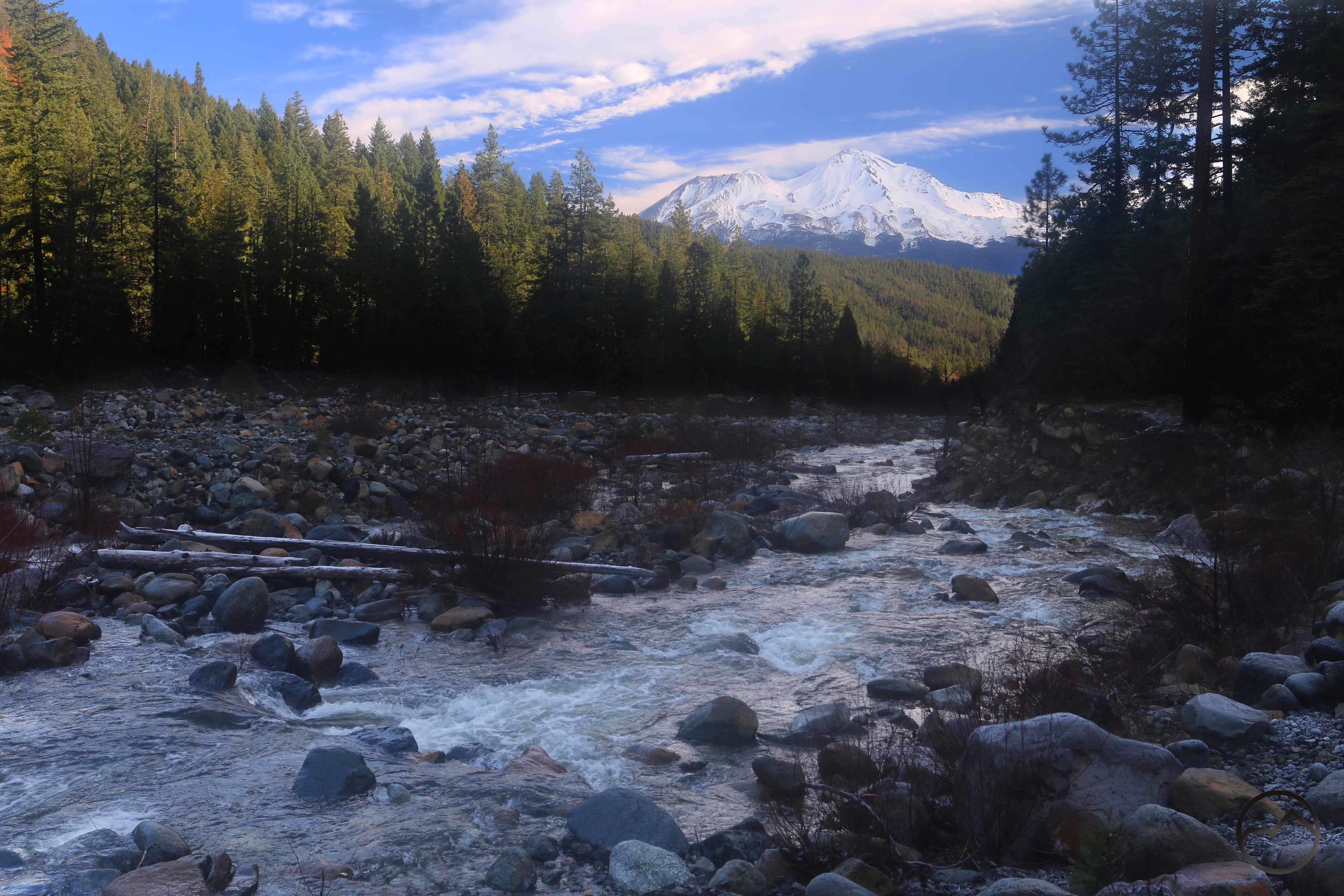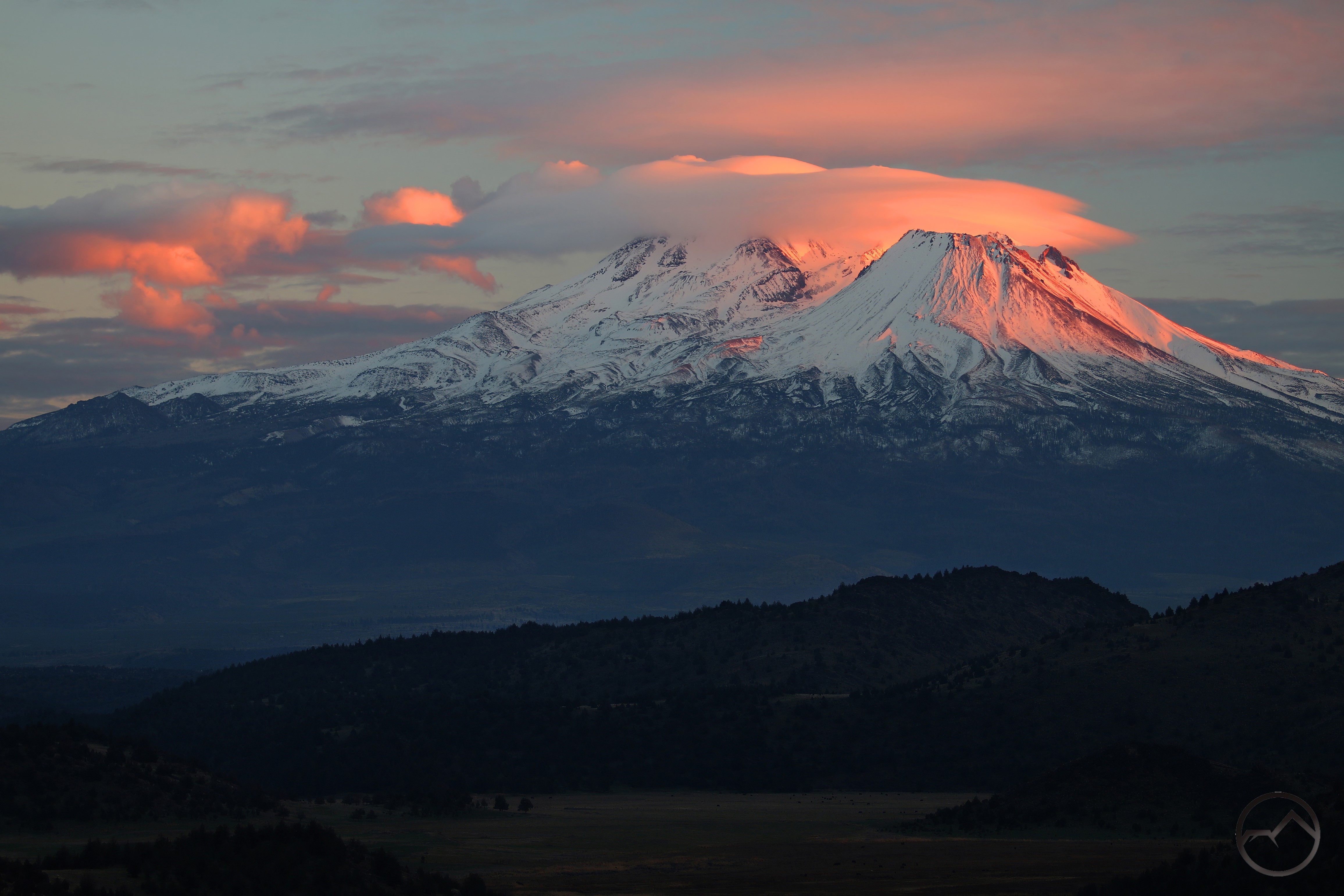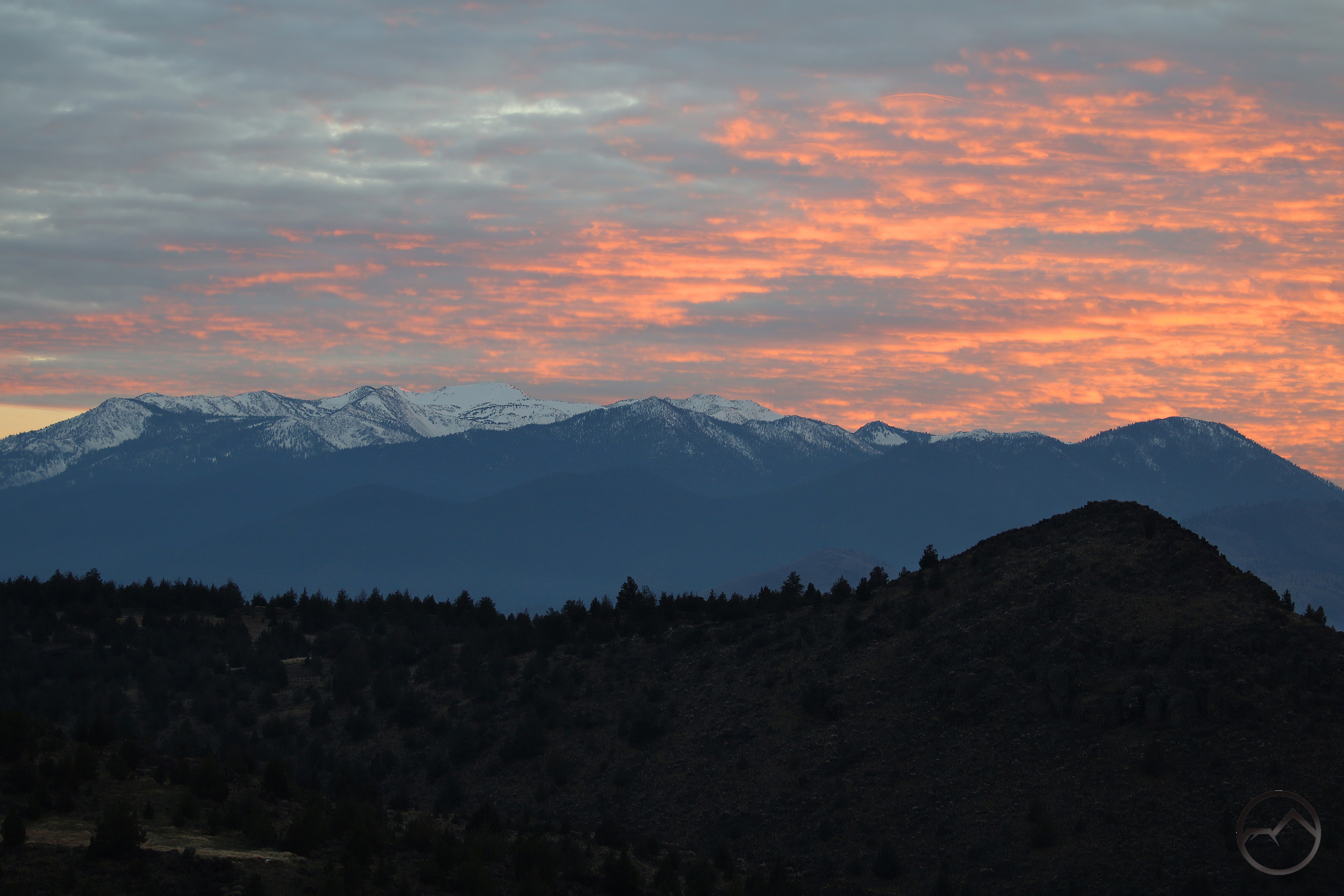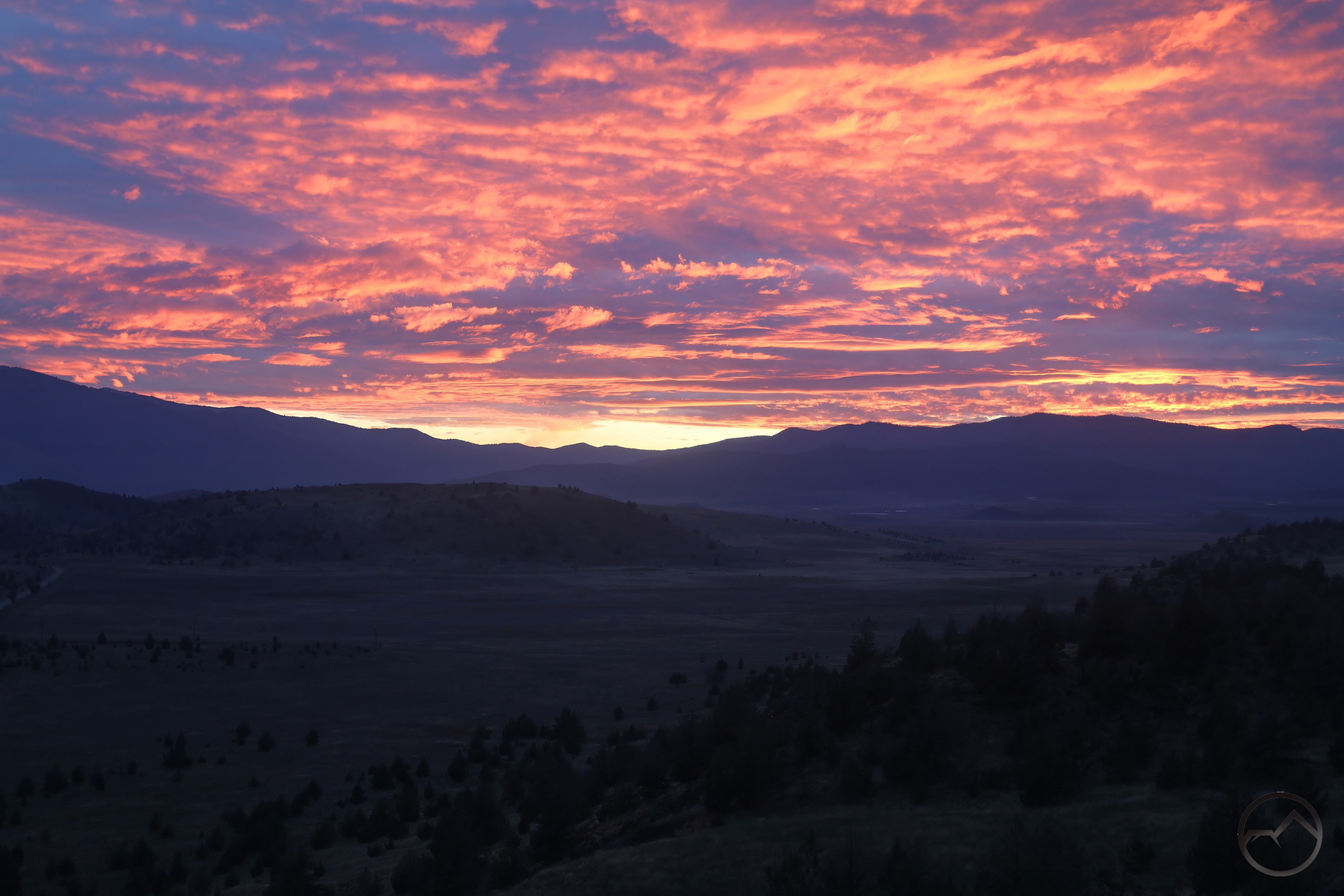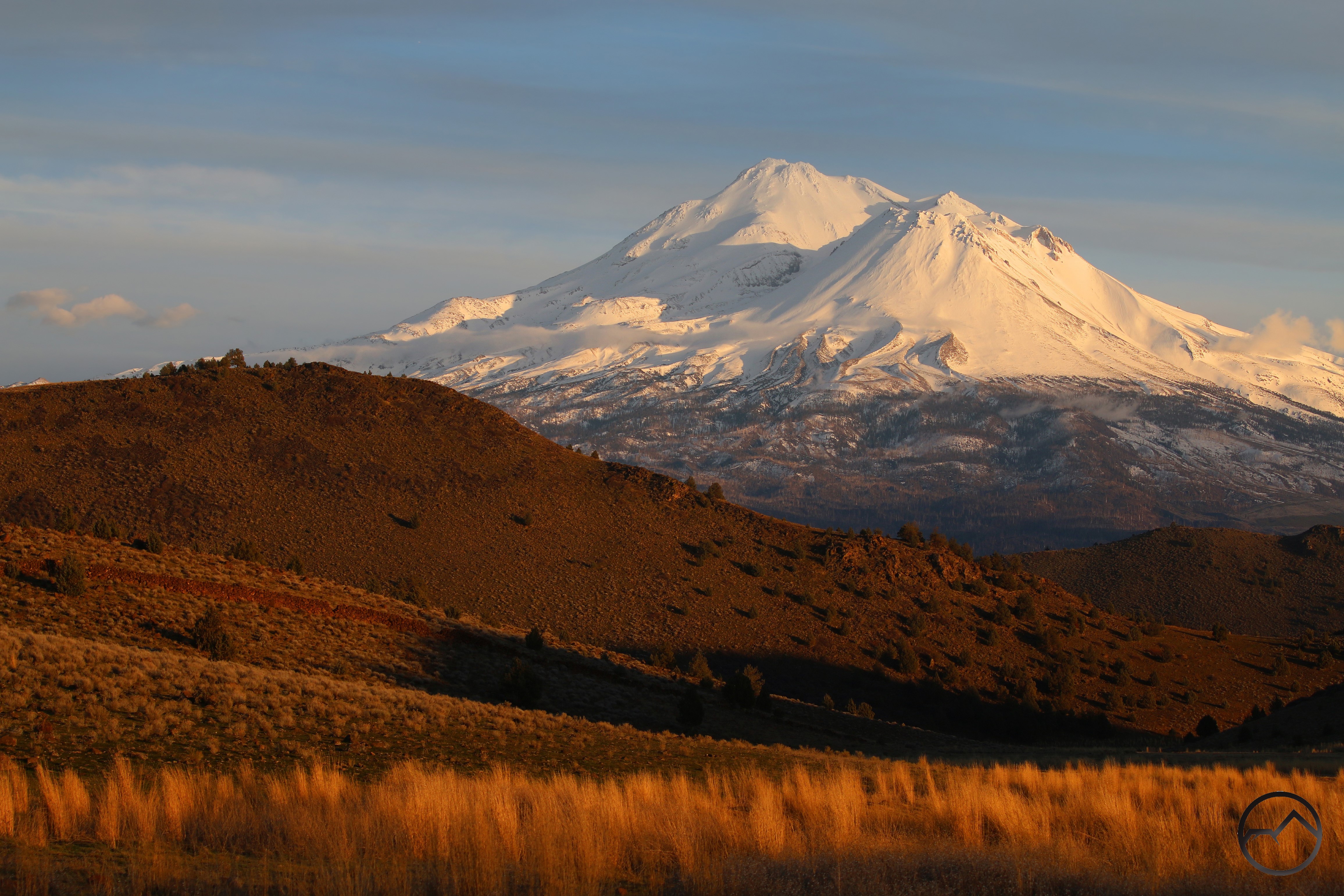
Parks Creek races toward the Shasta Valley.
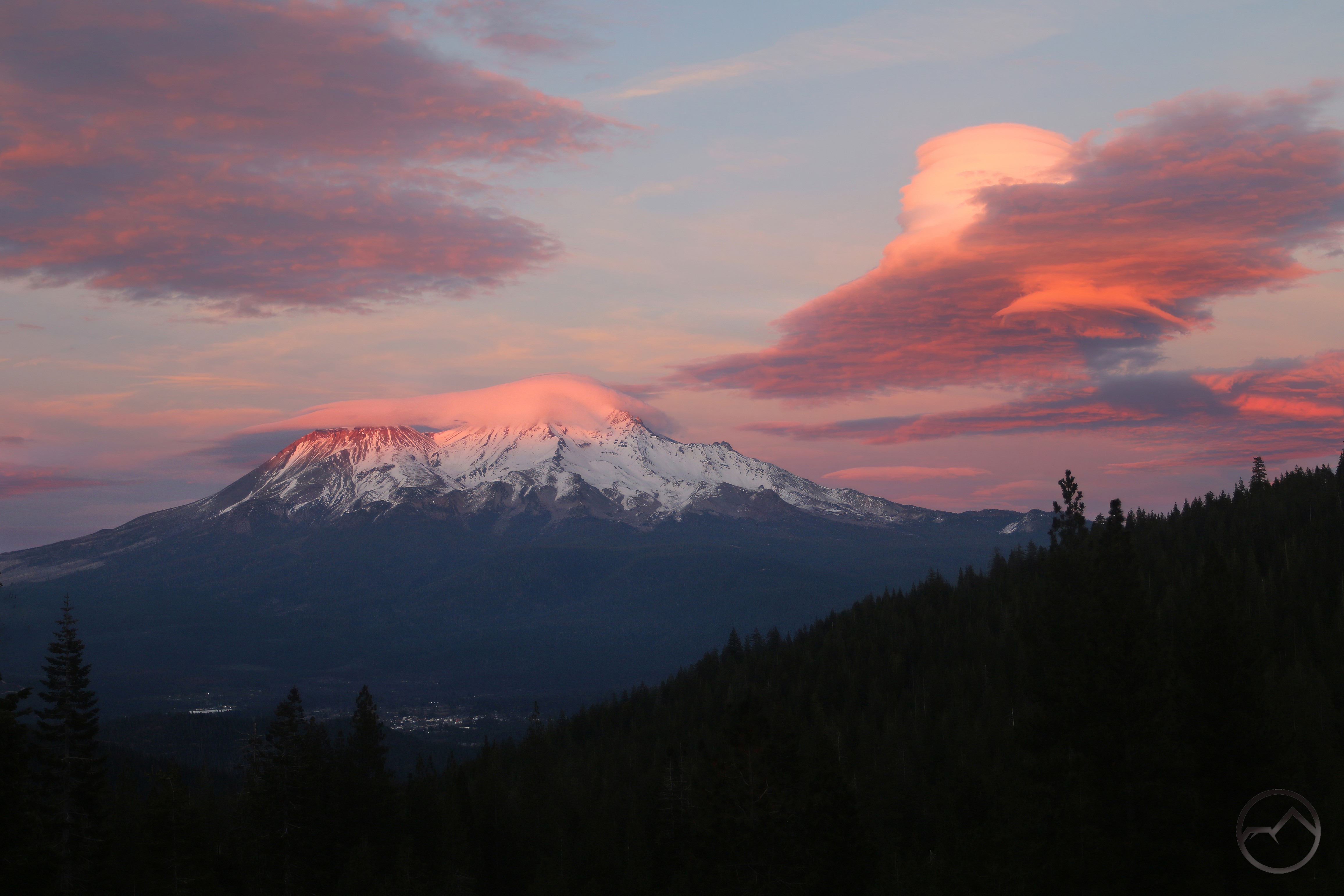
There are many creek and rivers that arise around Mount Shasta. Some are short and flow only a few miles before merging with larger waterways while others, notably the rivers, flow for great lengths (the Sacramento River being the longest river in California, of course). One of the few creeks that has substantial flow for many miles is Parks Creek. This large creek flows for a surprising 22 miles before it finally joins the Shasta River. Indeed, it is only a bit shorter than the 26 miles long Little Shasta River, the Shasta River’s longest tributary.
Parks Creek is among the most beautiful and diverse of the creeks in the Mount Shasta area. Its journey passes through alpine lakes, rocky basins, lush meadows, narrow canyons, and vast valleys. It’s upper regions are an explorer’s paradise while its final miles are prime salmon spawning ground. In that sense, it can be seen as a prime source of renewal. However, the creek goes relatively unnoticed. When most people hear the words “Parks Creek”, they think of the PCT trailhead from which Deadfall Meadows and Mount Eddy are reached. Typically, little thought is given to the creek from which the trailhead derives its name. Nonetheless, the creek itself is a destination worthy of exploration.

Parks Creek begins on the highest flanks of China Mountain, the fourth highest summit in the Mount Shasta area (after Mount Shasta, Shastina and Mount Eddy). This makes it a product of the Scott Mountains rather than the nearby Trinity Divide. It gathers in numerous alpine basins, the largest of which contains the Caldwell Lakes. In addition to lakes, large complexes of meadows and springs feed the creek at the highest elevations. Once these headwaters are collected into the primary channel, Parks Creek flows through a steep and remote canyon. By the time the creek exits the canyon and flows into the broad Shasta Valley, it has lost nearly 3,000 feet. From this point, Parks Creek flows through the arid valley, passing cattle ranches and remote vales. It is fed by a few large, productive springs before finally completing its journey at the confluence with the Shasta River. It is a spectacular passage from high mountain to dry desert.
Source
The ultimate source of Parks Creek is the upper flanks of China Mountain. This area was once the domain of copper miners (and the ruins of these operations can still be found by intrepid hikers). The water cascades down the rocky slopes of China Mountain and collects in the basins containing the Caldwell Lakes and West Park Lakes. A third basin is home to the large complex of meadows found in Tamarack Flat. Trails and roads do wind through these areas, make it easy for hikers to enjoy them, though none these areas are particularly well known. In none of them is the Creek a primary feature except for the trail to the Caldwell Lakes. Indeed, this is the only time a trail passes anywhere near the creek.

A cascade pours off of the higher flanks of China Mountain. Water from this high basin sustains meadows and the Caldwell Lakes, and thus Parks Creek, well into summer.

Upper Caldwell Lake lies in a broad basin below China Mountain. Just a few feet away lies Middle Caldwell Lake, which is significantly larger but has some extensive shallow areas. Parks Creek proper emerges from these lakes.

Lower Caldwell Lake is found nearly 200 feet lower than its siblings, at the base of a band of cliffs. Parks Creek flows between the lakes, cascading down a gully adjacent to the cliffs. The trail up to the lakes switchbacks along this section of the creek.

In addition to the Caldwell Lakes, other basins contribute water to Parks Creek. These start high up in the mountains where snow can linger well into summer. These rocky basins gather water from meadows and springs and send it down the mountains towards the creek. Here Mount Shasta and Mount Eddy are both visible from a remote headwaters basin.

From near a headwaters source, the view looks down Parks Creek’s watershed to the Shasta Valley8 miles distant and 3,000 feet below. The Goosenest, one of the tallest peaks in the Mount Shasta area is visible on the far side of the Shasta Valley.

While journeying toward Parks Creek, numerous cascades and small waterfalls highlight these early tributaries. Though often dry by midsummer, they are a fantastic place to explore in the spring.

Below the cascades large meadows fill broad valleys. The tributaries flow into the meadow, which holds the waters deep into summer, sustaining Parks Creek longer than many other creeks in the area. The creek flowing through these meadows is blessed with extraordinary serenity and one of the healthiest watercourses around Mount Shasta.
The Canyon
Once the waters from the various headwater channels meets, Parks Creek flows into its deep canyon. As it flows through this remote section, it loses over 1,000 feet in about 2 miles. While not the steepest stretch of water, that is still a steady drop that produces great rapids and even a hidden waterfall. Though there are no trails in the canyon, the clever hiker can figure out the route down to the creek and follow it a fair distance. There are ample rewards for those who do…

The view from above Caldwell Lakes, looking down the upper course of Parks Creek, into the higher section of the canyon. The distant Shasta Valley, the ultimate destination of Parks Creek, can be seen below.

Looking up the canyon of Parks Creek from near the midpoint of its 2 mile run. The sound of the creek is quite audible from this point and at high water a bit of the creek’s hidden waterfall is visible.

Parks Creek races precipitously through its remote canyon. One thing that really surprised me about the canyon section of Parks Creek was how abundant the yew trees were. Almost the entire 2 miles of the canyon run the banks are choked with yew.

Hidden deep Parks Creek’s canyon is the small cataract I call “Beargrass Falls”. It was so named for the abundant, blossoming bear grass that was growing around the waterfall the first time I found it. Not only is the falls an attractive spot on the creek, it is also a point of fascinating geology, with large natural cement formations carved by the water.

Another interesting landmark found in the canyon is the ruins of an old 19th century wagon bridge. The bridge once crossed a tributary of Parks Creek. It was constructed of two large trees with wooden planks nailed across them to form a roadway. The creek has since pushed the bridge out of the way and washed out numerous planks but the bridge is still there. The creek must be crossed on foot now, of course.

Near the canyon’s lower terminus, Parks Creek flows through a tight bedrock channel. Though not a steep waterfall, the cliffs around it are steep and the water is fierce. This is one of the prettiest sections of Parks Creek and a good send off to this remote section of the creek.

One last view of Parks Creek at the lower end of the canyon. From here on out, the creek travels through tamer, though still scenic, terrain.
The Valley
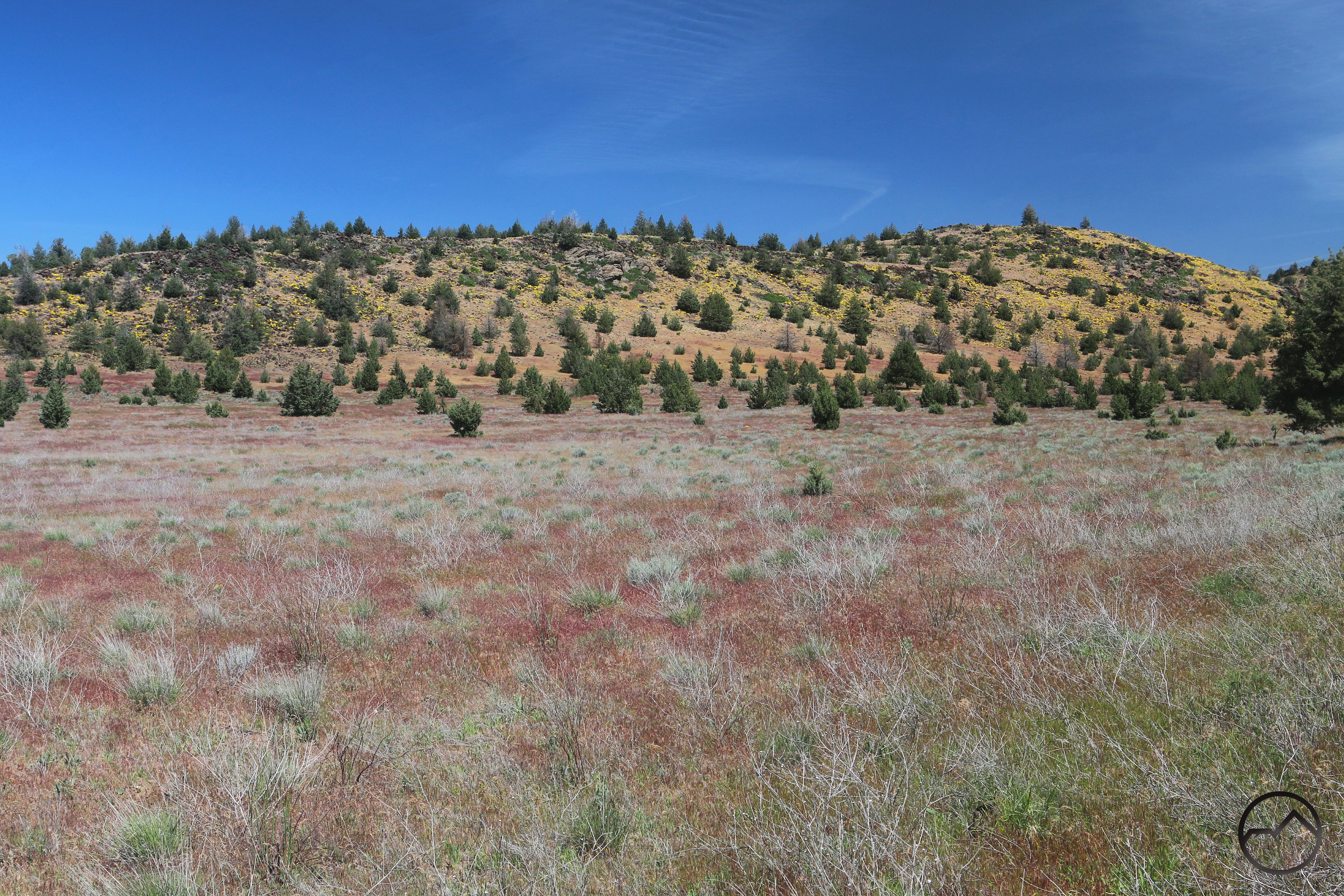
Once Parks Creek exits its canyon, it passes into the Shasta Valley. This area is dominated by cattle ranches and thus the creek has lost it wild character that defined its higher sections. However, that does not mean it lacks an essential wildness that is found in benign neglect. There is a single diversion channel that has been added to it in order to contribute water to Lake Shastina. Other than that, there are not real impounds on the creek now. Until a few years ago there was a ranching impound that formed a small lake. However, this has been removed in coordination with the California Department of Fish and Wildlife in order to open the lowest 8 miles of the creek to salmon spawning. This section is also augmented by large, productive springs, which swell the creek’s flow. Also notable it the creeks final 8 mile passage through a lush, spring and meadow filled vale that is rarely visible to the casual observer.

As Parks Creek enters the Shasta Valley, there are still stands of ponderosa pine. However, these quickly give way to grassland punctuated by juniper, the dominant ecosystem of the arid valley.

An autumn view looking back to the mountains that Parks Creek flows out of. Mount Eddy, the highest point in the Klamath Mountains is visible with snow on it on the left horizon. Note the river cobbles. These are telltale signs of the creek’s mountain passage. They quickly fade as Parks Creek flows deeper into the valley.

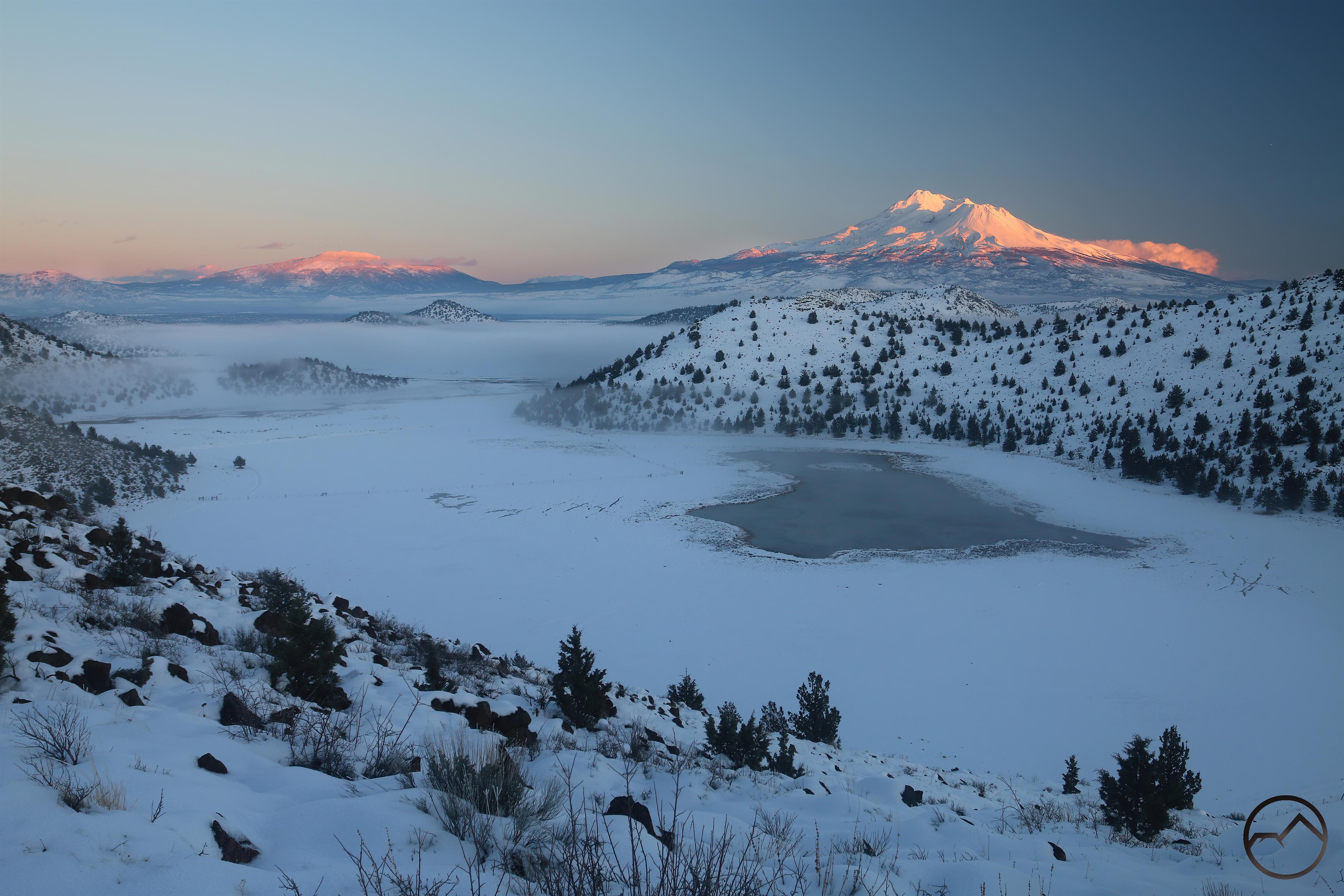
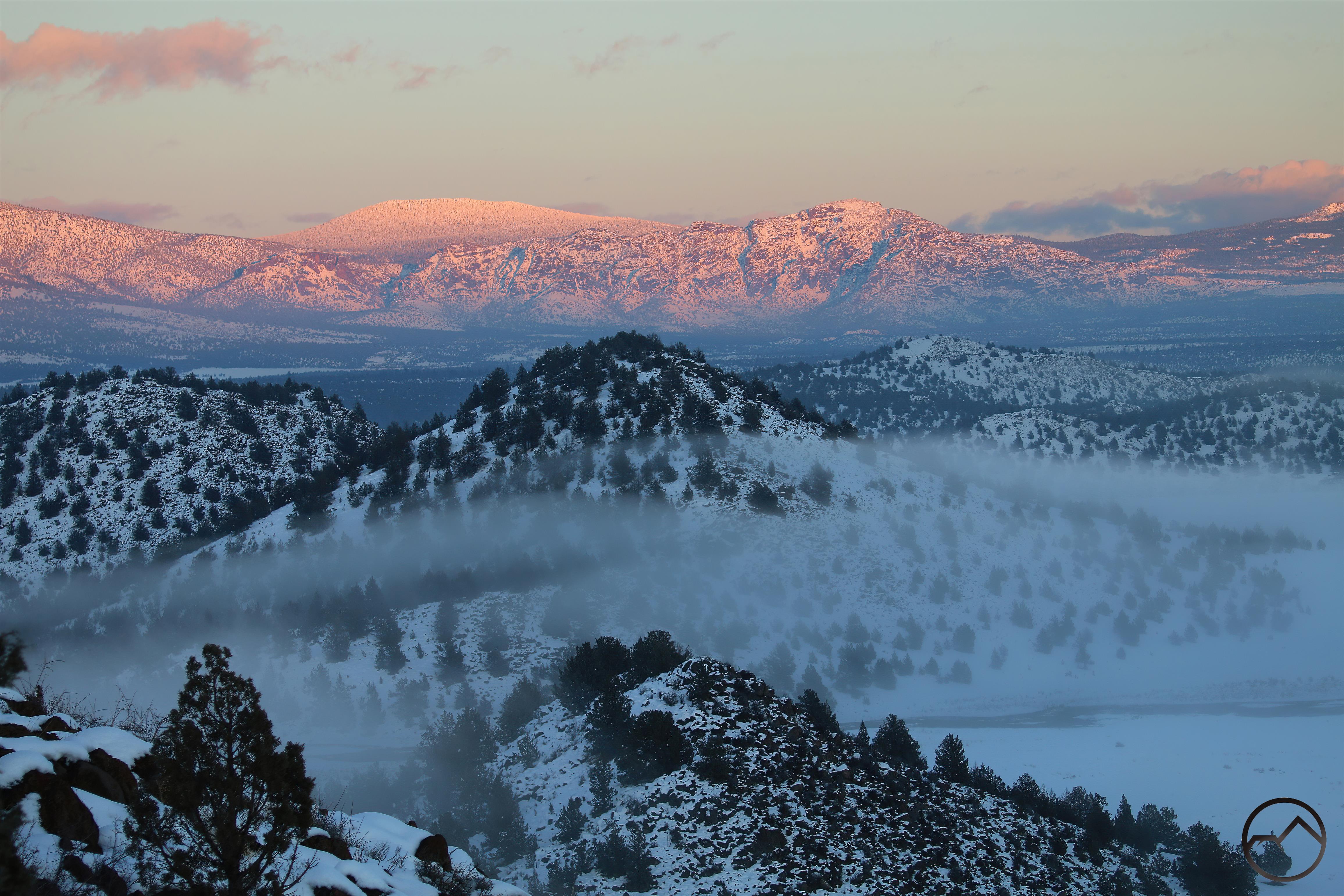
Snow this deep rarely falls in the Shasta Valley. However, it highlights Parks Creek as it flows through its rarely seen vale. The creek is visible middle left, just below the fog line. It has melted the snow as it flows through the vast meadow. The nearby lake is only connected to Parks Creek at the highest water of the year, otherwise it is isolated from the rest of the creek’s watershed.

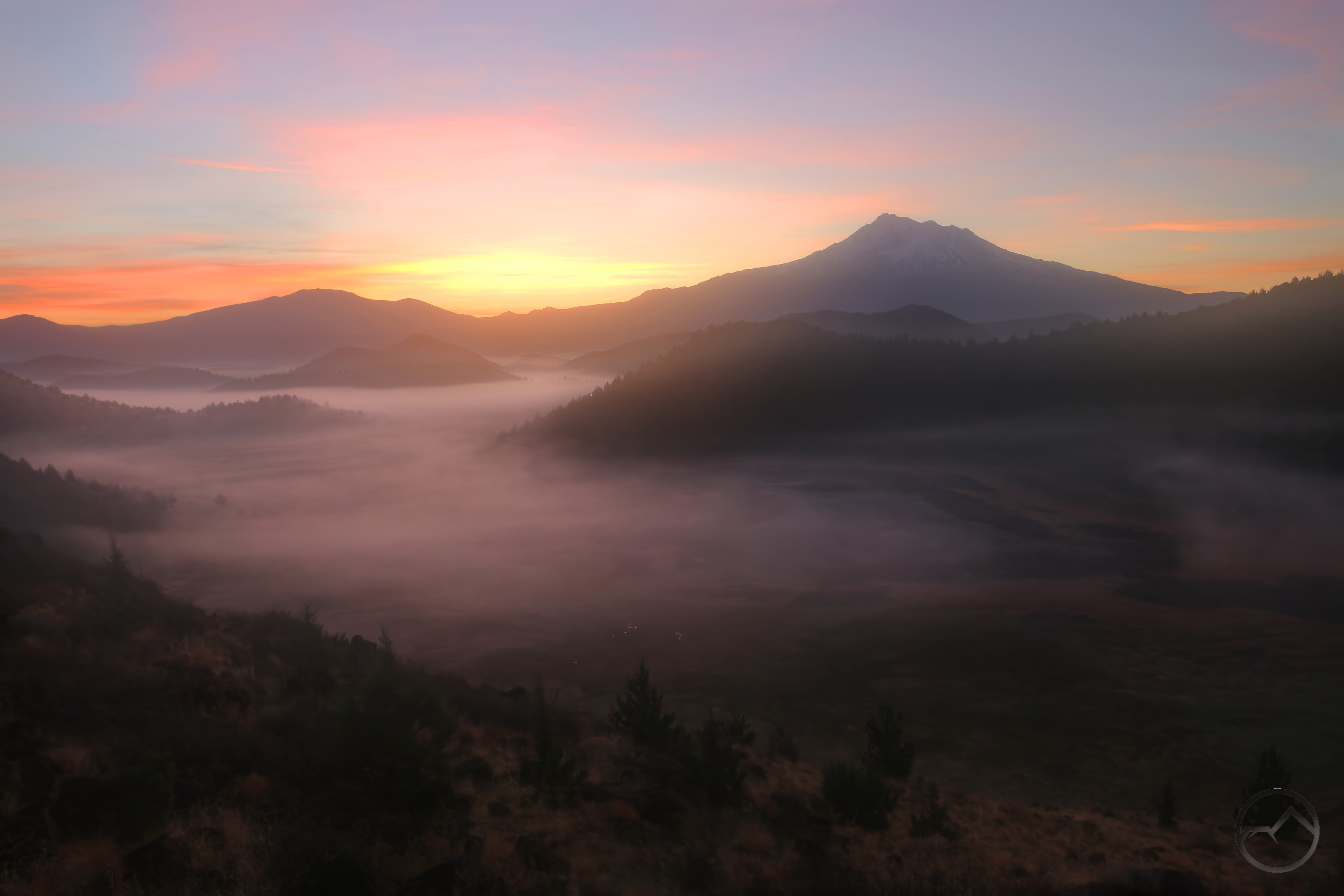
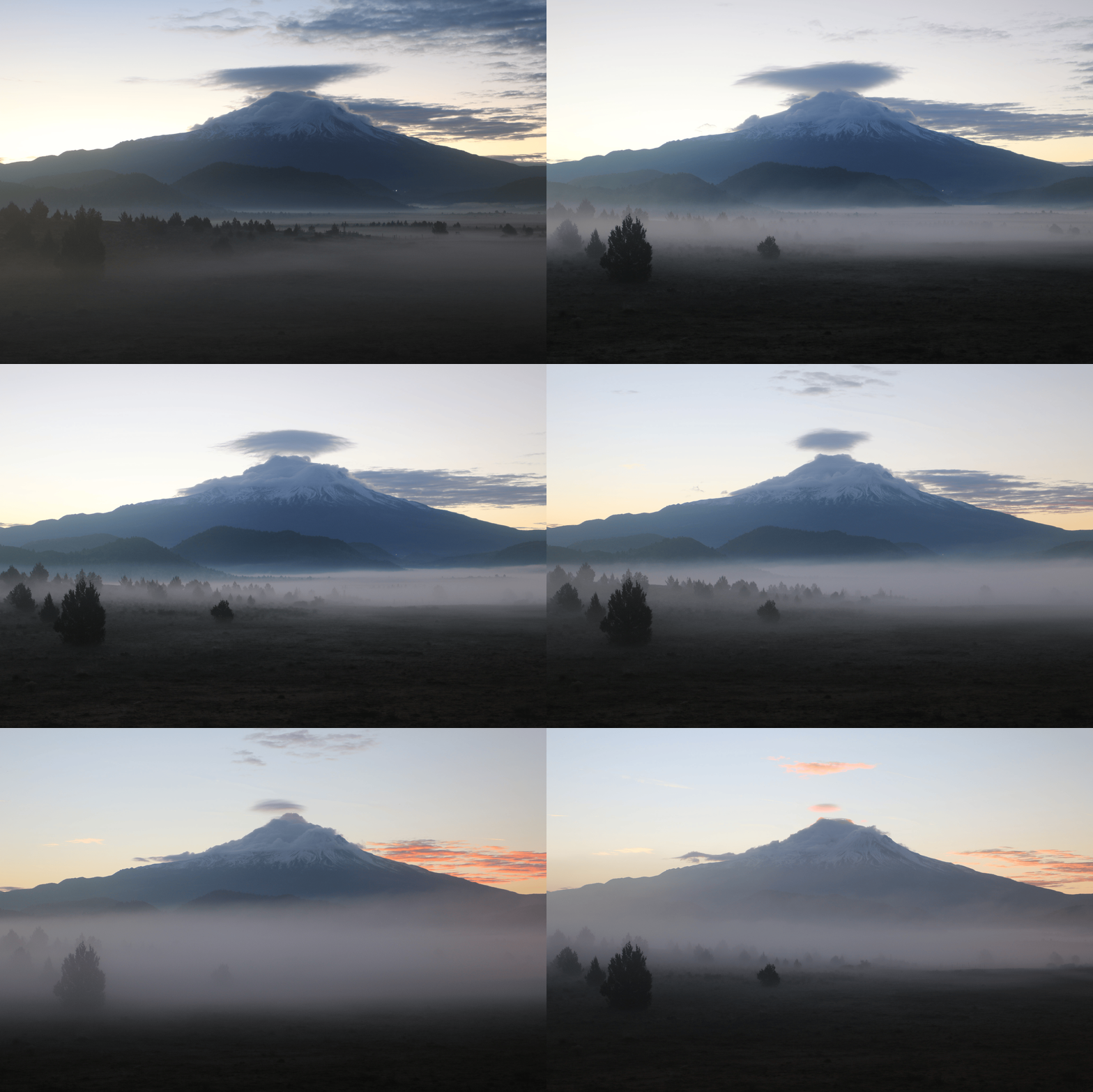
A sunrise view of the Parks Creek vale. The creek is barely visible through the fog, just above the levee on the left. As it nears it confluence with the Shasta River, Parks Creek divides into two distinct channels that flow into the river independently of each other.

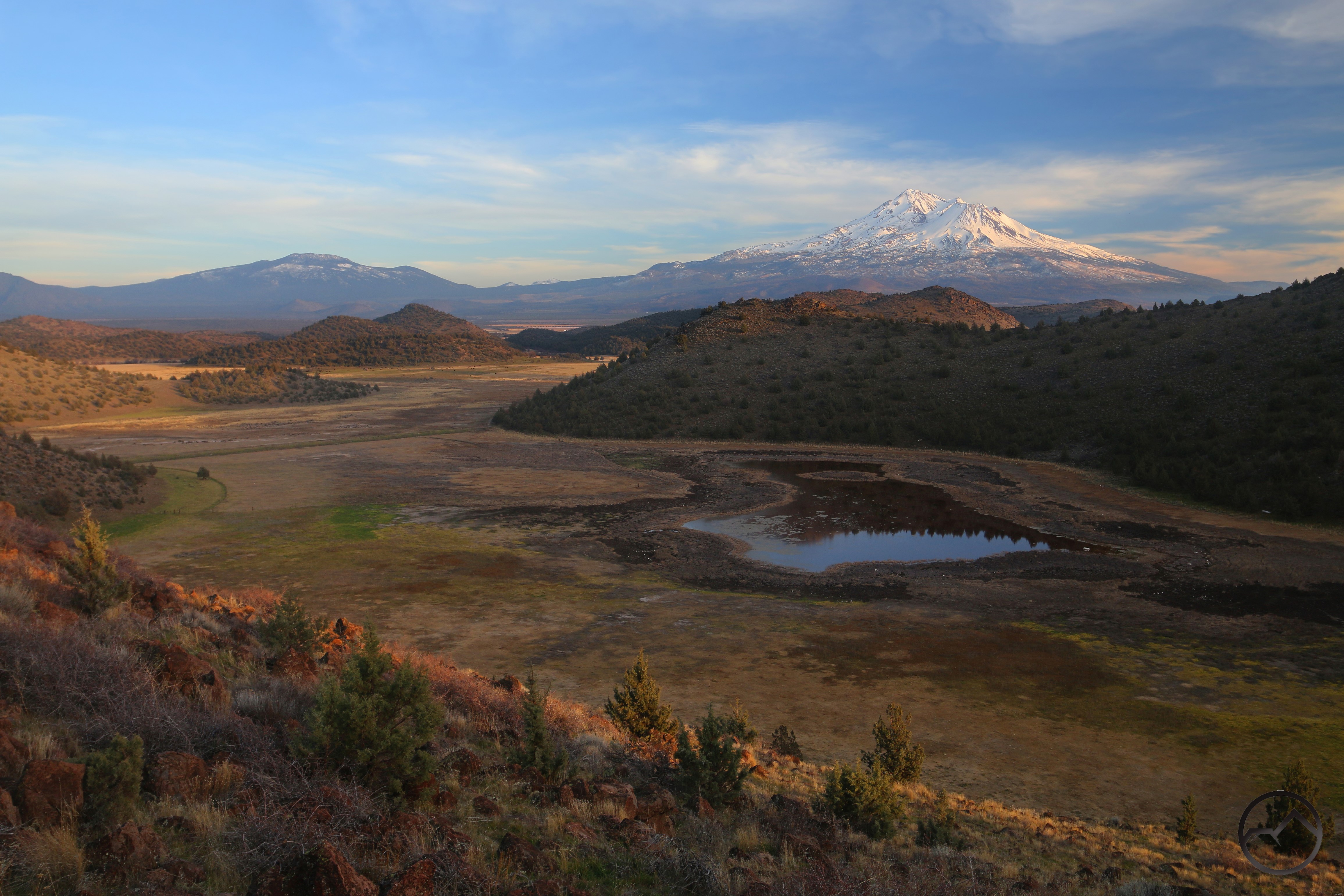
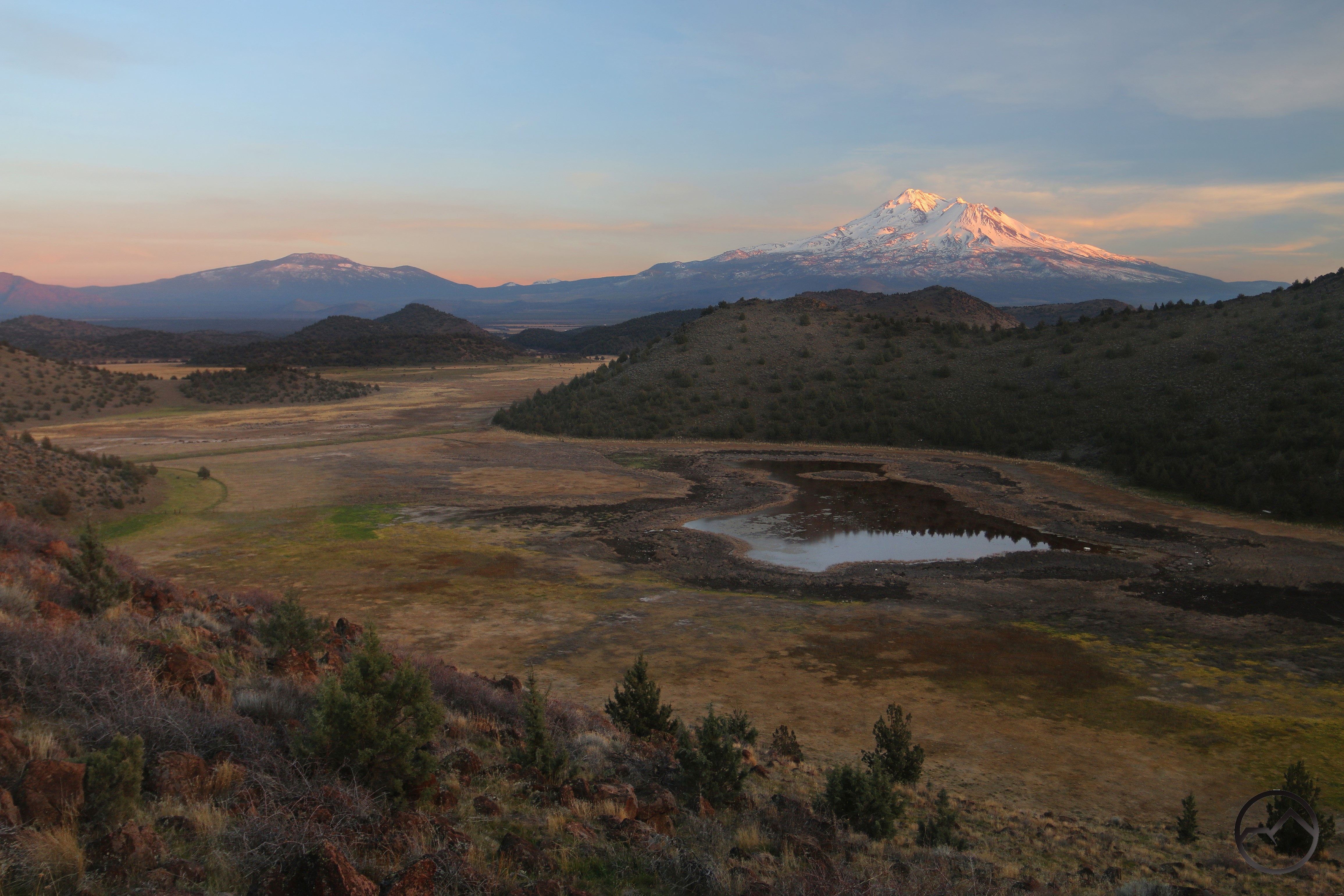
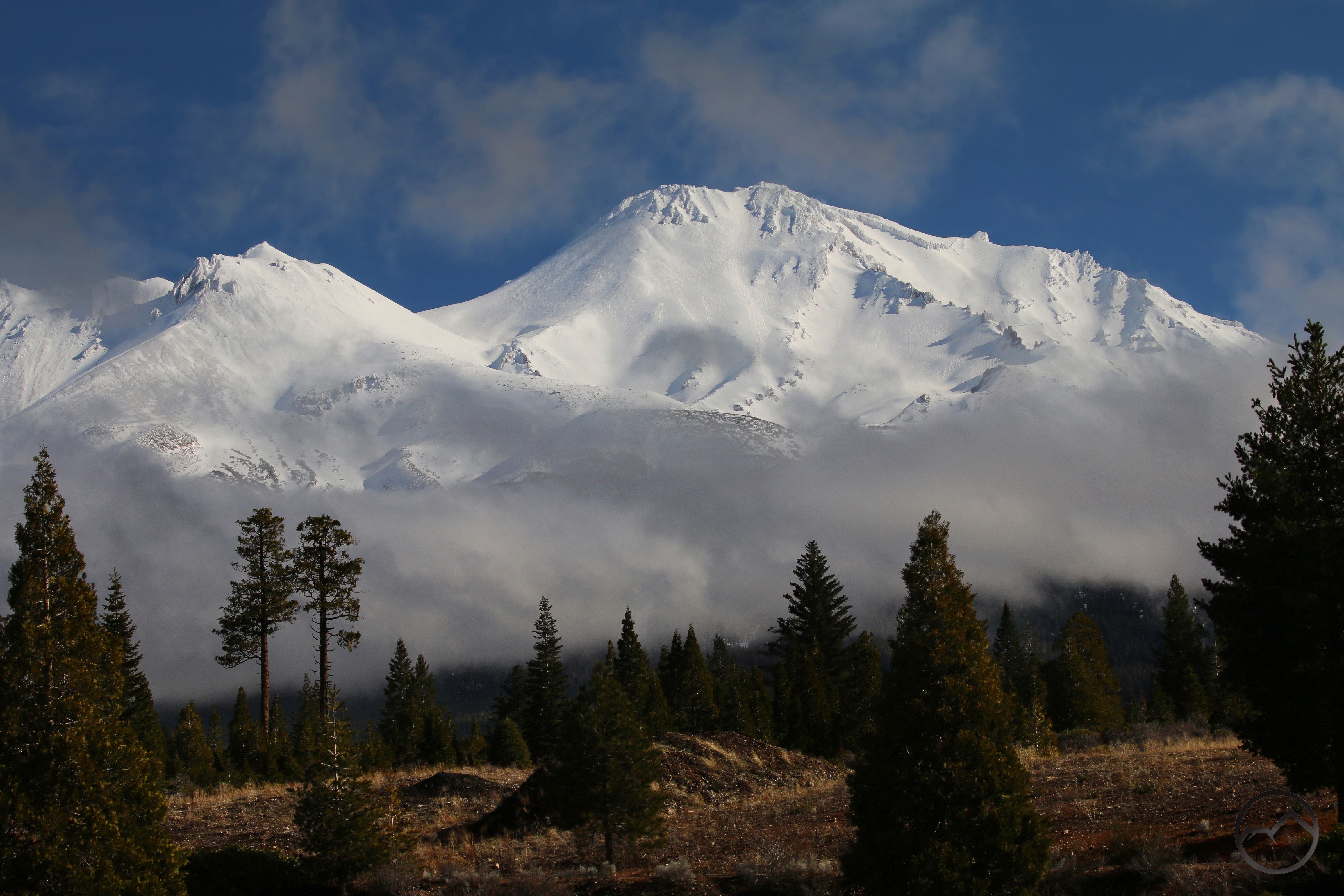
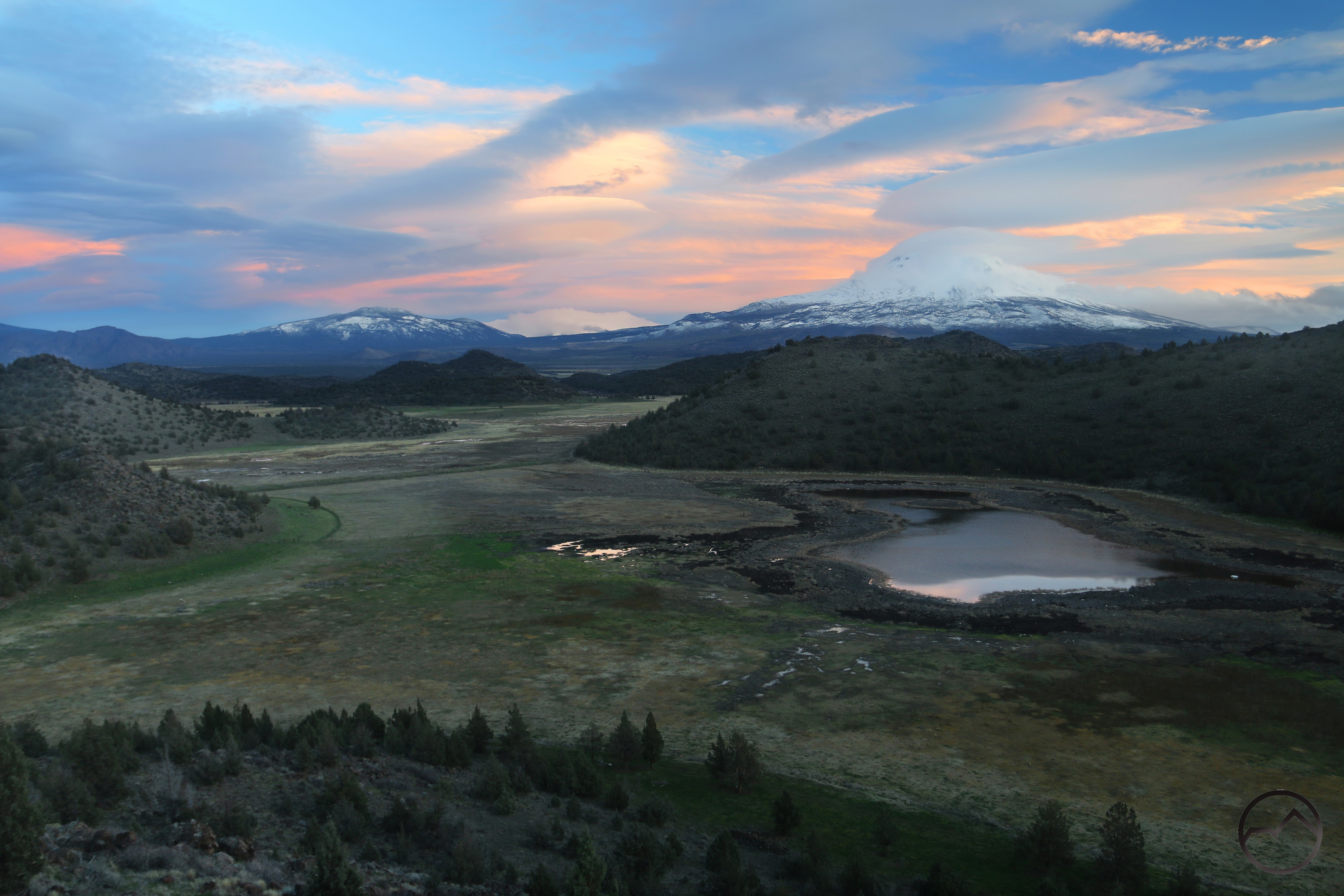
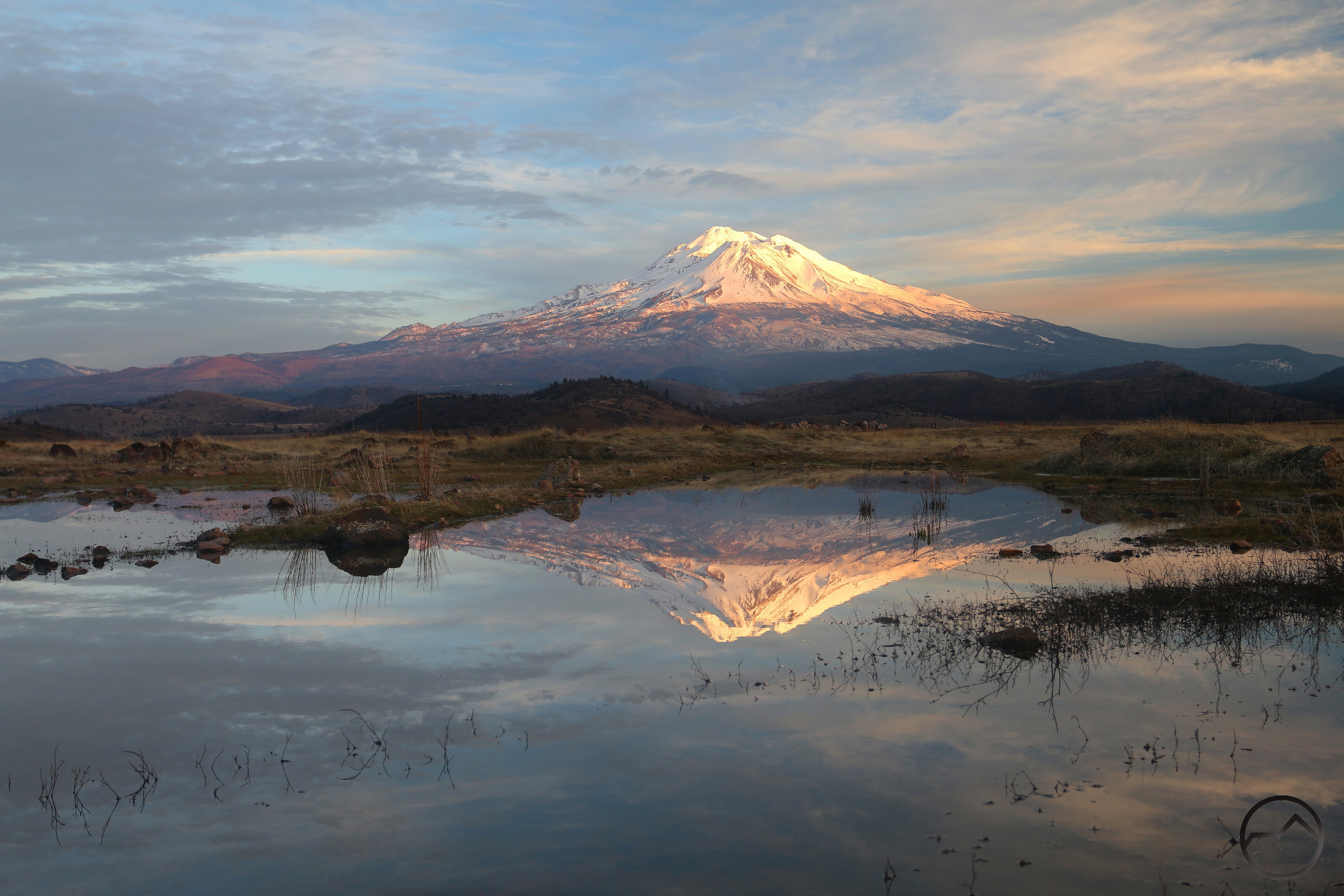
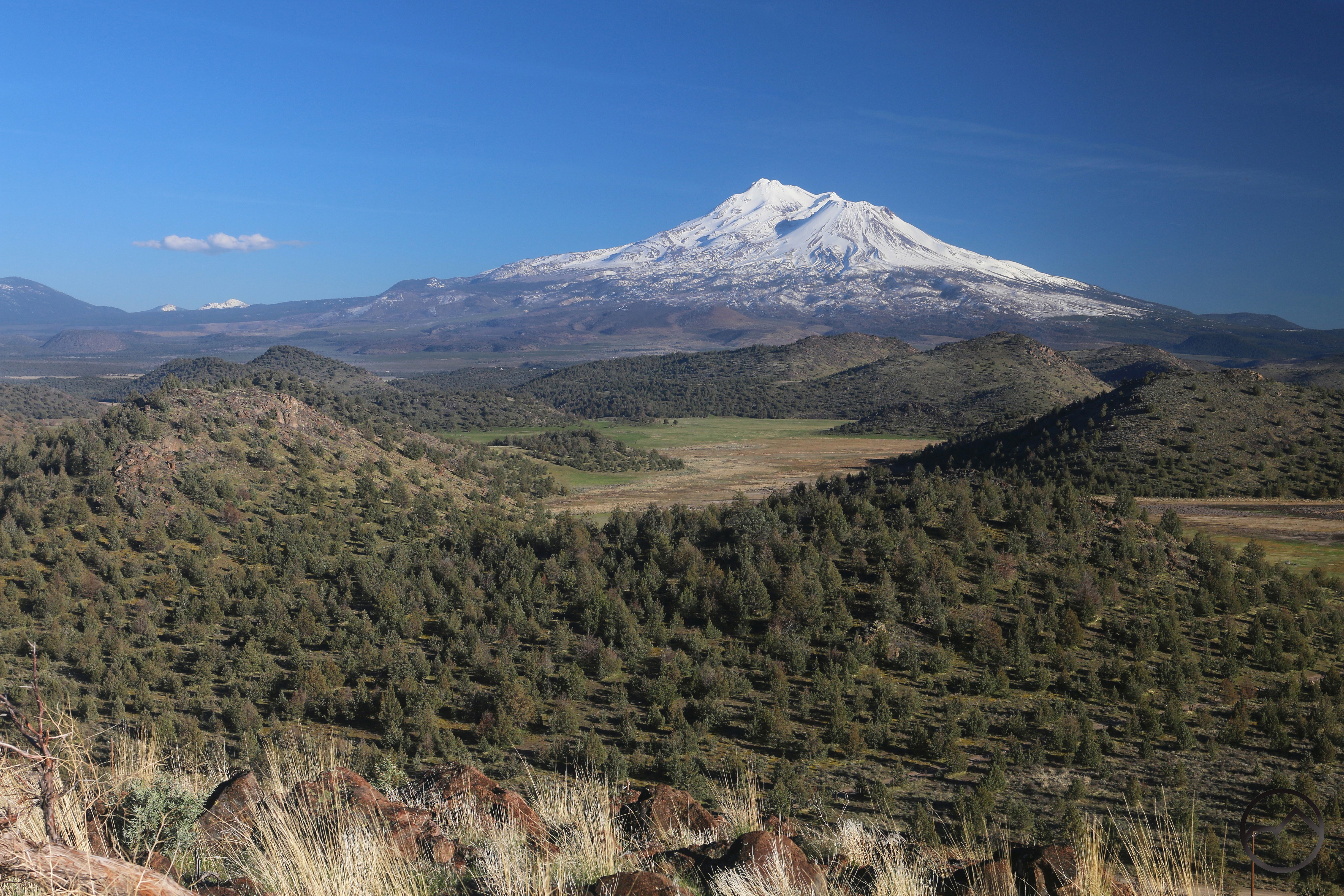
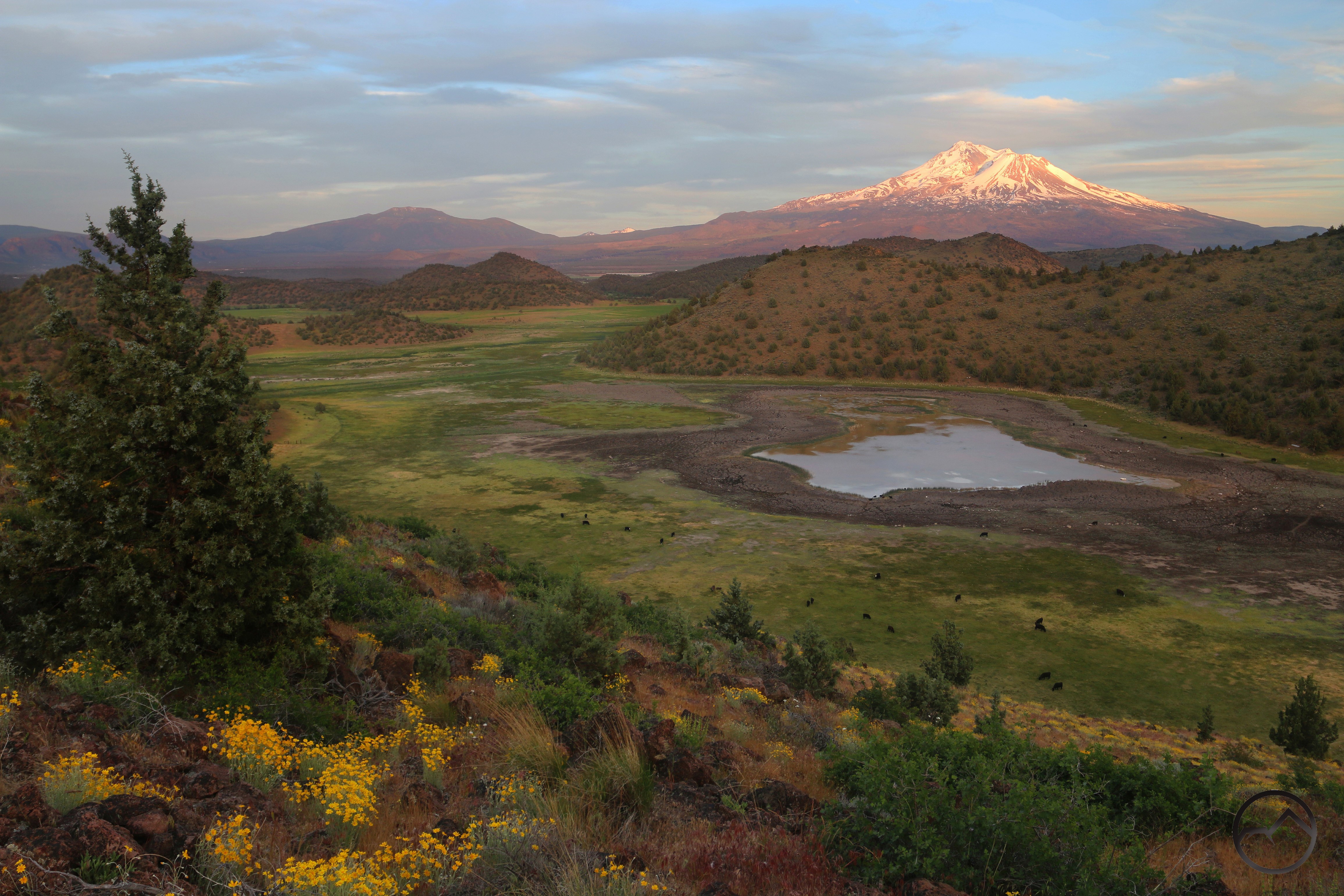
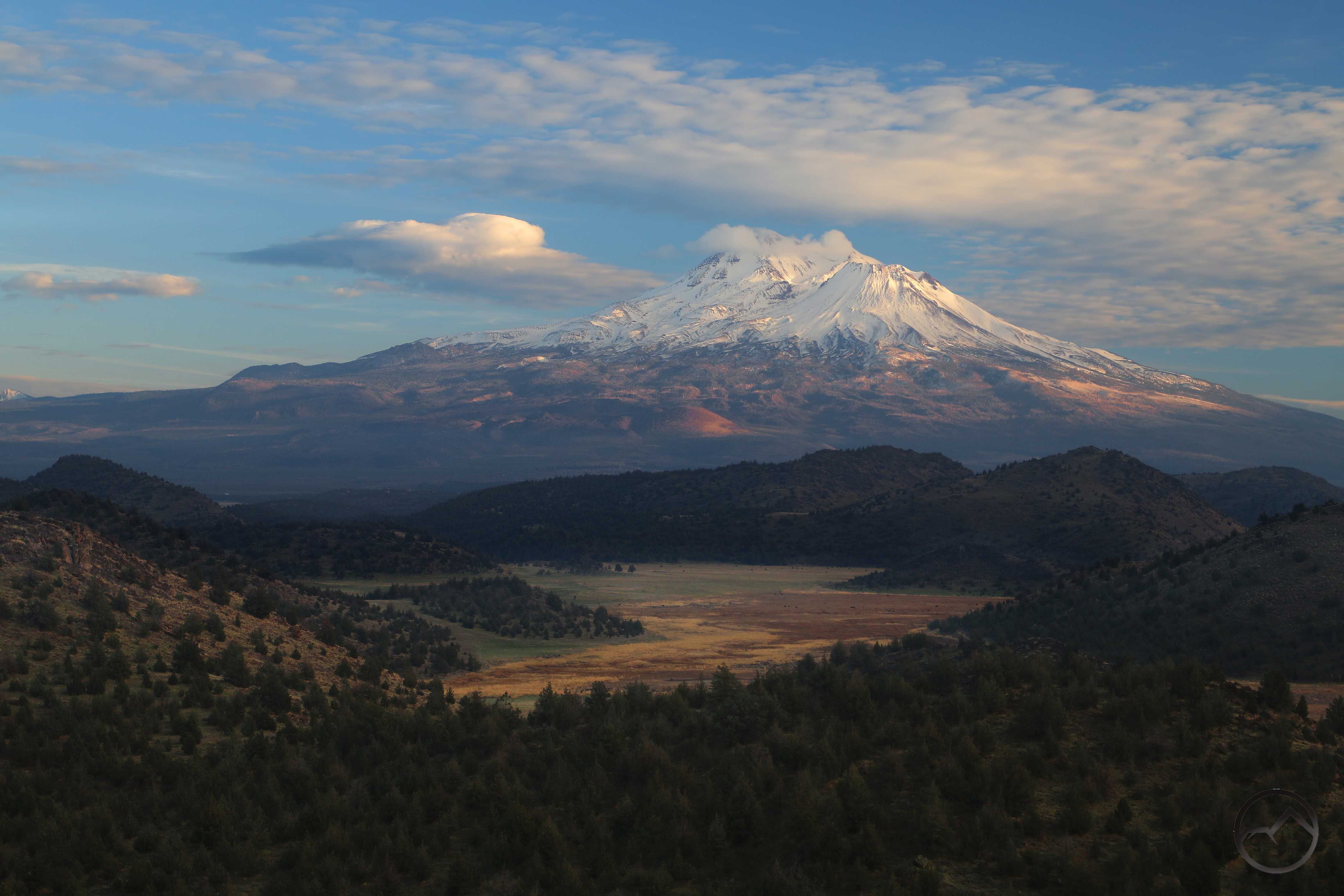
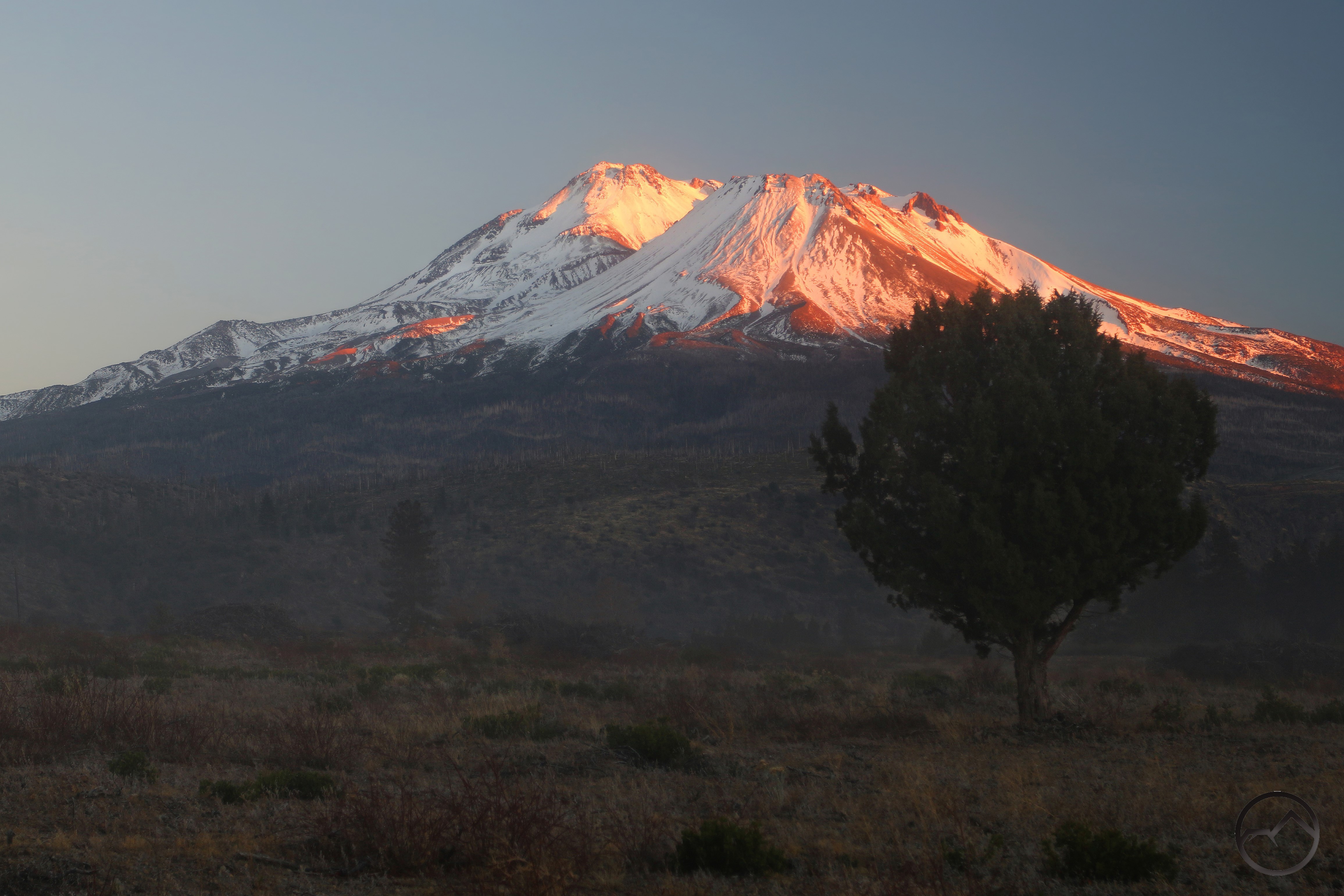
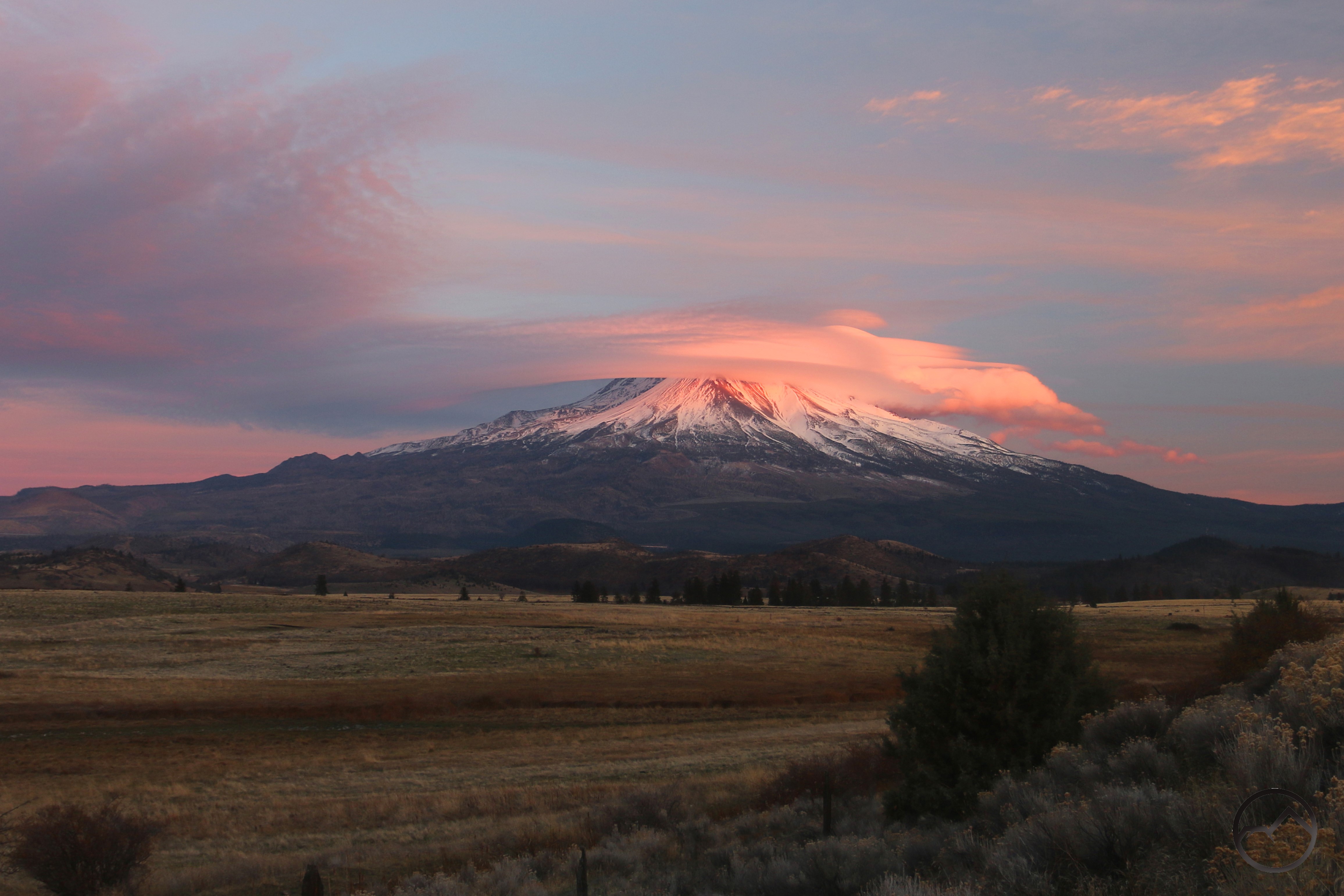
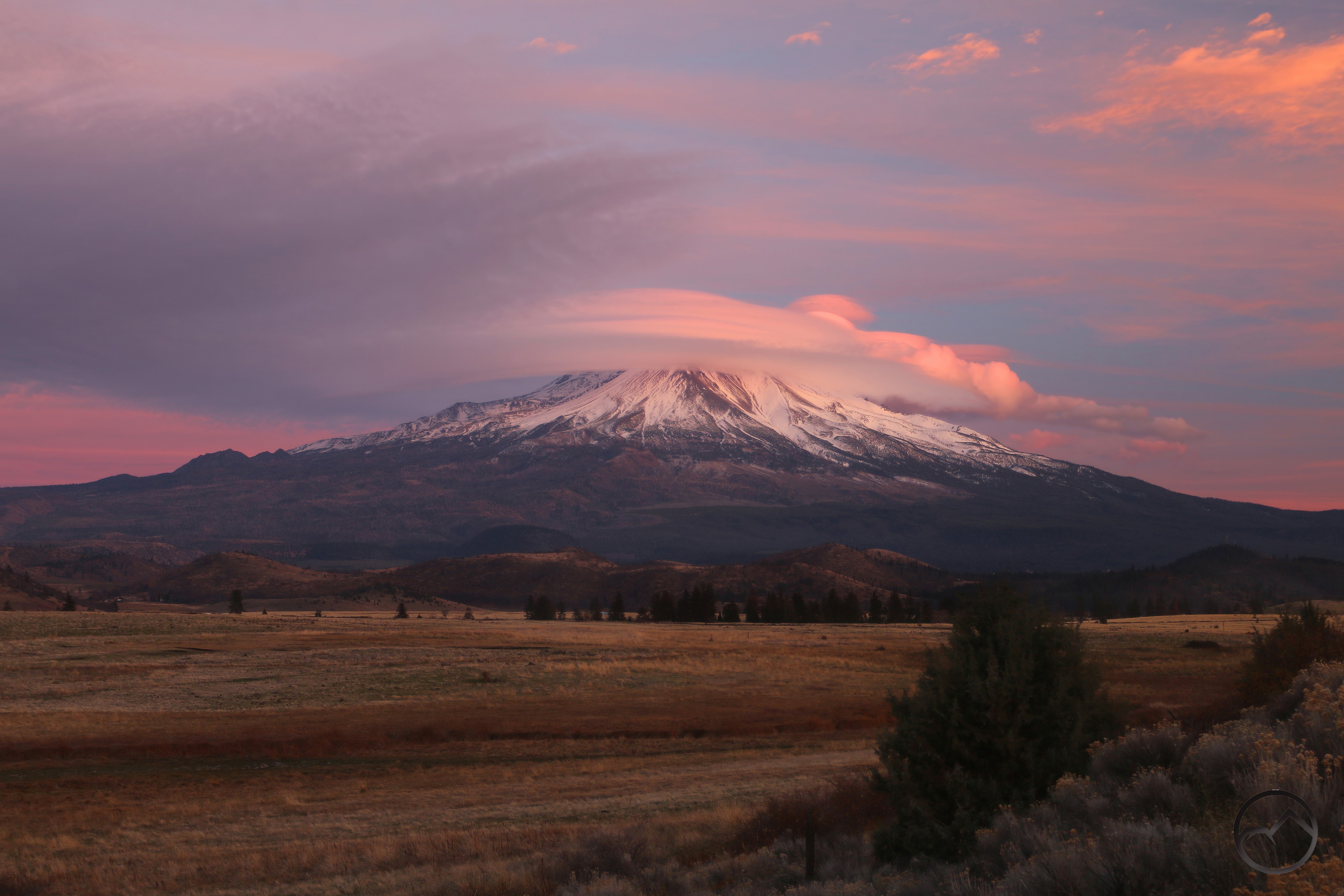
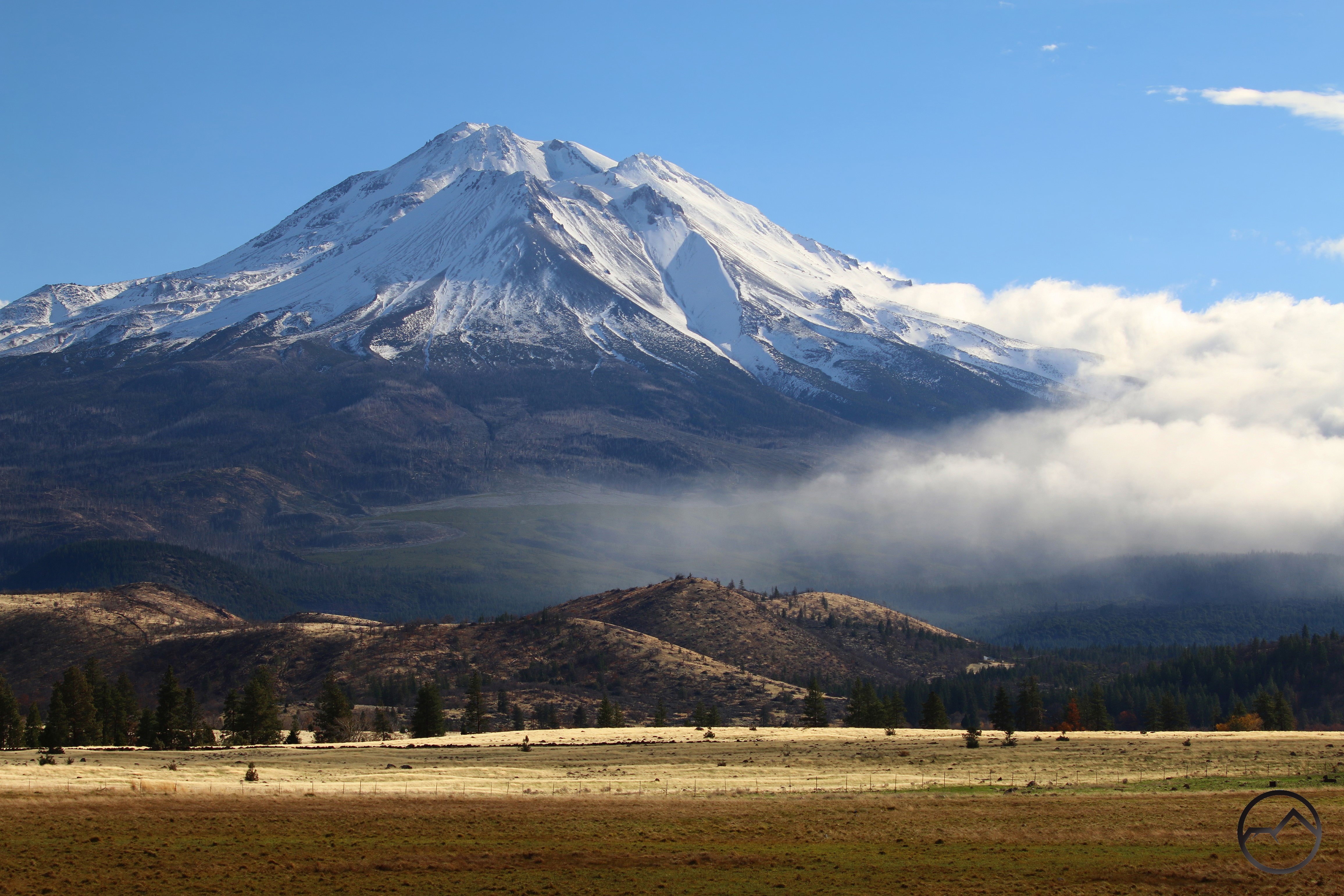
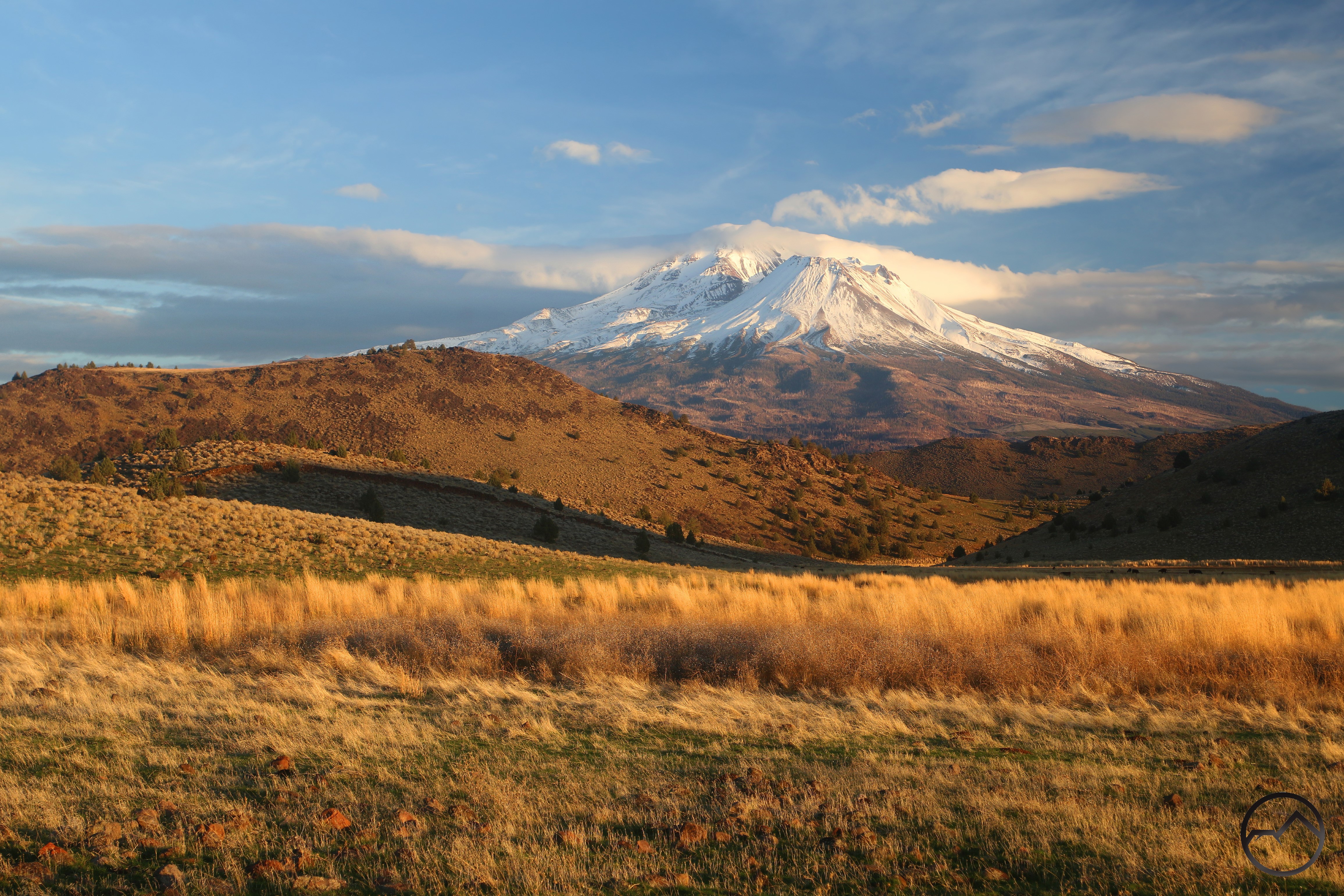
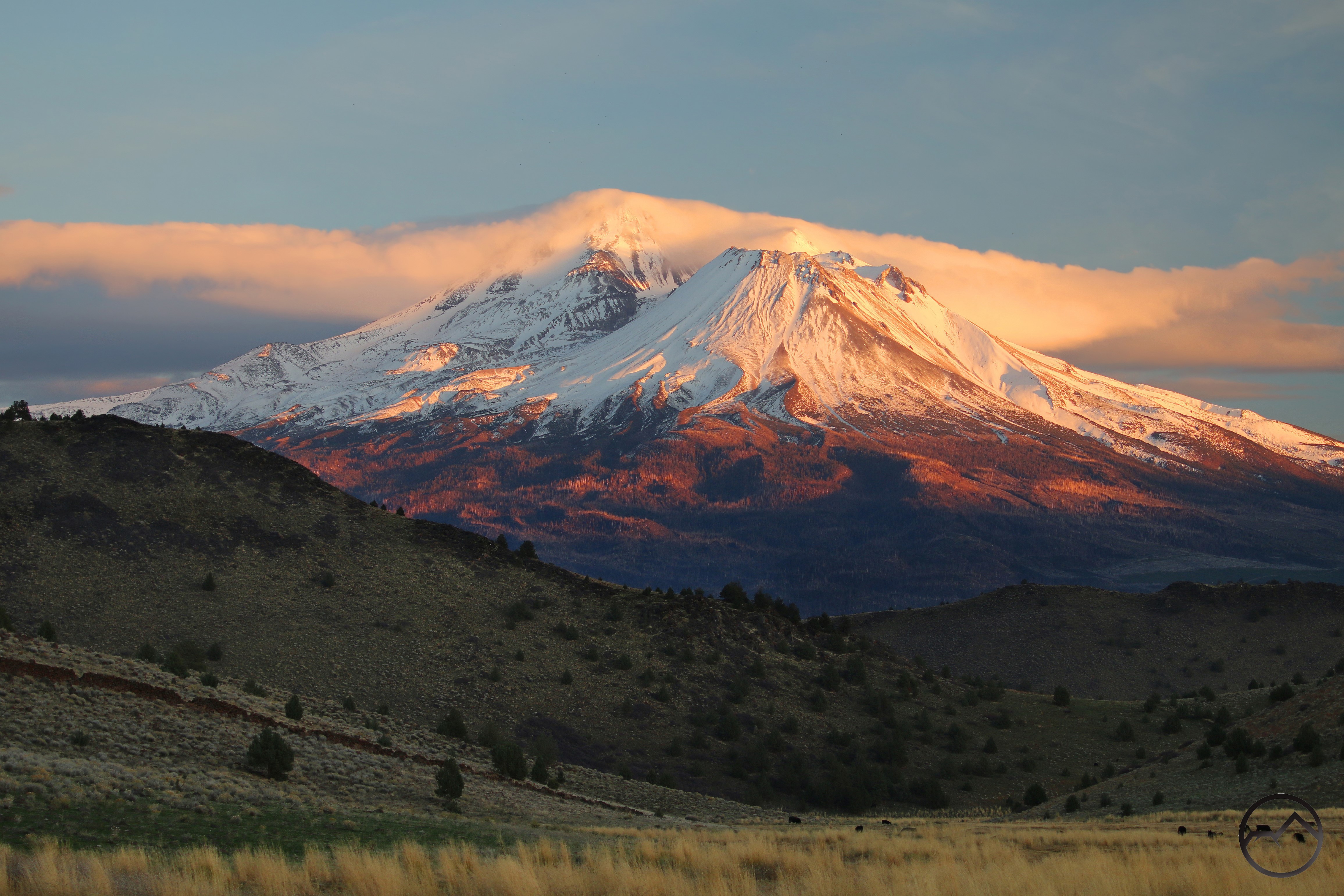
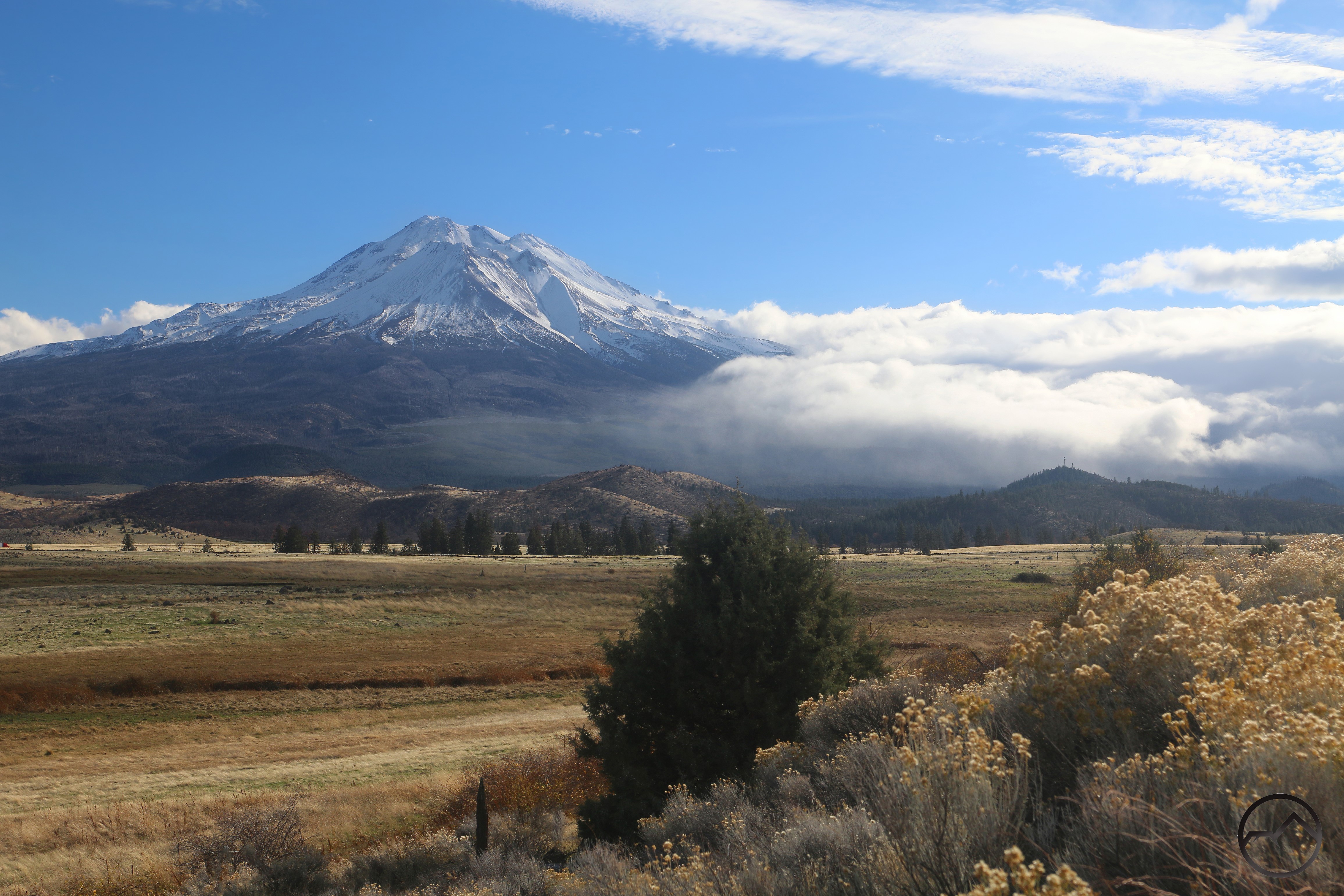
Other than when Parks Creek flows through its canyon, Mount Shasta is a visual companion for much of the creek’s journey. This is never more true than in the Shasta Valley. Here the broad vale of Parks Creek is visible from Truchas Ridge, just before Parks Creek flows into the Shasta River. A spectacular finish for a beautiful waterway.

Once joined to the Shasta River, the waters flow through another remote canyon, this time with a high desert environment giving it a unique appeal. Mount Shasta, as always, stands vigil over these beautiful waters, watching and waiting for the salmon to arrive…