Hike Mt. Shasta

Exploring the Mount Shasta Region

  • Home
  • Trails
    • Mount Shasta Trails
      • Brewer Creek Trail
      • Clear Creek Trail
      • Gray Butte Trail
      • Green Butte Ridge Trail
      • Horse Camp Trail
      • North Gate Trail
      • Old Ski Bowl Trail
      • Panther Meadow Trail
      • South Gate/Squaw Meadow Trail
      • Whitney Falls Trail
    • Trinity Divide Trails
      • Blue Divide Trail
      • Castle Lake Trail
      • Castle Lake Shore Trail
      • Cliff Lake Trail
      • Deadfall Lakes Trail
      • Gray Rock Lakes Trail
      • Gumboot Trail
      • Heart Lake Trail
      • Porcupine & Toad Lakes Via Pacific Crest Trail
      • Seven Lakes Basin Via Pacific Crest Trail
      • Sisson-Callahan Trail
      • Soapstone Trail
      • South Mumbo Scramble
      • Tamarack Lake Trail
      • Toad Lake Trail
    • Castle Crags Trails
      • Burstarse Falls Via Pacific Crest Trail
      • Castle Dome Trail
      • Flume Trail
      • Lower Castle Crags Via Pacific Crest Trail
      • Root Creek Trail
    • Scott Mountains Trails
      • Bluff Lake & Cement Bluff via Pacific Crest Trail
      • Caldwell Lakes Trail
      • China Mountain Scramble
      • Cory Peak and Bull Lake via Pacific Crest Trail
    • Cascade Crest
      • Ash Creek Butte Scramble
      • Goosenest Trail
      • Juanita Lake Trail
      • Orr Lake Trail
    • Mount Shasta City Area Trails
      • Black Butte Trail
      • Box Canyon Trail
      • Gateway Trail
      • Lake Siskiyou Trail
      • Mount Shasta City Short Trails
      • Ney Springs Canyon Trail
      • Spring Hill Trail
    • Shasta Valley Trails
      • Black Lava Trail
      • Haystack Trail
      • Lake Shastina Trail
      • Pluto Cave Trail
      • Trout Lake Trail
      • Yellow Butte Trail
    • Sacramento River Trails
      • Dunsmuir Trail
      • Hedge Creek Falls Trail
      • Sacramento River Trail
      • Sims History Trail
    • McCloud River Trails
      • Ash Camp To Ah-Di-Na Via Pacific Crest Trail
      • McCloud River Falls Trail
      • McCloud River Preserve Trail
      • Squaw Valley Creek Trail
      • McCloud River Trail: Algoma Camp to Nitwit Camp
      • McCloud River Trail: Nitwit Camp to Cattle Camp Swimming Hole
      • McCloud River Trail: Cattle Camp Swimming Hole to Camp 4
      • McCloud River Trail: Camp 4 to Upper McCloud Falls
      • McCloud River Trail: Pine Tree Hollow Loop
    • Trails Further Afield
      • Trinity Alps Trails
        • Bear Lakes Trail
        • Billys Peak Trail
        • Boulder Creek Lakes Trail
        • Boulder Lake Trail
        • Canyon Creek Trail
        • Caribou Lakes Trail
        • East Boulder Lake Loop
        • East Weaver Lake Trail
        • Four Lakes Loop
        • Granite Peak Trail
        • Grizzly Creek Trail
        • Gulch Lakes Loop
        • Hidden Lake Trail
        • South Fork Lakes Trail
        • Stoddard Lake Trail
        • Stoney Ridge Trail
        • Tangle Blue Lake Trail
      • Warner Mountains
        • Emerson Creek Trail
        • Highgrade Trail
        • Patterson Lake Via Warner Summit Trail
        • Pine Creek Trail
        • Squaw Peak Trail
  • Articles
    • Trails By Area
      • Mount Shasta
        • Vistas, Meadows And Waterfalls: Three Best Hikes On Mount Shasta
        • The End Of The Road: Three Hikes In The Old Ski Bowl Area
        • Two Trails From Bunny Flat
        • Three Trails On Mount Shasta’s East Side
        • Mount Shasta’s Hummingbirds
      • Trinity Divide
        • Great Lakes: Top Five Lake Basins In The Trinity Divide
        • The Headwaters Of The South Fork Of The Sacramento River
        • Neglected Headwaters: Two Lesser Lake Basins On The South Fork
        • Gumboot Saddle: Two Hikes On The PCT
        • Descent Into Mystery: The Sisson-Callahan Trail
        • Mumbo Basin – Overlooked On The West Side
        • The Headwaters Loop: A Proposed Backpacking Loop In The Trinity Divide
      • The McCloud River
        • The McCloud River Trail
      • Shasta Valley
        • Jewels In The Desert
      • Scott Mountains
        • Great Scott! Two Scott Mountains Hikes On The PCT
      • Trinity Alps
        • Carubou Lakes: Trinity Alps On A Grand Scale
        • Switchbacks To Heaven: The Trinity Alps’ Stoney Ridge Trail and Four Lakes Loop
        • Trinities In Proximity: Two Trinity Alps Trails With Easy Access From Mount Shasta
        • Trails in the Carter Meadows Area
        • Trinity Alps Views of Mount Shasta
        • The Psychological Value Of The Trinity Alps
    • Waterfalls
      • Three Waterfalls On Mount Shasta
      • McCloud River Waterfalls
      • Sacramento River Waterfalls
      • Trinity Divide Waterfalls
      • Trinity Alps Waterfalls
      • Avoiding A Dry Whitney Falls
    • Off Season Trails
      • Three Winter Hikes Near Mount Shasta City
      • Winter Hikes In Shasta Valley
      • Winter Hiking In The Shasta Valley Wildlife Refuge
      • Winter Hikes On The Sacramento River
      • Winter Hikes On The Lake Siskiyou Trail
      • Spring Hikes In The Castle Crags
      • Spring Hikes On the Upper McCloud
      • Spring Hikes On The Lower McCloud River
    • Points Of Interest
      • Mount Eddy: Overshadowed, Underrated
      • Black Butte: Hiding In Plain Sight
      • Castle Dome: Steadfast And Staggering
      • Mount Shasta Hoodoos
      • Sacramento Scrambling
      • The Shasta River
      • The Castle Creek Watershed
      • Mount Shasta East Side Glacier View
      • 5 Fantastic Mount Shasta Vistas
      • 5 Highest Peaks Around Mount Shasta
      • 5 Best Hikes On Creeks And Rivers
      • 5 Interesting Footbridges
      • Three Spectacular Drive-To Sunset Vistas
    • North State Geography
      • Introduction
      • Seven Major Regions
      • The California Cascades
      • Klamath Mountains Pt. I
      • Klamath Mountains Pt. II
      • The Great Canyons Of Mount Shasta
      • Mount Shasta, Timberline, And The Relative Size Of Cascade Volcanos
      • Four Eruption Cones Of Mount Shasta
      • Mount Shasta’s Medial Moraine
    • Northern California Review
      • North Table Mountain
      • Lakes Basin Recreation Area
      • Eastern Sierra Fall Color
      • Sonoma County
      • Central Sierra Nevada
      • Orland Buttes
    • Seldom Seen
      • Ash Creek Falls
      • Mud Creek Canyon
      • Lower Mud Creek Canyon
      • Diller Canyon
      • Lower Cascade Gulch
      • The Grey Rocks
      • Castle Creek
      • Upper Wagon Creek
      • Fawn Creek Canyon
      • Confluence of the Sacramento River and Castle Creek
      • Upper Klamath River Canyon
      • Hole In The Ground Geologic Area
      • Ash Creek Butte Fossil Rock Glacier
    • Mount Shasta History
      • Vantage Lost: The Everitt Memorial Vista
      • A Yosemite-Mount Shasta Connection
      • Whitney – What’s In A Name?
      • Mount Shasta Area and the 1838 Exploring Expedition
      • A 19th Century Engraving Of An Epic Mount Shasta Vista
      • Vintage 1907 Color Photos
      • A Misleading Painting
      • A Mysterious Painting
      • A Mysterious Painting Pt. II
      • Stereographic Mt. Shasta
      • Year One Of Hike Mt Shasta
      • Year Two Of Hike Mt Shasta
      • Year Three Of Hike Mt Shasta
      • Year Four Of Hike Mt Shasta
      • Year Five Of Hike Mt Shasta
      • Year Six Of Hike Mt Shasta
      • Year Seven Of Hike Mt Shasta
    • Image Galleries
      • Mount Shasta Trails Gallery
      • Mount Shasta Sunrise Gallery
      • Mount Shasta Sunset Gallery
      • Lenticular Cloud Gallery
      • Mount Shasta NON-Lenticular Clouds
      • Mount Shasta Reflection Gallery
      • Telephoto Gallery
      • Mount Shasta Area Fall Color
      • Castle Crags Gallery
      • Waterfalls Gallery
      • Trinity Divide Lakes Gallery
      • Mount Shasta Area Rivers Gallery
      • Shasta High Desert Gallery
      • Mount Shasta GIF Gallery
    • Random Notes
      • Revew: Three Mount Shasta Trail Maps
      • A Mount Eddy Wilderness?
      • New Land Additions For The Castle Crags
      • Book Plug: Mount Shasta Area Rock Climbing
      • Exile: How I Came To Love Wilderness
  • Mt. Shasta Trail Map
  • Blog
  • About/Contact
  • Links
  • Truchas Ridge

White Mountain Once Again

Posted by bubbasuess on September 30, 2018
Posted in: Cascade Range, Hiking, Mount Shasta. Leave a comment

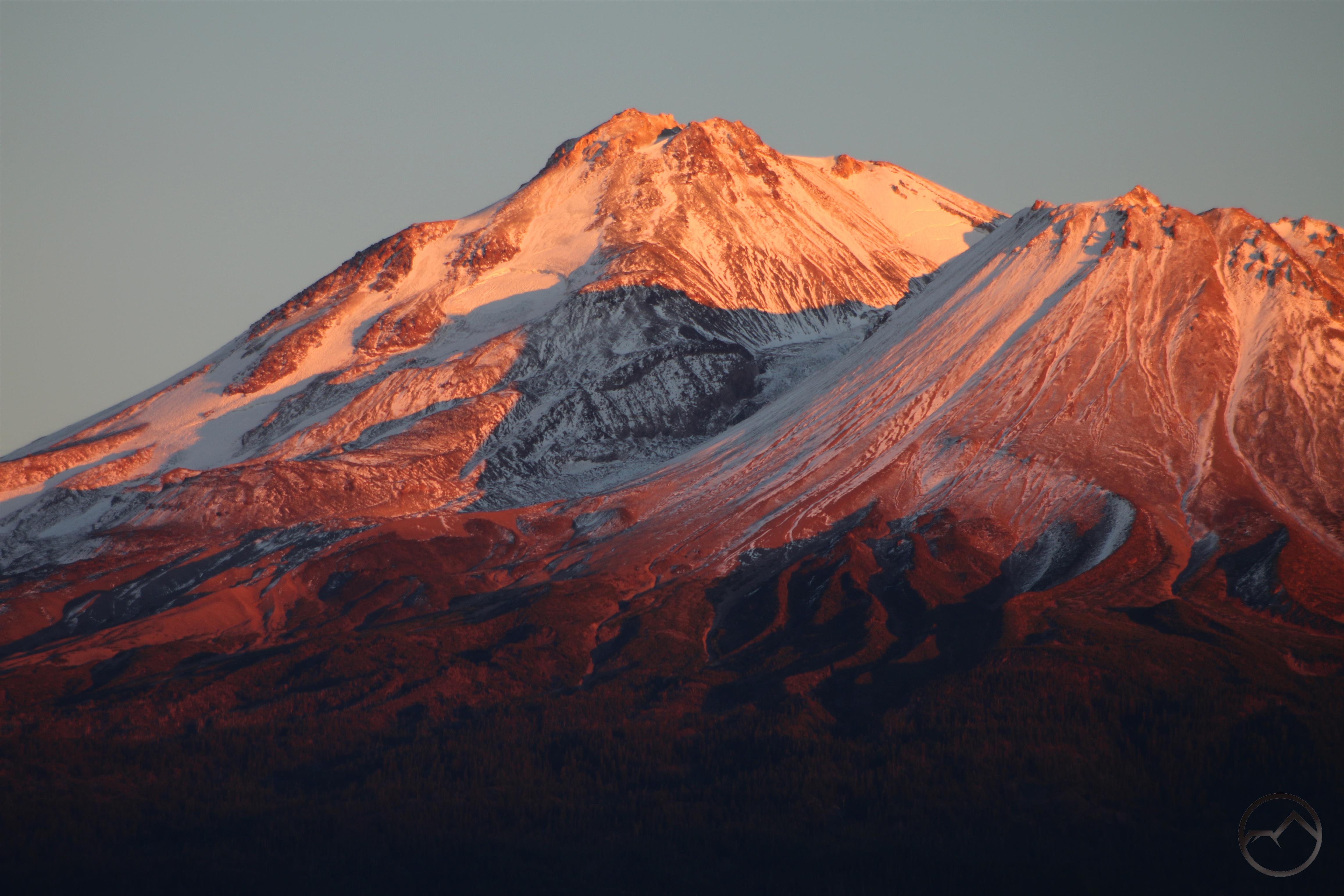
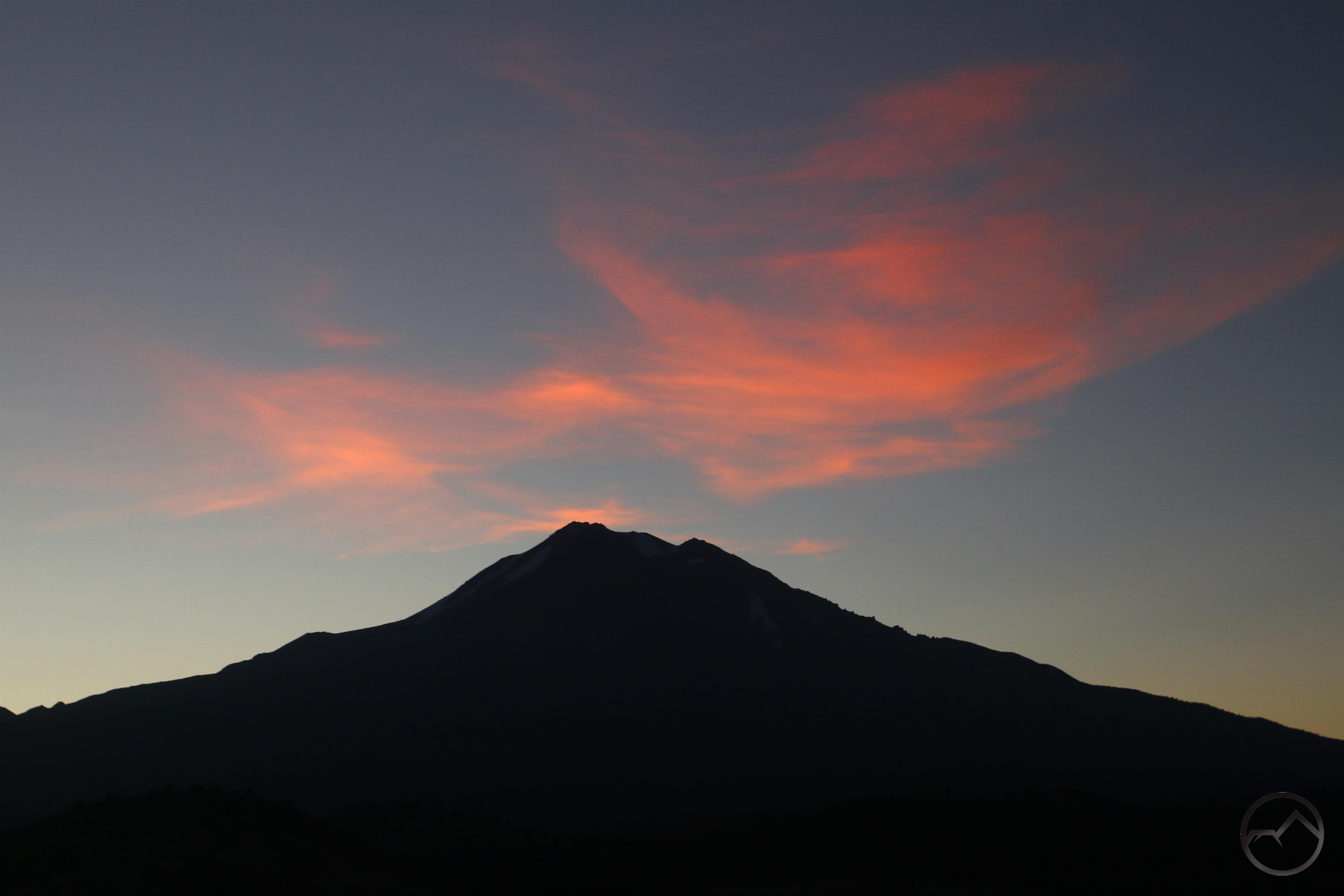
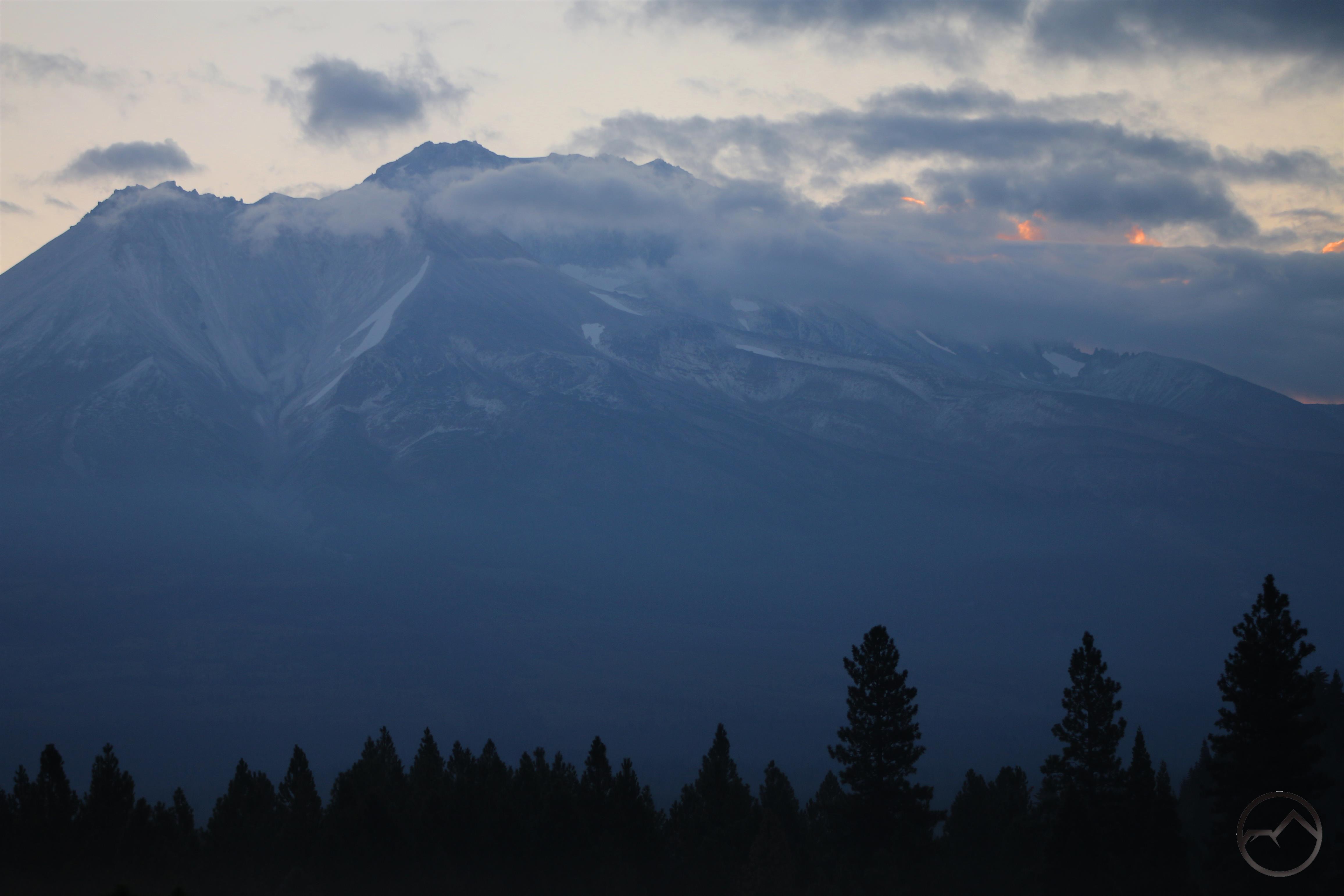
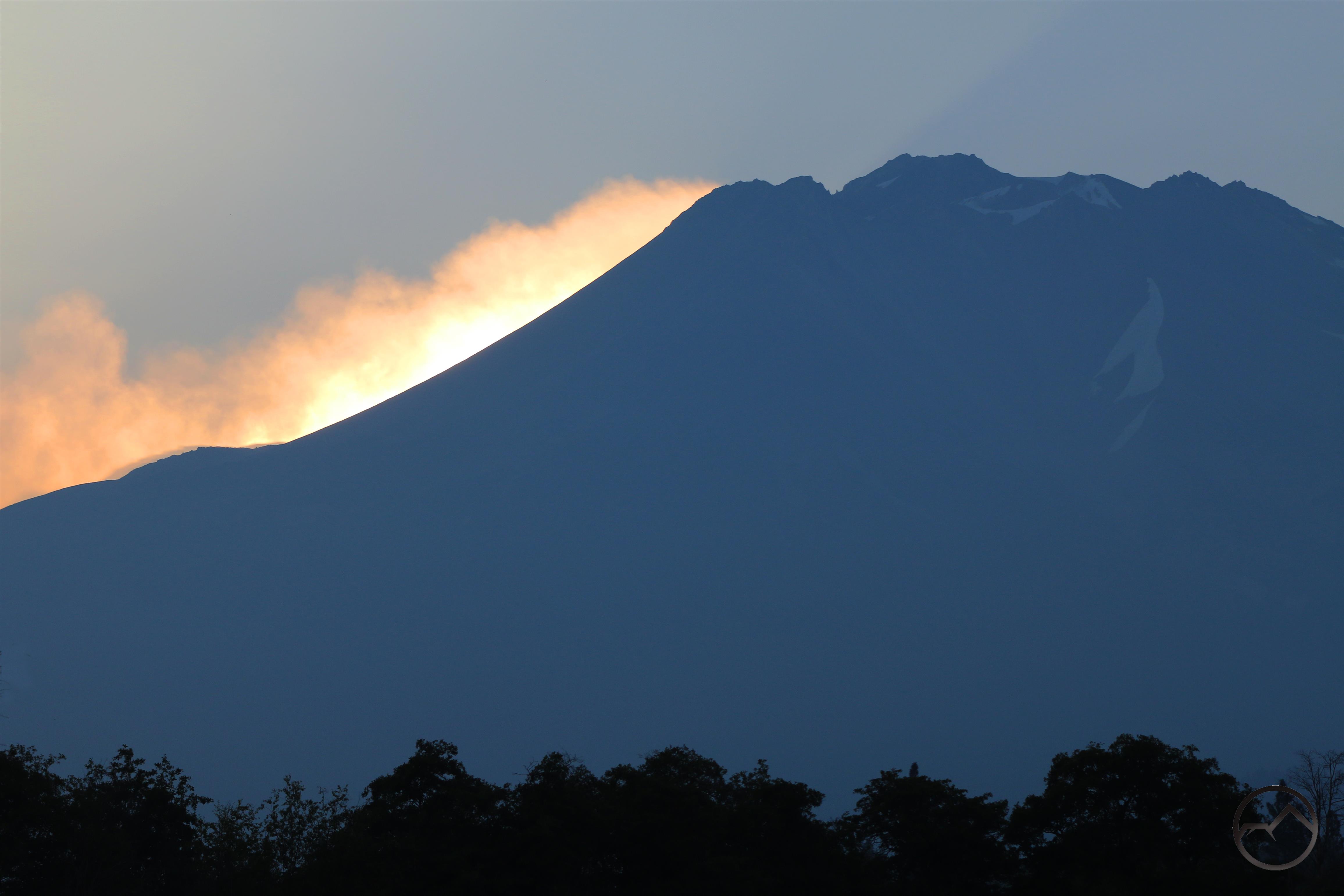
Alpenglow lights up the snow-dusted summit of Mount Shasta.

For months, warm weather has been slowly melting all of Mount Shasta’s snow. Now, at the end of September, temperatures dropped and precipitation arrived, finally creating the conditions where the upper reaches of Mount Shasta were once again covered with snow. After a brutal summer filled with smoke and fire, the coming of autumn, and all the cooler weather and rain and snow that that entails is a most welcome advent.

From the west.
From the north.

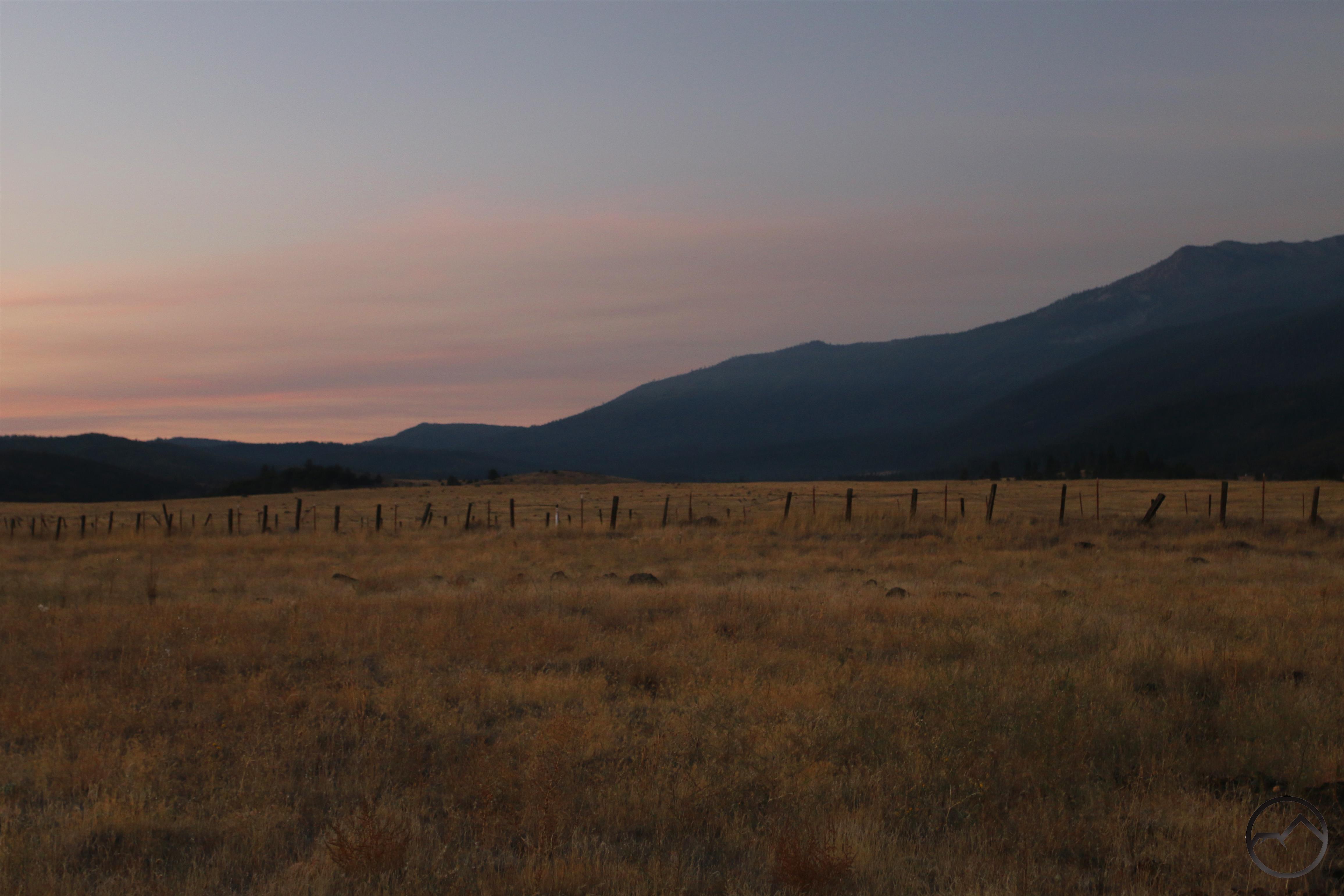
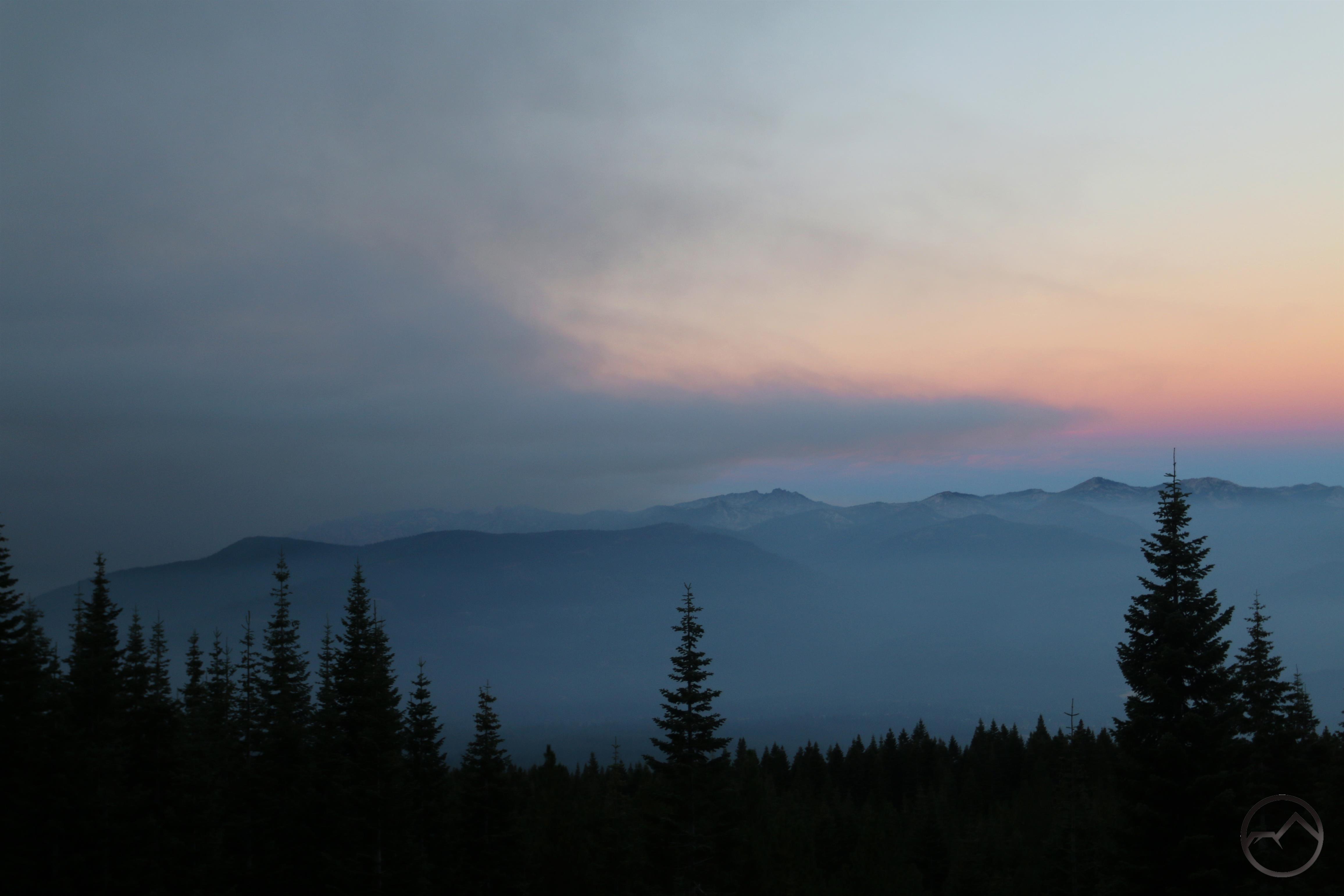
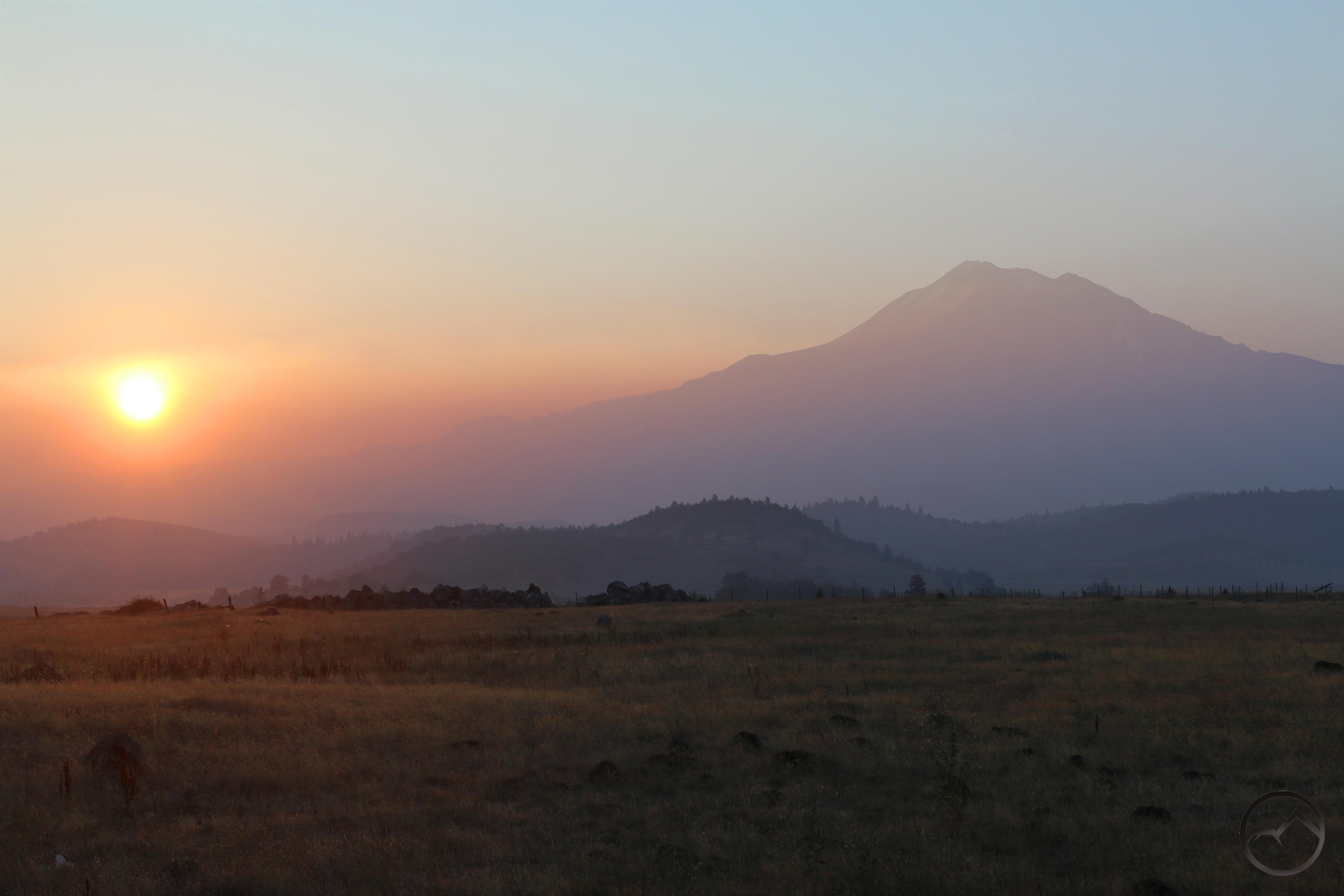
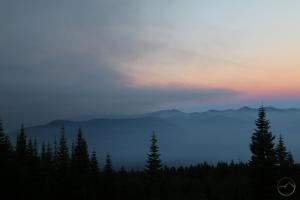
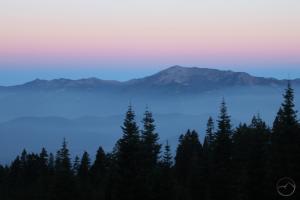
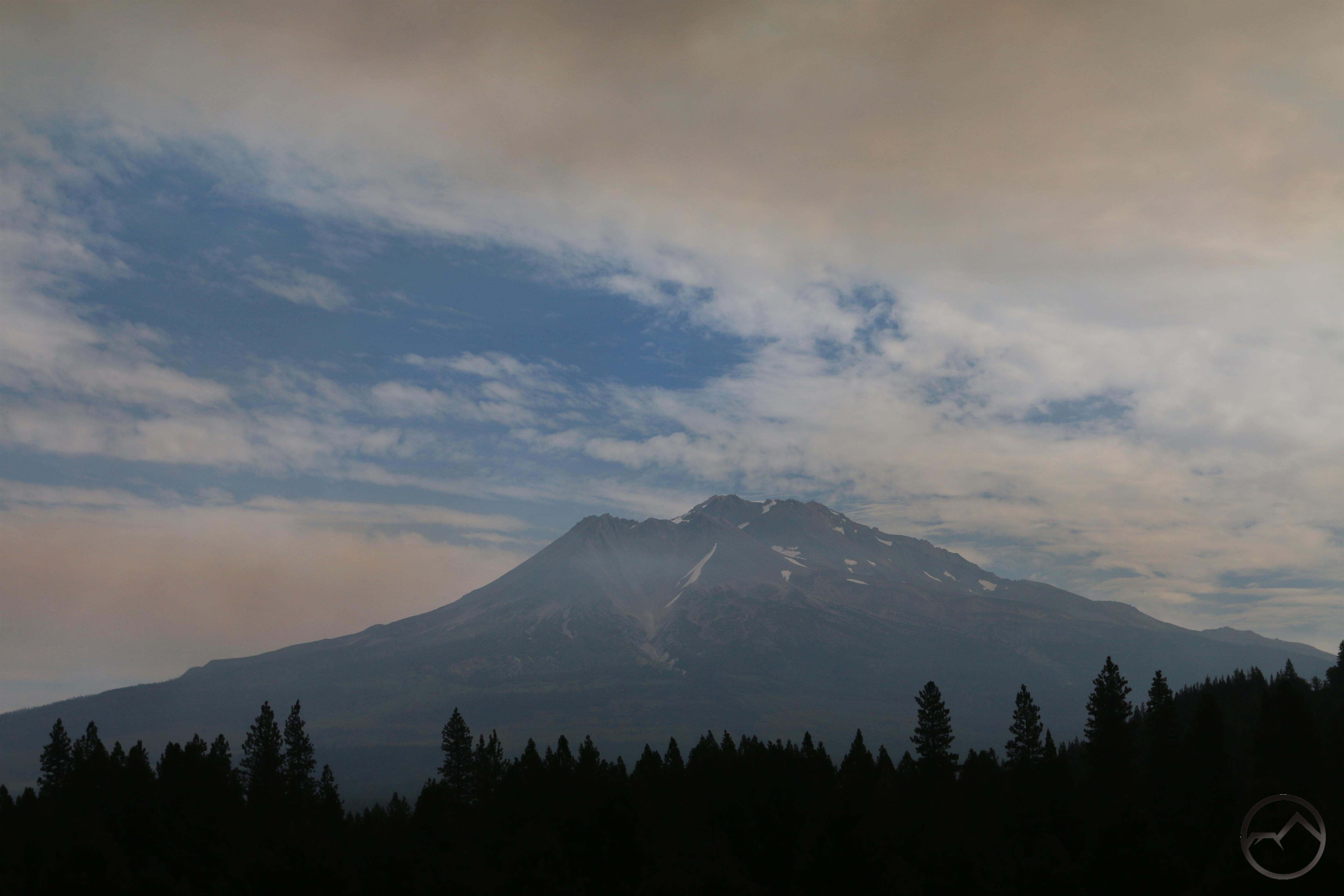
This is an especially happy development since the Delta Fire had jumped the fire lines and was flaring up in remarkable fashion. A significant amount of smoke was spewed by the renewed fire and it was a frustrating coda to the summer of conflagration. Fortunately, the knowledge that rain was just a few days off made enduring this last bit of haziness a little easier. If nothing else, the smoke did make for some unusual sunsets.

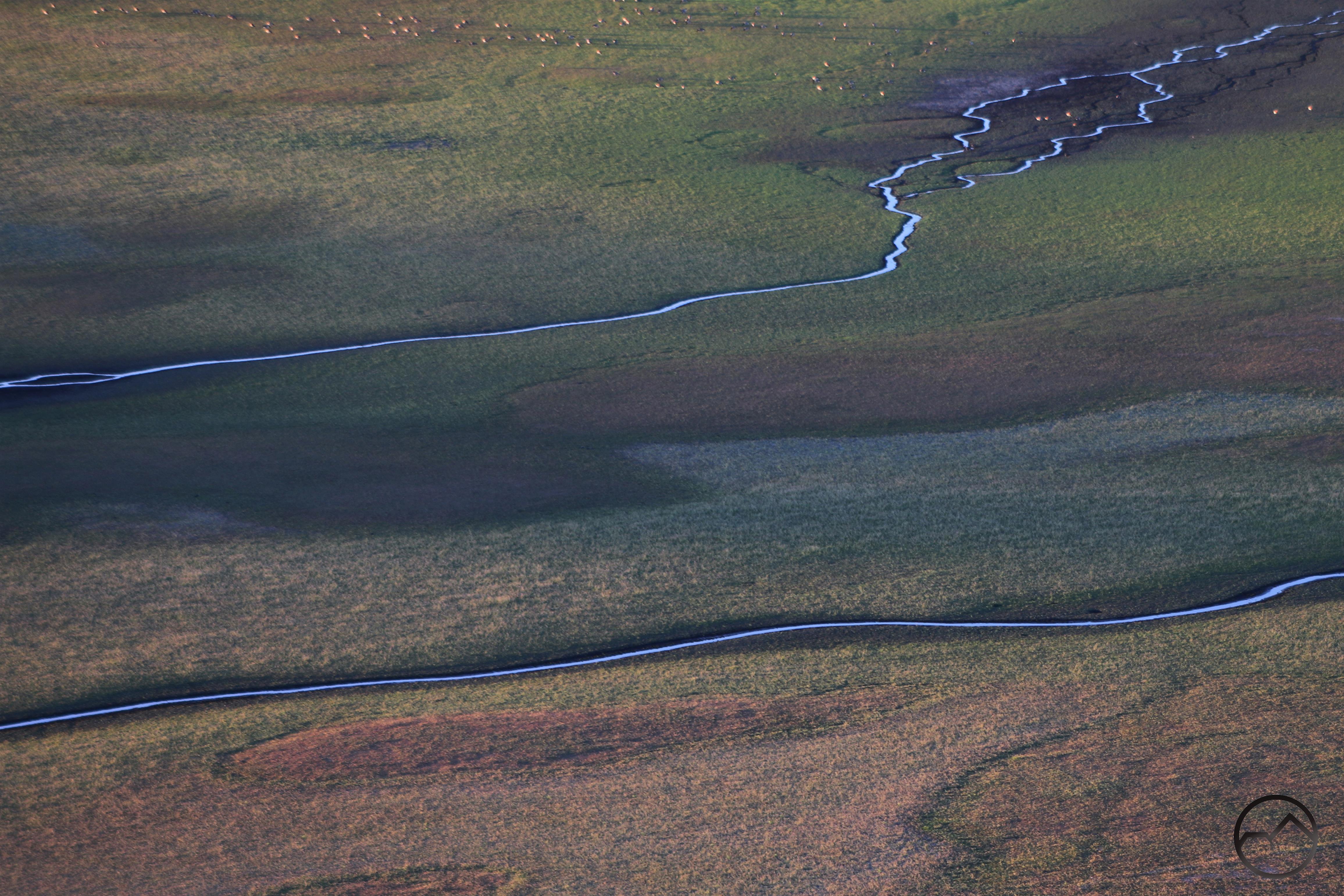
Not your typical Mount Shasta scenery.

Sunday morning was initially wet, with clouds and rain persisting until it was nearly noon. At that time the storm began to break up, the skies cleared, and by evening there was barely any clouds around Mount Shasta. It was the perfect time to get out and take my family for a short hike to watch the sunset light on the mountain that was once again white. It was a lonely, beautiful evening, filled with some unsual sights and an incredible view. We were all grateful that the summer is finally ending, fall is here and that Mount Shasta was once again white. We have much to be thankful for.

An Update On The Delta Fire…Yes, The Delta Fire Is Still Burning

Posted by bubbasuess on September 27, 2018
Posted in: Boy Scouts, Hiking, Klamath Mountains, Mount Shasta. 1 Comment

Looking south from the Shasta Valley, where smoke from a flared-up Delta Fire covers the sky.

It has been a few weeks since I posted anything on the Delta Fire. Frankly, I had figured I would be done commenting on that conflagration, since it was winding down and had nearly reached 100% containment. The sky has been clear and the days beautiful. Even though there is still a little bit of fire season left to endure, I reckoned that we were past it for the most part. As far as the Delta Fire has been behaving, my presumptions were not unreasonable. Unfortunately, the fire has jumped the fire line and has flared up with renewed vigor.

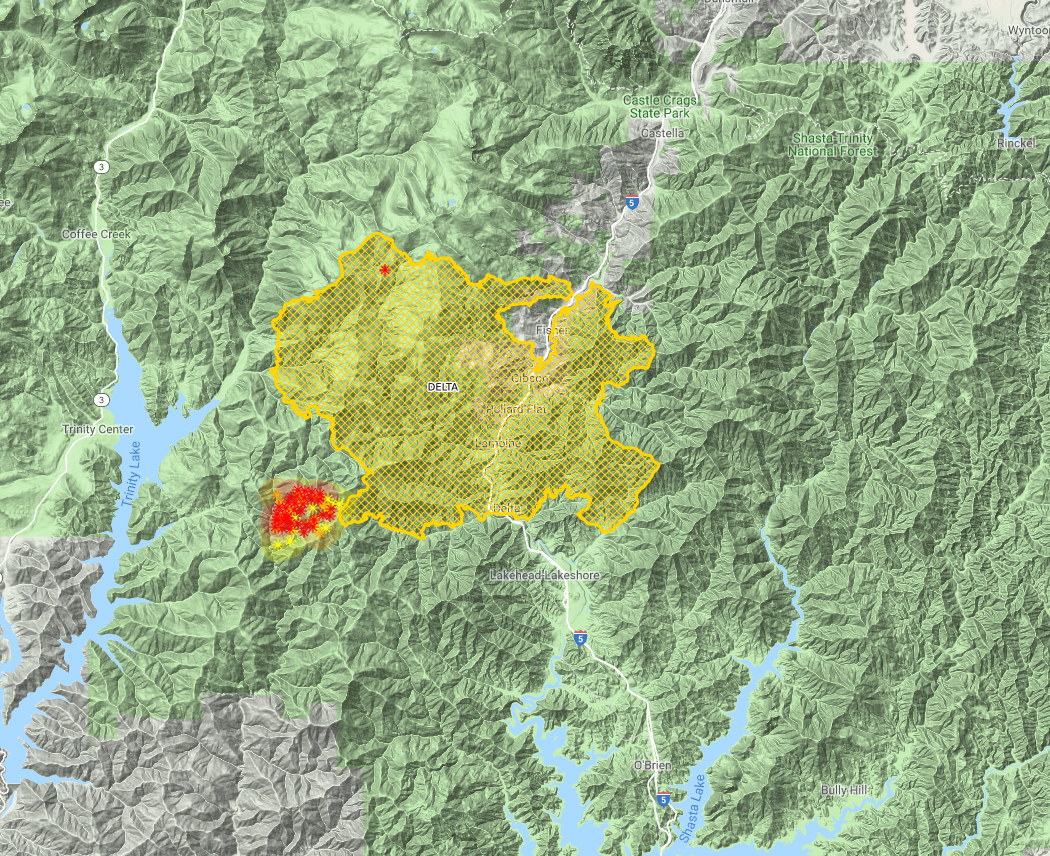
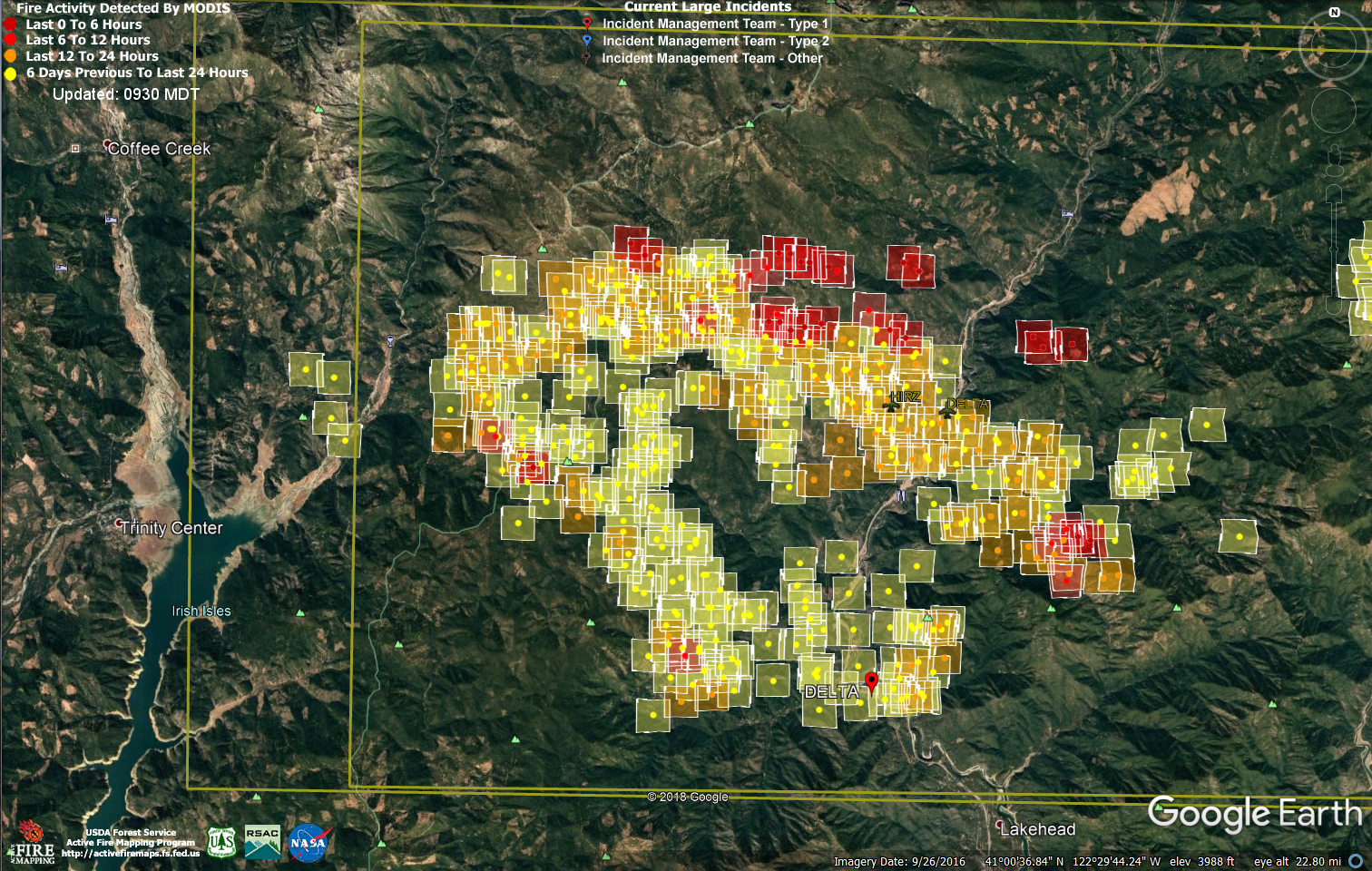
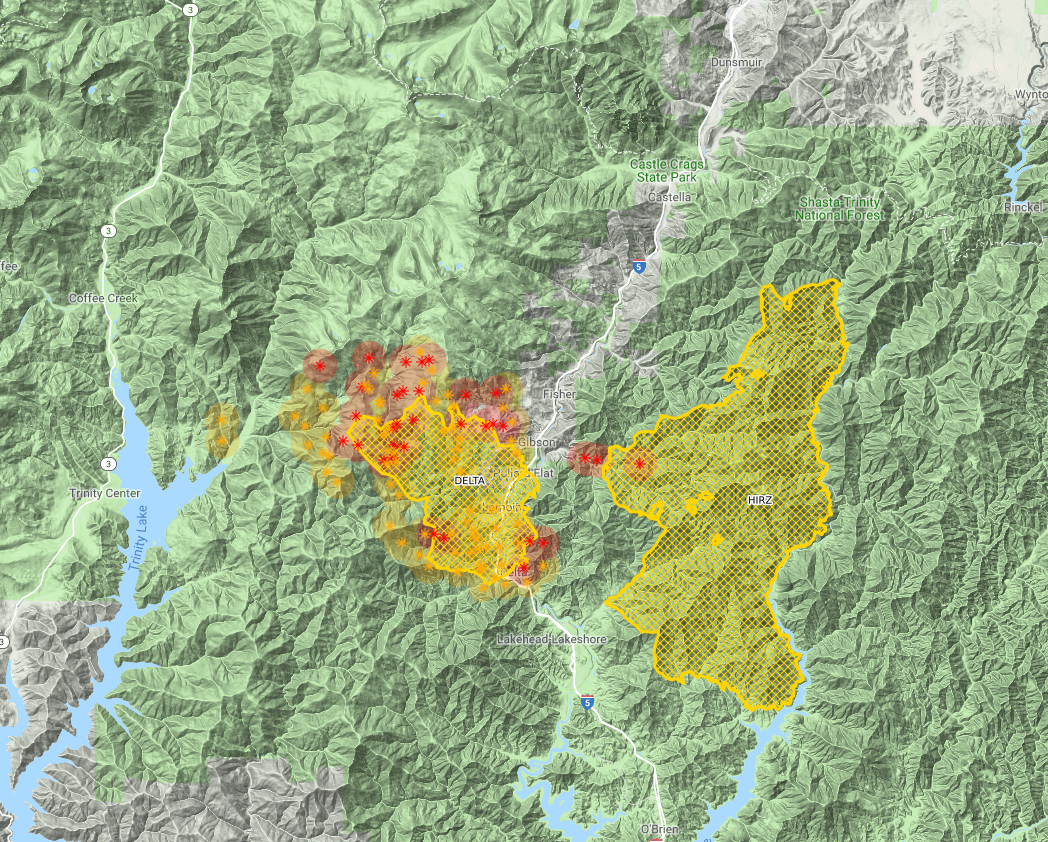
Thankfully, this increased fire activity does not pose any threat to the Mount Shasta area or any of the communities in the I-5 corridor. The flare up is located on the southwest corner of the Delta Fire:

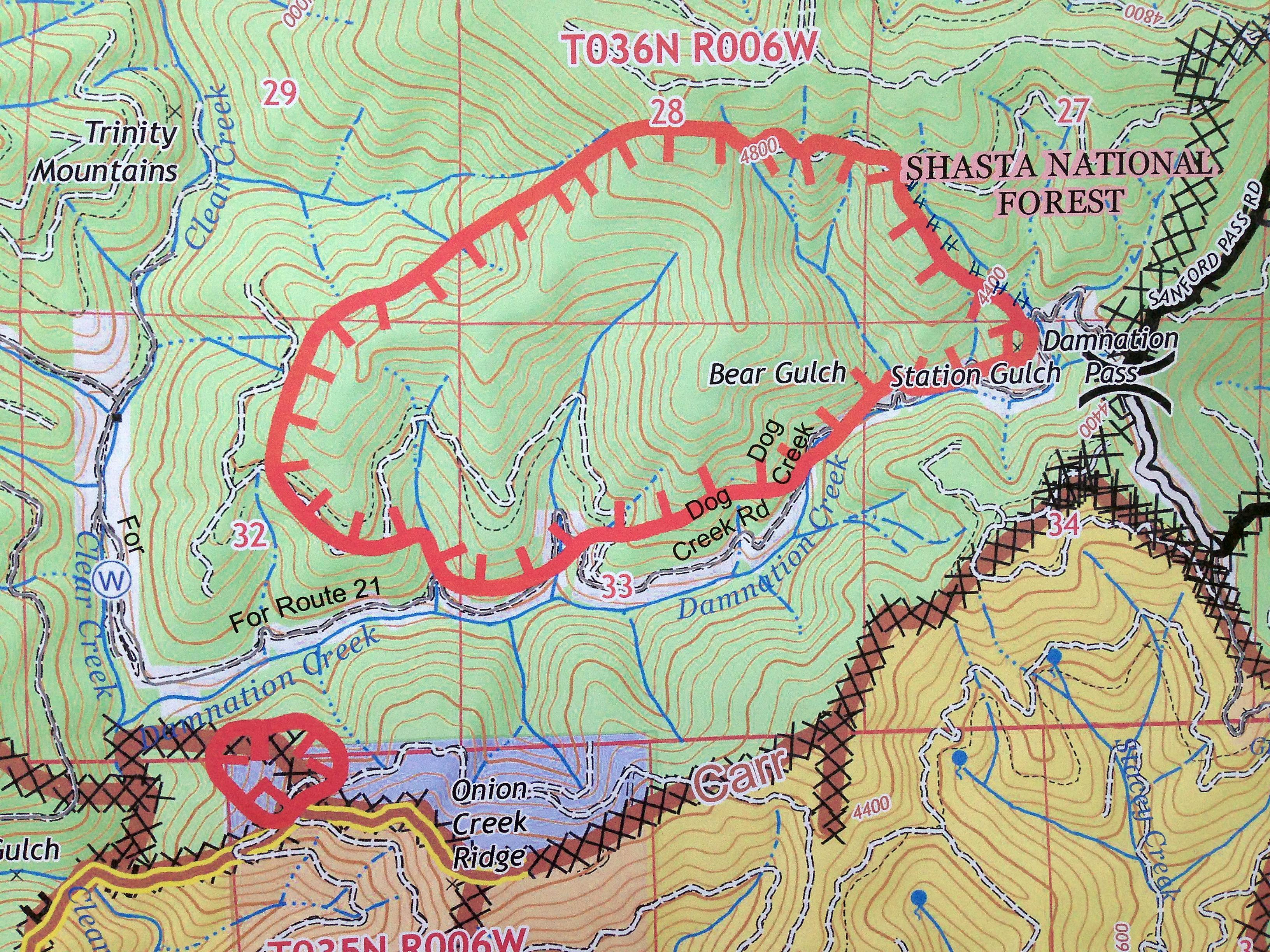
Strangely enough the fire jumped a line that had been cut in as a contingency fire break to halt the growth of the Carr Fire. The line was then fortuitously positioned to establish containment on the Delta Fire. Now, somehow, the fire has jumped the line at Damnation Pass and already grown to over 1,500 acres. Officially, this is being treated as part of the Delta Fire. I don’t want to be irresponsible with speculation, but the cause of this fire, at the very least, warrants some suspicion with regards to human activity. ‘Nuff said on that at this point.

The fire is currently burning on the north side of Damnation Creek. To the south is the vast, charred expanse of the Carr Fire. To the north is the uppermost stretch of Clear Creek. Fortunately, between the Carr, the Delta and Trinity Lake, there isn’t too much territory for it the flare up to consume. It is mostly along Damnation and Clear Creeks. Even better, it is supposed to rain over the weekend. That will really put the kibosh on the fire. I just hope the rain holds off until Saturday night, since the Cub Scout Pack is holding a rummage sale at Scout Hall (shameless plug!) One other blessing in all of this is that, despite the smoke piling up to the south once again, the winds have kept it away from Mount Shasta and we have been able to enjoy gorgeous clear skies. Bring on the rain!

Fire to the south, but a clear morning above Mount Shasta.

A Mount Shasta Reader

Posted by bubbasuess on September 22, 2018
Posted in: Cascade Range, Glaciers, Hiking, Klamath Mountains, Mount Shasta, Peaks, Rivers, Trinity Divide. 3 Comments

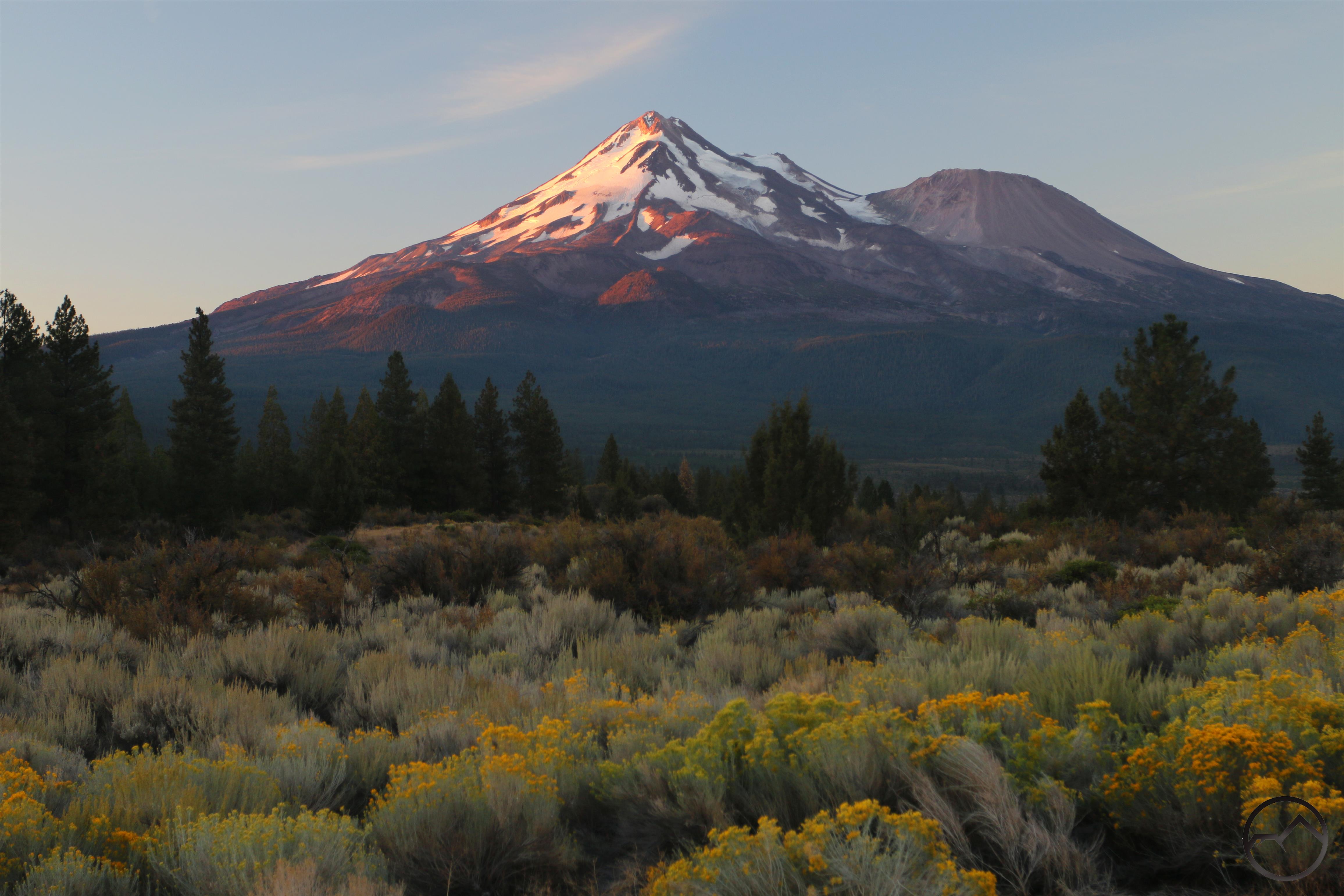
Blooming rabbitbrush is a colorful foreground to Mount Shasta and 3 of its massive glaciers.

The Mount Shasta area is vast and varied. It is a delight to all those who love the natural world and yearn to enjoy it. However, exploring Mount Shasta and its environs can be a daunting task, especially to admirers who have not spent much time in the area or have not had the opportunity to dive into the literature that records many of the areas blessings. This reader is intended to pull together several articles and resources that have appeared on Hike Mt Shasta over the years and place them together in an easy-to-access setting. It is my hope that this will be a useful tool for deepening knowledge and appreciation of Mount Shasta, the surrounding mountains and all of Northern California!

Northern California Geography Orientation
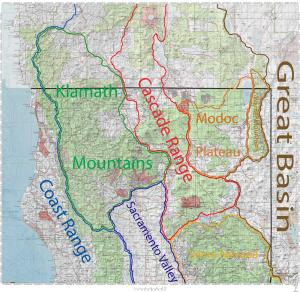
California is probably the most geologically diverse state in America. This in part naturally flows from it’s size but there is also an immense amount of diverse geology packed within its borders. The North State, which is the uppermost part of California, maintains this pattern and presents a confusing array of rock types, numerous mountain ranges and a wide variety of geologic forces at work. This series, “Breaking Down The North State”, offers a good introduction on the geography, geology, and various regions that surround Mount Shasta.

  1. Introduction
  2. Seven Major Regions
  3. The California Cascades
  4. The Klamath Mountains Pt. I
  5. The Klamath Mountains Pt. II

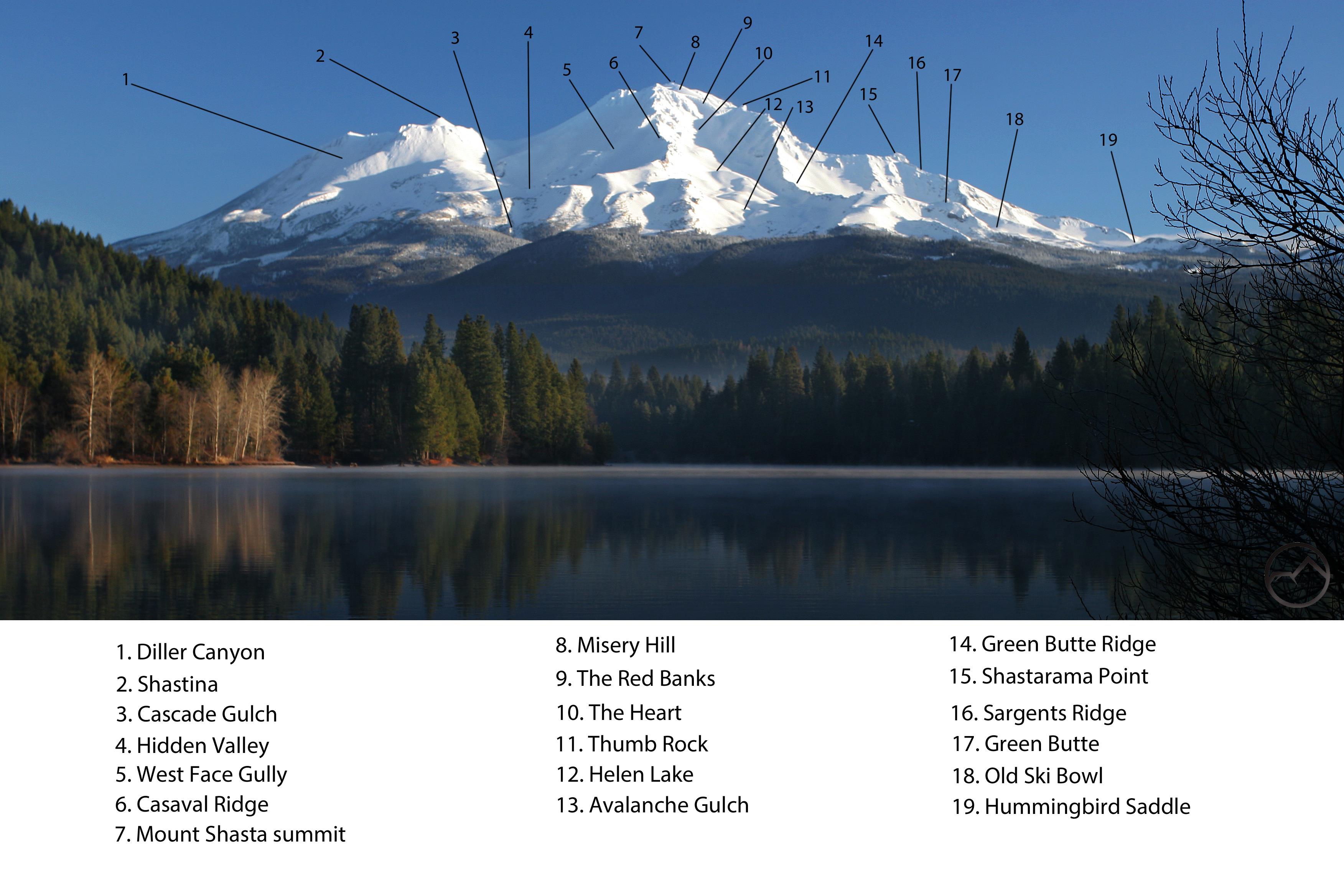
Mount Shasta Landmark Locator

Mount Shasta nearly a mountain range unto itself. There are dozens of landmarks and features waiting to be identified, though there are few easy to use resources to help. The Mount Shasta Landmark Locator can be helpful in learning the mountain’s geography. The Locator has detailed guides to the 4 cardinal orientations of the mountain. This is particularly helpful considering how distinctly different Mount Shasta appears from these perspectives.
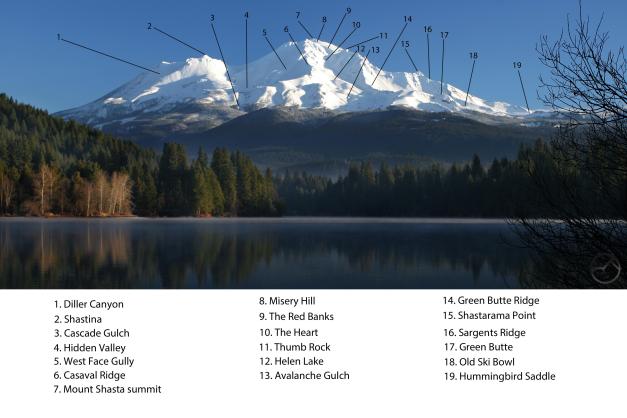
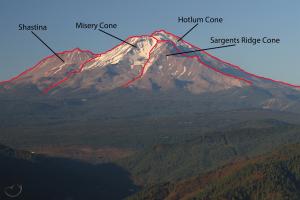
The impressive number of landmarks on Mount Shasta is indicative of the mountain’s complex geology. The fact is, Mount Shasta has experienced 4 distinct eruptive epochs, each adding a major quadrant to the volcano’s geography. This has heavily influenced Mount Shasta’s distinct appearance. Read more about these 4 eruption cones here. This article is an excellent companion to the Landmark Locator and helps explain many of the features identified there.

An article that puts Mount Shasta into the broader perspective of Cascade volcanoes does so by comparing the elevations of treeline on numerous mountains found in the range. This emphasizes Mount Shasta’s incredible size.

Another article examines the fossil remains of Mount Shasta’s medial moraine. The Hotlum Glacier once advanced several miles further than it does now, producing a medial moraine, the only one known to have existed in California.

Neighboring Peaks

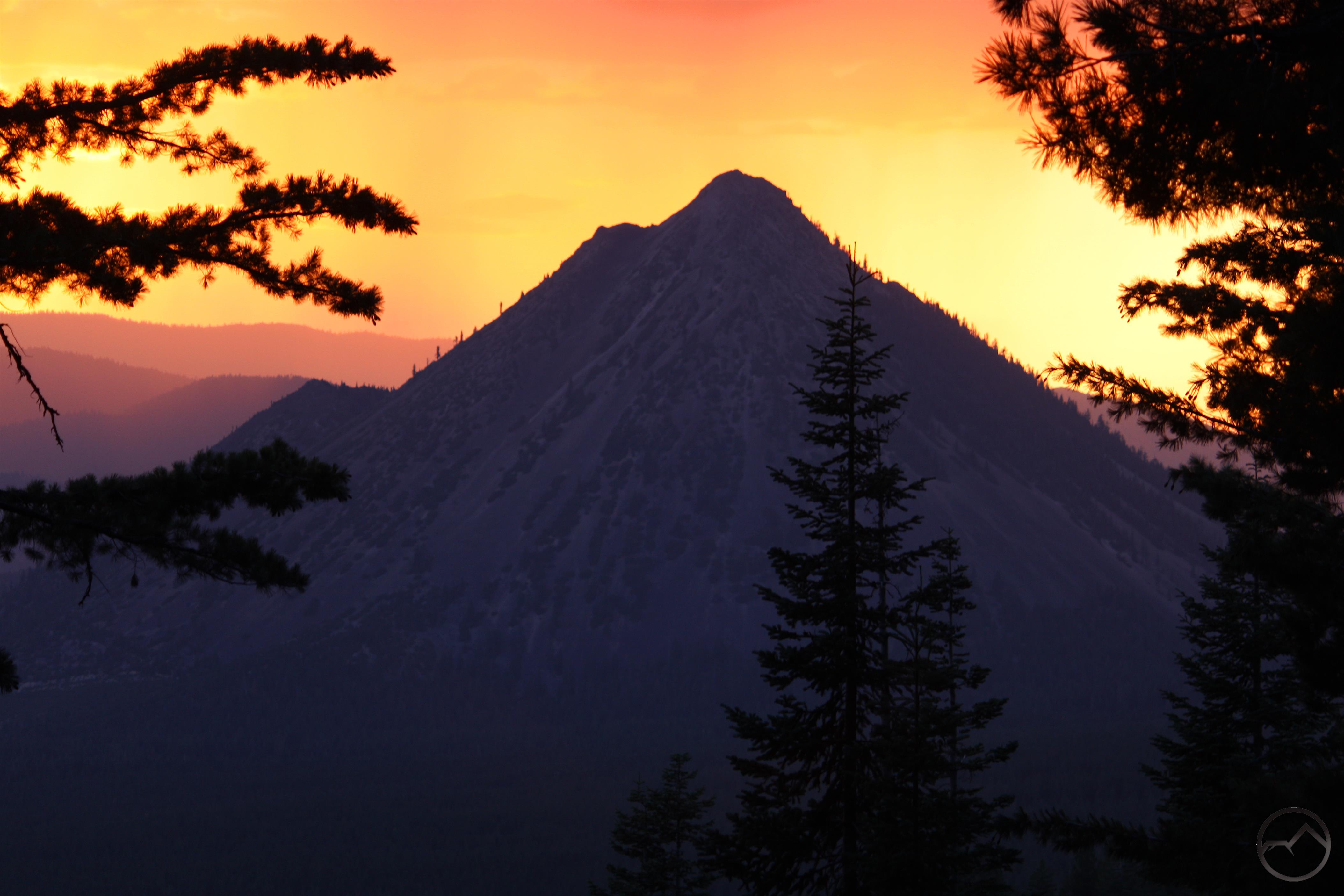
Mount Shasta may be the dominant peak in this corner of the country but there are other noteworthy summits that should not be overlooked. The two most obvious are Mount Eddy and Black Butte. The former is the highest point in the Klamath Mountains and the entire coastal ranges of the coterminous states. Dotted with lake basins and boasting spectacular views, it is a premier destination in its own right. The latter of the two peaks is the westernmost summit of the California Cascades. The distinct shape and prominent position make Black Butte an unmissable presence. The trail to the summit is a Mount Shasta area classic.

Other articles on summits around Mount Shasta are:

–The Five Tallest Peaks Around Mount Shasta

–Five Trails To Peaks Around Mount Shasta

Rivers Around The Mountain

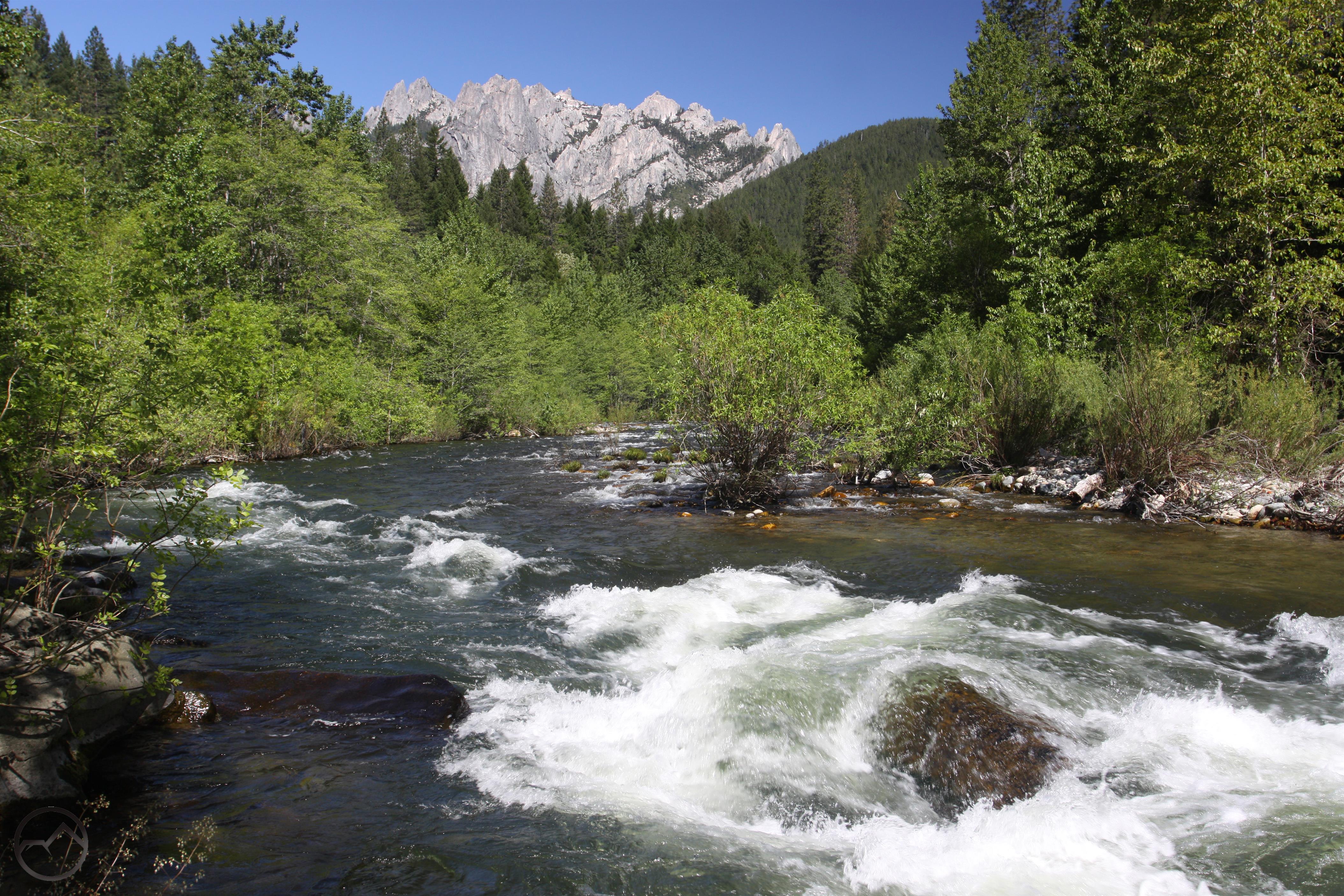
Three rivers flow around the base of Mount Shasta. The Sacramento River, California’s largest and longest river, begins nearby, while the McCloud and Shasta Rivers also begin in the area. Flowing through deep canyons, over large waterfalls and through broad valleys, these rivers are beautiful contrasts to the towering spire of Mount Shasta. They also offer diverse recreational opportunities that include hiking, fishing and kayaking. In addition to the rivers, there are dozens of beautiful creeks flowing through the area. Wagon Creek and Castle Creek are probably the most notable but many others yield beautiful and refreshing destination. For those looking to explore, these are 5 of the best trails along rivers and creeks in the area.

See the Mount Shasta Area Rivers Gallery.

Waterfalls
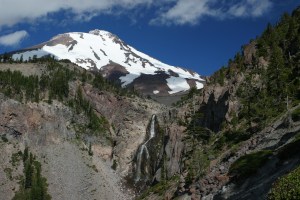
The Mount Shasta area has a number of fantastic waterfalls. This generally fit into two categories. The first are those that are found in the lowlands around Mount Shasta. Some of these are along the McCloud and Sacramento Rivers, a few others are in the mountains to the west of Mount Shasta. None are particularly high in elevation except Wagon Creek Falls. The river waterfalls flow all year so can be viewed whenever they are accessible. Those a little higher up are best in spring. The other category of waterfalls are those found on Mount Shasta. These are all harder to get to due to rugged access roads and terrain and, in some cases, lack of trails leading to them. Whitney Falls is the easiest to get to but its flow can be fickle. Ash Creek Falls may be the most beautiful of the bunch.

See the gallery of Mount Shasta Area Waterfalls.

Seldom Seen

There are a variety of places around Mount Shasta that don’t see many visitors but still offer spectacular scenery and fascinating geology. The tiny number of people heading to these places is in not indicative of how magnificent they are. This series of articles attempts to pique the reader’s interest and encourage hikers to get out and explore areas beyond the trail.

Fall Color
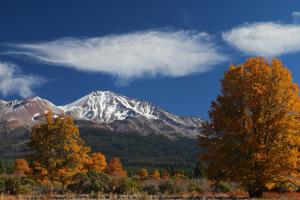
The Mount Shasta area is not well known for having great fall color. However the area does have some spots where the autumnal foliage can be pretty intense. This is due, in large measure to oak trees and the many trees that line riparian areas. Hiking along the Sacramento River, the McCloud River and Squaw Valley Creek are all places that are good bets to see some great collections of trees turning shades of red and gold. Aside from these areas, look for places with lots of oaks or willows to catch some of fall’s excellent spectacle. For those hungry for aspens, there are a few places to catch them, especially north of Mills Meadow and also a massive grove located near Tennant.

Click here for a sample of some of the area’s fall color.

History

The Mount Shasta vicinity has a long and interesting history. Native Americans lived in the area for millenia before the arrival of Americans. Resource utilization set in early but it was not long before Mount Shasta had gained the attention of many conservation luminaries. Most notable of these was John Muir himself, the father of the modern conservation movement. He had a long and important relationship with Mount Shasta, making several trips to the area. He strongly advocated the mountain be preserved as a national park:

“The Shasta region is still a fresh unspoiled wilderness, accessible and available for travelers of every kind and degree. Would it not be a fine thing to set it apart like the Yellowstone and Yosemite as a National Park for the welfare and benefit of all mankind, preserving its fountains and forests and all its glad life in primeval beauty?”
– John Muir, “Picturesque California”, 1888

Read more about John Muir’s thoughts about Mount Shasta here.

This article collects several other discussions of vintage Mount Shasta subjects.

Visiting Mount Shasta

Hiking is naturally a favorite way of appreciating Mount Shasta. Hundreds of miles of trail course across the mountain’s flanks and through the surrounding ranges. This map shows most of the trails on and around Mount Shasta:

Other articles that might be helpful:

–The Perfect Weekend: Three Days In Mount Shasta

–Three Spectacular Drive-To Vistas Of Mount Shasta

–An East Side Glacier View

–Sacramento River Scrambling

–Five Fantastic Mount Shasta Vistas


I hope this is a helpful resource to all those looking to enjoy Mount Shasta. Thanks for investing your time in Hike Mt Shasta!
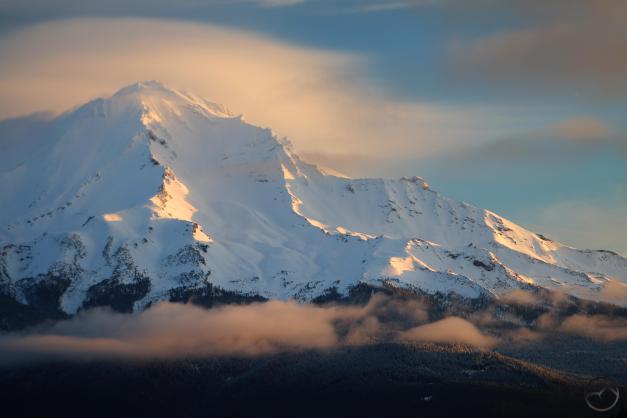
My Favorite Lenticular Events From The Last Few Years

Posted by bubbasuess on September 19, 2018
Posted in: Cascade Range, Hiking, Lenticular Clouds, Mount Shasta. 4 Comments

A massive, magnificent collection of lenticular clouds cluster around Mount Shasta.

Since I launched Hike Mt Shasta more than 5 years ago, one of my greatest pleasures on this site has been the documentation of the lenticular clouds that have graced the mountain. I love them no matter their shape or size, each one adding its own distinct accent to Mount Shasta. However, each year there are a few lenticular events that are so overwhelmingly massive, so distinct in their construction or so perfect in their timing and the way they catch the alpenglow that they are set apart from the rest. In the last few years, when a notably impressive formation occurs, I have tended to devote special posts to them. These are among my favorite topics to write about.

With lenticular season almost upon us, I have been thinking about what new events await over the next 6 months or so. The anticipation has led me to recall some of the great clouds that have formed around the mountain the last few years and to mentally sift through them once again. I have seen a lot and some of the best have predated the launching of this website. Among the greats was this incredible event back in January of 2009. There was a great stack on the mountain and a massive, free-floating structure lying just to the south. It was incredible:

Looking south

Naturally, this terrific event did not get a post here on Hike Mt Shasta, as the site was still 4 years in the future. However, this was a notable event for me, as it felt like I really was in Mount Shasta. Even though I had lived here for years by this point and even bought a house, being able to rush out and capture such a remarkable event was deeply satisfying and marked the beginning of quest that has continued since.

This leads to the point of this post. I thought it might be interesting to collate all my posts one significant lenticulars and highlight the ones I thought were most spectacular, amazing and memorable. Hopefully I am not the only one who finds this interesting.

The following are in no particular order.

November 15, 2015: 

This was a memorable event not just for the nice stack that hovered above the mountain but for all the other clouds that populated the surrounding sky. Like most of the best displays, this one was present all day long. At times some of the other clouds looks like Chinese dragons dancing round Mount Shasta. It was a fantastical event that was also memorable because the pace at which the clouds changed was breathtaking. They actually seemed to be dancing as the shifted and morphed from one form to another. It was certainly one of the best displays of the year. Read more here.

August 30, 2015:

This display came unusually early in the year for something so massive. Normally these large lenticular events occur between October and April. This one came during the summer. It is odd to see the massive clouds built up above a mountain that has no snow on it. In spite of the summer conditions, this proved to be a particularly massive and beautiful arrangement. During the day the cloud consisted of a single, large, stratified disk hovering above Mount Shasta. I headed up toward Castle Lake to photograph the phenomenon. As the sun set the disk suddenly began to expand, split, and expand again. Eventually it formed a pair of lenticular towers, far exceeding anything I had anticipated. Read more here.

February 1, 2018:

This is one of my personal favorites. Even though the lenticulars lasted over Mount Shasta all day, it was their appearance in the morning that was so memorable. While there was a nice, wind-whipped disk over the mountain, the real highlight was a classic free-floating stack just to the south. As the sun came up, it turned them all gold. The spectacle was augmented by a high layer of clouds that spread out across the sky. These too were tinged gold by the rising sun. Of course, the clouds did last all day. Even though the sunset did not match the morning’s glory, it was still a display that has stuck with me since. Read more here.

March 16, 2017:

The day before Saint Patrick’s Day, Mount Shasta blessed us with an awe-inspiring showcase of the mountain’s great lenticular potential. On this day, there wasn’t much indication that a spectacular show was forthcoming. Nonetheless, as the afternoon began to transition to evening, formations began to manifest above the mountain. I headed north and witnessed a stunning set of lenticular clouds. There was a great stack right above the mountain as well as a fluctuating series of free-floating disks. The really unusual part was the large cloud that seemed to blanket the sky above Mount Shasta. At times it was connected to the disks, at times it separated from them. Finally, at sunset, the whole formation turned pink with alpenglow. Does it get better? Read more here.

December 18, 2017:

Taken by itself, the lenticulars on this day were great, but not so overwhelmingly awesome as many of the aforementioned events. However, what made this one particularly great was that it started the day memorably, changed and morphed all day, then ended with an amazing sunset. Throughout the day it was a constant presence above the mountain but the morning and the evening were especially incredible. Taken as a whole, this was tough to beat. Read about the sunrise here. Read about the sunset here.


February 9, 2018:

Coming a little more than a week after another amazing event, this was quite possibly the single most spectacular and diverse lenticular display I have ever seen. In the morning, the clouds were possibly the most complex and massive formations I have seen above Mount Shasta. There were stack withing stacks, disks within disks and they were scattered all around the mountain. The rate at which the whole formation changed was astounding. The clouds took shapes I had never seen lenticulars assume. By midday it had contracted considerably but there was still a good-sized set of clouds over the mountain. In the evening the whole thing, which at one time had filled the entire sky, had been reduced to a single pennant, waving dramatically above Mount Shasta. While not the most impressive ending, it remained a singularly dynamic and beautiful day. Read more here.

Delta Fire – The Situation As Of Thursday Morning (Sept. 13)

Posted by bubbasuess on September 13, 2018
Posted in: Cascade Range, Hiking, Klamath Mountains, Mount Shasta. Tagged: Carr Fire, Delta Fire, Hirz Fire. 4 Comments

Mount Shasta received a late summer dusting of snow.

More than a week into the Delta Fire, the firefighting effort has really turned a corner on containing the beast. Officially, the fire is at 17% containment. While it has grown 58,427 acres, it has not jumped any fire lines and the areas that have been burned recently were within the projected fire lines. Not only has the pace of containment accelerated, the growth of the fire has decelerated. This is largely the result of cooler temperatures and even a little precipitation. Though there is no more rain in the immediate forecast, what little we did get was a huge blessing. It suppressed fire activity and allowed firefighters to really advance the containment lines. As a welcome harbinger of these successes, Mount Shasta even got a light dusting of snow during the night!
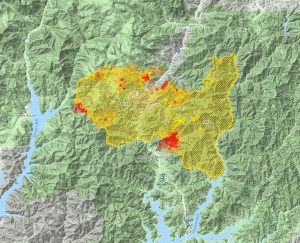
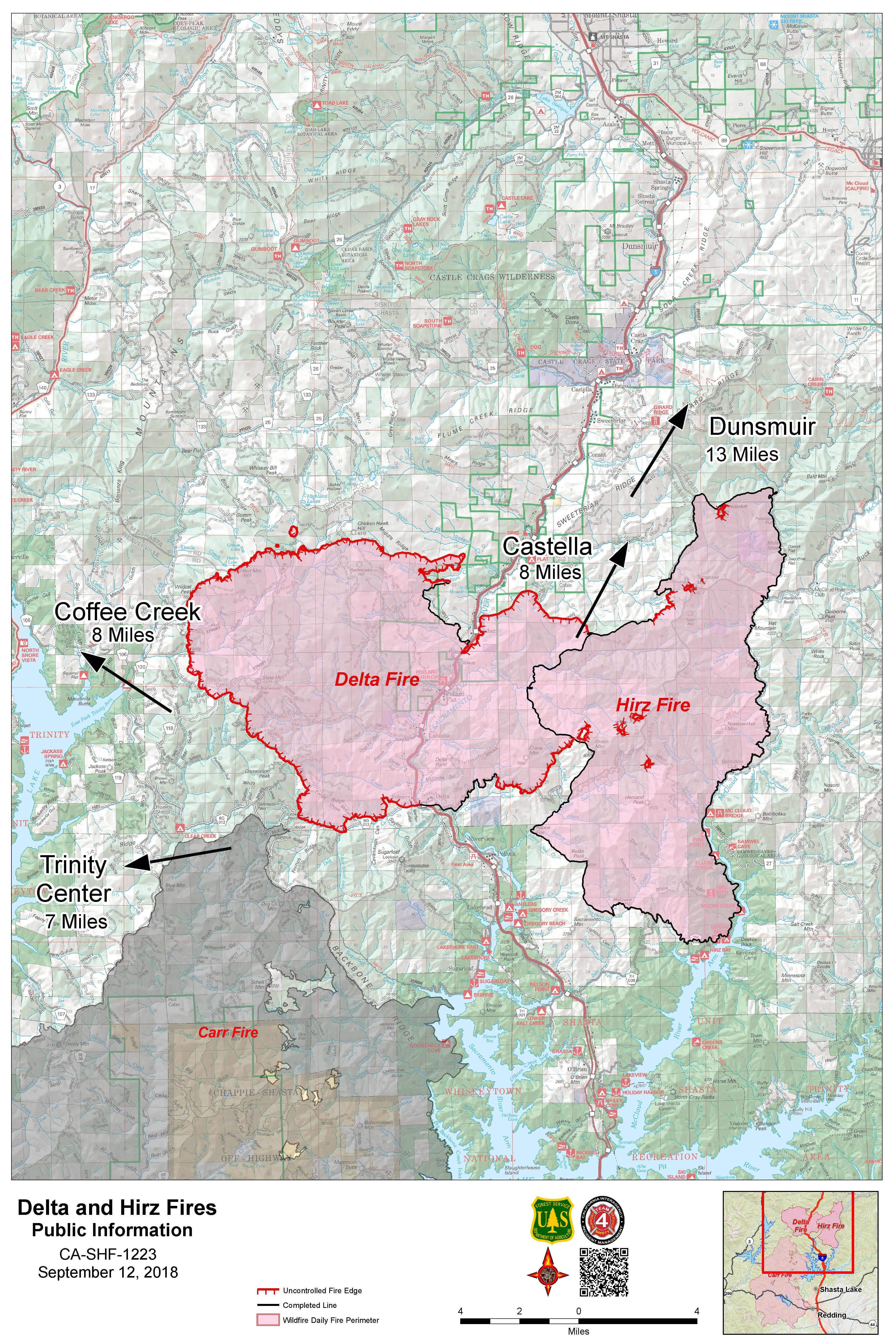
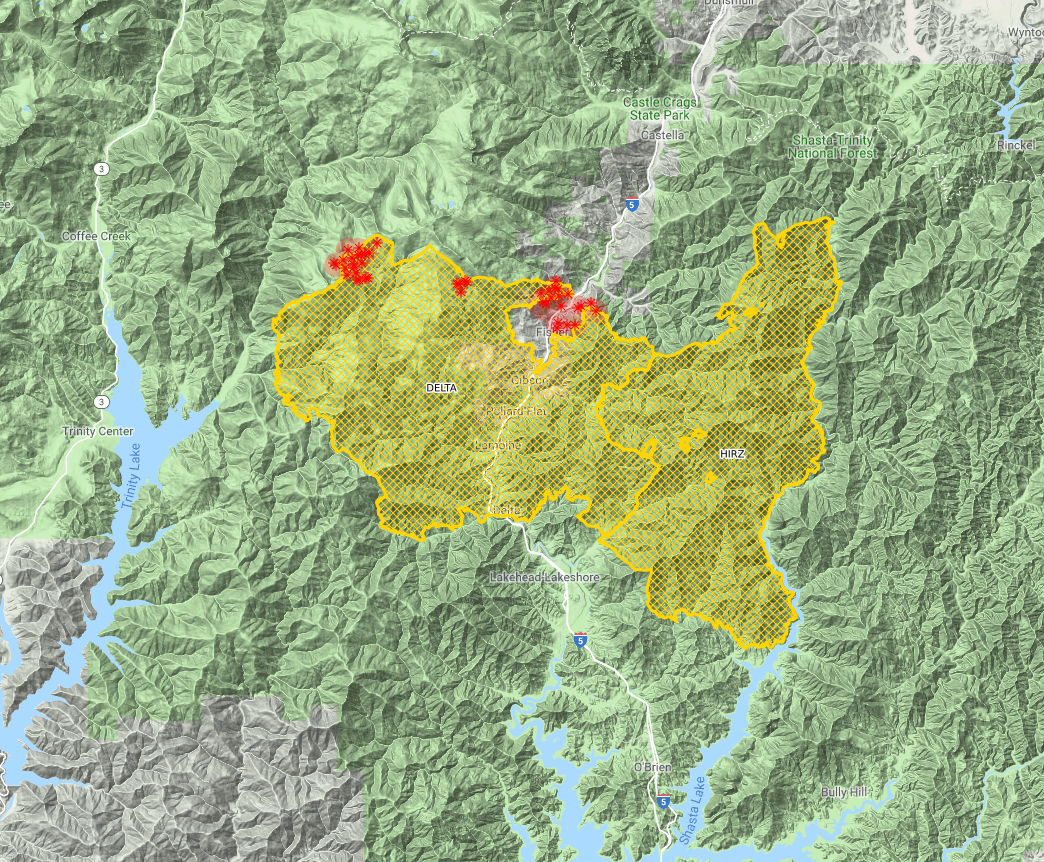
The Delta and Hirz Fires as of September 12.

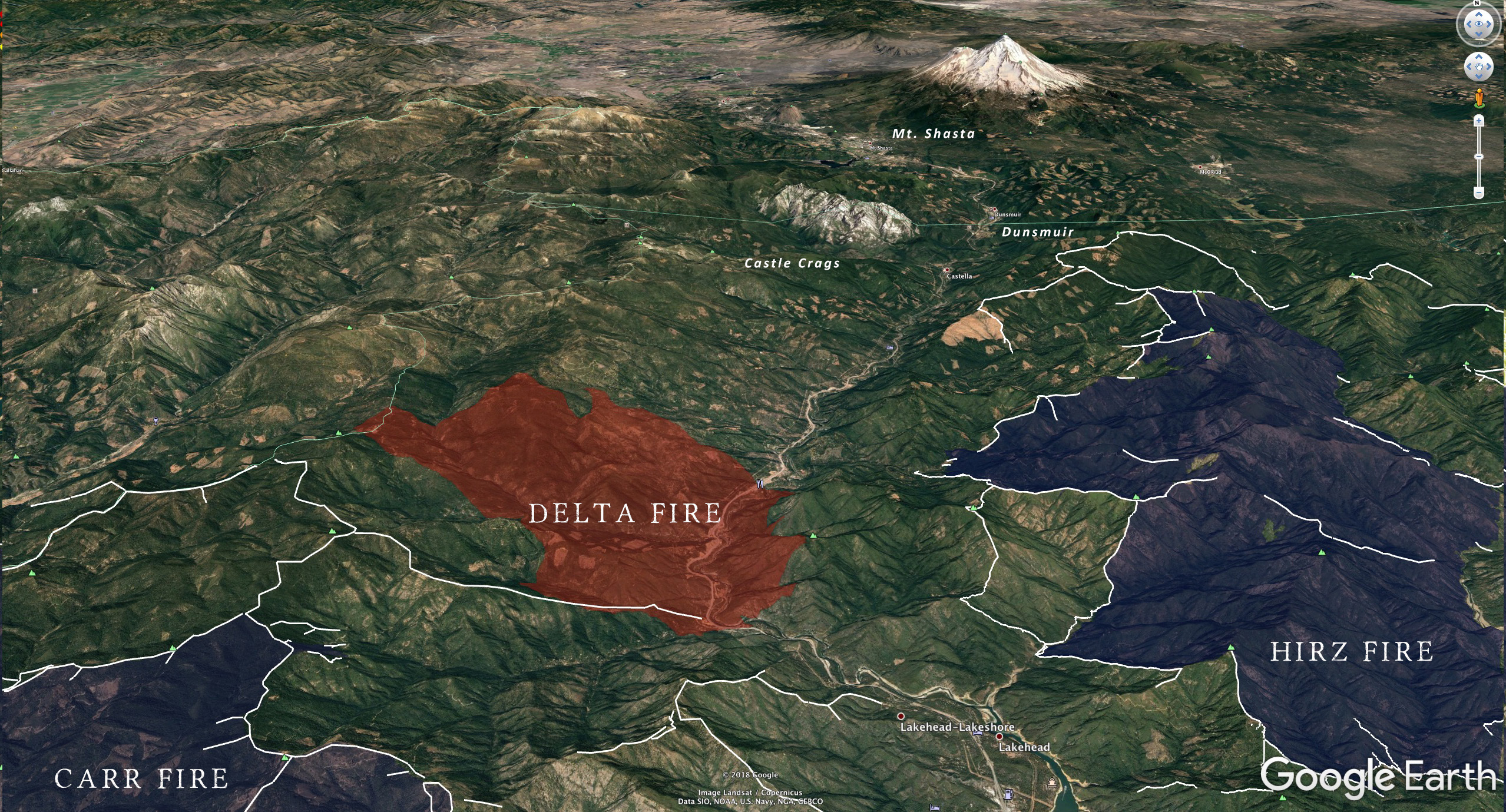
Though the Delta Fire is officially larger than the adjacent Hirz, the two have completely merged together, forming a single block of burned terrain that is over 100,000 acres. The Hirz is 100% contained, so its containment lines help hold back the Delta Fire and have allowed firefighters to deploy resources in more pressing places. This has also been true on the south, where contingency lines built to hold back the Carr Fire, should the fire have jumped the main containment line, were also critical in holding the Delta Fire back from a southward advance.

The really encouraging work has taken place on the north side of the fire. Not only was the Highland Springs community saved, but the containment lines further north have been constructed. This means that the Tamarack Lake Basin is likely to be saved. As an added bonus, the rarely visited Highland Lakes, Pond Lily Lake and even possibly the Grouse Lake basins will all be outside the fire’s ultimate boundary. This also means the Grey Rocks, some of the most rugged and enigmatic peaks in the region will not be burnt over as well. This is great news for hikers, explorers and lovers of the natural world. Also, it means that the communities further up the Sacramento River Canyon are not going to be threatened by the fire.

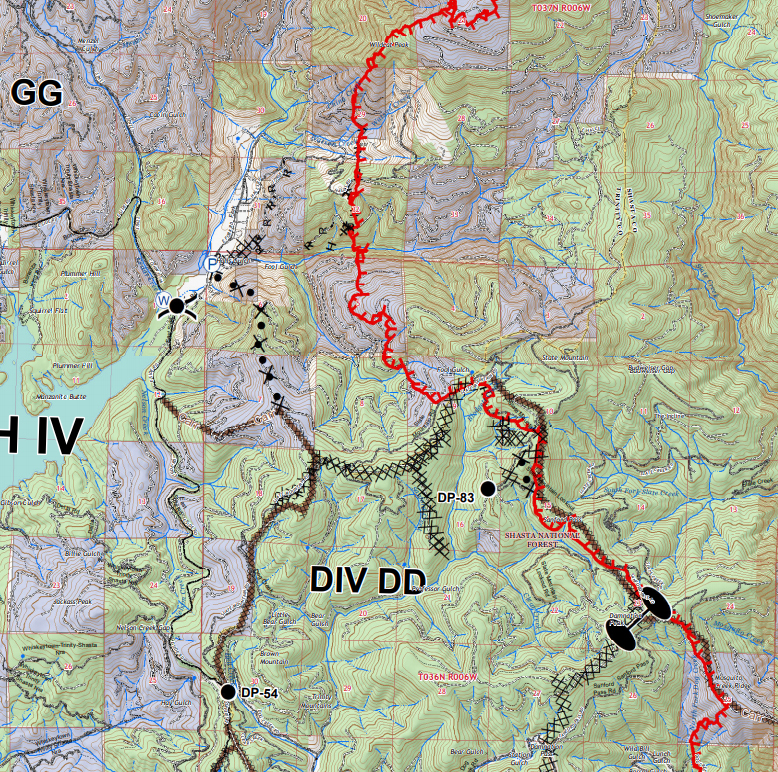
Progress is also being made on the west side of the fire. Some of the Carr Fire’s contingency lines are in use The terrain here is steep and rocky in some places. Lately, it has been the focus of consistent aerial attack. Fire lines have also been under construction as well. This area is critical, since there are some residences and even an extensive vineyard here along the East Fork of the Trinity River. While this area is still threatening, it is not as urgently dangerous as it was a week ago. Progress is definitely being made. Even though the low temperatures of the last few days and nights are not going to be sustained, the daily highs will only reach into the 70’s, meaning there are better conditions for fighting the fires.

The good conditions and increasing containment mean that the worst of the Delta Fire is likely in the past and we can hopefully look forward to a pleasant end to the summer months and a beautiful fall. Let us pray the fires are left behind as well.

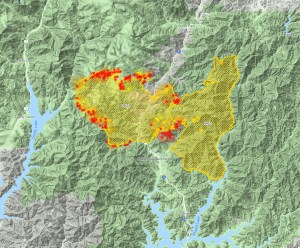
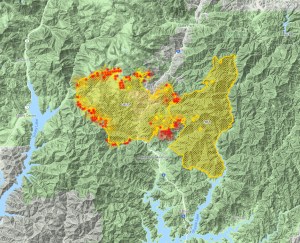
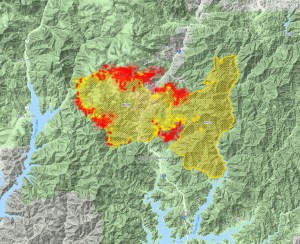
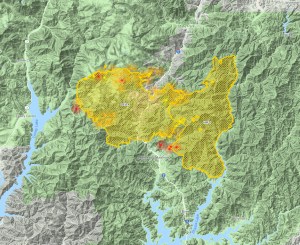
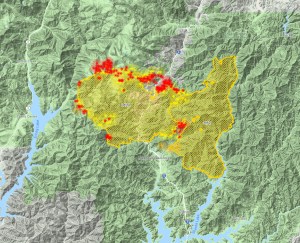
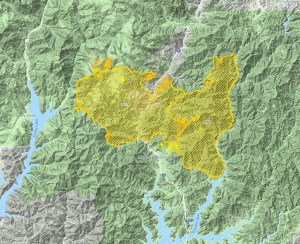
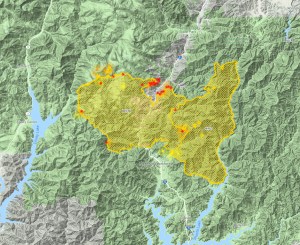
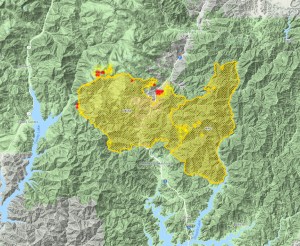
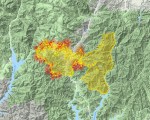
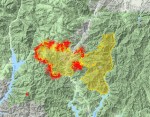
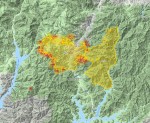
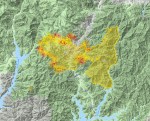
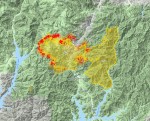
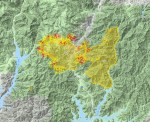
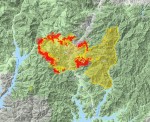
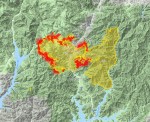
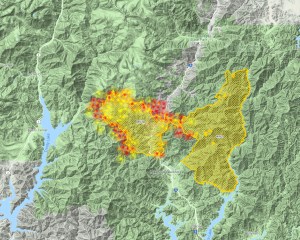
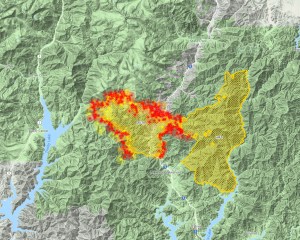
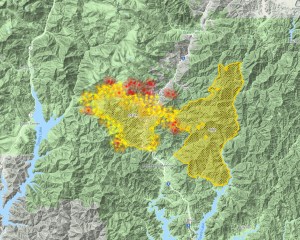
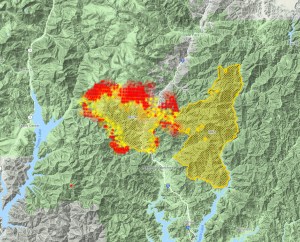
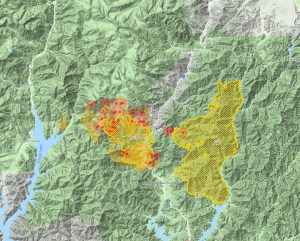
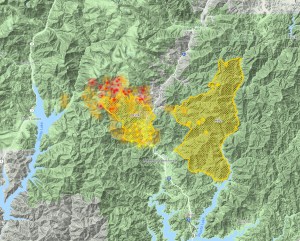
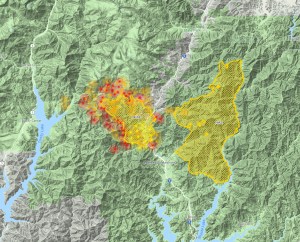
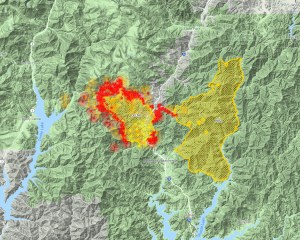
Here is a gallery of Delta Fire activity from the last three days. Click to enlarge:

Sept. 10 8:00 PM
11:00 PM

Sept. 11 7:00 AM
5:45 PM

8:40 PM
Sept. 12 12:00 PM

5:30 PM
8:00 PM

Sept. 13 7:00 AM
8:30 AM


Update (5:30 PM):

Of course I had to write a post about turning a corner on the fire. It’s only after that that the fire flares up and necessitates I-5 being shut down once again. The fire has increased activity around the Gibson exit. Other than a spot up on Red Mountain in the northwest, the rest of the fire looks fairly quiet but the increase of activity in the canyon is troubling. Here is how it looks:

Without even knowing the fire had kicked up again and that I-5 was closed, it was obvious here in Mount Shasta that something was afoot. After good air quality over the last few days, the smoke rolled back into town in a big way. No doubt this is the result in the fire getting more active again. Thankfully, despite the seriousness of the flare up, it is a pretty localized event. Hopefully they will be able to put a lid on it pretty quick.

The smoke it back yet again. Hopefully it will blow out soon.

Delta Fire – The Situation As Of Monday Morning

Posted by bubbasuess on September 10, 2018
Posted in: Cascade Range, Hiking, Klamath Mountains, Mount Shasta. Tagged: Carr Fire, Delta Fire, Hirz Fire. 2 Comments

The Delta fire burns south of Flume Creek Ridge, the Castle Crags, the Grey Rocks and Red Mountain.

We have reached day 6 of the Delta Fire. It has now grown to 47,110 acres, making it roughly 1,000 acres larger than the now-contiguous Hirz Fire. Fortunately the fire has continued a slow advance it is now officially at 5% containment. I believe that the functional containment is actually much higher, considering the use of contingency line left from the Carr and Hirz Fires as well as the burned out areas of the Hirz, where there is little fuel left for the Delta to expand into. Nonetheless, the northwest side of the fire remains uncontrolled and continues its slow but inexorable advance up the Slate Creek drainage.

The smoke was awful yesterday but after the sun set the winds cleared it out in fairly swift fashion, leaving a night of clear stars. This morning was clear as well and, seeing some interesting clouds and minimal haze, I headed out to see what conditions were like. It made for a beautiful sunrise and lovely conditions up at the Old Ski Bowl.


The good air quality at the Old Ski Bowl also meant I had a good opportunity to look south and observe the Delta Fire’s activity. The sky was haze free all the way to the plumes that were coming up from the northern part of the fire. All the smoke was blowing east. Strangely enough, though Red Mountain is right at the front line of one of the most active parts of the fire, the wind made it seem as though there was no smoke in that vicinity at all. It also meant that the area burned by the Hirz Fire was totally blanketed in a deep layer of smoke.

Tombstone Mountain rises above the smoke in the Hirz Fire area.
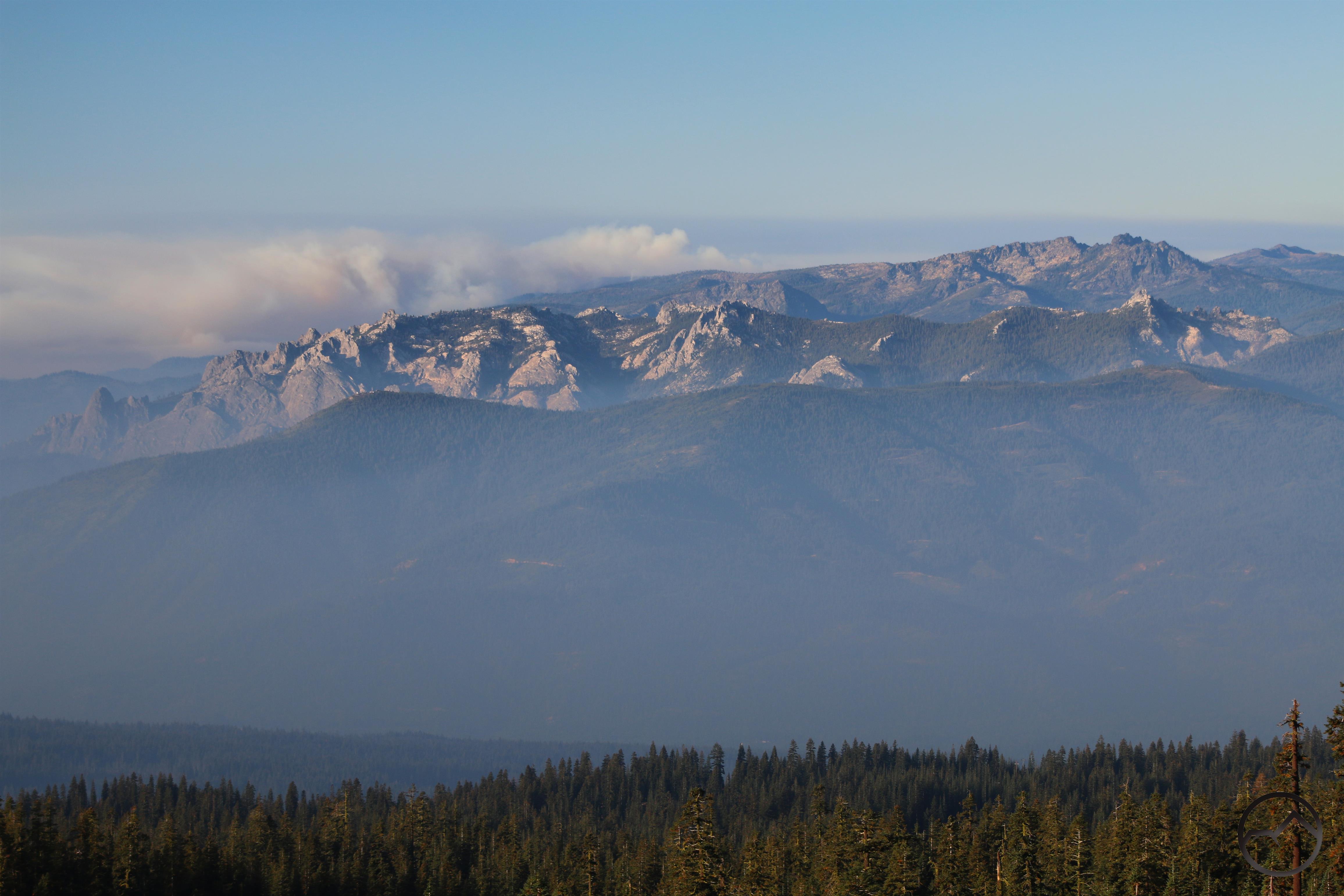
Beyond Castle Dome and the Castle Crags, smoke billows up from the Delta Fire.

This raises the question about what is going on with the Delta Fire at this time. Thankfully there are positive developments. First, as noted, there is some official containment of the fire, though the functional containment is probably significantly higher than the listed 5%. Anything is good at this point, though. Second, also as noted, the fire continues to advance but only slowly. Though it is troubling that it has reached the area around Red Mountain, I am hopeful that the rugged, rocky terrain will function as a natural fire line and keep the flames from advancing north and west from there.

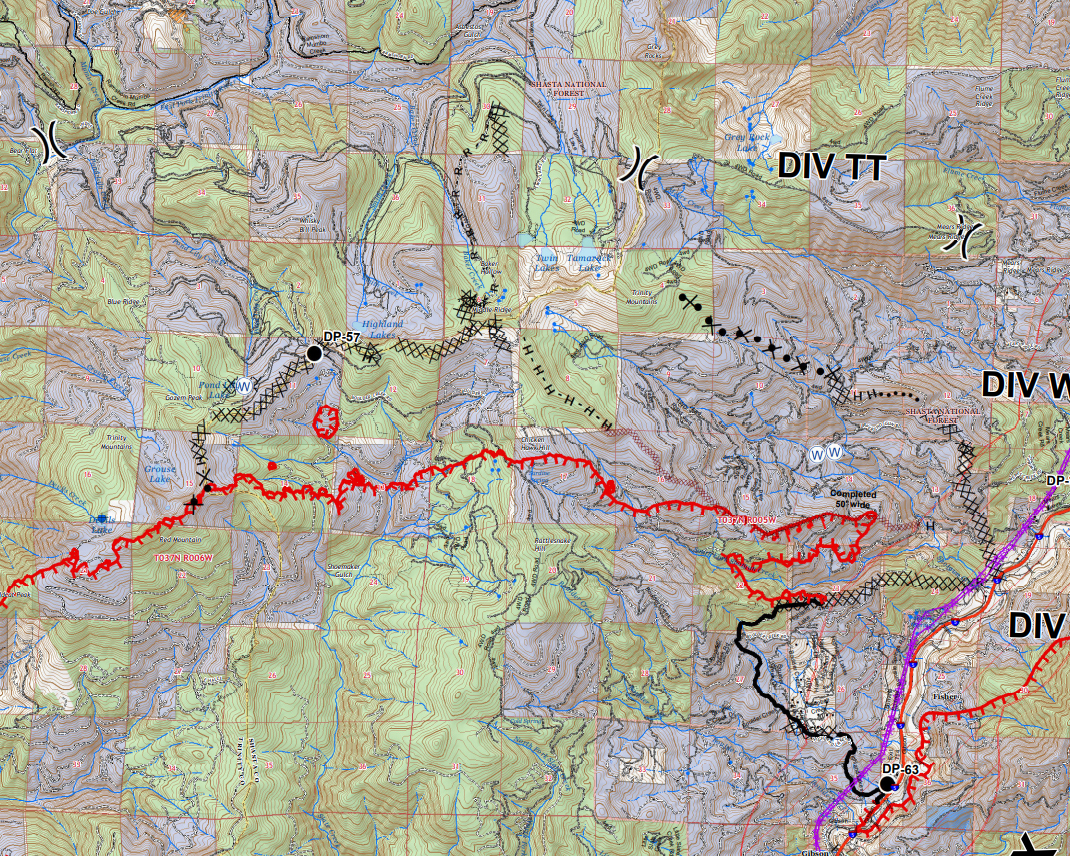
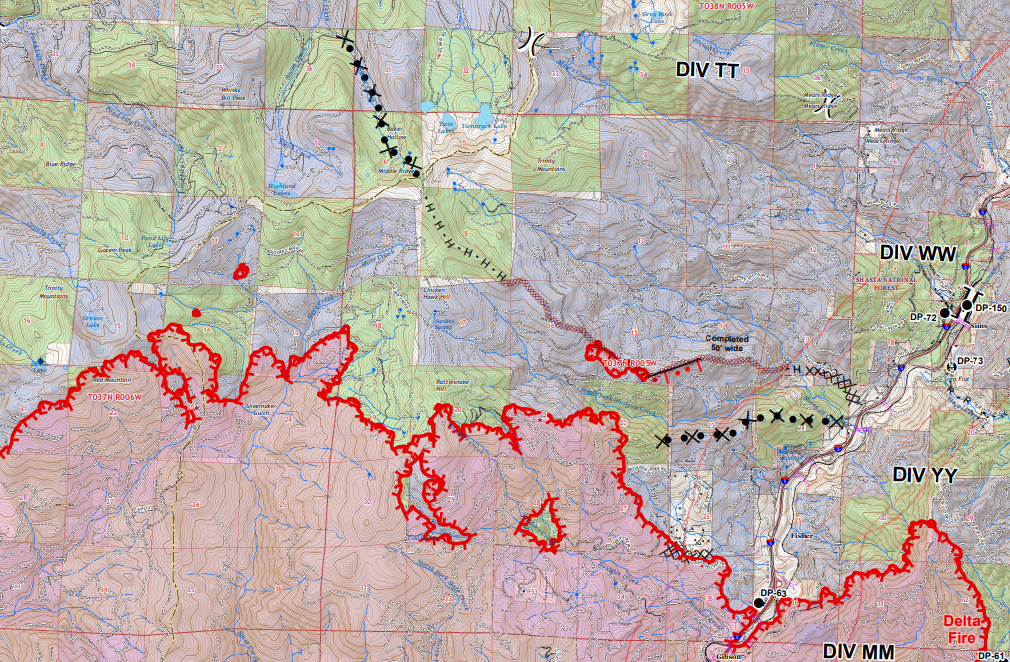
Also good news is the ongoing and increasing back fire activity on Middle Ridge. This is the critical line that must be held, since this stands in the way of the route the fire must take in order to burn up the Sacramento River canyon and threaten all the communities that lie to the north. The good news is not limited to the back firing though. Crews have been working hard cutting in a hand line on the upper part of Middle Ridge. here the terrain is rockier and bulldozers are not likely to be useful. However, amidst the rocks, the vegetation is sparser and crews can clear that into a solid, defensible hand line. The map below give a clearer picture of this:

Note the line of ‘H’s’ extending north of the established fire line. This extends all the way to Baker Peak, which is one of the highest points along the ridge above Tamarack Lake.

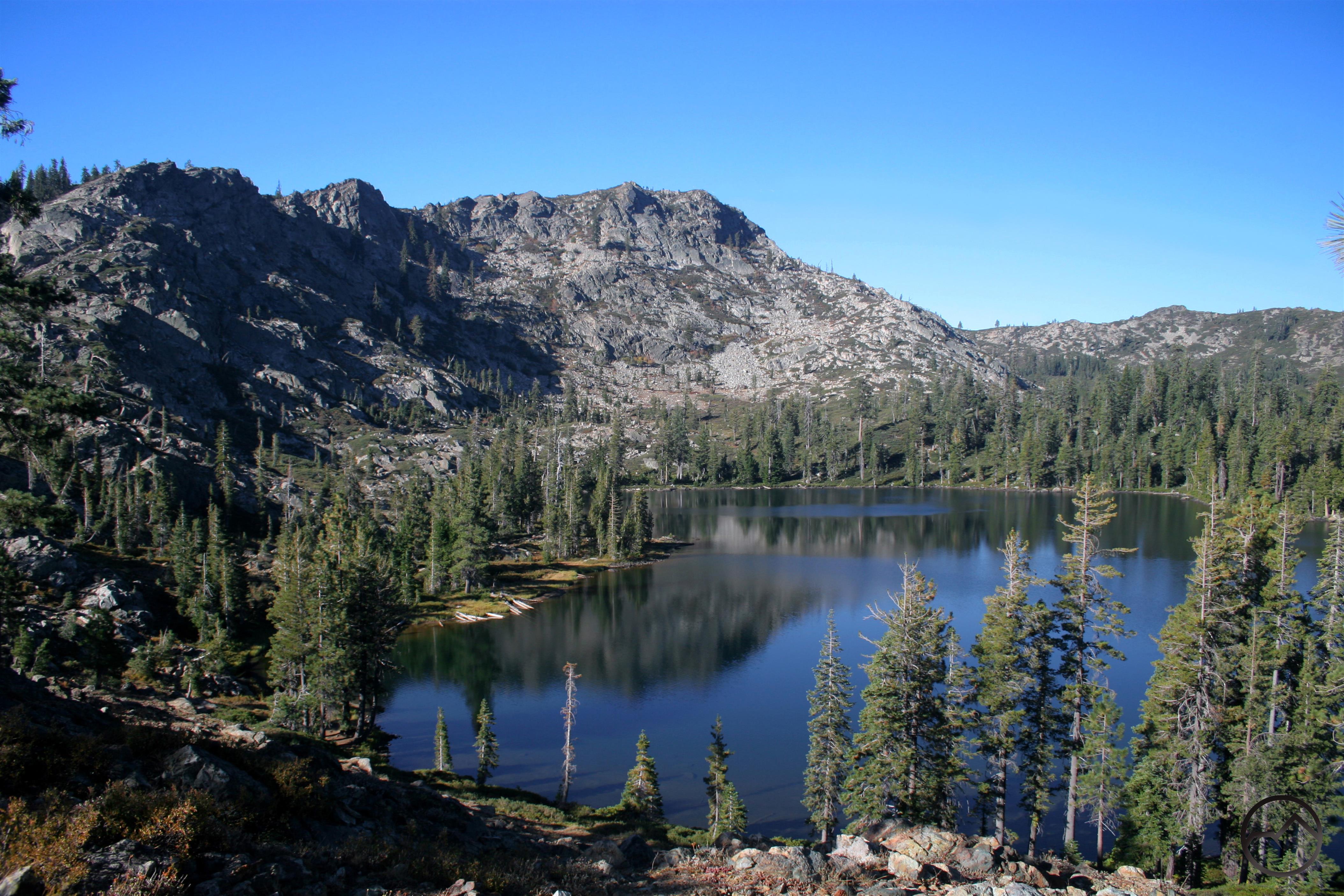
Tamarack Lake

Also important is the indication of a bulldozer line being prepared (marked by X’s and dots) further north, in Baker Hollow. I am really glad to say that, if these lines hold, it is highly likely that the Tamarack Lake basin will be spared! I can’t express how relieved I am that this may even be a real possibility. The Tamarack Lake Basin is one of the prettiest in the entire Klamath Mountains, with its rugged cliffs, gorgeous lakes, lush meadows and views of the craggy Grey Rocks all combining to make a very idyllic spot. While it is by no means guaranteed at this point, the fact that the line are being cut in in such a way that the fire might get saved is encouraging.
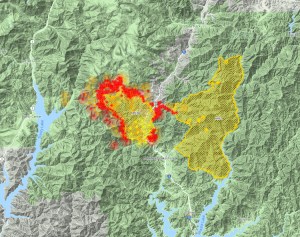
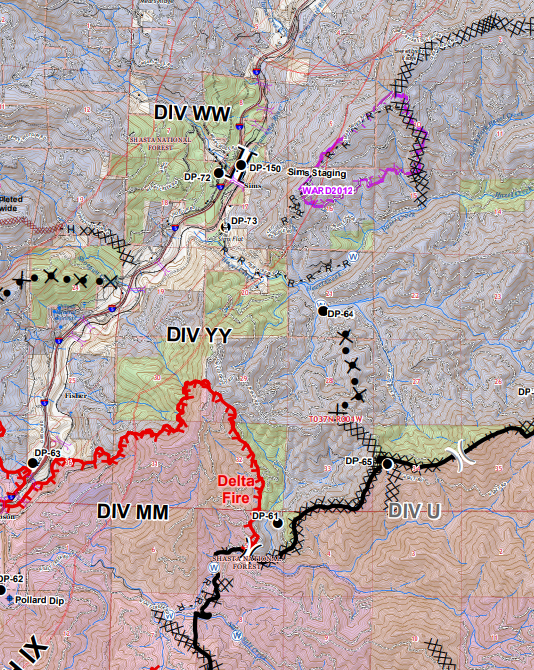
On the east side of the fire, the flames have expanded on into the burned out area left from the Hirz Fire. Fortunately, the old fire lines and the burned areas will keep the fires in check. The most vulnerable area is the Hazel Creek watershed, which meets the Sacramento River at Sims.

According to the above map, it does look as though containment lines are in place and under construction that will prevent the whole Hazel Creek drainage from going up in smoke. I am also encouraged that saving this area is even a possibility. I hope the efforts prove successful.

It is worth noting that the Union Pacific has been running a firefighting train through the canyon, spraying down the trees along the tracks and helping prevent it from burning. This has also allowed them to maintain the rail corridor through the canyon. This idea is affirmed by the testimony of trains that continue to fly past my house. As far as I-5, it is now open one lane in each direction.

In summary, the fire is still large, still advancing but significant gains have been made and some special places may be spared destruction. I hope this will be the case when it is all over. Now if we can just get some rain!

Click to enlarge the last couple days worth of fire activity:

Sept. 8 10:40 AM
2:30 PM
5:00 PM

7:00 PM
Sept. 9 3:00 AM
7:00 AM

1:30 PM
4:30 PM
9:30 PM

Sept. 10 1:00 AM
8:30 AM
11:00 Am

Delta Fire – Some Potential Small Positives

Posted by bubbasuess on September 8, 2018
Posted in: Cascade Range, Hiking, Klamath Mountains, Mount Shasta. Tagged: Carr Fire, Delta Fire, Hirz Fire. 3 Comments

Dawn view south toward the Delta Fire.

With the Delta Fire still raging through the Slate Creek watershed and growing to a depressing 40,580 acres, I thought it might be helpful to look at some positive developments going on with containing the fire. I want to admonish that all of what I have to say is from my own observation and interpretation of the maps. All the maps are available to the public, though some may be harder to ferret out. I apologize for any mistakes or misinterpretation of the data.

That said, the first thing I want to point out is that though the fire continues to grow, its pace has slowed, giving the firefighters a window to get some assets in place and try to slow the advance. Looking at the fire on Thursday morning compared to this evening is a little reassuring.

Sept. 6 7:00 AM
7:00 PM

Obviously the fire is larger than we would like, but when I went to bed Wednesday night I was expecting things to be far worse on Thursday. Moreover, I figured the fire would have consumed Tamarack Lake by this point and moved further up the Sacramento River canyon as well. As of Saturday night, neither of those two things have happened yet. Both could still be lost to the fire but at least at this point there is a fighting chance to save them and hope yet remains.

Another big blessing was the fact the the Delta Fire erupted in between the Hirz and Carr Fires. That meant that assets were close at hand and, just as important, many fire lines had already been cut. These were contingency lines to contain the Carr and Hirz if they jumped the lines that ultimately checked them. Nonetheless, they could swiftly be manned and brought into play to protect structures and unburned terrain.

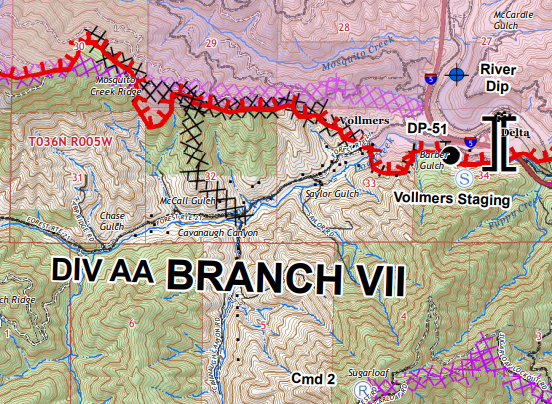
One good example of this was at Vollmers, where most of the homes seemed to have been saved. The contingency line for the Carr held the Delta Fire back.

The purple ‘x’ line is a Carr Fire contingency line. The black ‘x’ line is new fire line cut in to fight the Delta Fire.

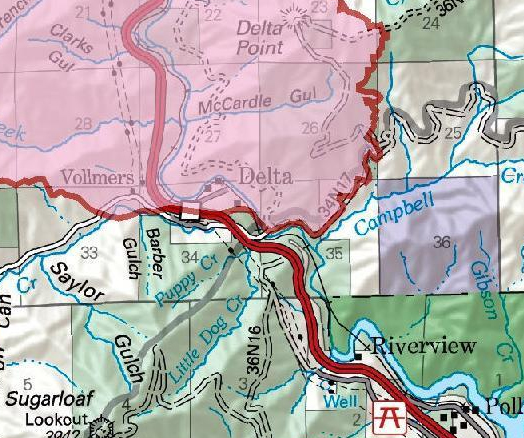
The lines at Vollmers have been strengthened but and most of the canyon is outside the fire’s perimeter. That would likely not be the case if the contingency lines were not already in place. Unfortunately, the nearby hamlet of Delta has now fallen within the fire’s perimeter, where it had been excluded before. At this point, the fate of the homes is uncertain. Let’s hope they are still there.

Delta now inside the fire’s lines. 

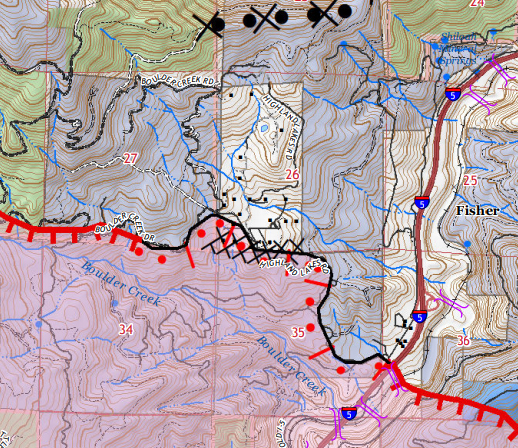
Another place where firefighters have made a valiant stand is to protect the homes in the secluded neighborhood of Highland Springs. This collection of houses lies in a hidden area on the west side of the canyon. A fire line was quickly cut in on the south side of the area and, thus far, has managed to hold the flames back. It isn’t exactly containment but it is a significant victory.

Highland Springs if the light colored block above the black ‘x’ line, which notes a fire bulldozed fire line.

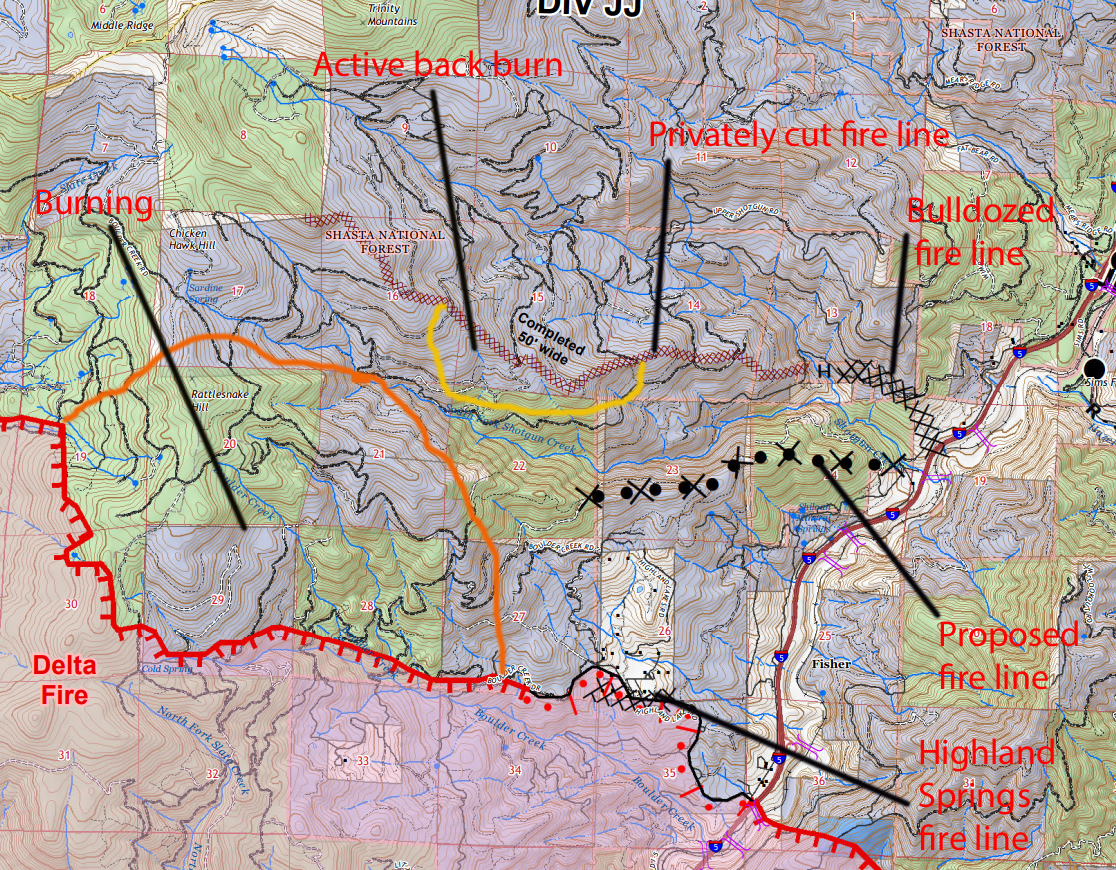
The Highland Springs area is part of a really active firefighting area. This is the most critical part of the containment operation at this time. Holding the fire where it is right now will prevent the fire from advancing up the Sacramento River canyon and threatening Sims, Sweetbriar, Castella and Dunsmuir. I reckon this is where a lot of resources are being thrown into the fray.

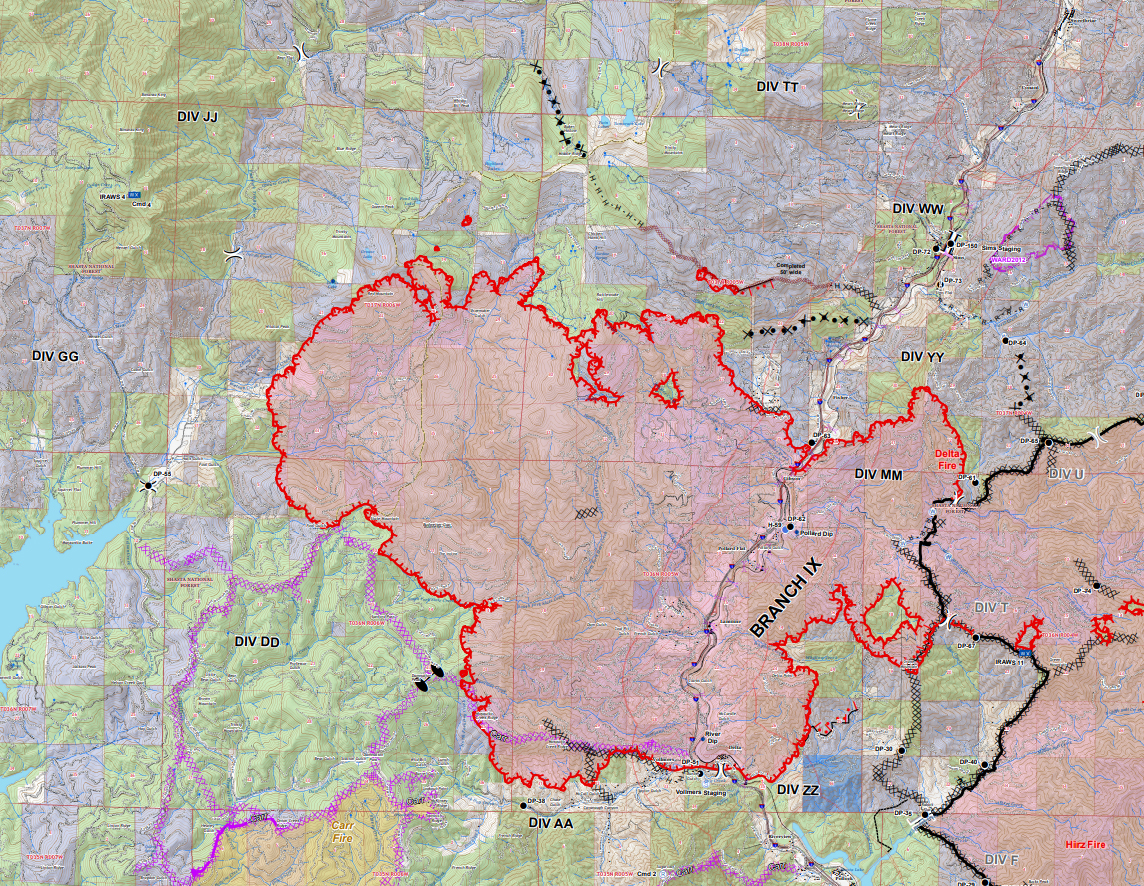
The above map gives a broader picture of some of the firefighting operations that are currently ongoing. There is already a usable fire line cut along Middle Ridge. I believe that back burning operations have already begun there. Not only does this help hold back the fire from heading toward more populated areas, it also helps defend natural places like Tamarack Lake. The rest of the ridge running to west is still vulnerable. Hopefully this is the next area targeted for attack.

We’ll have to see what the fire does tonight before being able to guess what the next stage of containing the Delta Fire looks like. I think there is some factors that give some flickers of optimism at this time. Nonetheless, the situation is still very fluid and the whole effort could go sideways. Let us pray that proves not to be the case.

Delta Fire – The Situation As Of Saturday Morning

Posted by bubbasuess on September 8, 2018
Posted in: Cascade Range, Hiking, Klamath Mountains, Mount Shasta. Tagged: Carr Fire, Delta Fire, Hirz Fire. 6 Comments

The sun rises through smoke that covers the region east of Mount Shasta.

Today is the fourth day of the Delta Fire. While the fire began with a roar on Wednesday, it seems like its advance has slowed, though it is still out of control and very dangerous. This morning it has heated up again and is moving north.

Yesterday was pretty smoky but when I awoke this morning I saw stars and new I needed to head out to see what I could see. Though the town of Mount Shasta was clear, I could tell as I drove up Everitt Memorial Highway that the smoke coming from the fire was thick and was really starting to encroach on the Old Ski Bowl, making a good view of the fire unlikely from that vantage point. Fortunately, the Everitt Vista Point was far enough west it offered a good perspective on the fire, as well as the smoke down in the valley below:


From there I headed north, to watch the sun come up behind the mountain. With the smoke drifting to the northeast, the morning provided a the unusual spectacle of watching the sun with the naked eye, as it was filtered by the smoke. Also unusual was the smoke passing through the gap between Mount Shasta’s summit and Shastina. The smoke seemed to flow faster through the gap, pushed by the strong wind currents that are typical of that spot. I watched the plume as it billowed and roiled and thought it almost looked as though fresh snow were being blown off the mountain as the sun was coming up. Would that it were so.

The smoke may present some unusual photographic opportunities but at this point I would dispense with them for a dead fire and clear skies.

Before I go into what the fire is up to, I want to reiterate that all the analysis is my own and that I am a complete amateur at this. Firefighting personnel know far more than I!

So what is going on with the fire this morning? Frustratingly, it has now grown to 37,000 acres, nearly equaling the neighboring (and now contiguous) Hirz Fire. Yesterday the fire expanded a bit in the canyon, threatening to move north through the vital and vulnerable corridor. Thankfully it seems to have backed off there. However, there is renewed strength to the flames on the northern front, though it does not seem to be advancing at a rapid rate.

The pair of isolated heat blooms on the northeast corner are probably backfires being conducted on Middle Ridge, where a fire line is being cut in. Hopefully that project continues swiftly and the line is able to be built all the way across the ridge and connecting to Red Mountain on the west side. This would contain the fire and also preserve the gorgeous Tamarack Lake Basin (one of my personal favorites).

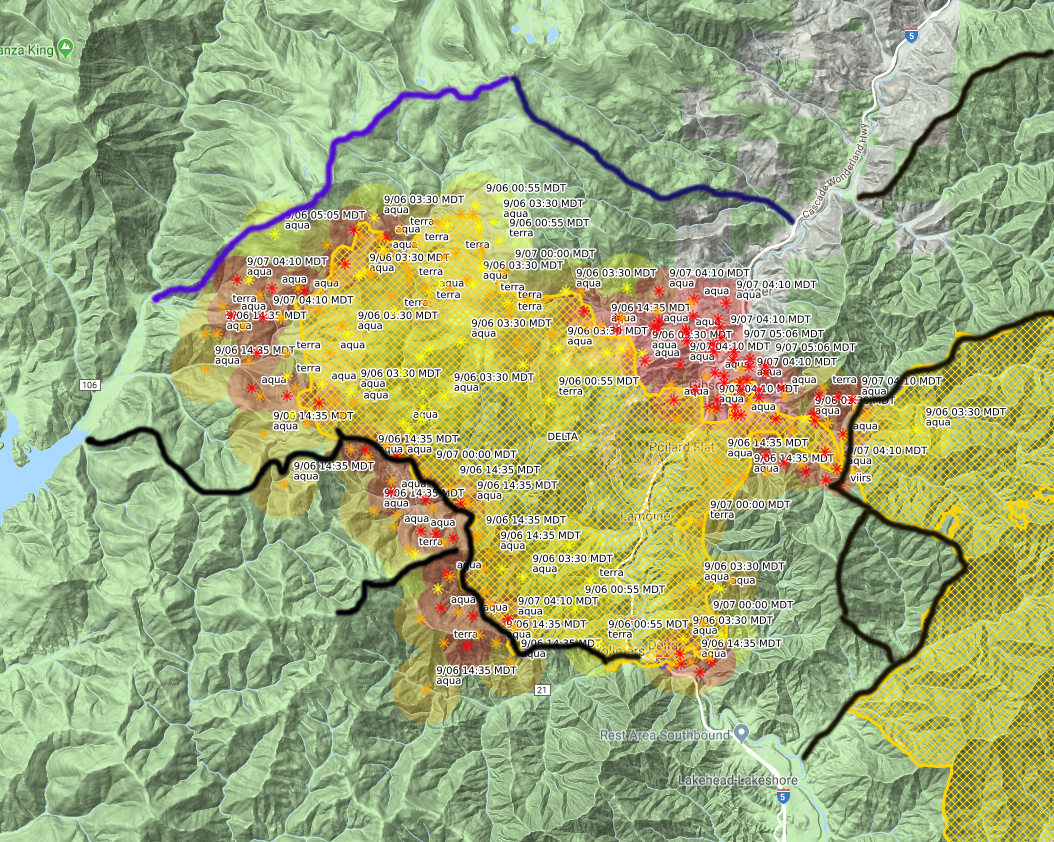
This map was included in an update yesterday, but I think it is worth posting again. The depiction of the fire is out of date, since it was drawn yesterday but the fire lines have not changed. I drew in the breaks built to contain the Carr and Hirz Fires, as well as the line on Middle Ridge that is under construction. I added a speculative line that I imagine is under construction or would make a good project to contain the fire’s northern advance.

Black = built lines, Dark Blue = under construction, Purple = speculative

I imagine the fire is likely to continue to burn to the northeast, across the Sacramento River. This will consume the Hazel Creek watershed but stay contained by the contingency line built along Sweetbriar Ridge. That, along with the line being built on Middle Ridge (the dark blue line), should protect Sweetbriar, Castella, Dunsmuir and beyond.

With the new day arriving and some clearish skies, I hope the air attack can really continue to hammer at the fire. That, along with the crews cutting in lines, they might be able to put a lid on this thing. Lord willing!

Here is the Delta Fire progression from the last 24 hours:

Sept. 7 9:30 AM
11:00 AM

12:00 PM
4:30 PM

6:00 PM
Sept. 8 6:00 AM

8:00 AM
9:00 AM

Update (10:40 AM):

The fire does not seem to be advancing but things are really heating up. It also looks like more heat blooms on Middle Ridge may indicate backfire operations are expanding. Again, that is complete amateur speculation but it fits with what we know.

Delta Fire – The Situation As Of Friday Morning

Posted by bubbasuess on September 7, 2018
Posted in: Cascade Range, Hiking, Klamath Mountains, Mount Shasta. Tagged: Carr Fire, Delta Fire, Hirz Fire. 1 Comment

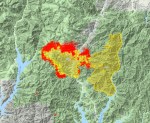
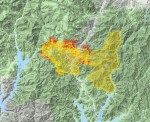
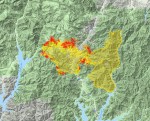
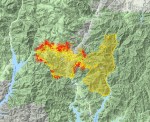
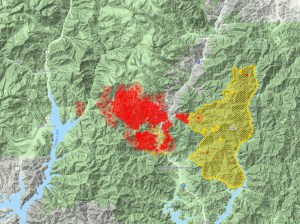
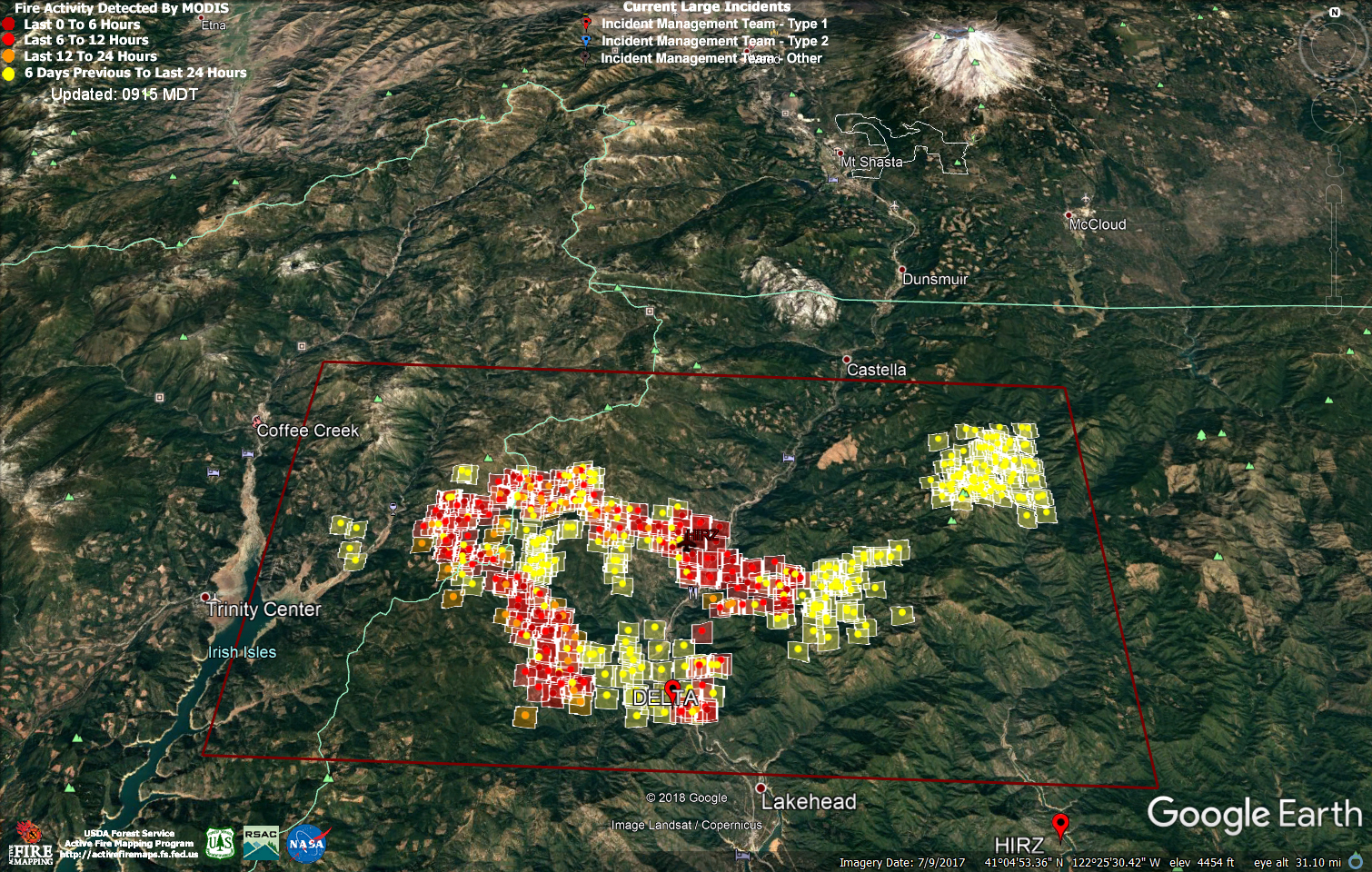
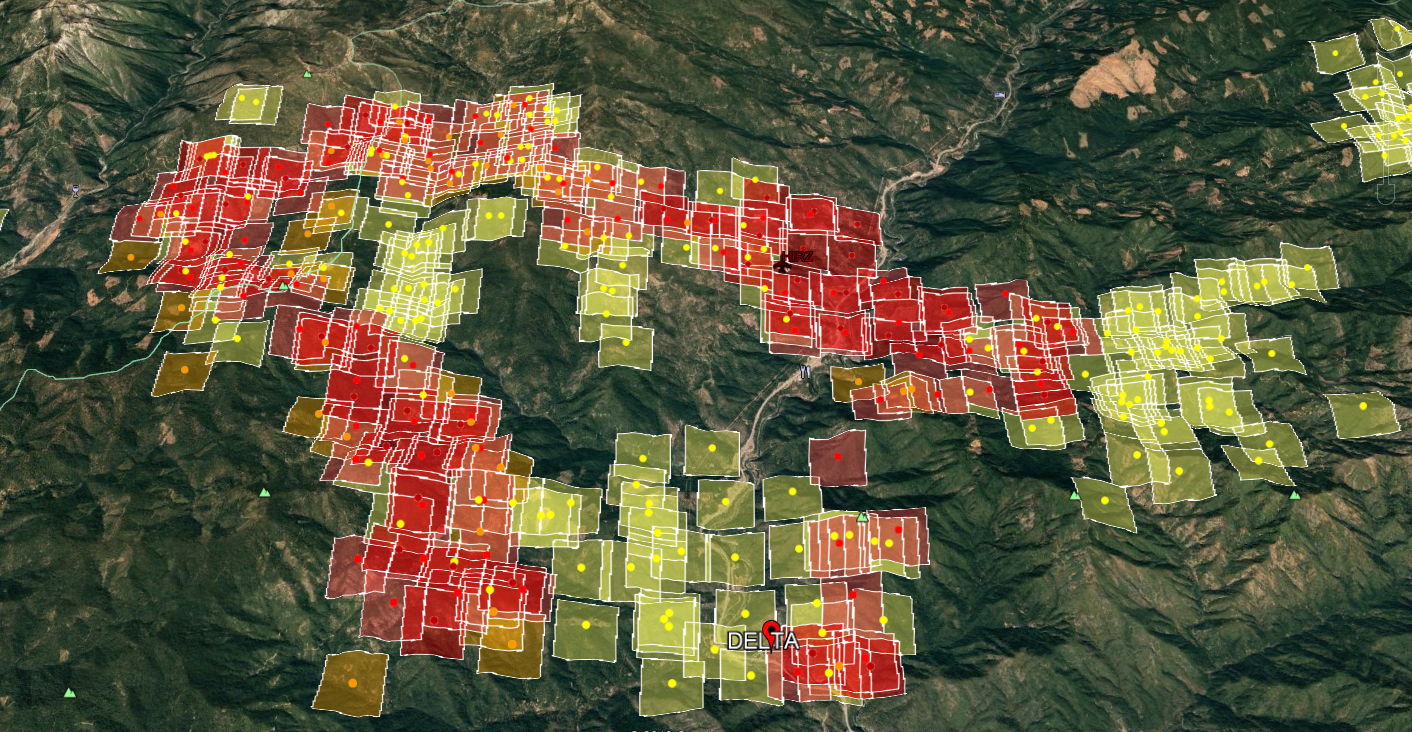
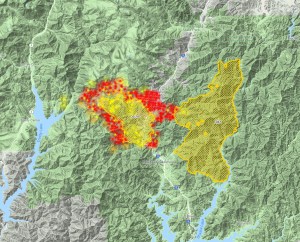
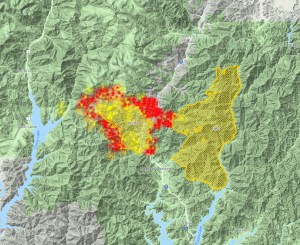
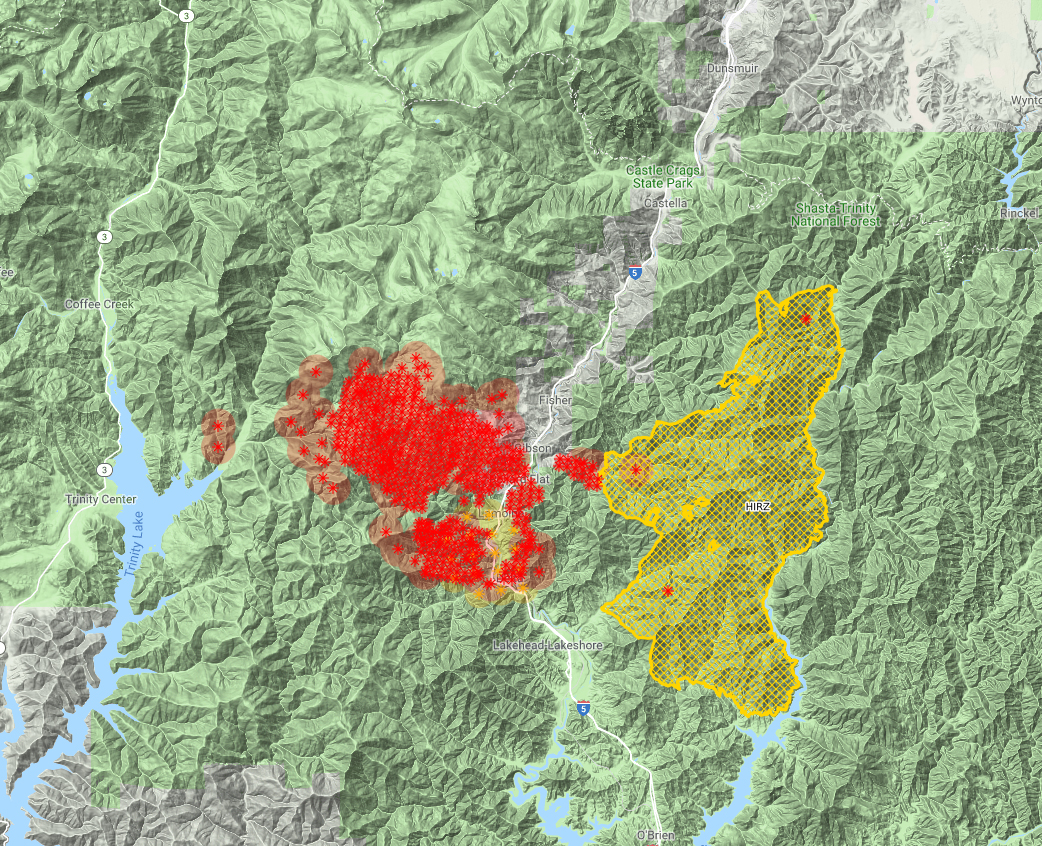
The Delta Fire as of Friday morning. The two large yellow clusters on the right are from the Hirz Fire.

I am going to keep things brief and direct this morning. I will update throughout the day as I see things worth adding.

Read my first two posts on the Delta Fire here and here.

The Delta Fire continues to burn furiously in the mountains north of Lakehead. It has grown to 24,558 acres. Though the fire does not seem to have advanced much to the north, it has expanded on the southwest and northeast corners. The former is not a significant problem, since it is likely to just burn up to contingency fire lines cut in for the Carr Fire. Unfortunately, this is not the case on the northeast side. The fire has gathered strength in the Sacramento River canyon. I hope that they can really jump on this fast. At least with the day arriving they have the opportunity to bring aerial resources into play.

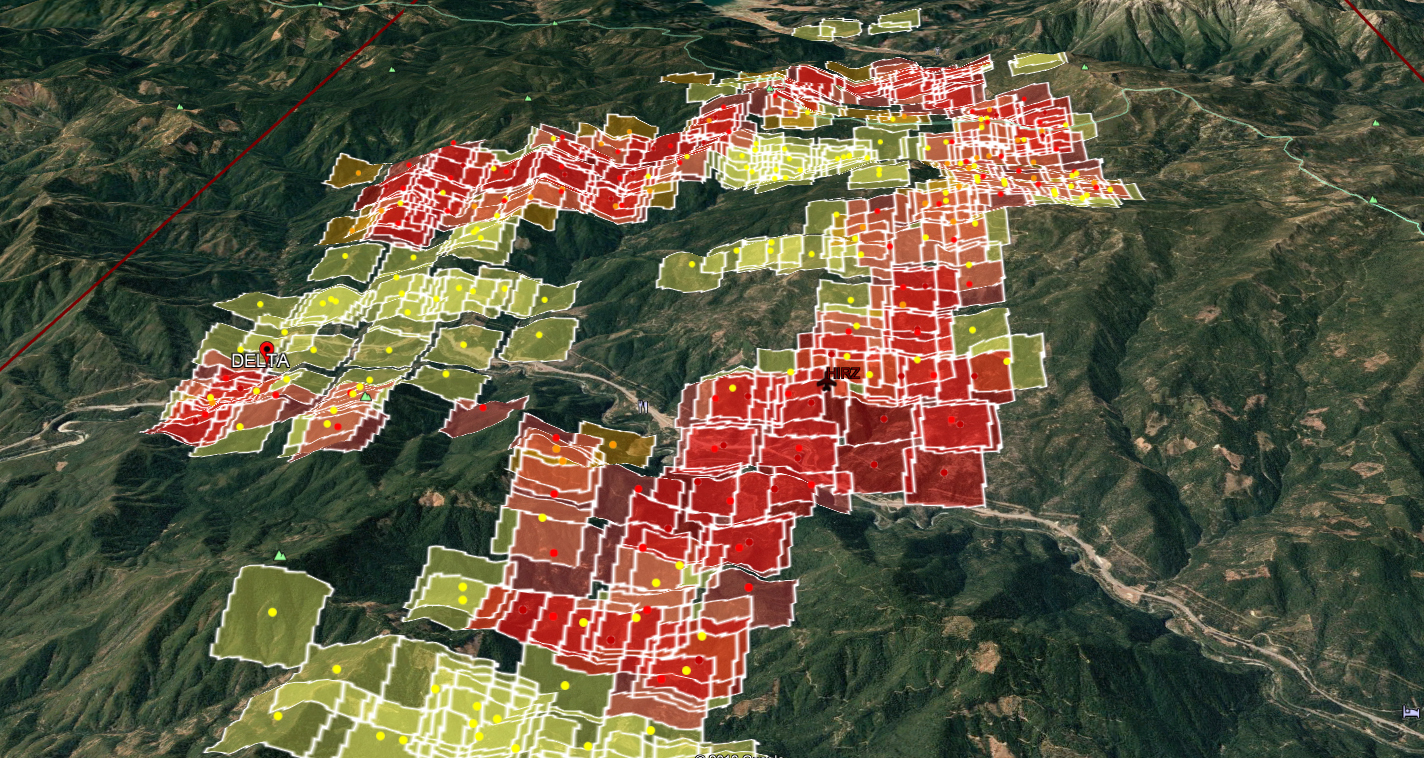
A closer look at the fire. The yellow cluster at center bottom marks the initial expansion of the fire.

Aside from weather conditions, I think there are two challenges (and I am just guessing here. I am no expert) facing firefighters at this time. First is the rugged conditions in the canyon. The sides are steep and tough to access in some places. The canyon also works against aerial resources. It is probably almost like having to make the trench run on the Death Star. The second problem this part of the fire poses is the presence of lots of old clear cuts. These presents the possibility of accelerated spreading of spot fires.

This perspective is looking from east to west. It gives a little more sense of the ruggedness of the terrain.

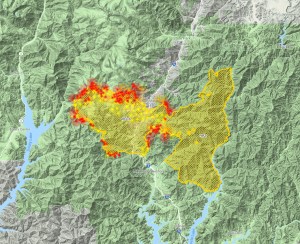
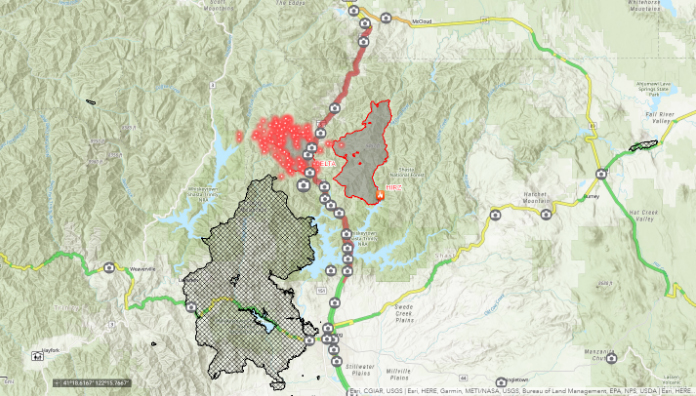
On the east side of the fire, the Delta Fire has linked up with the older Hirz Fire. This does function as something of a natural fire break, allowing resources to be more focused on areas of more pressing need. There are some blessings to be found here. First, the fires are now connected in more ways than one. The command and resource structure of the Hirz Fire has taken over the Delta Fire. Among other things, this means that a lot of assets and firefighters are able to be allocated swiftly. If the fire keeps burning to the southwest, it may eventually close the gap with the Carr Fire. If this happens, there will be, amazingly, one long black scar running across the southeast corner of the Klamath Mountains. In a roughly 45 mile arc, it will stretch all the way from Igo to just southeast of Dunsmuir. That is absolutely shocking.

This map is a bit out of date already, the Delta and Hirz having merged.

While the canyon is under dire threat, the fire has not advanced to the north much. While human geography is more important than the natural, I have been hoping that the Tamarack Lake area might be spared. While this is by no means a sure likely outcome, it has, thus far, dodged the bullet. I am hoping it continues to do so.

Here is the progression of the fire throughout yesterday to this morning. Note how the intensity subsided a bit yesterday, flared up in the evening and then expanded into the canyon north of Pollard Flat. That is the really critical point of defense right now.

Sept. 6 1:00 PM
2:00 PM

4:00 PM
5:00 PM

6:30 PM
10:30 PM

Sept. 7 6:30 AM
9:30 AM

I feel that I need to note that all of the information offered here is my own assessment of the situation and speculation. If anything proves false, I apologize and ask for correction. Let’s hope this thing gets whipped soon!

Update (1:00 PM):

Black = built lines, Dark Blue = under construction, Purple = speculative 

Based on the current Delta Fire activity report and the already extant fire lines cut in to defend against the Carr and Hirz Fires, I think it is possible to start to get an idea on what the plan is for the Delta Fire. On the map above, I marked all the Carr and Hirz fire lines in black. Some of those are already in use, holding back the Delta Fire. The activity report states that bulldozers are currently cutting in a line on Middle Ridge, which runs from roughly Sims up to Baker Point, above Tamarack Lake. This is marked on the map in dark blue. I am guessing, though I have no confirmation, that they will try to hold the ridge running from Baker west toward Red Mountain and then down to the East Fork of the Trinity River. I marked this speculative line in purple. This seems like the most effective and logical place to make a stand on the northwest side of the fire. I sure hope so, otherwise a lot of place we all love to visit are exposed to the flames.

Delta Fire – The Situation As Of Thursday Morning

Posted by bubbasuess on September 6, 2018
Posted in: Cascade Range, Hiking, Mount Shasta. Tagged: Carr Fire, Delta Fire, Hirz Fire. 9 Comments

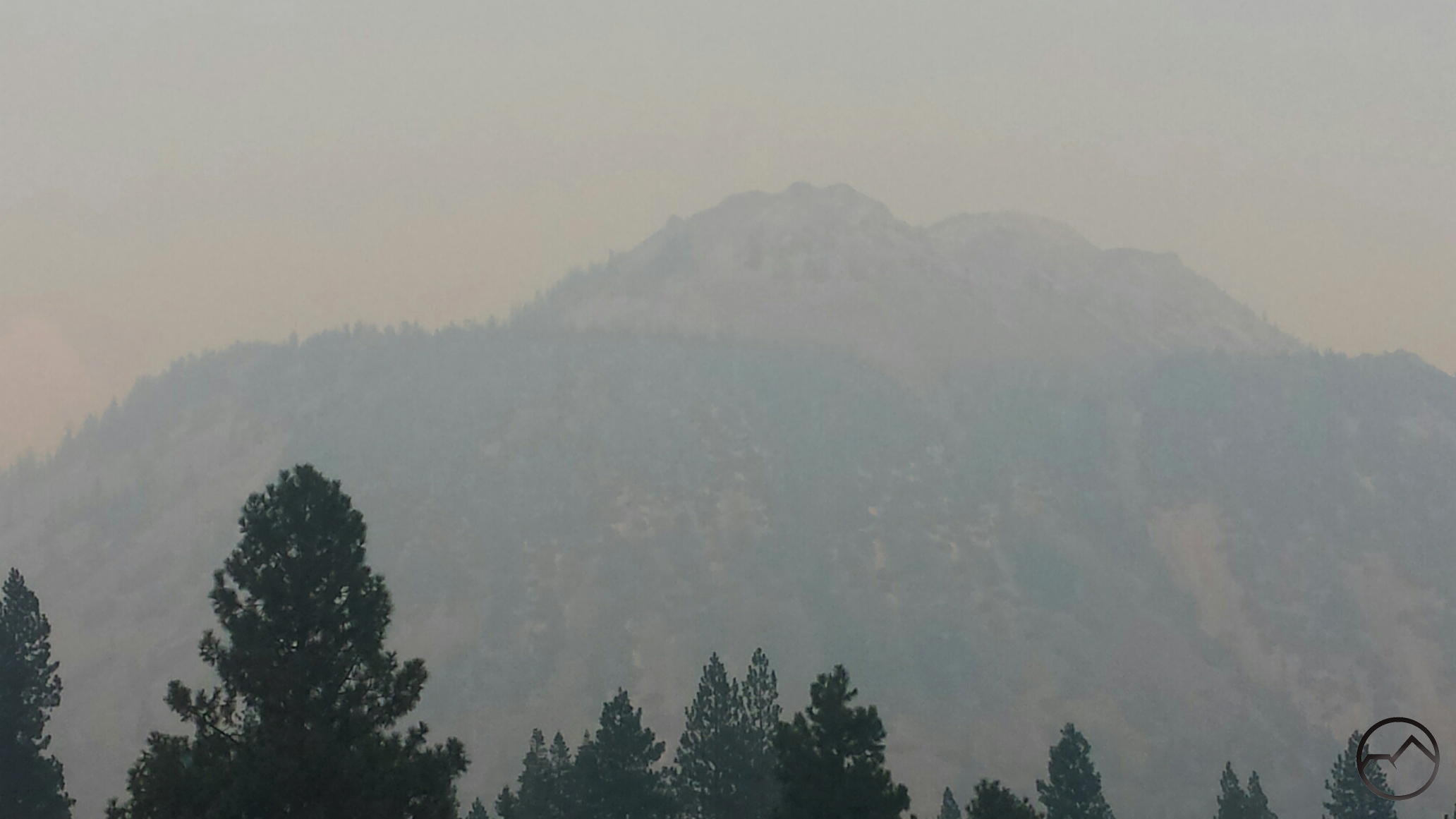
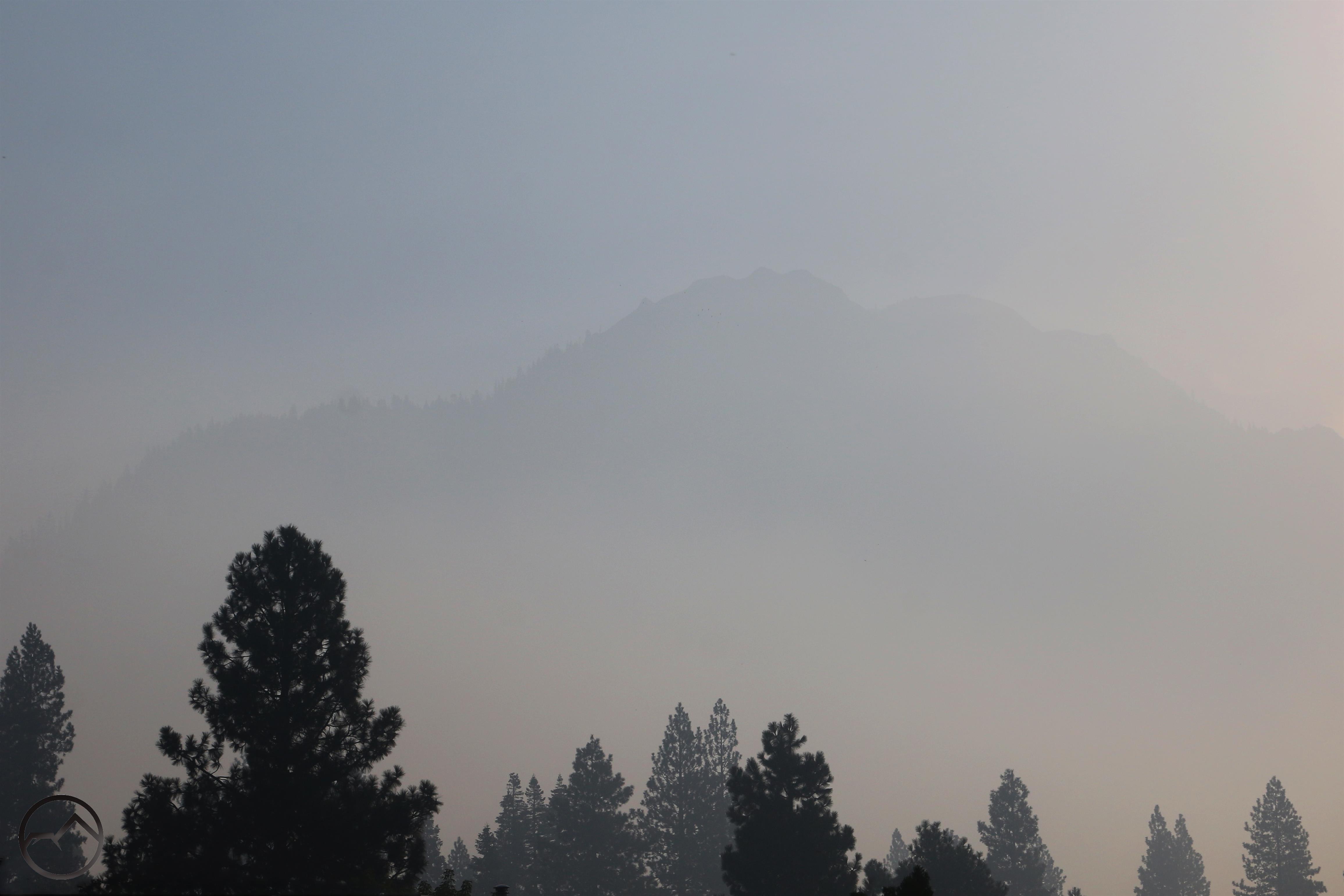
Smoke from the Delta Fire obscures Black Butte.

The Delta Fire started off with a bang yesterday. It quickly expanded from a few acres to 2,000 acres to 5,000 acres and then, during the night, exceeded 15,000 acres. As of the time of this writing, (about 9:00 AM) I would bet it is approaching 20,000+ acres. Unfortunately it is officially at 0% containment. The weather is going to be warm today with dangerous conditions returning again in the afternoon. I am praying for the firefighters and that they can put a lid on this thing really quick.

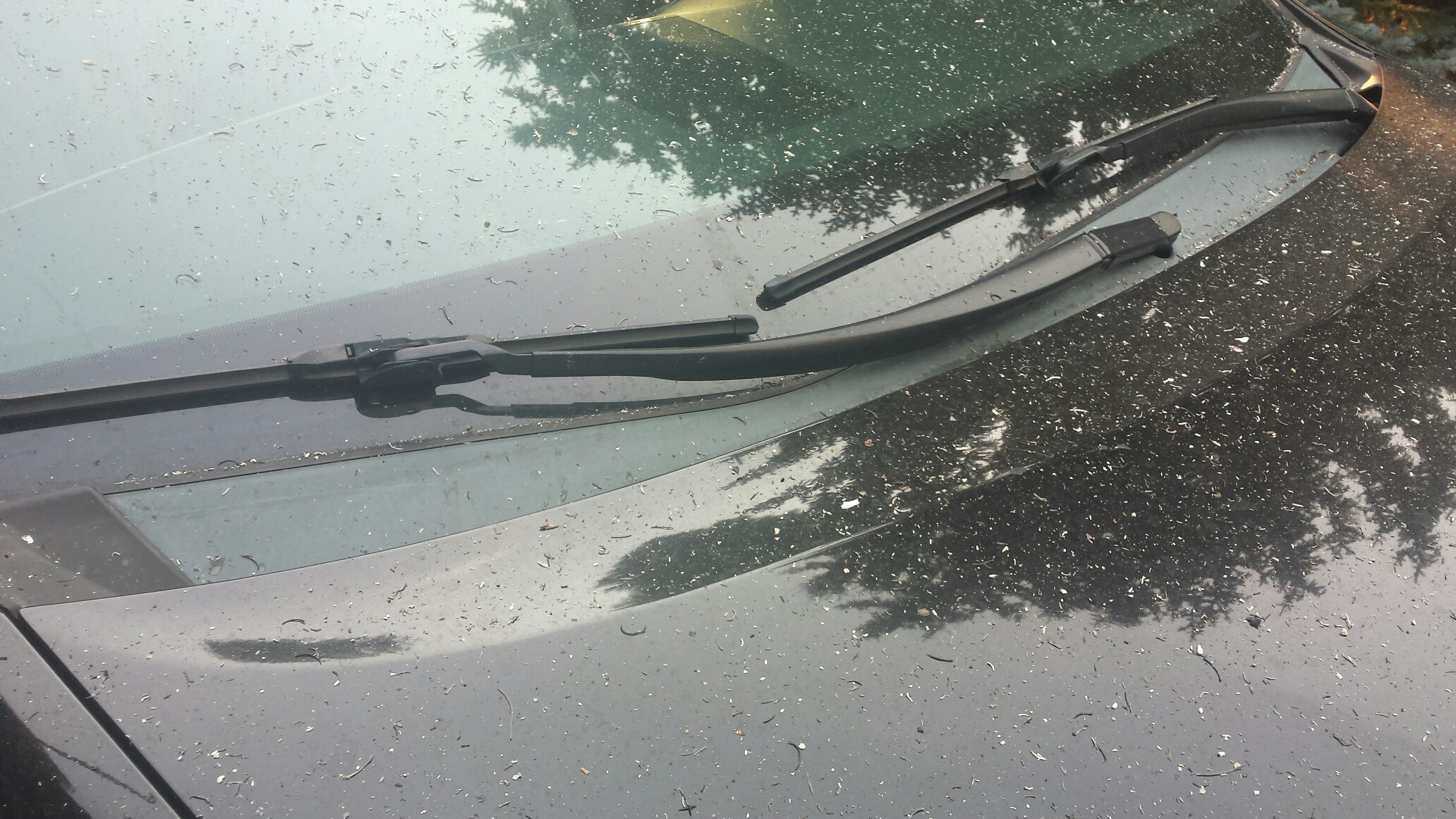
Here in Mount Shasta, the conditions are smoky and ash continues to fall out of the sky. I was up last night around 3:00 AM and the ash was reminiscent of snow. Would that it were. When it was light out I checked the conditions outside again and there was ash everywhere. Some schools have been canceled for the day, though I imagine that this move was done largely to keep people off the freeway and roads. Evacuations are in effect as well, stretching from Lakehead all the way to the Shasta County line. South Dunsmuir has also been evacuated, but I am guessing that this is referring to the area that lies immediately on the county line, near Railroad Park. This includes Castella, Sweetbriar and the Soda Creek area.

So what is going on with the fire itself?

To catch up, check out my post from last night. It has been updated with some night time webcam images.

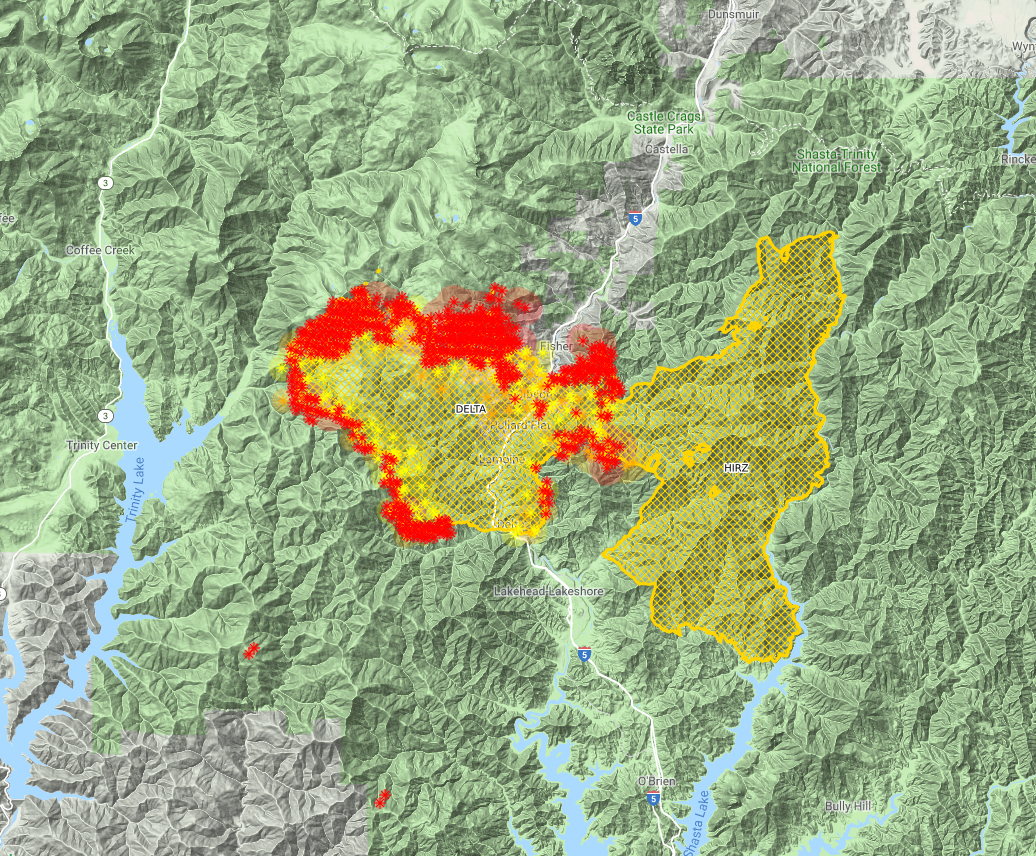
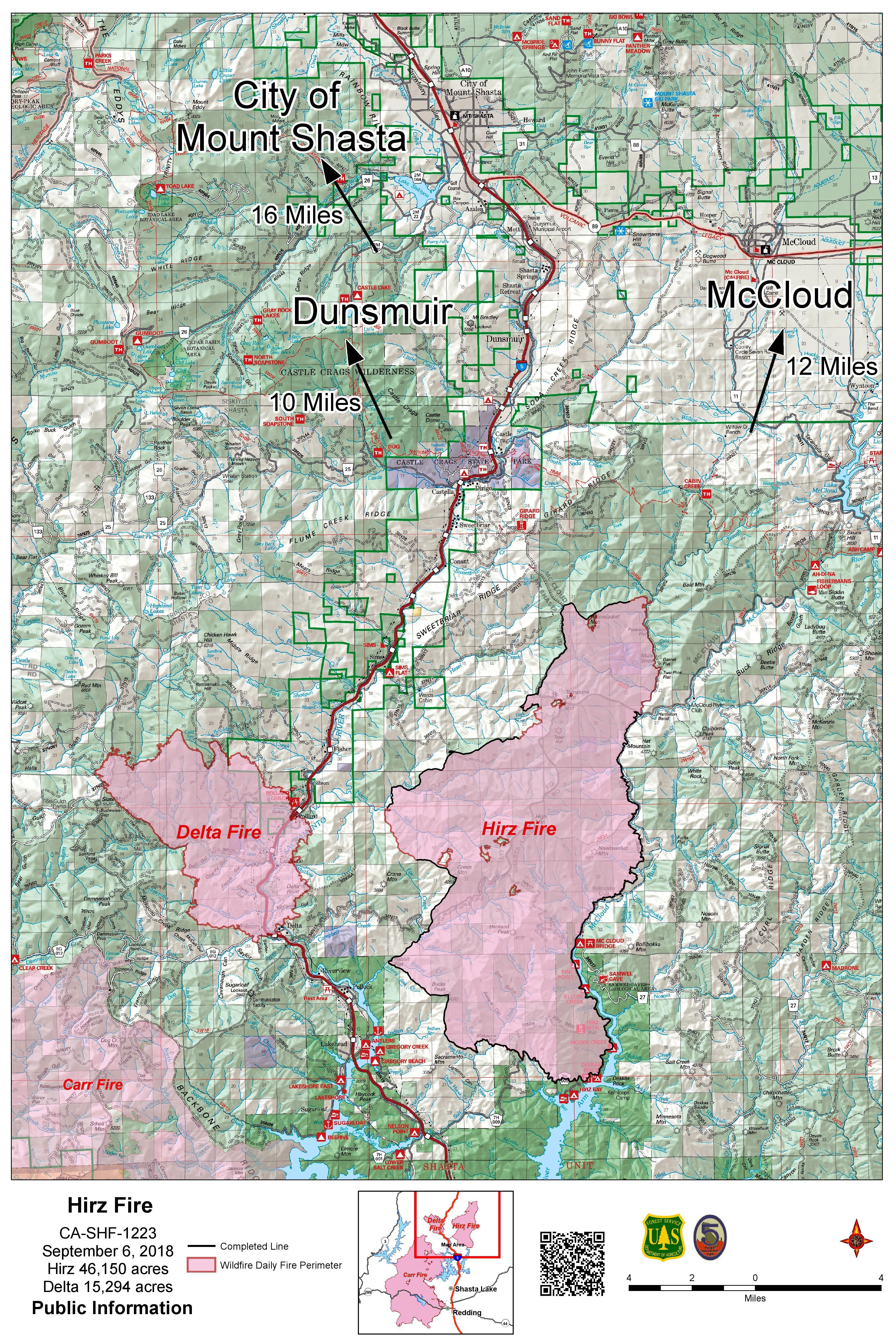
The fire now is officially listed as 15,294 acres but that is no doubt an out of date estimate. The fire is burning on both sides of I-5 and it is likely that, despite the sparse settlement in the area, there are some destroyed structures. On the east side of the freeway, the flames jumped the Sacramento River and are now actively burning toward the Hirz Fire. The real problem area is on the west side of the freeway, where the flames are massive and are consuming the Slate Creek watershed. Check the maps below:

3:00 AM
4:00 AM

6:00 AM
Sept. 6 7:00 AM

See the live map here.

The last image, being the most recent, is obviously the most pertinent and shows just how intense the fire is. Unfortunately the flames are encroaching toward the Tamarack Lake Basin, one of my favorite spots in the Trinity Divide. I really hope that area manages to escape the flames. It may be that this fire erases the last bits of the Trinity Summit Trail too. Sad.

I do think there is a little good news in all of this. Ironically, the fire is burning right in between the north end of the Carr Fire and the Hirz Fire. This means a couple of things. First the previous fires have significantly reduced the fuels in those areas, making them somewhat natural fire breaks. Second, there were contingency bulldozer-cut fire breaks that were cut in to contain those fires if the lines that ultimately stopped the flames failed. This is particularly useful on the southwest side of the Delta Fire. On the map, those lines are what have prevented the fire from advancing on Lakehead.

Map made by Deer Creek Resources. The white lines indicate contingency fire lines already in place.

Another good bit of news (this is unconfirmed by a second source) is the small heat blooms visible next to Trinity Lake. These have been reported to be backfires already begun to block the the westward advance of the fire. North of this back fire area is Bonanza King. This is the largest mountain between the Trinity Divide and the Trinity Alps. At 7,000 feet and very rocky, it may serve as a natural fire break on the west.

The north end of the Slate Creek watershed is made up of Middle Ridge, which also hems in the Tamarack Lake Basin. This would be a good place to stop the fire’s northward advance, if they are able to hold that area. The other really troubling spot is the west side of the Sacramento River Canyon. It has a lot of clear cuts and those are easy places for spot fires to start.

Today is critical in containing this fire and I believe that significant resources have been diverted to fight the fire. Hopefully that is the case. I’ll be saying prayers all day. I hope everyone else is too.

Update (10:00 AM):

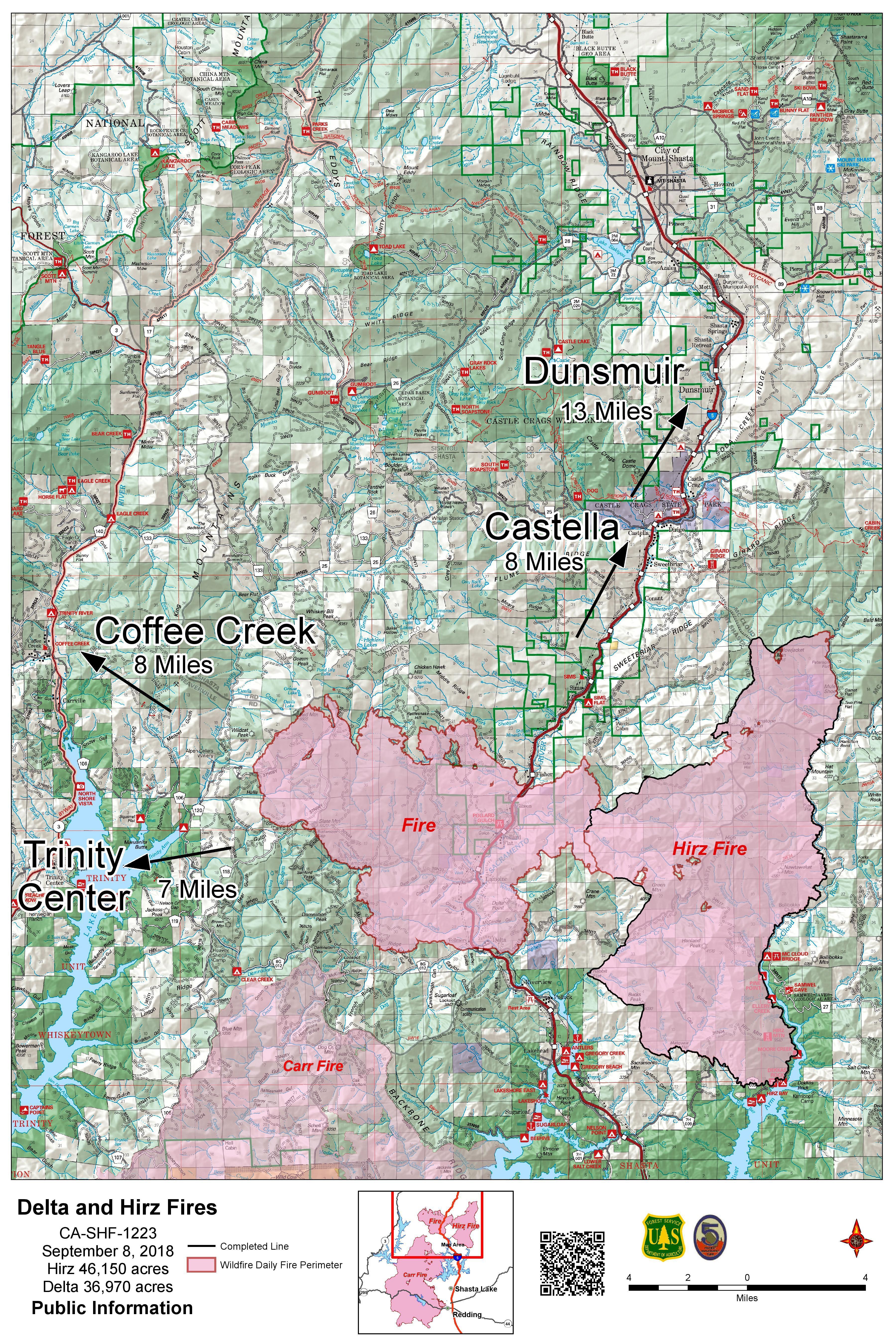
An official map as of this morning has been put out. The fire has already expanded beyond its lines depicted here but this does help show where the fire is at:

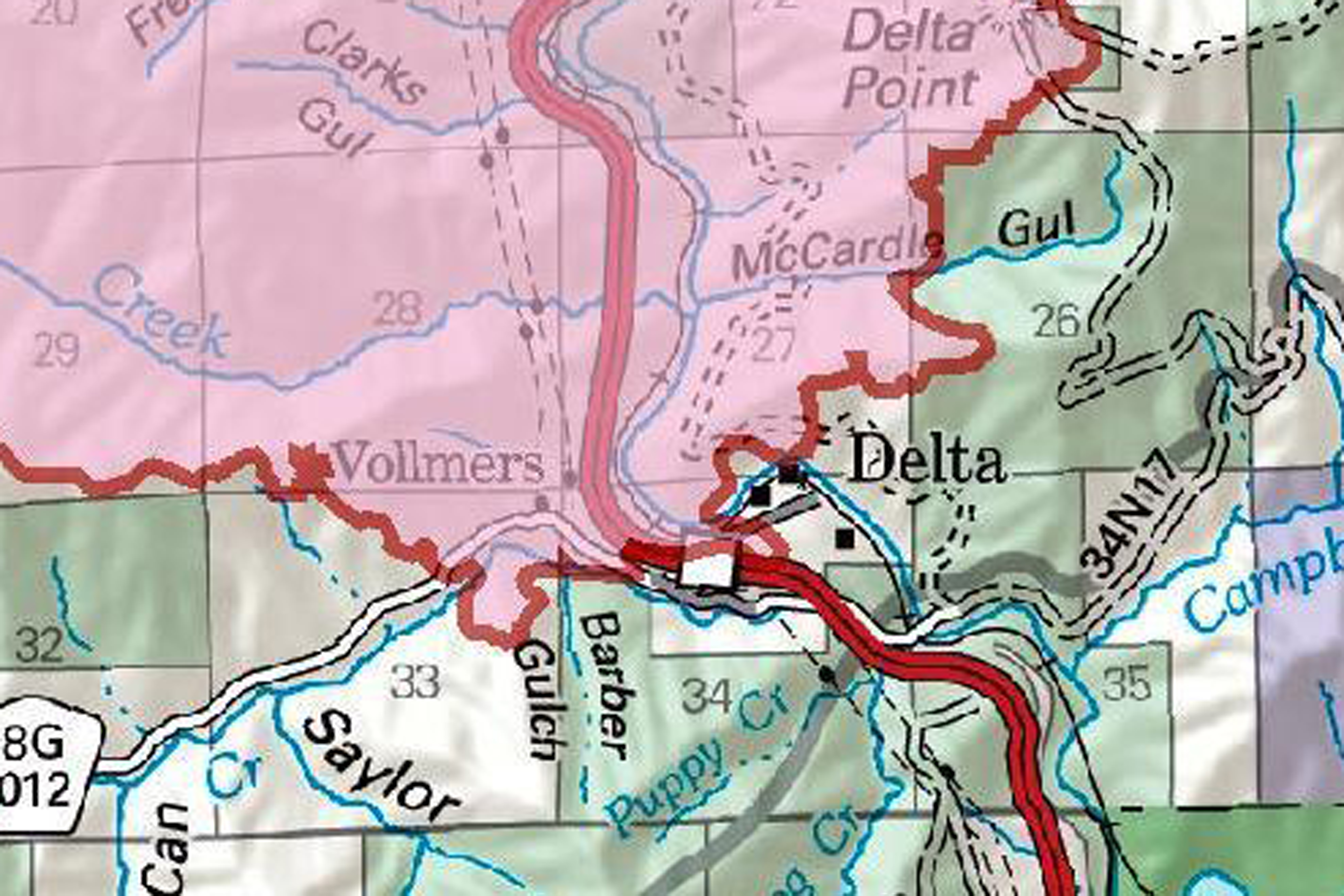
One good bit of news that the map indicates is that the small village of Delta may have survived. Most folks probably don’t even know it is there but there are a number of old houses right on the Sacramento River. I had figured the town got obliterated but, at least according to this map, Delta may have survived:

Also, I have heard that the gas station at Pollard Flat survived. Let’s hope that is the case!

Update (10:45):

The Delta Fire at 10:45 AM.

The scanners indicate significant air resources are being diverted to the Delta Fire. This certainly is a good thing. If the contingency lines left over from the Carr Fire hold and and the fire around North Salt Creek can be channeled into the Hirz Fire, then the northern area is the most pressing area of need. Perhaps much of the air resources will be used to bottle the fire up, especially along Middle Ridge. That is the most obvious natural line of defense and I hope they hare able to make a stand there.

Update (2:00 PM)

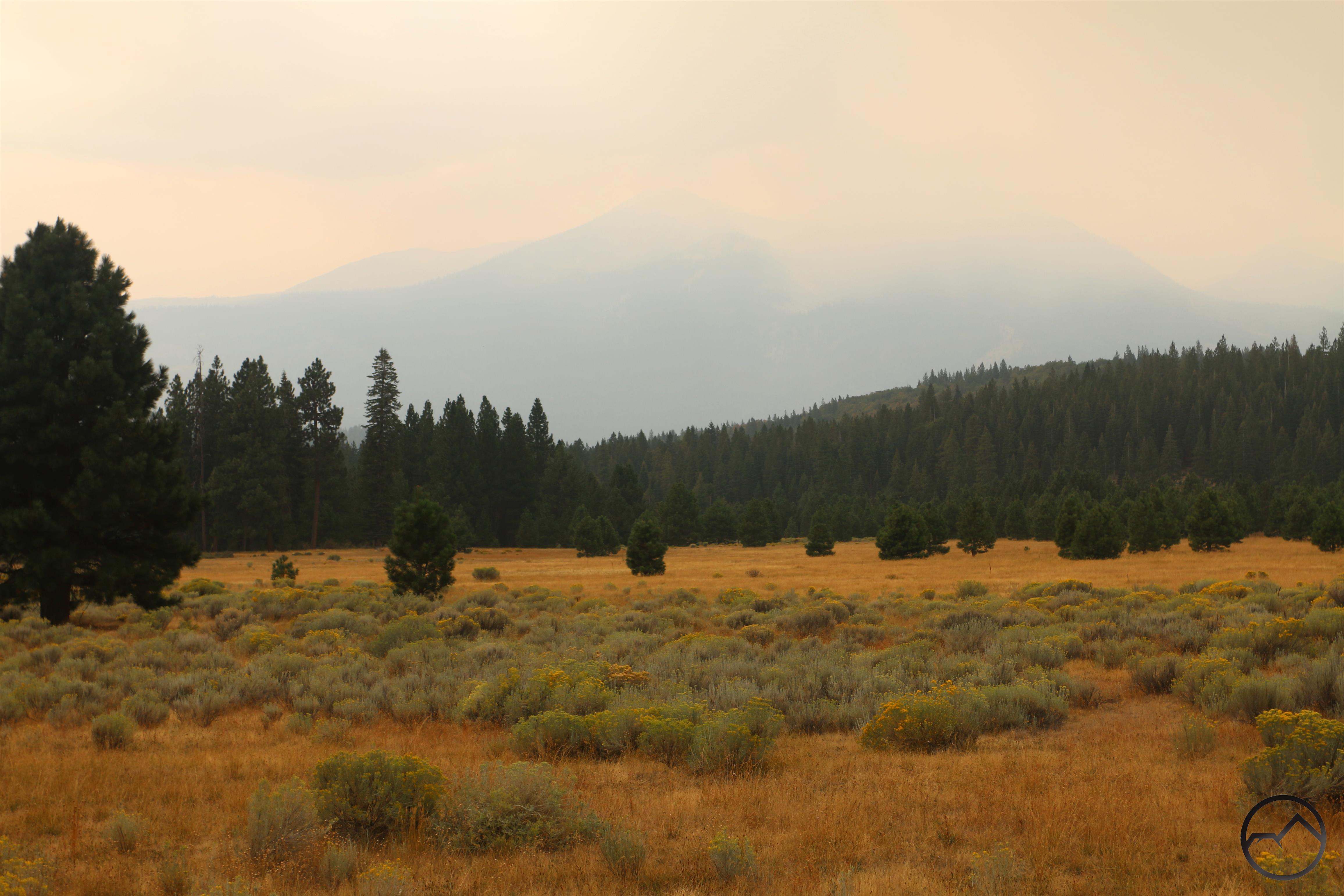
The smoke has really shifted to the west since this morning. The Trinity Divide is really socked in but Mount Shasta is relatively smoke free. It sort of feels like rain but none is in the forecast. It all feels very strange.

Smoke has inundated Mount Eddy and the Trinity Divide.

Mount Shasta is surprisingly smoke free.

The heat blooms on this map make it look like the fire is losing its intensity. I am sure that this is not the case, but it does give some cause to hope that perhaps they can close the door on this really fast. I suspect that there will be an update soon indicating the fire’s actual, and likely substantial, activity.

Also, if you are trying to get around the fire watch out for big rigs on both Highway 3 and on Highway 299. Hwy 3 was blocked by a big rig last night and 299 is currently blocked by an accident involving a big rig.


Posts navigation

← Older Entries
Newer Entries →
    • Recent Posts

      • Winter Shows Up When It Will
      • January Rolled By With Mud, Then Very Dry
      • Mount Shasta 2025 – A Year In Images
      • Mount Shasta On Either Side Of Christmas
      • Adrift In An Ocean Of Fog
      • December Has Been Spectacular Thus Far Pt. II (A Magnificent Lenticular)
      • December Has Been Spectacular Thus Far Pt. I
      • Lenticular Interrupted
      • A Stormy Wave And A Truchas Sunset
      • Aurora Lenticularis
    • Enter your email address to follow Hike Mt Shasta and receive notifications of new posts by email.

    • Archives

      • February 2026
      • January 2026
      • December 2025
      • November 2025
      • October 2025
      • September 2025
      • August 2025
      • July 2025
      • June 2025
      • May 2025
      • April 2025
      • March 2025
      • February 2025
      • January 2025
      • December 2024
      • November 2024
      • October 2024
      • September 2024
      • August 2024
      • July 2024
      • June 2024
      • May 2024
      • April 2024
      • March 2024
      • February 2024
      • January 2024
      • December 2023
      • November 2023
      • October 2023
      • September 2023
      • August 2023
      • July 2023
      • June 2023
      • May 2023
      • April 2023
      • March 2023
      • February 2023
      • January 2023
      • December 2022
      • November 2022
      • October 2022
      • September 2022
      • August 2022
      • July 2022
      • June 2022
      • May 2022
      • April 2022
      • March 2022
      • February 2022
      • January 2022
      • December 2021
      • November 2021
      • October 2021
      • September 2021
      • August 2021
      • June 2021
      • May 2021
      • April 2021
      • March 2021
      • February 2021
      • January 2021
      • December 2020
      • November 2020
      • October 2020
      • September 2020
      • August 2020
      • July 2020
      • June 2020
      • May 2020
      • April 2020
      • March 2020
      • February 2020
      • January 2020
      • December 2019
      • November 2019
      • October 2019
      • September 2019
      • August 2019
      • July 2019
      • June 2019
      • May 2019
      • April 2019
      • March 2019
      • February 2019
      • January 2019
      • December 2018
      • November 2018
      • October 2018
      • September 2018
      • August 2018
      • July 2018
      • June 2018
      • May 2018
      • April 2018
      • March 2018
      • February 2018
      • January 2018
      • December 2017
      • November 2017
      • October 2017
      • September 2017
      • August 2017
      • July 2017
      • June 2017
      • May 2017
      • April 2017
      • March 2017
      • February 2017
      • January 2017
      • December 2016
      • November 2016
      • September 2016
      • August 2016
      • July 2016
      • June 2016
      • May 2016
      • April 2016
      • March 2016
      • February 2016
      • January 2016
      • December 2015
      • November 2015
      • September 2015
      • August 2015
      • July 2015
      • June 2015
      • May 2015
      • April 2015
      • March 2015
      • February 2015
      • January 2015
      • December 2014
      • November 2014
      • July 2014
      • June 2014
      • May 2014
      • April 2014
      • March 2014
      • February 2014
      • January 2014
      • December 2013
      • November 2013
      • October 2013
      • September 2013
      • August 2013
      • July 2013
      • June 2013
      • May 2013
      • April 2013
      • March 2013
      • February 2013
      • January 2013
    • Categories

      • Boy Scouts
      • Cascade Range
      • Castle Crags
      • Desert
      • Echo Point
      • Glaciers
      • Hiking
      • How things came to be…
      • Klamath Mountains
      • Konwakiton Outdoor Designs
      • Lakes
      • Lenticular Clouds
      • Maps
      • Marble Mountains
      • Meadows
      • Mount Eddy
      • Mount Shasta
      • Mount Shasta History
      • Napa County
      • Off Season Trails
      • Pacific Crest Trail
      • Peaks
      • Rivers
      • Rock Climbing
      • Scott Mountains
      • Seldom Seen
      • Shasta Valley
      • Sierra Nevada
      • Siskiyou Mountains
      • Sonoma County
      • Spring Trails
      • sunrise
      • sunset
      • Trinity Alps
      • Trinity Divide
      • Truchas Ridge
      • Uncategorized
      • Water
      • Waterfalls
      • Wilderness
      • Wildflowers
      • Wine Country
      • Winter Trails
      • Yosemite
    • Meta

      • Create account
      • Log in
      • Entries feed
      • Comments feed
      • WordPress.com
    • Copyright © 2013-2024 by Bubba Suess

      DISCLAIMER: Any use of the information contained in this site by any and all persons is done at their own risk. The operator of this site shall be held harmless from any and all alleged claims, demands, causes of action, liability, loss, damage and/or injury to property or persons whether brought by an individual or other entity. This indemnification applies, without limitation, to all actions by an individual or other entity as a result of their use of information contained in this site.

    Blog at WordPress.com.
    Hike Mt. Shasta
    Blog at WordPress.com.
    • Subscribe Subscribed
      • Hike Mt. Shasta
      • Join 983 other subscribers
      • Already have a WordPress.com account? Log in now.
      • Hike Mt. Shasta
      • Subscribe Subscribed
      • Sign up
      • Log in
      • Report this content
      • View site in Reader
      • Manage subscriptions
      • Collapse this bar
     

    Loading Comments...