Hike Mt. Shasta

Exploring the Mount Shasta Region

  • Home
  • Trails
    • Mount Shasta Trails
      • Brewer Creek Trail
      • Clear Creek Trail
      • Gray Butte Trail
      • Green Butte Ridge Trail
      • Horse Camp Trail
      • North Gate Trail
      • Old Ski Bowl Trail
      • Panther Meadow Trail
      • South Gate/Squaw Meadow Trail
      • Whitney Falls Trail
    • Trinity Divide Trails
      • Blue Divide Trail
      • Castle Lake Trail
      • Castle Lake Shore Trail
      • Cliff Lake Trail
      • Deadfall Lakes Trail
      • Gray Rock Lakes Trail
      • Gumboot Trail
      • Heart Lake Trail
      • Porcupine & Toad Lakes Via Pacific Crest Trail
      • Seven Lakes Basin Via Pacific Crest Trail
      • Sisson-Callahan Trail
      • Soapstone Trail
      • South Mumbo Scramble
      • Tamarack Lake Trail
      • Toad Lake Trail
    • Castle Crags Trails
      • Burstarse Falls Via Pacific Crest Trail
      • Castle Dome Trail
      • Flume Trail
      • Lower Castle Crags Via Pacific Crest Trail
      • Root Creek Trail
    • Scott Mountains Trails
      • Bluff Lake & Cement Bluff via Pacific Crest Trail
      • Caldwell Lakes Trail
      • China Mountain Scramble
      • Cory Peak and Bull Lake via Pacific Crest Trail
    • Cascade Crest
      • Ash Creek Butte Scramble
      • Goosenest Trail
      • Juanita Lake Trail
      • Orr Lake Trail
    • Mount Shasta City Area Trails
      • Black Butte Trail
      • Box Canyon Trail
      • Gateway Trail
      • Lake Siskiyou Trail
      • Mount Shasta City Short Trails
      • Ney Springs Canyon Trail
      • Spring Hill Trail
    • Shasta Valley Trails
      • Black Lava Trail
      • Haystack Trail
      • Lake Shastina Trail
      • Pluto Cave Trail
      • Trout Lake Trail
      • Yellow Butte Trail
    • Sacramento River Trails
      • Dunsmuir Trail
      • Hedge Creek Falls Trail
      • Sacramento River Trail
      • Sims History Trail
    • McCloud River Trails
      • Ash Camp To Ah-Di-Na Via Pacific Crest Trail
      • McCloud River Falls Trail
      • McCloud River Preserve Trail
      • Squaw Valley Creek Trail
      • McCloud River Trail: Algoma Camp to Nitwit Camp
      • McCloud River Trail: Nitwit Camp to Cattle Camp Swimming Hole
      • McCloud River Trail: Cattle Camp Swimming Hole to Camp 4
      • McCloud River Trail: Camp 4 to Upper McCloud Falls
      • McCloud River Trail: Pine Tree Hollow Loop
    • Trails Further Afield
      • Trinity Alps Trails
        • Bear Lakes Trail
        • Billys Peak Trail
        • Boulder Creek Lakes Trail
        • Boulder Lake Trail
        • Canyon Creek Trail
        • Caribou Lakes Trail
        • East Boulder Lake Loop
        • East Weaver Lake Trail
        • Four Lakes Loop
        • Granite Peak Trail
        • Grizzly Creek Trail
        • Gulch Lakes Loop
        • Hidden Lake Trail
        • South Fork Lakes Trail
        • Stoddard Lake Trail
        • Stoney Ridge Trail
        • Tangle Blue Lake Trail
      • Warner Mountains
        • Emerson Creek Trail
        • Highgrade Trail
        • Patterson Lake Via Warner Summit Trail
        • Pine Creek Trail
        • Squaw Peak Trail
  • Articles
    • Trails By Area
      • Mount Shasta
        • Vistas, Meadows And Waterfalls: Three Best Hikes On Mount Shasta
        • The End Of The Road: Three Hikes In The Old Ski Bowl Area
        • Two Trails From Bunny Flat
        • Three Trails On Mount Shasta’s East Side
        • Mount Shasta’s Hummingbirds
      • Trinity Divide
        • Great Lakes: Top Five Lake Basins In The Trinity Divide
        • The Headwaters Of The South Fork Of The Sacramento River
        • Neglected Headwaters: Two Lesser Lake Basins On The South Fork
        • Gumboot Saddle: Two Hikes On The PCT
        • Descent Into Mystery: The Sisson-Callahan Trail
        • Mumbo Basin – Overlooked On The West Side
        • The Headwaters Loop: A Proposed Backpacking Loop In The Trinity Divide
      • The McCloud River
        • The McCloud River Trail
      • Shasta Valley
        • Jewels In The Desert
      • Scott Mountains
        • Great Scott! Two Scott Mountains Hikes On The PCT
      • Trinity Alps
        • Carubou Lakes: Trinity Alps On A Grand Scale
        • Switchbacks To Heaven: The Trinity Alps’ Stoney Ridge Trail and Four Lakes Loop
        • Trinities In Proximity: Two Trinity Alps Trails With Easy Access From Mount Shasta
        • Trails in the Carter Meadows Area
        • Trinity Alps Views of Mount Shasta
        • The Psychological Value Of The Trinity Alps
    • Waterfalls
      • Three Waterfalls On Mount Shasta
      • McCloud River Waterfalls
      • Sacramento River Waterfalls
      • Trinity Divide Waterfalls
      • Trinity Alps Waterfalls
      • Avoiding A Dry Whitney Falls
    • Off Season Trails
      • Three Winter Hikes Near Mount Shasta City
      • Winter Hikes In Shasta Valley
      • Winter Hiking In The Shasta Valley Wildlife Refuge
      • Winter Hikes On The Sacramento River
      • Winter Hikes On The Lake Siskiyou Trail
      • Spring Hikes In The Castle Crags
      • Spring Hikes On the Upper McCloud
      • Spring Hikes On The Lower McCloud River
    • Points Of Interest
      • Mount Eddy: Overshadowed, Underrated
      • Black Butte: Hiding In Plain Sight
      • Castle Dome: Steadfast And Staggering
      • Mount Shasta Hoodoos
      • Sacramento Scrambling
      • The Shasta River
      • The Castle Creek Watershed
      • Mount Shasta East Side Glacier View
      • 5 Fantastic Mount Shasta Vistas
      • 5 Highest Peaks Around Mount Shasta
      • 5 Best Hikes On Creeks And Rivers
      • 5 Interesting Footbridges
      • Three Spectacular Drive-To Sunset Vistas
    • North State Geography
      • Introduction
      • Seven Major Regions
      • The California Cascades
      • Klamath Mountains Pt. I
      • Klamath Mountains Pt. II
      • The Great Canyons Of Mount Shasta
      • Mount Shasta, Timberline, And The Relative Size Of Cascade Volcanos
      • Four Eruption Cones Of Mount Shasta
      • Mount Shasta’s Medial Moraine
    • Northern California Review
      • North Table Mountain
      • Lakes Basin Recreation Area
      • Eastern Sierra Fall Color
      • Sonoma County
      • Central Sierra Nevada
      • Orland Buttes
    • Seldom Seen
      • Ash Creek Falls
      • Mud Creek Canyon
      • Lower Mud Creek Canyon
      • Diller Canyon
      • Lower Cascade Gulch
      • The Grey Rocks
      • Castle Creek
      • Upper Wagon Creek
      • Fawn Creek Canyon
      • Confluence of the Sacramento River and Castle Creek
      • Upper Klamath River Canyon
      • Hole In The Ground Geologic Area
      • Ash Creek Butte Fossil Rock Glacier
    • Mount Shasta History
      • Vantage Lost: The Everitt Memorial Vista
      • A Yosemite-Mount Shasta Connection
      • Whitney – What’s In A Name?
      • Mount Shasta Area and the 1838 Exploring Expedition
      • A 19th Century Engraving Of An Epic Mount Shasta Vista
      • Vintage 1907 Color Photos
      • A Misleading Painting
      • A Mysterious Painting
      • A Mysterious Painting Pt. II
      • Stereographic Mt. Shasta
      • Year One Of Hike Mt Shasta
      • Year Two Of Hike Mt Shasta
      • Year Three Of Hike Mt Shasta
      • Year Four Of Hike Mt Shasta
      • Year Five Of Hike Mt Shasta
      • Year Six Of Hike Mt Shasta
      • Year Seven Of Hike Mt Shasta
    • Image Galleries
      • Mount Shasta Trails Gallery
      • Mount Shasta Sunrise Gallery
      • Mount Shasta Sunset Gallery
      • Lenticular Cloud Gallery
      • Mount Shasta NON-Lenticular Clouds
      • Mount Shasta Reflection Gallery
      • Telephoto Gallery
      • Mount Shasta Area Fall Color
      • Castle Crags Gallery
      • Waterfalls Gallery
      • Trinity Divide Lakes Gallery
      • Mount Shasta Area Rivers Gallery
      • Shasta High Desert Gallery
      • Mount Shasta GIF Gallery
    • Random Notes
      • Revew: Three Mount Shasta Trail Maps
      • A Mount Eddy Wilderness?
      • New Land Additions For The Castle Crags
      • Book Plug: Mount Shasta Area Rock Climbing
      • Exile: How I Came To Love Wilderness
  • Mt. Shasta Trail Map
  • Blog
  • About/Contact
  • Links
  • Truchas Ridge

Mount Shasta Spring Hiking Round Up

Posted by bubbasuess on April 1, 2017
Posted in: Castle Crags, Hiking, Mount Shasta, Off Season Trails, Rivers, Water, Waterfalls, Wilderness. 1 Comment


Castle Dome is an imposing sight above Root Creek Falls.

Winter is finally over and spring is slowly making its way through the Mount Shasta area. Grass is turning green, leaves are starting to emerge and the temperatures are starting to warm up. While precipitation will no doubt make a bit of a comeback, we are through the worst of it and can begin to really look forward to the prime season for getting outside. For an area known for its high elevation terrain and alpine landscapes, the Mount Shasta area is fortunate to have a good selection of trails that are generally available throughout the snowy season. This is even more the case moving into spring. The winter trails are mostly clustered around Mount Shasta City and further north, in the arid Shasta Valley. With the arrival of spring, sufficient snow at the mid elevations melts out and new trails become available. In particular, the McCloud River and the Castle Crags become excellent options to get out and enjoy some truly spectacular scenery.

See the Castle Crags image gallery here and the McCloud River gallery here.

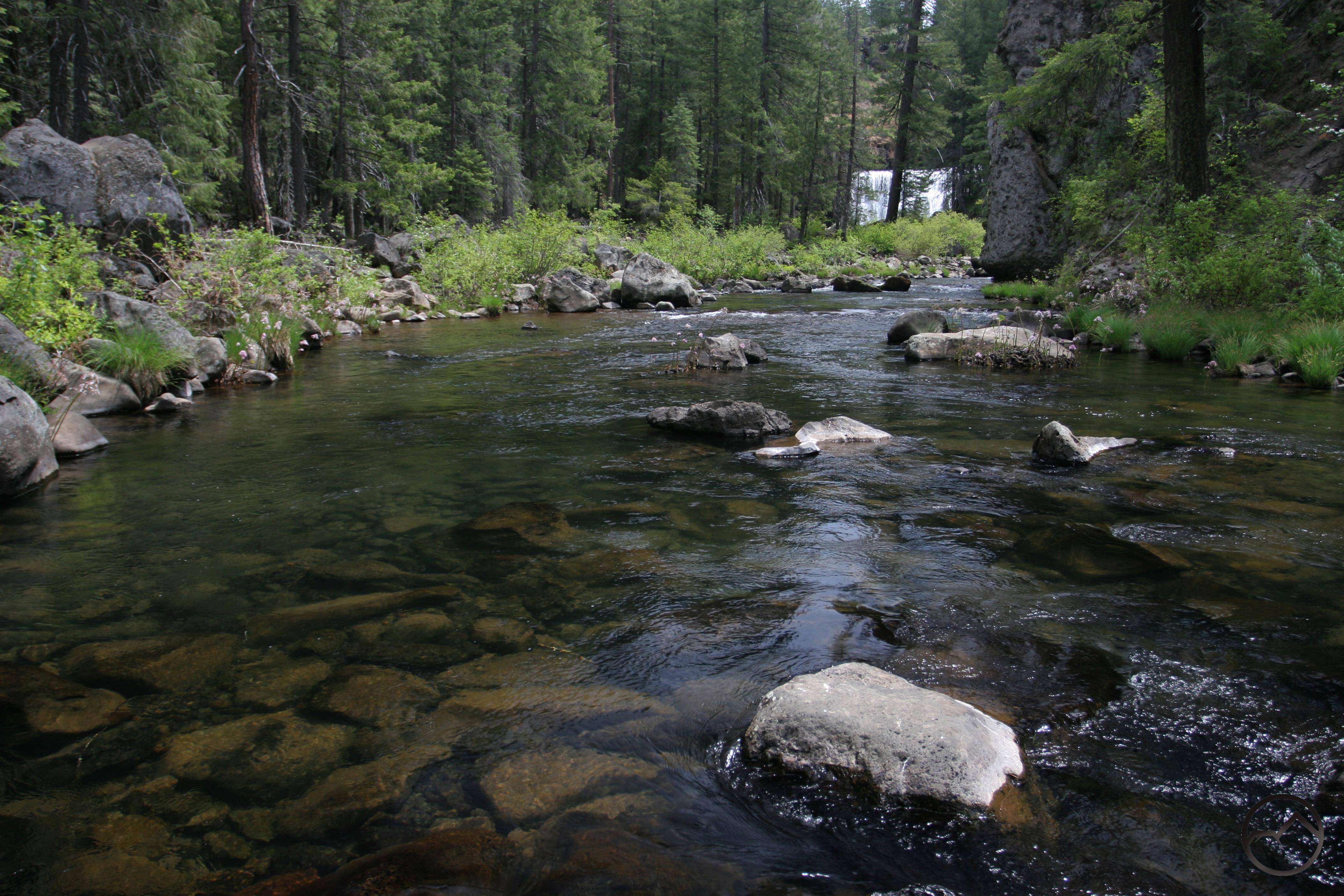
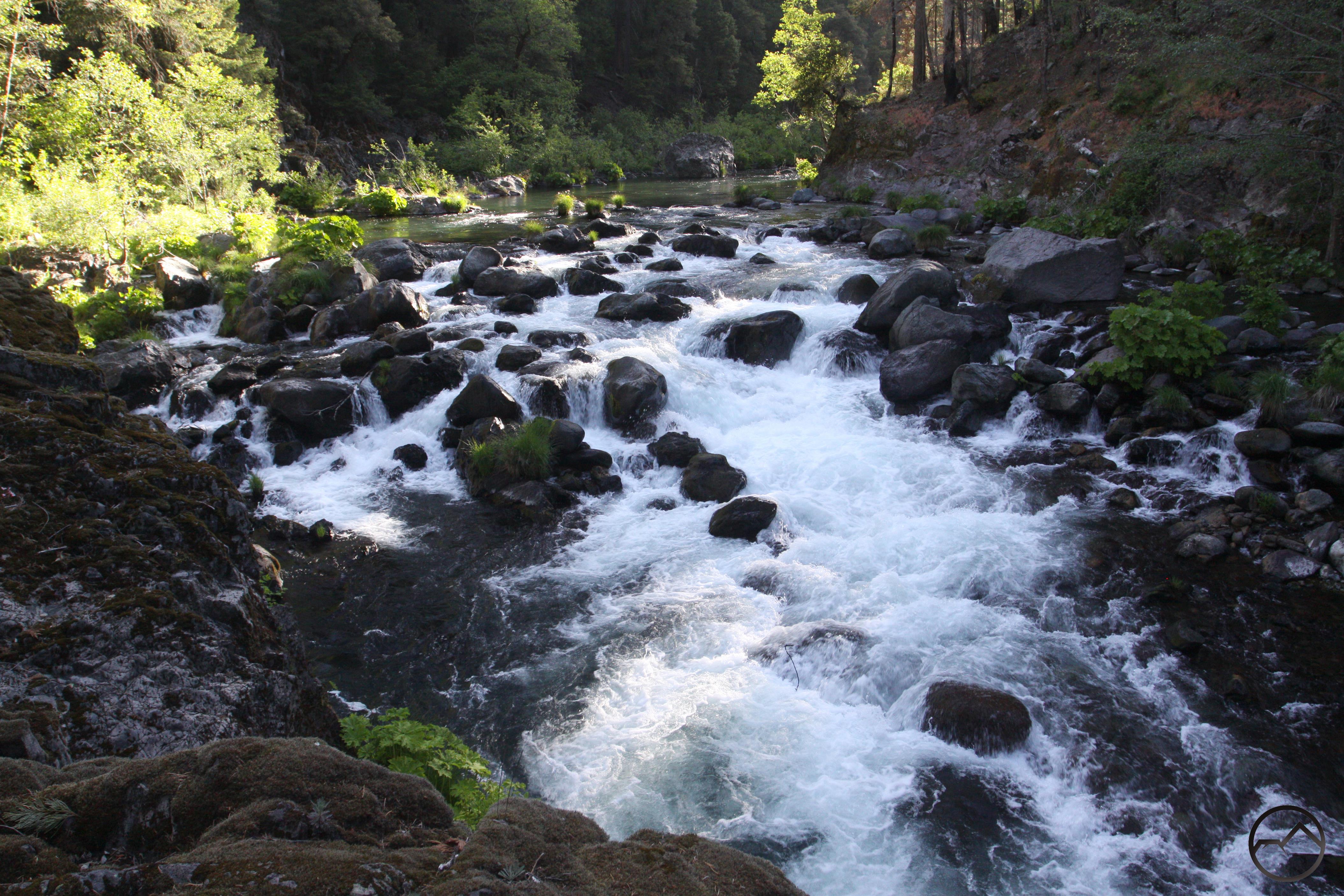
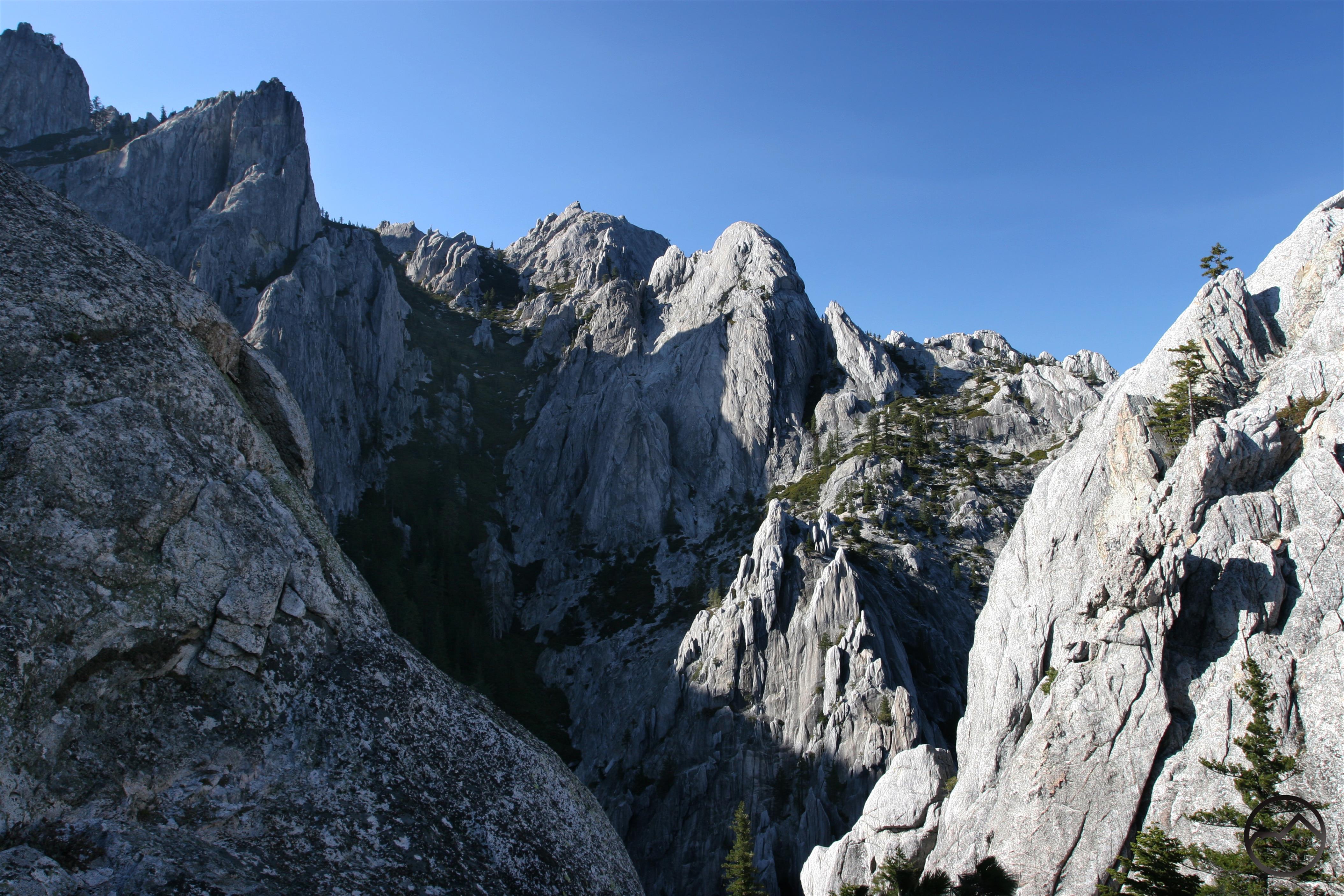
Despite the Castle Crags and McCloud River are naturally quite different, if there is a unifying theme connecting them it would be wildness. The river is a wild torrent, racing through numerous rapids and thundering over awesome waterfalls. Though wild in a different way, the Castle Crags are an untamed collection of granite spires that few have penetrated very deep into. In a formal sense, the Crags are protected within the Castle Crags Wilderness, emphasizing the the primeval nature of the land. Both the river and the Crags are at their best in the spring. Water is abundant and the waterfalls, which are found in Castle Crags, not just on the McCloud River, are full and beautiful.

Hikes On The Upper McCloud River

The Upper McCloud River is the section of the river that flows upstream from Lake McCloud, the reservoir that is formed when the river is impounded. This section of the river is justifiably known for its triumvirate of excellent waterfalls. An easy section of trail connects all three for a perfectly enjoyable hike. However, that is only one section of the 15 mile long McCloud River Trail, which stretched from the Algoma Campground to the Pine Tree Hollow River access, just downstream from Lower Falls. Although there are some lackluster segments of this long trail, many sections are very scenic and have great access to the river. Great forests, rugged volcanic formations, meadows and plentiful solitude are all features of this trail. It is not necessary to hike the whole thing, since it is easily broken up into pleasant dayhiking sections.

Hikes On The Lower McCloud River

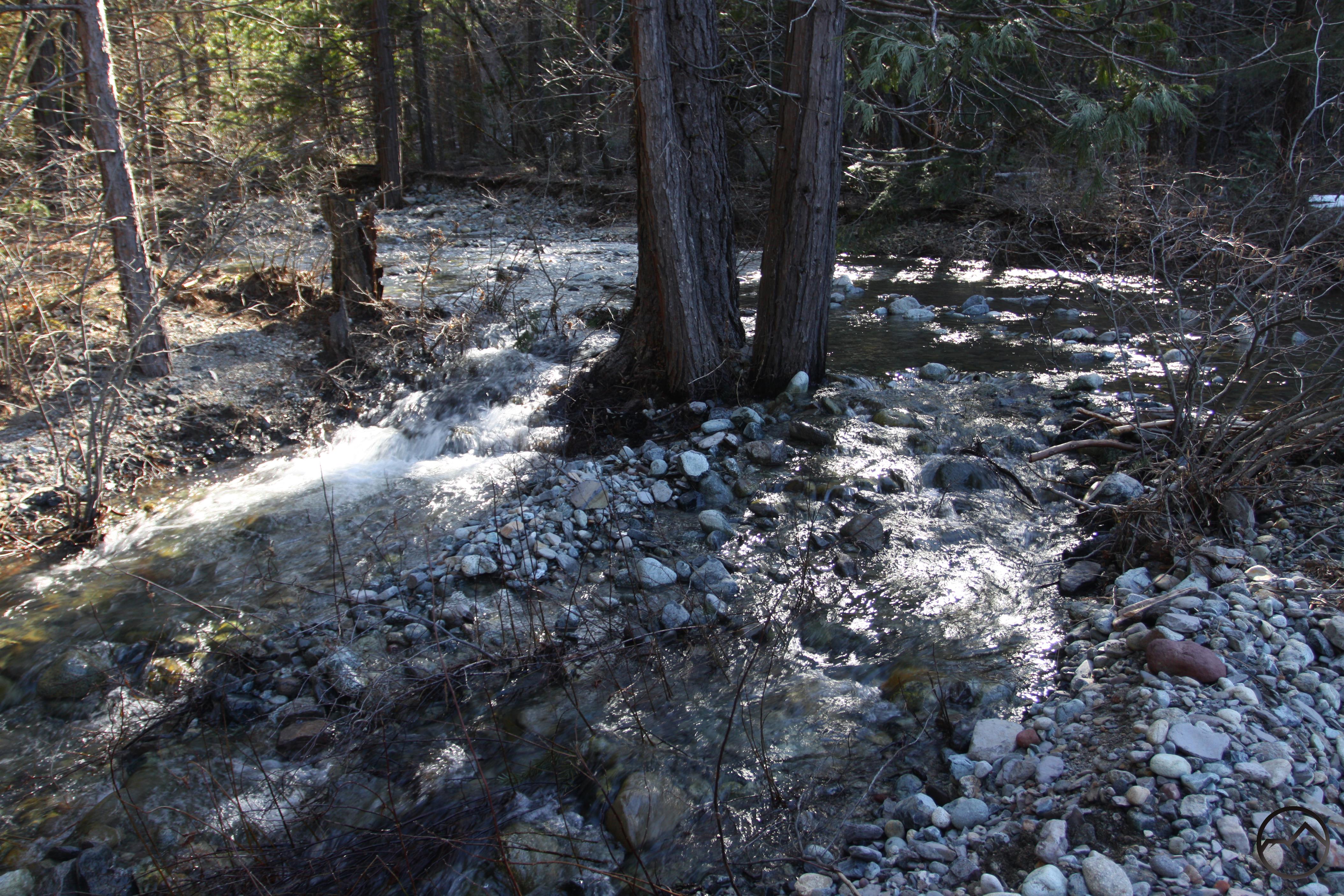
While the more well-known Upper McCloud flows through volcanic terrain, the Lower McCloud River enters a remote outlier of the vast Klamath Mountains. Here, downstream from Lake McCloud, the land is much more rugged and the river runs swiftly through a deep, steep-sided canyon. Rather than volcanic rock, the geology is dominated by sedimentary rock that is common in the Klamaths. There are two trails here that follow the McCloud River. one is along the Pacific Crest Trail and the other passes through the Nature Conservancy’s McCloud River Preserve. A third trail follows Squaw Valley Creek, which begins at South Gate Meadow high on Mount Shasta and is one of the McCloud River’s largest tributaries.

Hikes In The Castle Crags

If it were not for incomparable Mount Shasta, the Castle Crags would likely be the regions most dominant landmark. The stark gray granite turrets certainly are an arresting sight while traveling up the Sacramento River’s canyon. While there are disappointingly few maintained trails that access the granite high country of the Crags, there are plenty of trails on the lower flanks that have beautiful scenery on their own and boast great vistas of the majestic Castle Crags as you hike. One surprising feature of these trails is the presence of some gorgeous waterfalls. The steep geography means that spring snowmelt flows steeply off the Crags and forms some compelling cataracts. Another great feature of this area is its wild character. After the long winter, it is here on the Castle Crags where hikers can really get their first taste of real mountain wilderness hiking.

Other trails available in spring:

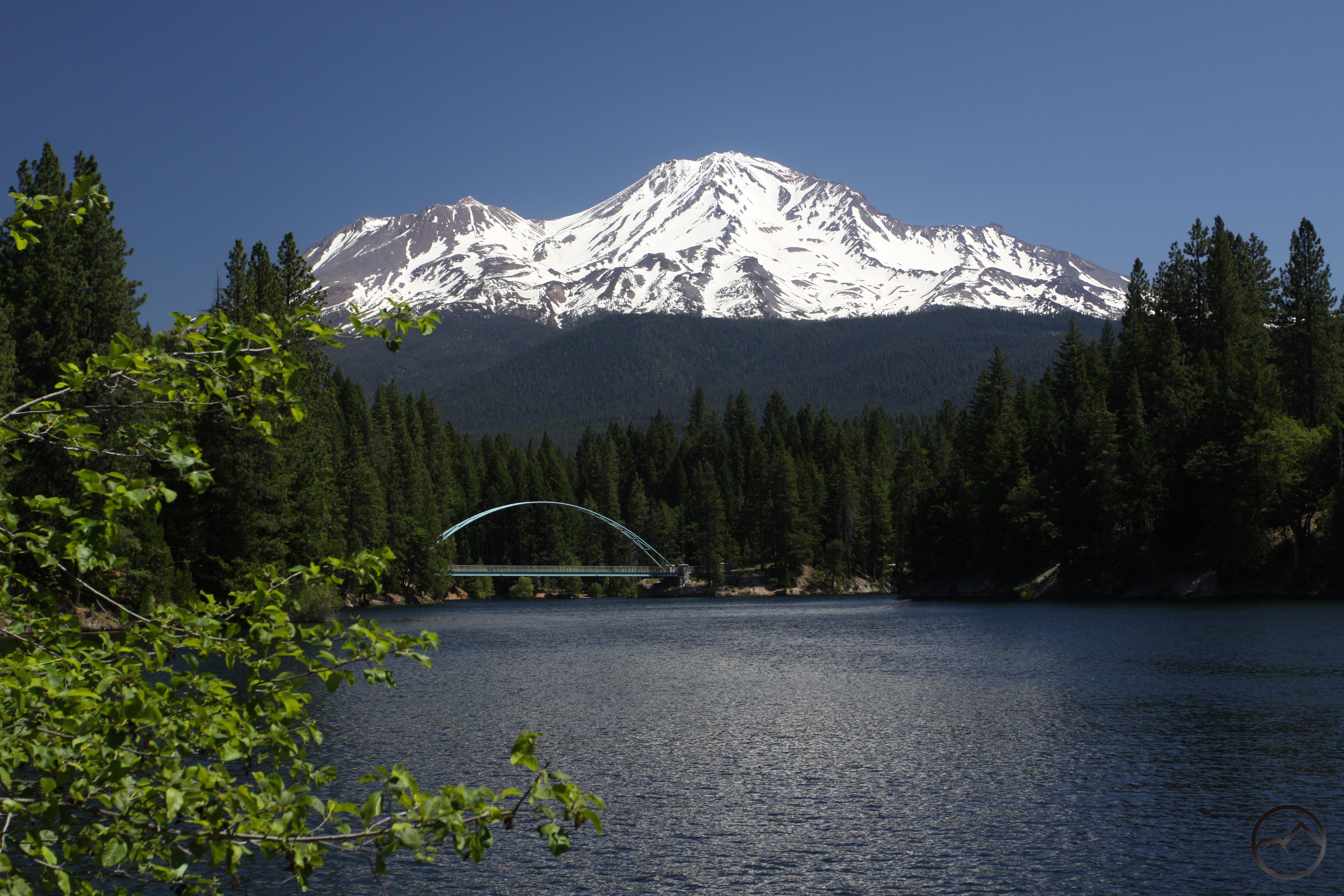
All the trails that were open through the winter remain great options in spring too. Near to Mount Shasta City, the trails mostly focus on the Sacramento River and Lake Siskiyou, though there are notable exceptions to this. The Lake Siskiyou Trail offers the longest options but the entire loop around the lake can’t be hiked due to the heavy inflow into the lake. Still, waterfalls, Mount Shasta Vistas, fascinating local history and graceful creeks and rivers all combine to make this area a surprisingly rich winter hiking destination.

Winter hikes near Mount Shasta City

Hikes at Lake Siskiyou

Hikes on the Sacramento River

The Gateway Trail

North of Mount Shasta lies the beautiful Shasta Valley. The numerous ranches and relative paucity of public land have led to this area being overlooked as a hiking destination. Nonetheless, for those willing to ferret out the opportunities, the high desert climate and sensational views of Mount Shasta and the surrounding mountains make this an excellent winter hiking destination. Opportunities fall into two categories: trips in the Shasta Valley Wildlife Refuge and those trails huddled in the southeast corner of the valley. The former has lots of potential for good hikes on former ranch roads, the best of which is along Trout Lake. The latter option includes the opportunity to explore Pluto’s Cave as well as climb a pair of small peaks near the base of Mount Shasta.

Hikes in the Shasta Valley

Hiking in the Shasta Valley Wildlife Refuge

Note that winter conditions can still exist and some roads may still be unpassable due to snow, especially early in spring. Use caution and check with the forest service for current conditions.

Black Butte: Hiding In Plain Sight

Posted by bubbasuess on March 24, 2017
Posted in: Hiking, Mount Shasta, Peaks. Tagged: Black Butte. 6 Comments

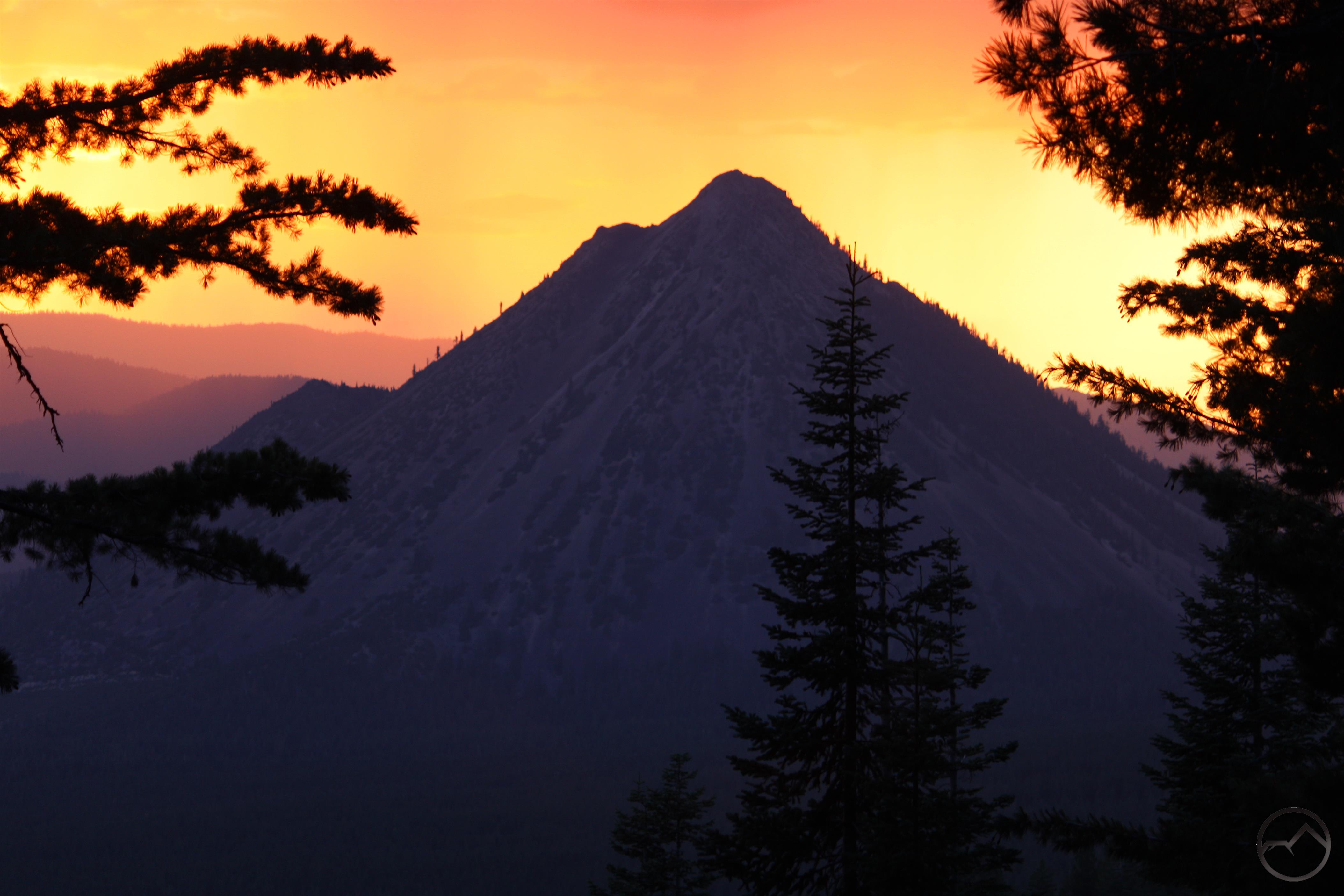
Sunset view of Black Butte from the Everitt Memorial Highway.

As you drive north on Interstate 5 just west of Mount Shasta City, drivers are treated to a dramatic, head-on perspective of conical Black Butte. This dusky pyramid draws attention from every driver for a few minutes as they seem to be driving right into the base of the peak. Eventually, the looming bulk of Mount Shasta assumes command of the entire scene and Black Butte becomes almost an afterthought of the giant that rises to the east. It simply pales in comparison to the famous volcano. The same phenomenon takes place when hiking in the Trinity Divide, where epic views of Mount Shasta overwhelm Black Butte and relegate to the status of a subject lying at the foot of its sovereign. Overlooked in favor of the incomparable Mount Shasta, Black Butte is often left hiding in plain sight.

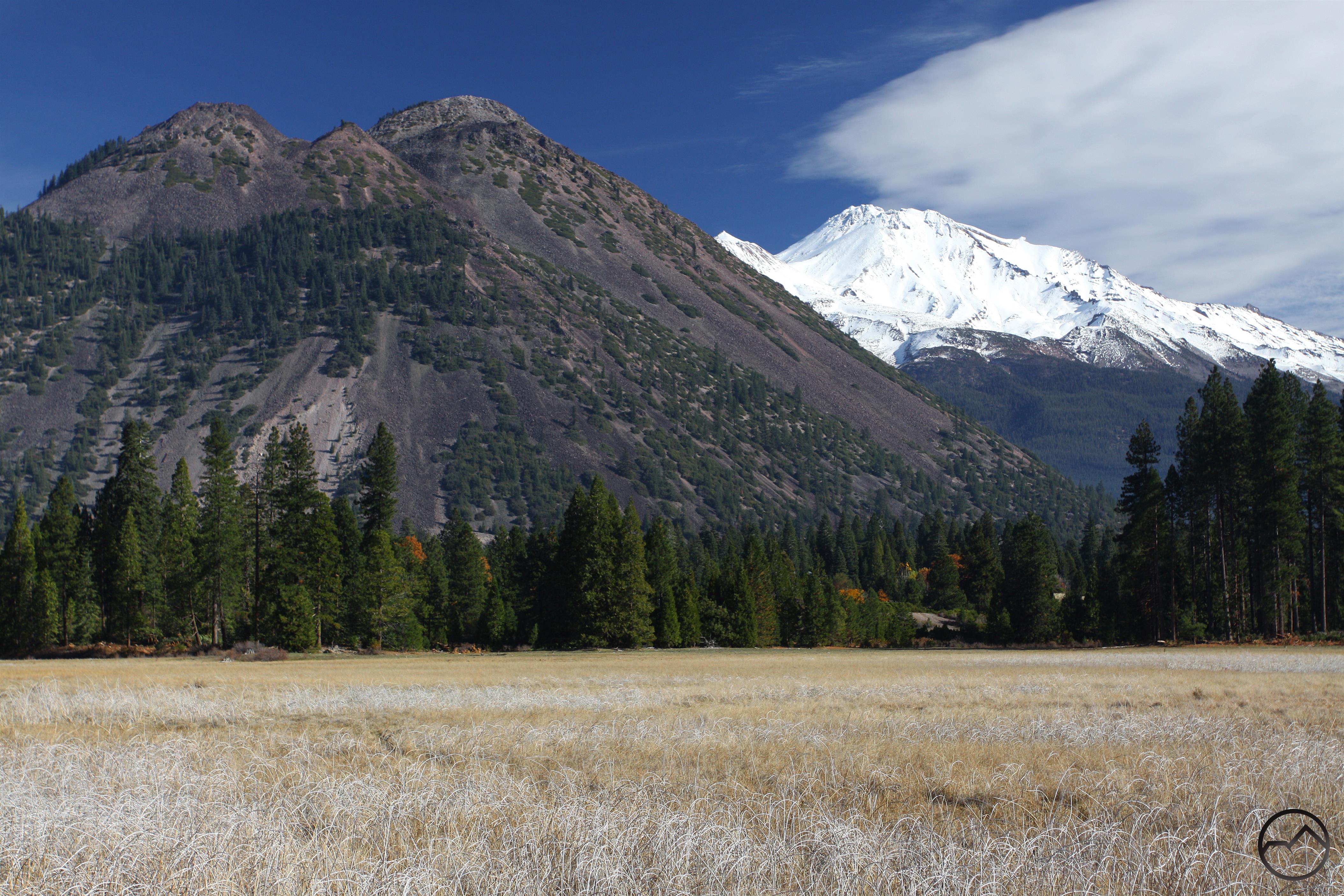
Mount Shasta looms behind Black Butte.

Fortunately, Black Butte remains a striking mountain, compelling in its own beauty and stature. Thrusting up suddenly from the top of a saddle that connects the Klamath Mountains and the Cascades, it is prominently visible from throughout much of central Siskiyou County, whether at the far northern end of the Shasta Valley or from the southern peaks of the Trinity Divide. In the populated areas of southern Siskiyou County, Black Butte is a nearly omnipresent sight. From the south, the mountain is a triangular tower with steep sides culminating in a needle like summit. The mountain presents a somewhat different appearance from the north, with its various eruptive stages more evident and the summit appearing like a small turret shunted off to the side of a more rounded top.

Geology

Looking north past the hidden valley on Black Butte.

The westernmost outlier of the Cascades in California, Black Butte’s very appearance indicates its volcanic origin. It is composed primarily of andesite, the same dense volcanic rock that composes much of Mount Shasta. Like Mount Shasta, Black Butte is the result of several eruptive stages. At least five separate events have produced the mountain’s current configuration. Each eruptive stage results in one of Black Butte’s prominent rocky turrets, including the summit. The exception to this is the large ridge on the north side of the mountain. Though this is likely the product of similar formative events that brought about the other peaks, this one formed into a broad crest rather than a sharp point. While hiking the trail to the summit, this long ridge almost seems like a portion of an old crater rim. Though this is unlikely, it certainly is not something that cannot be ruled out.

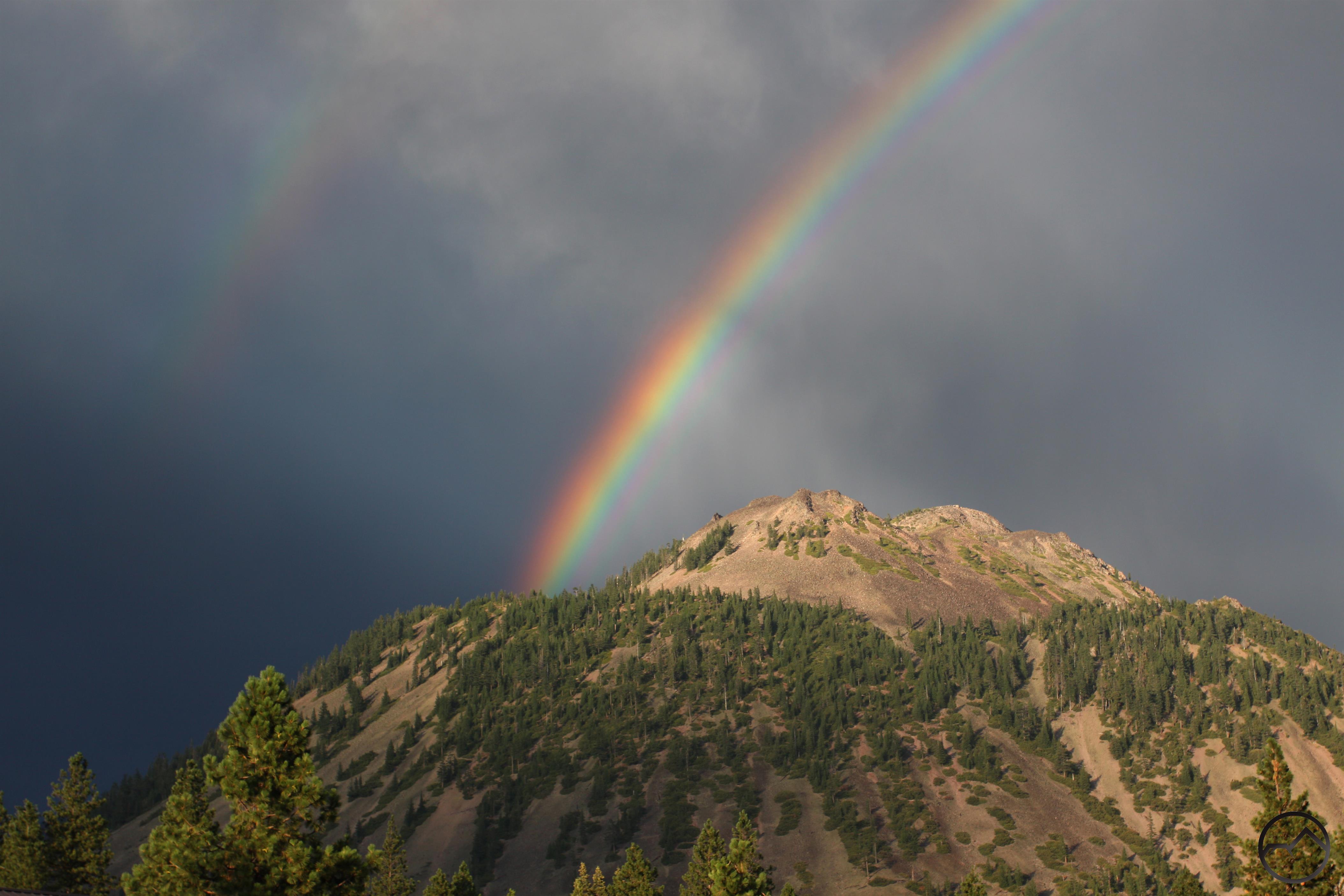
Rainbows contrast against dark skies above Black Butte.

Despite its proximity to Mount Shasta, Black Butte is formed by distinctly different process than its monumental neighbor. Indeed, it is a good example of a plug dome volcano. This time of formation is built up through the slow extrusion of extremely viscous lava. Each successive eruption covers earlier lava flows. When the lava cools it hardens and then fractures, which has resulted in the mountain’s appearance as something akin to a giant pile of rubble. In truth, this is the broken up flow that flowed down its steep sides. It is worth noting that Lassen Peak, 75 miles to the southeast, is the largest plug dome volcano in the world.

The peak is situated on top of Black Butte summit, one of the highest passes crossed by Interstate 5. Though it is not an exceptionally high pass, it is the high point that connects Mount Shasta and Mount Eddy, two ultra-prominence peaks. Mount Eddy towers just over 5,000 feet above the pass while Mount Shasta looms a spectacular 10,000 feet overhead. The saddle between the two large mountains sees intense weather as storm systems unleash their full fury on this narrow pathway. Black Butte sits in the midst of this maelstrom and can see extremely harsh conditions.

History

Black Butte has been a prominent landmark in southern Siskiyou County for almost 150 years. It seems that the name Black Butte was applied to the peak fairly early in the settlement of the area, though it was by no means the only moniker that has been associated with the mountain. Perhaps the most interesting name it has had was Muir’s Peak. The name is no doubt given to the peak in honor of John Muir, the preeminent conservationist of the 19th century. It is not a surprise that something in the Mount Shasta area would bear Muir’s name, given his long association with and love for Mount Shasta. He advocated strongly for a large national park centered on the great volcano and Black Butte would in all likelihood have been included in the park. If fate had been a little different, the hike to the top of “Muir’s Peak” could have been a classic national park adventure rather than a popular trail with local hikers.

Click to enlarge:


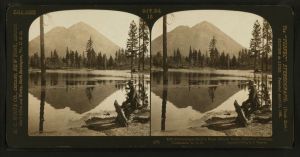
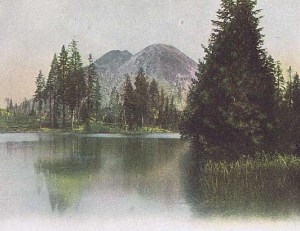
Vintage images of Black Butte. Note the stereograph identifies it as “Muir’s Peak”.

Though the tribute to John Muir was fairly well known in the first half of the 20th century, it seems to have faded in popularity in favor of the color-themed moniker. While the association with Muir would have been nice to broadcast via the peak’s name, there is a certain symmetry in naming notable peaks around Mount Shasta with color-related names. Currently there are five such peaks: Black, Yellow, Gray, Green and Red Buttes. Three are located high on the southern flank of Mount Shasta, one on the mountain’s north side at the edge of the Shasta Valley, and Black Butte, which sits astride the pass that connects the mountain to Mount Eddy and the Klamath Mountains. There are a few nameless but notable peaks that could be added to this group.

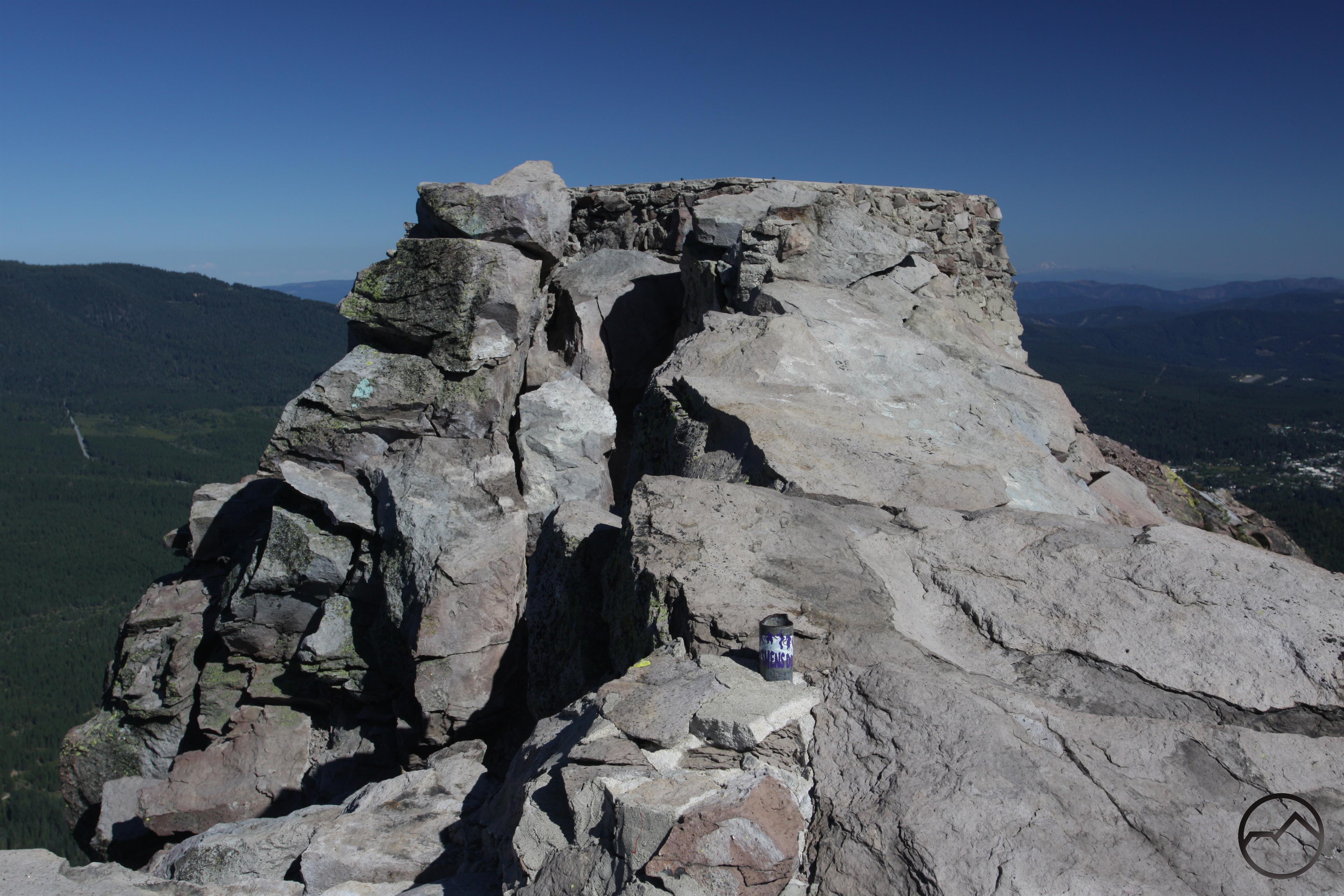
Lookout foundation on the summit.

One of the more interesting chapters in Black Butte’s history was the presence of a fire-lookout that was built on its summit. This must have been the most precarious and spectacularly situated lookout ever in the U.S. With sheer drops on all sides and phenomenal 360 degree view, it is easy to imagine how magnificent this post must have been…until one considers the winds and lightning storms. Built in the 1930’s, the tower was ultimately removed in 1975 by helicopter. The concrete foundation is still present on the summit.

Recreation

Most recreation on Black Butte involves hiking up the Black Butte Trail. Though it is steep and rocky in a few places, this is nonetheless a classic Mount Shasta area hike. The trail makes a series of long, sweeping switchbacks up the north side of the mountain, with great views nearly every step of the way. Aside from the great vistas and the memorable summit panorama, one of the most interesting features of the hike is the surprising presence of a valley on the north side of the mountain. The valley is created by the long, crest-like ridge formed from an early eruption of Black Butte. From down below, it seems almost inconceivable that a valley could exist on such a steep-sided peak. In addition to hikers, Black Butte has been known to be skied by intrepid backcountry aficionados.

Click to enlarge:

Black Butte sunset.
Phoenix rises over Black Butte at sunrise.
The storm clears.

Mount Shasta and Black Butte from the west.
Wagon Creek flowing toward Mount Shasta.
Mount Shasta and Black Butte, from a route to Wagon Creek.
Somewhere in the Shasta Valley.

Black Butte looking not so black.
Harsh conditions evident on the summit of Black Butte.
Rime ice on the flank of Black Butte.
Ski trails on the slope of Black Butte.

View from Castle Peak.
Black Butte and Mount Eddy seen from Diller Canyon

The Black Butte Trail.
The hidden valley on the north side of Black Butte.
View north beyond the hidden valley.
Lookout tower foundation on the summit.

Look up toward the summit.
Summit view of Mount Shasta.
The trail also features good perspectives on Mount Eddy and Black Butte.
Black Butte in the morning.

This is the second in a new series of posts that will highlight the peaks and mountains around Mount Shasta. This started last year with a stand alone post on Mount Eddy. At the time, I had not envisioned a whole series on the various peaks but now that seems like a worthy subject to explore further. It is my hope that this new series will prove interesting and helpful.

Stunning Pre-Saint Patrick’s Day Lenticular Show

Posted by bubbasuess on March 16, 2017
Posted in: Hiking, Lenticular Clouds, Mount Shasta. 9 Comments


A complex lenticular formation swirls around Mount Shasta.

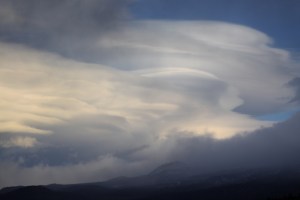
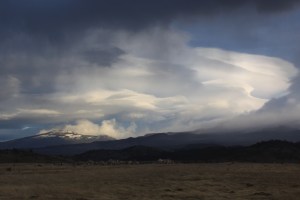
This evening saw one of the more impressive lenticular displays I have seen on Mount Shasta in a while. Anyone who has followed this site for a while knows that I am a bit of a lenticular junkie.  I think the thing about them that really appeals to me is their unpredictability and unusually spectacular appearance. Many mountains are beautiful in their own right, as is Mount Shasta, but few are embellished so frequently by such surreal and magnificent shapes.

After skiing all day with our oldest son, my wife alerted me to the cloud’s presence this afternoon. When they got home, I took off and headed north to evaluate the cloud and determine what angle would be the best one from which to observe and photograph it. The angle of the ancillary clouds made continuing north the thing to do so I headed up into the Shasta Valley and parked at one of my favorite spots to watch the show. I had Wade Bowen and Randy Rogers playing on the radio as I stood out in the wind next to my tripod, watching the clouds roil, churn and change. The lenticulars directly over the mountain remained fairly constant but the formations above and to the sides were in constant flux. As the sun set, the whole display lite up. I was reminded how fortunate one is to be living in Jefferson.

Click To Enlarge:


Update:

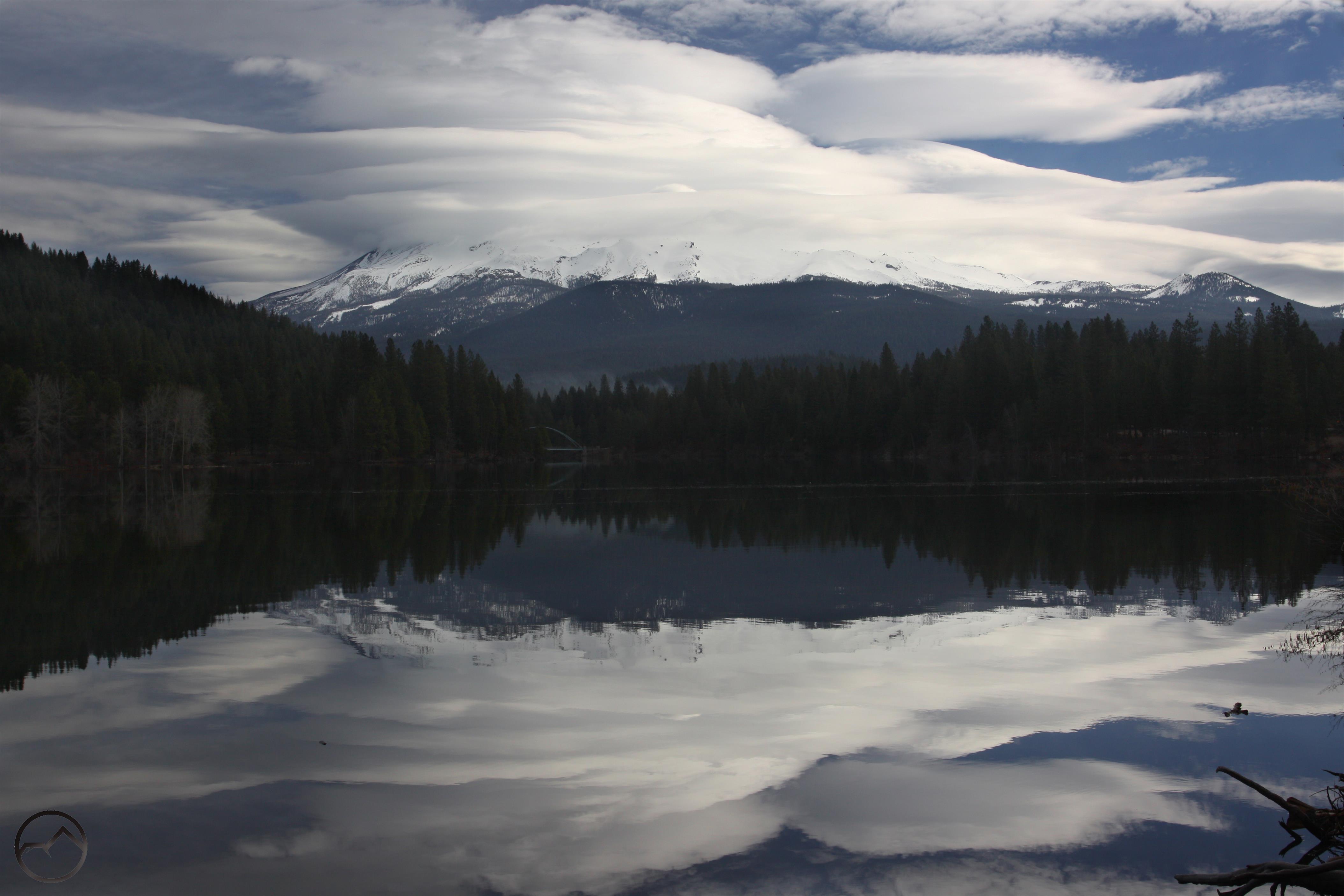
Apparently Mount Shasta wasn’t done putting on a show and continued the epic lenticular display through this morning. The light was not as good but the show was still an incredible sight. I had my three kids for the morning while my wife was at work so I took them down to Lake Siskiyou and let them play while I tried to get some shots of the mountain. Fortunately, despite the obscured light, the lake was still and the reflection was decent. It’s good fortune that such a beautiful spot can be reached so easily.

The Lost Creeks Of Lake Siskiyou

Posted by bubbasuess on March 14, 2017
Posted in: Hiking, Lakes, Mount Shasta, Off Season Trails, Spring Trails, Water, Winter Trails. Tagged: Lake Siskiyou. Leave a comment

A beautiful and rarely visited section of Castle Lake Creek.

This is just a quick reminder of one of the great features of the Lake Siskiyou Trail that is often overlooked. I have posted in the past on the possible hikes on the north and south shores of Lake Siskiyou that are feasible in winter. The whole loop around the lake is not possible since the bridges at the inlet are removed but there are still some really good hiking options on the trail. The best of these are the oft-forgotten “lost creeks” that flow out of the Trinity Divide and into Lake Siskiyou.

Mount Eddy from the South Shore, near the creeks.

This time of year, I tend to stick to the north shore because of Wagon Creek Bridge, the good views from the boat launch area and the excellent destination that is the lake’s inlet, where the Sacramento River flows into the reservoir. However, the south shore has its own charms, not the least of which is its stunning view of Mount Shasta (truly one of the finest there is). There may not be as clear cut a destination on the south shore, unless you are willing to put in a little extra work. That is where the “lost creeks” come in. Both Castle Lake Creek and Scott Camp Creek are lively, clear flowing mountain streams that shoot through deep canyons before passing under South Fork Road and then flowing into Lake Siskiyou. Between the road and the lake, they have 0.15 and 0.25 miles to go before reaching the still water of the lake. These last bits of free-flowing water are beautiful and wild and generally unthought of as an option to enjoy while other mountain creeks are still bound by snow.

The Lake Siskiyou Trail passes along both sides of Castle Lake Creek and Scott Camp Creek. In both cases the trail is well above the creeks, with steep embankments leading down to the water. There are, however, worn paths leading down to the water. The forest can be thick in places but it is still easy to get down and maneuver along the banks. This is generally truer closer to the lake. Of the two creeks, Scott Camp Creek tends to get more visitors because it is closer to the Lake Siskiyou Resort. Castle Lake Creek is further away from the South Shore trailhead and the resort and consequently gets fewer hikers heading to it. However, this time of year the resort has little activity and both creeks are great, easy-to-get-to destinations for solitude and free-flowing beauty. While the weather is warm, consider heading out to them!

Click to enlarge:


Water, Water, Every Where

Posted by bubbasuess on March 3, 2017
Posted in: Hiking, Mount Shasta, Water. Tagged: American River, Feather River, Lake Berryessa, Oroville Dam, Sacramento River, Shasta Dam, Whitney Portal, Yosemite, Yuba River. 5 Comments

cascades-iron-canyon-march2017-039-custom

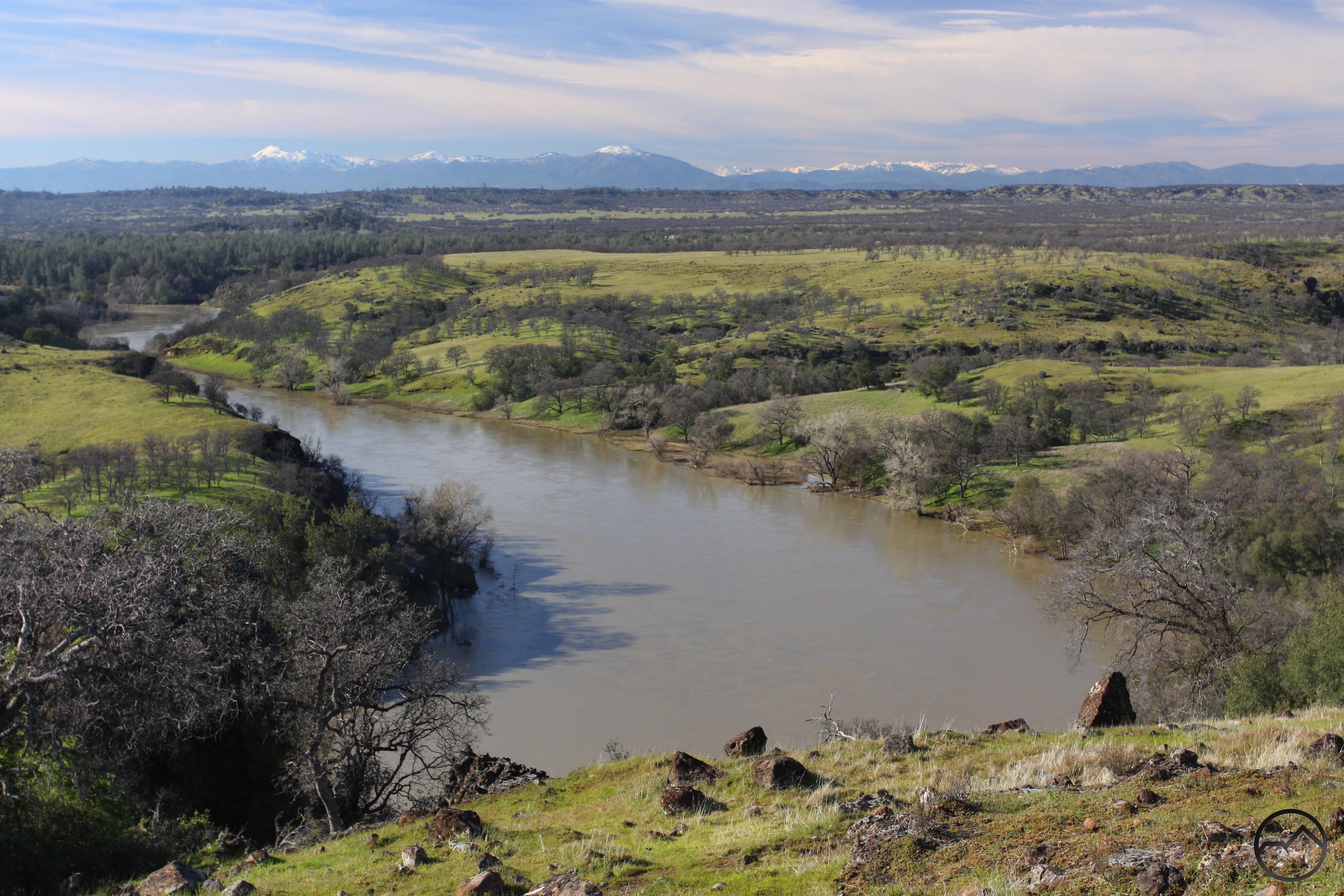
Bully Choop, Shasta Bally and the Trinity Alps line the horizon above a very full Sacramento River.

The winter of 2016/2017 has certainly been a wild one so far (see images here, here, here, here and here). Things kicked off with a utterly soaking October and has hardly let up since then. After the rain that came down during the fall, winter arrived in full force in January and has absolutely inundated California with rain and snow. After years of horrific drought, the sudden arrival of so much water has been a shock to both the psyche and the infrastructure. Where a couple of years ago the reservoirs were at 40-year lows, they are now so full as to pose threats to hundreds of thousands of people. The dangers aside, it is absolutely mind-boggling to drive around the Sacramento Valley and see so much water in the river, in the fields and in the gushing through the creeks. If you have not yet and you are able, I would strongly recommend heading over to the Shasta Dam and see the spectacle of the water being dumped out of Shasta Lake as fast as it can be. It is spectacular.

Click to enlarge:


This winter will have a noticable impact on hikers. Some will be positive, some negative. On the positive side, water will flow strongly throughout the summer and there will be lots of snow on the mountains throughout the high country. On the negative side of the equation, access will be a challenge, one which will manifest in a few different ways. Simply put, access to higher elevations will have to wait until much later than normal as the deep snow pack takes longer to melt. It will be a particularly interesting summer for those attempting the Pacific Crest Trail. For perspective on the snow level, check out this little webcam shot from Glacier Point:

Access is also going to be impaired due to road damage. Many roads, like CA 299 and Dinkey Creek Road have been damaged by the amount of water that has been inundating the state. However, no road damage is as dramatic as the rockslide that has blocked off the road into Whitney Portal, where the trailhead to Mount Whitney is found:

It may have been obvious from past posts, but one of my favorite subjects is water management and water policy in the western United States. The half of the country that lies west of the 100th meridian is utterly dependent on sound management of the shockingly scarce resource and it has impact on far-reaching aspects of our lives. This ranges from the fundamental need for water to drink to agriculture to how we recreate and use the land. Everything is touched by water policy. I would encourage everyone to read Cadillac Desert. I don’t agree with all of the author’s conclusions but it remains the best book I have seen on water in the western U.S. Not only is a fascinating account, but it will inform us as citizens as to the critical water issues we face. Frankly, Sacramento in particular has failed us in regards to water management and I think voters need to hold them to account. Water issues don’t seem to ever make it into the public discussion around election time as an essential topic but I think between the drought and the infrastructure issues this winter, we can’t avoid the topic any longer. This is made all the more pressing as the state’s population grows, putting more strain on the already strained system.

Enough of politics though. What I really wanted to do with this post is include some of the incredible footage of the rivers and dams from the past couple months. Nothing really puts an exclamation point on this winter like the stunning sights that have been put on display.  I want to focus on some of my favorites from the Northern California Rivers. Skip to the end to see some really incredible footage from the Oroville Dam’s spillway clean up that has been posted by DWR the last couple of days. The scale of the engineering and logistical challenges are staggering!

The Yuba:

The American River:

Scenes Along the Sacramento River:

Lake Berryessa (Putah Creek):

Feather River (Oroville Dam):

Stereographic Mount Shasta

Posted by bubbasuess on February 24, 2017
Posted in: Hiking, Mount Shasta, Mount Shasta History. 3 Comments

mtshastastereo-2

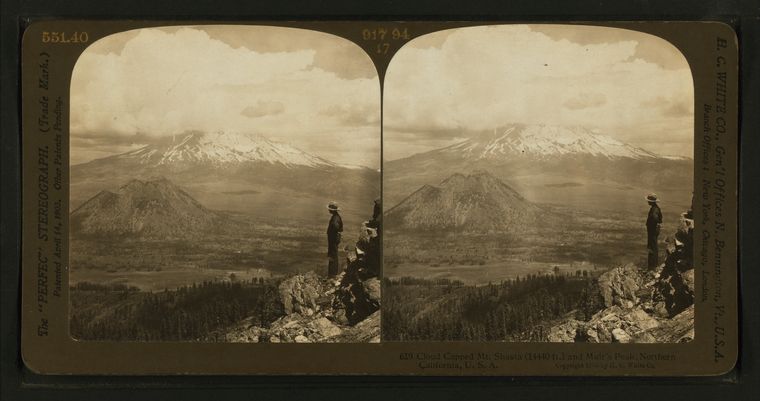
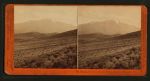
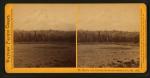
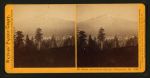
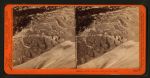
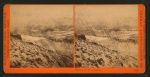
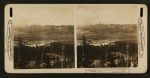
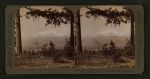
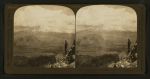
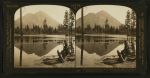
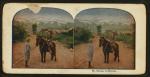
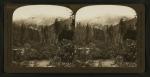
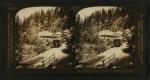
I stumbled upon an awesome collection of stereographic cards of the Mount Shasta area curated and placed online by the New York Public Library. The site also includes an interesting feature that creates 3D or animated versions of the stereographic cards (of course, the animated images will likely induce siezures, which makes this feature less fun). Most of the cards are from late 19th and early 20th century. It is a fascinating glimpse of the area’s history. It shows what the land and life was like 100 or so years ago. Interestingly, it shows the mountain from 3 of the 4 sides, including the rarely seen east side. It also includes some images from high up on the mountain. Though the view of Mount Shasta from the south is missing, it does feature a handful of images of the Castle Crags and the Shasta Springs vicinity. It is surprising how many remote locations are included and how recognizable they are (assuming, of course that I am right, which I may not be). I have done my best to identify where they were taken as best as I can. I hope this is found to be as interesting as I think it is.

Click to enlarge:

Somewhere in the Shasta Valley. I would say in the vicinity of Pluto’s Cave.
Another view from the Shasta Valley. This one seems like it may be west of Edgewood, near the base of Parks Peak.
A view of the east side of Mount Shasta. I am pretty sure this clearing is off of Military Pass Road, near where that road meets Deer Mountain Road.

Another view from the east. This looks like a view from south of Ash Creek Butte, possibly from a glass flow south of Medicine Lake.
A view of the Whitney Glacier.
Possibly from the Whitney Glacier headwall.

A view east of Mount Shasta City and Mount Shasta from Rainbow Ridge.
Possibly another view from Rainbow Ridge or perhaps from Mount Eddy.
Looking east from near the Wagon Creek Cascades. Rainbow Ridge and Mills Meadow can be seen below Black Butte. Note that Black Butte is identified as Muir’s Peak.

This may be looking west, up to Mount Eddy.
The Castle Crags rise above the Sacramento River.

Shasta Springs Resort.
Somewhere on the resort property.
Mossbrae Falls.

Of Dams and Raging Rivers

Posted by bubbasuess on February 10, 2017
Posted in: Hiking, Mount Shasta, Rivers. 1 Comment

cascades-mt-shasta-feb2017-345-custom

The Shasta River 

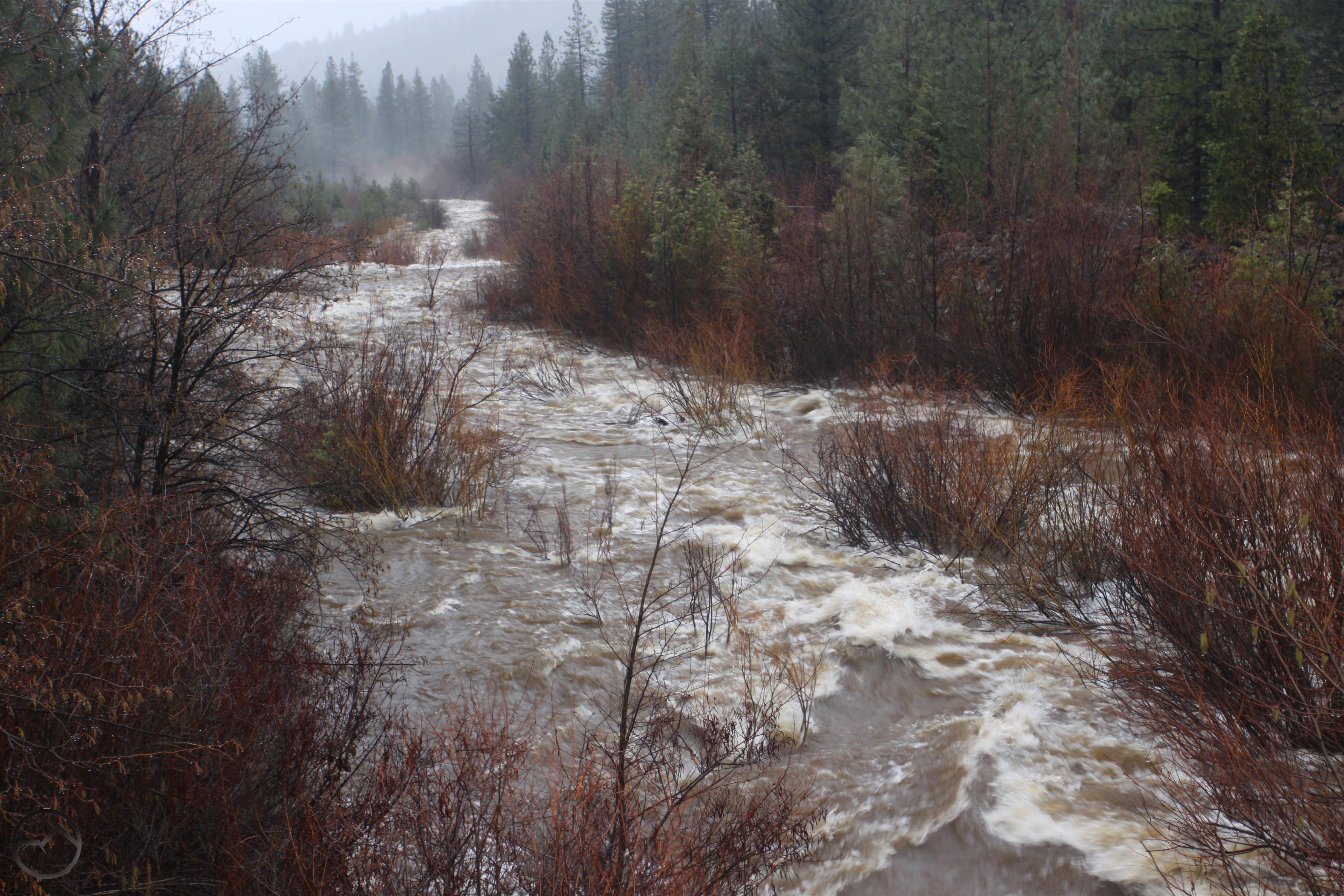
The weather sure has been a wild ride so far in 2017. The huge piles of snow (here and here) have given away to swollen creeks and rivers. The implications for hiking both around Mount Shasta and throughout Northern California remain to be seen but it is a surety that several trails will be impacted. Here in Mount Shasta, the most obvious one will be the Lake Siskiyou Trail. The Sacramento River has been notoriously busy the last few years as it continually reshapes the landscape at the Lake Siskiyou inlet (see examples here, here, here and here). The flow into the lake right now is larger than any that changed the landscape the last few years so it will not be surprising to see some significant changes once again. Also, I should point out now, that with the sunny weather in the forecast, the north shore section of the Lake Siskiyou Trail will be a perfect place to go for a hike. It is snow free from W.A. Barr all the way to the inlet. With the high water and the raging river, it is a particularly interesting time to hike the trail.

Of course, the big news right now is the Lake Oroville situation. This has been particularly fascinating to me, after having read Reisner’s Cadillac Desert several times (not my normal subject matter, but I have been toying with writing some posts on the book and related subjects. Such thoughts seem a little more pressing now.) The footage of the spillway is spectacular and terrifying. I would encourage everyone to check this amazing footage out.

While the situation at Lake Shasta is not dire like it is down in Oroville, it is still pretty exciting. As I write this, the largest reservoir in California is less than 7.5 feet from cresting. Check the water levels at Lake Shasta here. They have been releasing water from the dam already but if the water is sent over the spillway (essentially the top of the dam), it is going to be spectacular.

Here in Mount Shasta, it should come as no surprise that the rivers and creeks are all incredibly full and water is flowing everywhere. Among the most notable sights was the water spilling over the Box Canyon Dam. I am posting a picture of it here but you can find a good video of it on the Hike Mt. Shasta Facebook page. The McCloud River is harder to get to but the falls there are also quite a sight. Little Hedge Creek Falls is also fearsome.

These days I guess it is feast or famine when it comes to water. After a pretty miserable drought, it is nice to be feasting for a time. I want to add a few images to give a sense of just how much water we have been dealing with.

Click to enlarge:

The Shasta River surges through the Shasta Valley.
Just downstream of the confluence of Eddy Creek, Dale Creek and the Shasta River.
Wagon Creek
Sacramento River inlet into Lake Siskiyou.

Looking east across a very full Lake Siskiyou. Viewed from the inlet.
The Sacramento roars into the Box Canyon.
The awesome spillway at the Box Canyon dam.
After checking out the dam, I was treated to a surprise sunset over Lake Siskiyou!

Breaking Down The North State: The Klamath Mountains Pt. I

Posted by bubbasuess on February 9, 2017
Posted in: Castle Crags, Hiking, Klamath Mountains, Lakes, Mount Shasta, Scott Mountains, Trinity Alps, Trinity Divide, Wilderness. 7 Comments

Trinity Alps, Caribou Lakes - July2009 113 copy (Custom)

The Trinity Alps are one of the most spectacular regions in the Klamath Mountains.

Hidden away in the extreme northwest corner of California, the vast Klamath Mountains are California’s least known major mountain range. While the Sierra Nevada, the Cascades, the Transverse and Peninsular Ranges and the Coast Ranges are all well known for both iconic scenery and because of their relative proximity to population centers, the Klamath Mountains are essentially lost to the public mind. For most people, the large chunk of California amounts to little more than a big blank spot on the map. Yet that which is largely unknown to most is beloved to the relative few who have the pleasure of exploring this region. Here there are great forests of incredible proportions and diversity, large rivers surging through deep canyons, razor-edge peaks towering above glittering alpine lakes and thundering waterfalls, commanding awe and admiration. In short, these are grand mountains, ranking among the finest and most beautiful in the country. The only attribute they lack is fame.
Mount Shasta and the Cascades seen from Mount Eddy in the Klamaths.

Mount Shasta and the Cascades seen from Mount Eddy in the Klamaths.

Unlike most mountain ranges in California, the Klamath Mountains have somewhat amorphous borders, connecting to other mountain ranges on almost all sides as well as being bisected by the border with Oregon. Broadly speaking, the range extends east for 80 miles from the narrow margin of the Coast Range’s hills just inland from the Pacific Ocean to where the range encounters the Cascade Range. In the south, it once again abuts the Coast Range and proceeds northward over 120 miles to the Oregon border. Geologically, the Klamath Mountains continue into Oregon but north of the state line, the range is recognized more readily by one of its subranges, the Siskiyou Mountains and the Kalmiopsis Wilderness. In total, the Klamaths encompass just under 10,000 square miles, the preponderance of which lies in California. The California portion contains the highest and most rugged terrain, the most dramatic mountains, the vast majority of the lakes and most of the rivers.

While other major mountain ranges in California like the Sierra Nevada have distinct regions, they are still best known as a cohesive whole. The opposite is true of the Klamath Mountains. The range is better known by its major subranges. Most well-known are the Trinity Alps, the Marble Mountains and the Siskiyous. Other less well-known subranges include the Trinity Divide, the Scott Mountains, the Russian Wilderness, the North Yolla Bollys, the Trinity Mountains and the Scott Bar Mountains. There are also substantial regions that are not identified as distinct subranges. The most notable of these lies at the southern end of the Klamath Mountains, found between the North Yolla Bollys and the Trinity Alps and Trinity Mountains. Though some of these subranges are not famous or well-known, there is at least some awareness of them amongst people interested in outdoor recreation or ecology and geography. By and large, however, this area is unfamiliar to most people.
klamathmt

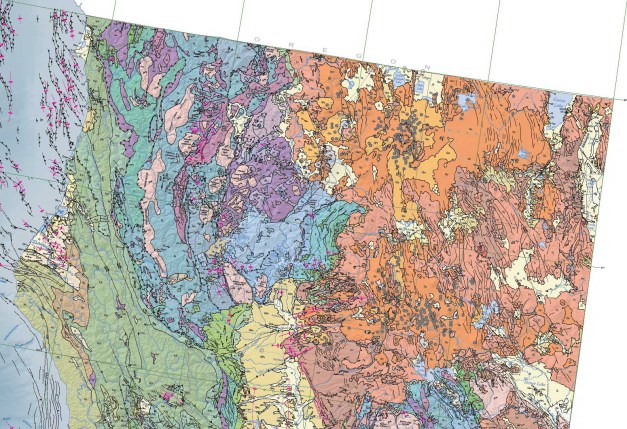
The blue, purple and pink colors mark the geologic extent of the Klamath Mountains.

The number of subranges in the Klamath Mountains is indicative of the exceptional geologic complexity that characterizes these mountains. Numerous, seemingly unrelated rock types are jammed together in what appears to be random patterns. Rocks from the bottom of seafloors are punctuated by great batholiths of volcanic rock while other types of marine rock swirl around in great waves the scope of which is difficult to fathom without the aid of maps. The complex geology of the Klamath Mountains is one of the two primary metrics by which the extent of the Klamath Mountains is determined. When looking at the geologic map, the range is easy to identify. The Klamaths are predominantly composed of sedimentary and ultramafic rocks with significant granite intrusions. Other types of rock like limestone and metavolcanic rocks also have notable intrusions scattered around the range. This is in sharp contrast with the recent volcanic rocks that are adjacent on the east side and the large block of marine sediment and sandstone conglomerates that form a large block of the North Coast Range to the west and south.

It is worth noting that the Klamath Mountains are almost geologically identical to the northern Sierra Nevada. The presence of large blocks of sedimentary and ultramafic rocks punctuated by significant intrusions of granite is typical of both regions. Looking at the Geologic Map of California, it appears that the Klamaths were once part of the Sierra Nevada but were wrenched away from the main range, cut off by major volcanic flows from the Cascades or both. Either way, the regions closely resemble each other and hikers who are familiar with both often comment on the striking similarities. A third region, the Blue Mountains of eastern Oregon also seem to be composed in a similar fashion, leading some to speculate that these mountains were also part of same cordillera.
klamathwatershed

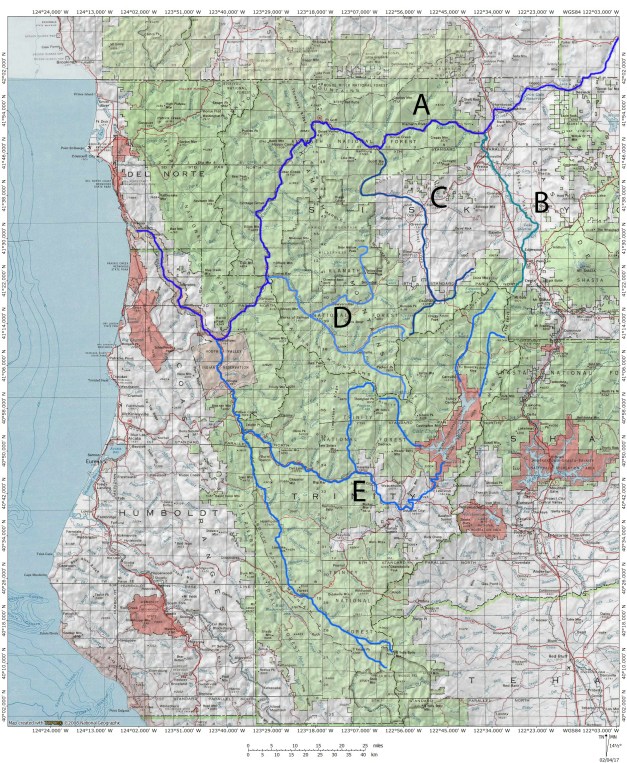
Major rivers of the Klamath Mountains: (A) Klamath River, (B) Shasta River, (C) Scott River, (D) Salmon River, (E) Trinity River

The other distinct element of the Klamath Mountains, particularly in the California section of the mountains, is the rivers that course through the range. Amazingly, the watersheds of these rivers align almost perfectly with the geologic borders. Several large mountain rivers are found here. Chief among them is the Klamath River, from which the range gets its name. This large river’s headwaters are located in central Oregon, where the Sprague, Williamson and Sycan Rivers all flow southward and join around Upper Klamath Lake, where the Klamath River itself begins. The river then flows through the Klamath Basin and the Cascade Range before passing just north of the Shasta Valley. Beyond the valley, the river enters the Klamath Mountains province. While already a large river, it is here that it begins to gather the waters of the numerous rivers that arise in the mountains of the Klamaths. First to join is the Shasta River, followed by the Scott, Salmon and Trinity Rivers. This last is a large, long and mighty river in its own right and drains the almost the entire southern half of the Klamath’s California portion. Major creeks, including Clear, Wooley, Gridder, Canyon and Hayfork Creeks all have significant watersheds of their own. The watersheds of these rivers all correspond to the geologic extent of the range. Equally amazing, with the notable exception of the dam that forms Trinity Lake, all of these rivers are undammed and wild as they flow through the Klamaths (three dams are found on the Klamath River as it passes through the Cascades but none lie downstream).
The Trinity Alps boast vast alpine expanses.

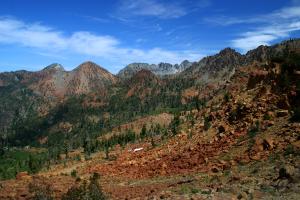
The Trinity Alps boast vast alpine expanses.

In keeping with the forgotten nature of the Klamath Mountains, it is also one of the wildest regions of California. There roughly 1,000,000 acres of wilderness in the California section of the Klamaths, making it the second largest alpine wilderness block in the state. Only the Sierra Nevada has more montane wilderness. The most notable wildlands in this part of the Golden State is the massive Trinity Alps Wilderness. Boasting and amazing 537,363 acres, it is one of the largest wilderness areas in California and the second largest administered by the U.S. Forest Service (after the magnificent John Muir Wilderness, which encompasses 652,790 spectacular acres). The large block of wildlands is complemented by low regional population and significant distance from population centers. Consequently, much of this area is wild with a capital “W”.
klamathwild2

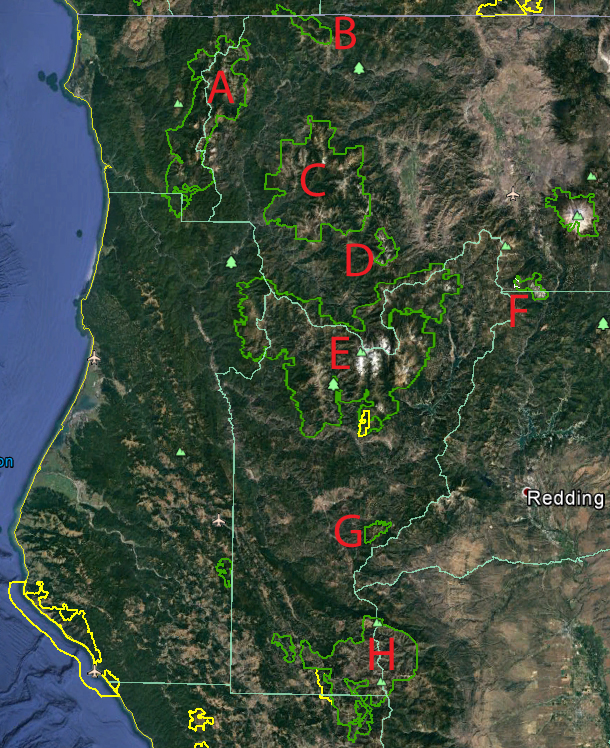
Klamath Mountains Wilderness Areas:(A) Siskiyou Wilderness, (B) Red Buttes Wilderness, (C) Marble Mountains Wildernss, (E) Trinity Alps Wilderness, (F) Castle Crags Wilderness, (G) Chanchelull Wilderness, (H) Yolla Bolly-MIddle Eel


There are 7 wilderness areas entirely within the Klamath Mountains. As mentioned previously, the northern portion of the Yolla Bolly-Middle Eel Wilderness falls within the Klamath province, bringing the total up to 8. Most of the acreage is focused on the 3 largest areas, the Trinity Alps, the Marble Mountain and the Siskiyou Wilderness areas. Four more, smaller areas are scattered around the range. While there are notable exceptions (Mount Eddy, Scott Mountains), most of the best scenery and recreational opportunities fall within the boundaries of these wild areas. In some cases, these wilderness areas correspond to the major subranges within the Klamath Mountains but for the most part they are only taking in isolated portions of larger geologic blocks. The scale of the areas ranges from over half a million acres in the Trinity Alps to the tiny Chanchelulla Wilderness, which has less than 10,000 acres. The heart of the Klamaths is dominated by the Trinity Alps, Russian and Marble Mountains Wilderness areas. These three wildlands form a nearly contiguous nucleus that accounts for 75% of the protected wilderness in the Klamath Mountains.

Siskiyou Wilderness
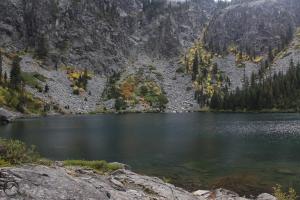
Fall at the Devils Punchbowl.

Fall at the Devils Punchbowl.

The largest block of wilderness in the Siskiyou Mountains, the 179,847 acres of the Siskiyou Wilderness contain a beautiful collection of alpine lakes and rugged peaks. Located at the southern end of the long crescent of the Siskiyous that runs from Interstate 5 in the northeast to the confluence of the Klamath and Trinity Rivers in the southwest, the Siskyou Wilderness is easily the most rugged stretch of mountains in the entire range. The wilderness is dominated by spectacular Preston Peak, which looms 1,000 feet or more above any mountain within a 20 mile radius. Though not as tall, other peaks, including Bear Mountain, El Capitan, The Lieutenants, and Black Butte also provide rugged interest to the range’s skyline. The principle watershed within the Siskiyou Wilderness is Clear Creek. Fed by several alpine lakes and meadows, this large waterway rises at the north end of the wilderness and flows 25 miles to the southeast, where it meets the Klamath River. Numerous trails provide access to the interior of the wilderness. The most popular trails generally lead to lakes, the most notable of which is the awesome Devils Punchbowl.

Red Buttes Wilderness
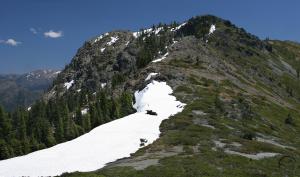
Figurehead Mountain in the Red Buttes Wilderness.

Figurehead Mountain in the Red Buttes Wilderness.

One of the smaller wilderness areas in the Klamath Mountains, the Red Buttes Wilderness encompasses 20,133 acres, of which 16,356 are within California, the rest falling just north of the Oregon border. The name comes from twin towers of the Red Buttes, the highest and most interesting peaks in the wilderness. Like much of the wilderness, the buttes lie along the crest of the Siskiyous. The north side of the mountains drain into the Rogue River via the Applegate River. On the south the water makes its way into the Klamath River. Much of the wilderness is composed of sedimentary rock but the Red Buttes themselves are part of an isolated block of ultramafic rock, one of the major rock types present in the Klamath Mountains. A few small lakes are found throughout the wilderness, Azalea Lake being one of the prettiest and most popular. Access to the Red Buttes Wilderness is best coming south from Oregon. The Pacific Crest Trail’s steep climb out of Seiad Valley is the only good access from the California side.

Marble Mountains Wilderness
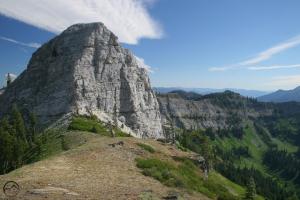
The Marble Mountain in the Marble Mountains Wilderness

The Marble Mountain in the Marble Mountains Wilderness

Divided between the watersheds of three of the Klamath Mountains’ major rivers, the Marble Mountains are the second largest wilderness area in the Klamaths. This incredible 225,114 acre wildland feeds water into the Klamath, Salmon and Scott Rivers. The creeks that flow into the rivers originate in the dozens of alpine lakes scattered around the wilderness. Many of the lakes are large, deep and set in heavily glaciated cirque basins. Indeed, the lakes of the Marble Mountains are one of the star attractions for hikers. Several prominent peaks also dot the landscape. The most memorable being the wilderness area’s namesake, the Marble Mountain. One of the more unique mountains in the west, the stark white marble of this unusual mountain stands out against the green forests and meadows and the ruddy peaks that surround it. Trail access to the Marble Mountains is excellent. Numerous trailheads on all sides of the wilderness create numerous hiking and backpacking opportunities.

Russian Wilderness
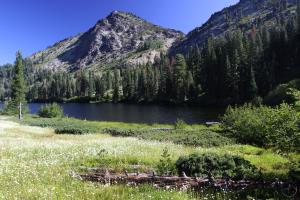
Taylor Lake.

Taylor Lake.

The diminutive Russian Wilderness occupies the easternmost fringe of the unsung Salmon Mountains. While it may be small in stature it is not small on scenery and ranks among the most beautiful in the Klamath Mountains. Composed almost entirely of granite, the Russian Wilderness occupies the highest part of the Salmon Mountains and forms the divide between the Salmon River and the Scott River. In terms of wilderness preservation, this primeval land forms a bridge between the massive Marble Mountains and Trinity Alps Wilderness Areas. Granite basins are found on both sides of the crest and are home to several large, beautiful alpine lakes. Most of these are accessed by a good network of trails which includes several miles of the Pacific Crest Trail. The wilderness takes its name from Russian Peak, the highest point in the Salmon Mountains and among the highest in the Klamath Mountains.

Trinity Alps Wilderness
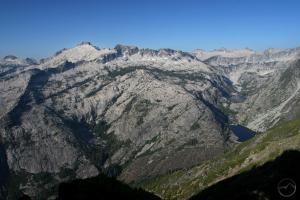
Rugged mountains of the Trinity Alps.

Rugged mountains of the Trinity Alps.

In many ways the vast Trinity Alps Wilderness is the heart of the Klamath Mountains.  While they are located near the center of the California part of the Klamaths, it is the scale of the mountains, lakes, canyons and waterfalls within the wilderness that places them at the apex of this large mountain range. Here is the most spectacular scenery, where granite towers soar thousands of feet above deep canyons, where thundering waterfalls pound against the unyielding stone and large, deep alpine lakes glitter in massive glacial cirques. The scale of the mountains and scenery is only matched by the scale of the wilderness area that protects it. It is only in the Trinity Alps that hikers and backpackers get the since of magnitude that is found amidst the great spires of the Sierra Nevada. It is here where the vastness is felt with every step. For hikers, the attractions of the Trinity Alps are legion. Fortunately an excellent trail system offers countless trip possibilities. Trips of a week or two in length are easily feasible in this awesome wilderness. While the core of the Trinity Alps falls in the Trinities proper, portions of other Klamath Mountains subranges are included within the wilderness boundary. This notably includes the southern stretch of the Salmon Mountains and the entire western half of the Scott Mountains. Consequently, the Trinity Alps Wilderness contains the headwaters of many forks of the Trinity River as well as the South Forks of the Salmon and Scott Rivers.

Castle Crags Wilderness
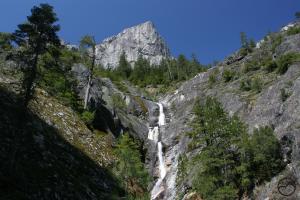
Root Creek Falls and Castle Dome.

Root Creek Falls and Castle Dome.

Covering much of a central rib of the Trinity Divide, the small 10,609 acre Castle Crags Wilderness is epic in terms of scenic qualities. The obvious centerpiece of the wilderness is the chaotic jumble of granite spires that makes up the Castle Crags. The crags are a major granite pluton that has intruded into the sea of ultramafic rock that makes up the Trinity Divide. Polished by glaciers, the Crags are favorably to parts of the Sierra Nevada in terms of appearance. However, the wilderness area is not limited to the Castle Crags alone. The western part of the wilderness includes a cluster of high peaks and all or part of two alpine lake basins. The Gray Rock Lakes are set in a deep valley over 1,000 feet below a pair of rugged summits. A little to the west, the wilderness area includes the higher reaches of the Castle Lake basin, including vista-rich Heart Lake and beautiful Little Castle Lake. The lake basins are accessed by good trails but the Castle Crags themselves are wilderness in the truest sense of the world, unpenetrated by trails and the domain of the hearty souls who scramble the steep slopes in order to scale the magnificent cliffs. Hikers have to content themselves with enjoying the view from the Pacific Crest Trail and a few other paths that travel along the base of the Crags.

Chanchelulla Wilderness

The smallest wildland in the Klamath Mountains, the Chanchelulla Wilderness is centered around its namesake peak. At only 8,062 acres, there is barely room into include Chanchelulla Peak and its lower flanks. This is also one of the least visited wilderness areas in the Klamath Mountains. Tucked away at the far southern end of the Klamaths, it is far from population centers, suffers from lack of trails and requires a long and bumpy drive to get to Deer Lick Springs, the only good access point. Nonetheless, for those seeking a truly wild and remote experience, this is a good place to explore.

Yolla Bolly-Middle Eel Wilderness
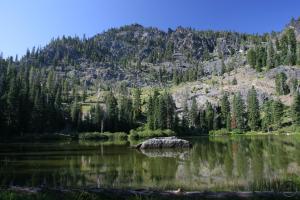
Block Rock Mountain and Black Rock Lake.

Block Rock Mountain and Black Rock Lake.

Most of the 182,299 acres of the Yolla Bolly-Middle Eel Wilderness protects a large swath of the North Coast Range’s highest terrain. The northernmost section of the wilderness contains the North Yolla Bolly Mountains, the southernmost set of peaks that belong to the Klamath Mountains. This collection of peaks is arguably the prettiest corner of the entire wilderness. It contains rugged peaks, sheer cliffs, huge fields of wildflowers and a pair of small but very scenic lakes. The North Yolla Bollys are also the headwaters of the South Fork of the Trinity River. This river, along with the geologic transition that takes place at the North Yolla Bollys, marks the southern end of the Klamath Mountains. Though it is remote, there is good access to the Klamath corner of the Yolla Bolly-Middle Eel Wilderness. A well-maintained trail system leads to all the major points of interest and beyond, into the interior of the wilderness.

Part Two of the Klamath Mountains Geography will take a different approach to the Klamaths and break the entire range down by subranges. This will hopefully bring further clarity to this mysterious mountain region.

Turbulent Towers Above Mount Shasta

Posted by bubbasuess on February 4, 2017
Posted in: Hiking, Lenticular Clouds, Mount Shasta. Leave a comment

cascades-mt-shasta-feb2017-143

Tumultuous lenticular clouds form above a cloud-shrouded Mount Shasta.

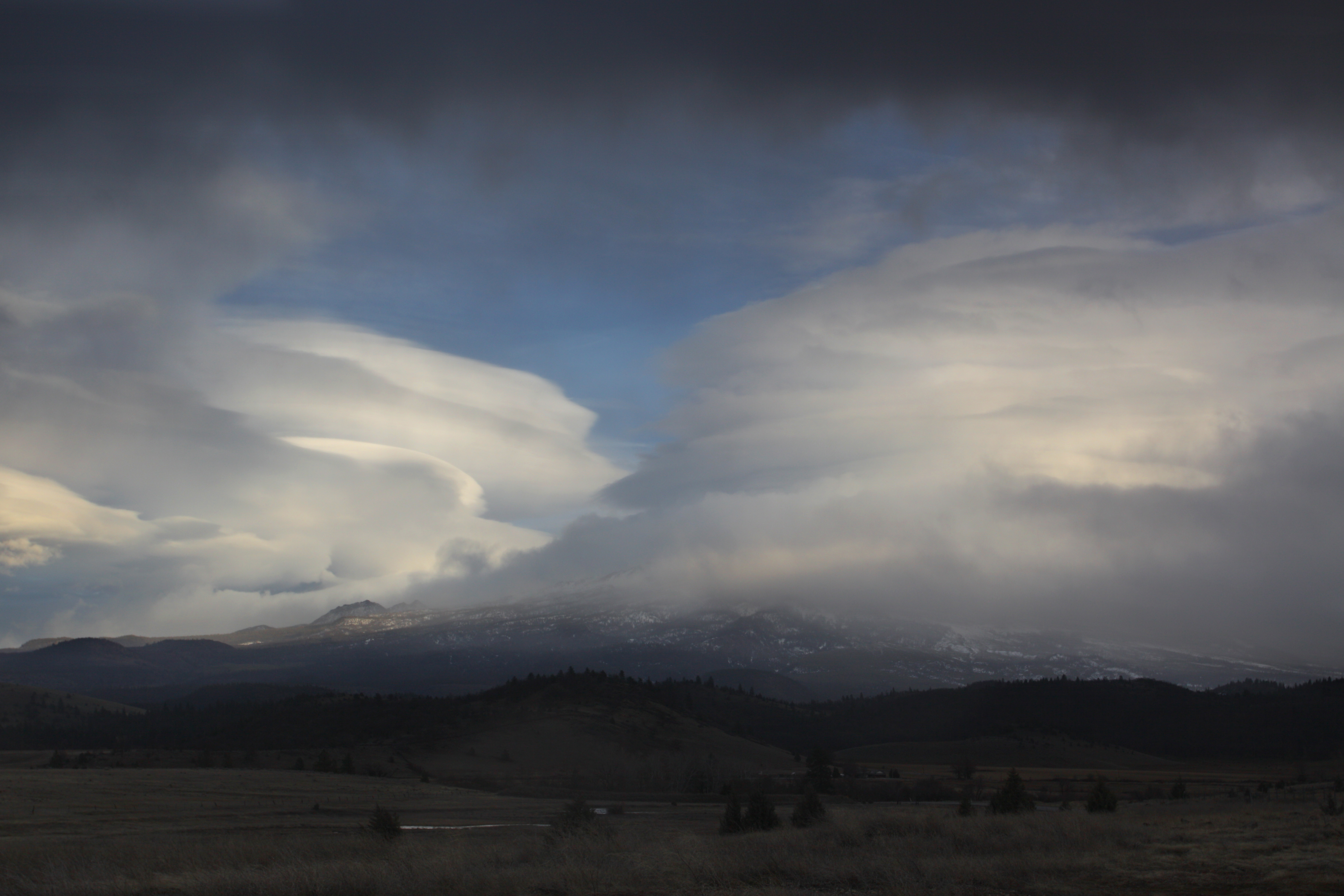
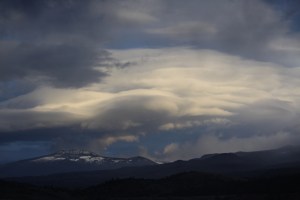
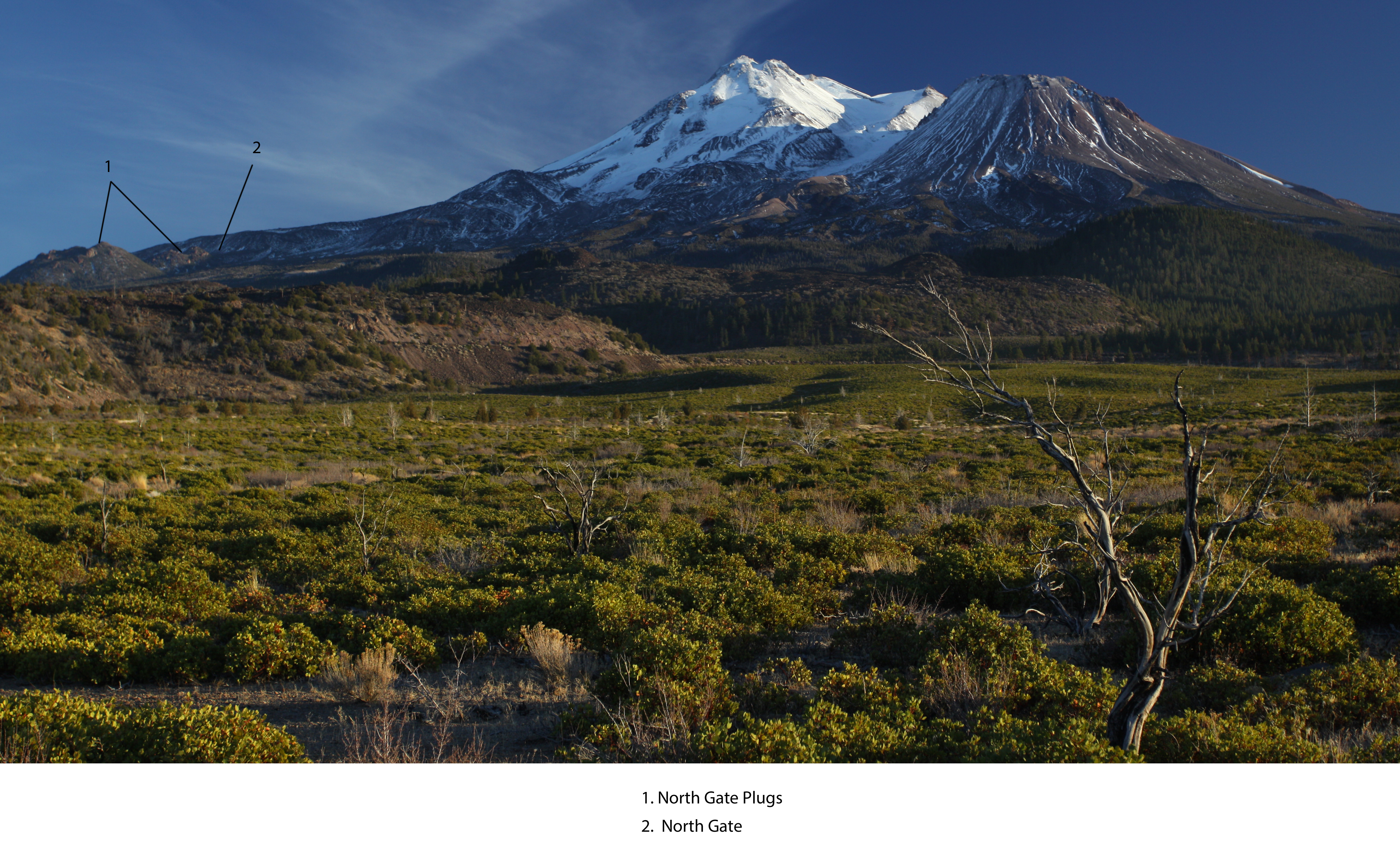
The first few days of February have proven to be stormy around Mount Shasta. Fortunately, the stormy canopy above the southern end of the Shasta Valley broke open at sunset on Saturday and offered a glimpse of an incredible array of lenticular clouds that had formed over Mount Shasta and the nearby Whaleback. While Mount Shasta itself was obscured by clouds, the aerial display was nonetheless spectacular. Dark clouds still covered the rest of the Shasta Valley and the surrounding mountains but the one opening in the storm proved to be ideal, contrasting the black clouds with the towering, glowing lenticulars. It is not often that the Whaleback takes center stage over Mount Shasta, but with the great mountain lost in the storm, the broad-shouldered Whaleback was the most obvious, visible landmark. Crowned by swirling, illuminated clouds, it was a stunning sight. If it were necessary to confirm that, yes, Mount Shasta was indeed there behind the lenticular tower, the North Gate Plugs, a collection of volcanic domes on Mount Shasta’s northeast flank, were visible. It was a fortuitous parting of the storm that revealed this amazing spectacle and leads one to wonder just how many other marvels are hidden away by low storm clouds.

Click to enlarge:


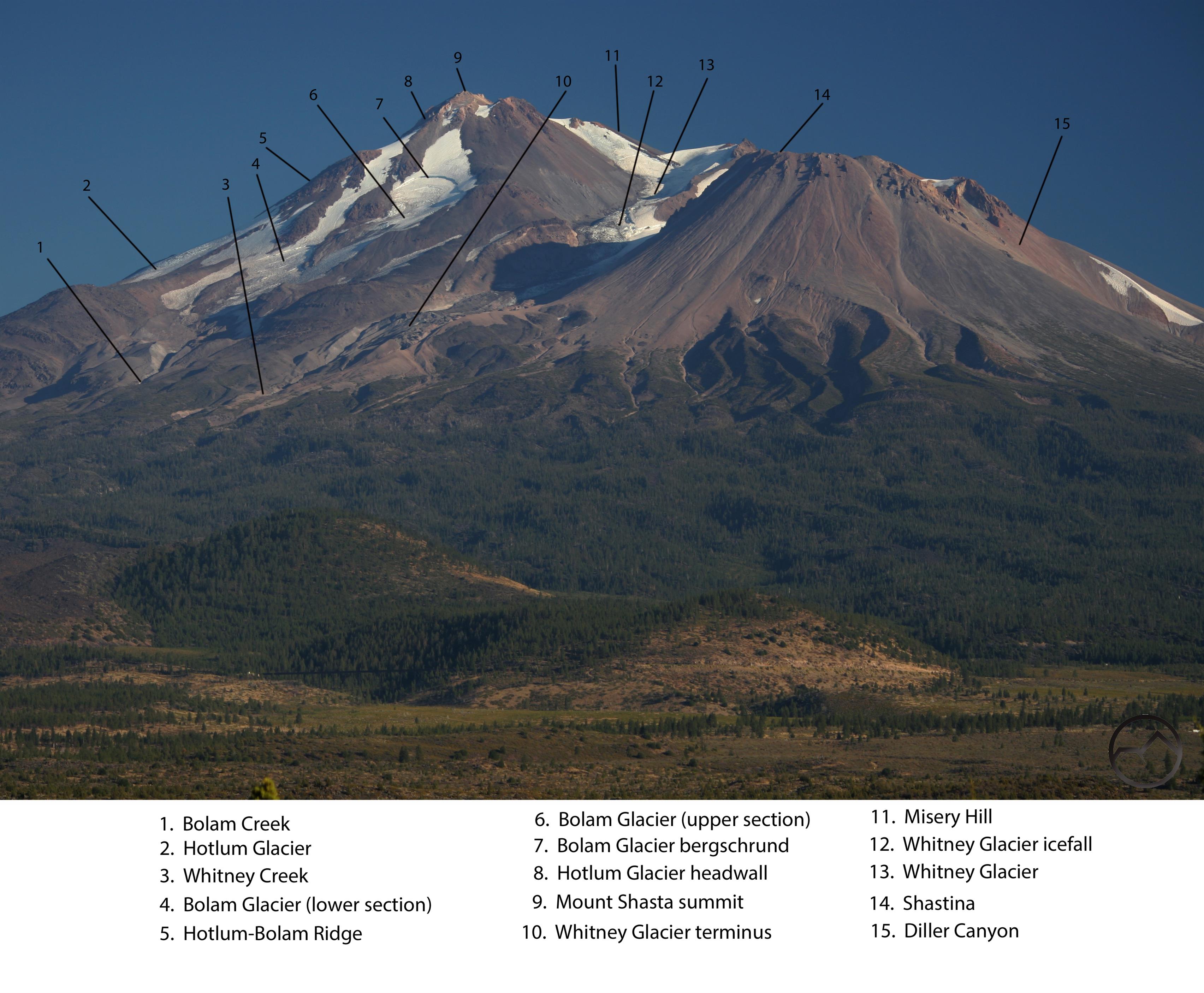
Mount Shasta Landmark Locator: North Side

Posted by bubbasuess on January 29, 2017
Posted in: Hiking, Mount Shasta. 4 Comments

As you driving south on Interstate 5 from Oregon, you are greeted with a magnificent spectacle as the freeway descends into the Shasta Valley. Mount Shasta, towering 11,500 feet over the level valley floor is the unchallenged ruler of California’s North State region. It is an unforgettable sight. It is a particularly memorable view and one of Mount Shasta’s most aesthetically pleasing profiles  for a number of reasons. First, the mountain rises to its incredible heights very abruptly from a flat plain. Its magnificent stature is put on full display. Second, the great bulk of Shastina is arranged in balance with the main cone of the mountain. From the west, the mountain is somewhat off balance because of Shastina’s great size. Lastly, this is an incredible view of the mountain because of the presence of two of Mount Shasta’s 4 large glaciers. The Whitney and Bolam Glaciers, massive sheets of living ice, grace the upper flanks of the mountain, blanketing the volcano in a perpetual blanket of ice.

The image used for this landmark locator was chosen because it gives great detail on the glaciers. Many features, including bergschrunds and crevasses are easily discernible with the naked eye during summer, when the winter snow has melted away and the permanent ice has been revealed. The only major landmark missing from this view is the North Gate and the North Gate Plugs, a series of minor but prominently visible volcanic peaks on the northeast side of Mount Shasta.
View West Side Locator here.
Click to enlarge:

cascades-mt-shasta-oct2012-018-custom

cascades-mt-shasta-dec2013-002


Posts navigation

← Older Entries
Newer Entries →
    • Recent Posts

      • Winter Shows Up When It Will
      • January Rolled By With Mud, Then Very Dry
      • Mount Shasta 2025 – A Year In Images
      • Mount Shasta On Either Side Of Christmas
      • Adrift In An Ocean Of Fog
      • December Has Been Spectacular Thus Far Pt. II (A Magnificent Lenticular)
      • December Has Been Spectacular Thus Far Pt. I
      • Lenticular Interrupted
      • A Stormy Wave And A Truchas Sunset
      • Aurora Lenticularis
    • Enter your email address to follow Hike Mt Shasta and receive notifications of new posts by email.

    • Archives

      • February 2026
      • January 2026
      • December 2025
      • November 2025
      • October 2025
      • September 2025
      • August 2025
      • July 2025
      • June 2025
      • May 2025
      • April 2025
      • March 2025
      • February 2025
      • January 2025
      • December 2024
      • November 2024
      • October 2024
      • September 2024
      • August 2024
      • July 2024
      • June 2024
      • May 2024
      • April 2024
      • March 2024
      • February 2024
      • January 2024
      • December 2023
      • November 2023
      • October 2023
      • September 2023
      • August 2023
      • July 2023
      • June 2023
      • May 2023
      • April 2023
      • March 2023
      • February 2023
      • January 2023
      • December 2022
      • November 2022
      • October 2022
      • September 2022
      • August 2022
      • July 2022
      • June 2022
      • May 2022
      • April 2022
      • March 2022
      • February 2022
      • January 2022
      • December 2021
      • November 2021
      • October 2021
      • September 2021
      • August 2021
      • June 2021
      • May 2021
      • April 2021
      • March 2021
      • February 2021
      • January 2021
      • December 2020
      • November 2020
      • October 2020
      • September 2020
      • August 2020
      • July 2020
      • June 2020
      • May 2020
      • April 2020
      • March 2020
      • February 2020
      • January 2020
      • December 2019
      • November 2019
      • October 2019
      • September 2019
      • August 2019
      • July 2019
      • June 2019
      • May 2019
      • April 2019
      • March 2019
      • February 2019
      • January 2019
      • December 2018
      • November 2018
      • October 2018
      • September 2018
      • August 2018
      • July 2018
      • June 2018
      • May 2018
      • April 2018
      • March 2018
      • February 2018
      • January 2018
      • December 2017
      • November 2017
      • October 2017
      • September 2017
      • August 2017
      • July 2017
      • June 2017
      • May 2017
      • April 2017
      • March 2017
      • February 2017
      • January 2017
      • December 2016
      • November 2016
      • September 2016
      • August 2016
      • July 2016
      • June 2016
      • May 2016
      • April 2016
      • March 2016
      • February 2016
      • January 2016
      • December 2015
      • November 2015
      • September 2015
      • August 2015
      • July 2015
      • June 2015
      • May 2015
      • April 2015
      • March 2015
      • February 2015
      • January 2015
      • December 2014
      • November 2014
      • July 2014
      • June 2014
      • May 2014
      • April 2014
      • March 2014
      • February 2014
      • January 2014
      • December 2013
      • November 2013
      • October 2013
      • September 2013
      • August 2013
      • July 2013
      • June 2013
      • May 2013
      • April 2013
      • March 2013
      • February 2013
      • January 2013
    • Categories

      • Boy Scouts
      • Cascade Range
      • Castle Crags
      • Desert
      • Echo Point
      • Glaciers
      • Hiking
      • How things came to be…
      • Klamath Mountains
      • Konwakiton Outdoor Designs
      • Lakes
      • Lenticular Clouds
      • Maps
      • Marble Mountains
      • Meadows
      • Mount Eddy
      • Mount Shasta
      • Mount Shasta History
      • Napa County
      • Off Season Trails
      • Pacific Crest Trail
      • Peaks
      • Rivers
      • Rock Climbing
      • Scott Mountains
      • Seldom Seen
      • Shasta Valley
      • Sierra Nevada
      • Siskiyou Mountains
      • Sonoma County
      • Spring Trails
      • sunrise
      • sunset
      • Trinity Alps
      • Trinity Divide
      • Truchas Ridge
      • Uncategorized
      • Water
      • Waterfalls
      • Wilderness
      • Wildflowers
      • Wine Country
      • Winter Trails
      • Yosemite
    • Meta

      • Create account
      • Log in
      • Entries feed
      • Comments feed
      • WordPress.com
    • Copyright © 2013-2024 by Bubba Suess

      DISCLAIMER: Any use of the information contained in this site by any and all persons is done at their own risk. The operator of this site shall be held harmless from any and all alleged claims, demands, causes of action, liability, loss, damage and/or injury to property or persons whether brought by an individual or other entity. This indemnification applies, without limitation, to all actions by an individual or other entity as a result of their use of information contained in this site.

    Blog at WordPress.com.
    Hike Mt. Shasta
    Blog at WordPress.com.
    • Subscribe Subscribed
      • Hike Mt. Shasta
      • Join 985 other subscribers
      • Already have a WordPress.com account? Log in now.
      • Hike Mt. Shasta
      • Subscribe Subscribed
      • Sign up
      • Log in
      • Report this content
      • View site in Reader
      • Manage subscriptions
      • Collapse this bar
     

    Loading Comments...